Thailand topped the list of rubber exporting countries in the first half of the year, with shipments of 2.19 million tonnes valued at 70.5 billion baht, the agriculture minister’s adviser revealed on Friday.
This year’s total exports of natural rubber are expected to reach 4.27 million tonnes, up 3.41 per cent from last year, said Alongkorn Ponlaboot, citing the Rubber Authority of Thailand.
In the first half, Thailand exported 167.2 billion baht of natural rubber and rubber products, he added.
Almost half (49 per cent) of the exports went to China, which is the largest market for Thailand’s rubber and rubber products, said Democrat Party deputy leader Alongkorn, who also chairs the Agriculture and Cooperatives Ministry’s committee monitoring rubber prices.
Between January and June, China imported 1.42 million tonnes of natural and synthetic rubber from Thailand, up 5.37 per cent from last year.
Malaysia was second on the list with 10 per cent, followed by the United States (7 per cent), Japan (6 per cent), and South Korea (4 per cent).
The Rubber Authority of Thailand estimates Thai rubber production this year will total 4.79 million tonnes, up 0.88 per cent from last year, he added.
Alongkorn on Thursday chaired an online meeting on the situation in the global rubber market. Also attending were senior officials from the Rubber Authority, Agriculture and Cooperatives Ministry, Commerce Ministry, and Thai agriculture attachés from across the world.
The National Economic and Social Development Council (NESDC) reckons the Thai economy can be affected by three scenarios taking into account the ongoing Russia-Ukraine war and other geopolitical conflicts.
The first and most probable scenario, NESDC Deputy Secretary-General Wichayayuth Boonchit said, is if the Russia-Ukraine war continues, but the global oil supply is not affected by sanctions against Russia. In this case, Thailand’s economy should expand between 2.5 and 3.5 per cent this year. Thailand’s GDP currently stands at 1.6 per cent, according to the World Bank.
“Thailand’s inflation should drop slightly in 2023, while the current account will build up gradually,” he said.
He also expects the global economy to expand this year before slowing down next year based on the interest rate directions and the cycle of major economies. He believes the global economy should start to recover after 2023.
In the second, but less probable scenario, Wichayayuth said, Thailand’s economy will grow less than expected in 2022-2023 if more sanctions are slapped on Russia. This will result in a surge in the global price of oil and other products.
“The inflation this year will be higher than in the first scenario before declining,” he said, adding that the current account will have a higher surplus than in the first scenario.
He also expects the global economy to grow at a lower level next year depending on the types of sanctions. He added that economies in Europe, the UK and the US face the risk of recession.
The third and worst scenario is if a conflict is sparked between the US and China. Wichayayuth said this conflict will spark a global economic recession depending on the intensity of this and other geopolitical conflicts.
Should a US-China conflict arise, it will push up the price of fuel, food and consumer goods and even trigger shortages.
“Thailand’s inflation will remain high, with the current account balance in deficit,” he said.
Global supply chains remain disrupted as the Covid-19 pandemic enters the third year and the crisis in Europe creates chaos in Europe-Asia transportation.
Expert Mark Millar said the disturbance offers companies an opportunity to reevaluate their sourcing and production, considering a more regional approach going forward.
He also expects global supply chain reconfiguration to last through 2025 to 2030, with some businesses nearshoring and reshoring.
Millar is an internationally known industry expert in logistics and supply chain strategies with over 30 years of global business experience.
He is a renowned keynote speaker and author of Global Supply Chain Ecosystems.
He will deliver a keynote speech at a webinar hosted by DIGITIMES Asia on August 25: From Long Chains to Short Chains: Reforming Global Supply Chains in the Post-Pandemic Era.
According to Millar, much of the world is still experiencing vast supply chain chaos, while some regions are recovering. The more globalized supply chains are, the more prevalent the disruption gets.
However, the challenges companies face today differ from two years ago, especially with the ongoing conflict, which Millar described as a “black swan” event.
He said that during 2021, an additional one million cargo containers traveled by rail from the East, mainly China, to Western Europe due to the significant congestion in the sea freight shipping sector.
Most of those routes go through Russia and are not available now. Therefore, freight forwarders and logistics companies must find space for the containers on ships which are already full to capacity.
On a broader basis,the crisis in Europe has impacted the availability of oil and gas and increased energy prices. Millar said the situation has created a knock-on effect on the global transportation network serving supply chains.
More nearshoring and reshoring to come
What can companies do to tackle the challenges? While it is an overused term, Millar said collaboration among the supply chain partners is the practical way to get through the crisis in the short to mid-term.
The effort includes finding alternative sources or transportation routes that may be more expensive but can deliver the goods to the final destination.
On a medium-term basis, Millar said the disruption has created an opportunity for reevaluation after 30 years of globalization. For instance, companies might want to take a more regional approach in the future that would build more resilience into their supply chains and reduce emissions.
In fact, a movement of businesses reconfiguring their supply chains has started. Millar said some companies are looking at or implementing nearshoring, moving sourcing and production closer to the final destination market. Others are considering moving sourcing and production back into the final destination, which is reshoring, also known as on-shoring.
“We’ll see a movement towards a more regional approach to supply chains,” Millar said.
The expert added that in the European scenario, Poland, Turkey and even some North African countries with low-cost labour forces and are geographically close to Europe would all come into play as potential nearshoring locations.
Sourcing and production to remain strong in Asia
With all the nearshoring and reshoring coming, questions about whether reconfiguring supply chains would affect Asia’s, especially China’s, role as the manufacturing powerhouse have been raised.
Millar said due to multiple reasons, there will not be a mass exodus, only a proportion of production will be moved out of China or Asia. For example, some of the supply chains are so complex and fine-tuned that relocating them would be prohibitively expensive and risky.
Moreover, the majority of growth in the consumer class will continue to originate from Asia until at least 2030. Millar said the increase would almost make up for what would exit Asia for nearshoring.
Therefore, production and sourcing for supply chains in Asia will remain strong to serve the region.
Additionally, the China government has taken the dual circulation strategy to foster greater self-reliance for its economy. The policy will provide extra impetus to boost production within China.
Millar concluded that the real movement of reconfiguring global supply chains will become evident from 2025 to 2030. Besides nearshoring and reshoring, companies would concentrate supply chains in China for the products they sell locally – “In China for China”. Furthermore, the diversification around Asia would result in a China-Plus strategy, creating supply chains built in Asia for Asia.
Some CEOs and CFOs of major listed companies are now involved in the strategic decisions of supply chains, Millar said. Lots of executive boardroom discussions about future supply chain directions will be ongoing. The results will gradually unfold over the next five to 10 years.
“The global supply chain landscape in 2030 will be pretty different to what we’ve been used to for the last decade or so,” Millar added. Join DIGITIMES Supply Chain Webinar and discuss Supply Chain 2025, reflecting on Covid disruptions, and exploring how logistics sector dynamics and geopolitical will impact the future of post-pandemic Supply Chains
Grab Thailand, in response to the Ministry of Finance, announced its participation in the fifth phase of the co-payment scheme via its food delivery service in an effort to ease the impacts of the rising cost of living and stimulate spending during the economic slowdown.
To support restaurant operators joining the programme, Grab is offering a commission reduction to 9% throughout the two-month period and a wide range of benefits, namely cash loan of up to THB 100,000 with a daily repayment plan, delivery discounts and in-app advertising space.
Alejandro Osorio, Country Head of Grab Thailand, said, “To help stimulate Thailand’s economy and boost purchasing power, Grab has participated in the third and fourth phases of the government’s 50:50 co-payment scheme, which has been well-received by both users and merchant-partners. The maximum sales growth of restaurants joining phase four of the programme with GrabFood increased by 13 times. With an aim to lessen the financial burden of merchant partners and consumers during the highly volatile economic backdrop, Grab will be participating in the fifth phase of the 50:50 co-payment scheme, which targets a total of 26.5 million Thais (the package includes a total of THB 800 per recipient, no more than THB 150 per day), as well as providing comprehensive support to restaurant operators through benefit programs and marketing campaigns throughout the programme duration.”
For the fifth phase of the 50:50 co-payment scheme, Grab is offering various benefits to participating merchants, with details as follows:
Commission reduction for merchant-partners throughout the programme period: Restaurants registering between 17 – 19 August 2022 will receive a reduced commission rate of only 9%. In addition, merchants registering between 20 August – 31 October 2022 are still eligible to receive a commission reduction of 15%. This condition applies to orders made via the fifth phase of the co-payment scheme throughout the two-month period only (from 1 September – 31 October 2022)*.
Lending benefits to increase cash flow: Merchant partners who join the programme and have at least one-month transactions on the Grab platform with a minimum of THB 1,000 in monthly sales with GrabFood** are eligible to receive the quick cash loan with a daily repayment plan from Grab Financial Group. Grab also provides other special offerings, including a maximum credit limit of THB 100,000, a starting interest rate of 2.75% per month and a repayment period of up to six months.
Marketing and advertising support: To increase in-app visibility for merchants in the programme, Grab will provide a special in-app icon for 50:50 co-payment scheme restaurants. Additional benefit highlights aimed at boosting sales for merchants include a free delivery promotion throughout the programme period (available to GrabUnlimited package subscribers only) and many more.
Restaurants interested in participating in the fifth phase of the 50:50 co-payment scheme via GrabFood can apply for the programme from 17 August 2022 onwards. The instructions are as follows:
Access the GrabMerchant application
Click ‘Agree to Terms and Conditions in the What’s New section on the GrabMerchant application home page. Copy ‘Merchant Code’ from the merchant profile on the GrabMerchant application for the registration process on the Tung Ngern application and choose ‘GrabFood as the delivery platform.
Receive ‘Successful registration confirmation message’ in the GrabMerchant inbox on the next day.
As it celebrates its 75th Anniversary this year, Thai Wah Public Company Ltd (“TWPC”) delivered record sales in 1H2022 with a 19% increase in global sales and 5% increase in net profit.
As Southeast Asia’s leading Agri-Food platform, TWPC operates in 5 countries across 15 operations spanning a full product portfolio range of consumer food and food solution products, B2B starch and food ingredients as well as its new tapioca-bioplastic platform, ROSECO.
For the first half of 2022 – TWPC delivered strong sales growth across all segments of its business with significant performance coming from its core Food Business in Thailand and Vietnam registering high double-digit growth.
The launch of its new instant-vermicelli is now one of the fastest growing brands in Thailand this year, and sales in Vietnam will plan to double as the Company positions its product development strategy to develop a range of affordable, convenient and high-value consumer food products.
Ho Ren Hua, Chief Executive Officer, Thai Wah Public Company Limited (TWPC) said “Designing and developing a very strong globally balanced portfolio has been a key cornerstone of our overall strategy since Covid started in March 2020” noted CEO Ho Ren Hua.
“As one of the region’s few vertically integrated agri-food players from Farm to Shelf, we have been spending the last 3 years focusing on strengthening our entire value chain capabilities and localizing all our supply chain and sales capabilities into global markets. We continue to capitalize on this momentum going into a Post-Covid era with a strong demand for consumer staples and affordable food products,” he added.
A new series of ready-to-eat instant vermicelli products is now available across Thailand, and Song Long, its core flagship brand in Vietnam, is one of the fastest growing consumer noodle brands in the region.
For its B2B Starch and Ingredients Business – the Company continues its acceleration into high-value products, modified starches and organic tapioca now sourced from across the Southeast Asia region. Despite the Q2 lockdown in China, the Company continue to deliver strong volume growth despite supply chain disruptions, a testament to its deep sales and marketing capabilities across the Asia Pacific.
Looking towards 2025, Thai Wah plans to significantly increase sales across Asia Pacific by expanding both its production, distribution, and sales and marketing base from 15 to 20 locations, and continue to strengthen its operating capabilities in China, Vietnam, Laos, Cambodia and Indonesia.
The company has doubled in profit and revenue since 2017 and has launched more than 20 new products throughout the Covid period, catering to the global addressable market of food, starch, organic and sustainably sourced materials.
“Agriculture and Food are inherently a global business, and with the looming challenges in global food security and climate change, we have a big responsibility to serve our global customers faster and better from this part of the world. Over the last 6 months – our traction in global sales and marketing has accelerated dramatically, and we now serve some of the world’s leading global brands and customers. We are uniquely and completely plant-based from Farm to Shelf, and that resonates well with our global customers as a leading B2B Agri-Food company in Southeast Asia. We will continue to strengthen our entire Southeast Asia platform from Farm to Shelf,” said Ho.
In addition, Thai Wah will be aggressively investing in renewable energy – with a target of more than 50% using renewable energy sources by 2025 as part of its long-term commitment to reduce its carbon footprint towards net zero and be cost-efficient as a major player.
Earlier in 2022, it launched its first new business in sustainable packaging. ROSECO launched by Thai Wah, is the world’s first and leading tapioca-based platform in bioplastics and sustainable packaging with a leading role in tackling the global plastics and climate change challenge from Southeast Asia.
Google Cloud announced plans to open its first cloud region in Thailand, aiming to accelerate the country’s next stage of digital economic development.
This will be Google Cloud’s most significant infrastructure investment in Thailand to date to support its growing local customer base, including companies in regulated industries, said Ruma Balasubramanian, managing director, Google Cloud Southeast Asia during a press conference on Thursday in Bangkok.
She added that when launched, the Thailand cloud region will deliver high-performance and low-latency services to local organisations, with three zones offering protection against service disruptions.
Organisations will also benefit from key controls that allow them to maintain the highest security, data residency, and compliance standards, including specific data storage requirements, she said.
The cloud region will be complemented by Google Cloud’s existing Dedicated Cloud Interconnect locations in Bangkok, which provide direct connections between an organisation’s on-premises network and Google Cloud’s global network.
“Google Cloud aims to complement the government’s steadfast pursuit of infrastructure projects like the Eastern Economic Corridor and deliver the cloud foundation that more businesses need to transform and grow – whether it’s by maximising the use of data, enabling a hybrid workforce, or having the flexible platform to adapt to evolving market and regulatory conditions,” said Balasubramanian.
Google strongly believes that Thailand will become one of the world’s most competitive countries and the innovation engine of a digital economy in Southeast Asia that’s set to be worth 36.25 trillion baht by 2030, she added.
Meanwhile, AlphaBeta research commissioned by Google also found that if leveraged fully, cloud can create up to 2.5 trillion baht in annual economic value in Thailand by 2030. That amount is equivalent of 16 per cent of local GDP in 2020.
Although the region cloud is not yet ready for customer use, Balasubramanian assured that the company would stick to the timeline and would share more information in the coming months.
She did not reveal the amount of investment. She confirmed that the Thailand cloud region would be fully equipped, as with the other countries where Google has already established a Google cloud region.
The Thailand cloud region will join Google Cloud’s 11 existing regions across Asia Pacific and Japan, including two in Southeast Asia, which are in Singapore and Jakarta.
Globally, Google Cloud also recently announced plans to add cloud regions in New Zealand, Malaysia, and Mexico, which will join five regions already coming soon to Berlin, Dammam, Doha, Tel Aviv, and Turin.
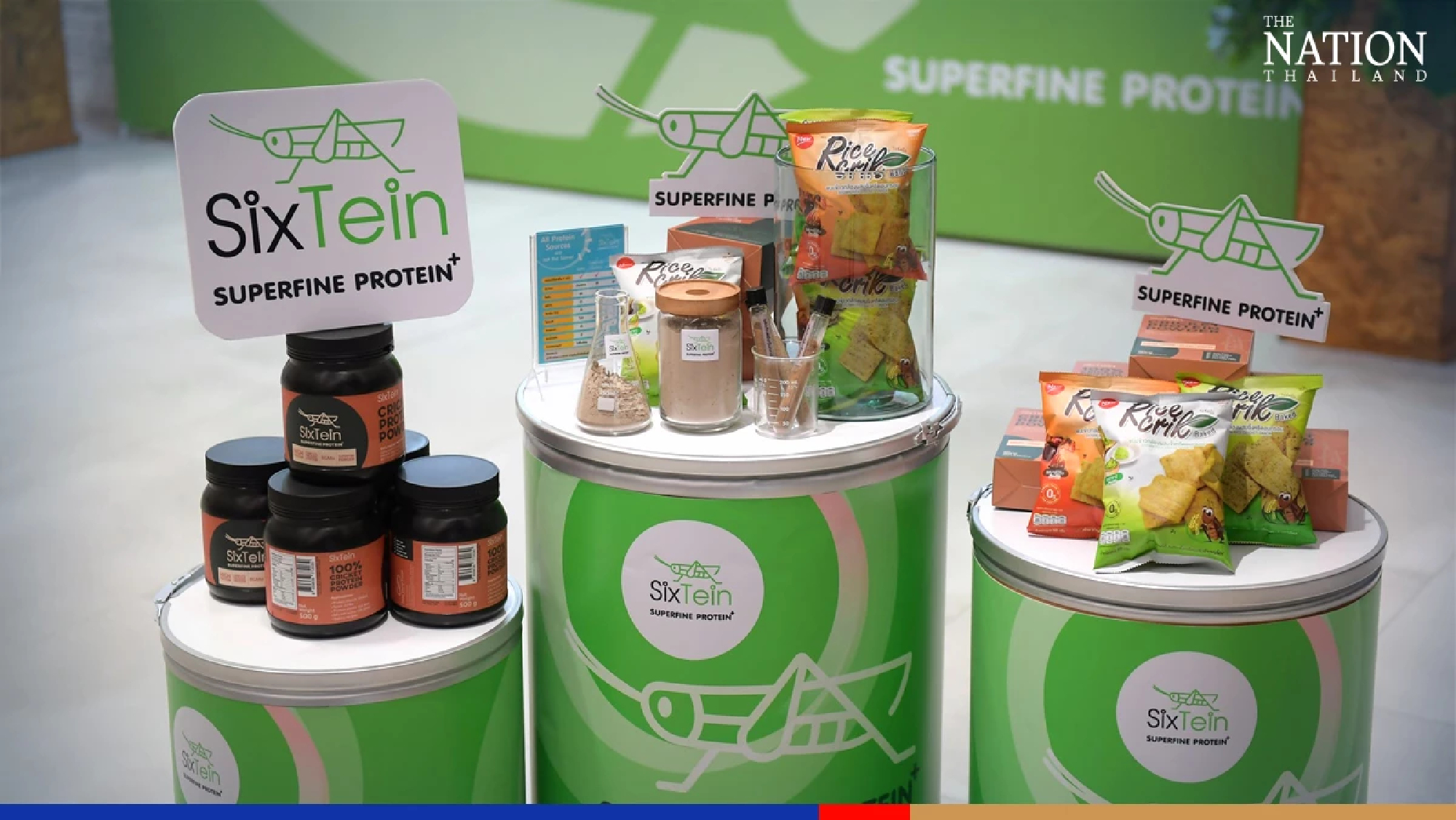
Thai Sugar Terminal Pcl (TSTE) has invested in food-tech start-up Thai Ento Food Co Ltd, a pioneer and top local producer of cricket protein powder under “Sixtein” brand in a joint production venture aimed at serving markets worldwide.
The investment was made in light of sustained strong market outlooks of alternative food products for the future. The companies have ambitiously set their sight on elevating Thailand to be a global production hub of cricket powder with projected sales figures exceeding one billion Baht by the end of the next three years.
Elaborating on the venture with TSTE, Thai Ento Food managing director, Mr Teeranut Rungsuwan said this business expansion policy has strengthened the potential of the company, which is the country’s first large scale industrial producer of cricket powder. “It will go a long way to solidify our position as the leader in cricket power production in Thailand, which is vital to achieving a goal of transforming Thailand into a global production hub of cricket powder, therefore helping to generate income that will benefit communities in upcountry, the farming sector, society and the country,” he added.
TSTE and Thai Ento Food set the sales target in 2023 at 250 million baht, and in 2025 at one billion Baht, 70 per cent of which coming from international markets and the rest 30 per cent are from domestic markets.
“We appreciate consistent supports and promotion activities from the public sector as it is clear that overseas consumption of cricket powder has increased markedly, which boosts the growth and the market size significantly, particularly in the functional food and novel food segments in the US, China, Europe and Latin Americas,” he added.
According to the Ministry of Commerce, the insect protein market worldwide is currently worth over US$400 million and is estimated to reach US$2.06 billion or more than 70 billion Baht in 2027. This estimation is consistent with a projection by the National Bureau of Agricultural Commodity and Food Standards which puts the growth of the edible insect market during 2018-2023 at 23.8 per cent worldwide and will be worth 37.9 billion Baht in 2023. So far, Thailand has managed to secure a modest share in the export markets as the country’s industrial production of the insect food products is still in an early stage.
Mr Chanachai Chutimaworaphan, Chief Executive Officer of TSTE, revealed that Thai Ento Food is an attractive rising star start-up and has outstanding innovative processing technology thanks to its collaborative R&Ds with a leading local university, thus enabling production of high-quality protein powders which are main ingredients to increase protein in processed foods in the food manufacturing industry.
He said the company decided to invest in this food-tech start-up and serves as its strategic partner because it realizes the potential of insect protein powders as novel protein of the future and they can ideally open doors to new businessopportunities relative to our current business lines. He said another objective is to try to capture additional markets by taking advantage of TSTE’s B2B customer base which will allow Thai Ento Food to grow further to become the leading producer of a complete line of cricket protein powders.
The TSTE’s investment will see a cricket power facility commercially operational in Q4 of 2022 with maximum production capacity of 1,200 tons a year or a daily production of 4 tons, potentially rising 10-fold within a year, making Thai Ento Food the country’s first industrial producer of cricket protein powder. To achieve such an ambitious objective, there has to be a close collaboration between the company, cricket farmers, protein-rich food and beverage producers, trade partners, the public sector as well as foreign trading partners.
Thai EntoFood is the first to use a bespoken Isec Technology at its industrial cricket powder processing and production facility. It is a continuous and zero-waste process to maximise the use of all body parts of an insect with high precision to produce light colour and odorless powder. The facility has also received the highest international food safety standard certificates, namely FSSC 22000 (Food Safety), ISO 22000, HACCP and GHPs.
Gulf Energy Development Public Company Limited (GULF) announced that Gulf International Investment (Hong Kong) Limited (Gulf HK), its wholly-owned subsidiary, entered into a subscription agreement to commit to invest EUR 75 million, which is equivalent to approximately THB 2.7 billion, in Lightrock Climate Impact Fund SCSp (LCI Fund).
The LCI Fund targets ESG-aligned investments, with a fund life of approximately 10 years and an investment period of 5 years for which capital calls will be made gradually.
Ms Yupapin Wangviwat, GULF’s Chief Financial Officer, stated “LCI fund targets to invest in European-focused innovative and fast-growing companies that deliver measurable greenhouse gas impact, since Europe has allocated massive funds with concrete plans for investment in the energy transition from fossil fuels to clean alternatives.
“This is in line with GULF’s objective to focus on investments in renewable energy-related businesses and climate management, in accordance with the global target to achieve net zero emissions by 2050.
“Furthermore, this investment demonstrates GULF’s commitment towards environmental and social responsibility while achieving good financial returns.”
LCI Fund is advised by Lightrock, which was founded by the Princely House of Liechtenstein and is backed by LGT Group; a leading private banking and asset management group.
LCI Fund targets ESG-aligned investments across different investment themes such as Energy Transition, which includes renewable energy, battery storage and energy efficiency; Decarbonizing Industries, which includes carbon capture and storage, and green industrial processes; Sustainable Transportation; Sustainable Food and Agriculture, and Enabling Technologies and Solutions, which includes advisory services for developing emission reduction projects.
The investment is an attempt to follow Thailand’s policy which aims to become carbon neutral in 2050 and achieve net zero greenhouse gas emissions in 2065, as Prime Minister Prayut Chan-o-cha had announced in the 26th United Nations Climate Change Conference (COP26) in November 2021.
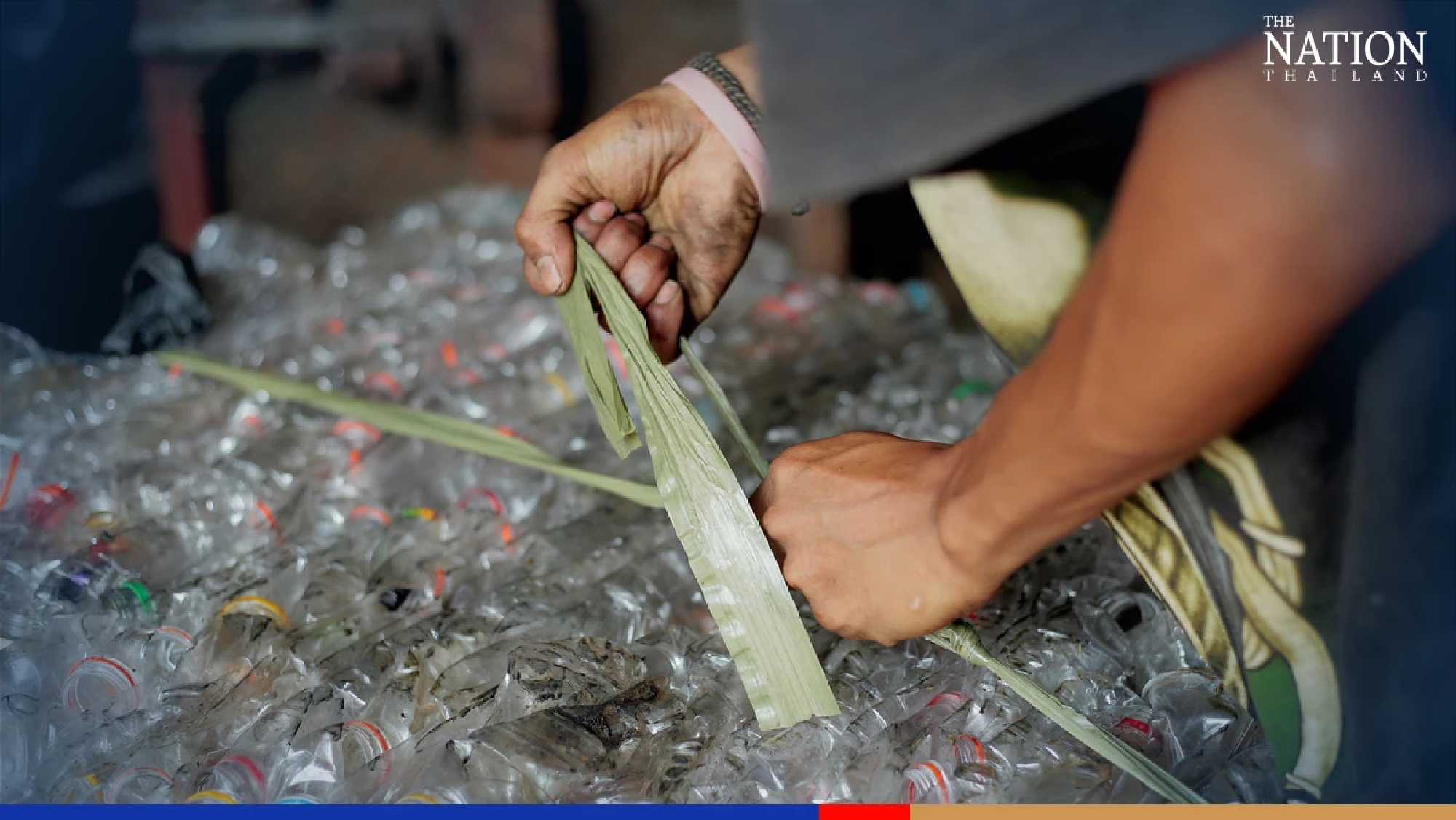
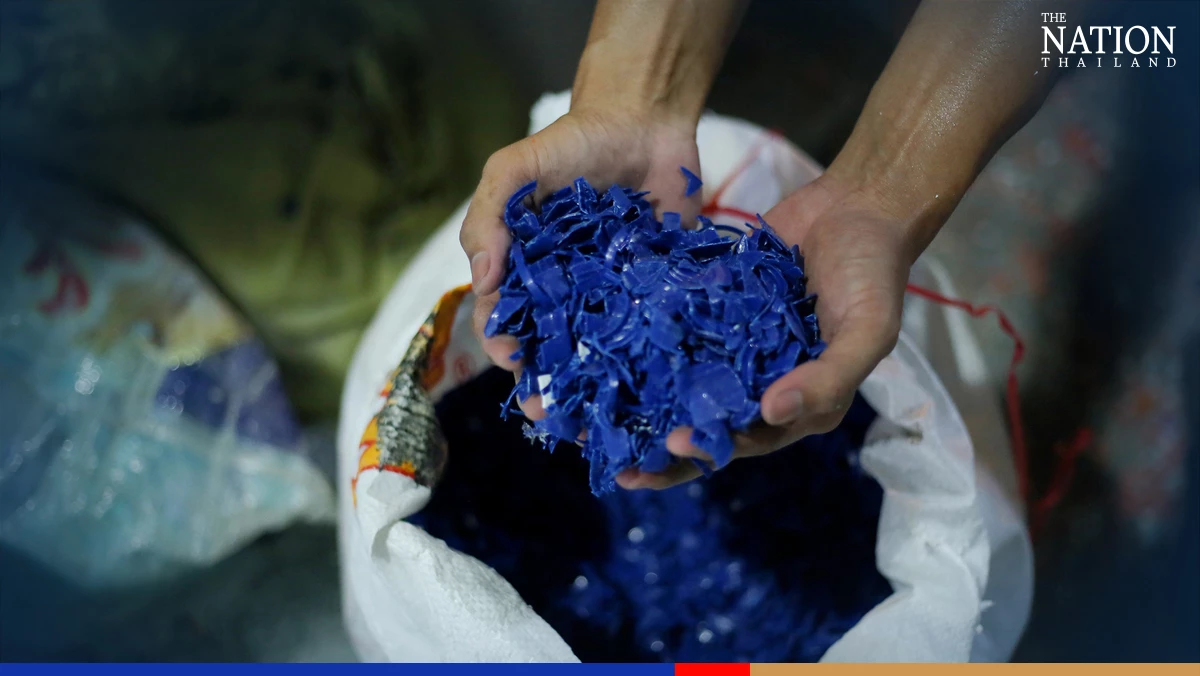
Bangkok, August 11, 2022 – The Incubation Network, in partnership with the Global Plastic Action Partnership, UpLink by the World Economic Forum, and the Alliance to End Plastic Waste, have recently launched the Plastic Waste to Value Southeast Asia Challenge to tackle plastic waste mismanagement in the region.
Established to accelerate innovative solutions that are focused on plastic recycling and upcycling in Indonesia, the Philippines, Thailand, and Vietnam, the challenge is excited to unveil five innovators that will be participating in the tailored development program over the course of five months.
The challenge received a total of 101 incredible applications through the UpLink platform. 48 shortlisted candidateswere carefully assessed by academic researchers, corporate sustainability practitioners, innovators, and climate & circular economy specialists. The selected innovators will receive partnership building opportunities, mentorship, increased visibility, access to networks, and grants to scale their solutions.
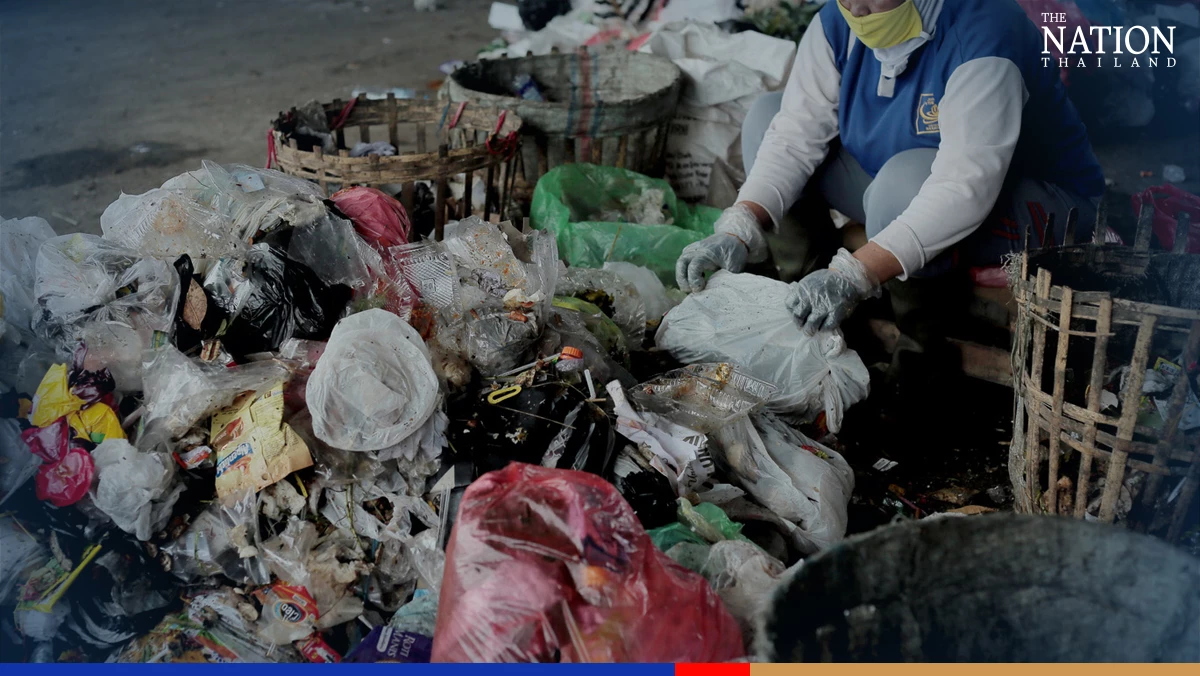
Urgent sustainable solutions are needed to combat the ever-growing global plastic waste pollution crisis. Between 2017-2019, an estimated 2 million tonnes of plastic waste leakage per year came from Thailand, Indonesia, the Philippines and Vietnam. This accounts for 17% of annual global marine plastic waste leakage. Plastic waste that is not polluting waterways is either burnt or dumped – posing a significant threat to environmental and biodiversity health.
“At The Incubation Network, we empower local entrepreneurs and solutions that are working to prevent plastic waste leakage. Some of our previous programs include the Thailand Waste Management and Recycling Academy which connected early-stage startups to industry experts, and the Thailand SME Scale Up Program which helped recycling and upcycling businesses to scale-up and expand their operations,” says Sirinchayaa Preechapatsakool, Ecosystem Consultant, The Incubation Network. “We are very excited to support the Plastic Waste to Value Southeast Asia Challenge cohort. Their role will be a stepping stone to better waste management system in the region, including in Thailand.”
“Innovative solutions are critical to address plastic waste management in the region. We are thrilled to have worked closely with The Incubation Network and the Alliance to End Plastic Waste to identify an impressive cohort of Top Innovators with high-impact solutions that bring value to plastic waste. We look forward to providing the Innovators with greater visibility and impact in the region.” says Poonam Watine, Knowledge Specialist, Global Plastic Action Partnership.
Solutions have been assessed based on their contributions to at least one of the three focus areas: (1) Increasing the amount of plastic waste managed, processed and/or recycled; (2) supporting the operational improvement of plastic waste management and recycling; and (3) improving working conditions of enterprises in plastic waste management and recycling.
The Plastic Waste to Value Southeast Asia Challenge cohort includes:
TerraCycle Global Foundation (Thailand) TerraCycle Global Foundation provides simple, innovative, and high impact solutions to prevent, remove, and recycle waste from the environment.
Bank Sampah Bersinar (Indonesia) Bank Sampah Bersinar is a social enterprise that provides community-based waste management solutions.
ENVIROTECH WASTE RECYCLING INC. (Philippines) Envirotech collects Single-use plastic (SUPs) and turns them into useful products.
Kibumi (Indonesia) Kibumi is a disruptive startup company that strengthens the plastic recycling supply chain through digitalized and modernized waste collection points.
Plastic People (Vietnam) Plastic People transforms plastic waste into useful and upcycled products such as furniture or accessories.
“Ending plastic waste is a clear and urgent necessity recognising both the environmental costs and economic losses when plastic waste is not recovered,” says Nicholas Kolesch, Vice President Projects at the Alliance to End Plastic Waste. “With growing demand for post-consumer plastic, the Plastic Waste to Value Southeast Asia Challenge will support ventures in the region to close this gap, getting plastics out of the environment and back into a circular economy.”
The Plastic Waste to Value Southeast Asia Challenge is led by The Incubation Network, the Global Plastic Action Partnership, UpLink by the World Economic Forum, and funded by the Alliance to End Plastic Waste, and supported by SecondMuse, The Circulate Initiative, Global Affairs Canada, and DEFRA.
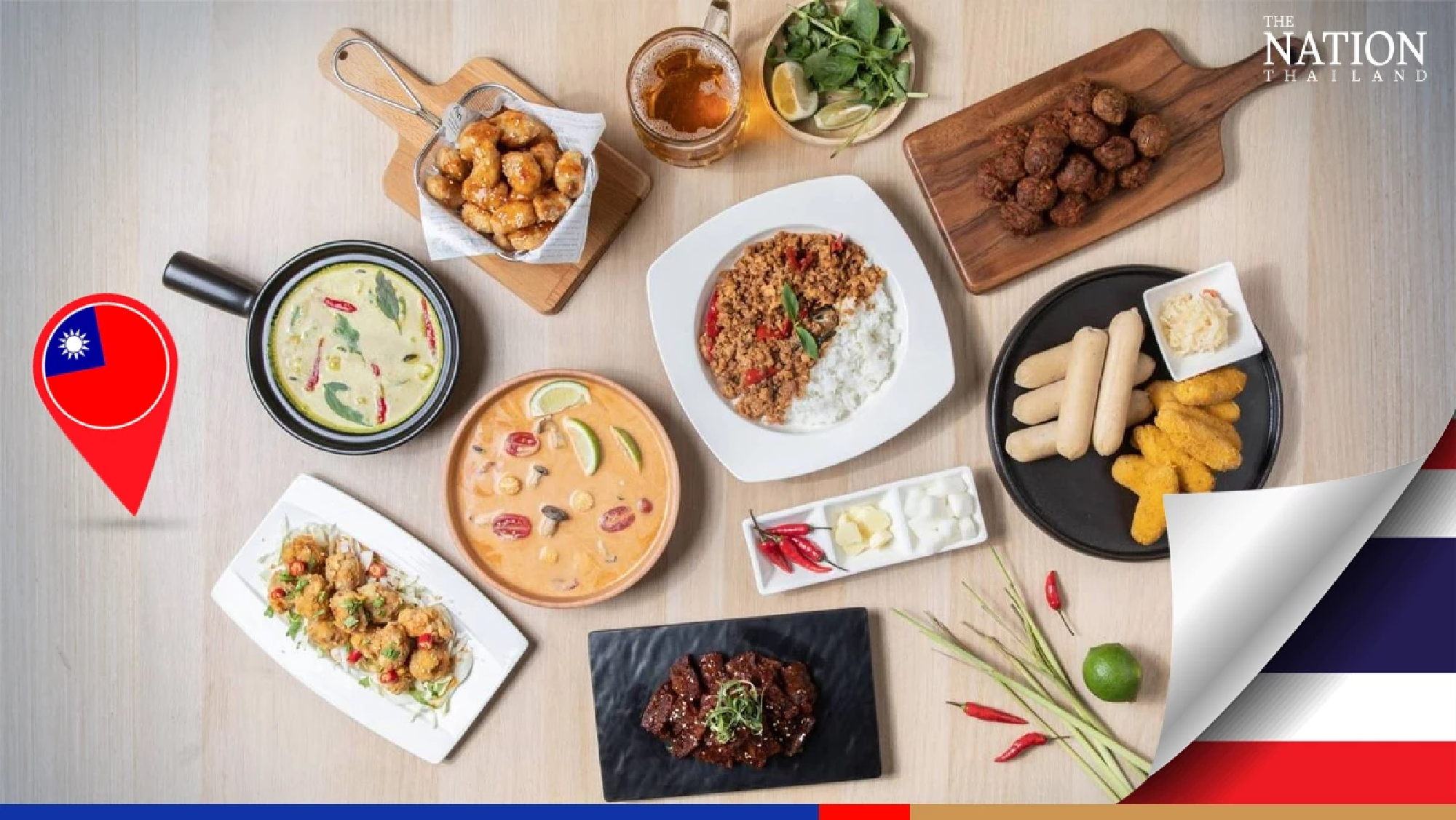
The Commerce Ministry sees vegetarian food as a golden opportunity to break into the Taiwan market.
The ministry said that the demand for vegetarian food is likely to grow in Taiwan. It will be an opportunity for Thai exporters to use their expertise in food manufacturing to export products to Taiwan.
Phusit Ratanakul Sereroengrit, International Trade Promotion Department director-general, said that he had received survey results of Taiwan’s vegetarian food market from a commercial ambassador in Manila.
The results show that it is an interesting market that has a great potential to grow because 10 per cent of Taiwan’s 23-million population eats vegetarian food regularly, he said.
They eat vegetarian food because they want to protect the Earth which is different from the past when they used to eat veg food due to religious and health reasons.
Currently, the Taiwanese brand Plant-Based is successful in the US market and is sold in the famous supermarket chain Aldi while also joining hands with Carrefour, a giant hypermarket in Taiwan.
The brand is also pushing ready-to-cook meat to the market, such as stir-fried pork with basil, Korean-style grilled beef, and European sausages.
The brand also plans to sell tom yum kung, green curry, and fried chicken with lemongrass and chilli, which are popular Thai foods in Taiwan, he said.
Meanwhile, Plant-Based has successfully developed nine menus of planted-based ready-to-cook for Mahayana Buddhists and Yiguandao believers who eat vegetarian foods.
Previously, most vegetarian foods are bland and their tastes are not varied so they are not very popular in the market, he added.
Therefore, the company decided to develop products with diverse tastes and successfully got into the US market two years ago.
The taste was similar to normal foods as consumers could not tell the difference and almost 20,000 kilograms of products were sold in the first phase.
After the Covid-19 pandemic, the transportation cost increased heavily, so the company decided to accept fewer overseas orders and focused on the domestic market instead.
The company has joined hands with several hypermarket giants in Taiwan and developed ready-to-cook meals based on Thai foods’ popularity in Taiwan.
Phusit mentioned that more business operators have decided to get into the Thai vegetarian food market to respond to consumers’ demands and released several items, especially famous Thai foods such as stir-fried pork with basil, tom yum kung, and green curry.
Therefore, it is a good opportunity for Thai operators to use their expertise in Thai foods to develop Thai vegetarian food for the Taiwanese market, he said.