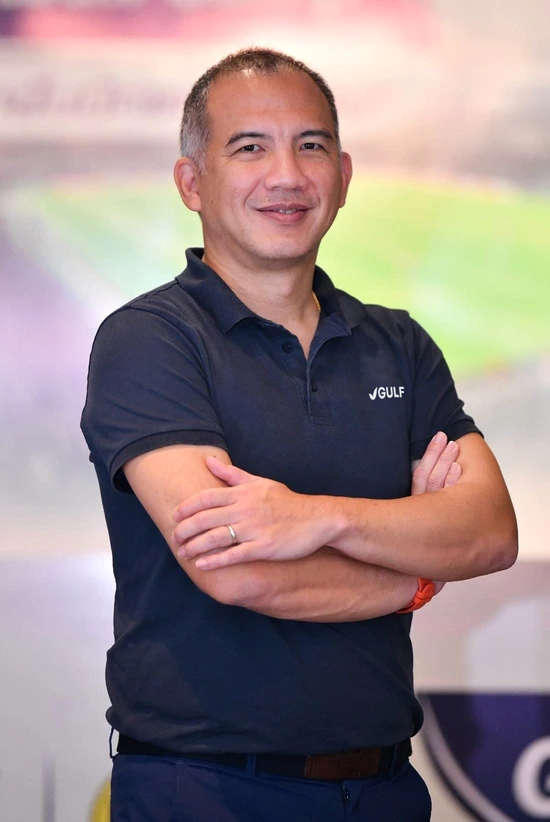
Gulf Energy Development Public Company Limited (GULF) joins forces with Thailand’s leading professional football club, Buriram United Football Club to continue the “GULF Football Clinic” for the second year at Chang Training Ground 1, Buriram province.
Ateam of coaches trained and mentored 34 young footballers with basic football skills to pave the way to their dreams of becoming sport professionals. The participating students and teachers have travelled from Wat Ta Kuan School, Map Ta Phut District, Rayong Province to join this activity.
Mr. Tanon Tantisunthorn, Chief Corporate Affairs Officer at Gulf Energy Development Public Company Limited said, “GULF Football Clinic is a part of the Gulf Football Camp project, which consists of three major activities; the renovation of the community’s old football field, the Trial Tournament of youth football to recruit outstanding young talents for the apprenticeship at world-class football club; and the community’s football clinic. GULF wants this project to be a comprehensive foundation to unleash these youth’s potentials. Participating in this football clinic will not only sharpen their sports skills that are useful for physical education, but also strengthen their soft skills like patience and self-discipline that they can apply in their daily lives even though they no longer aspire to be a professional athlete.”
Mr. Chonchanok Chidchob Director of Youth Development at Buriram United Company Limited said, “We hope that this football clinic will be a great starting point that develops youth’s skills and offers opportunities for them to carry on that aspiration towards career in sports industry”
Ms. Thanyalak Siriparu and Mr. Thanet Pano, teachers from Wat Ta Kuan School stated, “The students joining this activity are all football enthusiasts. We see that this activity helps develop their basic skills of sports and sparks their dreams to become sport professionals through practicing with coaches. The participating students will also pass this inspiring experience on to their friends and family. We would like to thank GULF for recognizing the importance of sport and delivering great opportunities to the students of Wat Ta Kuan School.”
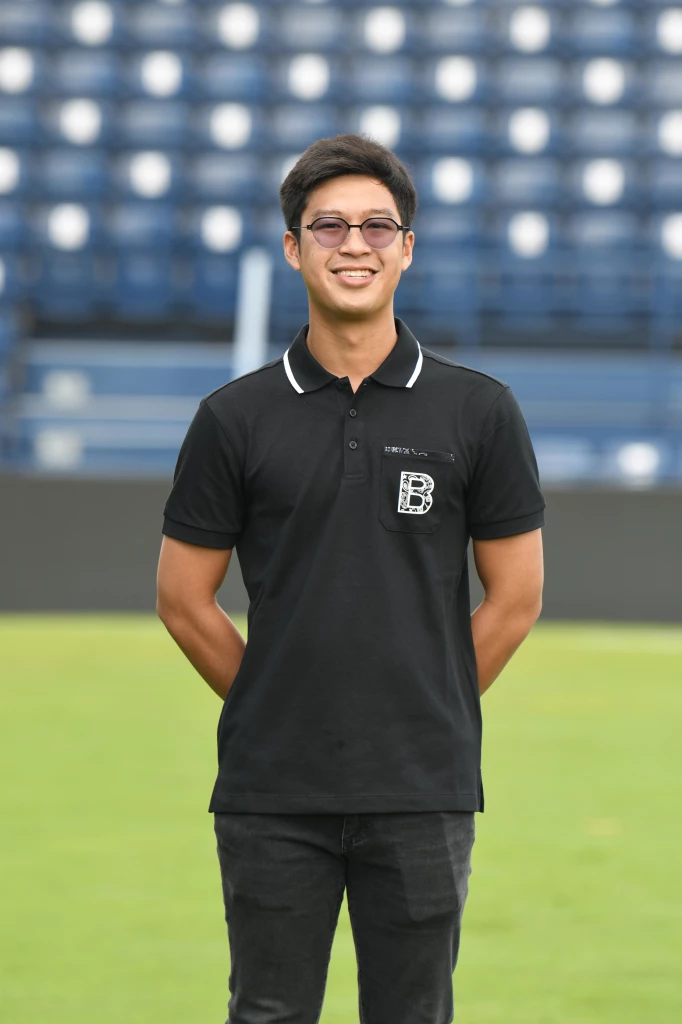
Pattakorn Makarom or Nine, student representative from Wat Ta Kuan School shared the experience, “I aspire to be a footballer one day since I love to play football after school. The coaches here taught me a lot of skills e.g. touch and ball control, heading, and dribbling. I am so delighted and grateful to join this activity and to have an opportunity to learn from great coaches. I will make use of the skills I have gained to practice playing football with my friends going forward.”
In addition, young footballers participating in this project had visited Phanom Rung Historical Park and enjoyed the AFC Cup 2022 match between Tainan City FC (Taiwan) and Eastern Long Lions (Hong Kong) at Buriram Stadium.
Buriram United Football Club and Gulf Group join forces with the aim to lay the foundation and develop Thai football industry starting from youth to inspire and encourage them to build upon that aspiration to become a professional footballer in the future.
Partnership Enables Novel Prevention of Cybercrime Risks in Supply Chains
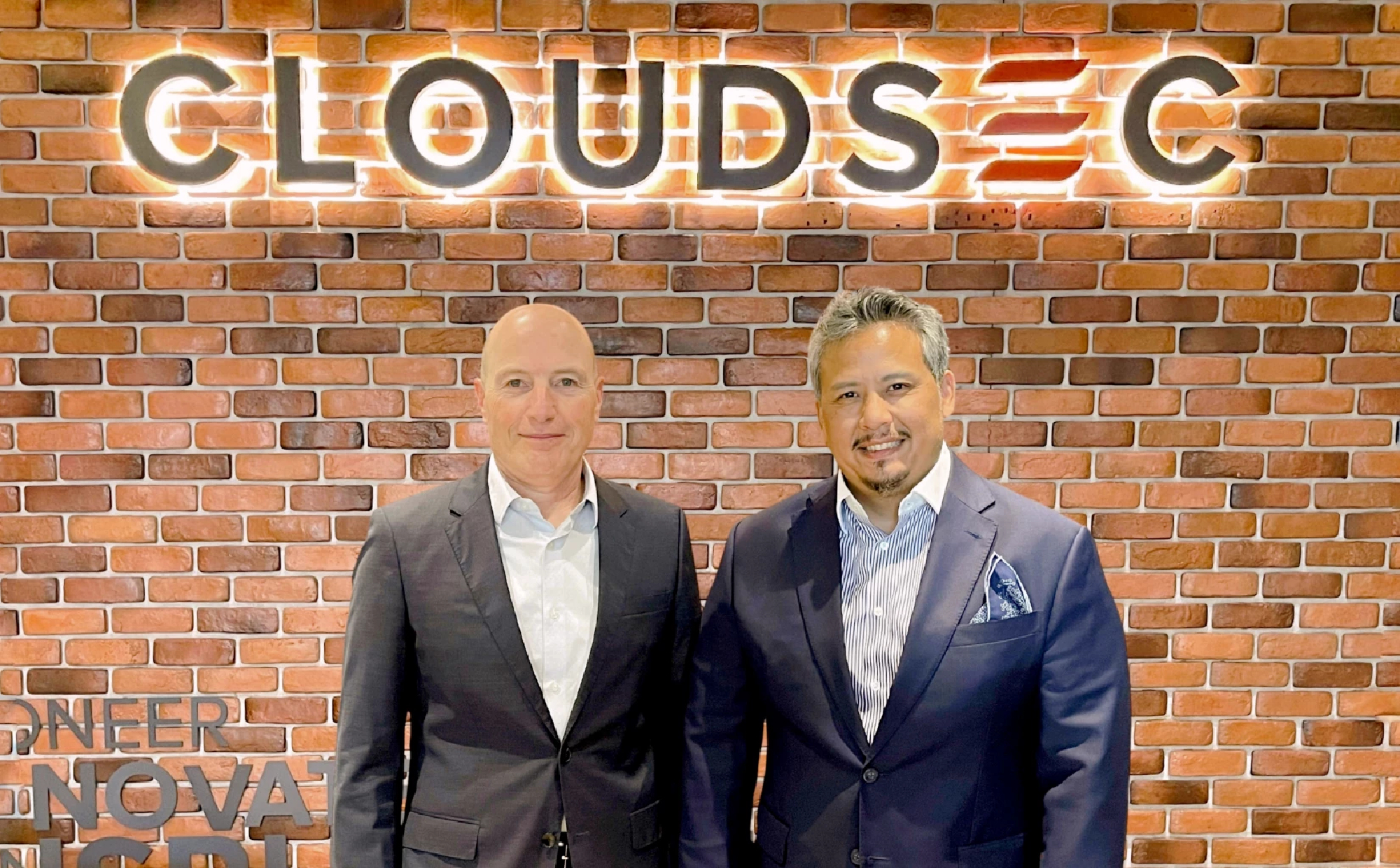
Bangkok, Thailand — July 7, 2022 — Mr. Gadi Goldstein, president of BlueVoyant International and Mr. Krishnayos Puranasamriddhi, chief executive officer of Cloudsec Asia Co., Ltd. today announced the partnership between BlueVoyant, a New York-based company with a rock-solid cyber defense platform that converges internal and external security, and Cloudsec Asia Thailand, a leading provider of data security solutions and technology, with expertise in cloud systems, innovative customization of cybersecurity provisions, and holistic data-protection services.
Mr. Krishnayos Puranasamriddhi, chief executive officer of Cloudsec Asia Co., Ltd. said, “This partnership in advanced technology is aimed at empowering businesses in Thailand with third-party cyber risk management, an intelligent solution purpose-built to identify, manage, and mitigate cybercrime risks arising in supply chains from trade partners, contractors, and service providers. Third-party cyber risk management reinforces an organization’s security posture and provides proactive defense against cyber threats in the age of data-driven business.”
Mr. Gadi Goldstein, president of BlueVoyant, international, said. “We are excited to partner with Cloudsec Asia to bring our industry-leading third-party cyber risk management solution to Thai organizations. As organizations’ internal security becomes stronger; a vendor is often the weak link that could let attackers in. We are excited to bring continuous supply chain monitoring and vulnerability remediation to help solve this issue.”
BlueVoyant offers a best-in-class end-to-end internal and external cyber defense platform. The company delivers cybersecurity services and platforms purpose-built to proactively defend business ecosystems against threats by leveraging proprietary real-time datasets with industry-leading analytics and technologies. BlueVoyant’s threat intelligence data detects an organization’s most potent cybersecurity risks, while intuitive automations mitigate threats against its attack surface effectively and efficiently, providing the business and technical outcomes it needs to stay secure and support business objectives. The company specializes in third-party cybersecurity, which involves detecting and mitigating risks in organizations’ supply chains.
Cloudsec Asia is a leading provider of comprehensive cybersecurity services, and driven to democratize cybersecurity for all organizations and people. As a cloud-security company, our services cover all aspects of cybersecurity for both public and private cloud, with three service divisions: Cloud Security Solutions, Managed Detection and Response (MDR) SOC, and Cyber Security Services.
Bangkok, July 7, 2022 – Bitkub Blockchain Technology (Bitkub Chain Total Solution provider) announces that KUB Coin will be listed on Poloniex exchange.
KUB Coin will be internationally listed and start trading on July 13, 2022 on Poloniex exchange. Founded in 2014, Poloniex exchange is a global cryptocurrency exchange ranked 16th compared to global exchange worldwide, which has 100 types of cryptocurrency for users to trade. (This information was updated by Coinmarketcap on July 7, 2022).
“KUB Coin is the native coin on Bitkub Chain, which has the Gas Fee transaction payment as the main utility. By listing on Poloniex exchange, this is the another step of international expansion which conforms to our vision; we would like to democratize opportunities for everyone to have real ownership of the digital assets. In addition, this will also emphasize that Bitkub Chain will be ready to expand the ecosystem worldwide soon,” said Mr. Passakorn Pannok, CEO of Bitkub Blockchain Technology.
At present, KUB Coin is currently listed on 5 cryptocurrency exchanges including Bitkub Exchange, CoinEx, Gate.io, MEXC and Poloniex.
Environment, Social and Governance (ESG) strategy is starting to play an important role in how businesses are run and in people’s lives, CEOs and experts said during the virtual forum “Redefining the future of ESG in Thailand”.
The virtual forum was organised by The Nation and Asia News Network on Thursday.
ESG key to improve citizens’ quality of life
ESG would be the key strategy to improve the life of people in the city, Bangkok Governor Chadchart Sittipunt said, while speaking on “The New Chapter of BMA: Make the Capital City better by using the ESG strategy”.
He explained that the Bangkok Metropolitan Administration (BMA) is focusing on meeting the needs of all Bangkokians to tackle four challenges to the city’s development: high population density, specialised workforce, inequalities, physically separated and vulnerable citizens.
Chadchart Sittipunt
He said the BMA is implementing ESG strategy as a part of management, health, environment, creativity and education policies.
On the environment, he said the BMA has started with the green concept, such as growing 1 million trees, doing research to eliminate air pollution and initiating the BMA net-zero plan to reduce greenhouse gas emissions.
“It is a very challenging target, but we have to start talking about BMA net zero otherwise the solution will not be sustainable,” he said.
On the social side, he said the BMA is focusing on improving public services to ensure that everyone will have access to quality education, good health and well being, as well as promoting equality in various aspects, such as in gender and political terms.
“I think the city has to promote equality, so it will spawn more creativity because in the future the key to driving the economy will be a creative economy,” he said.
“And if you can promote the difference in thinking and idea, we can create a better economy in the future.”
He stressed that governance is important to gain the confidence of the people. He said the BMA is using the Traffy Fondue platform to allow citizens to submit their problems, so the agency can tackle issues effectively.
He said the BMA also will allow open data to ensure transparency in the functioning of the BMA, adding that he has a plan to randomly oversee operations across 50 Bangkok districts every Sunday
“The city is a labour market. It’s not the BMA who created the labour market, but in fact it’s the private sector, so I think a collaboration among stakeholders is very important for the future,” he added.
ESG makes businesses sustainable
Soraphol Tulayasathien, head of the Stock Exchange of Thailand (SET)’s corporate strategy division
“Sustainability, or ESG, is a global trend. It isn’t something that’s nice to have, but it’s something that we must have and we need to do it now,” said Soraphol Tulayasathien, head of the Stock Exchange of Thailand (SET)’s corporate strategy division.
He made the remarks during the session “SDGs and ESG matter for sustainable businesses”.
He said 24 Thai companies have been included in the Dow Jones Sustainability Index and more than 40 companies figure in the MSCI Emerging Markets Index.
He added that the SET wants more Thai companies, especially micro, small- and medium-sized (MSME) companies, to adopt ESG in a meaningful way, without creating too much burden for themselves.
He said investors are paying attention to companies that are implementing ESG, both in general and specific issues, such as climate change, equality, employment and supply management.
He advised investors to invest in companies that take good care of all risks, while advising companies to use ESG as a tool to find opportunities, niche and ensure the company can maintain sustainability effectively.
“ESG is something that can help companies to manage risks because if companies don’t take care of the environment, social or governance risks, something could go wrong and backfire on the companies,” he said.
Meanwhile, Jia Kai Goh, strategy director of consulting firm Accenture (Singapore), said sustainability can boost the value of businesses in revenue growth, cost reduction, intangible brand image and risk management.
Jia Kai Goh, strategy director of consulting firm Accenture (Singapore)
He added that micro- and SMEs with various potential can cooperate to achieve ESG and corporate social responsibility, as well as Sustainable Development Goals (SDGs).
“Driving sustainability or being sustainable is value creation,” he said.
He also advised micro- and SMEs to ensure that they understand the value of their business, how to work sustainably with partners and how to tap financing to drive sustainability effectively.
“Each of the SDGs is well defined and each of them actually comes with specific indicators behind the scene, so it’s a very good time to start in terms of articulating what we are trying to drive, about perspective and how we can start our measures,” he said.
Net-zero business in action
Thanyaporn Krichtitayawuth, executive director of Global Compact Network Thailand
Many CEOs worldwide are shifting to net-zero business models as the climate crisis is outpacing them, said Thanyaporn Krichtitayawuth, executive director of Global Compact Network Thailand.
She made this remark during the session “Net Zero in Action: Reduce your carbon footprint”.
“CEOs who are not shifting to net-zero business models are putting their companies at risk,” she warned.
Citing the Intergovernmental Panel on Climate Change’s report on February 28, she said some 45 per cent of the world population — over 3.5 billion people — are classified as highly vulnerable to climate change consequences.
She also pointed out that the poorest people who are responsible for the least emissions of greenhouse gases will suffer the most because of the actions of people living in urbanised environments.
“Some 65 per cent of CEOs globally say they have already started advancing net-zero business models and solutions. Companies with annual revenues in excess of US$1 billion are further along the journey,” she said.
She added that 78 per cent of CEOs of the largest companies in the world said they have begun advancing net-zero business models and solutions.
“Those who pollute the most must be held accountable for their actions and should protect the poorest who are being hit hardest due to their emissions,” she said.
Technology and collaboration
During the panel discussion on the subtopic “New approaches for a greener future: innovative technologies and strategies”, all panelists agreed and were aware that the ESG business model is not a trendy option but a must for companies of all sizes to sustain their growth.
They also demonstrated their companies’ progress towards greater equality in terms of environmental conservation, social inclusion, and diversity. Furthermore, they agreed that innovative technologies and strategies are critical to achieving the ESG goal.
Weerakorn Saitep, digital constructions director, The Concrete Products and Aggregate Co (SCG)
As one of the leading companies of Thailand with a history of more than a century of operations, Weerakorn Saitep, digital constructions director, The Concrete Products and Aggregate Co (SCG), said that sustainability was a key vision and mission that SCG prioritised. As a result, SCG has made long-term investments in ESG and provided a road map for a low-carbon economy as well as energy, water, and waste efficiency.
Piyabut Charuphen, managing director BIG
Piyabut Charuphen, managing director of BIG, said that while the oxygen and hydrogen that the company provides do not emit any carbon dioxide, the process of producing the oxygen and hydrogen consumes a lot of electricity. As a result, it is a huge responsibility for BIG to find innovative solutions to reduce reliance on electricity generated from fossil fuels.
In doing so, he added that BIG has partnered with one of the country’s leading energy companies to provide alternative energy for them to use.
Anthony Watanabe, vice president and global head of environmental sustainability at Indorama Ventures
Anthony Watanabe, vice president and global head of environmental sustainability at Indorama Ventures, said that the most difficult aspect of his company’s ESG journey is educating people about PET plastic, which is always blamed for environmental damage.
However, thanks to data collection and analytics technology, the company now has more than enough clear evidence to persuade people all over the world to use the right plastic, such as PET, as part of protecting the natural world.
Meanwhile, ESG is not only concerned with environmental issues, but also with social issues. Hence, all panelists shared their companies’ support for their employees and local communities, such as providing upskilling and reskilling sessions, donating products to people in need, and promoting gender equality in the workplace.
In conclusion, Weerankorn, Piyabut, and Anthony agreed that more collaboration with the government sector is required to achieve ESG together. It is also necessary to provide some assistance to SME entrepreneurs.
ESG is the new business opportunity
Marco Toscano-Rivalta, chief of the regional office for Asia and the Pacific, United Nations Office for Disaster Risk Reduction (UNDRR)
During a panel discussion on the subtopic of “ESG in restoring global economic health”, Marco Toscano-Rivalta, chief of the regional office for Asia and the Pacific, United Nations Office for Disaster Risk Reduction (UNDRR), stated that the world is currently facing enormous and mounting human, environmental, social, and economic losses due to disasters.
And ESG is critical to allowing the private and public sectors to move forward in a safe and sustainable manner.
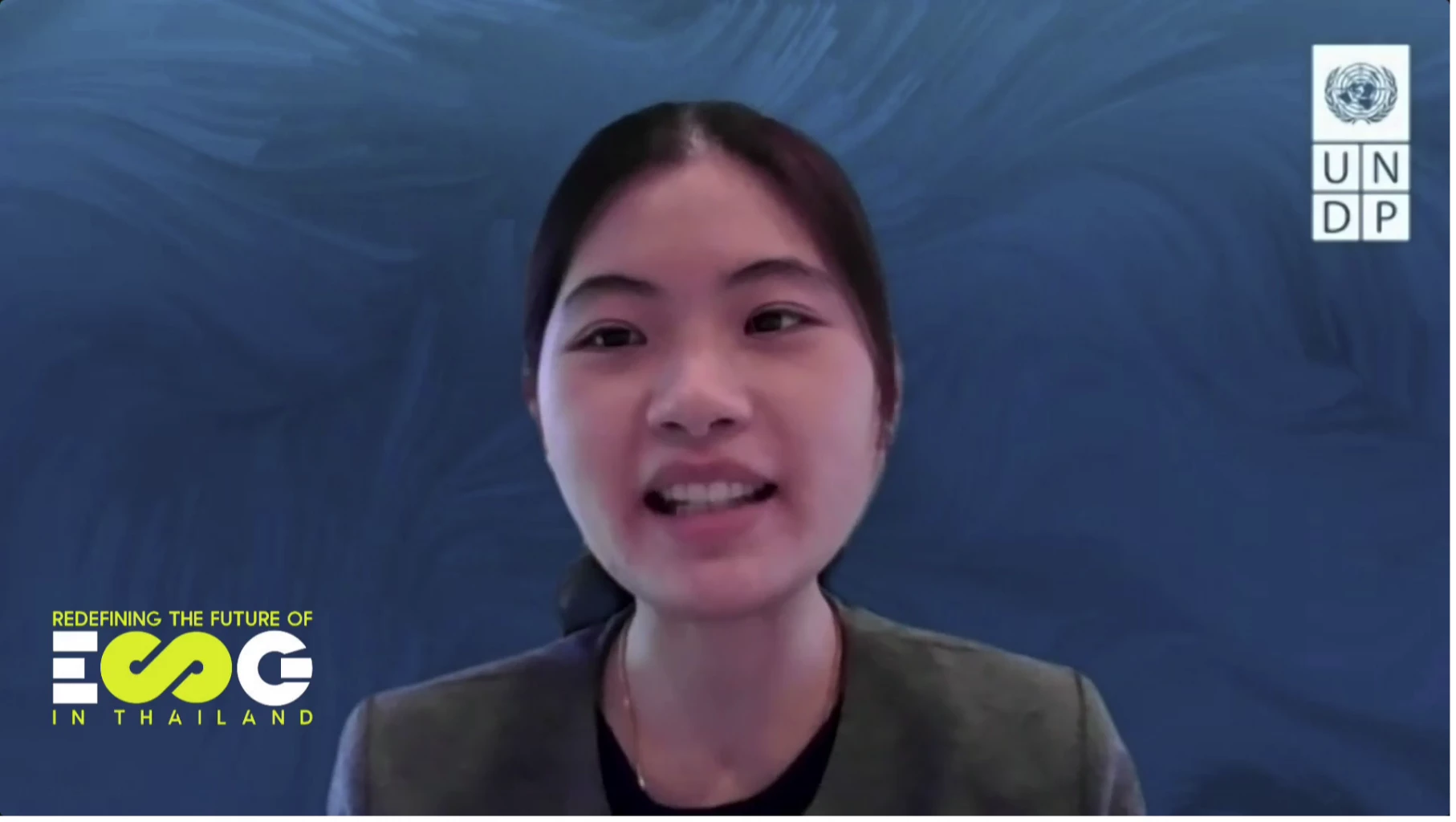
Apinya Siranart, head of exploration, UN Development Program
Apinya Siranart, head of exploration, UN Development Program, suggested that using ESG as a term to persuade companies to take this path is insufficient. It would be preferable to use the term SDG (Sustainable Development Goal) instead, as this term would make the change, and the impact of this concept would bring more clarity to their businesses.
SDG does have some costs, but if a company follows this path, they will discover some new opportunities for their business that will provide some great returns in the future, Apinya added.
Cosima Stahr, senior adviser and co-lead finance, Adelphi Research
Cosima Stahr, senior adviser and co-lead finance, Adelphi Research, pointed out that ESG is a critical framework for knowing how to allocate budget and overcome current constraints.
When a company recognises its pain points and realises the value of its business, it will finally understand how to integrate long-term financial investments to create a more sustainable environment and equitable society, she added.
All the panelists also agreed that finance and investment are critical for a company to achieve ESG or SDG. The agenda is now a critical factor for many joint venture firms and global investors to consider when managing their capital.
While there is enormous capital available for investment, it is unfortunate that there are fewer companies that can clearly explain their ESG roadmap and benefits to convince the investors.
Marco suggested that the government issue strong regulations to compel companies to develop ESG strategies and action plans that they can publicly disclose.
He also stated that businesses must reconcile the concept and practice of ESG with the economy and disasters. This will assist the company in making the correct decision.
Apinya insisted that public awareness was still required for ESG to be widely adopted. She stated that doing business in the future must demonstrate how the company can have a positive impact on society and the environment.
She added that ESG investment is not a burden on the company, but rather will assist the company in identifying and unlocking a new way of doing business.
Cosima concluded that while global companies must now prioritise economic recovery, ESG should be included in their business plans as long-term strategies. This will be critical in identifying the right innovation for the company to sustain its growth and in assisting them in understanding the international dynamic.
Financial institutions are experiencing highly volatile income statements during the pandemic mainly due to a cushion set aside for defaults from certain type of receivables and financial assets. Now that economies are reopening as infections abate, the question is what are going to happen next?
What is provisioning?
Publicly Accountable Entities, which are the companies that issued outstanding tradable debts or equities, are obliged to follow the requirement of the Thai Financial Reporting Standards (TFRS 9) that state on how entity should classify and measure their financial assets and liabilities. Chief among them is lending institutions which are our focus today.
As they lend money to counterparties, a part of loans is required to be provisioned as a cushion for potential default. This provisioning amount is derived from their own historical data and the incorporation of forward-looking elements that forecast future portfolio conditions based on economic variables, modelled through complex mathematical processes that aim to provide the best estimation on losses reasonably expected to be incurred from that lending, to arrive at the Expected Credit Loss (ECL) which are also presented in the financial statements to help their user to gauge the overall health of the entity’s lending portfolio. The ECL serves as the best estimation on losses incurred from credit risk exposures of certain financial asset receivables including lending.
Example of factors widely used in the computation of ECL are number of days past due of loan facilities, usually high number of days past due imply higher chance of default thus higher provisioning, but during the pandemic, worldwide authorities were rushed to announce series of debt moratorium to alleviate financial difficulties especially to the hardest hit segments of the society, making the number of customer defaults artificially low in the process, thus giving understated provisioning amount.
Another factors in consideration in money regained by financial institutions from collection and liquidation effort after customer defaults, which was temporarily lower as the seizure and liquidation of collaterals were partially suspended to prevent people displaced and job lost. The market price of some collaterals was fluctuated to the point that financial institutions preferred to warehouse them instead of outright selling.
ECL models developed before the pandemic based on information in relatively calm situations were likely not be able to capture escalating credit risks timely. For reasons above provisioning amount from those models suddenly seem to be understated. Statistical models developed during sunny days were suddenly yield no avail.
Worse still, these provisioning models also contained forward-looking elements. Macroeconomic variables such as GDP growth, unemployment ratio, consumer price index (CPI), or energy price with designated level of relationships to the portfolios were incorporated to those models to get the provisioning amount as accurate as possible. This feature suddenly becomes liabilities since variables deviated sharply from reasonable levels. Almost all countries exhibited negative GDP growth, unemployment shot up, crude oil price was in free fall, and the CPI that weighted heavily by commodities were tanked to multi-year lows.
As the world inched towards uncharted territories, financial institutions were hastily racking up provisioning as a cushion against the worst possible scenarios. Financial institution executives developed highly judgmental overlays based on pessimist assumptions to calculate additional provisioning immediately necessary for their institutions, and provisioning amounts including these overlays were reaching exorbitant levels which eventually driven down their profits.
This prompted central banks around the world to aggressively loosening monetary policies, joining forces with governments in economic stimulation to provide lifeline to businesses and individuals and the business engine once again reignited, so should unwinding provisioning amount now legit?
Woefully, it is not likely that we are seeing provisioning going down any time soon as financial institutions shift their concern to second-order impact from the pandemic and the emergence of geopolitical tension which disrupt supply chains and racks up global inflation. They are reluctant to disentangle overlays set up during the pandemic as uncertainty looms large. Governments are running budget deficit for years are unlikely to continue offering supports, leaving corporate and retail borrowers survived from pandemic fully exposed to unprecedent inflation that in turns affecting their repayment ability.
Some lending institutions are now seeing first-hand impact, as people disbursing their available credit lines while reducing repayments. This is the forward indicator of potential defaults as financial condition at individual levels are deteriorating, shutting possibilities for immediate provisioning release.
There are also ECL model risks that keep financial institutions think that it is still premature to release provisioning and overlays as parameters used in the model development process were mostly frozen during the pandemic and needs to be recalibrated to reflect the most recent situations. Forward-looking elements once again be a cause of ECL model performance deviations. Factors related to inflationary such as CPI or commodities price are expected to remain highly volatile as market participants balance current supply chain situations with potential recession due to cost-pushed inflation thus distorts provisioning results. We are expecting that once normalcy is attained, ECL models would be rectified, and management overlays unwound.
The purpose of provisioning models and overlays is to ensure that financial institutions are setting the right amount of cushion for running business safely while letting financial statement audiences assess the true health of portfolios, therefore it is in everybody’s benefits to keep the precision of these models the top priority, but for the time being, brace for elevated level of provisioning and suppressed level of profit.
By Sarun Boonchalakulkosol Director I Risk Advisory – Financial Industry Risk & Regulatory Deloitte Thailand
The baht opened at 36.08 to the US dollar on Friday, strengthening from Thursday’s close of 36.11.
The currency is expected to move between 35.90 and 36.15 during the day, predicted Krungthai Bank market strategist Poon Panichpibool.
He said the baht was likely to fluctuate and weaken as the dollar is strengthening and the market is concerned that the Chinese government might enforce strict Covid-19 prevention measures again.
He expects the baht’s support level in the short term to be 35.90 to 36 to the dollar, while the resistance level should be 36.5.
However, he said the dollar may “invert” and help the baht strengthen if the US Federal Reserve does not signal plans to go in for a heavy rate increase at the end of this month.
Poon urged investors to beware of the currency market’s volatility before and after the US employment data has been revealed.
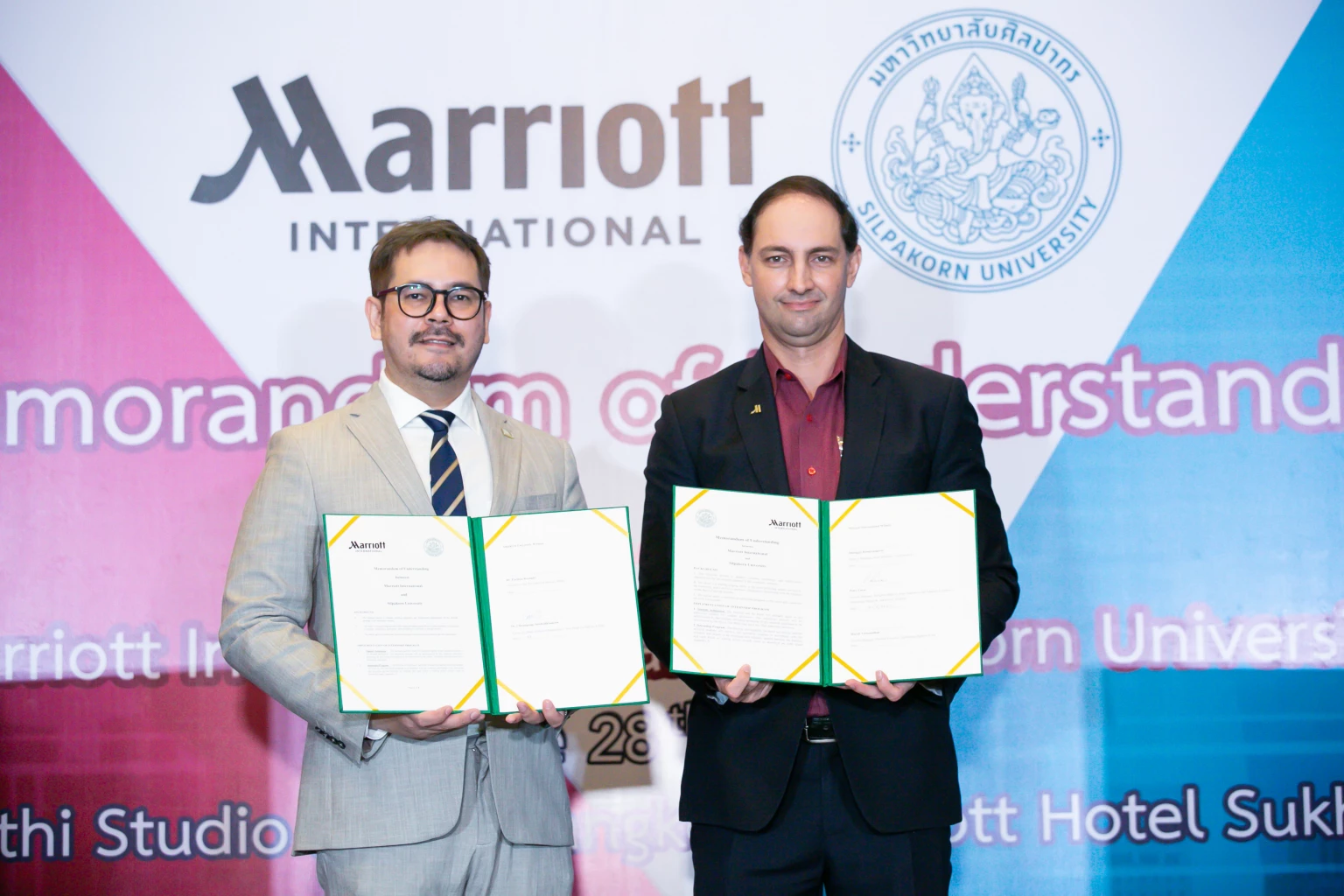
New collaboration to offer internships and training opportunities for young people studying for a B.B.A. in Hotel Management, initially at 20 Marriott International hotels in Bangkok
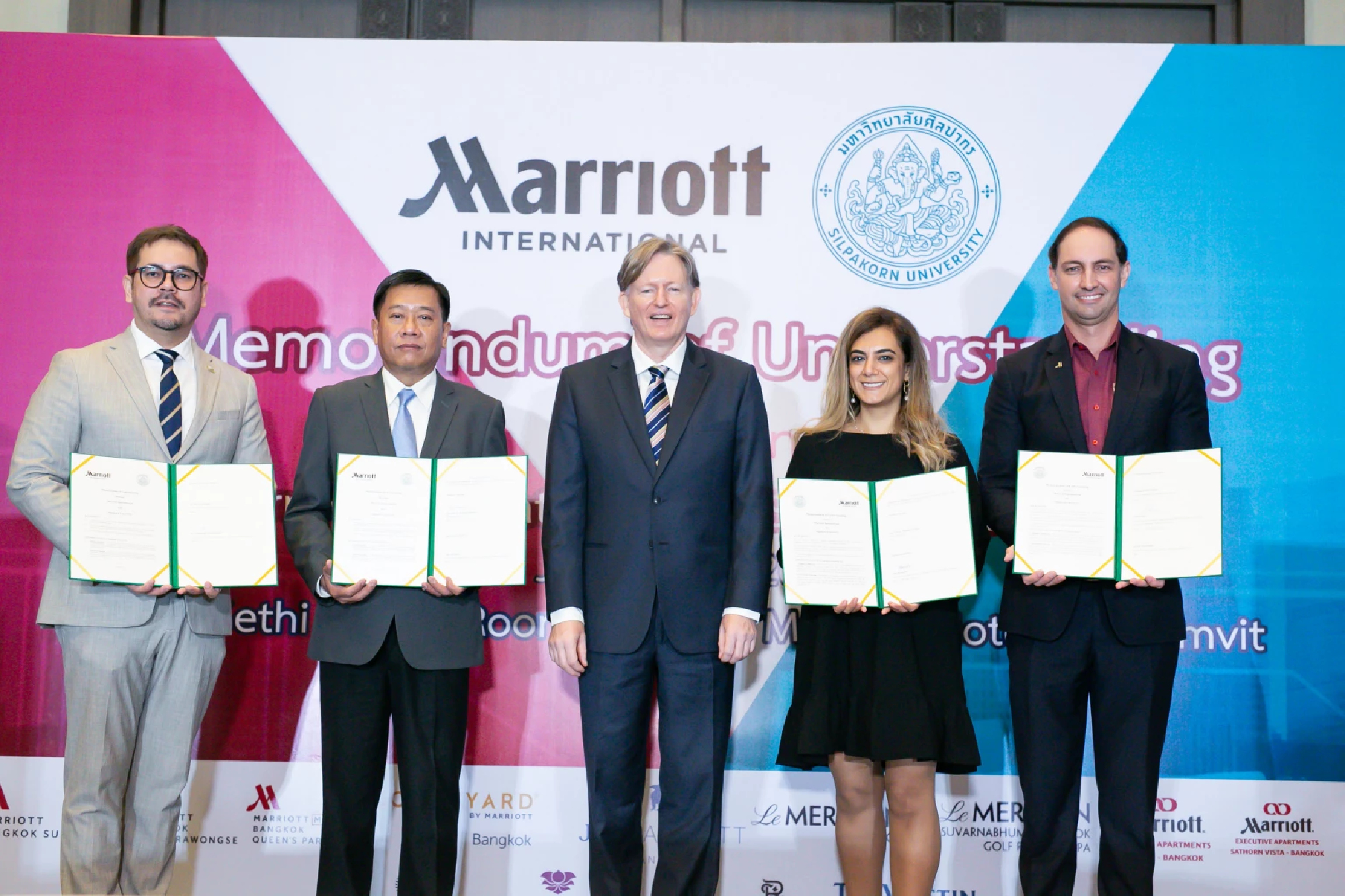
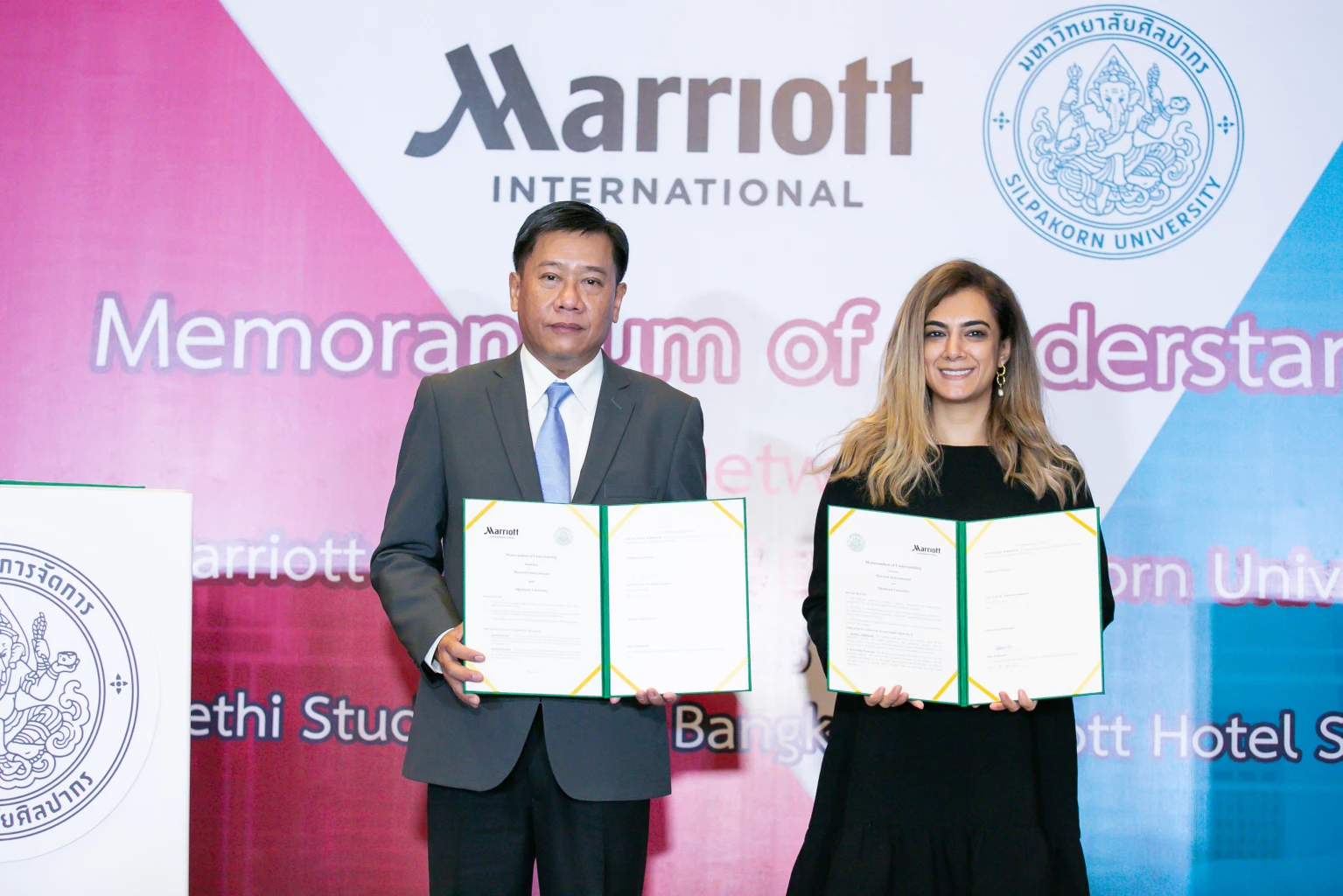
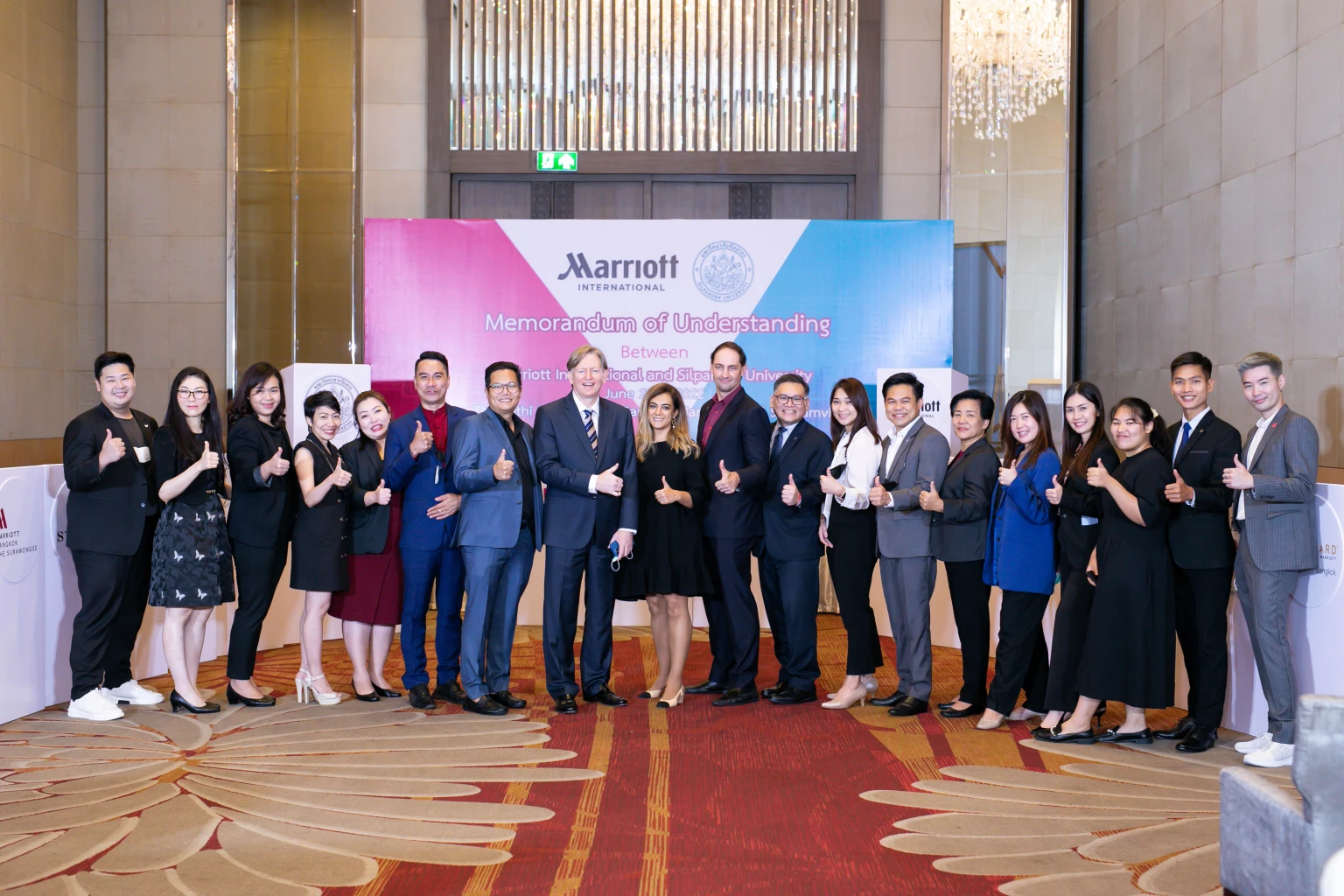
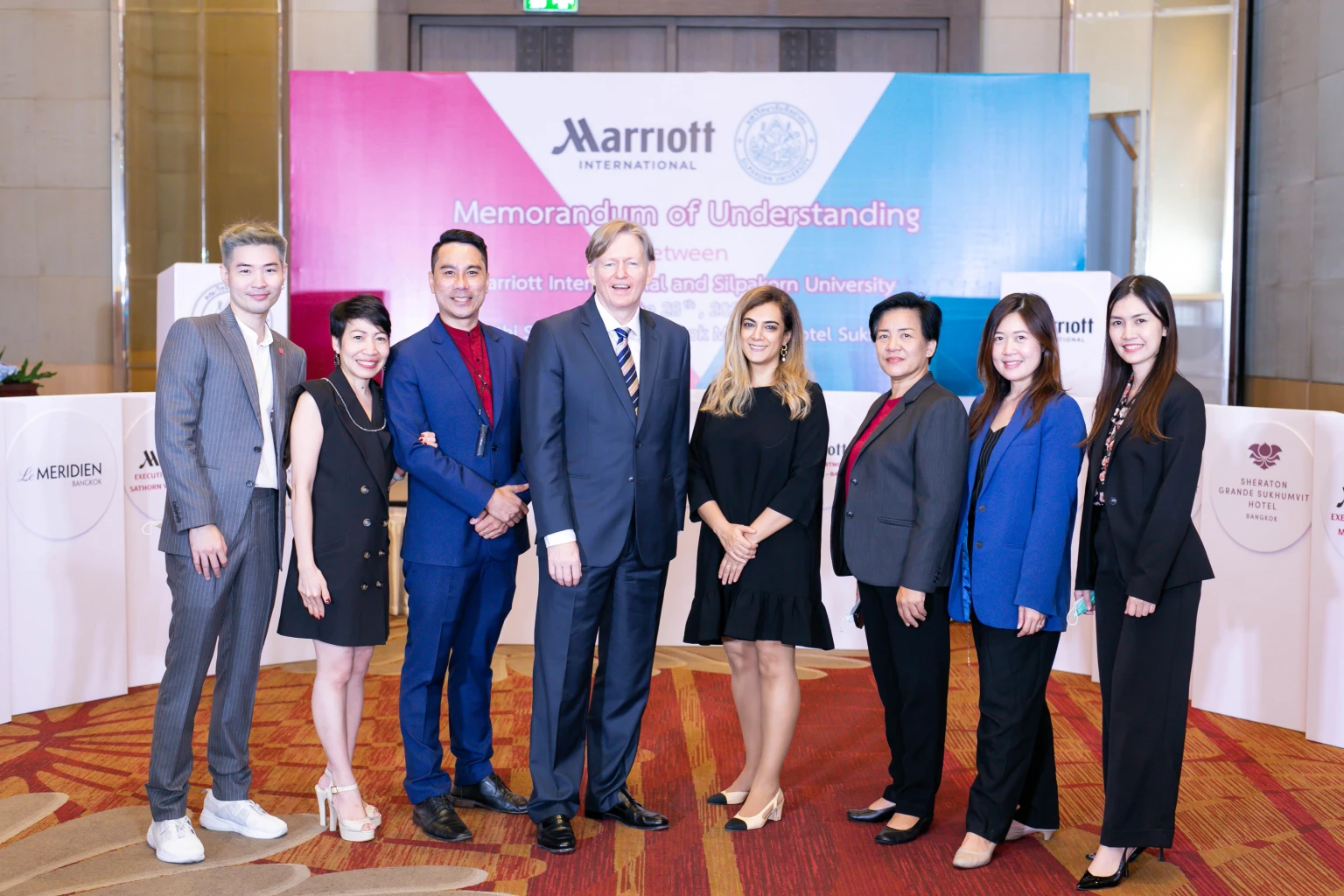
BANGKOK, THAILAND – Marriott International today announced the signing of an important Memorandum of Understanding (MoU) with Silpakorn University Faculty of Management Science (SUMS) to provide practical experience, professional training and potential career opportunities to the next generation of hospitality graduates in Thailand.
Penned at a ceremony in Bangkok on June 28, 2022, this MoU will initially see 20 Marriott International hotels in Bangkok offer internships for promising students on theBachelor of Business Administration in Hotel Management, provided by the Faculty of Management Science (SUMS). This will open the door to a world of possibilities, with students potentially having the chance to join the Marriott family upon graduation.
Under the terms of the agreement, Marriott will enable students to gain international-standard training and hands-on experience at its hotels in the third and fourth years of their course. If a student spends 300 hours with Marriott in their third year (April-June) and 800 hours in their fourth year (June-November), they will receive course credits. With options to work in a range of departments, including front office, food & beverage, housekeeping and more, these internships will equip young people with the practical skills they need to enter the workplace with confidence.
Being guided by Marriott will also give the students an important head-start in their professional lives. As the world’s largest hotel group with more than 8,000 properties under 30 leading brands spanning 139 countries and territories worldwide, graduates have a global network of potential career paths ahead of them, made even more accessible by gaining practical experience with Marriott.
This arrangement will not only benefit the students, however; it will also have a positive impact on Thailand’s entire hospitality industry at a critical time. With almost 2.5 million new hotel rooms currently in the pipeline worldwide¹, it is vital that hotel groups attract young people to find their vocation in the industry. For Marriott, this partnership with SUIC has the potential to attract high quality graduates for many years to come.
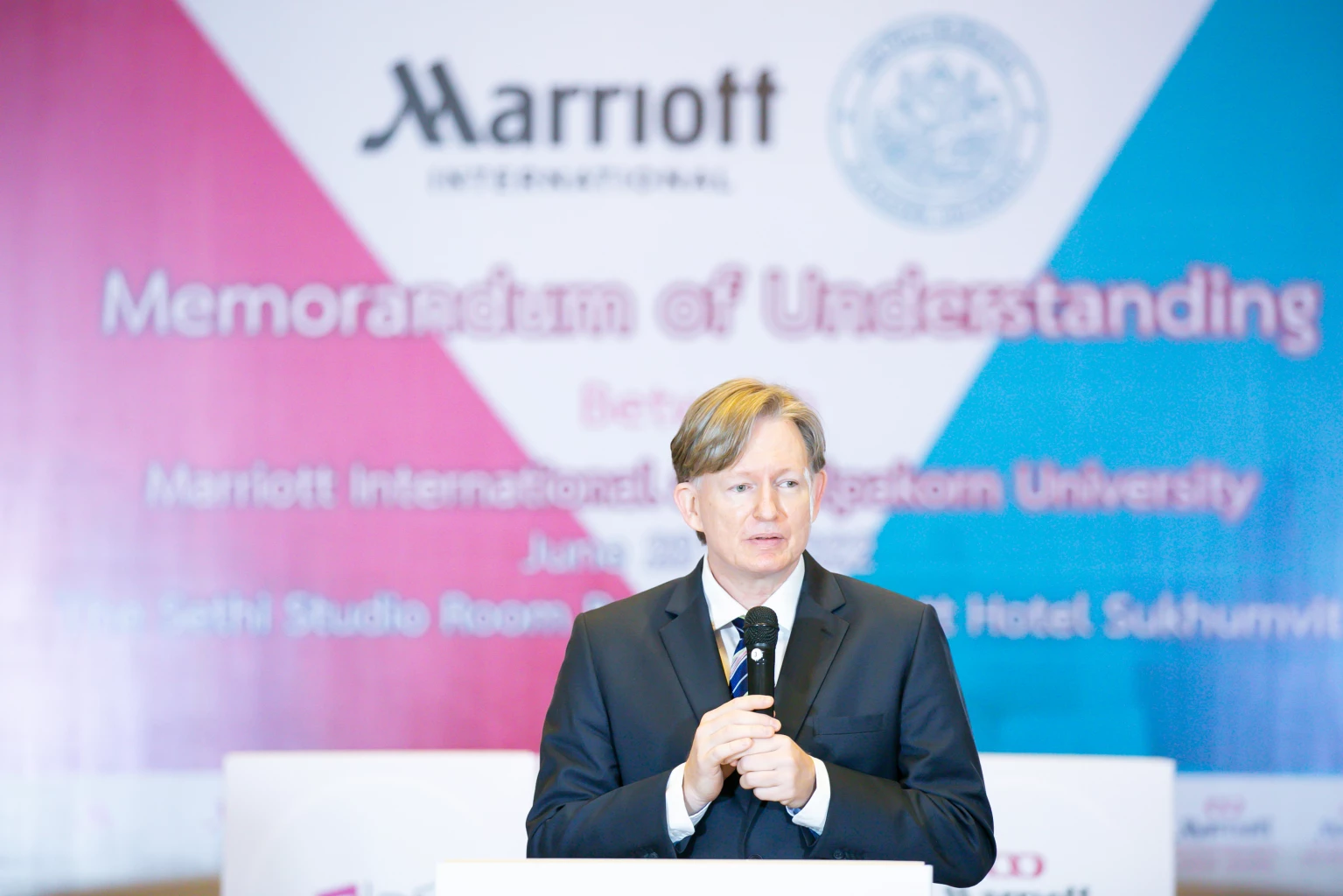
“We are delighted to sign this MoU with Silpakorn University’s Faculty of Management Science (SUMS). At Marriott International, our core value is to put people first andwe are committed to nurturing young talent and helping local people to grow and advance with us. With Marriott, there is no barrier to progress. We have clear development paths and programs that enable graduates and entry-level team members to rise through the ranks and become senior executives. This is embedded in our company’s DNA and I am very happy to create opportunities for a new generation of Thai hospitality graduates. This will become hugely significant as we continue to grow our footprint here in Thailand and around the world,” said Andrew P. Newmark, Vice President Human Resources – Asia Pacific excluding Greater China, Marriott International.
Marriott already has internship partnerships in Thailand, with approximately 40 students currently gaining work experience at its hotels in Bangkok. Under the latest MoU, students can transfer credits between their university course and Marriott’s own in-house training, and credits earned by the students while learning with Marriott could help them achieve an additional Associate Members’ Educational Qualification at SUIC. Marriott’s hotels will now become the first priority for SUIC’s internship selection process.
Following the initial launch of the partnership with 20 Marriott International hotels in Bangkok, the MoU could be expanded to properties in Pattaya, Rayong and Hua Hin in future.
To learn more about Marriott International, please visit www.marriott.com.
Marriott properties initially participating in the MoU include:
1. Aloft Bangkok – Sukhumvit 11 2. Bangkok Marriott Hotel Sukhumvit 3. Marriott Executive Apartments Bangkok, Sukhumvit Thonglor 4. Bangkok Marriott Hotel The Surawongse 5. Bangkok Marriott Marquis Queen’s Park 6. Courtyard by Marriott Bangkok 7. JW Marriott Hotel Bangkok 8. Le Méridien Bangkok 9. Le Méridien Suvarnabhumi, Bangkok Golf Resort & Spa 10. Mayfair, Bangkok – Marriott Executive Apartments 11. Sathorn Vista, Bangkok – Marriott Executive Apartments 12. Sukhumvit Park, Bangkok – Marriott Executive Apartments 13. Renaissance Bangkok Ratchaprasong Hotel 14. Royal Orchid Sheraton Hotel & Towers 15. Sheraton Grande Sukhumvit, a Luxury Collection Hotel, Bangkok 16. The Athenee Hotel, a Luxury Collection Hotel, Bangkok 17. The St. Regis Bangkok 18. The Westin Grande Sukhumvit, Bangkok 19. W Bangkok 20. Courtyard by Marriott Bangkok Suvarnabhumi Airport
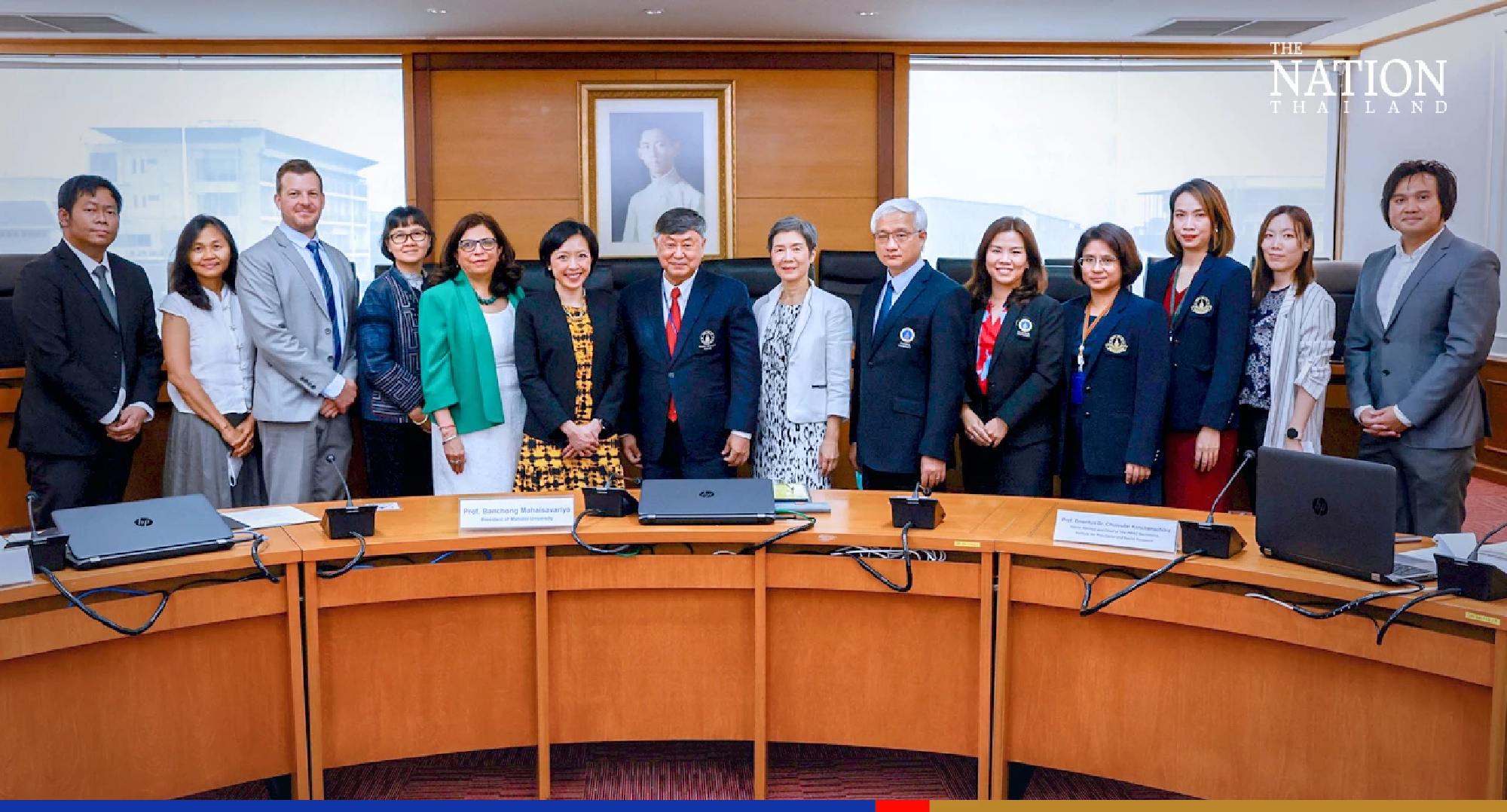
July 7, 2022, Bangkok: The Rockefeller Foundation, in close consultation with Thailand International Cooperation Agency (TICA) of the Ministry of Foreign Affairs (MFA), announced a new collaboration with Mahidol University to enhance and strengthen the work performed by medical, public health, and nutrition professionals across several Asian countries.
With $105,000 in new funding The Rockefeller Foundation will support Mahidol University experts to provide training to medical technology, maternal health and nutrition professionals in ASEAN countries.
Along with this project, Mahidol University is currently implementing two other programs in collaboration with The Rockefeller Foundation focused on strengthening genomic surveillance facilities and capacity building for measuring diet quality. In total, the Foundation has supported the University with grants amounting to $2.2 millionin recent years.
Following the signing of a Memorandum of Understanding between Ministry of Foreign Affairs and Mahidol University on Capacity Building for Medical and Health Science Education Hub in August 2021, the current project announced between The Rockefeller Foundation and Mahidol University is inspired by TICA, Thailand’s primary governmental entity administering the country’s international development cooperation.
Mrs Ureerat Chareontoh, Director-General of TICA, noted, “with its mission in enhancing partnerships for development towards achieving Sustainable Development Goals (SDGs), TICA has prioritized its cooperation into four security areas, namely employment, food, environmental and energy, as well as health. The MFA-MU MoU is one of the development collaboration initiatives in response to the aforementioned health security policy. The project focuses on strengthening capacity building and human resource development for medical personnel of Mahidol University in order to provide better services for Thai people and stronger platforms for the transfer of knowledge and expertise to other developing countries.”
TICA’s priorities match closely with those of The Rockefeller Foundation, and this recent collaboration with Mahidol University helps in expanding the reach of the ongoing projects in the areas of public health and nutrition to advance the impact of this shared mission of overall development.
Speaking about this new collaboration, Deepali Khanna, Vice President, Asia, The Rockefeller Foundation said, “Over the years, The Rockefeller Foundation has partnered with Mahidol University on multiple occasions as the University demonstrates continued leadership in medical and scientific research in Asia. With Thailand’s deep investment, history and technology, we are thrilled to support the efforts of Mahidol University and TICA to expand their work in strengthening and creating centres of excellence and institutional building.”
President of Mahidol University, Banchong Mahaisavariya, said, “Mahidol University has set our goals in bridging the gap between knowledge accumulation and knowledge translation to the society. With the support of The Rockefeller Foundation and TICA, we have joined forces in taking the leadership role regionally and globally in fostering health-related networks in response to the pandemic, healthcare services and skill upgrades, food and nutrition centre of excellence and communities of practice in local communities so on. Mahidol University continues to leverage our key resources toecho the learning application for the benefit of mankind.”
The Foundation has two projects in the spheres of public health and nutrition underway with Mahidol University. Through The Rockefeller Foundation’s Pandemic Preventive Institute, which aims to revolutionize the way the world approaches pandemic preparedness harnessing the use of data and technology, the Mahidol University Faculty of Tropical Medicine, Genomics and Evolutionary Medicine (GEM) received a $1.2 million grant in 2021. As a result, the University’s genomic surveillance team has successfully reduced the duration of genomic sequencing of COVID-19 variants from over a month to less than a week, and The GEM team has also expanded its support to other ASEAN genomic surveillance teams, improving their ability to detect and respond to COVID-19 variants and other emerging viral threats and the region’s overall pandemic response capacity.
Mahidol University is also working with the Foundation to fight the double burden of malnutrition (under and over- nutrition existing simultaneously) in the Global South by using a Global Diet Quality Score (GDQS) standard to understand the quality of food in the geography. The $500,000 in funding will help the University build capacity of nutritional professionals to conduct large-scale population surveys using the GDQS to scale up dietary quality and nutritional biomarkers in the population.
Electricity Generating Public Company Limited or EGCO Group kicks off the construction and successfully enters into financial agreements of “EGCO Cogeneration SPP Replacement” power project with a net capacity of 74 MW.
The project will enhance the Company’s business growth in the country, support industrial users’ activities as well as promote efficient fuel consumption which partly strengthen the country’s power security.
Mr. Thepparat Theppitak, President of EGCO Group, said, “EGCO Group has emphasized its solid foundation in power business by introducing the new development of “EGCO Cogeneration SPP Replacement” project in Rayong province with a net capacity of 74 MW.
The project has recently entered into the financial agreements with three banks with the funding amount of approximately 2,700 million baht. Those banks are Bangkok Bank Public Company Limited, Government Savings Bank, and Industrial and Commercial Bank of China (Thai) Public Company Limited. The total investment is approximately 3,600 million baht. The project has started the construction activities since May 2022 and is scheduled to start commercial operation in January 2024.”
The “EGCO Cogeneration SPP Replacement” project, owned by EGCO 80% and J-Power Holdings (Thailand) Co., Ltd. 20%, will be located at the site adjacent to the existing EGCO Cogeneration power plant in Rayong Industrial Park, Map Kha Sub-district, Nikhom Pattana District, Rayong Province. It will replace the existing power plant after its PPA expires in 2024.
The new facility is driven by gas-fired cogeneration system with the latest and advanced technology which will help improve the energy utilization efficiency and be environmentally friendly. The new facility will sell electricity to EGAT under a 25-year PPA for SPP replacement scheme while the rest of the electricity output and stream from electricity generating process will be sold to the industrial users in the Rayong Industrial Park and nearby area.
“According to EGCO Group’s expertise in power generation, the new power plant will supply reliable electricity and stream to serve the demand of industrial users in order to support Thailand’s economic growth and contribute to the national energy security. Furthermore, the power plant’s latest and advanced technology will promote operational efficiency and reduce carbon emissions which is in line with EGCO Group’s “Cleaner, Smarter and Stronger to Drive Sustainable Growth” business direction,” concluded Mr. Thepparat.
About EGCO Group
EGCO Group has currently a total equity contracted capacity of 5,959 MWe which a total equity contracted capacity from renewable energy is as high as 1,364 MWe including biomass, hydropower, solar power, wind power, geothermal power, and fuel cells. EGCO Group’s power plants are located in eight countries, namely Thailand, Lao PDR, Philippines, Indonesia, Australia, South Korea, Taiwan and USA.
In addition, it has energy-related businesses, including Oil Pipeline Extension to the northeastern region project and EGCO Rayong Industrial Estate Project, the shipper license to source and supply LNG in Thailand, a financial technology company (“Peer Power”), an innovation research and development company (“Innopower”), and a clean energy development company (“Apex Clean Energy Holdings”). For more information about EGCO Group, please visit our website at http://www.egco.com and our official facebook at http://www.facebook.com/EGCOGroup.
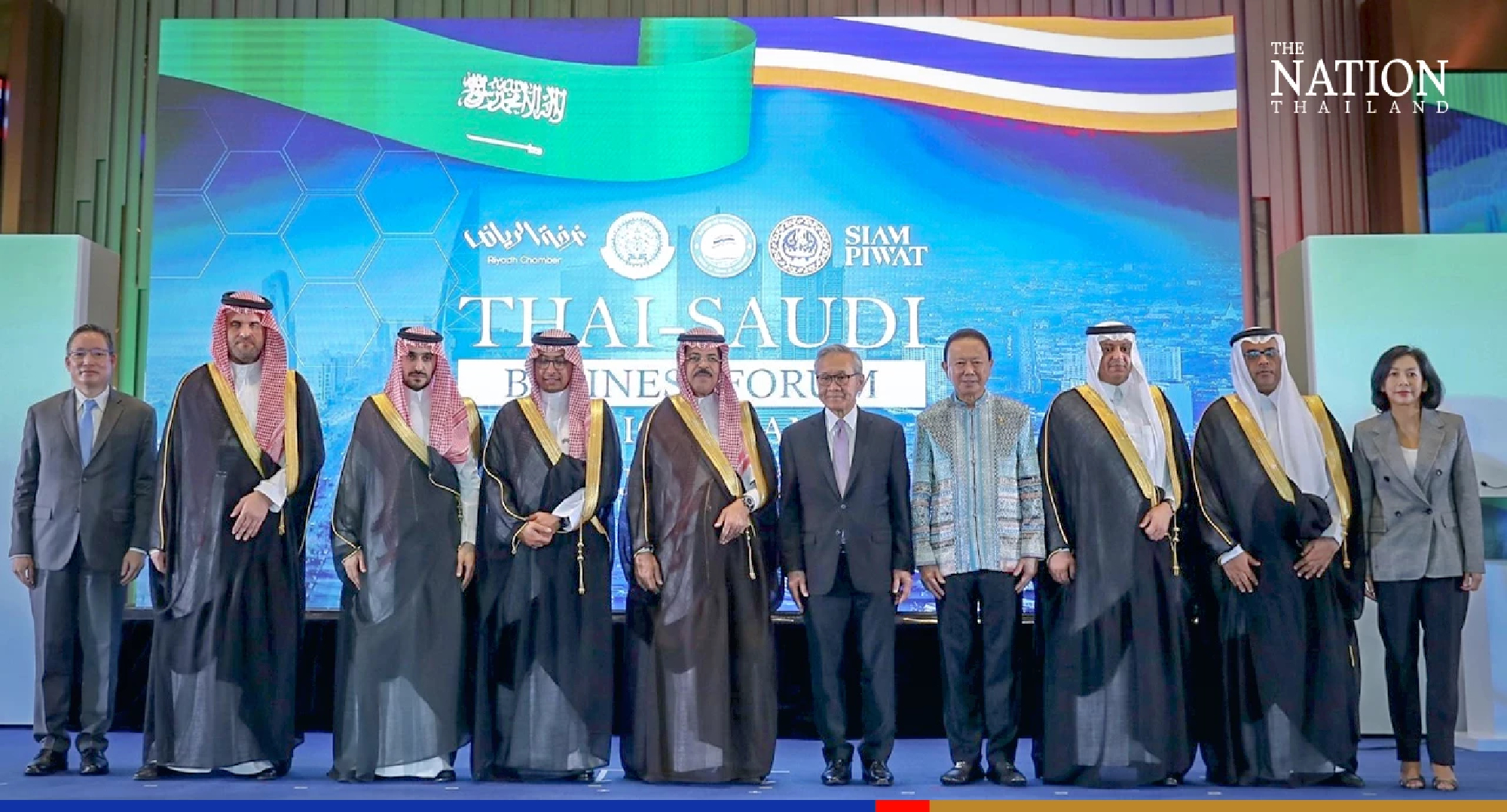
Thai Bankers’ Association (TBA) highlights the prominent role of commercial banks in supporting international trade and the aim to upgrade trade transactions between Thailand and Saudi Arabia with 2 projects that will improve competitiveness of Thai importers and exporters.
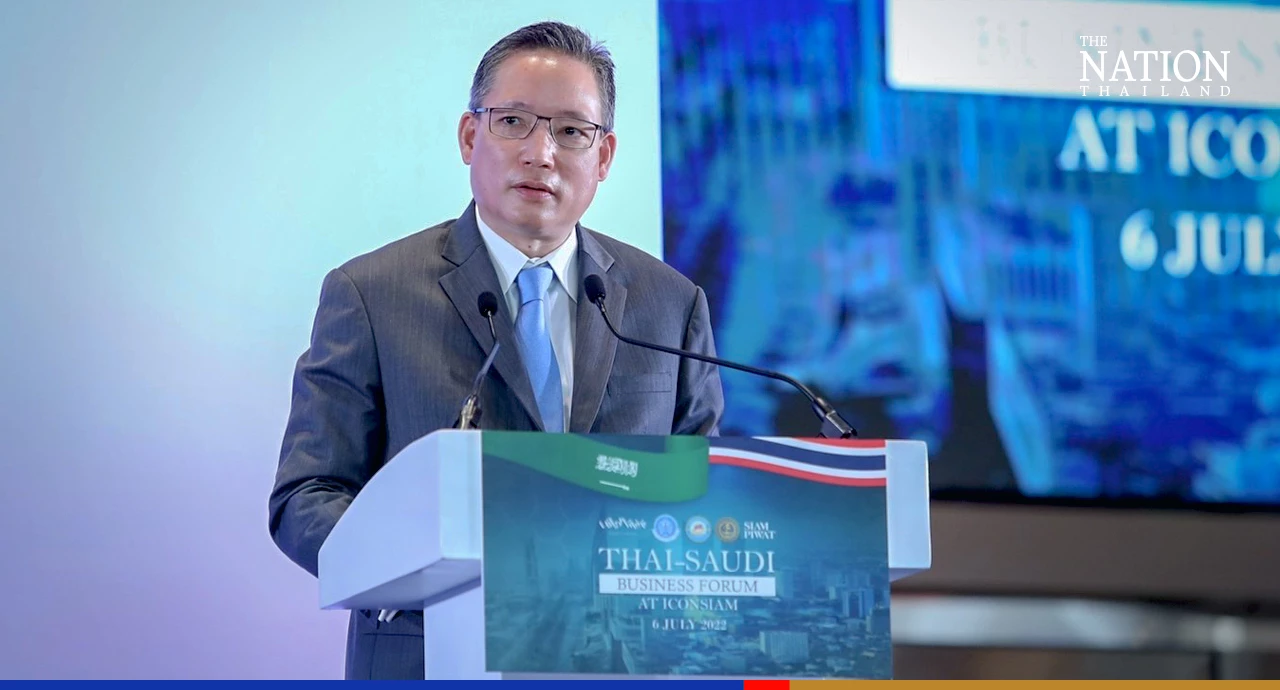
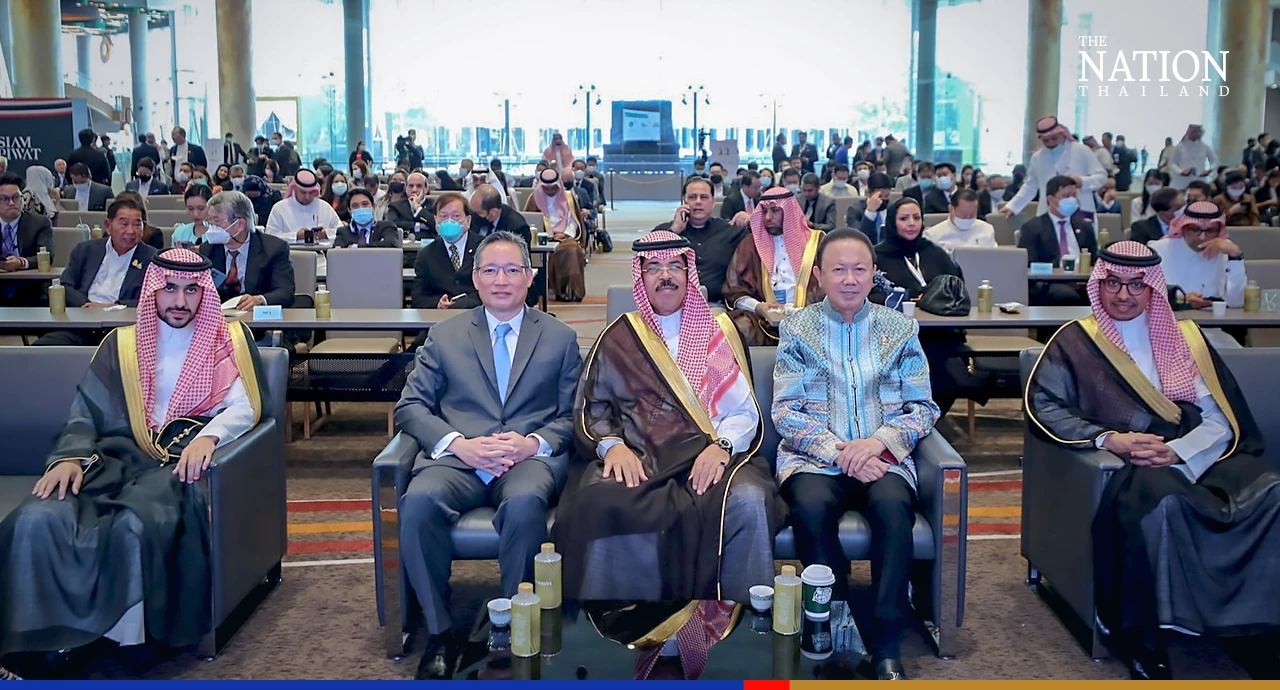
Payong Srivanich, the chairman of the Thai Bankers’ Association (TBA), gave an overview of the development of Thailand’s financial facilities and services at the Thai-Saudi Business Forum, attended by over 200 Thai and Saudi businesspeople, at ICONSIAM on 6th July 2022, stating that Thai banks place high importance on the development of digital infrastructure in order to upgrade trade transaction services, enable seamless linking of trade and financial data and promote continuous growth of international trade. Two major projects that will enhance trades are:
1. Smart Financial and Payment Infrastructure for Business, which aims at developing the country’s digital financial infrastructure by enabling end-to-end digital business and linking data on business transactions, payments and tax. It involves moving from paper-based trading to a digital system, covering e-invoices, e-tax invoices and e-payments for businesses. This aims to reduce costs, improve efficiency, and create digital footprints to improve access to funding at reasonable costs. As a result, the project will pave the way for digital supply chain financing and the utilization of digital trade and payment data to improve financial inclusion.
2. National Digital Trade Platform (NDTP), which is a collaboration between relevant public and private entities to develop a platform that facilitates export and import procedures by integrating all transaction data and utilizing e-Document to reduce paper handling. NDTP can be connected to the National Single Window (NSW) and foreign digital trade platforms. Currently, it is connected to Japan’s and Singapore’s trade platforms, and it plans to expand connectivity to other countries in Europe and the Middle East. The platform will bring greater convenience to importers and exporters, as well as improved efficiency and transparency. It will also boost competitiveness and uncover new opportunities for Thai businesses.
At present, commercial banks play a major role in international trades as they provide a wide range of services such as remittance, collection, letter of credit and document preparation. They also have convenient online channels which provide access to trade finance solutions and document submission. In 2021, foreign exchange transactions of commercial banks totaled over USD 1,709 billion, showing the high liquidity of the market. Commercial banks registered in Thailand accounted for 65% of the total transactions while foreign bank branches shared the other 35%, reflecting Thai commercial banks’ prominent role in international trade.
Moreover, commercial banks are key players in the Thai financial system, having 92% of the Thai banking system’s total assets. Assets of the 6 largest commercial banks registered in Thailand total USD 537 billion, accounting for 79% of the market. Thai banks also have strong financial positions as the country’s 6 largest banks receive investment grade ratings from all three major credit rating agencies.
“Commercial banks, as well as Thai regulations, are now more conducive to international trades. Thailand has made adjustments to regulations to expand the scope of foreign exchange transactions beyond hedging transactions. The new regulations now allow companies to conduct foreign exchange transactions with fewer documents. We believe that these improvements will further promote growth in international trade between Thailand and Saudi Arabia.”










 Chadchart Sittipunt

 Jia Kai Goh, strategy director of consulting firm Accenture (Singapore)
 Weerakorn Saitep, digital constructions director, The Concrete Products and Aggregate Co (SCG)
 Piyabut Charuphen, managing director BIG
 Anthony Watanabe, vice president and global head of environmental sustainability at Indorama Ventures
 Apinya Siranart, head of exploration, UN Development Program
 Cosima Stahr, senior adviser and co-lead finance, Adelphi Research