Ministry organises stakeholders seminar on Thailand-EU Comprehensive Partnership and Cooperation Agreement (TH-EU PCA)
FRIDAY, SEPTEMBER 30, 2022
THE NATION
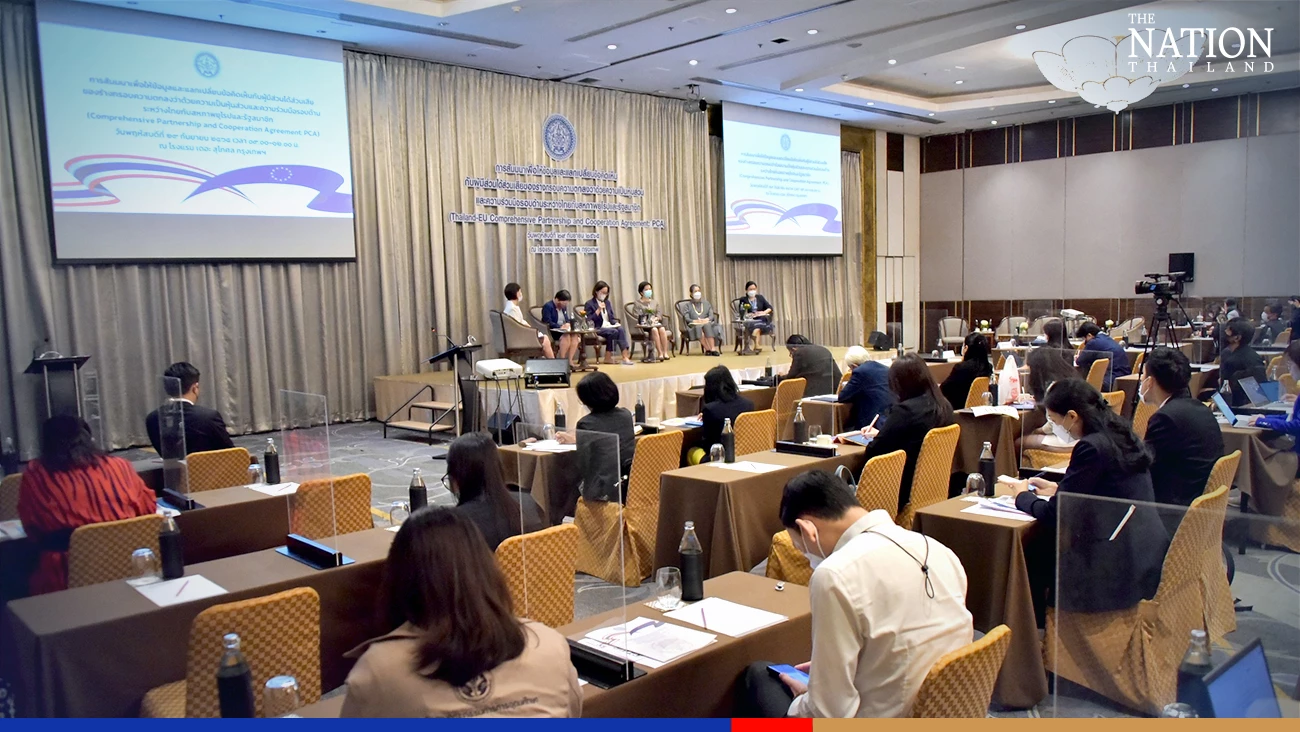
On September 29, the Ministry of Foreign Affairs organised a stakeholders seminar to provide information and exchange views on the draft Thailand-EU Comprehensive Partnership and Cooperation Agreement (TH-EU PCA).
The event was attended by some 120 participants from over 60 organisations from both the government and private sectors as well as civil society. The panelists also came from various entities, for example, the Director-General of the Department of Treaties and Legal Affairs, MFA, the Deputy Director-General of the Department of Trade Negotiations, the Director of the Centre for European Studies at Chulalongkorn University, as well as representatives from the Federation of Thai Industries, the Thailand Development Research Institute, and the Association for the Promotion of the Status of Women. The seminar helped to raise awareness and increase understanding of how to use the TH-EU PCA as a compass to further promote Thailand-EU cooperation. The draft PCA mainly focuses on both sides’ commitments to international norms and values, enhancing sustainable development and trade, and promoting a comprehensive partnership against the backdrop of the fast-changing world.
Mr Sarun Charoensuwan, Deputy Permanent Secretary for Foreign Affairs, delivered opening remarks stressing the importance of cooperation with the EU in achieving the long-term development goals of the country in all dimensions. Thailand can learn from the EU’s experience and best practices. Mr Asi Mamanee, Director-General of the Department of European Affairs, and Mr Sek Wannamethee, Ambassador of Thailand to the EU, also informed the audience of the PCA process and further underscored the current dynamism of the Thailand-EU partnership as a favourable factor for continued mutually beneficial cooperation.
At the plenary session, Mrs Chulamanee Chartsuwan, Deputy Permanent Secretary for Foreign Affairs and Thai PCA Head Negotiator, offered an overview of the PCA negotiation process and the contents of the draft TH-EU PCA, which covers wide-ranging areas of cooperation including political, security-, economic, social and environment-aspects. The PCA will provide a clear direction as well as sets priorities for cooperation for both sides. Thailand’s commitment to upholding the same values important to the EU can also be considered a favourable condition for the resumption of FTA negotiations with the EU.
In the three thematic discussion sessions on (1) trade and standards, (2) political and security matters, and (3) other cooperation areas, participants were able to learn in greater detail of the draft TH-EU PCA, exchange views on the cooperation areas and how to implement and take forward such cooperation. They also identified the challenges and opportunities of cooperation with the EU.
The seminar, which was organised for the first time in this new phase of PCA negotiations, has helped to put flesh on the PCA text for the new era of Thai-EU relations. The Ministry plans to organise continued PCA stakeholder seminars in 2023.
AIS partners ZTE to open the first “5G A-Z Center” in Thailand
FRIDAY, SEPTEMBER 30, 2022
Announcement of strategic partnership to develop the smart 5G network, becoming a Cognitive Tech-Co to power the national digital economy
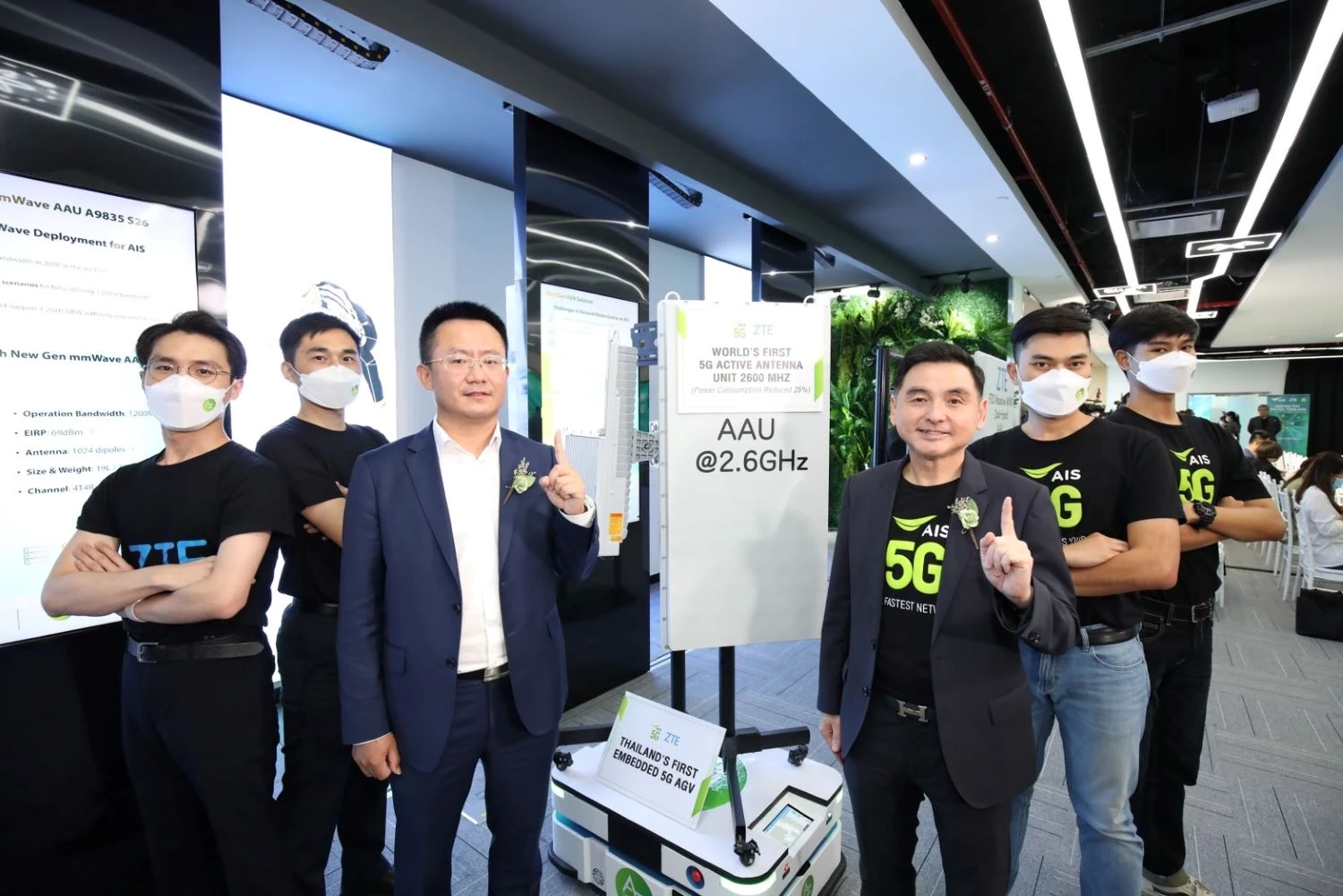
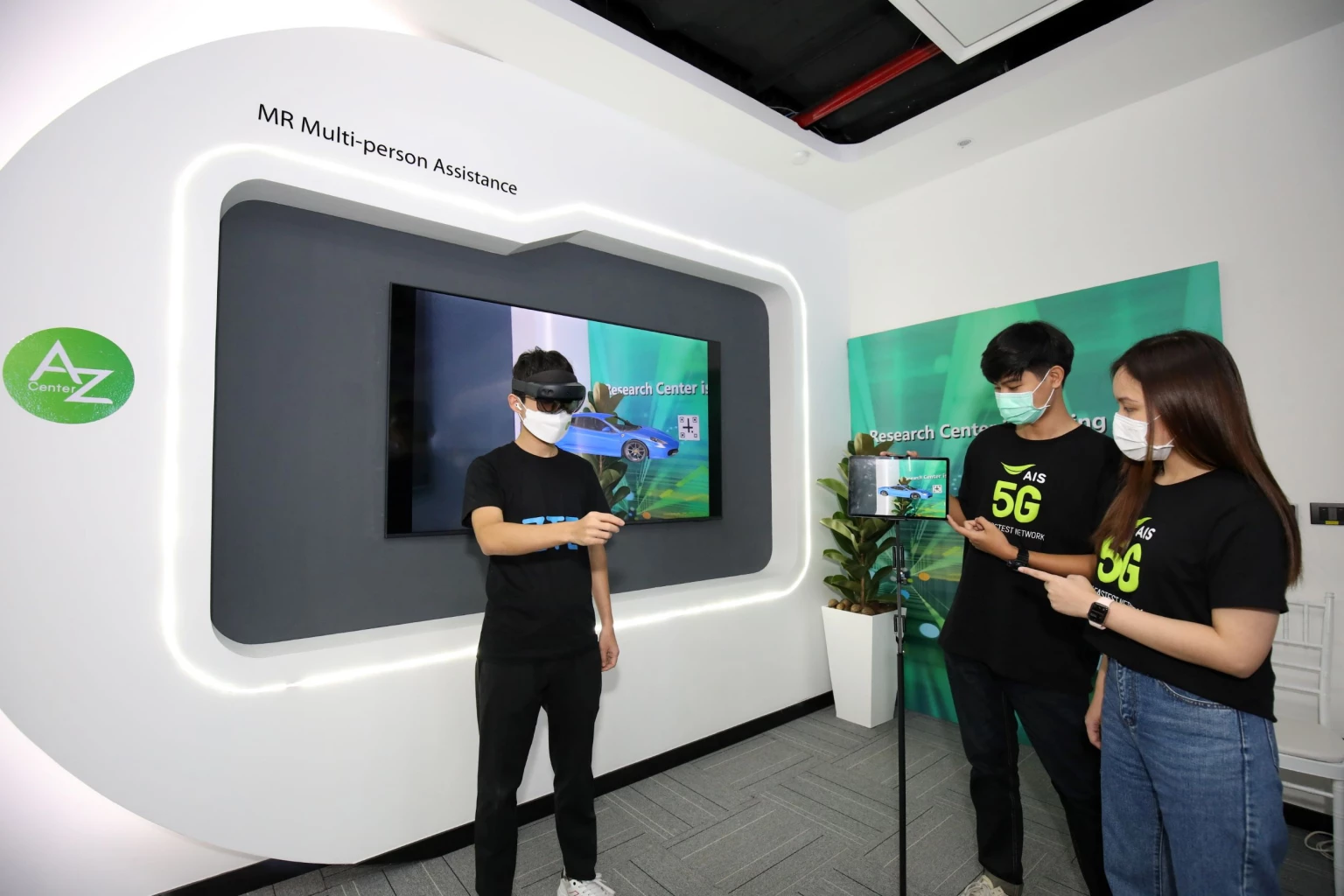
September 27, 2022, Bangkok: AIS, the number one smart digital network provider in Thailand, and ZTE Corporation, a world-class developer of digital tech from China, have partnered to create the A-Z Centre, Thailand’s first ever hub for 5G innovation. The two parties signed an MOU of strategic partnership to develop 5G tech, with the goal of fostering innovation and in particular, leveling up digital infrastructure to be resilient and furnish solutions which support the industrial sector. They in turn provide the experience of tangible benefits to the people of Thailand, while giving the country a significant competitive edge.
Somchai Lertsutiwong, Chief Executive Officer of AIS said, “We are here because 5G is a technology to power the country. As the network service provider with the most frequency spectra and the best network coverage in Thailand, we give top priority to innovating for the country sustainably. This is why we have strategically partnered with ZTE in three components:
– Upgrading Thailand’s 5G network to world-class digital infrastructure, not only in the matter of speed, but also intelligence, controlling itself in real time (5G Smart Autonomous Network)
– Jointly developing solutions for the business sector, for industry and for the wider public, and enhancing competitive capabilities under Thailand 4.0.
– Delivering a vast range of 5G services to improve Thai people’s lives sustainably. The first 5G A-Z Center in Thailand is at the crux of working towards this goal. It is a transformative moment to unlock Thailand’s potential and take the country to the next level, focussing on business and industry. We have inaugurated Digital Transformation in productivity and management, which will directly power the country’s digital economy.”
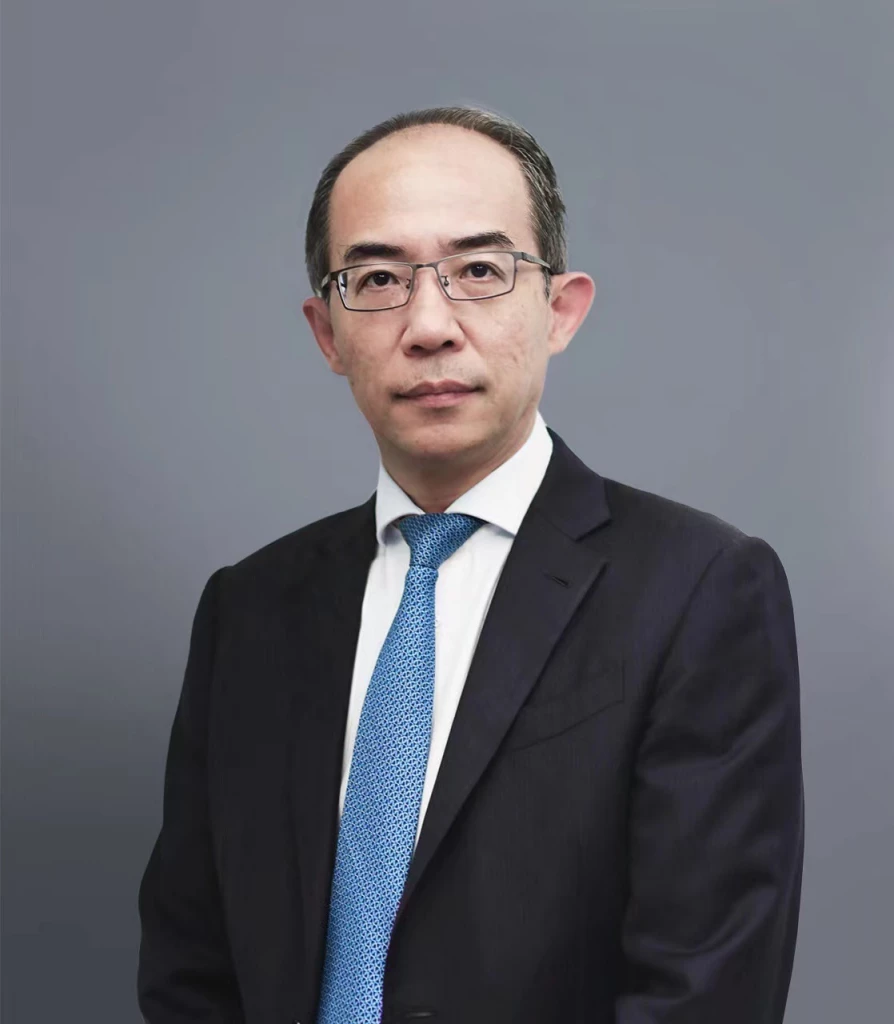
Mr. Xu Ziyang, President of ZTE Corporation said, “Our strategic partnership to develop digital tech, resulting in the establishment of A-Z Center, will usher in a diverse range of technological innovation. Most particularly, taking the 5G network as a basis for research and development has resulted in brand-new use cases of the future which will cater to both customer demand and increasing business opportunities.”
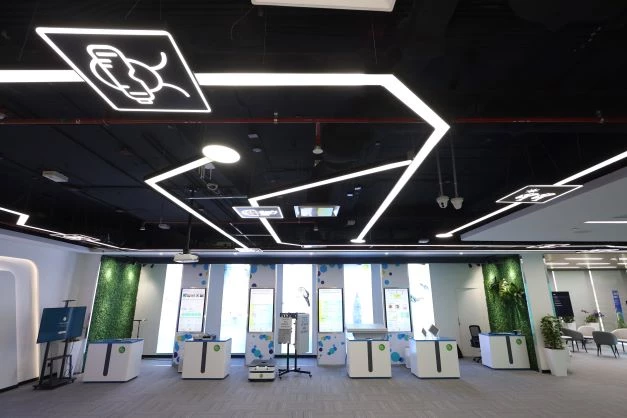
5G A-Z Center is the most complete hub for innovation and solutions, having installed base stations providing every radio frequency spectrum for the purposes of experimentation and trial. It is prototyping network tech which will transform development of the 5G network in Thailand, alongside 5G vertical industry applications and Smart Terminals. A pipeline of trials and demonstrations in the first phase comprise:
1. Next Generation Products for 5G Capability Growth: ZTE’s 5G-compatible network tech powers innovation through the concept,“1+2+3”. 1. Infrastructure, 2. Prototyping genetic foundations, and 3. The three components to Upgrade, Extend and Expand for maximum productivity. Use cases include:
Radio Composer: A world’s first coming from the partnership with AIS is development of the AAU (Active Antenna Unit) for 5G mmWave bandwidth, supporting 1.2GHz, and AAU 5G 2.6GHz, which are economical with electrical power. This new 5G radio equipment has been tailored to demand, and delivers the best possible experience to AIS customers, while being friendly to nature and encouraging energy sustainability.
RIS (Reconfigurable Intelligent Surface) is equipment showcasing capabilities of the 26GHz or mmWave spectrum to provide greater coverage for the 5G network.
2. 5G Use Cases connecting the 5G network to the industrial sector, such as:
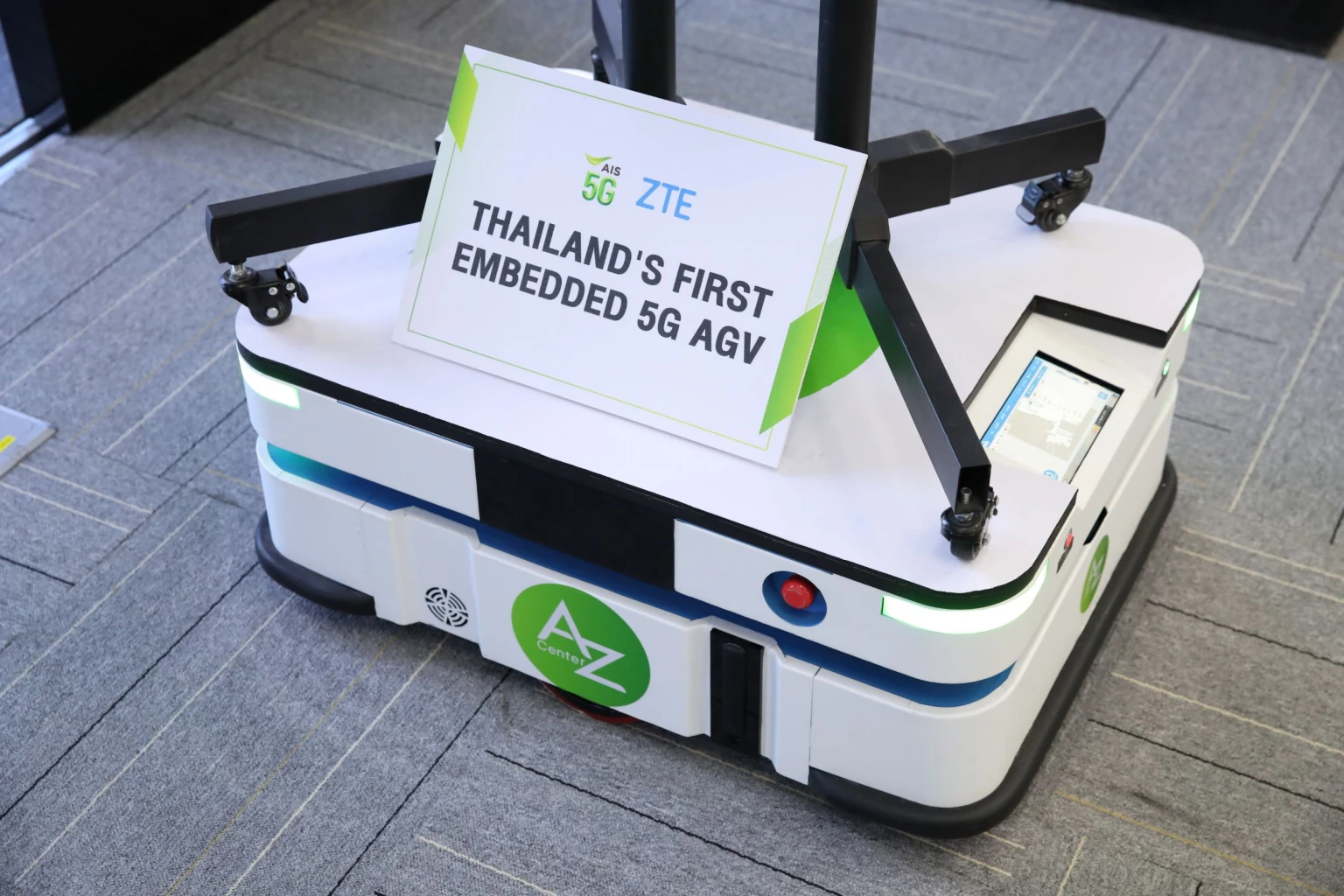
5G Natural Navigation AGV, an autonomous vehicle with embedded 5G module accepting a 5G SIM card. Easy to use, and unlimited with respect to location, with no need of installed Wi-Fi.
5G Machine Vision: A system for physical product inspection using 5G. Its processing system works similarly to humans, to make decisions and transmit the required results as determined by its algorithm.
5G XR Explorer: Extended reality, or XR systems applied to integrate many dimensions of display, whether a real-world environment or the digital environment. This includes interactions between humans and machines with computers, or through wearables, which can be used in Training or Guidance.
5G Holographic is a technology to create 3D images which has been widely applied and adapted. Applications include remote meetings, education, large events or the Metaverse. It is appropriate for large-bandwidth applications such as AR or VR, and breaks down the barriers between the real and virtual worlds to connect them seamlessly with 5G.
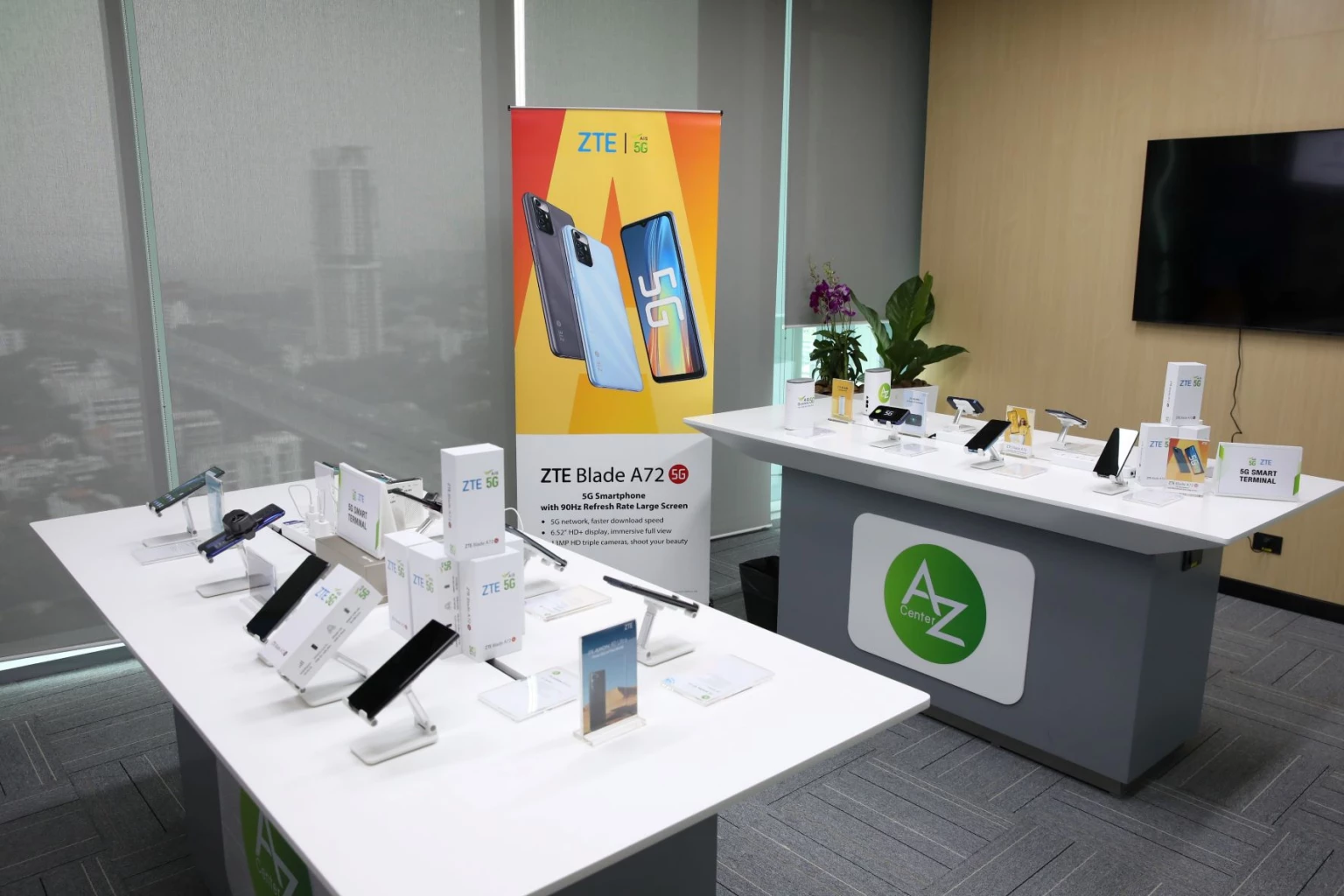
3. Diversified 5G Terminal Devices: AIS has partnered with ZTE to launch the new 5G ZTE Blade A72 handset. It is a highly efficient 5G-enabled smartphone offering the greatest value in the current Thai smartphone market. It is expected to hit the market in October 2022, alongside other Smart Terminals such as 5G CPE and 5G Router. All of these highlights ZTE’s capabilities as the only End-to-End service provider working with AIS, who is the service provider offering the best experience to consumers.
This cooperation between AIS and ZTE is a crucial step in achieving the goal of becoming a Cognitive Tech-Co by developing 5G into the 5G Smart Autonomous Network. This will deliver new experiences and give opportunities to the industrial sector, all the while creating innovations and solutions which cater nimbly to behaviour which has changed in social contexts. It will build Thailand’s digital economy of the future.
Negotiations for an ASEAN Framework Agreement on Competition launched
THURSDAY, SEPTEMBER 29, 2022
THE NATION
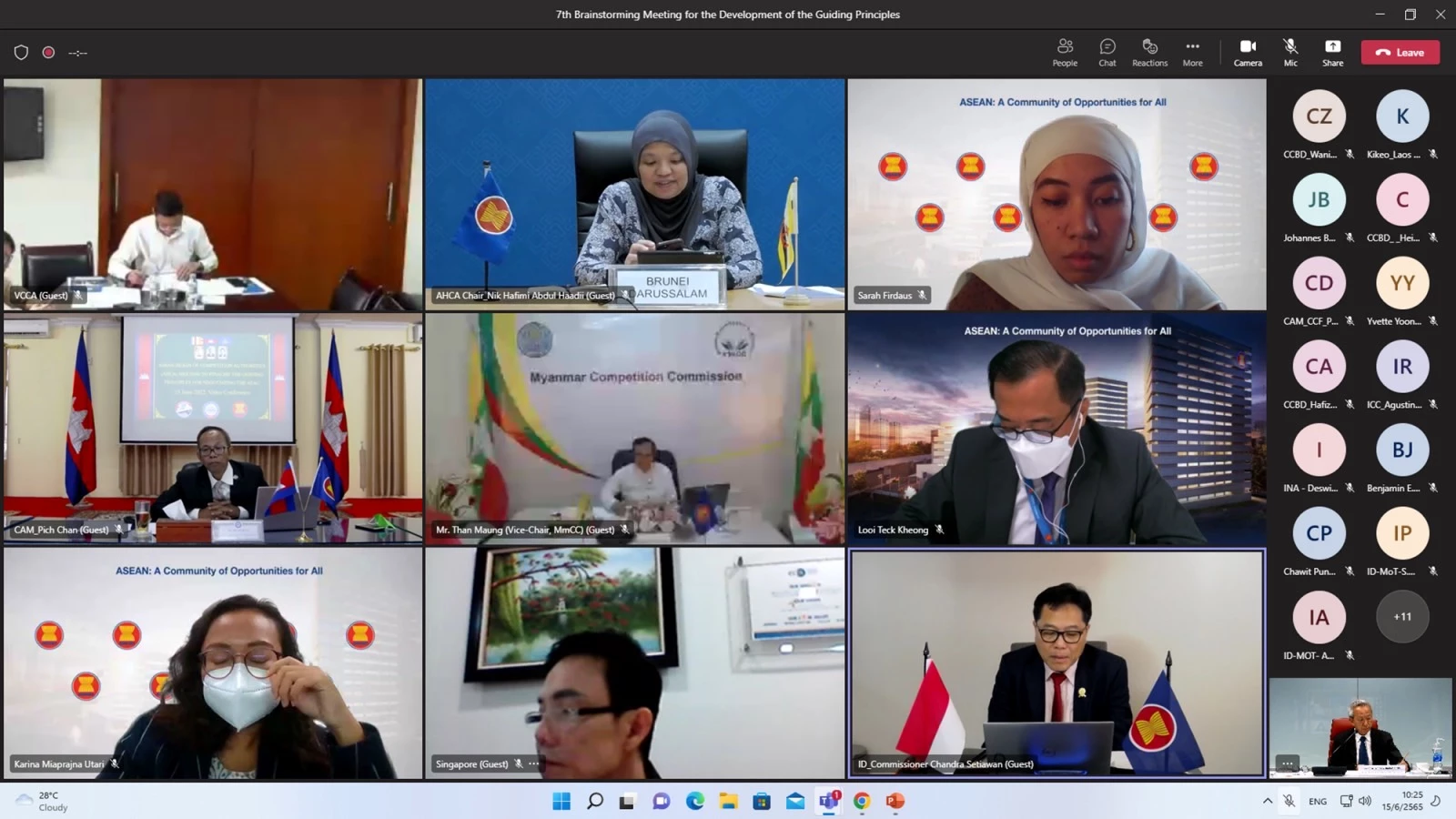
At the 54th ASEAN Economic Ministers (AEM) Meeting, the Economic Ministers launched the negotiations for the ASEAN Framework Agreement on Competition (AFAC), which is to serve as a formal cooperation agreement that would facilitate cross-border cooperation and coordination on CPL matters amongst the ASEAN Member States (AMS).
The launch has been identified as one of Cambodia’s Priority Economic Deliverables (PED) for this year. It is also consistent with strategic measures of the ASEAN Economic Community Blueprint and the ASEAN Competition Action Plan (ACAP) 2025 which calls for a regional cooperation arrangement on competition policy and law by establishing competition enforcement cooperation agreements, to effectively deal with cross-border commercial transactions.
The AFAC aims to provide a fair and competitive business environment in ASEAN through cross-border cooperation between competition agencies, promote the internalisation of competition policy into regional and domestic economic policies, and provide effective measures to deal with competition issues of mutual interest.
As markets becomes more integrated in the region, cooperation between competition agencies become more vital as it will help save resources and avoid duplication of efforts, provide experience-sharing, and assist to provide consistency of decisions in resolving anti-competitive disputes or at least non-conflicting outcomes.
To kick start the development of the Framework, the Guiding Principles for negotiating the AFAC has been developed by the ASEAN Heads of Competition Agencies, with the support from the ASEAN Experts Group on Competition, and subsequently endorsed by the AEM.
Marriott International poised to expand Asia Pacific luxury hotel portfolio with 14 expected additional properties by end of 2023
THURSDAY, SEPTEMBER 29, 2022
THE NATION
Thoughtful Growth in Popular and Emerging Travel Destinations Aims to Meet Global Demand for Luxury Travel Experiences
Marriott International, Inc. today announced it expects to open 14 additional luxury properties in Asia Pacific by the end of 2023. The planned additions highlight the strategic growth of Marriott International’s luxury hotel portfolio in the region, where it currently operates 156 luxury properties.
Across 13 countries and regions in Asia Pacific, Marriott International’s portfolio of dynamic luxury brands continues to create bespoke experiences for today’s luxury traveler in ever popular cities including Tokyo and Melbourne, and is ready to bring these experiences to emerging destinations such as Jeju and Jiuzhaigou. With a collection of iconic brands such as The Ritz-Carlton, St. Regis, W Hotels, The Luxury Collection, EDITION, JW Marriott and Bvlgari, the company is set to meet the increasing demand for exceptional luxury travel experiences for our guests from all around the world.
“Today’s luxury traveler is looking for authentic experiences that are personalized, thoughtful and uniquely meaningful,” said Bart Buiring, Chief Sales and Marketing Officer Asia Pacific, Marriott International. “Our current portfolio of highly distinctive brands is well-positioned to meet the evolving needs of travelers, and these expected additions reflect our optimism for the future of luxury travel.”
The Ritz-Carlton Brings Curated Luxury to New Destinations
In 2021, The Ritz-Carlton arrived in the Maldives and the inimitable style and luxury of the brand is set to expand further in Japan with the expected opening of The Ritz-Carlton, Fukuoka in 2023. In Australia, the anticipated opening of The Ritz-Carlton, Melbourne in early 2023 will offer guests sweeping panoramic views above the city skyline, along with the brand’s acclaimed culinary offerings. Ritz-Carlton Reserve anticipates debuting its fourth rare estate in Asia Pacific in the historic Chinese valley of Jiuzhaigou next year, inviting visitors to immerse in the history, culture and natural beauty of its mountain valley home.
The Celebrated Traditions of St. Regis to Grace More Cities in Asia Pacific
Upcoming openings in major cities across the region will bring the glamourous spirit, signature rituals and immersive experiences of St. Regis to travelers in new destinations. Following the opening of The St. Regis Qingdao in 2021, St. Regis is slated to debut in Goa with a breathtaking 49-acre beachfront setting, introducing the timeless traditions and avant-garde style of the brand to the next generation of guests. Modern connoisseurs in Indonesia will soon be able to experience the St. Regis philosophy of ‘Live Exquisite’ with the opening of The St. Regis Jakarta expected later this year.
Contemporary, Design-Led Luxury Takes off with W Hotels
W Hotels is slated to expand its playful, destination-led culture to Macau in 2023 with its vibrant energy and thoughtful design. The socially forward brand also expects to celebrate its third hotel in Australia with the opening of W Sydney at ‘The Ribbon’ in Darling Harbour in 2023, bringing W’s signature always-on programming to the dynamic Australian city.
JW Marriott Welcomes Travelers with Wellbeing-Focused Havens
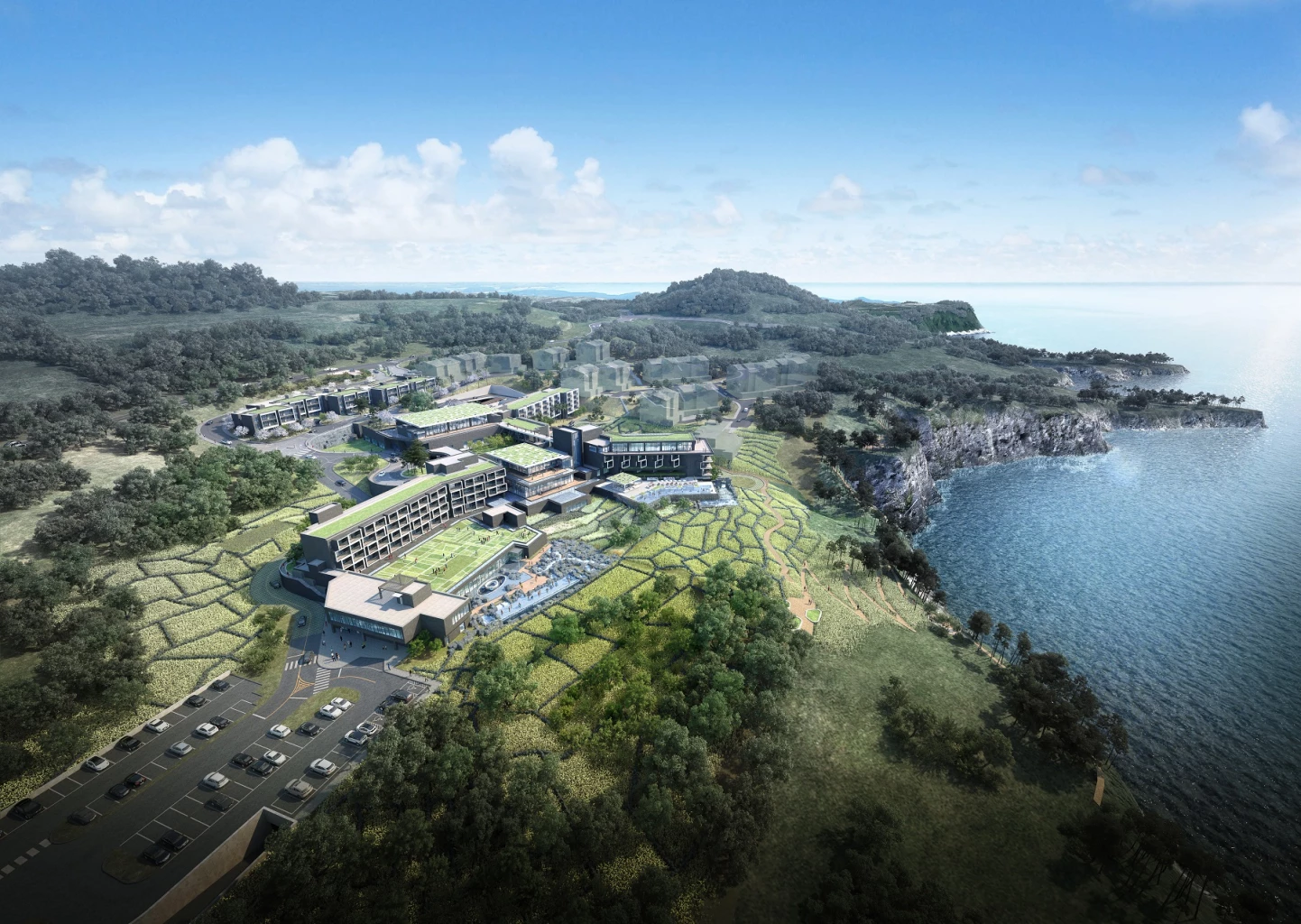
Inspired by the principles of mindfulness and holistic wellbeing, an anticipated eight new JW Marriott hotels across the region are set to deliver uplifting experiences as well as an environment that encourages guests to be fully present. Following the openings of JW Marriott Bengaluru Prestige Golfshire Resort & Spa and JW Marriott Hotel Changsha earlier this year, JW Marriott Khao Lak Resort Suites is anticipated to welcome guests by the end of 2022. Expected to also open in 2022, JW Marriott Jeju Resort & Spa aims to cater to sophisticated, mindful travelers who seek a balance in mind, body and spirit when they visit South Korea’s popular holiday island with its stunning UNESCO World Natural Heritage sites. Slated to open in 2023 are JW Marriott Goa Vagator and JW Marriott Hotel Xi’an.
EDITION Brings Sophisticated Style and Luxury Lifestyle to Iconic Destinations in Asia Pacific
With an unexpected and refreshing collection of individualized, customized, and one-of-a-kind hotels already open in Sanya, Shanghai and Tokyo, Toranomon, EDITION is slated to expand its footprint in 2023 with a second location in Japan, The Tokyo EDITION, Ginza. The other highly anticipated property also expected to launch in 2023 is the brand’s first in Southeast Asia, The Singapore EDITION. Both hotels will set a new standard of modern luxury, combining the personal, intimate, and individual experience the EDITION brand is known for with an unparalleled level of sophistication, originality, and design along with the best of dining and entertainment.
The Luxury Collection Continues to Define Destinations in Asia Pacific
The Luxury Collection offers a portfolio of unique and legendary hotels that are true representations of their destination. ITC Narmada, a Luxury Collection Hotel, Ahmedabad, is the latest addition to the brand’s growing ensemble. Opened in 2022, the hotel is architecturally informed by the traditional designs of the Gujarat region and celebrates guests as storytellers, collectors and explorers when they visit this fascinating city.
Bulgari Hotels & Resorts To Make Brand Debut In Tokyo
Travelers to Tokyo will soon be able to experience the glamor and timeless heritage of Italian brand Bulgari with the planned opening of Bulgari Hotel Tokyo in 2023 in a new ultra-skyscraper near Tokyo Station. The new hotel is slated to feature 98 luxurious guestrooms including a lavish Bulgari Suite and will also offer the brand’s renowned dining venues such as il Ristorante Niko Romito and Hoseki Restaurant.
CIO’s View: September 2022 – Tough times ahead, but pockets of opportunities remain
THURSDAY, SEPTEMBER 29, 2022
THE NATION
The Fed’s FOMC raised the Fed funds rate (the Fed’s policy rate) target range by 75 basis points to the range of 3.00% to 3.25%, as widely expected by the market.
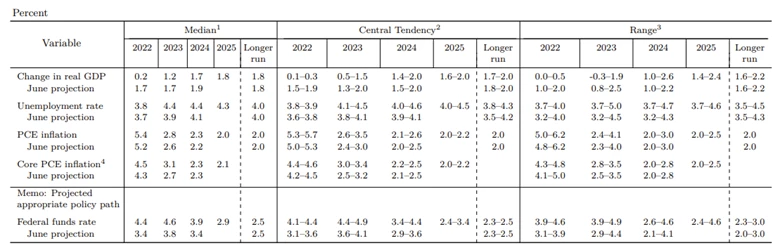
The median forecast by the FOMC in the Summary of Economic Projections now shows a Fed funds rate midpoint of 4.4% at end-2022 and 4.6% at end-2023. This would likely translate to a 75bp rate hike at the November meeting, a 50bp rate hike at the December meeting, and a 25bp hike at the January meeting, as the Fed’s expectation of the policy rate path (aka. the Dot Plot). This terminal rate of 4.6% at end-2023 turned out to be higher than the market had been expecting before the meeting, which subsequently led to a negative market reaction. The Dot Plot also shows a cumulative policy rate cuts of 175bp from 2024 onwards, as the Fed’s favorite inflation gauge – the Core PCE – moves closer to their 2% target at 2.3% in 2024, and to 2.1% in 2025. The Summary of Economic Projections also showed substantial increases in the unemployment rate, rising from its previous forecast 3.7% level to 3.8% by end-2022, to 4.4% by end-2023, and to 4.4% by end-2024. The Fed’s forecasts also showed downgrades to GDP growth in 2022 to only +0.2% from +1.7%, downgrades to 2023 GDP growth to +1.2% from +1.7%, downgrades to 2024 GDP growth to +1.7% from +1.9%; while keeping the 2025 and longer-run GDP growth at +1.8%.
Table: Economic projections of Federal Reserve Board members and Federal Reserve Bank presidents, under their individual assumptions of projected appropriate monetary policy, September 2022
Source: Projection Materials, Federal Open Market Committee, Board of Governors of the Federal Reserve System released 21 September 2022.
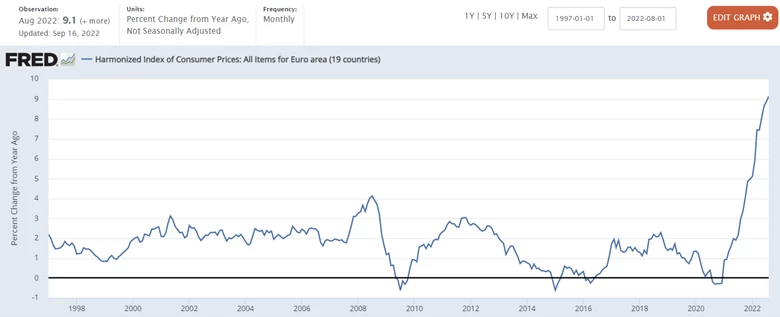
On the European side, the ECB’s Governing Council announced on 8 September 2022 that they have decided to raise the three key ECB interest rates by 75 basis points. This was more than the market was expecting going into the meeting, and hence, put the interest rate on the main refinancing operations, the interest rates on the marginal lending facility, and the interest rate on the deposit facility to 1.25%, 1.50%, and 0.75% respectively, to become effective on 14 September 2022. Based on the ECB’s assessment, the Governing Council expects to raise its policy rates further over the next several meetings in order to slow down demand and guard against the risk of a persistent shift in inflation expectations, as inflation remains far too high and is likely to stay above target for an extended period. The Eurozone inflation, as measured by Harmonized Index of Consumer Prices (HICP), increased by 9.1% over a year ago in August, due to soaring energy and food prices, demand pressures in some reopening sectors, and supply bottlenecks. According to the ECB, they have revised up their inflation forecasts to 8.1% in 2022, 5.5% in 2023, and 2.3% in 2024. Moreover, in terms of economic growth, after a rebound in the first half of 2022, recent data point to a substantial slowdown. The September flash composite PMI released on 23 September 2022, showed the downturn of Eurozone deepening further, with business activities contracting for the third consecutive month. According to the ECB, very high energy prices are reducing the purchasing power of people’s incomes, and although the supply bottleneck issue has been improving, they are still constraining economic activity. Moreover, the adverse geopolitical situation between Russia and Ukraine is weighing on the confidence of businesses and consumers. Hence, the ECB adjusted down its GDP growth outlook to 3.1% in 2022, 0.9% in 2023, and 1.9% in 2024.
Chart: Harmonized Index of Consumer Prices: All Items for Euro area (19 countries)
Source: Eurostat, Harmonized Index of Consumer Prices: All Items for Euro area (19 countries) [CP0000EZ19M086NEST], retrieved from FRED, Federal Reserve Bank of St. Louis; https://fred.stlouisfed.org/series/CP0000EZ19M086NEST, 25 September 2022.
Chart: S&P Global Flash Eurozone PMI Composite Output Index)
Source: S&P Global, Eurostat, released on 23 September 2022.
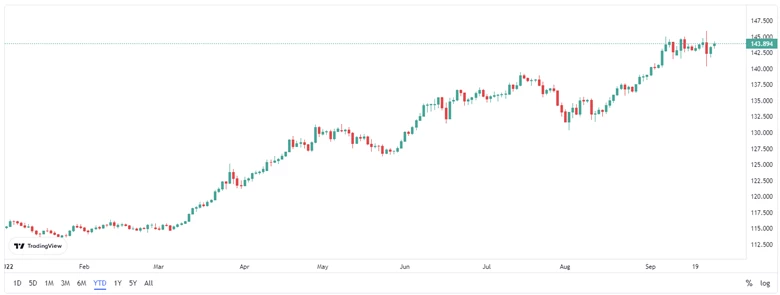
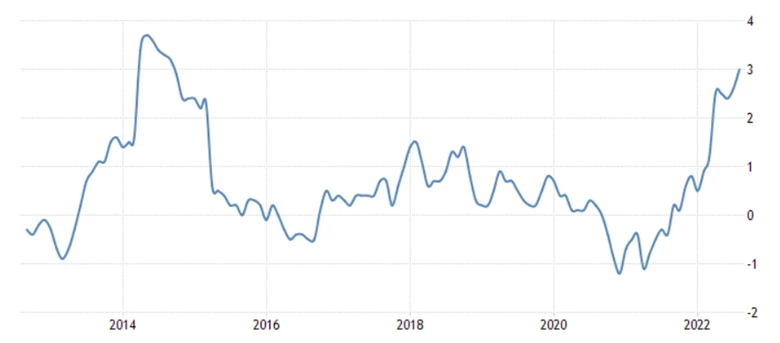
Meanwhile, right on the heel of FOMC, the BOJ also had their Monetary Policy Meeting, where they had unanimously decided to maintain the status quo across all monetary policy parameters, including the yield curve control, asset purchase programs, and forward guidance. At the press conference, Governor Kuroda noted that Japan is still in the midst of recovery from Covid-19, and the economy would still need another 2-3 years to realize the BOJ’s inflation target. He also stated that forward guidance will be maintained, and that no rate hike is required during that period. Japan is now the only country left with a negative interest rate policy still in place, after the Swiss National Bank of Switzerland decided to exit its negative interest rate policy on the same day, by increasing its policy rate by 75bp to 0.5%. The direct consequence of BOJ Governor Kuroda’s comments was a decline in the yen to a multi-decade low against the dollar, breaching JPY145 level during intraday. Japan’s Vice Minister of Finance, Masato Kanda, who is responsible for foreign exchange rate intervention, stepped up his verbal intervention immediately after the central bank meeting, and soon afterward the MOF had immediately intervened to buy yen for the first time in 24 years to stem the depreciation of the yen. With its foreign currency reserves of around USD1.3 trillion, Japan’s intervention in support of the yen would involve selling down its large reserves of US Treasury bonds, causing further increase in US bond yields. With Japan’s inflation rate firming to the highest level since 2014 at 3% in August, it’s hard to see the BOJ holding its current negative monetary policy in place for another 2-3 years as Governor Kuroda had mentioned. Japan might need to adjust its yield curve control policy when Governor Kuroda’s term ends in April 2023.
Chart: Yen breached JPY145 versus the dollar during intraday of 22 September 2022
Source: TradingView, as of 26 September 2022.
Chart: Japan’s inflation rate reached 3% in August
Source: TradingEconomics.com, Ministry of Internal Affairs & Communications, released on 20 September 2022
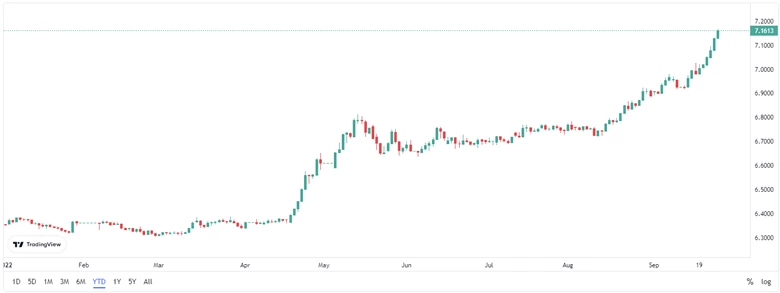
Bloomberg News had reported last Friday, 24 September 2022 that China Construction Bank Corp (CCB). will set up a CNY30 billion, or the equivalent of approximately USD4.2 billion, fund to buy properties from developers. The fund will invest in existing assets of real estate companies and renovate the properties into rental housing. The fund will last for 10 years, with a possible extension, according to CCB, one of the big four state-owned lenders. China has sought to expand the rental housing market to ensure sustainable growth in real estate over the long term and CCB has been spearheading that national strategy. We consider this another positive development in addition to the plan to offer CNY200 billion or the equivalent of approximately USD29.2 billion in special loans to troubled developers, according to Bloomberg News report on 22 August 2022. The same article mentioned that on Friday 19 August 2022, the Chinese state media reported that China will support construction and delivery of unfinished residential projects through special loan schemes from policy banks, but the loan amount was not disclosed. Meanwhile, the renminbi hit a 28-month low against the dollar on Monday, 26 September 2022, trading at CNY7.16 to the dollar. As a result, the PBOC has outlined measures to prop up the renminbi. It would seek to increase the reserves that banks must post with it when selling certain foreign exchange derivatives. China’s foreign exchange risk reserve requirement, which will from Wednesday [28 September 2022] rise to 20% from 0% previously, would increase the cost for certain FX hedges that involves selling of the renminbi, and discourage sales of FX derivative products. This shows that the PBOC is starting to feel discomfort with the rapid depreciation of the renminbi amid continued strengthening of the US dollar. Overall, the downside concern for China’s economic outlook seems to be improving. Chinese data reported on Friday, 16 September 2022 showed a pickup in growth in August from the prior month, while also beating expectations across the board. Retail sales grew 5.4% vs 3.5% expectation, from passenger car sales, catering sales, online sales of physical goods, and low base effect from last year. Industrial production rose by 4.2% in August from a year ago, beating 3.8% expectation, with help from passenger car production surging by 33%. Fixed asset investment for the first eight months of the year rose by 5.8%, above 5.5% expectation, mainly coming from manufacturing investment increasing by 10%. However, real estate investment for the year declined further in August, down by 7.4% from a year ago, compared to 6.4% decline that was reported for July.
Chart: Yuan hits 28-month low at CNY7.16 versus the dollar
Source: TradingView, as of 26 September 2022.
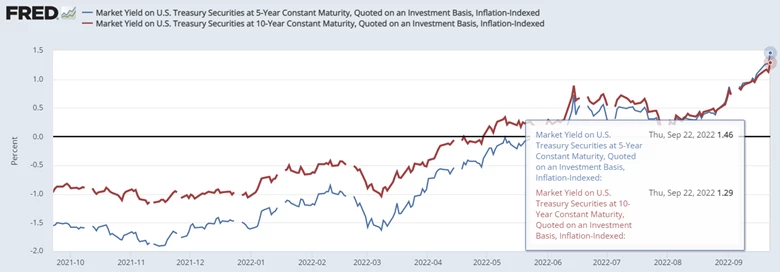
Overall, the hawkish central bank tone over the past month have pushed up real yields – e.g. 5-year US Treasury yields have increased by 152 basis points, and 10-year US Treasury yields have increased by 120 basis points – which have been weighing heavily on risk assets globally. However, equities are starting to show short-term positive signs from very low level of investor positioning in the asset class, technical oversold signal from rapid declines over the past two months, and valuation getting more attractive. We recommend Principal China Equity Fund (PRINCIPAL CHEQ) and Principal Asia Pacific Dynamic Income Equity Fund (PRINCIPAL APDI), as a good investment choice for China and APAC exposure. Our clients can also participate in short-term positive signal for US equities via our Principal US Equity Fund (PRINCIPAL USEQ). In addition, our recommendation for long-term quality tilt still holds as core recommendation, which are Principal Global Brands Fund (PRINCIPAL GBRAND)Principal Global Infrastructure Equity Fund (PRINCIPAL GIF), and Principal Global Equity ESG Fund (PRINCIPAL GESG). Lastly, we still like Vietnam from a long-term structure growth story. Investors can invest with us via our Principal Vietnam Equity Fund (PRINCIPAL VNEQ). However, investors should take caution of the frontier market nature of Vietnamese equities, and the structurally higher volatility of the asset class, by limiting the investment exposure within the total portfolio perspective. Please refer to below section for the link to the fund’s information and related documents. Also, please refer to our related article on Asset Allocation Recommendation for a complete set of fund recommendations for the next quarter.
Chart: Spike in US real yields since beginning of August have been significant
Source: Board of Governors of the Federal Reserve System (US), Market Yield on U.S. Treasury Securities at 5-Year Constant Maturity, Quoted on an Investment Basis, Inflation-Indexed [DFII5], retrieved from FRED, Federal Reserve Bank of St. Louis; https://fred.stlouisfed.org/series/DFII5, 26 September 2022.
Investors should understand product characteristics (mutual funds), conditions of return and risk before making an investment decision. /PRINCIPAL APDI master fund has highly concentrated investment in Hong Kong. So, investors have to diversify investment for their portfolios. /PRINCIPAL CHEQ master fund has highly concentrated investment in China. So, investors have to diversify investment for their portfolios. / PRINCIPAL GBRAND master fund has highly concentrated investment in America. So, investors have to diversify investment for their portfolios/ PRINCIPAL GBRAND master fund has concentrated investment in the consumer staples sector, which is exposed to risk from changes of the product price, consumer demand or government regulations. The fund concentrates in the information technology sector, which has a risk from changes in consumer behavior and obsolete products. Therefore, if there are negative factors affecting the said investment, investors may lose a lot of money and may have higher risks and price fluctuations than general mutual funds that diversify its investment in many industries. /PRINCIPAL GESG master fund has highly concentrated investment in America. So, investors have to diversify investment for their portfolios. /PRINCIPAL GIF master fund has highly concentrated investment in Europe and North America. So, investors have to diversify investment for their portfolios. /PRINCIPAL USEQ master fund has highly concentrated investment in America. So, investors have to diversify investment for their portfolios. /PRINCIPAL VNEQ master fund has highly concentrated investment in Vietnam. So, investors have to diversify investment for their portfolios. /Investing in Investment Units is not a deposit and there is a risk of investment, Investors may receive more or less return investment than the initial investment. Therefore, investors should invest in this fund when seeing that investing in this fund suitable for investment objectives of investors and investors accept the risk that may arise from the investment. /Past performance of the fund is not a guarantee for future performance.
Baht up on Friday’s opening but fluctuation predicted
FRIDAY, SEPTEMBER 30, 2022
THE NATION
The baht opened at 37.93 to the US dollar on Friday, strengthening from Thursday’s close of 38.06.
The currency is expected to move between 37.85 and 38.15 during the day, Krungthai Bank market strategist Poon Panichpibool predicted.
Poon said the baht could weaken as the currency market is in a risk-off state. However, any weakening would be limited if the gold price continues to rise.
Moreover, the rapid strengthening of the yuan would likely support the baht.
Poon estimated the baht’s current resistance level at 38.20-38.30 to the dollar.
He pinpointed the Thai currency’s support level at 37.80-37.90.
The market strategist also advised investors to use hedging tools such as options to manage risks in a highly volatile currency market.
BOT tells Thai commercial banks to push interest rates up gradually
THURSDAY, SEPTEMBER 29, 2022
The Thai central bank has asked commercial banks not to rush in pushing up interest rates after it raised the policy interest rate by 0.25 percentage point on Wednesday.
Bank of Thailand (BOT) Governor Sethaput Suthiwartnarueput said on Thursday that it was common for commercial banks to follow suit, but that the central bank wanted to see gradual increases in interest rates to reflect the current situation.
“There is no set target on how much the interest rate should be, or how many increases there should be. That rather depends on the timing and context suitable for Thailand,” Sethaput said.
He said that interest rate increases are based on factors such as core inflation, adding that the country’s monetary policy could be revised in the future if that was necessary.
Thailand’s inflation rate recently rose to 10 per cent.
The BOT’s Monetary Policy Committee on Wednesday resolved to increase the policy interest rate from 0.75 per cent to 1 per cent, with immediate effect. Shortly afterwards, some commercial banks adjusted upward their interest rates for deposits and loans.
Sethaput said on Thursday that the Thai economy is recovering continuously this year due to the upturn in domestic demand, consumption and tourist arrivals, although a global economic recession may have an adverse impact on exports.
The BOT predicted a growth of 3.3 per cent for the Thai economy this year and 3.8 per cent next year, as inflation is expected to decline to “manageable levels” next year.
Beauty’s beautiful and valuable “L’Oréal for the Future” mission is good for the world
FRIDAY, SEPTEMBER 30, 2022
THE NATION
L’Oréal Group wants to transform to create more change than ever before for the environment and society.
Examples of critical goals are:
By 2025, all plants and distribution centers must be carbon neutral and use 100% renewable energy. As a result, this goal was already achieved by 58% in 2021.
By 2030, 100% of the plastic used in the packaging of L’Oréal products will come from recycled plastic or bio-based sources. According to the company report from 2021, this mission was achieved by 21%.
By 2030, 95% of the ingredients in product formulations must be biobased and come from abundant, renewable sources. Therefore, this goal was achieved by 60%.
By 2030, 100% biobased ingredients for product formulations will be traceable and will come from sustainable sources. As a consequence, in 2021, this mission was achieved by 94%.
The world has faced many environmental challenges, so this has caused many companies to start adopting sustainable development policies for the environment. L’Oréal recognizes the importance of this point. Therefore, it brought a considerable transformation mission.
Taking the mission to the next level
L’Oréal has taken this mission to the next level to achieve even greater goals than ever before. A project dubbed “L’Oréal for the Future” reflects the company’s view of its vision, goals, and responsibilities to tackle the world’s challenges.
By 2030, the company will lay out new measurable targets based on the Science Based Targets initiative and will upgrade three critical environmental solutions:
1. Biodiversity conservation 2. Sustainable Water Management 3. Use of renewable resources
L’Oréal is not only committed to reducing its direct environmental impact. But also to minimize the impact of all activities with the Company’s suppliers and consumers to ensure that business operations take into account a world where resources are limited and are fair to the communities where the Company works.
The set goals enable the company to cope with its overall impact. It also covers the entire value chain of the company. From product design to distribution, as well as the production process and the sourcing of raw materials.
Respect the contexts of the world
Scientists agree that Transcending or disregarding the “global contexts” will affect the safe ecosystems of humankind. The Company’s mission is to operate within limits, whether to adapt to the world according to environmental science. Implement a transformation program to reduce the impacts on biodiversity, water resources, climate, and resources resulting from company activities.
Empowering the business environment to be sustainable
Bringing customers, suppliers, and consumers together is the company’s responsibility. L’Oréal sets goals in this area. Allowing consumers to choose products that align with their values is essential. It started with a subsidiary brand, “Garnier,” allowing customers to assess a product’s impact.
Solve global challenges
In the past, transgender women have always faced imbalances from global social crises—especially the risk of unemployment, loss of income facing violence in the country, or even sexual violence. L’Oréal has always been committed to supporting women’s rights. Therefore, especially a new mission has been established to help women. The company has set up a €50 million charity fund to support the operations of local organizations and charities aimed at eliminating poverty. Help and support women in social and professional aspects. Ready to provide urgent assistance to women refugees and women with disabilities, including preventing and assisting victims of violence.
Tackling climate change is an urgent agenda. L’Oréal has invested €100 million to set up a fund, L’Oréal Fund for Nature Regeneration, to address its impact and meet its recovery goals. One million acres of degraded ecosystems, capturing 15-20 million tons of carbon dioxide and promoting the creation of hundreds of new jobs by 2030.
The budget was divided into two parts: the first 50 million euros will restore damaged natural ecosystems, especially water and forest environments.
On the other hand, another 50 million euros will go towards financing projects related to the circular economy. Prepare to support the development of new solutions and business models, especially in the recycling and plastic waste management group.
The aforementioned “L’Oréal for the Future” sustainability projects cover all L’Oréal brands. Therefore, it benefits consumers who want to choose beauty products that are good for the world. In Thailand, L’Oréal has 15 brands in various groups: L’Oreal Paris, Garnier, Maybelline New York, Lancome, Biotherm, Giorgio Armani, Kiehl’s, Chu Uemura, Yves Saint Laurent, It Cosmetics, L’Oreal Pro. Fessional, Kerestas, La Roche-Posay, Vichy and Ceravie.
Nokia committed to supporting Thailand’s industry in its 5G transformation journey
THURSDAY, SEPTEMBER 29, 2022
Nongluck Ajanapanya
Thailand’s digital economy is growing rapidly, which will increase the potential market for its most recent 5G innovation solutions, according to telecom and IT tech company Nokia.
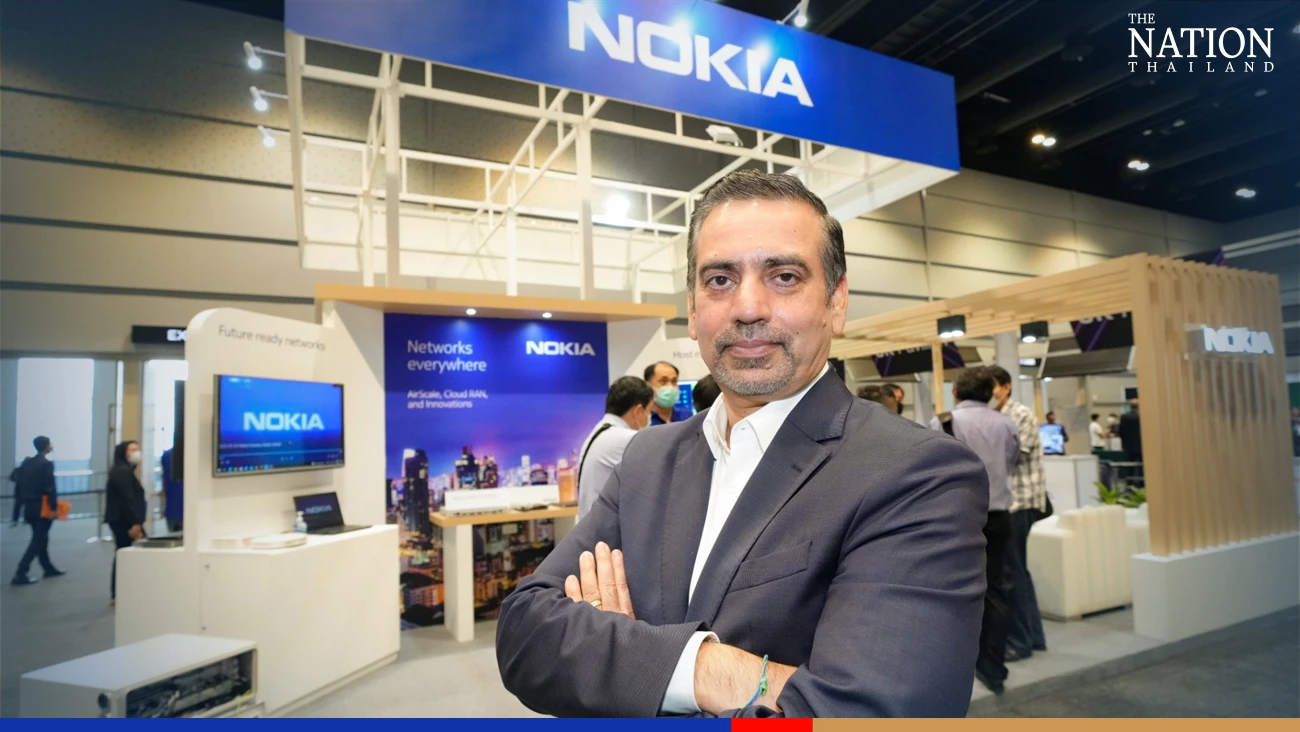
Ajay Sharma, Head of Nokia Thailand and Cambodia, said during an exclusive media roundtable that Thailand is one of the largest markets in Southeast Asia due to aggressive policies to support digital transformation.
“The government of Thailand has long emphasised the use of technology to create additional opportunities and make Thailand a regional centre for digital affairs, with a focus on deploying 5G technology in driving economic growth across multiple sectors including public health, education, transportation and agriculture,” said Sharma.
Furthermore, Thai consumers are actively seeking to adopt 5G networks. The number of 5G subscriptions in Thailand is expected to reach 14 million by 2025, according to statista.com. Meanwhile, mobile 5G subscriptions in Oceania, East, and Southeast Asia are expected to account for 2.81 per cent of all 5G connections worldwide in 2025.
He noted that as one of the earliest markets to launch 5G in the Asia Pacific region, Thailand is committed to leveraging 5G for economic and social development.
“We have long developed this technology at the early stage, therefore we don’t want to miss the opportunity to be Thailand’s credible 5G partnership,” stated Sharma.
He defined 5G ecosystem drivers as falling into three categories: consumer, enterprise, and industry. Nokia will prioritise the industry sector, believing that the metaverse will drive up to a ninefold increase in bandwidth consumption in industrial and enterprise data usage by 2030.
Enterprise and industrial 5G usage differ from consumer usage. He noted that they require more private wireless connections and data storage, as well as low latency and consistent signal.
Sharma said Thailand’s industry will be Nokia’s shining market.
“We promise to support Thai enterprises in their 5G transformation journey by addressing many of the critical network innovation and automation needs,” Sharma said.
He added that Nokia will keep working to deliver enterprise solutions and improve Thailand’s enterprise and industrial ecosystems. It is committed to providing purpose-built solutions for the digitalisation of Industry 4.0 and beyond.
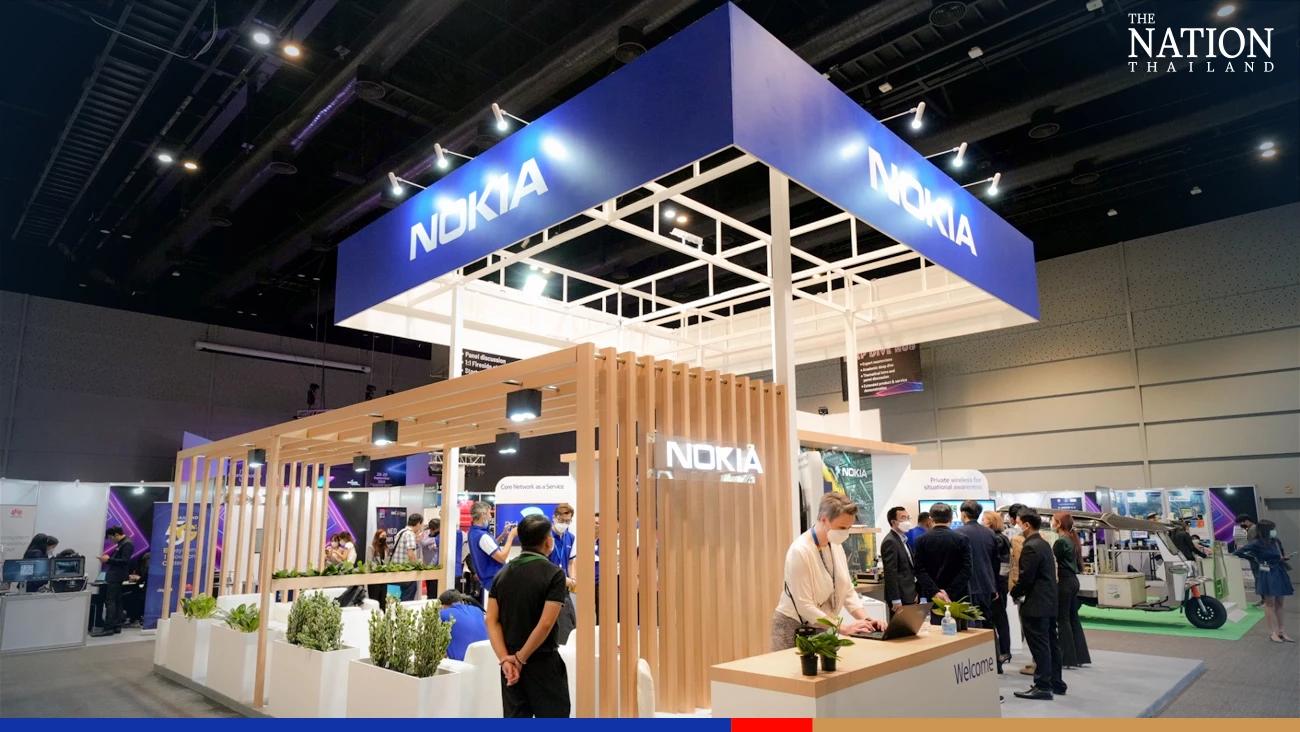
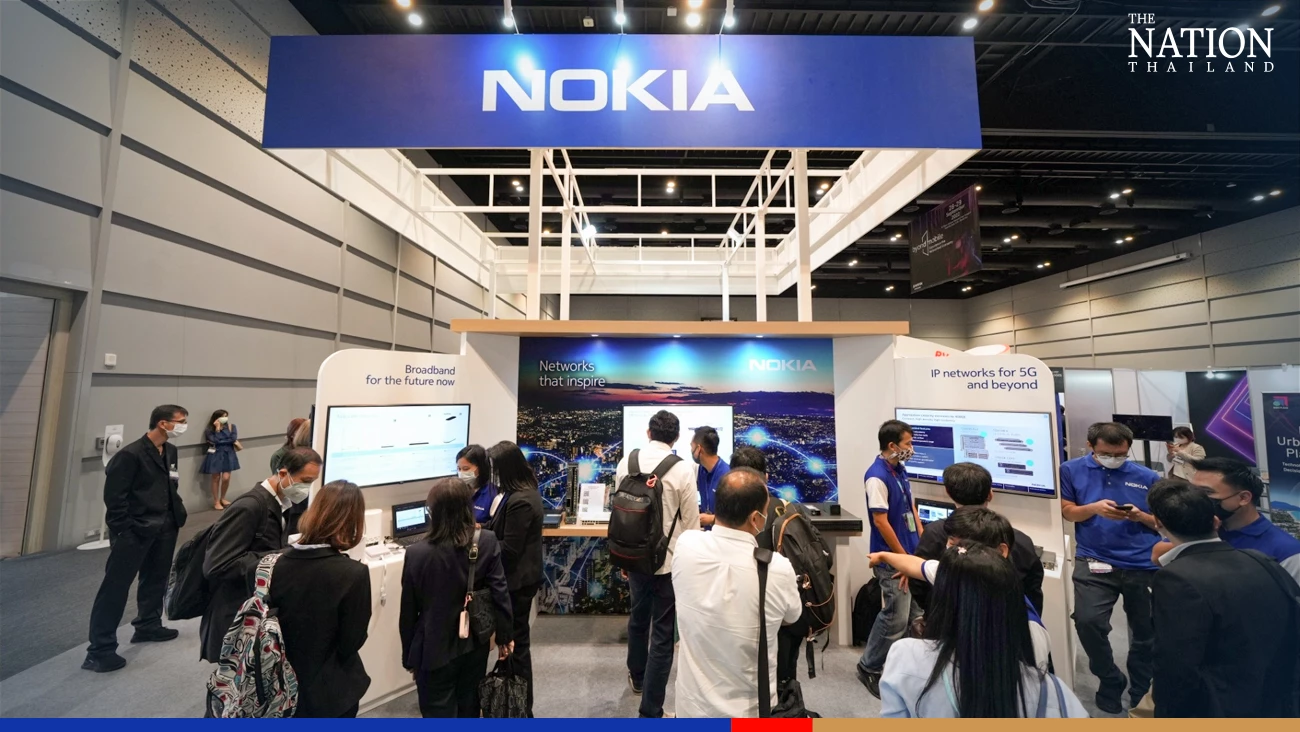
To confirm its commitment, Nokia has showcased its latest several 5G-enabled applications and solutions that demonstrated how 5G can deliver uncompromised performance for CSPs and enterprises.
The company also demonstrated its market-leading position in RAN, IP, optics, cloud technologies and enterprise business to provide mission-critical solutions for enterprise customers in Thailand, as well as the company’s sustainable solutions to reduce CO2 emissions and energy costs to enable overall better quality of life for Thailand.
The showcase was held on September 28 and 29 at Bangkok’s Samyan Mitrtown Hall as a part of “Byond Mobile”. In an effort to build a foundation for the country’s networked economy, the two-day exhibition and conference brought together business leaders from a range of industries, including health, agriculture, manufacturing, smart cities, and future mobility, internet, mobile communications, IT, and 5G.
Nokia is currently investing in approximately 130 countries worldwide. Since 2000, the company has invested US$130 billion in R&D and has established innovation centres in 17 countries.
With over 2,000 patent families and over 1,500 patent applications for new invention filed in 2021, Nokia is confident of maintaining its leadership position in the telecommunications and wireless network, Sharma concluded.
THAI has repaid THB1.67 billion debt on time, five unused planes to be sold
THURSDAY, SEPTEMBER 29, 2022
Thai Airways International (THAI) has repaid 1.67 billion baht of its debts in time, with no defaults, the airline’s acting chief executive officer, Suvadhana Sibunruang, said on Thursday.
The repayment by the financially troubled national flag carrier included the principal amount and accrued interest for the period June 15 to September 14, according to him.
Suvadhana said that the administrators of THAI’s debt restructuring plan had made the payment to its creditors under court-ordered conditions.
As of August 15, a total of 1.67 billion baht has been repaid without any defaults, the acting CEO said.
Regarding the sale of THAI assets approved by the court, THAI has received US$114,000 (about 4.3 million baht) for two plane engines, representing 80 per cent of the price, Suvadhana said.
The plan administrators have resolved to sell the airline’s five unused planes for a total price of $23.4 million (889.2 million baht).
Also, they have approved the sale of three spare engines for $2.8 million (106.4 million baht)
The airline has agreed to sell the building and land of its Silom office to the highest bidder for 205.1 million baht. It has received 20.5 million deposit for the purchase.











 He noted that as one of the earliest markets to launch 5G in the Asia Pacific region, Thailand is committed to leveraging 5G for economic and social development.
 Sharma said Thailand’s industry will be Nokia’s shining market.
 The company also demonstrated its market-leading position in RAN, IP, optics, cloud technologies and enterprise business to provide mission-critical solutions for enterprise customers in Thailand, as well as the company’s sustainable solutions to reduce CO2 emissions and energy costs to enable overall better quality of life for Thailand.