WHO warns young people are driving virus’s spread #ศาสตร์เกษตรดินปุ๋ย

#ศาสตร์เกษตรดินปุ๋ย : ขอบคุณแหล่งข้อมูล : หนังสือพิมพ์ The Nation.

WHO warns young people are driving virus’s spread

Health & BeautyAug 19. 2020
By The Washington Post · William Wan, Moriah Balingit · NATIONAL, WORLD, HEALTH, POLITICS, SCIENCE-ENVIRONMENT, EDUCATION, HEALTH-NEWS 
The World Health Organization warned Tuesday that young people are becoming the primary drivers of the spread of the novel coronavirus in many countries – a worrisome trend experts fear may grow in the United States as many colleges and schools begin to reopen.

Many nations in Asia, which had previously pushed infections to enviably low rates, have experienced surges in recent weeks at the same time that the age of those infected skewed younger.

“People in their 20s, 30s and 40s are increasingly driving the spread,” Takeshi Kasai, the WHO’s Western Pacific regional director, said at a news briefing on Tuesday. “The epidemic is changing.”

More than half of confirmed infections in Australia and the Philippines in recent weeks have been in people younger than 40, WHO officials said, a stark contrast to predominantly older patients from the previous months. In Japan, 65 percent of recent infections occurred in people below age 40.

Because symptoms are often milder in the young, Kasai noted, many are unaware they are infected.

“This increases the risk of spillovers to the most vulnerable: the elderly, the sick, people in long-term care, people who live in densely populated urban areas and underserved rural areas,” Kasai said.

The global health agency’s warnings come amid intense debate in the United States about whether to bring students back to classrooms. So far, at least 168,000 people in the United States have died of covid-19, the disease caused by the coronavirus, according to a Washington Post analysis.

For colleges and universities, where students in their late teens and 20s live in tight quarters and mingle at off-campus gatherings, the problem has proved particularly vexing.

The University of North Carolina at Chapel Hill confidently reopened campus last week with social distancing measures, including leaving dorms partially vacant and blocking off chairs in lecture halls so students had to sit farther apart. But abruptly, on Monday, the school decided to close again when 177 students tested positive for the virus, as outbreaks sprang up in residence halls and a fraternity house.

Other colleges are reporting similarly concerning numbers.

On Tuesday, the University of Notre Dame announced that it will halt in-person teaching for at least two weeks after reporting that 147 people had tested positive since Aug. 3. Michigan State University also said Tuesday that it will shift to remote learning for the fall semester after 187 people in surrounding East Lansing were linked to an outbreak at a college bar in July.

At least 189 people at the University of Kentucky have tested positive for the virus since Aug. 3, according to the university’s website, representing a little more than 1 percent of those tested.

But public universities in several states are forging ahead with plans to fully reopen campuses, including those in Georgia and Florida, which have among the highest infection rates in the nation.

While unwilling to close those campuses, governors in Texas and Florida in recent weeks have instituted limits on bars and alcohol consumption, citing the skyrocketing number of young people who are contracting the virus. The actions came after videos of packed bars and crowded house parties with no partygoers wearing masks put several college towns on high alert.

An analysis by Davidson College in North Carolina that examined two public institutions in every state found that 23 planned some kind of in-person instruction. Experts say they are doing so in the face of stark warning signs of a potentially hazardous fall term ahead.

California’s public colleges and universities have decided to conduct most classes virtually. Several others, including Brown University and the University of Maryland, had planned to open but abruptly reversed course before the start of the school year.

Four major college athletic conferences – the Big Ten, the Pacific-12, the Mid-American Conference and the Mountain West – have canceled fall seasons to protect players and other students who would normally crowd into stadiums and arenas for games.

Students at several U.S. universities have staged “die-in” demonstrations – socially distanced on the grass with mock tombstones – to protest the reopening, amid concerns that in-person teaching may result in rapid spread of the coronavirus on campuses. In recent days, such protests have unfolded at Elon University in North Carolina, Georgia Tech, the University of Arizona, the University of Georgia and Virginia Commonwealth University.

Meanwhile, K-12 schools face similar issues. Schools in Georgia, Mississippi and Tennessee that reopened this month had to shutter or change course when students or staff tested positive for the coronavirus, forcing thousands to quarantine.

The closures have raised fears among educators who are set to return to school this month, including in Florida, where the state has mandated nearly every school system to open its doors. There, the state’s largest teachers union has sued Gov. Ron DeSantis, a Republican, an ally of President Donald Trump who has been repeatedly criticized for sidelining scientists and public health officials.

Many students throughout the country returned to classrooms this month only to have plans for in-person instruction derailed when students or staff tested positive or had to quarantine.

In Mississippi, at least 2,035 students and 589 teachers have been ordered to quarantine because of possible coronavirus exposure, state officials said Monday. Those numbers came after some schools restarted in-person instruction Monday, while others had not yet resumed classes.

In Arizona, one school district voted to reopen but had to cancel all classes Monday because many teachers refused to show up.

In a second news conference Tuesday that took place in Geneva, WHO officials warned school systems to proceed cautiously but also pleaded with young people not to indulge in increasingly risky behavior as the pandemic persists.

“We just need to make sure the message is getting out, particularly to young people, particularly to children and young adults, that you are not invulnerable to this and you can get infected,” said Maria Van Kerkhove, head of the WHO’s emerging disease and zoonosis unit. “We are seeing young people who are dying from this virus.”

In the United States, the virus has exacted a disproportionate toll on children of color. Hispanic children are about eight times more likely and Black children five times more likely to be hospitalized with covid-19 than their White peers, according to a study released this month by the Centers for Disease Control and Prevention.

Analysis: Virus invaded capital region multiple times in March #ศาสตร์เกษตรดินปุ๋ย

#ศาสตร์เกษตรดินปุ๋ย : ขอบคุณแหล่งข้อมูล : หนังสือพิมพ์ The Nation.

Analysis: Virus invaded capital region multiple times in March

Health & BeautyAug 18. 2020A medical worker in March instructs a driver at a coronavirus testing site in Arlington, Va. MUST CREDIT: Photo for The Washington Post by Michael A. McCoyA medical worker in March instructs a driver at a coronavirus testing site in Arlington, Va. MUST CREDIT: Photo for The Washington Post by Michael A. McCoy

By The Washington Post · Joel Achenbach · NATIONAL, HEALTH, SCIENCE-ENVIRONMENT, HEALTH-NEWS 
WASHINGTON – The coronavirus’s late-winter attack on the national capital region came from multiple, separate introductions, and the pathogen quickly spread among people who had not traveled outside the region recently or had known contact with infected people, according to a genetic analysis of virus samples from more than 100 patients.

The study, from Johns Hopkins University scientists, highlights the challenge in preventing the arrival and spread of the highly contagious virus within a region that anchors the Northeast Corridor and boasts three international airports and a highly mobile population.

The researchers report high levels of genetic diversity in the 114 genomes they completed, based on samples from patients treated in Johns Hopkins-affiliated hospitals in Maryland and Washington D.C. from March 11 to March 31. The research has not yet been published in a peer-reviewed journal but has been posted online at the preprint server medRxiv.

There are five major genetic groupings, known as clades, of the novel coronavirus, and all five were represented in the viral samples from patients. That suggested a single introduction could not have triggered all of those March infections. Instead, the virus must have been arriving at many different times.

Another important finding: The different genetic profiles of the virus infecting people in the Washington region did not correspond to any clear difference in disease severity among patients.

Where the virus came from is not covered by the report, and the researchers could not tell if the introductions came directly from places overseas or from points within the United States. A study by scientists at New York University showed that much of the early coronavirus spread in New York City was due to introductions from Europe.

“There were probably five or more introductions sometime before the end of March,” said study co-author Shirlee Wohl, a genomics expert at the Johns Hopkins Bloomberg School of Public Health. “Even as early as March, the first three weeks of the outbreak, we were already seeing diversity rivaling the global diversity of this virus.”

This latest study and others preceding it provide clear evidence that the United States, and certainly big cities on the East Coast, were dealing with community spread of the virus well in advance of major shutdown efforts, including the Trump administration’s decision to ban travel from most European countries starting March 13.

“The number of introductions that occurred would make it difficult to enact a travel ban, would make it difficult to do anything except screen everybody with a diagnostic test,” said study co-author Peter Thielen, a molecular biologist at Johns Hopkins Applied Physics Laboratory.

The diversity of virus in the national capital region “highlights the connectedness of the region to both the national and global epidemic, and the challenges that would likely confront any control strategy predicated on low rates of introduction,” the report states.

The NYU study found that the virus may have been spreading in New York as early as late January. A scientific conference attended by international travelers in Boston in late February has been dubbed a “superspreader” event that seeded the virus in many places in the United States.

According to the new Hopkins report, Maryland reported its first case of covid-19, the disease caused by the virus, on March 5. Two days later, the District and Virginia reported their first cases. Those patients were probably infected many days before, Thielen said.

Only 22% of the patients studied by the Hopkins researchers had traveled to places with known outbreaks of the virus, the report said.

All viruses mutate, and by the time the coronavirus reached the national capital region, it had mutated slightly. The Hopkins scientists counted a total of 153 genetic mutations in their virus samples, compared with the reference sample from Wuhan, China, where the outbreak is believed to have ignited.

But most mutations actually impair the fitness of the virus or have no effect at all. The Hopkins research did not find evidence that the variants of the virus led to any difference in patient outcomes, regardless of sex, race, symptoms or underlying conditions.

“The diversity of virus genetics, clinical symptoms, and patient outcomes suggests that viral mutations are not the main driver of clinical presentation,” the new study states.

Several recent studies have suggested that one mutation, known as D614G, has altered the structure of the spike protein of the virus in a way that could potentially facilitate transmission. That mutation is now seen across the planet, including in many of the virus samples in the national capital region, but the scientific community has not endorsed the conjecture that the virus has become more contagious.

Thielen pointed out that, without a vaccine, and with relatively few people having been exposed and having antibodies to the virus, the coronavirus is sailing along with no natural or artificial obstacles.

“Right now, with no immunity in the population, there’s not much pressure on the virus to evade immunity, which is what would drive transmissibility,” Thielen said.

CDC asks four states and a city to draft coronavirus vaccine distribution plans #ศาสตร์เกษตรดินปุ๋ย

#ศาสตร์เกษตรดินปุ๋ย : ขอบคุณแหล่งข้อมูล : หนังสือพิมพ์ The Nation.

CDC asks four states and a city to draft coronavirus vaccine distribution plans

Health & BeautyAug 15. 2020

By The Washington Post · Lena H. Sun, Brady Dennis · NATIONAL, HEALTH, SCIENCE-ENVIRONMENT, HEALTH-NEWS 
WASHINGTON – The federal government is asking four states and one city to draft plans for how they would distribute a coronavirus vaccine when limited doses become available, possibly as early as this fall.

The Centers for Disease Control and Prevention, the Defense Department and other agencies began working with officials in California, Florida, Minnesota, North Dakota and Philadelphia this week to develop plans to transport and store vaccine doses, and to prioritize who would receive them.

Those plans, which will take into account each location’s racial and ethnic makeup, population density and other factors, will be shared with other states to help with their own vaccine distribution planning. The discussions with states this week offer some of the first details of the federal government’s plans at a time when information shared by the administration has been limited and often confusing. 

The race for a vaccine continues to unfold amid the backdrop of a crippling pandemic that shows few signs of abating. 

As of Friday, at least 164,ooo Americans have died after becoming infected, according to data tracked by The Washington Post. The seven-day average for deaths remains above 1,000 per day, where it has remained since July 27. On average, more than 50,000 new U.S. cases have been diagnosed per day since July 6. On Friday, California became the first state to report more than 600,000 coronavirus cases.

The United States has begun planning the largest vaccination campaign ever undertaken, requiring extraordinary coordination, planning and communication. U.S. officials said this week that Operation Warp Speed, the Trump administration’s effort to expedite development of coronavirus countermeasures, is on track to deliver tens of millions of vaccine doses by January.

President Donald Trump has repeatedly said he hopes a viable vaccine can be ready before year’s end – a startlingly fast goal compared with the normal process – but public health experts have said the timetable remains in flux.

No vaccine for the novel coronavirus, which causes the disease named covid-19, has yet been approved. But of the roughly 200 experimental vaccines aimed at ending the pandemic, two have moved into the advanced stage of testing in the United States in thousands of people to check their effectiveness and safety.

In planning discussions, one of the hottest topics involves freezers. At least one vaccine candidate is expected to require storage at very cold temperatures, about minus 70 degrees Celsius (minus 94 Fahrenheit). 

A top CDC official told state immunization officials Wednesday that states probably won’t be expected to buy special freezers. But if a vaccine is approved by the Food and Drug Administration that requires such cold storage, states should prepare sites for mass vaccination clinics, because doctors’ offices aren’t likely to store and administer such shots. 

On Friday, the Defense and Health and Human Services departments announced that McKesson Corp. will be a central distributor of the vaccines and related supplies. The CDC is executing an existing contract option of $178 million with McKesson to support vaccine distribution, an HHS statement said. McKesson also distributed the H1N1 vaccine during that pandemic in 2009-2010. The company will work under the CDC’s guidance to ship the vaccines to sites where shots will be administered, the statement said.

Although Trump has said repeatedly that the military will deliver vaccines, the Defense Department “is not actually going to be distributing or delivering the vaccines itself,” Paul Mango, deputy chief of staff for policy at HHS, told reporters this week. Rather, the military will handle logistics of manufacturing, including acquisition of raw material, establishing factories and training workers.

“With few exceptions, our commercial distribution partners will be responsible for handling all the vaccines,” Mango said in an email Thursday. 

In the months ahead, state and federal officials will face a huge logistical challenge. They must figure out how to transport and store massive amounts of vaccine. They must also determine who should get the first doses. 

The first doses will probably be given to high-priority groups such as front-line health-care personnel and essential workers. Final recommendations on who is considered high priority are expected to be made this fall by an independent advisory committee and a federal immunization advisory panel.

In a letter dated Aug. 4 and sent to state officials, the CDC directed states to make several assumptions for their planning.

States should assume any vaccine will be distributed directly to health-care providers. Vaccine providers must enroll with their jurisdiction’s immunization program to receive doses. Needles and syringes and limited amounts of face masks and face shields will be distributed to providers “proportionately by the federal government at no cost,” the letter to states said.

The amount of vaccine allocated to each jurisdiction will be based on several factors, including population size, the letter states.

Recommendations on which groups should receive vaccines will likely change, depending on the characteristics of each vaccine, available supply and the disease’s epidemiology.

In a meeting with state immunization officials and other experts Wednesday, Nancy Messonnier, who leads the CDC’s National Center for Immunization and Respiratory Diseases, stressed the need for urgency and flexibility in completing plans by Oct. 1, the earliest she said vaccines could be available.

“We need states to have draft plans even if the draft plans aren’t perfect,” she told the group. 

Other U.S. officials have said such an October scenario is extremely unlikely.

“That would be astounding,” National Institutes of Health Director Francis Collins said during a Thursday HHS briefing. The only way that could happen, he said, is if one of the advanced trials underway was able to enroll volunteers “at absolute record speed,” and the vaccine was deemed safe and effective by the FDA even before all the volunteers signed up.

“That’s a number of unlikelihoods piled on top of each other,” Collins said, adding, “Maybe November, December would be my best bet.”

The relentless nature of the pandemic has battered not only the nation’s economy and those on the front line of combating the virus, but also a large swatch of ordinary Americans. 

A new report from the CDC on Friday found that 41 percent of more than 5,400 respondents to a recent Web-based survey reported “considerably elevated adverse mental health conditions associated with covid-19,” including the 30 percent who outlined symptoms of anxiety and depression.

At least 13 percent of those who responded with mental health symptoms reported having started use or increasing use of controlled substances, and nearly 11 percent said they had seriously considered suicide in the previous 30 days.

Hispanic respondents had a higher prevalence of anxiety disorder and depressive disorder symptoms, substance abuse and suicidal thoughts than non-Hispanic Whites or Asians. The report noted that Black respondents also saw an increase in substance use and suicidal thoughts in the past 30 days more than Whites and Asians who participated.

Responses to the pandemic have also acutely affected essential workers and unpaid caregivers, according to the report, which concluded that the identified high-risk groups should be prioritized in intervention and prevention efforts.

Friday also brought the latest reminders that the virus is adept at spreading wherever people gather, as the rocky reopening of schools across the country has demonstrated. 

Less than a week into the start of classes at the University of North Carolina at Chapel Hill, school officials on Friday announced two clusters of coronavirus cases in student housing.

The university said in an alert sent to students and staff that the clusters, which are five or more cases within the same buildings, were identified at Ehringhaus Community, a freshman dorm, and Granville Towers apartments.

The school didn’t say how many infections are part of the outbreaks. A spokesperson didn’t immediately respond to a request for comment from The Washington Post.

The news of the clusters comes as other schools bring back students and report surges in cases. The University of Notre Dame tallied 29 confirmed cases Friday – more than double its count two days ago, according to a schoolwide tracker.

One of the main concerns for students, parents and administrators is the spread of the virus in student housing, especially in communal spaces or where residents may share close contact.

Columbia University President Lee Bollinger announced Friday that the school will “drastically scale back” student housing, meaning all classes will need to be held virtually.

Several European countries also ended the week with rising coronavirus cases and new restrictions in place in an effort to contain outbreaks without having to revert to major shutdowns.

Amid spiking case counts, Greece on Friday extended a midnight curfew on bars and restaurants, as well as a 50-person cap on public gatherings in areas with increasing coronavirus cases.

Spain on Friday issued a ban on nightclubs, late-night drinking, and smoking and drinking in public after the country recorded 2,935 new cases, including 8,000 since Wednesday. Spain was one of the epicenters of the virus in March and April, and the country went into a strict lockdown to flatten its curve. Since reopening, however, the tourism-reliant country has seen a sharp jump in cases again.

Italy on Friday announced that holidaymakers returning from Spain, Greece, Croatia and Malta would have to be tested for the virus. And Germany expanded its travel warning for Spain, marking the whole country except for the Canary Islands as high-risk and requiring coronavirus tests for all returnees.

Meanwhile, a ban on all “nonessential” travel at U.S. land borders with Canada and Mexico will extend into its sixth month, officials said Friday.

Acting U.S. homeland security secretary Chad Wolf and Canadian Public Safety Minister Bill Blair announced the extension on Twitter.

“We will continue to do what’s necessary to keep our communities safe,” Blair said.

The restrictions were imposed in mid-March and have been extended every month since. The current measures, which were set to expire next week, will remain in place until Sept. 21.

NYC covid-19 death toll rivals fatality rate during 1918 flu epidemic, researchers say #ศาสตร์เกษตรดินปุ๋ย

#ศาสตร์เกษตรดินปุ๋ย : ขอบคุณแหล่งข้อมูล : หนังสือพิมพ์ The Nation.

NYC covid-19 death toll rivals fatality rate during 1918 flu epidemic, researchers say

Health & BeautyAug 14. 2020Robert Redfield, director of the Centers for Disease Control and Prevention, left, and Rep. Jamie B. Raskin (D-Md.) greet one another with an elbow bump after July 31 hearing. (Kevin Dietsch/AP)Robert Redfield, director of the Centers for Disease Control and Prevention, left, and Rep. Jamie B. Raskin (D-Md.) greet one another with an elbow bump after July 31 hearing. (Kevin Dietsch/AP) 
By The Washington Post · Lenny Bernstein, Brady Dennis · NATIONAL, HEALTH, POLITICS, SCIENCE-ENVIRONMENT, HEALTH-NEWS 
The increase in deaths in New York City during the early months of the covid-19 pandemic rivals the death toll there at the peak of the 1918 flu pandemic, according to an analysis published Thursday.

The comparison, published online in the medical journal JAMA Network Open, found that the number of deaths from all causes was roughly equal during the two peak months of the flu epidemic and the first 61 days of the current outbreak.

The H1N1 flu pandemic eventually killed 50 million people a century ago, about 675,000 of them in the United States. The current pandemic has claimed at least 748,000 lives worldwide, about 163,000 of them in the United States, according to a tally kept by The Washington Post.

“For anyone who doesn’t understand the magnitude of what we’re living through, this pandemic is comparable in its effect on mortality to what everyone agrees is the previous worst pandemic,” said Jeremy Faust, an emergency physician at Brigham and Women’s Hospital in Boston who led the team that conducted the data review.

(The AIDS epidemic has killed more than 700,000 people in the United States since it began in 1981.)

There were 31,589 deaths from all causes in New York during the peak period of the flu epidemic, nearly the same as the 33,465 tallied in the 61 days after the first death on March 11 of this year, the analysis shows.

New York in 1918 had a smaller population of 5.5 million people, so the death rate of 287 per 100,000 “person-months” was greater than the 202 of the current covid-19 pandemic. Person-months is a way of measuring the number of deaths in a population during a specific period of time.

But the current outbreak has seen a more dramatic rise in “excess deaths” – the number of fatalities above what would be expected in a normal year. With better medical care, public health, hygiene and medicines such as antibiotics, New York typically has about half the death rate of a century earlier – about 50 per person-month instead of 100. So the current outbreak has quadrupled the death rate, while the flu pandemic nearly tripled it.

The Post has reported that the United States recorded about 37,100 excess deaths in March and the first two weeks of April, nearly 13,500 more than were attributed to covid-19, the disease caused by the novel coronavirus, during that time. The report was based on an analysis of federal data conducted for The Post by a research team led by the Yale School of Public Health.

The findings on Thursday brought the latest reminder of the startling human cost that the current pandemic has inflicted in recent months – and not just in New York, but around the nation. 

“This is the greatest public health crisis that’s hit this nation in a century,” Robert Redfield, director of the Centers for Disease Control and Prevention, said during an interview with WebMD, noting that years of underinvestment in public health infrastructure had left the United States “unprepared” for the pandemic and its still-growing toll

Redfield said the mounting fatalities will make covid-19 “clearly” one of the leading causes of death in the country by the year’s end.

Still, Redfield said he is optimistic that a vaccine could be ready for production before the end of the year, as a particularly dangerous flu season looms. He was similarly hopeful that the high rate of infections in the country would drop if Americans systematically wear masks, maintain social distancing, practice good hygiene and avoid large gatherings.

“You do those four things, it will bring this outbreak down,” he said. “But if we don’t do that, as I said last April, this could be the worst fall from a public health perspective we’ve ever had.”

Also on Thursday, presumptive Democratic presidential nominee Joe Biden called for an immediate nationwide mask mandate that would require everyone in the country to wear face coverings when outside for the next three months.

Doing so would save the lives of at least 40,000 people, he said in brief remarks in Delaware that followed a lengthy briefing on the coronavirus crisis.

“Every single American should be wearing a mask when they’re outside for the next three months at a minimum,” Biden said, emphasizing each word. “Every governor should mandate it.”

Biden described that simple act as a civic responsibility, comparing it with giving blood or donating food to those in need. Although masks can be uncomfortable, he said, they are key to getting life back to normal.

“Be a patriot. Protect your fellow citizens,” he said. “Step up. Do the right thing.”

President Donald Trump, who earlier this year expressed doubt about the value of masks, has since endorsed their use. “Maybe they’re great and maybe they’re just good, and maybe they’re not so good,” Trump said Thursday during a White House coronavirus briefing. “But frankly, what do you have to lose?”

But he slammed Biden’s proposal. “He thinks it’s good politics I guess,” the president said. 

“I trust the American people and their governors very much,” he said. “I trust the American people and the governors want to do the right thing to make the smart decisions. Joe doesn’t, Joe doesn’t. Joe doesn’t know too much.”

Trump accused Biden of “playing politics from the sidelines” and called the former vice president’s plan “regressive,” “anti-scientific” and “very defeatist.”

In few places are the looming worries about the months ahead more immediate than in the nation’s public schools, where families and administrators alike face a series of excruciating decisions. 

Southern states such as Louisiana, Georgia, Arkansas and Texas have some of the earliest back-to-school start dates in the country. Parents, educators and elected officials have watched these early districts closely for clues on whether it’s safe to send teachers and students back into classrooms nationwide – even as the Trump administration has insisted that schools need to return to in-person learning.

So far, the news is not encouraging.

In Georgia, more than 900 students and staff in the Cherokee County School District have been ordered to quarantine after school officials reported nearly 60 students and staff had tested positive for covid-19.

Days after a photo went viral showing students packed into a hallway at North Paulding High School in suburban Atlanta, the district confirmed at least 35 new infections, according to WXIA-TV, which obtained a letter sent to parents.

In central Georgia, people in at least seven schools in the Houston County School District had tested positive for the coronavirus as of late Wednesday, the Macon Telegraph reported.

In Louisiana’s Livingston Parish, at least 150 students and staff have been forced to quarantine after positive cases emerged there, according to the Advocate of Baton Rouge.

Schools that opened even earlier have seen similar outcomes: A Mississippi school that resumed classes the first week of August reported one infected student; within two weeks, 116 students were sent home to quarantine.

If schools remain in limbo, so too do millions of American businesses and workers who are navigating a wave of unemployment and bankruptcies. 

AMC Theatres, the country’s largest movie theater chain, announced Thursday it will resume operations next week after a five-month shutdown, becoming the latest service-sector giant to reopen to the public at a time when infections remain high throughout the United States.

More than 100 AMC theaters in at least 19 states will start screening movies again starting Aug. 20, the company said in a statement. To lure customers back in, all tickets that day will be 15 cents – a campaign AMC is branding “Movies in 2020 at 1920 Prices.”

Guests and workers will be required to wear masks at all times, and auditoriums will operate at 30 percent capacity or less, depending on local restrictions. The company said it will also make hand sanitizer available and regularly disinfect its facilities.

The pandemic has forced AMC into a dire financial position. It furloughed more than 600 corporate employees in the spring, and in June, after reporting a $941.5 million drop in first-quarter revenue, the company warned in a financial filing that it had “substantial doubt” about its ability to stay afloat.

Meanwhile, about 960,000 workers filed for unemployment insurance last week, which marks the first time that initial claims dipped below 1 million since mid-March, when the pandemic first took hold and stay-at-home orders vacated workplaces.

The drop in jobless claims comes as the economy takes prominence in the presidential election. Trump has been touting the numbers of jobs that have been regained in the past three months, even though the unemployment rate and weekly claims remain around historic highs.

U.S. stocks also came close to making financial history Thursday, soaring toward record highs before slipping in late-day trading.

Russia unveils coronavirus vaccine, claiming victory in global race #ศาสตร์เกษตรดินปุ๋ย

#ศาสตร์เกษตรดินปุ๋ย : ขอบคุณแหล่งข้อมูล : หนังสือพิมพ์ The Nation.

Russia unveils coronavirus vaccine, claiming victory in global race

Health & BeautyAug 12. 2020

By The Washington Post · Isabelle Khurshudyan, Carolyn Y. Johnson · WORLD, HEALTH, EUROPE, HEALTH-NEWS 

MOSCOW – Russian President Vladimir Putin claimed Tuesday that Russian scientists achieved a breakthrough in the global vaccine race, announcing that the country has become the first to approve an experimental covid-19 vaccine and that his own daughter has already taken a dose.

Officials have pledged to administer the possible vaccine to millions of people this summer and fall – including tens of thousands of teachers and front-line health-care workers in the coming weeks before even finishing clinical trials – with the formula developed by the Gamaleya Institute in Moscow.

https://www.washingtonpost.com/video/c/embed/7446a98d-9276-4687-9394-dc2118c25289?ptvads=block&playthrough=false

But Russia’s hard charge toward a potential vaccine has raised alarm among global health experts that the country is jumping dangerously ahead of critical, large-scale testing that is essential to determine whether a possible covid-19 protection is safe and effective. Few details of the Gamaleya research have been made public or underwent peer review.

Russia’s Health Ministry did not respond to requests for comment, and the Gamaleya Institute referred an interview request to the ministry.

Konstantin Chumakov, a member of the Global Virus Network, an international coalition working on viral threats, said “it is scientifically impossible to prove efficacy” without widespread trials, known as Phase 3.

“Using it in general population before the results of Phase 3 trials are fully studied is a gamble,” he said. “A Russian roulette, if you will.”

The vaccine is named Sputnik V, a reference to the first orbital satellite, which was launched by the Soviet Union in 1957 and set off the global space race. The name also evoked how Putin’s government has seen the vaccine race as a point of national pride and competition on a global scale, with labs in the United States, Europe, China and elsewhere are also in the hunt for a potential vaccine.

“Of course, what counts most is for us to be able to ensure the unconditional safety of the use of this vaccine and its efficiency in the future. I hope that this will be accomplished,” Putin said at a meeting with government members Tuesday, adding that one of his two daughters had received the potential Gamaleya vaccine. He didn’t identify which daughter.

Russian labs race to find a vaccine by fall, but concerns raised about fast-track methods

The aggressive strategy from a country eager to declare a victory amid one of the worst outbreaks in the world has been criticized by outside scientists who worry that shots could be harmful or give people a false sense of security about their immunity. China has already authorized one vaccine for use in its military, ahead of definitive data that it is safe and effective.

“This is changing the rules. This is cutting corners,” said J. Stephen Morrison, senior vice president at the Center for Strategic and International Studies. “It’s a major development, and it starts with Putin. He needs a win.

“It’s hearkening [back to] the Sputnik moment,” he added. “It’s harking back to the glory days of Russian science, it’s putting the Russian propaganda machine into full gear. I think this could backfire.”

– – –

The international jockeying to find a vaccine has sharpened concerns about vaccine nationalism, in which countries’ need to declare victory over the pandemic could bypass long-standing safeguards to protect people from unproven medical products by ensuring that their benefits outweigh the risks.

For Russia, leading the vaccine race is an avenue for greater geopolitical clout. But the country is also looking to avoid appearing dependent on Western powers, with whom relations are historically poor, analysts said.

Last month, security officials from the United States, Britain and Canada accused hackers linked to a Russian intelligence service of trying to steal information from researches working to produce coronavirus vaccines in those countries.

Russian officials denied that, and Kirill Dmitriev, head of the Russian Direct Investment Fund that bankrolled the country’s vaccination effort, dismissed international scrutiny of Russia’s own vaccine efforts as political.

“For countries, it’s difficult to acknowledge that, ‘How is it possible that Russia, which has been always shown as this backward, authoritarian country, can do this?'” Dmitriev said last week.

Dmitriev said Russia has received preliminary applications for more than 1 billion doses of the vaccine from 20 countries and is prepared to manufacture more than 500 million doses of the vaccine per year in five countries.

Russia’s move could potentially increase political pressure on other countries to take a similar bet on an unproven vaccine.

That’s a huge concern because any adverse effects from the vaccine are far less likely to be transparently reported if it is given outside of a rigorous trial. There’s also concern, Morrison said, that people will be coerced to take an unproven and potentially dangerous vaccine to keep their jobs.

“We’re seeing, in all countries, the tension between the political need to demonstrate to the public you’re doing something useful and the scientific hesitancy to only act when a vaccine is shown to be safe and effective,” said Mark Poznansky, director of the Vaccine and Immunotherapy Center at Massachusetts General Hospital.

– – –

At a congressional hearing this month, Anthony Fauci, director of the National Institute of Allergy and Infectious Diseases testified that it would be problematic if countries made a vaccine available before extensive testing.

“I do hope that the Chinese and the Russians are actually testing the vaccine before they are administering the vaccine to anyone, because claims of having a vaccine ready to distribute before you do testing, I think, is problematic at best,” Fauci said.

Driven by the urgency of the pandemic, countries around the world are placing massive advance orders for vaccines and spending billions of dollars to help companies scale up production before they are proven safe and effective.

The risk is mainly a financial one – if the vaccines do not succeed in large-scale clinical trials, they will not be used.

The leading Russian vaccine candidate has so far been tested in small, early clinical trials designed to find the right dose and assess any safety concerns. It was given to scientists who developed it, in self-experimentation that is unusual in modern science, as well as to 50 members of the Russian military and a handful of other volunteers.

Dmitriev said Russia will go ahead with Phase 3, a larger trial involving thousands of participants normally considered an essential precursor to receive regulatory approval. Parallel trials are planned in Saudi Arabia, the United Arab Emirates and possibly Brazil and the Philippines, he said.

The southern Brazilian state of Paraná announced that it will begin producing the possible Russian vaccine in November.

Russia also intends to start using the potential vaccine on willing front-line medical workers and teachers, who will be asked to document how they’re feeling.

But while Russian officials have repeatedly assured that the vaccine is safe, Dmitriev was unable to say whether it was tested on someone already infected with the coronavirus. Some vaccines, such as one developed for dengue fever and used in the Philippines, can make the disease more severe.

“We will have tens of thousands of people already vaccinated like this in August,” Dmitriev said.

The World Health Organization still lists the Gamaleya vaccine as being in Phase 1.

WHO spokesman Tarik Jasarevic said at a briefing in Geneva that, “We are in close contact with Russian health authorities and discussions are ongoing with respect to possible WHO prequalification of the vaccine.”

“But again,” he continued, “prequalification of any vaccine includes the rigorous review and assessment of all required safety and efficacy data.”

– – –

Most of what outside scientists know about the experimental vaccine is from secondhand sources and not from published medical studies. Dmitriev acknowledged that while that may be unusual elsewhere, Russia is traditionally secretive in its scientific endeavors.

The results from Phases 1 and 2 will be published by the end of this month, he said, adding that the delay was waiting for formal registration.

“You have to think a little bit about the Russian system; after Sputnik was flying for five days, only on day five did Russia acknowledge that there is a satellite flying,” he said.

Russia’s vaccine uses two doses to deliver different harmless cold viruses, or adenoviruses, that have been engineered to carry into cells the gene for the spiky protein that studs the outside of the coronavirus.

The approach was inspired by the Ebola vaccines Gamaleya developed in 2015 and 2018. But while Putin boasted earlier this year that Russia’s Ebola vaccine “proved to be the most effective in the world,” the WHO still lists it as a “candidate vaccine” on its website.

Adenoviruses are also being used by scientists at the pharmaceutical giant Johnson & Johnson, the Chinese company CanSino Biologics and the University of Oxford in their vaccine candidates.

But those other efforts have published data on how vaccines perform in animals that range from mice to monkeys, and also presented data from early human trials showing the severity of any reactions, ranging from soreness at the injection site to fevers.

The CanSino vaccine uses one of the same harmless viruses the Russians are using in its vaccine, and its results have been disappointing to some scientists.

Dmitriev said his personal confidence in Russia’s vaccine was so high that he, his wife and his parents, both over the age of 70, were test subjects. He said just his wife reported a mild fever the first night of the injection.

“It’s not some crazy Russians using some crazy not proven stuff,” Dmitriev said. “Adenovirus existed with humans for thousands of years, and we made a bet on this proven platform because we understand that it takes very little time to develop, given the challenges.”

Many workers don’t get new paid sick leave, because of ‘broad’ exemption for providers, report finds #ศาสตร์เกษตรดินปุ๋ย

#ศาสตร์เกษตรดินปุ๋ย : ขอบคุณแหล่งข้อมูล : หนังสือพิมพ์ The Nation.

Many workers don’t get new paid sick leave, because of ‘broad’ exemption for providers, report finds

Health & BeautyAug 12. 2020

By The Washington Post · Eli Rosenberg · NATIONAL, BUSINESS, HEALTH, HEALTH-NEWS 

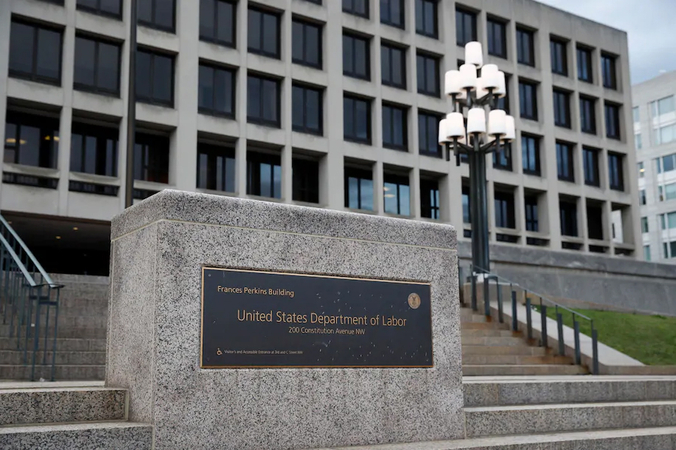
WASHINGTON – A government watchdog said in a new report out Tuesday that the Labor Department “significantly broadened” an exemption allowing millions of health-care workers to be exempted from paid sick leave as part of the law Congress passed in March to help workers during the coronavirus pandemic.

Congress passed the Families First Coronavirus Response Act back in March to ensure workers at small and medium sized companies were able to take paid leave if they or a family member became sick with coronavirus. The law exempts health-care providers as well as companies with more than 500 employees.

But an Office of the Inspector General report noted that a move by the Labor Department to more broadly expand how they categorize health care providers ended up leaving far more workers without a guarantee of paid sick leave than the agency’s estimate of 9 million.

While existing federal statutes define health care workers as doctors, someone practicing medicine or providing health care services, the Labor Department’s exemption from paid sick leave included anyone employed at a doctor’s office, clinic, testing facility or hospital, including temporary sites. The report also found the agency also exempted companies that contract with clinics and hospitals, such as those that produce medical equipment or tests related to Covid-19, the OIG found.

The report also suggested that the Labor Department is not doing enough to enforce the paid-sick-leave provisions, as well as its existing laws on pay and overtime issues.

In an effort to be socially distant, the federal agency acknowledged it has been foregoing fact-finding, on-site investigations, where an investigator examines all aspects of whether an employer is complying with federal labor laws. Instead the agency has been using so-called conciliations, which are telephone-only reviews limited to looking into a single issue affecting one or a few employees, with no fact-finding.

Critics of the Labor Department more hands-off approach to the pandemic have seized on the report as another indication of the ways in which the Trump administration has abandoned its commitments to worker safety.

“The Inspector General’s report makes clear that the Department of Labor went out of its way to limit the number of workers who could take emergency paid leave,” Rep. Robert Scott, D-Va., the chairman of the House Education and Labor Committee, said in a statement. “This absence of meaningful enforcement of our nation’s basic workplace laws creates a major risk to workers who are already vulnerable to exploitation amid record unemployment.”

Before the pandemic, limited or full on-site investigations, a more robust way the agency looked into pay and overtime issues, made up about 53 percent of its inquiries. But since March 18, only 19 percent of those inquiries have been on-site investigations.

Actions taken to enforce the sick leave provisions in the Families First Coronavirus Response Act have skewed even further away from investigations: 85 percent have been resolved through conciliation.

The agency’s Wage and Hour Division responded to the OIG’s findings, noting that they were “developing and sharing models for conducting virtual investigations,” and they also pledged to maintain a backlog of delayed on-site investigations to be tackled when it was safer to conduct those reviews.

But critics suggest the pandemic alone is not sufficient excuse for the drop-off in investigations, some aspects of which could be done remotely.

“These numbers just look so different than the numbers that I’m used to seeing in terms of conciliations versus investigations,” said Sharon Block, a senior Obama administration labor department official. “It really does jump out. That 85 percent is just a really big number.”

The issue about expanding who gets to opt out of offering paid sick leave has been the subject of complaints, according to the OIG report, as well as a federal lawsuit filed by New York Attorney General Letitia James. That lawsuit argued that the Department of Labor overstepped its authority by defining health-care providers in such broad terms, saying it could be skewed to include workers like teaching assistants or librarians at universities, employees who work in food services or tech support at medical schools, and cashiers at hospital gift shops and cafeterias.

Federal Judge Paul Oetken, of New York’s Southern District, struck down Department of Labor’s definition, as well as three other provisions last week – but confusion remains about whether his ruling applies only to employers in New York.

In an internal response to the OIG report, that predates the New York ruling, the Labor Department said that it agreed with many of the OIG’s recommendations and that it would continue to use its definition of health-care providers until the resolution of the federal lawsuit.

The Department of Labor did not reply to requests for comment about whether it planned to contest the judge’s ruling, or the other findings in the report.

The Inspector General pointed to other ways that the Department is not doing enough to adjust to the challenges of the post-pandemic world.

The OIG report said that while the agency’s Wage and Hour Division referenced the coronavirus in an operating plan in late May, it pointed out that the division “focuses more on what the agency has already accomplished rather than thinking proactively and describing how it will continue to ensure FFCRA compliance while still maintaining enforcement coverage,” the report noted.

The DOL did not provide any goals about the enforcement nor provide any requirements for tracking and reporting the new violations created by the FFCRA.

“With the predicted surge of covid-19 cases nationwide in upcoming months as more Americans return to work and as a consequence, an anticipated increase in complaint call volume to WHD, it would be expedient of the agency to devise a detailed plan as to how it intends to address this issue,” the OIG noted.

The report is the latest to spotlight the Trump administration’s employer-friendly approach to worker safety and protections.

The Occupational Safety and Health Administration, the part of the Department of Labor which investigates and is charged with upholding worker safety, has been criticized by workers and advocates for failing to issue citations for worker safety issues during the pandemic in significant numbers. It had only issued four citations out of more than 7,900 coronavirus-related complains according to figures from July 21.

โควิดดันยอดสั่งอาหารออนไลน์เพิ่ม ห่วงสุขภาพคนไทยป่วยโรคกลุ่ม NCDs พุ่ง #ศาสตร์เกษตรดินปุ๋ย

#ศาสตร์เกษตรดินปุ๋ย : ขอบคุณแหล่งข้อมูล : หนังสือพิมพ์โพสต์ทูเดย์

https://www.posttoday.com/life/healthy/630328

วันที่ 10 ส.ค. 2563 เวลา 12:33 น.โควิดดันยอดสั่งอาหารออนไลน์เพิ่ม ห่วงสุขภาพคนไทยป่วยโรคกลุ่ม NCDs พุ่งสสส.– นักวิชาการ ค้นงานวิจัยพบวัยรุ่นกินอาหารฟาสต์ฟู้ดอย่างน้อย 1 ครั้ง/สัปดาห์ ช่วงโควิดดันยอดสั่งอาหารออนไลน์เพิ่มสูง หวั่นคนไทยป่วย NCDs เพิ่มมากขึ้น

ดร.ณัฐพันธุ์ ศุภกา ผู้อำนวยการสำนักพัฒนาภาคีสัมพันธ์และวิเทศสัมพันธ์ สำนักงานกองทุนสนับสนุนการสร้างเสริมสุขภาพ (สสส.) กล่าวว่า รายงานสุขภาพคนไทย 2563 โดย สสส. สถาบันวิจัยประชากรและสังคม ม.มหิดล และภาคีเครือข่ายนักวิชาการ พบสถิติสำคัญว่าวัยรุ่นและเยาวชน อายุ 10-24 ปี ที่อาศัยอยู่ในกรุงเทพมหานคร บริโภคอาหารฟาสต์ฟู้ดจากประเทศตะวันตก อย่างน้อย 1 วัน/สัปดาห์ มากถึง 69.2% รองลงมาคือภาคกลาง 54.6% ภาคใต้ 48.7% ภาคตะวันออกเฉียงเหนือ 41.9% และภาคเหนือ 38.7% ตามลำดับ (ข้อมูลจากสำนักงานสถิติแห่งชาติ ปี 2560)

ซึ่งล่าสุดในช่วงโควิด-19 คนไทยอาจมีแนวโน้มบริโภคอาหารฟาสต์ฟู้ดมากขึ้น จากการสั่งอาหารผ่านแอปพลิเคชัน Food Delivery โดย Kantar Worldpanel ได้สำรวจผู้บริโภคคนไทย 1,638 ราย อายุระหว่าง 15-49 ปี ที่อยู่อาศัยในเขตเมือง ระหว่างวันที่ 10-16 เมษายน 2563 พบว่าผู้บริโภคสั่งอาหารผ่าน Food Delivery มากขึ้น 38% เมื่อเทียบกับเมื่อก่อน

“ข้อดีของการสั่งอาหารออนไลน์ ช่วยลดการรวมตัวของคนในที่สาธารณะ ลดโอกาสแพร่กระจายโควิด-19 แต่อาหารที่ได้รับความนิยมสั่งมักเป็นอาหารจานด่วน สสส. จึงเกิดความกังวลเป็นห่วงสุขภาพคนไทย เพราะอาหารฟาสต์ฟู้ดมีคลอเรสเตอรอลสูง เสี่ยงต่อการเกิดโรคไม่ติดต่อเรื้อรัง (NCDs) เช่น เบาหวาน ความดัน โรคอ้วน ฯลฯ เราจึงขอแนะนำให้ผู้บริโภครับประทานอาหารแบบ 2:1:1 ผัก 2 ส่วน ข้าวหรือแป้ง 1 ส่วน และเนื้อสัตว์ 1 ส่วน

ลดอาหารหวาน มัน เค็ม ควบคู่ไปกับการออกกำลังอย่างสม่ำเสมอ ไม่สูบบุหรี่ ไม่ดื่มเครื่องดื่มแอลกอฮอล์ พร้อมกับขอความร่วมมือผู้บริโภคและผู้ประกอบการลดใช้พลาสติก เนื่องจากอาหารพร้อมทานส่วนใหญ่มักใช้บรรจุภัณฑ์พลาสติกหลายชิ้น อาทิ กล่องโฟม ช้อนส้อมพลาสติก หลอดพลาสติก ซองน้ำจิ้ม ซึ่งในช่วง 3 เดือนที่ผ่านมา พบว่าปริมาณขยะพลาสติกของกรุงเทพมหานครเพิ่มขึ้นประมาณ 1,000 ตัน/วัน โดยขยะประเภทนี้ใช้เวลาย่อยสลายนานถึง 450 ปี ส่งผลกระทบต่อสิ่งแวดล้อมโดยตรง” 

ทางด้าน ผศ.ดร.มนสิการ กาญจนะจิตรา อาจารย์ประจำสถาบันวิจัยประชากรและสังคม ม.มหิดล กล่าวว่า เทคโนโลยีทุกวันนี้มีผลต่อพฤติกรรมการบริโภคอาหาร ของวัยรุ่นและเยาวชนไทยมากขึ้น ทั้งเพจรีวิวอาหาร ฟู้ดบล๊อกเกอร์ และล่าสุดคือแอปพลิเคชันสั่งซื้ออาหาร มีบทบาทสำคัญในการกำหนดเทรนด์อาหาร และการเข้าถึงร้านอาหารอย่างง่ายดายอย่างที่ไม่เคยเป็นมาก่อน สอดคล้องกับผลการสำรวจของสำนักงานพัฒนาธุรกรรมทางอิเล็กทรอนิกส์ (สพธอ.) หรือ ETDA (เอ็ตด้า) กระทรวงดิจิทัลเพื่อเศรษฐกิจและสังคม ได้สำรวจพฤติกรรมทางออนไลน์ เรื่อง “การใช้บริการ Online Food Delivery ของคนไทย” ระหว่างวันที่ 5-15 มีนาคม 2563 พบว่า

กลุ่มผู้ใช้บริการสั่งอาหารออนไลน์มากที่สุด คือ

  • Gen Y (อายุ 19-38 ปี) จำนวน 51.09%
  • กลุ่ม Gen X (อายุ 39-54 ปี)
  • กลุ่ม Baby Boomer (อายุ 55-73 ปี)
  • กลุ่ม Gen Z (อายุต่ำกว่า 19 ปี) (ตามลำดับ)

นอกจากนี้ การสำรวจยังพบด้วยว่า อาหารยอดนิยมที่ทุก Gen สั่งมากกว่า 61.06% คืออาหารจำพวกฟาสต์ฟู้ด อาทิ ไก่ทอด เบอร์เกอร์ และพิซซ่า แต่มีข้อมูลอื่นว่าคนไทยกินผักและผลไม้สดเป็นประจำน้อย อย่างไรก็ตาม หากผู้ผลิตแอปฯ สั่งอาหาร หันมาให้ความสำคัญกับการสนับสนุนโปรโมทอาหารเพื่อสุขภาพ อาจช่วยกระตุ้นความต้องการบริโภคอาหารที่มีประโยชน์มากขึ้นก็เป็นได้.

ที่มา : สำนักข่าวสร้างสุข / สสส

Covid-19 : วิกฤตและความเสี่ยงมหัตภัยโรคจากสัตว์สู่คน #ศาสตร์เกษตรดินปุ๋ย

#ศาสตร์เกษตรดินปุ๋ย : ขอบคุณแหล่งข้อมูล : หนังสือพิมพ์โพสต์ทูเดย์

https://www.posttoday.com/life/healthy/630318

วันที่ 10 ส.ค. 2563 เวลา 11:33 น.Covid-19 : วิกฤตและความเสี่ยงมหัตภัยโรคจากสัตว์สู่คน“Zoonosis Disease” โรคติดเชื้อจากสัตว์สู่คน หนึ่งในความกังวลของมวลมนุษย์โลก

จากรายงานสถานการณ์ผู้ป่วย โควิด-19 พบว่า ตัวเลขผู้ป่วยที่เพิ่มขึ้นทุกวันในช่วงไม่กี่เดือนที่ผ่านมา จนสถานการณ์อยู่ภายใต้การควบคุมอย่างใกล้ชิดในปัจจุบัน ทำให้คนไทยส่วนใหญ่มีการ ‘ระวังตัว’ กับสถานการณ์โรคระบาดนี้ แต่การระวังตัวนั้นไม่ได้ทำให้รู้สึกถึงความ ‘วางใจ’ เพราะเมื่อมองไปถึงต้นตอของการแพร่ระบาดครั้งนี้ที่มีต้นตอมาจากการติดต่อจากสัตว์สู่คน นั่นก็หมายความว่า โอกาสที่จะเกิดการแพร่ระบาดของโรคนี้ยังคงมีความเป็นไปได้ รวมถึงโรคติดต่ออื่นๆ ทั้งโรคที่เคยมีการแพร่ระบาดมาแล้ว และโรคที่อาจจะเกิดขึ้นใหม่ได้ในอนาคต

ซึ่งผลของการแพร่ระบาดของโควิด-19 ในครั้งนี้ ทำให้คำว่า ‘โรคติดเชื้อจากสัตว์สู่คน’ หรือ ‘Zoonosis Disease’ กลายเป็นคำที่ไม่ได้ถูกพูดในเฉพาะในวงการแพทย์เท่านั้น เพราะการอ้างอิงถึงเรื่องโรคติดต่อจากสัตว์สู่คนกลายเป็นคำส่วนหนึ่งที่ใช้ในการรายงานข่าวเกี่ยวกับสถานการณ์นี้ โดยเฉพาะในช่วงแรกที่เริ่มมีการแพร่ระบาด ซึ่งจริงๆแล้ว เรื่องนี้ไม่ใช่เรื่องใหม่แต่อย่างใด เพราะที่ผ่านมาไม่ว่าจะเป็นการระบาดของโรค ไข้หวัดใหญ่สเปน อีโบลา ซาร์ส จนถึงโรคไข้หวัดหมูในปี 2552 ถือเป็นหลักฐานที่ชี้ให้เห็นถึงความเสี่ยงในการแพร่ระบาดของโรคจากสัตว์สู่คนได้ในอีกไม่ช้าก็เร็ว

นายแพทย์วัชระ พุ่มประดิษฐ์ แพทย์ผู้เชี่ยวชาญสาขาโรคติดเชื้อ โรงพยาบาลบำรุงราษฎร์ อธิบายถึงต้นตอของปัญหาที่อาจถูกมองข้าม ในช่วงที่การรายงานข่าวส่วนใหญ่เน้นไปที่เรื่องของตัวเลขและการแก้วิกฤติเฉพาะหน้า แต่ไม่ค่อยได้พูดถึงปฐมเหตุที่แท้จริงว่า “ทุกวันนี้เราพูดกันถึงโควิด-19 เพราะที่ผ่านมาเราตกใจกับเรื่องของโควิดกันมาก แต่จริงๆ แล้วไม่ใช่แค่โควิดเท่านั้นที่เราควรจะพูดถึง เพราะต้นเหตุของโรคติดต่อจากสัตว์สู่คนก็คือ การที่มนุษย์เข้าไปรุกรานความเป็นอยู่อย่างเป็นธรรมชาติของสัตว์ ไม่ว่าจะเป็นสัตว์ป่าในกรณีของโควิดหรือสัตว์ในฟาร์ม เช่น ไข้หวัดใหญ่สเปน”

ด้วยความรู้และประสบการณ์ในเรื่องของโรคติดเชื้อทำให้นายแพทย์วัชระสนใจในประเด็นโรคติดต่อจากสัตว์สู่คนมากเป็นพิเศษ และนำมาสู่การทำงานเพื่อขับเคลื่อนเกี่ยวกับสวัสดิภาพของสัตว์ โดยเฉพาะสัตว์ในฟาร์มที่นำมาใช้ประกอบอาหาร อย่างเช่นไก่ หมู และวัว ร่วมกับภาคีเครือข่ายอย่าง องค์กรพิทักษ์สัตว์แห่งโลก (World Animal Protection) ที่ทำในเรื่องของการรณรงค์เพื่อสวัสดิภาพสัตว์มาอย่างต่อเนื่อง

“ประเด็นที่ทำให้เห็นถึงความสำคัญในเรื่องการขับเคลื่อนเกี่ยวกับสัตว์มีหลายประเด็น ประเด็นแรกคือการบริโภคผลิตภัณฑ์ที่มาจากสัตว์เป็นสาเหตุหนึ่งที่นำไปสู่โรคติดเชื้อของคน ประเด็นที่สองคือ วิธีการทำฟาร์มปศุสัตว์สมัยใหม่ที่อาจไม่ได้ให้ความสำคัญกับสวัสดิภาพสัตว์เท่าที่ควร อันอาจจะนำไปสู่โรคภัยทั้งต่อสัตว์และคน นอกจากนั้นก็คือเรื่องของผลกระทบต่อสิ่งแวดล้อมที่เกิดจากวิถีบริโภคของคนในยุคนี้ ซึ่งอาจต้องได้รับการแก้ไขและพัฒนาก่อนที่สิ่งแวดล้อมจะรับไม่ไหวอีกต่อไป” นายแพทย์วัชระขยายความถึงที่มาของความสนใจและการผลักดันสวัสดิภาพสัตว์

ในเรื่องของโรคที่อาจมาพร้อมกับการบริโภคผลิตภัณฑ์ที่มาจากสัตว์ ทั้งเนื้อ นม และไข่ อุบัติการณ์ของโรคในลักษณะนี้เป็นผลมาจากระบบการเลี้ยงสัตว์สมัยใหม่ (Factory Farming) โดยเฉพาะในที่มีสภาพแออัด ซึ่งแพร่หลายมากขึ้นเรื่อยๆ ในช่วงศตวรรษที่ผ่านมา ระบบปศุสัตว์แบบนี้ให้ผลตอบแทนที่คุ้มค่าในแง่เม็ดเงินที่ลงทุนไป แต่ต้องแลกมากับคุณภาพชีวิตที่ลดลงของสัตว์ในฟาร์ม เช่น ไก่และสัตว์อื่นๆ การถูกเลี้ยงในที่แออัดทำให้เกิดภาวะเครียด และเป็นสภาพแวดล้อมที่ทำให้สัตว์เจ็บป่วยได้ง่ายขึ้น ซึ่งเมื่อสัตว์เจ็บป่วยหรือมีแนวโน้มว่าจะเจ็บป่วย ก็จะนำมาสู่การใช้ยาฆ่าเชื้อแบบป้องกันไว้ก่อนในสัตว์ (Antibiotic Prophylaxis) แทนที่จะใช้รักษาเมื่อเกิดการเจ็บป่วยขึ้น ส่งผลให้เกิดเชื้อดื้อยาในสิ่งแวดล้อม แล้วนำไปสู่เชื้อดื้อยาในคน ซึ่งเป็นปัญหาใหญ่ระดับโลกที่ต้องได้รับการแก้ไขโดยด่วน

นางสาวเหมือนดาว คงวรรณรัตน์ ผู้จัดการโครงการด้านสวัสดิภาพไก่ องค์กรพิทักษ์สัตว์แห่งโลก ประเทศไทย กล่าวให้เห็นถึงสภาพการเลี้ยงไก่ในปัจจุบันซึ่งมีผลเสียทั้งทางตรงและทางอ้อมต่อมนุษย์ว่า “ทุกวันนี้มีไก่จำนวนหลายล้านตัวที่ถูกเลี้ยงในฟาร์มที่มีพื้นที่แออัดและไม่ถูกสุขลักษณะ โรงเรือนบางแห่งไม่มีแม้แต่แสงธรรมชาติที่จะส่องถึง นอกจากนี้ไก่ที่เราบริโภคกันในปัจจุบันมีการคัดเลือกสายพันธุ์ให้เติบโตเร็ว ไก่ตัวหนึ่งจึงมีอายุขัยประมาณ 42 วันเท่านั้น สิ่งเหล่านี้ทำให้ไก่เกิดปัญหาทางสุขภาพและเป็นสาเหตุให้ไก่เกิดความเครียด และเมื่อเครียดก็จะเพิ่มความเสี่ยงที่ทำให้เกิดโรค”

จากผลการศึกษาของ องค์กรพิทักษ์สัตว์แห่งโลก (World Animal Protection) เผยให้เห็นถึงข้อมูลของความหนาแน่นในพื้นที่เลี้ยงไก่ในฟาร์มอุตสาหกรรม ที่ต้องไม่แออัดและไม่ควรเกิน 30 กิโลกรัมต่อพื้นที่ 1 ตารางเมตร ตัวเลขนี้อ้างอิงจากงานวิจัยที่มีการวิเคราะห์ออกมาแล้วว่าจะส่งผลดีโดยรวมต่อสุขภาพของไก่ทั้งกายและใจ แต่หากผู้เลี้ยงไก่คำนึงถึงแต่การควบคุมต้นทุนโดยการเลี้ยงอย่างแออัด ผู้บริโภคนั้นย่อมเป็นผู้รับผลกระทบด้านสุขภาพโดยไม่รู้ตัว

“ในระบบปศุสัตว์สมัยใหม่จึงมีวิธีหนึ่งที่ฟาร์มหลายแห่งใช้รับมือกับปัญหาแบบนี้ ก็คือการให้ยาฆ่าเชื้อป้องกันไว้ก่อน ซึ่งผสมไว้ในอาหารสัตว์ โดยตัวเลขจากการศึกษาของคณะสาธารณสุขแห่งมหาวิทยาลัยลอนดอน ประเทศอังกฤษ พบว่าในปี พ.ศ. 2555 (ค.ศ. 2012) ประมาณ 70% ของปริมาณการใช้ยาฆ่าเชื้อทั้งหมดในโลกมาจากการใช้ในอุตสาหกรรมปศุสัตว์ และถ้าไม่ได้รับการแก้ไข คาดว่าประมาณปี พ.ศ. 2573 (ค.ศ. 2030) จะพบว่ามีการใช้ยาฆ่าเชื้อสูงขึ้นจากเดิมอีกอย่างน้อยร้อยละ 60 ด้วยการใช้ยาฆ่าเชื้อดังกล่าวนี้จะนำไปสู่ปัญหาเรื่องเชื้อดื้อยาที่ไม่ได้จบแค่สัตว์ที่ได้รับยาฆ่าเชื้อโดยตรงเท่านั้น แต่ยังส่งผ่านมาถึงคนด้วย คนส่วนใหญ่อาจจะมองว่าเรื่องเชื้อดื้อยาเป็นเพราะคนใช้ยาฆ่าเชื้อมากเกินไปเพียงอย่างเดียว แต่จากการดูแลผู้ป่วยพบว่ามันไม่ใช่แค่นั้น เพราะเราพบคนไข้ที่ระมัดระวังเรื่องใช้ยาฆ่าเชื้ออย่างมาก แทบไม่ซื้อยากินเองเลย แต่ก็ตรวจพบมีเชื้อดื้อยาอยู่ในตัวตลอดเวลา ซึ่งส่วนหนึ่งเป็นผลมาจากการบริโภคอาหารที่มีเชื้อดื้อยาในสิ่งแวดล้อมนั่นเอง” นายแพทย์วัชระ อธิบาย

ในส่วนของเรื่องสิ่งแวดล้อมนั้น การทำปศุสัตว์สมัยใหม่ส่งผลให้มีของเสียที่มาจากฟาร์มปนเปื้อนลงในมหาสมุทร จนทำให้เกิดการขยายพันธุ์ของสาหร่ายและแบคทีเรีย ส่งผลให้ปริมาณออกซิเจนในมหาสมุทรลดลงในระดับที่เป็นอันตราย ทางองค์การอาหารและเกษตรแห่งสหประชาชาติ (Food and Agricultural Organization of the United Nations) ได้ทำการศึกษาและพบว่า ปศุสัตว์ (Animal Agriculture) เป็นสาเหตุสำคัญถึงร้อยละ 18 ของการปล่อยก๊าซเรือนกระจกในโลก ซึ่งปริมาณของคาร์บอนไดออกไซด์นี้จะส่งผลกระทบโดยไปเพิ่มความเป็นกรดของมหาสมุทรให้มากขึ้น ทั้งนี้ระดับออกซิเจนที่ต่ำและภาวะมหาสมุทรเป็นกรดนี้ต่างส่งผลกระทบโดยตรงต่อความอยู่รอดของสิ่งมีชีวิตในทะเล และอาจขยายตัวต่อไปจนกลายเป็นปัญหาวิกฤติทางการประมง เพราะปริมาณสัตว์น้ำที่ลดลงจนหลายประเทศเริ่มมองหาทางเลือกทดแทน

ตอนนี้ถึงเวลาที่สังคมไทยต้องเอาเรื่องนี้มาคุยกันแล้ว เพราะในอาเซียนเริ่มมีวิกฤตเรื่องจำนวนสัตว์น้ำที่ลดลง จนไม่มีปลาพอให้จับ ตัวอย่างเช่น รัฐบาลสิงคโปร์ ที่ได้ให้ความสำคัญอย่างมากกับเรื่องนี้ มีความพยายามหลายอย่างที่จะรับมือกับวิกฤตนี้ หนึ่งในนั้นก็คือการหาแหล่งโปรตีนใหม่ที่ไม่ต้องพึ่งปศุสัตว์อย่างในปัจจุบัน

“ในระบบการผลิตอาหารปัจจุบัน ถ้าเราดูทีละขั้นตอนจะเห็นว่าเป็นวิธีที่ใช้ทรัพยากรสูงมาก เพราะเราปลูกถั่วเหลือง เพื่อเอามาให้สัตว์กิน เวลาปลูกก็ต้องใช้น้ำ ใช้ที่ดิน มีการใช้ทรัพยากรหลายขั้นตอนกว่าจะได้โปรตีนกลับมาเป็นอาหารของคน ทางรัฐบาลและภาคเอกชนของนานาประเทศ อาทิ รัฐบาลสิงคโปร์ จึงพยายามหาโปรตีนทดแทน เช่น โปรตีนจากสาหร่ายหรือการค้นคว้าวิจัยในเรื่องของ อาหารจากพืชทดแทนเนื้อสัตว์ (Plant-based Meat) ที่ไม่มีส่วนผสมของเนื้อสัตว์ เป็นทางเลือกที่ดีต่อทั้งสุขภาพคน สุขภาพสัตว์ และสิ่งแวดล้อม” นายแพทย์วัชระเล่าถึงสถานการณ์และแนวโน้มของโลกที่กำลังปฏิวัติและแข่งขันกันในเรื่องอาหารที่ยั่งยืน

จากเหตุผลเหล่านี้จะเห็นได้ว่าการดูแลสวัสดิภาพสัตว์ โดยเฉพาะสัตว์ที่เลี้ยงในฟาร์ม ไม่ได้เป็นแค่เรื่องของการให้ความเมตตาสัตว์เหมือนที่บางคนเข้าใจ และไม่ใช่เพียงแค่ปัญหาสิ่งแวดล้อมที่ส่งผลต่ออีกหลายชีวิตเท่านั้น แต่ยังรวมถึงปัญหาเรื่องสุขภาพคนที่อาจมีผลกระทบในวงกว้าง โดยเฉพาะในกรณีที่เกิดจากโรคติดต่อจากสัตว์สู่คน ไม่ว่าจะเป็น โรคเชื้อดื้อยา โรคอุบัติใหม่ที่เกิดขึ้นตลอดเวลา และหลายโรคก็ยังไม่มีวัคซีนป้องกัน

อย่างไรก็ตาม ปัญหาใหญ่ที่สุดของเรื่องทั้งหมดนี้ อาจอยู่ที่การรับรู้ของคนที่นำไปสู่การขับเคลื่อนให้เกิดความเปลี่ยนแปลงได้ เพราะหลายข้อเรียกร้องในเรื่องสวัสดิภาพสัตว์เกิดขึ้นจากพลังของผู้บริโภค ที่ทำให้ผู้ผลิตต้องมีการปรับเปลี่ยนเพื่อให้สอดคล้องกับความต้องการของผู้บริโภคที่ต้องการให้สัตว์มีคุณภาพชีวิตที่ดีขึ้น แต่เมื่อการรับรู้และความเข้าใจเรื่องนี้ยังมีจำกัด โดยเฉพาะในเรื่องของความสัมพันธ์ระหว่างสวัสดิภาพสัตว์และสุขภาพคน พลังในการขับเคลื่อนจึงยังไม่มากพอ

“เท่าที่สังเกต ปัญหาของคนส่วนใหญ่คือความไม่รู้ ยกตัวอย่างเช่น ผลจากการทำโฟกัสกรุ๊ปกับเด็กรุ่นใหม่เกี่ยวกับเรื่องสวัสดิภาพสัตว์ สิ่งที่พบก็คือคนไม่รู้เกี่ยวกับเรื่องสภาพความเป็นอยู่ในฟาร์มเท่าที่ควร อย่างกรงตับที่ใช้ในการผลิตไข่ (Battery Cage) หรือวิธีการฆ่าสัตว์ที่ทรมาน ผมเชื่อว่าถ้าเขาได้รับรู้ความจริง ต่อให้เขาเป็นคนที่ชอบกินเนื้อสัตว์ เขาก็ไม่ได้อยากกินเนื้อหรือไข่ที่เกิดจากการทรมาน ดังนั้นความหวังในการเปลี่ยนแปลงก็อยู่ที่คนรุ่นใหม่หัวก้าวหน้าและผู้ใหญ่ที่มีความห่วงใยที่จะออกมาขับเคลื่อนในประเด็นเรื่องสวัสดิภาพสัตว์ สุขภาพคน และสิ่งแวดล้อม เพื่อให้เกิดระบบอาหารที่ยั่งยืนอย่างแท้จริง ” นายแพทย์วัชระ กล่าว

โดยสถานการณ์โรคระบาด โควิด-19 ที่ผ่านมา ประเทศไทยได้รับการยอมรับว่าทำได้ดีในเรื่องการควบคุมโรคติดต่อ แต่การควบคุมนั้นถือเป็นเรื่องของการจัดการความสัมพันธ์ระหว่างคน เพื่อให้ออกจากวิกฤตนี้ แต่การแก้ปัญหาที่ต้นเหตุจริงๆ เป็นการจัดการความสัมพันธ์ระหว่างคนกับสัตว์ ระหว่างคนกับสิ่งแวดล้อม ซึ่งเป็นเรื่องที่ควรได้รับการพูดถึงและให้ความสำคัญมากขึ้น เพื่อป้องกันวิกฤตใหม่ๆ ที่อาจเกิดขึ้นอีกได้ในอนาคต

เลือกดื่มนมถั่วเหลืองอย่างไรให้ได้คุณค่า #ศาสตร์เกษตรดินปุ๋ย

#ศาสตร์เกษตรดินปุ๋ย : ขอบคุณแหล่งข้อมูล : หนังสือพิมพ์โพสต์ทูเดย์

https://www.posttoday.com/life/healthy/630259

วันที่ 09 ส.ค. 2563 เวลา 11:30 น.เลือกดื่มนมถั่วเหลืองอย่างไรให้ได้คุณค่า6 วิธีชี้ชัด! เลือกนมถั่วเหลืองอย่างไรให้ดีต่อสุขภาพที่สุด

นมถั่วเหลืองเป็นเครื่องดื่มเพื่อสุขภาพที่ได้รับความนิยมมานาน เนื่องจากมีสารอาหารที่ครบถ้วน อีกทั้งยังเหมาะสมสำหรับกลุ่มผู้ที่มีข้อจำกัดทางสุขภาพบางกรณี เช่น ผู้ที่มีภาวะทนต่อน้ำตาลแลคโตสในนมวัวไม่ได้ คือ ผู้ที่มีอาการท้องเสีย ท้องอืด ไม่สบายท้องหลังจากดื่มนมวัว  ผู้ที่ได้รับการวินิจฉัยว่าแพ้โปรตีนนมวัว หรือผู้ที่เป็นมังสวิรัติแบบที่ไม่เลือกดื่มนมวัว วันนี้มีเคล็ดลับจากนักกำหนดอาหารมาฝากกันว่า ควรเลือกนมถั่วเหลืองอย่างไร ให้ดีต่อสุขภาพที่สุด

วิธีเลือกนมถั่วเหลือง 

1.ดูคำกล่าวอ้างด้านหน้ากล่อง

ควรมองหานมถั่วเหลืองหรือเครื่องดื่มธัญพืชที่มีการระบุว่า น้ำตาลน้อย น้ำตาลน้อยกว่าสูตรปกติ  หวานน้อย แคลเซียมสูง มีวิตามิน มีแร่่ธาตุ เพื่อเป็นการคัดกรองเบื้องต้นว่า ผลิตภัณฑ์นั้น ๆ เอาใจใส่ผู้บริโภคในการปรับเพิ่มคุณค่าสารอาหารหรือไม่ ก่อนที่จะหยิบมาอ่านฉลากโภชนาการต่อ

2.ดูจำนวนหน่วยบริโภค

จะทำให้ทราบว่าผลิตภัณฑ์ที่ถืออยู่ “ควรแบ่งกินกี่ครั้ง” และข้อมูลสารอาหารต่าง ๆ ที่อยู่ด้านล่างลงไป เป็นข้อมูลของสารอาหารต่อการรับประทาน 1 ครั้ง ถ้าหากบริโภคกล่องที่เขียนว่า จำนวนหน่วยบริโภคต่อกล่อง : 4  แปลว่าแบ่งรับประทานได้ 4 ครั้ง แต่หากเราเทดื่มรวดเดียวหมด ก็ให้นำสารอาหารที่อ่านเจอคูณ 4 ไปด้วย

3.มองหาปริมาณโปรตีน

นมถั่วเหลืองจะมีปริมาณโปรตีนน้อยกว่านมวัวอยู่เเล้ว คำเเนะนำ คือ ควรเลือกที่มีปริมาณโปรตีน 6 กรัมขึ้นไป

4.อ่านน้ำตาลให้ขาด

ไม่ว่าจะเป็นสูตรไหน อย่าลืมว่าเราไม่ควรบริโภคน้ำตาลเกิน 6 ช้อนชาต่อวัน

5.ไขมันล่ะ ต้องแคร์ไหม

ควรดูปริมาณไขมันอิ่มตัว ไม่ให้ได้รับมากเกินไป เเต่โดยธรรมชาติเเล้ว นมถั่วเหลืองมีปริมาณไขมันอิ่มต้วน้อยมาก จึงไม่ต้องกังวล

6. เเคลเซียม วิตามิน ธาตุเหล็กต้องมี

เเร่ธาตุเเละวิตามินต่างๆก็เป็นสิ่งสำคัญ โดยเฉพาะปริมาณเเคลเซียมจะระบุเป็นเปอร์เซ็นต์ หากระบุว่ามีแคลเซียม 50% เเปลว่า เมื่อดื่มนมนี้หมด 1 หน่วยบริโภค จะได้รับแคลเซียมคิดเป็น 50% หรือครึ่งหนึ่งของความต้องการในแต่ละวัน

เตือนฝนตกระวังป่วยด้วยโรคไข้ปวดข้อยุงลาย (ชิคุนกุนยา) #ศาสตร์เกษตรดินปุ๋ย

#ศาสตร์เกษตรดินปุ๋ย : ขอบคุณแหล่งข้อมูล : หนังสือพิมพ์โพสต์ทูเดย์

https://www.posttoday.com/life/healthy/630252

วันที่ 09 ส.ค. 2563 เวลา 08:59 น.เตือนฝนตกระวังป่วยด้วยโรคไข้ปวดข้อยุงลาย (ชิคุนกุนยา)พยากรณ์โรคฯ กรมควบคุมโรค ฉบับที่ 274 เตือนประชาชนช่วงนี้มีฝนตกในหลายพื้นที่อย่างต่อเนื่อง อาจทำให้เกิดแหล่งเพาะพันธุ์ลูกน้ำยุงลายได้ ระวังป่วยด้วยโรคไข้ปวดข้อยุงลาย หรือโรคชิคุนกุนยา

ข้อมูลโดย นายแพทย์สุวรรณชัย  วัฒนายิ่งเจริญชัย อธิบดีกรมควบคุมโรค ระบุ “จากการเฝ้าระวังของกรมควบคุมโรค สถานการณ์โรคไข้ปวดข้อยุงลายหรือโรคชิคุนกุนยา ในปี 2563 พบผู้ป่วยแล้ว 5,728 ราย จาก 65 จังหวัด ไม่มีผู้เสียชีวิต

โดยกลุ่มอายุที่พบมากที่สุด 3 อันดับ คือ

  • 25-34 ปี ร้อยละ 17.51
  • 35-44 ปี ร้อยละ 17.20
  • 45-54 ปี ร้อยละ15.50

ผู้ป่วยส่วนใหญ่ประกอบอาชีพ

  • รับจ้าง ร้อยละ 23.7
  • นักเรียน ร้อยละ 21.3
  • เกษตร ร้อยละ 15.7 

ภาคที่มีอัตราป่วยสูงสุด คือ

  • ภาคกลาง
  • ภาคเหนือ 
  • ภาคตะวันออกเฉียงเหนือ
  • ภาคใต้ ตามลำดับ

โดยจากระบบเฝ้าระวังโรค (รง. 506) พบจังหวัดที่มีอัตราป่วยต่อประชากรแสนคนสูงสุด 5 อันดับแรก คือ

  • จันทบุรี
  • อุทัยธานี
  • ลำพูน
  • เลย
  • ตราด ตามลำดับ

การพยากรณ์โรคและภัยสุขภาพประจำสัปดาห์นี้ คาดว่าช่วงนี้จะมีจำนวนผู้ป่วยโรคไข้ปวดข้อยุงลายเพิ่มขึ้น เนื่องจากพบผู้ป่วยกระจายทั่วทุกภูมิภาคของประเทศไทย ประกอบกับช่วงนี้เป็นฤดูฝน จึงทำให้มีฝนตกชุกต่อเนื่องและครอบคลุมพื้นที่ส่วนใหญ่ของประเทศไทย ทำให้เกิดน้ำขังตามภาชนะต่างๆ เป็นแหล่งเพาะพันธุ์ยุงลายได้  

สำหรับโรคไข้ปวดข้อยุงลายหรือโรคชิคุนกุนยา เป็นโรคติดต่อนำโดยแมลง มียุงลายเป็นพาหะ สามารถพบผู้ป่วยได้ตลอดทั้งปี แต่จะพบมากในฤดูฝน ผู้ที่ติดเชื้อจะมีอาการไข้สูง ปวดข้อ ข้อบวมหรือข้ออักเสบร่วมกับมีอาการปวดศีรษะ ปวดกระบอกตา ปวดเมื่อยกล้ามเนื้อ มีผื่นหรืออ่อนเพลีย ไม่มีการรักษาเฉพาะ ใช้การรักษาตามอาการ และป้องกันภาวะแทรกซ้อน ร่วมกับป้องกันการแพร่กระจายเชื้อไวรัสชิคุนกุนยา  

คำแนะนำสำหรับประชาชนในการป้องกันโรคที่ดีที่สุดคือ การจัดการสิ่งแวดล้อมภายในบ้านและนอกบ้าน และการกำจัดแหล่งเพาะพันธุ์ลูกน้ำยุงลาย ด้วยมาตรการ 3 เก็บ ป้องกัน 3 โรคคือ เก็บบ้าน เก็บขยะ และเก็บน้ำ เพื่อกำจัดแหล่งเพาะพันธุ์ลูกน้ำยุงลายซึ่งเป็นพาหะของโรคไข้เลือดออก โรคติดเชื้อไวรัสซิกา และโรคไข้ปวดข้อยุงลายหรือโรคชิคุนกุนยา รวมถึงการป้องกันไม่ให้ถูกยุงลายกัดด้วยการทายากันยุง กำจัดยุงในบ้าน และนอนกางมุ้ง  

กรมควบคุมโรค ขอแนะนำว่า ยุงลายซึ่งเป็นพาหะนำโรคที่สามารถพบได้ทุกจังหวัด สถานพยาบาลทุกแห่งควรมีการเฝ้าระวังโรคไข้ปวดข้อยุงลายในโรงพยาบาล โดยการคัดกรองผู้ป่วยที่มาด้วยอาการ ไข้ ปวดข้อ มีผื่น หรือมีอาการคล้ายไข้เลือดออกแต่เกล็ดเลือดอยู่ในระดับปกติ และเมื่อพบผู้ป่วยควรรายงานผู้สงสัยหรือผู้ป่วยต่อหน่วยงานสาธารณสุขในพื้นที่เพื่อการลงควบคุมโรคอย่างรวดเร็ว หากประชาชนมีข้อสงสัยสามารถสอบถามข้อมูลเพิ่มเติมโทรสายด่วนกรมควบคุมโรค 1422