Doubts loom over Tokyo Olympics without vaccine, isolation rules #SootinClaimon.Com

#SootinClaimon.Com : ขอบคุณแหล่งข้อมูล : หนังสือพิมพ์ The Nation.

Doubts loom over Tokyo Olympics without vaccine, isolation rules

InternationalFeb 05. 2021A pedestrian wearing a protective mask passes an advertisement for the now-postponed Tokyo 2020 Olympic Games in Tokyo on Jan. 14, 2021. MUST CREDIT: Bloomberg photo by Toru HanaiA pedestrian wearing a protective mask passes an advertisement for the now-postponed Tokyo 2020 Olympic Games in Tokyo on Jan. 14, 2021. MUST CREDIT: Bloomberg photo by Toru Hanai

By Syndication Washington Post, Bloomberg · Ayai Tomisawa, Yuki Hagiwara

Covid-19 countermeasures unveiled by the organizers of the delayed Tokyo Olympics don’t include mandatory vaccinations or quarantines for those arriving in Japan for the Games, fueling doubts on whether they can go ahead this summer as planned.

Coronavirus tests will be required before arrival in Japan and then at least every four days, with movements limited to a predetermined plan. The first version of the “Playbook” unveiled Wednesday was light on many details, such as what would happen if participants, athletes or other staff test positive.

With thousands of people from around the globe set to descend on Tokyo, where the pandemic still isn’t under control, citizens remain nervous. Just 16% of Japanese say the event should be held as planned this summer. The country declared a state of emergency last month, seeking to reduce infections and pave the way for the Olympics, which were postponed last year.

“A 14-day quarantine period is needed to be certain that you haven’t developed an infection that you could spread to others,” said Norio Sugaya, a visiting professor at Keio University’s School of Medicine in Tokyo and a member of a World Health Organization panel advising on the pandemic. “There is a risk that the infections will spread within the Olympic Village, and they may spread to the country as well. Now is not the time to discuss large-sized face-to-face events.”

The organizers won’t require athletes and teams to be inoculated to take part, but said instead that they’ll work with each national Olympic committee to “encourage and assist their athletes, officials and stakeholders to get vaccinated in their home countries, in line with national immunization guidelines, before they go to Japan.”

Instead of a 14-day quarantine, those arriving in Japan will be asked to submit an “activity plan” detailing locations they will visit, accommodations and method of transportation.

The playbook is an important step in clarifying the conditions under which the games can take place. The document was prepared by the Tokyo Organizing Committee, the International Olympic Committee and the International Paralympic Committee.

Organizers said they will decide more specifics in an update in April, to make use of the latest testing technology and other developments. Participants will need to submit a negative test before departure for Japan and may be tested on arrival.

“It’s questionable whether these rules are viable or not,” said Kenji Shibuya, professor and director of the Institute of Population Health at King’s College London.

That also means that the participants will have to comply with the rules in the playbook, whether they have been vaccinated or not, they added.

Teams were told not to join events as spectators, and not to use public transport. They will also have to download a contact tracing app. They will not have to quarantine when they arrive in the country. Athletes will be housed in the Olympic Village rather than being dispersed around hotels in Tokyo, organizers said.

Despite speculation over the future of the games, the organizers insisted Wednesday that they would go ahead. They cited the knowledge gained on how the virus spreads since the decision last March to postpone the Games, as well as the successful resumption of thousands of other sports worldwide among reasons for their optimism.

The playbook made no specific mention of how spectators would be handled. Decisions on that question, including the number allowed and the prospects for overseas spectators, will be made within the next few weeks, Christophe Dubi, IOC Olympic Games Executive Director, said on a video conference.

The Tokyo 2020 Committee has already indicated that it will need to decide on whether to impose limits on attendance or restrict spectators from entering the country by this spring, due to the ticketing process.

The Australian Olympic Committee has “every confidence” the games are going ahead and is “doing everything we can” to ensure its team can arrive safely and compete. The playbook is a “very good start,” spokesman Strath Gordon said in an emailed statement. “We know there is more detail to come.”

The playbook will be updated as the pandemic situation changes ahead of the games, which are set to kick off on July 23, a year after they were originally due to start.

“Tokyo is the best-prepared city we have ever seen,” Dubi said.
Britain passes peak of covid surge, with 10 million vaccinated #SootinClaimon.Com

#SootinClaimon.Com : ขอบคุณแหล่งข้อมูล : หนังสือพิมพ์ The Nation.

Britain passes peak of covid surge, with 10 million vaccinated

InternationalFeb 05. 2021

By Syndication Washington Post, Bloomberg · Joe Mayes, Tim Ross

The U.K. has passed the peak of its latest wave of the coronavirus pandemic, officials said, as the country reached the milestone of vaccinating 10 million people, about 15% of the population.

“We are on a downward slope of cases, hospitalizations and deaths,” Chief Medical Officer Chris Whitty said at a televised news conference Wednesday. “This peak, at least, we are past.”

But Whitty, a senior adviser to Prime Minister Boris Johnson, said infections are still widespread and the state-run National Health Service would be “back in trouble extraordinarily fast” if social restrictions are lifted.

Britain’s immunization program — the most successful so far in Europe — puts the country on track to provide shots to 15 million citizens and carers at greatest risk from the disease by Feb. 15. Johnson said it will be possible to begin easing the lockdown only three weeks after that date, once those vaccinated have received the benefits of the immunization.

Johnson, who will publish a plan for relaxing the curbs on Feb. 22, said there are “signs of hope” but warned the number of people with the disease is still “alarmingly high.” A further 1,322 deaths were reported Wednesday.

Johnson said he’s “very hopeful” schools will reopen on March 8, though doesn’t want to move too soon and then have to go “in reverse.” He also said he’d support a statue in memory of Captain Tom Moore, the centenarian who became a U.K. icon by raising money for the NHS, who died Tuesday.

The rapid roll out of coronavirus vaccines is a rare success for the U.K. government in its handling of the pandemic, which has left more than 109,000 people dead and caused the deepest recession for more than 300 years.

Johnson is under mounting pressure to ease restrictions from lockdown skeptics in his own party who fear shutting up businesses and schools will inflict lasting scars on the economy and society. News that vaccines are effective at cutting transmission of the disease has fueled their argument.

“With better and better news by the day on the vaccination roll out and its effectiveness, the government has got to start addressing its mind to the harms caused by the measures we’re putting in place,” said Mark Harper, chairman of the so-called covid Recovery Group of Conservative members of Parliament. “Lockdowns and restrictions cause immense damage to people’s health and livelihoods, and we need to lift them as soon as it is safe to do so.”

Johnson has promised to review the pandemic response after the priority groups have been given vaccines. Schools will be the first facilities to reopen in England, starting no earlier than March 8 under the government’s plans.

Malaysia PM seeks balance as economy reels from virus curbs #SootinClaimon.Com

#SootinClaimon.Com : ขอบคุณแหล่งข้อมูล : หนังสือพิมพ์ The Nation.

Malaysia PM seeks balance as economy reels from virus curbs

InternationalFeb 05. 2021Malaysian flags hang from lamposts near the the office complex of the prime minister in Putrajaya, Malaysia, on Sept. 23, 2020. MUST CREDIT: Bloomberg photo by Samsul Said.Malaysian flags hang from lamposts near the the office complex of the prime minister in Putrajaya, Malaysia, on Sept. 23, 2020. MUST CREDIT: Bloomberg photo by Samsul Said.

By Syndication Washington Post, Bloomberg · Anisah Shukry, Anuradha Raghu

Struggling with elevated numbers of covid-19 cases, Malaysia’s government is trying to strike a balance that will protect lives while ensuring that economic activity can continue, Prime Minister Muhyiddin Yassin said Thursday.

While a total lockdown would be the best way to control the surge in cases, that would have negative repercussions for the economy, Muhyiddin said in the televised address. Instead, tighter protocols — known as Standard Operating Procedures, or SOP — will be imposed while essential businesses continue to operate.

“The government listens to your views by not shutting down the economy during the Movement Control Order period,” Muhyiddin said. “So please reciprocate this gesture by complying strictly with the SOPs so that we can ensure business and trade will continue to operate, while at the same time helping break the chain of Covid-19 transmission at the workplace and in the community.”

Movement Control Orders, Malaysia’s strictest form of lockdown, are in force in all but one state and will continue until Feb. 18.

Still, the government will allow car-wash services, hair salons and night markets to reopen starting Friday, Defense Minister Ismail Sabri Yaakob said in a separate briefing on Thursday. The government is studying whether to allow more businesses to operate throughout the MCO period as well, he said.

Here are key points from the prime minister’s address:

– Repeat offenders of health protocols will face higher fines and possible imprisonment.

– The government is working with 31 private hospitals to treat non-Covid patients, easing pressure on government-run hospitals burdened with Covid cases. The government will compensate owners whose premises are used as Covid screening centers.

– Malaysia will begin a nationwide vaccine rollout by the end of this month. The aim is for 80% of population to get free vaccine.

– The first phase of vaccinations, which will last until April, will focus on inoculating 500,000 frontline workers, followed by the elderly and high-risk groups between April and August. The third leg of the program will run from May through next February to immunize those age 18 and above.

– Muhyiddin said he will advise the king to dissolve parliament after the virus is brought under control.

Nokia sees revenue drop in 2021 in fight for market share #SootinClaimon.Com

#SootinClaimon.Com : ขอบคุณแหล่งข้อมูล : หนังสือพิมพ์ The Nation.

Nokia sees revenue drop in 2021 in fight for market share

InternationalFeb 05. 2021The Nokia Executive Experience Center in Espoo, Finland, on March 2, 2020. MUST CREDIT: Bloomberg photo by Roni Rekomaa.The Nokia Executive Experience Center in Espoo, Finland, on March 2, 2020. MUST CREDIT: Bloomberg photo by Roni Rekomaa.

By Syndication Washington Post, Bloomberg · Kati Pohjanpalo

Nokia said it expects revenue to continue to drop this year as the telecommunications equipment maker battles share loss and falling prices for its products in some markets.

Sales are expected to be between 20.6 billion euros and 21.8 billion euros ($24.7 billion to $26.2 billion), the company said in a statement on Thursday. Analysts had predicted about 21.5 billion euros for 2021, according to the average in a Bloomberg survey.

Adjusted operating profit in the fourth quarter fell to 1.1 billion euros, better than the average analyst estimate of 955.3 million euros.

“We expect 2021 to be challenging, a year of transition, with meaningful headwinds due to market share loss and price erosion in North America,” Chief Executive Officer Pekka Lundmark said in the statement.

Lundmark said in an interview on Thursday that the mobile networks business will have “a reset” this year because of lower market share in North America, but said he still sees 5G competitiveness improving. In Europe, the company has won contracts from wide-scale bans of Huawei Technologies Co. equipment.

Lundmark is working on a larger transformation and has vowed to do “whatever it takes” to stop losing market share. That includes investing more in research and development.

The company’s board won’t propose a dividend for 2020 as it focuses on investing in 5G and other strategic areas.

Nokia will also look for ways to cut costs as it simplifies its operations, though Lundmark declined to elaborate.

Net sales in the fourth quarter fell 5% to 6.57 billion euros. That compares with the average analyst estimate of 6.51 billion euros.

Nokia also retained its guidance for an adjusted operating margin in the range of 7% to 10%.

Shares fell 0.8% to 3.76 euros at 9:47 a.m. in Helsinki. Nokia trades at about 18 times its estimated earnings per share for the coming year. The shares are up about 19% this year, compared with a 6.4% gain for the Stoxx Europe 600 Telecommunications index.

Nokia’s stock was entangled last week in bouts of speculative trading after being touted on a Reddit forum, sending the shares up about 17% and prompting the company to issue a statement saying it wasn’t aware of any developments that could have a bearing on its stock. The price of its American depositary receipts doubled at one point mid-week.

Myanmar blocks Facebook as post-coup protests gain traction #SootinClaimon.Com

#SootinClaimon.Com : ขอบคุณแหล่งข้อมูล : หนังสือพิมพ์ The Nation.

Myanmar blocks Facebook as post-coup protests gain traction

InternationalFeb 05. 2021A demonstrator holds up an image of Aung San Suu Kyi during a protest outside the Embassy of Myanmar in Bangkok, Thailand, on Feb. 1 2021. MUST CREDIT: Bloomberg photo by Andre Malerba.A demonstrator holds up an image of Aung San Suu Kyi during a protest outside the Embassy of Myanmar in Bangkok, Thailand, on Feb. 1 2021. MUST CREDIT: Bloomberg photo by Andre Malerba.

By Syndication Washington Post, Bloomberg · Kurt Wagner, Khine Lin Kyaw, Philip J. Heijmans

Myanmar’s military-run government has ordered internet service providers to temporarily block access to Facebook amid growing protests days after seizing power from its civilian leadership — even though it continued to post updates on the social-media platform.

Myanmar’s Ministry of Transport and Communications sent a notice to all telecommunications companies saying Facebook and its services should be made unavailable until Feb. 7 in order to maintain “stability” in the country. Facebook is aware its platform “is currently disrupted for some people,” a company spokeswoman said.

“We urge authorities to restore connectivity so that people in Myanmar can communicate with their families and friends and access important information,” the Facebook spokeswoman said in a statement. Facebook is one of Myanmar’s most prominent social-media platform, even though the company doesn’t disclose the number of users in the country.

Telenor Myanmar, one of two wholly foreign-owned mobile operators in the country, said in an overnight statement it would comply with the directive, but expressed “grave concerns” over its impact on human rights. “While the directive has legal basis in Myanmar law, Telenor does not believe that the request is based on necessity and proportionality, in accordance with international human rights law,” the company said.

The move comes after residents in Yangon on Wednesday night protested for a second straight evening, singing songs, banging on pots and honking car horns in protest of the military coup. Earlier on Wednesday, authorities filed criminal charges against former leader Aung San Suu Kyi for possessing illegally imported walkie-talkies, an apparent violation of an import-export law. She faces as many as three years in prison if convicted.

Suu Kyi has called on supporters to resist Myanmar’s generals, who seized power on Monday after claiming without presenting evidence that her landslide victory in November’s election was tainted with fraud. The military has meanwhile pledged to hold elections after a yearlong state of emergency as part of a larger effort to project stability in the country.

With a block on Facebook in place, protesters temporarily lose access to a platform that is central to a pro-democracy “Civil Disobedience Movement,” which gained nearly 200,000 followers in two days. Activists including medical professionals announced on Thursday that 82 hospitals would stop work in protest of what it called an “illegitimate” government.

“We need to boycott them by not wasting our money on these evils,” one supporter posted in reference to the military’s vast business interests in the country. The coup “is going to effect every single one of our lives.”

Still, the military continued to use Facebook itself after issuing the order to block it, saying in a statement Thursday that protesters were “undermining public interest and disrupting the state’s administration.” In lieu of public healthcare facilities, it urged people to use military hospitals instead.

“Health workers are urged to remain loyal to the people in accordance with their pledges, not to listen to the instigators who are willing to wreak havoc on the people and the state,” the army said in its first response to the online protest campaign.

Military chief Min Aung Hlaing said on Wednesday evening the nation will continue diplomatic ties with all countries, with its nonaligned foreign policy remaining unchanged, the military-run Myawady TV announced. The army also appointed four new ministers, for a total of 18 positions so far.

In addition to Suu Kyi, former President Win Myint was also charged, but for breaching the natural disaster management law over an election campaign rally that police say violated covid-19 restrictions. He faces the same penalty. NLD lawmakers released a statement demanding the immediate release of the two, recognition of the 2020 election results and the removal of all barriers to holding a new parliamentary session.

On Wednesday, the Yangon Stock Exchange resumed trading for the first time since the coup while businesses largely remain open. Still, there are concerns that the coup may prompt foreign investors to halt operations or pull out from the country entirely.

“Foreign companies had hoped the end of military rule in 2011 would improve the business environment in one of Asia’s key resource-rich markets, but we expect the coup to damage Myanmar’s economic recovery plans and erase foreign investor interest,” Kaho Yu, senior Asia analyst at political risk consultancy Verisk Maplecroft, wrote in a research note to clients.

Mitt Romney unveils plan to provide $3,000 per child, giving bipartisan support to President Biden’s effort #SootinClaimon.Com

#SootinClaimon.Com : ขอบคุณแหล่งข้อมูล : หนังสือพิมพ์ The Nation.

Mitt Romney unveils plan to provide $3,000 per child, giving bipartisan support to President Biden’s effort

InternationalFeb 05. 2021Sen. Mitt Romney leaves a whip meeting Oct. 29, 2019, before the Senate weekly policy luncheons on Capitol Hill. MUST CREDIT: Washington Post photo by Melina MaraSen. Mitt Romney leaves a whip meeting Oct. 29, 2019, before the Senate weekly policy luncheons on Capitol Hill. MUST CREDIT: Washington Post photo by Melina Mara
By The Washington Post · Jeff Stein

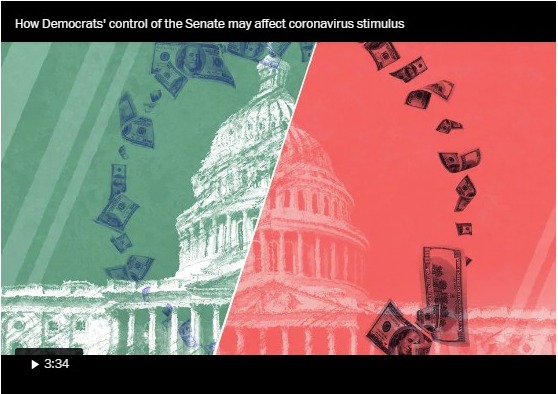
WASHINGTON – Sen. Mitt Romney, R-Utah, on Thursday will propose providing at least $3,000 per child to millions of American families, lending bipartisan support to President Joe Biden’s push to expand child benefits.

https://www.washingtonpost.com/video/c/embed/fbb1579b-120d-48e2-97bb-f6950cd1e9c3?ptvads=block&playthrough=false

Romney’s proposal would provide $4,200 per year for every child up to the age of 6, as well as $3,000 per year for every child age 6 to 17. Senior Democrats are drafting legislation as part of their $1.9 trillion stimulus proposal that would provide $3,600 per year for every child up to the age of 6, as well as $3,000 for every child aged 6 to 17.

The emergence of Romney’s child benefits plan as Democrats prepare a similar effort could give the White House an opportunity to incorporate policies with bipartisan support into its relief package. Romney has said Biden’s stimulus proposal is too expensive, meaning he may vote against the broader plan even if it includes much of his new child benefits proposal.

Romney’s new plan, like the one being explored by senior Democrats, would provide the benefit monthly by depositing it directly into taxpayer bank accounts. Advocates for expanding child benefits say they will make an enormous dent in child poverty in the United States, though some conservative scholars say the benefits may discourage parents from pursuing employment. The extent of GOP support for Romney’s proposal is unclear.

Unlike Democrats’ plan, Romney’s Family Security Act would be paid for, in part, by eliminating Temporary Assistance for Needy Families, a welfare program, as well as other existing federal tax credits for children and working families. Many Democrats are likely to oppose this part of Romney’s plan.

Romney is expected to offer the bill as an amendment to Democrats’ budget resolution on Thursday night, according to two people who spoke on the condition of anonymity to discuss internal planning. The budget resolution is the vehicle for passing Biden’s stimulus package.

“We have not comprehensively reformed our family support system in nearly three decades, and our changing economy has left millions of families behind,” said Romney, the GOP’s 2012 presidential nominee, in a statement. “Now is the time to renew our commitment to families to help them meet the challenges they face as they take on the most important work any of us will ever do – raising our society’s children.”

White House Chief of Staff Ron Klain reacted to the proposal on Thursday, tweeting: “Really looking forward to see what @SenatorRomney will propose here — an encouraging sign that bipartisan action to reduce child poverty IS possible.” Biden officials and Romney staffers discussed the plan after its release on Thursday, according to one person who spoke on the condition of anonymity to discuss the private conversations.

The United States has among the highest rates of child poverty in the developed world, a trend exacerbated by the coronavirus pandemic. The nation provides less financial support to families with children than all but a few developed countries. That has led Democratic lawmakers such as Sens. Michael Bennet of Colorado and Sherrod Brown of Ohio to lead legislation to expand child benefits that command near-universal support among the Democratic caucus.

Their push is now gaining bipartisan momentum in part because of social conservatives such as Romney and Sen. Mike Lee, R-Utah, who have also expressed alarm about high levels of child poverty.

Romney’s plan would have a significant effect on lowering child poverty, according to an analysis by the Niskanen Center, a center-right think tank. The percentage of children in poverty would fall by about 32%, with close to 3 million lifted out of poverty. The share of children in “deep poverty” would fall by about 50%, meaning about 1.2 million children would be lifted out of deep poverty, the analysis found.

“Romney’s proposal shows that there’s substantial bipartisan agreement around expanding child benefits,” said Ernie Tedeschi, an economist who served in the Treasury Department during the Obama administration. “A permanent expansion along the lines of what Senator Romney or President Biden have proposed would be among the most pro-family, anti-poverty policies in a generation.”

Some liberal Democrats said Romney’s plan could be improved by maintaining the tax credits and welfare program it proposes repurposing to fund the new child benefit. “It’s misguided to undercut the policy’s poverty-reducing impact by using deep cuts in other critical forms of support for low-income people to pay for it,” said Sharon Parrott, president of the Center on Budget and Policy Priorities, a Democratic-aligned think tank. “There are far better financing options that ask those who are doing the best to pitch in a little more.”

Romney’s plan would also not provide the benefit to those living in the United States without a Social Security number. In the 2017 tax law, the GOP stripped as many as 4 million immigrant filers from receiving the existing child tax credit – which Romney envisions repurposing for his new proposal.

Matt Bruenig, founder of the People’s Policy Project, a left-leaning think tank, said the benefits Romney’s new plan provide to poor families outweigh the potential downsides of eliminating these programs, which Bruenig said are complicated and hard for families to navigate.

On the right, Angela Rachidi, a conservative scholar at the right-leaning American Enterprise Institute, wrote last month that extending child benefits to the poorest families would “decrease employment for low-income parents.”

“When you add in other benefits nonworking people get – such as food stamps and housing assistance – [to the proposed child tax credit], you start getting $25,000 in benefits, which is where you start to get concerned about employment disincentives,” Rachidi said in an interview.

Sam Hammond, a poverty expert at the Niskanen Center, said work disincentives come from sharp declines in the values of benefits as worker income increase, something he said the Romney plan avoids.

Romney’s push reflects a slowly building change among policymakers away from several decades in which tax cuts often represented the principal antipoverty strategy of both parties, said Joshua McCabe, a historian of U.S. welfare policy at Endicott College.

With few taxes left to cut after enormous tax reductions in preceding decades, policymakers have in recent years begun to look at providing direct cash payments to the poor. That trend was dramatically accelerated by the federal government’s response to the coronavirus pandemic over the past year, as tens of millions of people were sent direct payments by the IRS, in a policy backed by politicians of both parties.

“Since we’ve exhausted the tax cut strategy, lawmakers have begun to creep into direct payments. But covid relief blew the lid off of that idea – it naturalized and legitimized it,” McCabe said. “This is why we now have Republicans saying this is the best way to fight poverty.”

Romney’s plan differs from Biden’s in several key ways. Romney is proposing to pay for the measure by consolidating existing government programs and ending a policy that lets Americans deduct up to $10,000 in state and local taxes off their federal tax obligations, a move Democrats are expected to oppose, especially those representing areas with higher taxes.

If enacted, Romney’s plan would be deficit-neutral and finance the new child benefit through 2025, the Niskanen Center’s analysis found.

Biden has proposed a one-year expansion of the child benefit that would add about $120 billion to the deficit. Senior Democrats and Biden officials have said they aim to make the benefit permanent after it is potentially approved for one year in the current stimulus package.

Under Romney’s plan, the size of the benefit would also begin to diminish at above $200,000 in annual income for single tax filers, as well as $400,000 for joint filers. Democrats have not detailed income thresholds on the child tax credit expansion they are expected to unveil in days.

Romney’s plan would also call for the new benefit to be administered through the Social Security Administration, rather than the IRS, which some experts believe would make it easier for the federal government to reach poor families with unreliable tax return information. It would also cap the potential monthly benefit one family can receive at $1,250.

U.S. jobless claims fall to lowest level since end of November #SootinClaimon.Com

#SootinClaimon.Com : ขอบคุณแหล่งข้อมูล : หนังสือพิมพ์ The Nation.

U.S. jobless claims fall to lowest level since end of November

InternationalFeb 05. 2021A representative speaks with job seekers during a fair for construction jobs at the Lucas Museum of Narrative Art in Los Angeles on Sept. 16, 2019. MUST CREDIT: Bloomberg photo by Patrick T. Fallon.A representative speaks with job seekers during a fair for construction jobs at the Lucas Museum of Narrative Art in Los Angeles on Sept. 16, 2019. MUST CREDIT: Bloomberg photo by Patrick T. Fallon.

By Syndication Washington Post, Bloomberg · Olivia Rockeman

Applications for U.S. state unemployment benefits fell last week to the lowest level since the end of November, a sign that job cuts are starting to slow as covid-19 infections ebb.

Initial jobless claims in regular state programs decreased by 33,000 to 779,000 in the week ended Jan. 30, the third straight decline, Labor Department data showed Thursday. On an unadjusted basis, applications dropped to 816,247.

Continuing claims — an approximation of the number of Americans filing for multiple weeks of state benefits — decreased to 4.59 million in the week ended Jan. 23. Economists in a Bloomberg survey forecast 830,000 initial claims and 4.7 million continuing claims.

The figures, while still elevated, indicate that layoffs related to the pandemic are starting to ebb after jobless claims picked up in December and early January. In the coming months, as more Americans get inoculated and virus cases fall, economic activity is poised to resume and job cuts may decline further.

Policymakers are starting to lift some of the most stringent business restrictions, which should also help to stabilize the labor market. New York Governor Andrew Cuomo said indoor dining can reopen in New York City on Feb. 14, and California Governor Gavin Newsom lifted the state’s stay-at-home order on Jan. 25.

The S&P 500 rose for a fourth day and the yield on the 10-year Treasury note increased to its highest since mid-March. Some economists, including those at Goldman Sachs Group Inc., raised their forecasts for January payrolls following the claims report and other recent labor market data.

The jobless claims data precede Friday’s monthly jobs report, which is forecast to show the economy added about 100,000 jobs last month after a 140,000 decline in December. Data from ADP Research Institute Wednesday showed company payrolls increased by 174,000 in January.

On Tuesday, Senate Democrats put President Joe Biden’s $1.9 trillion stimulus plan on a fast track to passage, increasing the likelihood it eventually passes on a party-line vote. The bill text has not been drafted yet, but Biden’s proposal includes an extension of expiring federal unemployment programs through September and an increase of supplemental benefits from $300 to $400 per week.

Separate data Thursday showed productivity — or output per hour — fell in the final three months of 2020 by the most since 1981. The decline was a result of a larger jump in hours worked than in output, as more Americans headed back to work.

Other details:

– States reporting the largest declines in initial claims included Illinois, which showed a more than 55,000 decrease; Among others, Texas and Kansas had declines that exceeded 8,000.

– Initial claims in California surged by more than 46,000.

– Initial claims for Pandemic Unemployment Assistance for self-employed and gig workers fell by 54,678 to 348,912 last week on an unadjusted basis. The program has been subject to widespread fraud, with California estimating that 95% of the state’s fraudulent payments were for PUA claims.

– In the week ended Jan. 16, there were 3.6 million continuing claims for Pandemic Emergency Unemployment Compensation, which provides extended jobless benefits for those who have exhausted their regular state benefits.

OPEC+ pledges to pursue speedy rebalancing of oil market #SootinClaimon.Com

#SootinClaimon.Com : ขอบคุณแหล่งข้อมูล : หนังสือพิมพ์ The Nation.

OPEC+ pledges to pursue speedy rebalancing of oil market

InternationalFeb 05. 2021An oil pumping jack in an oilfield near Dyurtyuli, in the Republic of Bashkortostan, Russia, on Nov. 19, 2020. MUST CREDIT: Bloomberg photo by Andrey RudakovAn oil pumping jack in an oilfield near Dyurtyuli, in the Republic of Bashkortostan, Russia, on Nov. 19, 2020. MUST CREDIT: Bloomberg photo by Andrey Rudakov

By Syndication Washington Post, Bloomberg · Grant Smith, Salma El Wardany

OPEC+ said it will keep pushing to quickly clear the oil surplus left behind by the pandemic, a bullish signal for prices that have already surged to a one-year high.

Ministers led by Saudi Arabia and Russia “stressed the importance of accelerating market re-balancing without delay” amid “uncertain” prospects for the global economy and oil demand on Wednesday. Crude in New York extended gains after the communique, advancing to above $56 a barrel. Brent neared $59 and increased its rise this year to around 14%.

The Organization of Petroleum Exporting Countries and its allies have taken a two-month pause while restoring some of the millions of barrels of crude output they halted when the coronavirus emerged to crush fuel demand last spring. Saudi Arabia is tightening supplies further this month and next with a unilateral cut of 1 million barrels a day.

The committee left any discussion about what to do after the two-month hiatus ends to its next full ministerial meeting in early March. OPEC+ is currently withholding just over 7 million barrels of daily output, or roughly 7% of global supplies.

The online meeting of the Joint Ministerial Monitoring Committee was unusually smooth and brief for an OPEC+ gathering, lasting just over an hour. When the 23-nation coalition met last month, talks spilled into two days and were marred by discord over how far to constrict supplies.

Saudi Energy Minister Prince Abdulaziz bin Salman had sprung the kingdom’s extra cutback onto a mostly unsuspecting market, and against the counsel of his Russian counterpart, Alexander Novak. WTI has risen about 17% since then.

While Riyadh has often pushed for measures that would support prices — and thus help cover government spending — Moscow takes a different view, fearing that high prices will provoke a flood of supplies from rivals like U.S. shale drillers.

But in the communique endorsed by ministers on Wednesday, OPEC+ members seemed closely aligned on the merits of keeping a tight leash on supplies. The additional Saudi curb was “noted” by the committee “with gratitude.”

The group’s internal data showed its strategy will continue to succeed. Bloated oil inventories in developed nations should subside back to their 2015-2019 average by August, according to a report compiled for the JMMC.

“The gradual rollout of vaccines around the world is a positive factor for the rest of the year boosting the global economy and oil demand,” according to the committee’s statement.

The debate could be more lively in March, when OPEC+ will need to decide whether to revive another chunk of halted output. The group is restoring supplies in increments of as much as 500,000 barrels a day each month.

The committee urged members to remain “vigilant and flexible.”

The JMMC’s leaders once again pressed members who haven’t fully implemented the cuts they promised — such as Iraq — to make good on their commitments, delegates said. Reeling from an economic crisis, Iraq often flouted its mandated production limits last year in order to shore up government revenue.

The country repeated its readiness to compensate for earlier overproduction, according to a statement released by OPEC after the meeting. Kazakhstan, which has also regularly breached its limits, issued a similar pledge.

Baghdad had often said it will meet its commitments, and pledged a sharp reduction in January to finally atone for breaching its output limit. However, export data showed it once again failed to do so.

Iraq pumped 3.807 million barrels a day of crude last month, which was 50,000 barrels a day less than its quota, the nation’s main energy marketer, SOMO, said in a statement Wednesday soon after the OPEC+ communique was published.

SOMO said Iraq had further compensation to make of 576,000 barrels daily this month and next.

To improve lagging compliance in several African members, OPEC+ appointed Nigeria’s minister of state for oil, Timipre Sylva, as a special envoy, according to a separate statement. Sylva will liaise with the Republic of Congo, Equatorial Guinea, Gabon and South Sudan to discuss improving their implementation, and making up for previous misses.

Vaccination rates are driving many currencies #SootinClaimon.Com

#SootinClaimon.Com : ขอบคุณแหล่งข้อมูล : หนังสือพิมพ์ The Nation.

Vaccination rates are driving many currencies

InternationalFeb 05. 2021A pedestrian passes a currency exchange signs in London on Jan. 5, 2021. MUST CREDIT: Bloomberg photo by Hollie Adams.A pedestrian passes a currency exchange signs in London on Jan. 5, 2021. MUST CREDIT: Bloomberg photo by Hollie Adams.

By Syndication Washington Post, Bloomberg · Susanne Barton, William Shaw, Laura Cooper

The stop-start pace of vaccine rollouts around the world is handing investors a new route to profit in the $6.6 trillion-a-day currency markets.

Of the five countries leading the fight against covid-19, all but one saw their currencies gain versus the dollar in January, according to a Bloomberg study of the 15 biggest economies with publicly available vaccination and infection data. The U.K.’s inoculation progress offset elevated case rates enough to propel the pound higher, while the European Union’s chaotic distribution has weighed on the euro. These moves have blurred the picture for the dollar, which lies on the other side of these trades and has defied expectations that it would weaken even as the U.S. itself grapples with varied infection and vaccination rates.

As the pandemic shifts the currency trading landscape, one thing is becoming clear: gone are the days when central bank rate outlooks and growth differentials were the pre-eminent drivers of trading strategies. Instead, fund managers like those helping oversee billions of dollars at Aberdeen Standard Investments and Brandywine Global Investment Management are becoming amateur experts on herd immunity, parsing the growing correlations between inoculations and foreign exchange for trading signals.

“The trend in terms of speed of vaccinations, and then in terms of the infection rates as a follow through, gives a good insight into who will open up fastest,” said Charles Diebel, who manages about 4.5 billion euros ($5.4 billion) at Mediolanum in Dublin.

Many traders see defeating the virus as a prerequisite to a nation rebooting its economy, and thereby bolstering its currency, elevating the importance of a successful — and quick — vaccine rollout.

For example, Australia’s dollar took a dive versus its New Zealand peer last week after Germany cast doubt on the effectiveness of AstraZeneca’s covid-19 shot, which forms part of Australia’s vaccination program.

But nowhere is the relationship between currencies and the vaccine clearer than in the U.K. Britain ranked near the top of a Bloomberg study of three variables: cumulative progress in vaccinations and pace of rollouts, offset by the rate of virus infections.

As of Wednesday, the U.K. had administered 15.8 doses per 100 people, compared with 10.7 in the U.S. and just 3.2 in the European Union.

A “vaccine spread trade is starting to develop,” said Michael Brown, senior market analyst at Caxton FX, a payments firm based in London. Brown sees this divergence benefiting short euro positions against the pound.

It may also boost the dollar. While the U.S.’s continued global lead in new coronavirus cases has offset the positive impact of vaccines, the dollar has strengthened since America’s rollout kicked off in earnest mid-December.

Nordea’s Martin Enlund sees vaccine divergences as among the reasons to expect U.S. growth expectations to climb versus the euro area, while Standard Chartered strategists Steven Englander and Geoff Kendrick point to the EU’s vaccine lag as a downside risk to their forecast for euro strength this quarter.

For Aberdeen Standard Investments, it’s enough to bet that the dollar will instead outpace the euro.

“The U.S. also has covid issues but its vaccine rollout will be more rapid than the EU,” said James Athey, a fund manager at Aberdeen Standard. “High-level stats on such progress are an input into our thinking.”

Still, while some traders see vaccine progress as a straight-up boon for a currency, others are taking that calculus one step further.

For Brandywine’s Jack McIntyre, a speedy rollout in America, particularly in tandem with one in China, could actually weaken the dollar. That’s because success in these two nations would likely spur a global recovery, driving investors away from havens — like the greenback.

That’s why McIntyre, who helps manage $63 billion, has been buying currencies of countries driven by natural resources since July, including the Mexican and Colombian pesos, and the Australian and Canadian dollars.

For others, it’s about looking at how the pace of vaccinations ultimately feeds into the trajectory of more traditional drivers — such as central-bank policy and economic growth.

Take the shekel, which enjoyed world-beating gains earlier this month on the back of Israel’s global lead in inoculations — that is, until the Bank of Israel announced plans on Jan. 14 to spend an unprecedented $30 billion to rein in currency strength.

It’s key that investors watch how vaccines play into the thinking at central banks, as many are basing forecasts and the tone of policy statements on progress in inoculations, according to Simon Harvey, senior market analyst at Monex Europe Ltd. in London.

“The quicker effective vaccines can be distributed, the earlier economies can reopen and their recoveries can resume,” he said.

Fed officials play down wild stocks, policy ‘staying the course’ #SootinClaimon.Com

#SootinClaimon.Com : ขอบคุณแหล่งข้อมูล : หนังสือพิมพ์ The Nation.

Fed officials play down wild stocks, policy ‘staying the course’

InternationalFeb 05. 2021Loretta Mester, president and chief executive officer of Federal Reserve Bank of Cleveland, during the National Association of Business Economics economic policy conference in Washington on Feb. 24, 2020. MUST CREDIT: Bloomberg photo by Melissa Lyttle.Loretta Mester, president and chief executive officer of Federal Reserve Bank of Cleveland, during the National Association of Business Economics economic policy conference in Washington on Feb. 24, 2020. MUST CREDIT: Bloomberg photo by Melissa Lyttle.

By Syndication Washington Post, Bloomberg · Catarina Saraiva, Steve Matthews, Matthew Boesler

Federal Reserve officials played down the economic impact of recent stock-market volatility in the latest sign the U.S. central bank is not close to scaling back its massive bond purchases.

“We should be monitoring to make sure that volatility doesn’t spill over into other parts of the financial market but at this point this is not one of those kinds of situations,” Cleveland Fed President Loretta Mester told CNBC in an interview Thursday when asked about wild swings in the price of GameStop Corp.

The remarks follow others from U.S. central bankers playing down the economic implications of the frenzy in the stock of the video-game retailer and other firms that’s pitted retail investors against Wall Street professionals — prompting Treasury Secretary Janet Yellen to summon top regulators to review recent events.

The Fed left interest rates unchanged near zero last week and repeated its pledge to keep buying bonds at a $120 billion monthly pace until it’s made “substantial further progress” toward its goals. Chair Jerome Powell said it’s premature to discuss tapering asset purchases with the labor market far from full employment and the economy moderating.

“We are still in the middle of a crisis, so it’s too early to initiate that discussion,” St. Louis Fed President James Bullard told reporters Wednesday. He said he would “look for leadership from the chair as to when we would want to initiate a discussion about that.”

Mester, who also spoke on Wednesday, and Chicago’s Charles Evans additionally indicated that they were comfortable with the current setting of monetary policy.

Mester said it was in a “good spot.” Evans saw the Fed “staying the course for a while” and dismissed market swings, telling reporters “at the moment, I don’t see that as a link to macroeconomic borrowing costs for businesses or households.”

Some critics claim the Fed’s ultra-easy monetary policy has helped buoy financial markets by flooding them with cheap money.

Yellen told ABC television’s “Good Morning America” earlier on Thursday that “we really need to make sure that our financial markets are functioning properly, efficiently and that investors are protected.” The meeting, being held later in the day, would discuss if recent events “warrant further action,” she said.

The meeting will gather the Securities and Exchange Commission, the Commodity Futures Trading Commission, the Federal Reserve Board and the Federal Reserve Bank of New York. The other 11 regional Fed presidents will not take take part.

Bullard said financial-stability concerns have eased since last spring, when the pandemic took hold in the U.S., and the stock market’s recovery reflects investors’ more positive view of the outlook for companies. Trading of GameStop would be an issue to be considered by securities regulators, not the Fed, and monetary policy would not be affected, he said.

“I’m not really seeing that right now,” he told reporters when asked about increased risks. “Fed policy has been appropriate given the crisis that we are in. I think it has helped to stabilize the economy and put the economy on a recovery path since May of 2020, and that recovery looks poised to continue, possibly very strongly.”

Employment losses from the pandemic have been concentrated in temporary furloughs, and these workers may be called back faster than those who permanently lost jobs, Bullard said. A recall of those on temporary layoffs would bring the unemployment rate down to as low as 4.8% from it’s December reading of 6.7%, he said.

Bullard told reporters the unemployment rate could drop to about 4.5% by the fourth quarter. Evans separately said said it could fall to around 5% — or maybe a little less — by year-end.

Data released on Thursday showed applications for U.S. state unemployment benefits fell last week to the lowest level since the end of November, a sign that job cuts are starting to slow as covid-19 infections ebb.