Virginia teacher aims to empower readers with the right book #ศาสตร์เกษตรดินปุ๋ย

#ศาสตร์เกษตรดินปุ๋ย : ขอบคุณแหล่งข้อมูล : หนังสือพิมพ์ The Nation

https://www.nationthailand.com/edandtech/30380814?utm_source=category&utm_medium=internal_referral

Virginia teacher aims to empower readers with the right book

Jan 21. 2020
Corrina Reamer built a personalized library for her 11th-grade English class in Alexandria, Va., by raising money online and applying for grants. MUST CREDIT: Washington Post photo by Matt McClain

Corrina Reamer built a personalized library for her 11th-grade English class in Alexandria, Va., by raising money online and applying for grants. MUST CREDIT: Washington Post photo by Matt McClain
By The Washington Post · Hannah Natanson

To teach a love of reading, Corrina Reamer starts by writing.

Each fall, she pens a letter to her 11th grade English class at T.C. Williams High School International Academy in northern Virginia. She tells the students who she is: where she’s from, the jobs she has held, which TV shows she favors. Then, she asks for a reply.
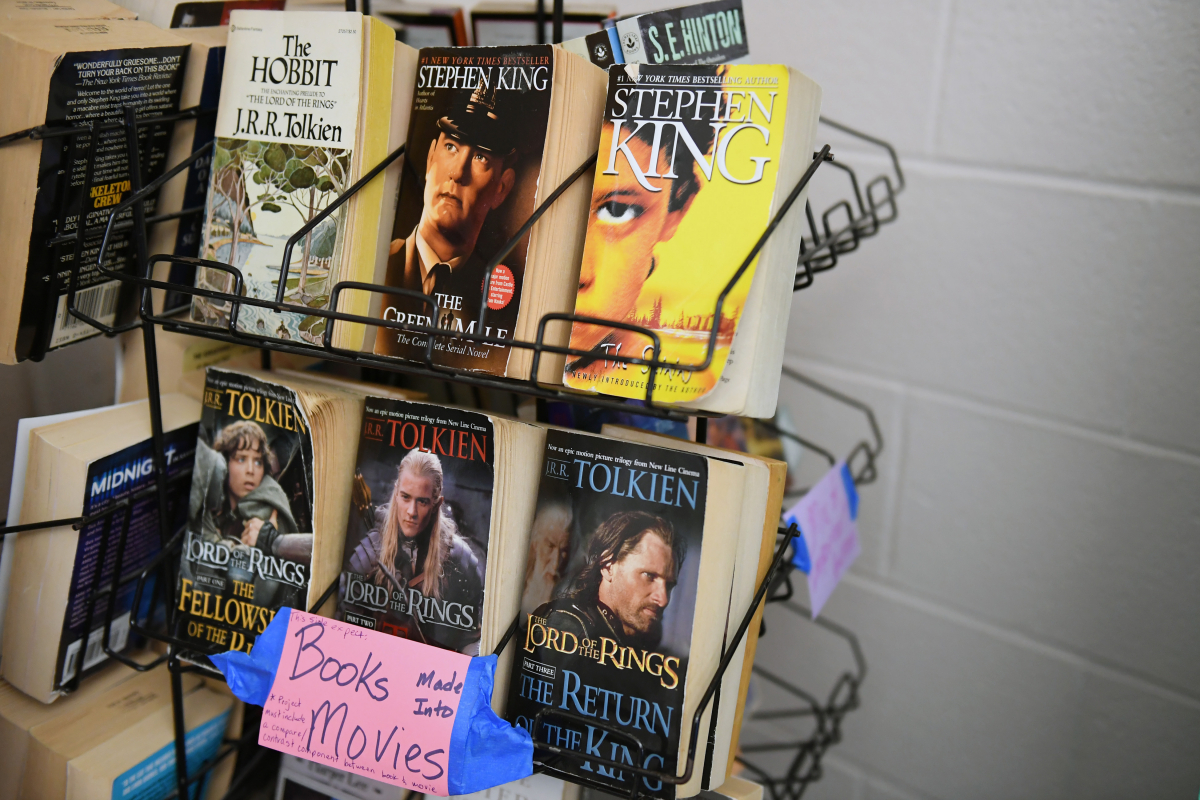
Corri Reamer built a book-fillled haven, dubbed Reamer's Reading Retreat, in a corner of her classroom. MUST CREDIT: Washington Post photo by Matt McClain

Corri Reamer built a book-fillled haven, dubbed Reamer’s Reading Retreat, in a corner of her classroom. MUST CREDIT: Washington Post photo by Matt McClain

“I read all of those letters,” Reamer said. Over the next few weeks, “I think about it. I come up with three to five books for each kid, and we sit down, face-to-face, to read the jackets.”

She picks the possibilities from a meticulously curated library of almost 1,000 books she houses on shelves painted turquoise and burnt-orange in her third-floor classroom – a library she paid for through online fundraisers and grants. Reamer, 45, offers the teens texts meant to feel familiar: The characters might resemble her students, practice their religion, speak their language.

Reamer knows she has found the right book, she said, “when the kid just lights up – there should be an ‘Ooooooh!’ noise.”

She is seeing early success, which she attributes both to the personalized selections and to her habit of reading aloud to students. In the four years since Reamer began teaching at the Alexandria, Virginia, campus, her students – all immigrant or international students with limited English – have on average achieved two years’ worth of reading progress each year.

Reamer is a rare bright spot at a moment when children’s reading proficiency is plunging nationwide. A study released last year by the National Center for Education Statistics found that two-thirds of fourth- and eighth-graders in the United States do not meet basic federal standards for reading proficiency, capping a decade’s worth of poor performance.

In Virginia, students’ reading scores on the National Assessment of Educational Progress – an exam widely known as “the nation’s report card” – have declined since 2017.

Bob Farrace, spokesman for the National Association of Secondary School Principals, said lackluster literacy levels contribute to a larger disaffection with learning. He pointed to a 2016 Gallup survey that found just one-third of 11th- and 12th-graders nationally report feeling “engaged” by what they study in school. Although Reamer is teaching to students who come from abroad, Farrace said, her methods offer a path for educators everywhere.

“She’s clearly empowering kids to take control of their reading and thus, their learning,” Farrace said. “Allowing for that kind of choice needs to become a schoolwide culture.”

Farrace said it’s troubling – if typical – that Reamer had to raise money to make it possible. Federal data show that nine in 10 educators spend almost $500 each year on school supplies. The Washington Post reported that teachers often go to extreme lengths to find classroom resources, begging friends for help, visiting Goodwill or scouring garage sales.

Reamer estimates she garnered roughly $10,000 over the past three years by soliciting donations on the website DonorsChoose, while $5,000 more came from grants and from an Alexandria parent-teacher group.

This month, she’s hosting two DonorsChoose fundraisers: one for paperbacks and magazines “that should fit in any teen’s back pockets” and one for “a selection of classics.”

It takes time – hours every week – to stay on top of her grant applications and fundraisers, Reamer said. She often works on both late into the night, a level of devotion she acknowledged may be impossible for some teachers.

“I don’t mind sitting on the couch with a cocktail and writing a grant, but if you have kids you might not have time,” she said.

For the most part, Reamer said, she feels well supported by Alexandria City Public Schools. T.C. Williams boasts a well-stocked library, she said, staffed by knowledgeable librarians – and she knows that is not the case for many schools.

“In some places, entire school libraries are in the situation where they have to do fundraising to receive books,” said Audrey Church, director of the School Librarianship graduate program at Longwood University.

Reamer started her first fundraiser three years ago because she wanted to build a book collection tailored to her students, one boasting texts at every reading level. She also hoped to collect stories featuring diverse characters.

“When a student named Meena from Afghanistan can come in, and I can hand her a book with a main character named ‘Meena,’ ” Reamer said, “you can bet she’s going to read that whole book.”

Nationally, the push for diverse books gained serious momentum about a half-decade ago, Church said, with the founding of the nonprofit We Need Diverse Books. The movement is built around a three-part theory, Church said: that texts should serve as mirrors, windows and sliding glass doors.

Children must see themselves in what they read – that’s the mirror piece, Church said. But they should also read about people who are different – the window. And they must “make that connection that we’re all different, but we’re all alike, and we should be accepting of all,” Church said. That’s the sliding door.

Over the past two years, Alexandria City Public Schools – where 72% of students are black, Hispanic or Asian – has moved to diversify its library and textbook offerings. In 2018, the school system set aside $1.2 million to purchase more than 70,000 “diverse and culturally sensitive” books and related materials for students in kindergarten through fifth grade.

In the fall, Alexandria City schools won $60,000 from the nonprofit First Book, which gives books to disadvantaged children nationwide. That money will allow more than 10,000 children to take home between one and three books over the next few months, said Shanna Samson, the administrator who applied for the grant.

At each school in Alexandria, educators will work to select books – often, bilingual texts – that match the demographics of their classrooms.

“As our nation becomes more and more diverse, we just need to be more representative of our students,” Samson said. “Our content must be representative of our country.”

At the start of the year, Reamer used a small percentage of the money she has received to purchase furniture for Reamer’s Reading Retreat, set up in a cozy corner.

Nearly every morning, students arrive before school starts, grab a book and settle down in one of three canvas chairs – and a rocking chair – to snatch a blissful 15 minutes cocooned among colorful pillows and patterned blankets. Reamer estimates roughly three-fourths of her current and former students read books on their own, in their free time.

Spaced around Reamer’s classroom, at least four separate signs bear the same verb: “READ.”

Shekofa Hussaini, 18, needs no instruction.

Hussaini, a student in Reamer’s Honors English class, packs the book she’s reading – David Levithan’s “Some Day” – into her school bag each morning. Even if she doesn’t find time to open it, Hussaini said, she likes to have the novel nearby.

It’s the second installment in a four-part saga centered on “A,” the protagonist who is cursed to awaken in a different body every morning. Reamer recommended the series after Hussaini – who emigrated from Afghanistan three years ago – confided she likes to “get to know a lot of different people.”

The books resonated for another reason.

In childhood, after watching a medical drama on television, Hussaini decided she wanted to be a doctor. In Afghanistan, that felt impossible. Even after moving to the United States, it still seems daunting.

But then she thinks about A’s never-failing determination to court love interest Rhiannon – no matter the protagonist’s inability to remain in one body.

A’s “perseverance reminds me of my own,” Hussaini said. “I read, and know that I will not give up.”


โลกยิ่งเร็วภัยไซเบอร์ยิ่งแรง #ศาสตร์เกษตรดินปุ๋ย

#ศาสตร์เกษตรดินปุ๋ย : ขอบคุณแหล่งข้อมูล : หนังสือพิมพ์คมชัดลึก

https://www.komchadluek.net/news/lifestyle/411088?utm_source=category&utm_medium=internal_referral&utm_campaign=lifestyle

โลกยิ่งเร็วภัยไซเบอร์ยิ่งแรง

20 มกราคม 2563 – 00:00 น.
ภัยไซเบอร์,อินโนสเปซ,อาชญากรไซเบอร์,ออนไลน์
เปิดอ่าน 110 ครั้ง

โลกยิ่งเร็วภัยไซเบอร์ยิ่งแรง คอลัมน์…  อินโนสเปซ  โดย…  บัซซี่บล็อก 

โลกยิ่งเคลื่อนไปข้างหน้าเร็วขึ้นตามความก้าวหน้าของยุคดิจิทัลและเครือข่ายออนไลน์ที่แทรกซึมอยู่ในทุกอณูของการใช้ชีวิตผ่านอุปกรณ์ที่สามารถพูดคุยกันได้อัตโนมัติผ่านอินเทอร์เน็ตและโทรศัพท์มือถือที่อยู่ติดกาย ในอีกด้านเหล่าอาชญากรไซเบอร์ก็ยิ่งจู่โจมเหยื่อได้รวดเร็วและรุนแรงขึ้นกัน มีข้อมูลจากมหาวิทยาลัยแมริแลนด์ เปิดเผยว่า แต่ละวันจะมีการจู่โจมทางไซเบอร์เกิดขึ้น 2,244 ครั้ง หรือเฉลี่ยทุกๆ 39 วินาที จะมีการจู่โจม 1 ครั้ง

ขณะที่ตัวเลขอื่นๆ ที่บ่งชี้ความรุนแรงต่อเนื่องของภัยไซเบอร์ ได้แก่ เฉพาะช่วง 6 เดือนแรกของปี 2562 มีข้อมูลรั่วไหลสู่มือวายร้ายไซเบอร์ถึง 4.1 พันล้านไฟล์ข้อมูล (ที่มา : ริสก์เบส) โดยเวอไรซอน ได้เจาะลึกลงไปพบว่า 71% ของเป้าหมายโจมตีเพื่อมุ่งหวังเงิน และ 21% เป็นการจารกรรมข้อมูล ซี่งการรั่วไหลของขัอมูลเหล่านี้ 52% เกิดจากการแฮ็กข้อมูล อีกประเด็นที่น่าสนใจก็คือ แม้จะมีความพยายามปกป้องตัวเองจากการถูกแฮ็ก/เจาะข้อมูลด้วยการตั้งรหัสผ่าน แต่ก็ดูเหมือนว่าน่าจะไม่เพียงพออีกต่อไป โดยรายงานจากบริษัท ไซเบอร์ซีเคียวริตี้ มีเดีย ระบุว่าภายในสิ้นปี 2563 จะมีจำนวนรหัสผ่านที่ใช้กันอยู่ทั้งโดยมนุษย์และเครื่องจักร/คอมพิวเตอร์ต่างๆ มากถึง 3 แสนล้านรหัส

ล่าสุด นายเท็ด เฮอเบิร์ต รองประธานฝ่ายการตลาดของโกลบอลไซน์ (GlobalSign) ก็ออกมาส่งสัญญาณเตือนว่ายุคของการแฮ็กผ่านอุปกรณ์อัจฉริยะ (smart devices) กำลังคืบคลานเข้ามาแล้ว ปัจจุบันมีจำนวนอุปกรณ์ที่เชื่อมต่ออินเทอร์เน็ตได้ หรือไอโอที (IoT) เกือบ 3 หมื่นล้านชิ้นทั่วโลก และทุกๆ 1 วินาที จะมีอุปกรณ์ใหม่ๆ โดยเฉลี่ย 127 ชิ้นที่ถูกนำไปเชื่อมต่ออินเทอร์เน็ต อีกทั้งคาดว่าภายในอีก 5 ปีข้างหน้าจะมีจำนวนอุปกรณ์ไอโอทีทั่วโลกมากกว่า 7 หมื่นล้านชิ้น

เมื่อไม่นานนี้ นายเดอริค มันคี นักกลยุทธ์ความปลอดภัยเครือข่ายระดับโลก บริษัท ฟอร์ติเน็ต ได้นำเสนอมุมมองคาดการณ์แนวโน้มภัยไซเบอร์ในปี 2563 ไว้ส่วนหนึ่งว่า “จะเห็นการใช้เทคโนโลยีใหม่ๆ โจมตีทุกรูปแบบ ในปริมาณมาก สามารถหลบหลีกการตรวจพบ ชุมชนอาชญากรไซเบอร์ประสบความสำเร็จในการคุกคาม โดยอาศัยทำนายการตัดสินใจของเหยื่อที่แม่นยำมากขึ้นและใช้ประโยชน์จากการเชื่อมโยงเครือข่ายมากขึ้น จึงพบภัยคุกคามมากขึ้น”

จากรายงานภัยคุกคามภูมิทัศน์ความปลอดภัยทางไซเบอร์ล่าสุดจากฟอร์ติเน็ต พบว่า อีกกลยุทธ์ที่ใช้คือการกำหนดเป้าหมายการโจมตีในปริมาณมากที่สุด เช่น อาชญากรกำลังกำหนดเป้าหมายไปยังบริการที่ส่วนที่มีการเชื่อมต่อกับสาธารณชนมากขึ้น ซึ่งอาจเป็นการฉวยโอกาสที่องค์กรกำลังมุ่งมั่นกับการอัพเกรดอุปกรณ์เกตเวย์รักษาความปลอดภัยให้ระบบอีเมลของตนและฝึกอบรมบุคลากรเพื่อต่อสู้กับภัยฟิชชิ่งที่มีมากมายในขณะนี้อยู่ อาชญากรจึงใช้กลยุทธ์โจมตีที่แตกต่างกันในปริมาณมาก และคุกคามเข้ามาในเครือข่ายได้สำเร็จ

และที่น่าสนใจมากที่สุดในขณะนี้คือการพัฒนากลยุทธ์การโจมตีที่ใช้การทำงานร่วมของภัยประเภทหนอน (Swarm-based attacks) ทั้งนี้ ภัยหนอนอัจฉริยะกลุ่มใหม่ที่เกิดจากบ็อต (Bot) ที่ปรับแต่งได้ และถูกจัดกลุ่มรวมกันตามฟังก์ชั่นการโจมตีที่เฉพาะเจาะจง หนอนอัจฉริยะกลุ่มใหม่นี้จะสามารถแบ่งปันและเรียนรู้จากกันและกันได้แบบเรียลไทม์ สามารถกำหนดเครือข่ายเป้าหมาย และโจมตีเหยื่อ ในทุกด้านได้พร้อมๆ กันอย่างง่ายดาย ดังนั้นจึงเป็นความท้าทายในศักยภาพของเครือข่ายที่จะต้องป้องกันตนเองให้ได้อย่างแข็งแกร่ง

ดังนั้นถึงเวลาแล้วสำหรับการคิดใหม่ ทำใหม่ องค์กรจำเป็นต้องเริ่มใช้เทคโนโลยีและกลยุทธ์ประเภทเดียวกันเพื่อปกป้องเครือข่ายที่อาชญากรใช้ในการคุกคามเข้ามา นั่นคือการใช้วิธีการป้องกันภัยแบบบูรณาการอย่างชาญฉลาดซึ่งใช้ประโยชน์จากพลังงานและทรัพยากรที่องค์กรมีอยู่ในปัจจุบัน

เทคโนโลยีเอไอ (Artificial Intelligence : AI) เป็นหนึ่งในความหวังที่ดีที่สุดในการช่วยองค์กรเผชิญกับปัญหาภัยคุกคามใหม่ๆ นี้ได้ โดยมีเป้าหมายคือการพัฒนาระบบภูมิคุ้มกันแบบปรับตัวได้เองสำหรับเครือข่าย คล้ายกับระบบภูมิคุ้มกันในร่างกายมนุษย์ ซึ่งในร่างกายของเรา จะมีเซลล์เม็ดเลือดขาวที่จะเข้ามาช่วยเหลือเมื่อตรวจพบปัญหาโดยอัตโนมัติ เพื่อต่อสู้กับการติดเชื้อ ในขณะที่ยังจะส่งข้อมูลกลับไปที่สมองเพื่อการประมวลผลที่มากขึ้น เช่น การจัดสรรทรัพยากรเพิ่มเติมหรือจดจำการใช้ยาปฏิชีวนะ”

ด้าน นายอีแวน ดูมาส ผู้อำนวยการประจำภูมิภาคเอเชียตะวันออกเฉียงใต้ บริษัท เช็ค พอยท์ ซอฟต์แวร์ เทคโนโลยีส์ จำกัด กล่าวในทิศทางเดียวกันว่า จากสถานการณ์ในปี 2562 แสดงให้เห็นภัยคุกคามที่มีความซับซ้อนอย่างมาก องค์กรต้องนำแผนเชิงรุกมาใช้เพื่อป้องกันและอยู่นำหน้าการโจมตีของอาชญากรไซเบอร์ให้ได้ ความสามารถในการตรวจจับและการบล็อกการโจมตีโดยอัตโนมัติตั้งแต่ระยะเริ่มแรก จะช่วยป้องกันไม่ให้เกิดความเสียหายขึ้นได้

ทั้งนี้รายงานสรุปความปลอดภัยทางไซเบอร์ปี 2563 ของเช็คพอยท์ เปิดเผยข้อมูลและเทคนิคการโจมตีที่สำคัญๆ ที่นักวิจัยของเช็กพอยท์ตรวจพบได้ในช่วงปีที่ผ่านมาหลักๆ ได้แก่ 1.มัลแวร์ขุดบิตคอยน์ (Cryptominer) ยังคงยึดหัวหาดการโจมตีของมัลแวร์ เนื่องจากการใช้ซอฟต์แวร์ขุดเงินดิจิทัลยังคงเป็นกิจกรรมที่มีความเสี่ยงต่ำและให้ผลตอบแทนสูงสำหรับอาชญากร 2.กองทัพบ็อตเน็ตมีขนาดใหญ่ขึ้น โดยพบว่ามีองค์กรทั่วโลกได้รับผลกระทบเพิ่มขึ้นกว่า 50% จากปีก่อนหน้า

3.แรนซัมแวร์แบบมีเป้าหมายโจมตีหนักมาก อาชญากรเลือกเป้าหมายในการใช้แรนซัมแวร์อย่างระมัดระวัง โดยมีวัตถุประสงค์เพื่อเพิ่มรายได้จากการเรียกค่าไถ่ให้ได้สูงสุด 4.การโจมตีอุปกรณ์เคลื่อนที่ลดลง เป็นผลจากการที่เกิดความตระหนักที่สูงขึ้นเกี่ยวกับภัยคุกคามของอุปกรณ์เคลื่อนที่ 5.ปีแห่งการโจมตีของ Magecart ที่กำลังแพร่ระบาดอย่างรวดเร็ว โดยเป็นการนำรหัสที่เป็นอันตรายเข้าไปใส่ไว้ในเว็บไซต์อีคอมเมิร์ซเพื่อขโมยข้อมูลการชำระเงินของลูกค้าจากหลายร้อยเว็บไซต์ ตั้งแต่เครือโรงแรมขนาดใหญ่ ยักษ์ใหญ่ด้านการค้า ไปจนถึงธุรกิจเอสเอ็มอีในทุกแพลตฟอร์ม และ 6.การโจมตีระบบคลาวด์เพิ่มจำนวนขึ้น ขนาดของการโจมตีและการรั่วไหลของข้อมูลเพิ่มขึ้นอย่างต่อเนื่อง และกำลังพบโจมตีซึ่งพุ่งเป้าไปที่ผู้ให้บริการคลาวด์โดยตรงมากขึ้น

Justice Department official sees ‘fertile ground’ for encryption legislation in wake of Pensacola shooting #ศาสตร์เกษตรดินปุ๋ย

#ศาสตร์เกษตรดินปุ๋ย : ขอบคุณแหล่งข้อมูล : หนังสือพิมพ์ The Nation

https://www.nationthailand.com/edandtech/30380743?utm_source=category&utm_medium=internal_referral

Justice Department official sees ‘fertile ground’ for encryption legislation in wake of Pensacola shooting

Jan 18. 2020
By The Washington Post · Ellen Nakashima 

WASHINGTON – A senior Justice Department official on Friday said he saw an increasing willingness on Capitol Hill to pass legislation requiring tech companies to make their encrypted devices accessible to law enforcement, saying “the ground is as fertile as ever” for such action.

Assistant Attorney General John Demers declined to disclose “how far along we are on a decision to seek legislation” but leaned forward on the issue.

“I’ve never seen the atmosphere here in D.C. to be so conducive to passing some kind of encryption legislation or lawful access legislation as it is today,” Demers said during a discussion at the Wilson Center.

His remarks come in the wake of last month’s shooting at a naval base in Pensacola, Florida, that killed three people and led the FBI earlier this month to ask Apple for help opening two iPhones that belonged to the Saudi shooter. This week, U.S. Attorney General William P. Barr raised the issue again, accusing Apple of failing to provide “substantial assistance” and calling on the firm “to help us find a solution” to locked devices.

President Trump on Tuesday also weighed in with a harsh tweet: “We are helping Apple all of the time on TRADE and so many other issues, and yet they refuse to unlock phones used by killers, drug dealers and other violent criminal elements,” he said. “They will have to step up to the plate and help our great Country, NOW!”

Demers referred to a Senate hearing in December in which Senate Judiciary Committee Chairman Lindsey Graham, R-S.C., warned tech firms to find a way to build access into their phones or Congress would act. “My advice to you is to get on with it,” he said, “because this time next year, if we haven’t found a way that you can live with, we will impose our will on you.”

Any legislation would still have to pass a Democratic-controlled House, where a bipartisan alliance of privacy hawks and libertarians could block those efforts. Such legislation has been an uphill climb in Congress for years. A bipartisan draft law was circulated after the FBI in early 2016 was unable to get into the iPhone of a terrorist who carried out a mass shooting in San Bernardino, California, but it faced such criticism that it was never introduced.

In a statement, Apple rejected the assertion that it has not provided substantial help in the Pensacola case. Within six hours of the FBI’s first request on Dec. 6 and in the days after, it provided data, including iCloud backups and account information for multiple accounts, the firm said. One account belonged to the shooter.

The FBI notified Apple only on Jan. 6 – a month after the shooting – that it needed additional help, revealing that the gunman had a second phone. But, as the firm argued in 2016 when the FBI wanted help unlocking the phone in the San Bernardino case, it could not break into the device without hacking it. The FBI eventually paid a private contractor $900,000 to crack the passcode after disabling a security feature.

“There’s a good reason why Congress has failed to legislate up to now,” said Jennifer Daskal, a law professor at American University. “Once you get past the talking points, the range of security, privacy and economic risks become apparent.”

Facebook ordered to hand over data about thousands of apps that may have violated user privacy #ศาสตร์เกษตรดินปุ๋ย

#ศาสตร์เกษตรดินปุ๋ย : ขอบคุณแหล่งข้อมูล : หนังสือพิมพ์ The Nation

https://www.nationthailand.com/edandtech/30380741?utm_source=category&utm_medium=internal_referral

Facebook ordered to hand over data about thousands of apps that may have violated user privacy

Jan 18. 2020
By The Washington Post · Tony Romm 

A Massachusetts judge has ordered Facebook to turn over data about thousands of apps that may have mishandled its users’ personal information, rejecting the tech giant’s earlier attempts to withhold the key details from state investigators.

The decision amounted to a significant early victory for Maura Healey, the Democratic attorney general of Massachusetts, who said in a statement Friday that Facebook users – and local watchdogs – “have a right to know” whether the company broke the law and violated people’s privacy.

Facebook, however, signaled the fight may not be over, marking its latest effort to battle back state regulators who have intensified their scrutiny of the tech giant.

“We are disappointed that the Massachusetts Attorney General and the Court didn’t fully consider our arguments on well-established law,” spokesman Andy Stone said in a statement, adding: “We are reviewing our options, including appeal.”

Massachusetts revealed it was probing Facebook over its data-collection practices in September, an investigation that stemmed from the company’s entanglement with Cambridge Analytica. That privacy scandal already has resulted in a record-breaking, $5 billion federal fine for Facebook.

The court dispute centered on Facebook’s admission last year that it had suspended “tens of thousands” of apps for possible privacy violations. Facebook discovered the app issues as a result of an internal audit of its third-party developers, but it declined to share – with the public or with Massachusetts officials – exactly who it had suspended or many details about their potential wrongdoings.

Healey and her aides argued the data was critical, potentially showing that thousands of apps, some with large numbers of users, presented an elevated risk of privacy violations or behaved in a way that “may suggest data misuse,” her office said at the time. Facebook, however, fought to keep the evidence to itself, arguing it should be shielded from investigators.

After months of wrangling, the attorney general’s office took the issue before a Suffolk Superior Court judge, who ruled Friday that Facebook must surrender the information. Facebook now has 90 days to comply with the state’s request.

“We are pleased that the Court ordered Facebook to tell our office which other app developers may have engaged in conduct like Cambridge Analytica,” Healey said in a statement.

Facebook, for its part, has fought aggressively against states that have probed its privacy practices in the months after the Federal Trade Commission settled with the company. In California, for example, Facebook’s refusal to turn over key documents prompted Attorney General Xavier Becerra, a Democrat, to take the company to court in November.

Companies burned by big tech plead for Congress to regulate Apple, Amazon, Facebook and Google #ศาสตร์เกษตรดินปุ๋ย

#ศาสตร์เกษตรดินปุ๋ย : ขอบคุณแหล่งข้อมูล : หนังสือพิมพ์ The Nation

https://www.nationthailand.com/edandtech/30380740?utm_source=category&utm_medium=internal_referral

Companies burned by big tech plead for Congress to regulate Apple, Amazon, Facebook and Google

Jan 18. 2020
By The Washington Post · Tony Romm 

BOULDER, Colo. – Apple, Amazon, Facebook and Google took a public lashing at a congressional hearing here Friday, where some of their smaller rivals, including Sonos and Tile, pleaded with federal lawmakers to take swift action against big tech.

Democrats and Republicans at times appeared stunned as they heard tales of tech giants wielding their massive footprints as a weapon, allegedly copying smaller competitors’ features or tweaking their algorithms in ways that put encroaching companies at a costly disadvantage. The testimony came as part of a wide-ranging antitrust probe into Silicon Valley’s biggest players that House lawmakers aim to wrap up – with recommendations for regulation – in the coming months.

“It’s like soccer,” said Kirsten Daru, the general counsel of Tile, which has accused Apple of acting anti-competitively. “You might be the best team in the league, but you’re playing against a team that owns the field, the ball, the stadium and the entire league, and they can change the rules of the game at any time.”

The pleas for regulatory relief resonated with lawmakers, led by Rep. David Cicilline, D-R.I., the chairman of the House’s top antitrust committee. “It has become clear these firms have tremendous power as gatekeepers to shape and control commerce online,” Cicilline said to open the session.

The hearing at the University of Colorado-Boulder put a public face on the pain caused by some of the largest tech companies in the United States. Cicilline and his Democratic and Republican peers have sought to determine if federal antitrust law is sufficient to hold Silicon Valley accountable – and whether changes to federal law are necessary to address anti-competitive concerns in search, smartphones, e-commerce and social networking.

“I think it’s clear there’s abuse in the marketplace and a need for action,” said Rep. Ken Buck, a Republican from Colorado.

The House investigation comes as the U.S. government’s two competition agencies, the Federal Trade Commission and Justice Department, proceed with their own probes into Apple, Amazon, Facebook and Google for potential antitrust violations. Nearly every state attorney general, meanwhile, has trained their sights on Facebook and Google, announcing wide-ranging inquiries of their own earlier this year.

A key leader in those states’ efforts – Colorado Attorney General Phil Weiser – sketched out a broad, ambitious agenda for antitrust enforcement in a private meeting with U.S. lawmakers Friday morning, where he called on them to invest more resources in oversight.

“The idea we’re not going to regulate tech companies is so 1990s,” Weiser said in an interview before he spoke.

At the hearing, Tile took issue with Apple for changes to its most recent iOS software for iPhones and iPads. Tile said Apple’s tools to help smartphone owners find their missing items largely mimics its own offering. Adding to its advantages, Apple imposes tougher restrictions on how Tile and others collect much-needed location data, said Daru, the company’s general counsel.

“Tile welcomes competition,” she said, “but it has to be fair competition.”

Apple says its policies seek only to protect privacy, but lawmakers at times did not appear convinced, pointing to other instances in which the iPhone giant – seeing a successful product in Apple’s app ecosystem – launches competing services of their own.

“Once Apple has essentially decided to do the same, it renders all of those apps superfluous and unnecessary,” said Rep. Joe Neguse, D-Colo.

Patrick Spence, the leader of Sonos, blasted Google and the rest of the industry for “using their power in one market to conquer or destroy nascent markets.” The high-end speaker company alleges in a lawsuit that Google unlawfully copied its technology, a charge Google denies.

PopSockets, a Boulder-based company that makes circular grips for smartphones, took issue with Amazon. David Barnett, the company’s founder, fretted about restrictions Amazon places on sellers. He said PopSockets at one point tried to quit selling through the e-commerce giant, but severing those ties ultimately cost his company $10 million. Amazon has disputed Barnett’s claims.

And David Heinemeier Hansson, the co-founder of Basecamp, which makes Web-based product management tools, said the digital ecosystem as a whole had been “colonized by a handful of big tech companies.” He likened the current behaviors of Apple, Amazon, Facebook and Google to some of the same practices that decades ago led the government to try to penalize Microsoft for antitrust abuses.

“Help us, Congress,” Hansson said, “you’re our only hope.”

European Union mulls new tougher rules for artificial intelligence #ศาสตร์เกษตรดินปุ๋ย

#ศาสตร์เกษตรดินปุ๋ย : ขอบคุณแหล่งข้อมูล : หนังสือพิมพ์ The Nation

https://www.nationthailand.com/edandtech/30380730?utm_source=category&utm_medium=internal_referral

European Union mulls new tougher rules for artificial intelligence

Jan 17. 2020
Hanson Robotics Inc.'s humanoid robot

Hanson Robotics Inc.’s humanoid robot “Sophia” on the opening day of the MWC Barcelona in Barcelona, Spain, on Feb. 25, 2019. MUST CREDIT: Bloomberg photo by Angel Garcia
By Syndication Washington Post, Bloomberg · Natalia Drozdiak

The European Union is considering new legally binding requirements for developers of artificial intelligence in an effort to ensure modern technology is developed and used in an ethical way.

The EU’s executive arm is set to propose the new rules apply to “high-risk sectors,” such as healthcare and transport, and suggest the bloc updates safety and liability laws, according to a draft of a so-called “white paper” on artificial intelligence obtained by Bloomberg. The European Commission is due to unveil the paper in mid-February and the final version is likely to change.

The paper is part of the EU’s broader effort to catch up to the U.S. and China on advancements in AI, but in a way that promotes European values such as user privacy. While some critics have long argued that stringent data protection laws like the EU’s could hinder innovation around AI, EU officials say harmonizing rules across the region will boost development.

European Commission President Ursula von der Leyen has pledged her team would present a new legislative approach on artificial intelligence within the first 100 days of her mandate, which started Dec. 1, handing the task to the EU’s digital chief, Margrethe Vestager, to coordinate.

A spokesman for the Brussels-based Commission declined to comment on leaks but added: “To maximize the benefits and address the challenges of Artificial Intelligence, Europe has to act as one and will define its own way, a human way. Trust and security of EU citizens will therefore be at the center of the EU’s strategy.”

The EU is also considering new obligations for public authorities around the deployment of facial recognition technology and more detailed rules on the use of such systems in public spaces. However, the provision on facial recognition isn’t among the three policy options officials recommend that the commission pursue.

The provision suggests prohibiting use of facial recognition by public and private actors in public spaces for several years to allow time to assess the risks of such technology.

“Such a ban would be a far-reaching measure that might hamper the development and uptake of this technology,” the commission says in the document, adding that it’s therefore preferable to focus on implementing relevant provisions in the EU’s existing data protection laws.

As part of the recommended policy measures, the EU also wants to urge its member states to appoint authorities to monitor the enforcement of any future rules governing the use of AI, according to the document.

In the draft, the EU defines high-risk applications as “applications of artificial intelligence which can produce legal effects for the individual or the legal entity or pose risk of injury, death or significant material damage for the individual or the legal entity.”

Artificial intelligence is already subject to a variety of European regulations, including rules on fundamental rights around privacy, non-discrimination, as well as product safety and liability laws, but the rules may not fully cover all specific risks posed by new technologies, the Commission says in the document. For instance, product safety laws currently wouldn’t apply to services based on AI.

อาชีพในฝันของเด็กไทยเจน-อัลฟ่า #ศาสตร์เกษตรดินปุ๋ย

#ศาสตร์เกษตรดินปุ๋ย : ขอบคุณแหล่งข้อมูล : หนังสือพิมพ์คมชัดลึก

https://www.komchadluek.net/news/lifestyle/409650?utm_source=category&utm_medium=internal_referral&utm_campaign=lifestyle

อาชีพในฝันของเด็กไทยเจน-อัลฟ่า

13 มกราคม 2563 – 00:00 น.
อาชีพในฝันของเด็กไทยเจน-อัลฟ่า
เปิดอ่าน 304 ครั้ง

อาชีพในฝันของเด็กไทยเจน-อัลฟ่า คอลัมน์…  อินโนสเปซ โดย…  บัซซี่บล็อก 

ขอต้อนรับเด็กๆ ชาวเจน-อัลฟ่าทุกคน ในโอกาสวันเด็กแห่งชาติปี 2563 เด็กยุคนี้คือ อนาคตที่จะพุ่งแรงในยุคดิจิทัลครองโลก วันนี้เราจึงมีผลสำรวจ “อาชีพในฝันของเด็กไทยเจน-อัลฟ่า” มาฝากกัน คุณพ่อคุณแม่จะได้รู้เท่าทันและปูทางให้ลูกๆ ได้แต่เนิ่นๆ

ก่อนอื่นเรามาทำความรู้จักกับชาวเจน-อัลฟ่า (Generation Alpha หรือ Gen Alpha) ซึ่งเป็นนิยามที่ใช้เรียกกลุ่มประชากรที่เกิดตั้งแต่ราวปี 2554 จนถึงปี 2568 ชัดเจนว่าเด็กเจนนี้เติบโตมาพร้อมกับเทคโนโลยีที่ทันสมัย และถูกโอบล้อมไปด้วยเครือข่ายสังคมออนไลน์ และมีตัวเลขคาดการณ์จาก Mark McCrindle นักประชากรศาสตร์ชื่อดังชาวออสเตรเลีย ว่า ในทุกๆ สัปดาห์จะมีชาวเจน-อัลฟ่า เกิดใหม่บนโลกใบนี้ 2.5 ล้านคน อีกทั้งประมาณการว่า เด็กกลุ่มนี้ มีการใช้อินเทอร์เน็ตทุกวันเฉลี่ย 47.4% และมีแนวโน้มการใช้อินเทอร์เน็ตเพิ่มขึ้นต่อเนื่อง

ด้วยบริบทรอบตัวที่เปลี่ยนไปตามกระแสเทคโนโลยี ดิสรัปชั่น จึงไม่น่าแปลกใจว่าผลสำรวจใหม่ๆ เกี่ยวกับอาชีพในฝันของเด็กยุคโซเชียลจะครองโลกจึงเปลี่ยนไปแบบพลิกผัน อาชีพยอดฮิตแต่เก่าก่อนในรุ่นพ่อแม่ จึง(อาจ)ไม่โดนใจและตรงใจลูกๆ เจน-อัลฟ่าอีกต่อไป

ล่าสุดกลุ่มบริษัท อเด็คโก้ (Adecco) เปิดเผยผลสำรวจ “อาชีพในฝันของเด็กไทย” ครั้งที่ 11 ปี 2563 มีกลุ่มตัวอย่างเด็กไทยอายุ 7-14 ปี จำนวน 4,050 คน จากทั่วทุกภูมิภาค พบว่าอาชีพในฝันเด็กของเด็กไทยในปีนี้ “หมอ” นำลิ่วมาอันดับหนึ่ง ด้านอันดับสองยังคงเป็นอาชีพ “ครู” ไม่ต่างจากปีก่อนหน้า

อย่างไรก็ตาม อาชีพมาแรงในปีนี้ ได้แก่ อาชีพ “ยูทูบเบอร์” ที่ไต่อันดับขึ้นมาอยู่ในอันดับที่สาม แซงอาชีพ “นักกีฬา” และ “ทหาร” โดยเด็กไทยมองว่าเป็นอาชีพที่ได้ทำในสิ่งที่ชอบ สบาย รายได้สูง มีอิสระ มีชื่อเสียง และคิดว่าตัวเองมีทักษะและความสามารถในการทำอาชีพนี้ได้ หลายคนได้รับแรงบันดาลใจจากยูทูบเบอร์และนักแคสเกมที่ตนชื่นชอบ

จากผลสำรวจพบว่าเด็กไทยกว่า 93% ใช้ยูทูบ นำหน้าสื่อโซเชียลมีเดียอื่นๆ ส่วนสื่อที่เด็กนิยมใช้รองลงมาคือเฟซบุ๊ก ไลน์ และติ๊กต๊อก (TikTok) ซึ่งเป็นแอพพลิเคชันที่เป็นบริการเครือข่ายสังคมสัญชาติจีน เป็นบริการประเภทวิดีโอ ให้บริการบนไอโอเอส และแอนดรอยด์ กลุ่มเป้าหมายหลักก็คือ วัยรุ่น

อย่างไรก็ตาม ยูทูบ ครองแชมป์เป็นสื่อที่มีอิทธิพลต่อการเลือกอาชีพในฝันและไอดอลที่ชื่นชอบ โดยกว่า 48% ของเด็กที่ตอบแบบสอบถาม เลือกยูทูบเบอร์เป็นไอดอลในดวงใจ ทำให้ปีนี้มียูทูบเบอร์เข้ามาติดโผจำนวนมาก

ในปีนี้ไอดอลที่เด็กไทยเทใจให้มากที่สุด ได้แก่ “เก๋ไก๋สไลเดอร์” ยูทูบเบอร์สาววัย 23 ปีที่มียอดผู้ติดตามมากที่สุดในประเทศไทยกว่า 11 ล้านคน โดยเด็กๆ ให้เหตุผลว่าพี่เก๋ มีความน่ารัก สดใส ตลก พูดเพราะ ทำคลิปสนุกๆ และมีประโยชน์ ด้านอันดับ 2 ได้แก่ “BLACKPINK” เกิร์ลกรุ๊ปเกาหลีมาแรงแห่งปี สมาชิกในวงที่เป็นที่ชื่นชอบของน้องๆ มากที่สุด ได้แก่ “ลิซ่า” ลลิษา มโนบาล อันดับ 3 ได้แก่ แป้ง “Zbing Z.” ยูทูบเบอร์และนักแคสเกมที่ติดโพลล์มา 3 ปีซ้อนติดต่อกัน อันดับ 4 ศิลปินเกาหลีวง “BTS” และอันดับ 5 “CGGG” นักแคสเกม Free Fire ชื่อดัง

อีกพฤติกรรมน่าสนใจของเด็กไทยชาวเจน-อัลฟ่า ก็ยังสอดคล้องกับพฤติกรรมประชากรชาวเจนนี้ทั่วโลก คือ อินเทอร์เน็ต เป็นเครื่องมือยอดนิยมในการเข้าถึงความรู้และข้อมูลต่างๆ ที่สนใจ โดยเด็กไทยกว่า 50% มีทั้งการหาความรู้ผ่านการเสิร์ชกูเกิล การเข้าเว็บไซต์ต่างๆ หรือดูยูทูบ ทั้งผ่านคอมพิวเตอร์และสมาร์ทโฟน เพื่อค้นคว้าหาความรู้เพิ่มเติมขณะที่อีก 25% เลือกค้นคว้าผ่านการ “อ่านหนังสือและการเข้าห้องสมุด”

ส่วนของขวัญวันเด็กที่เด็กไทยอยากได้มากที่สุดในปีนี้คือ “สมาร์ทโฟน” โดยคิดเป็น 25% ของจำนวนผู้ตอบแบบสอบถามทั้งหมด รองลงมาคือ “คอมพิวเตอร์” “ตุ๊กตา” “เงิน” และ “หนังสือ” ตามลำดับ ซึ่งของขวัญเหล่านี้ก็สอดคล้องกับงานอดิเรกที่เด็กไทยชอบทำคือ เล่นเกม เล่นอินเทอร์เน็ต เล่นกับเพื่อน อ่านหนังสือ อ่านการ์ตูน ดูภาพยนตร์ และไปเที่ยว

“ธิดารัตน์ กาญจนวัฒน์” ประธานเจ้าหน้าที่บริหาร กลุ่มบริษัท อเด็คโก้ ประเทศไทย บอกว่า กล่าวว่า ผลสำรวจที่จัดทำกับกลุ่มตัวอย่างเด็กอายุ 7-14 ปีนี้ แบ่งได้เป็นสองเจนเนอเรชัน คือ GEN Z และ Gen Alpha ซึ่งเป็นกลุ่มที่เติบโตมากับเทคโนโลยี คุ้นชินกับการใช้สมาร์ทโฟน แท็บเล็ต คอมพิวเตอร์ อินเทอร์เน็ต มาตั้งแต่เด็ก จึงไม่น่าแปลกใจว่า ภาพรวมของคำตอบในปีนี้ จะเห็นความเป็นดิจิทัลมากขึ้นเรื่อยๆ ไม่ว่าจะเป็น อาชีพยูทูบเบอร์ที่มาแรงขึ้นมาเป็นอันดับสาม และมีแนวโน้มที่สูงขึ้นทุกปี หรือการที่เด็กเกือบครึ่งโพลล์เลือกยูทูบเบอร์เป็นไอดอลในดวงใจ

รวมถึงพฤติกรรมของเด็กในยุคนี้ที่ชอบเล่นเกมสื่อสารผ่านโซเชียลมีเดีย ค้นหาความรู้ทางอินเทอร์เน็ต ล้วนสะท้อนให้เห็นถึงความเป็นประชากรชาวดิจิทัล (Digital native) ของเด็กไทยในปัจจุบัน

และเนื่องจากวันนี้เป็นวันพิเศษ “วันเด็กแห่งชาติ” ทางคอลัมน์ฯ จึงขอส่งท้ายด้วยคำขวัญวันเด็กปี 2563 ที่ลุงตู่ (พล.อ.ประยุทธ์ จันทร์โอชา) นายกรัฐมนตรี มอบให้แก่เด็กๆ ทุกคนว่า “เด็กไทยยุคใหม่ รู้รักสามัคคี รู้หน้าที่พลเมืองไทย”

Virgin Galactic has a new COO, a new ship and a surging stock #ศาสตร์เกษตรดินปุ๋ย

#ศาสตร์เกษตรดินปุ๋ย : ขอบคุณแหล่งข้อมูล : หนังสือพิมพ์ The Nation

https://www.nationthailand.com/edandtech/30380699?utm_source=category&utm_medium=internal_referral

Virgin Galactic has a new COO, a new ship and a surging stock

Jan 17. 2020
By Syndication Washington Post, Bloomberg · Justin Bachman · BUSINESS, TECHNOLOGY

Virgin Galactic Holdings Inc. has surged 30% since Jan. 1 as the company prepares to fly its first space tourists.

The company, founded by entrepreneur Richard Branson, plans to welcome its initial customers later this year in New Mexico for its first commercial flight.

Investors are also betting that Virgin Galactic will be one of the first companies to offer point-to-point hypersonic travel, one day potentially reducing intercontinental flights to less than three hours. In a December report, Morgan Stanley analysts valued that market at $800 billion by 2040, dwarfing the space tourism business.

Virgin announced last week that its second commercial ship had reached a “weight on wheels” assembly milestone considerably faster than it took to get to the same stage with its first spaceship. Work on a third ship has begun, the company said.

Virgin Galactic aims to have five spacecraft in service by the end of 2023 operating from its base at Spaceport America in southern New Mexico.

On Wednesday, the company named Enrico Palermo as its chief operating officer. Palermo was president of its manufacturing unit, The Spaceship Co.

Virgin Galactic rose 1.4% to $15.05 at 1:32 p.m. Thursday in trading on the Nasdaq.

The company debuted on the public markets on Oct. 28 and rose to more than $12 before dipping to a low of $7.22 in late November. The stock began rising again in mid-December, finishing the year at $11.55. Morgan Stanley assigned a $22 target price for the shares on Dec. 19.

The jump last month came after the management team made the rounds of analysts to tell its story, Alex King, founder of Cestrian Capital Research, wrote in a Jan. 13 note. King owns Virgin Galactic shares personally.

In November, Virgin reported losing about $128 million for the period through Sept. 30. He labeled the stock “speculative” given the company’s early stage. Virgin Galactic has raised more than $1 billion since it was founded in 2004, initially from Branson, with an Abu Dhabi investment company taking a stake in 2010.

Microsoft pledges to remove more carbon than it emits by 2030 #ศาสตร์เกษตรดินปุ๋ย

#ศาสตร์เกษตรดินปุ๋ย : ขอบคุณแหล่งข้อมูล : หนังสือพิมพ์ The Nation

https://www.nationthailand.com/edandtech/30380688?utm_source=category&utm_medium=internal_referral

Microsoft pledges to remove more carbon than it emits by 2030

Jan 17. 2020
By The Washington Post · Jay Greene 

REDMOND, Wash. – Microsoft on Thursday announced plans to remove more carbon than it emits by the end of the decade, a pledge that addresses the climate change crisis more aggressively than many of its tech rivals.

The software giant, which announced the initiative at a news conference at its Redmond headquarters, also plans to remove all the carbon emissions it has generated since its founding in 1975 by 2050.

“The scientific consensus is clear,” Microsoft chief executive Satya Nadella said at an event Thursday morning at Microsoft’s headquarters. “The world today is confronted with an urgent carbon crisis. Each of us is going to need to take action, and that includes business.”

Microsoft’s initiative goes a few steps beyond what crosstown rival Amazon announced in September. The e-commerce giant, which competes with Microsoft in the booming business of cloud computing, said at the time it would implement strategies to be at net zero emissions – removing as much carbon as it produces – throughout its business by 2040.

Working to remove carbon emissions to prevent further global warming is “far and away the biggest challenge, I think, that humanity has ever been presented with,” Microsoft President Brad Smith said in a meeting with journalists Monday in New York.

Microsoft’s Smith credited Amazon, but noted that Microsoft’s ambitions for addressing climate change are bolder. “They said they’ll be carbon-neutral by 2040. We’ve said we’ll be carbon-negative by 2030,” Smith said. “They’ve said they’ll have 100 percent renewable energy for their data centers by 2030. We’ve said we’ll do that by 2025.”

(Amazon chief executive Jeff Bezos owns The Washington Post.)

One point on which Microsoft and Amazon are aligned is that they both will continue to provide artificial intelligence and machine learning technology to energy companies to help them better pinpoint oil deposits for extraction.

Activist employees at Amazon have protested their employer’s work with energy companies, so much so that a lawyer in the company’s human resources group raised the possibility of termination if they didn’t adhere to its external communications policy. Last month, an anonymous author who claimed to work for Microsoft lamented the company’s work with energy firms in an article in Logic Magazine. The author recounted a work trip to Kazakhstan to help the state-owned energy company work with Chevron to extract oil from a field near the city of Atyrau.

“Microsoft executives aren’t going to give up on the billions of dollars to be made from Big Oil, especially if it helps them win more of the coveted cloud market,” the author wrote.

Microsoft declined to comment on the article, but Smith said in an interview Thursday that the company intends to continue working with oil and gas companies, in part to help them move to cleaner forms of energy.

“We are a company that wants to solve problems by working with people and by helping them make the transitions the world needs to make, rather than by cutting them off and denying them tech writ large,” Smith said.

Microsoft previously pledged to continue working with the U.S. military after some employees protested some contracts with Pentagon, saying it wanted to be part of the discussion about using technology responsibly. Microsoft applied the same logic to its decision to work with oil and gas companies.

“We are consistent philosophically, especially when it’s a vertical sector that can be part of a solution,” Smith said.

In working toward being carbon-negative by 2030, Microsoft is counting emissions it produces, such as exhaust from its fleet of cars and trucks, as well as emissions it indirectly causes, such as those that come from electricity it uses, the production of the materials in its buildings, and the power customers consume when using its products, such as the Xbox game console. But Microsoft won’t count the emissions from energy produced by oil and gas companies that its technology helped find.

To achieve its goal, Microsoft plans to have its entire fleet of vehicles run on electric power by 2030. It will adopt so-called negative emission technologies including soil carbon sequestration and bioenergy with carbon capture and storage to remove emissions it’s created. The company also committed to investing $1 billion over the next four years in new technologies to help address the climate change crisis.

And while Microsoft said it will continue to disclose its carbon footprint, Smith said the company hasn’t committed to an independent audit of the progress against its goals. The company will push for better standards to measure and report carbon emissions and removal.

“Whether it actually needs to be audited, we’ll see,” Smith said.

He declined to disclose the cost of the new carbon-reduction initiative.

Other tech giants have dialed up efforts to reduce their emissions, including Apple, which last spring said that 21 manufacturers in its supply chain vowed to obtain all their electricity from renewable sources, a number the company now says is up to 44.

NSA found a Microsoft software flaw and alerted the firm – rather than weaponize it #ศาสตร์เกษตรดินปุ๋ย

#ศาสตร์เกษตรดินปุ๋ย : ขอบคุณแหล่งข้อมูล : หนังสือพิมพ์ The Nation

https://www.nationthailand.com/edandtech/30380568?utm_source=category&utm_medium=internal_referral

NSA found a Microsoft software flaw and alerted the firm – rather than weaponize it

Jan 15. 2020
By The Washington Post · Ellen Nakashima 

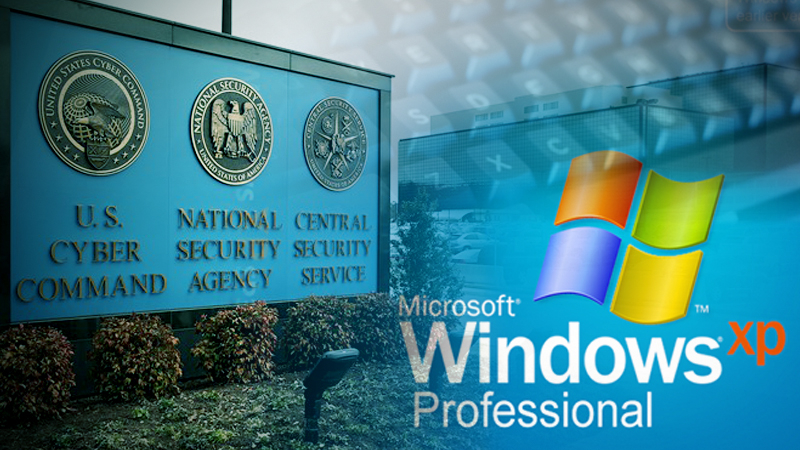
NSA found a Microsoft software flaw and alerted the firm – rather than weaponize it. The National Security Agency recently discovered a major flaw in Microsoft’s Windows operating system – one that could potentially expose computer users to significant breaches, surveillance or disruption – and alerted the firm of the problem rather than turn it into a hacking weapon, officials announced Tuesday.

The public disclosure represents a major shift in the NSA’s approach, choosing to put computer security ahead of building up its arsenal of hacking tools that allow the agency to spy on adversaries’ networks.

“This is . . . a change in approach . . . by NSA of working to share, working to lean forward, and then working to really share the data as part of building trust,” said Anne Neuberger, director of the NSA’s Cybersecurity Directorate, which was launched in October.

Cyber security professionals hailed the move.

“Big kudos to NSA for voluntarily disclosing to Microsoft,” said computer security expert Dmitri Alperovitch in a tweet Tuesday morning. “This is the type of [vulnerability] I am sure the [NSA hackers] would have loved to use for years to come.”

The bug – essentially a mistake in the computer code – affects the Windows 10 operating system, the most widely used in government and business today.

Microsoft issued a patch for the flaw on Tuesday. The company’s plan to issue a fix for the vulnerability was first reported Monday in the KrebsOnSecurity blog.

“A security update was released on January 14, 2020 and customers who have already applied the update, or have automatic updates enabled, are already protected. As always we encourage customers to install all security updates as soon as possible,” said Jeff Jones, senior director at Microsoft, in a statement.

The discovery has been likened to a slightly less severe version of the Microsoft flaw that the NSA once weaponized by creating a hacking tool dubbed EternalBlue, which one former agency hacker said was like “fishing with dynamite.”

The NSA used EternalBlue for more than five years, but when it learned that the tool had been obtained by others, it alerted Microsoft, which issued a patch in early 2017. About a month later, Shadow Brokers, a suspected Russian hacking group, released the NSA tool online.

Malicious hackers turned it to their own purposes, launching massive ransomware campaigns such as the one dubbed WannaCry, which created global havoc and costly damage to businesses and other organizations.

EternalBlue worked on all Windows systems, not just one, which made it so potent. The flaw the NSA uncovered would be useful to hackers seeking to break into some computers running Windows 10.

Companies like Microsoft and Adobe use digital signatures to stamp software as authentic. This helps to prevent malware infections that might try to disguise themselves as legitimate. The NSA discovered an error in the Microsoft code that verifies those signatures, potentially enabling a hacker to forge the signature and install spyware or ransomware on a computer.

“Code-signing is one of the most effective tools we have to keep malicious software off of computers,” said Matthew Green, a cryptographer and computer science professor at Johns Hopkins University.

If the flaw is patched quickly, it’s not that dangerous, he added. “If a lot of people don’t patch, it could be a disaster.”

Microsoft has reported that it has seen no active exploitation of the flaw.

The bug disclosure is the first major announcement to come from the new directorate, which reflects NSA Director Gen. Paul Nakasone’s desire to enhance the defensive mission of an agency known for its prowess at hacking foreign networks for intelligence.