Leading virologist Dr Yong Poovorawan said that a blood test can detect Covid-19 infection even in people who have no symptoms from the disease.
Covid-19 infections behave like a pyramid, Yong said in a Facebook post on Monday. At the base of the pyramid are the 90 per cent or more of patients who have no or mild symptoms, especially with the Omicron variant.
However, at the top of the pyramid with severe symptoms are the elderly and people with underlying health conditions.
Yong cited a study of 80 children aged 5 to 11 who were not in a risk group and had never shown signs of infection. The study, conducted by the Yong-led Centre of Excellence in Clinical Virology, tested the children’s blood and found that five of them had been infected but remained asymptomatic as they developed natural immunity to the Covid virus spike protein. Such immunity cannot be produced by vaccines.
The children belong to a segment of the Thai population that remain asymptomatic and have to take blood tests to know they have been infected with Covid-19.
Thus blood tests would be the only way to find out how many people in Thailand have been infected with the virus and developed natural immunity.
However, natural immunity to the spike protein or nucleocapsid does not last long. The bodies’ immune response drops to 25 per cent one year after infection.
Yong said blood tests to detect natural immunity to the spike protein could be used in parallel with people’s vaccination history.
He added that Thailand should use blood tests to calculate what percentage of the population have been infected.
Leading virologist Dr Yong Poovorawan has warned that people who decide not to get vaccinated against Covid-19 are gambling with their lives.
In a Facebook post on Saturday, Dr Yong said vaccination was voluntary in Thailand, which meant people had to decide for themselves whether to get the jab and which vaccine brand to choose.
People should study the benefits and side effects of available brands in order to make the best decision, he said.
But deciding not to get vaccinated was like inviting an accident by stepping off the pavement into the busy traffic on Silom Road, he added.
Yong said that the at-risk group – seniors aged over 60, people with underlying diseases, and pregnant women – were at risk of being hospitalised with severe symptoms if they contracted Covid-19.
He pointed out that most deaths from Covid-19 are recorded among seniors and people with underlying diseases. This group should get vaccinated to protect themselves against the deadly virus, he added.
High rates of vaccine hesitancy have been recorded among the elderly in Thailand.
Yong said that about 11 billion doses of vaccine have been administered worldwide so far, and there were enough brands to choose from.
The fourth edition of Dia:gram Media Forum explored the challenges and opportunities for diagnostics in the “new normal” in a virtual event, “The Journey to Better Care: Diagnostics Beyond Covid-19” on Wednesday.
The Covid-19 pandemic has highlighted the importance of early detection and prevention in ensuring national health and well-being. As more people recognise the critical role diagnostics have played, how can this understanding similarly translate to screening and diagnosis beyond the pandemic?
The fourth edition of Dia:gram Media Forum explored the challenges and opportunities for diagnostics in the “new normal” in a virtual event, “The Journey to Better Care: Diagnostics Beyond Covid-19” on Wednesday.
The first panel discussion on “Diagnostics Beyond Covid-19” was joined by Dr Bushra Jamil, Professor of Medicine and Infectious Diseases, Aga Khan University Hospital and President, Medical Microbiology & Infectious Diseases Society of Pakistan (MMIDSP), Rohit Sahgal, Director, The Voices Project; Technical Advisor to WHO’s Western Pacific Region for NCD and Cervical Cancer Prevention & Control and Prof Yang Pei-Ming, Professor Emeritus of Medicine, National Taiwan University College of Medicine and Chief Executive Officer, Liver Disease Prevention & Treatment Research Foundation
They discussed how Covid-19 changed perceptions, and how diagnostics played an essential role in every step of a patient’s journey – from detecting potential health issues earlier to determining appropriate treatments right down to monitoring treatment efficacy.
Dr Bushra Jamil, Professor of Medicine and Infectious Diseases, Aga Khan University Hospital and President, Medical Microbiology & Infectious Diseases Society of Pakistan (MMIDSP)
The panel focused on how current and new diagnostic tools will continue to transform healthcare systems for better outcomes – for patients and societies at large.
Rohit Sahgal, Director, The Voices Project; Technical Advisor to WHO’s Western Pacific Region for NCD and Cervical Cancer Prevention & Control and Prof Yang Pei-Ming, Professor Emeritus of Medicine, National Taiwan University College of Medicine and Chief Executive Officer, Liver Disease Prevention & Treatment Research Foundation
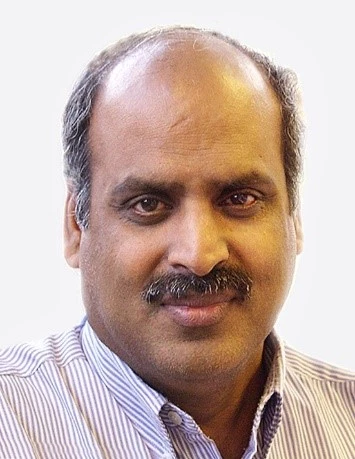
In the second panel discussion on “Value of Diagnostics”, the panel was joined by Lance Little, Managing Director, Region Asia Pacific of Roche Diagnostics, and Dr Rengaswamy Sankaranarayanan, Director, Preventive Oncology, Karkinos Healthcare, India and Senior Visiting Scientist, International Agency for Research on Cancer (WHO-IARC).
Lance Little, Managing Director, Region Asia Pacific of Roche Diagnostics
In 2021, Roche Diagnostics compiled research data from the public, healthcare providers and policymakers from 11 countries in the Asia Pacific, including China and Japan. It surveyed 8,800 informed public, 440 healthcare professionals (HCPs), and 12 policymakers.
Dr. Rengaswamy Sankaranarayanan, Director, Preventive Oncology, Karkinos Healthcare, India and Senior Visiting Scientist, International Agency for Research on Cancer (WHO-IARC).
The objective was to understand the knowledge of, and attitude around the impact of in vitro diagnostics (IVDs) in today’s healthcare systems among key stakeholders.
Mr Little explained that Covid-19 has highlighted the role of diagnostics.
He cited the information that 63 per cent of those who value overall health also consider the role of in vitro diagnostics (IVDs) to be important or extremely important to maintaining overall health, as doing some tests will give crucial information and help in making good health decisions.
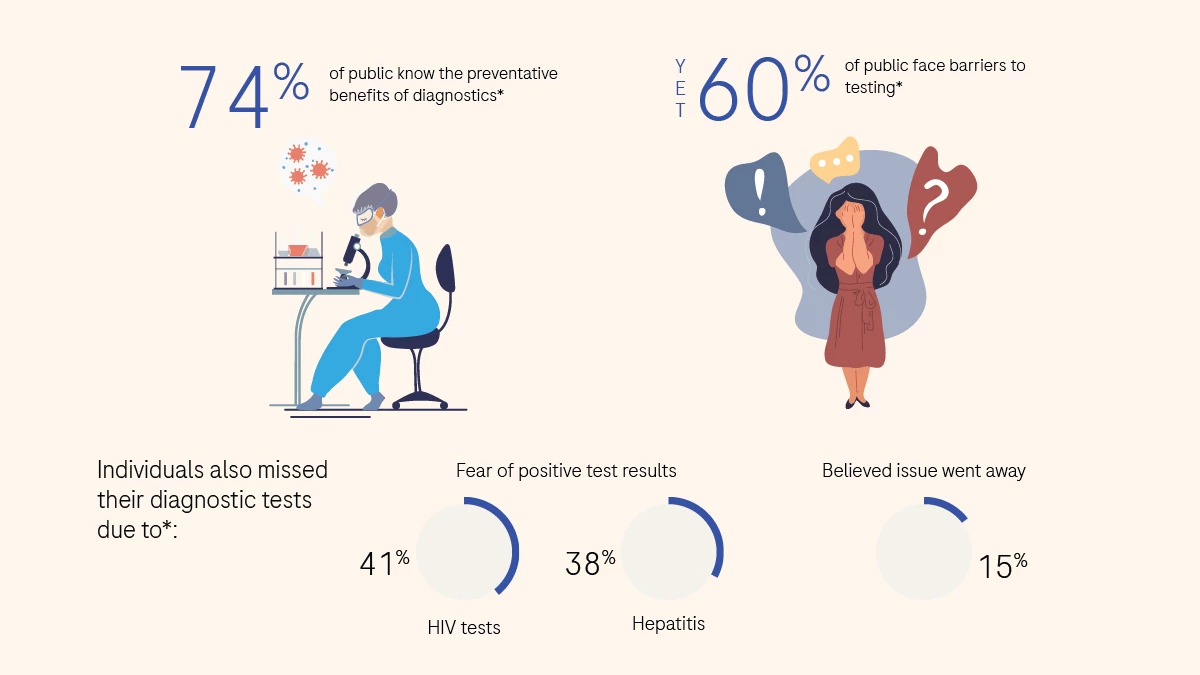
According to the research, 91 per cent of HCPs and 74 per cent of the public also perceived early detection of diseases as IVDs’ key benefit.
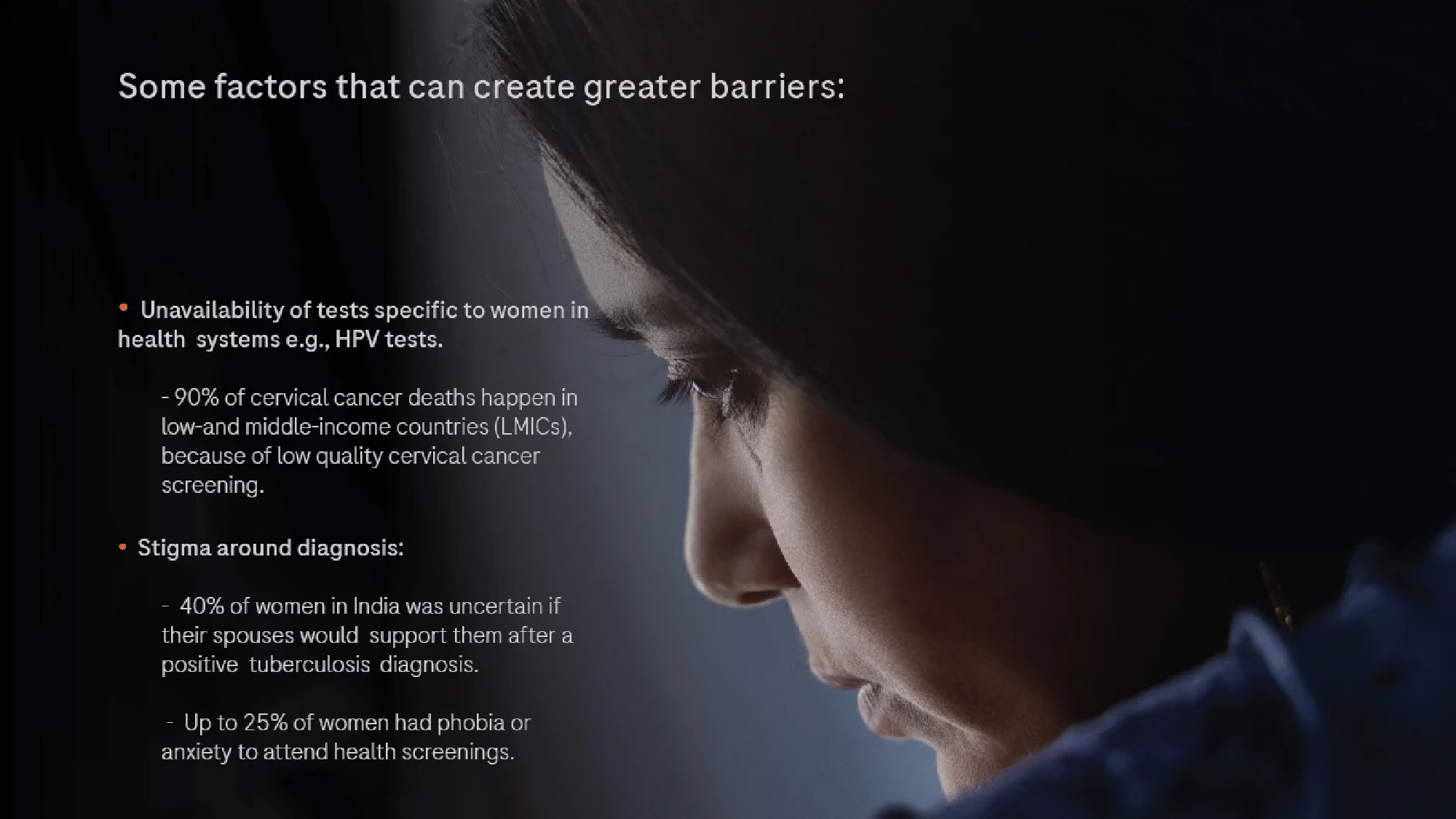
However, he explained that tests are also missed due to a fear of positive results. Some 41 per cent and 38 per cent of the public missed an HIV or hepatitis test, respectively, due to fear of positive results.
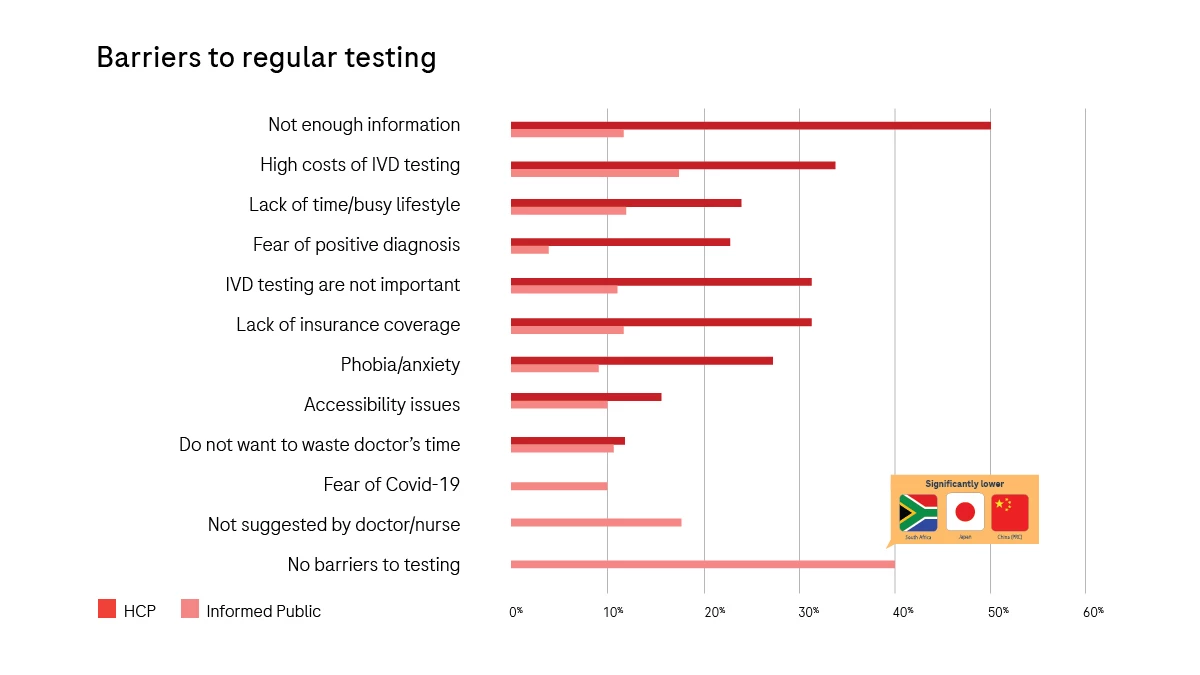
Meanwhile, roughly 60 per cent of the public believe that there is some sort of barrier to testing while 50 per cent of HCPs believe that the public lacks adequate information. He gave an example that one of the barriers in Japan was a busy lifestyle.
He summarised that the survey has highlighted the areas that allow medical professionals to go deeper into lifting the role of diagnostics.
Mr Little said that he noticed an increase in the use of digital tools spurred by the pandemic and suggestions on how they can foster the growing adoption of these tools beyond Covid-19 management.
He said many barriers were broken during the Covid-19 pandemic because of the need to move quickly, which allowed the healthcare industry to experiment.
He gave as an example the need for people to show their vaccination status or test result before entering many buildings. This model empowers individuals with access to their own healthcare data – something that hasn’t been done before Covid-19. This could be the first step in making healthcare data more accessible. To reshape the healthcare system, having the relevant information at the right time and the right place is critical.
He added that digital tools play an important role in that but there is a danger. He explained that digitalisation needs to be looked at for its appropriateness. According to available data, healthcare information doubles every 72 days so it is impossible to stay up to date.
Digital tools could be very useful. In general, digital tools need to integrate with the healthcare system, while the healthcare system needs to support variability.
Answering a question on what different countries’ healthcare systems should be mindful of when pushing for diagnostics, he said it is about the appropriate use of diagnostic tests. Every country needs to decide for itself where its healthcare system is and what is most useful at that time so as to harness the power of diagnostics to improve lives.
Dia:gram is a publication from Roche Diagnostics Asia Pacific that explores the forces transforming health care across the region. Our mission is to document the many ways in which diagnostics impact health care, from detection and risk stratification to monitoring and disease management.
We tell the stories of today’s innovators and change-makers who are dreaming of a better tomorrow and fighting to make it happen. From the patients who face difficult questions to laboratories that provide simple answers, we share stories of growth, change, and innovation. Diagnostics is the bedrock of healthcare and there are many stories to be told.
Kate Spade New York เฉลิมฉลองเปิดร้าน Official Store บน ช้อปปี้ ชวนมาจัดปาร์ตี้ในสวนกับ Spring Collection ใหม่ พร้อมให้ได้ยลโฉมสุดเอ็กซ์คลูซีฟก่อนใครในไทยบน Shopee Premium
Spring Collection เมื่อยามที่ฤดูใบไม้ผลิมาเยือน ถึงคราวกล่าวคำทักทายกับดวงตะวัน กับคอนเซ็ปท์ Party in the Park ที่เปรียบสมือนการเนรมิตงานปาร์ตี้ในสวนมาไว้ในมือคุณ เชิญชวนสาว ๆ มาร่วมเบิกบานและสรรค์สร้างให้ทุกวันเป็นวันที่แสนพิเศษท่ามกลางหมู่มวลดอกไม้ในสวน ที่จะเปิดโอกาสให้ทุกคนได้สัมผัสถึงเสน่ห์แห่งความคลาสสิก กับกระเป๋ารูปทรงอันหลากหลายที่เหมาะกับทุกช่วงเวลาแห่งความเบิกบานนี้



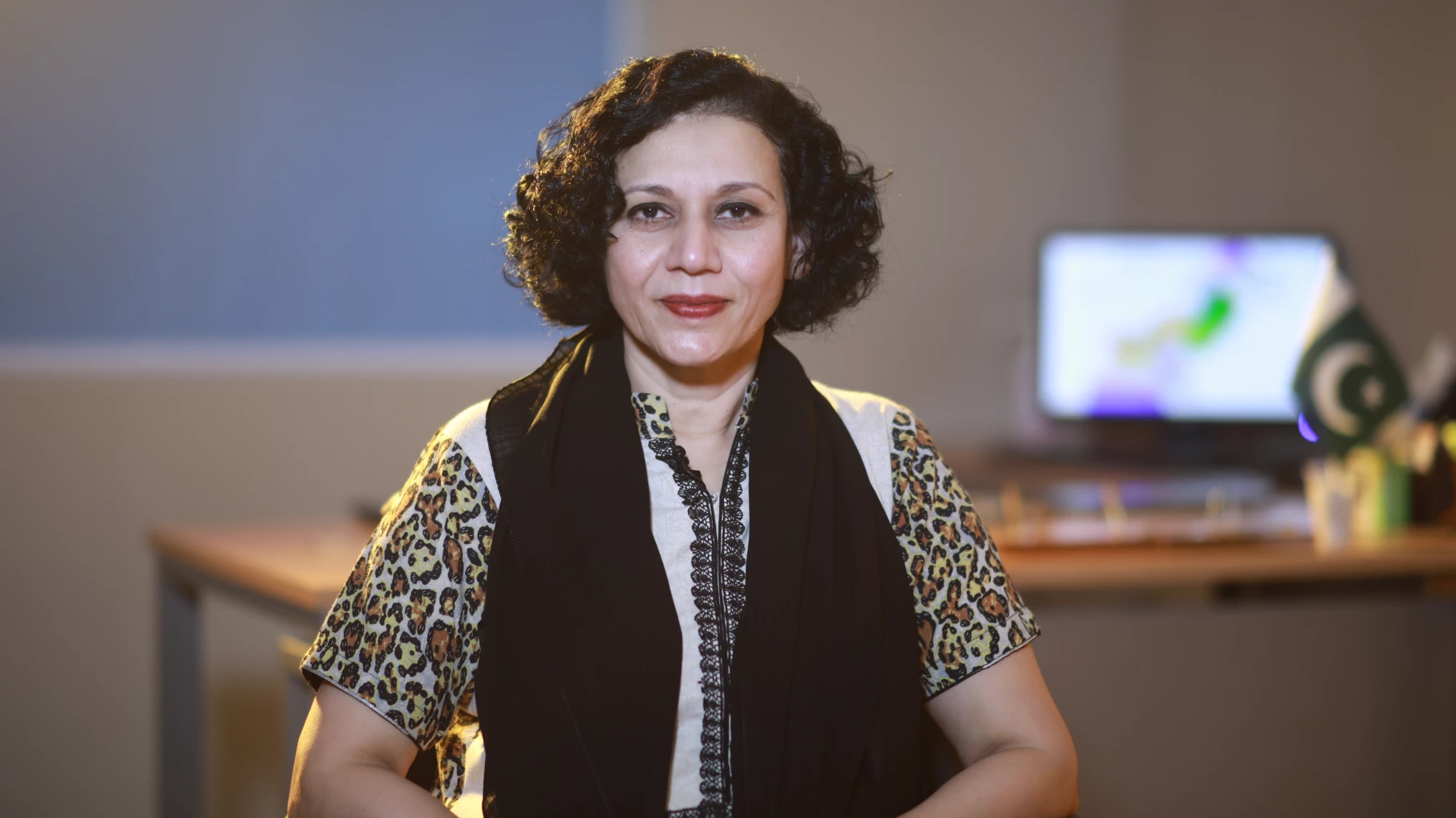 Dr Bushra Jamil, Professor of Medicine and Infectious Diseases, Aga Khan University Hospital and President, Medical Microbiology & Infectious Diseases Society of Pakistan (MMIDSP)
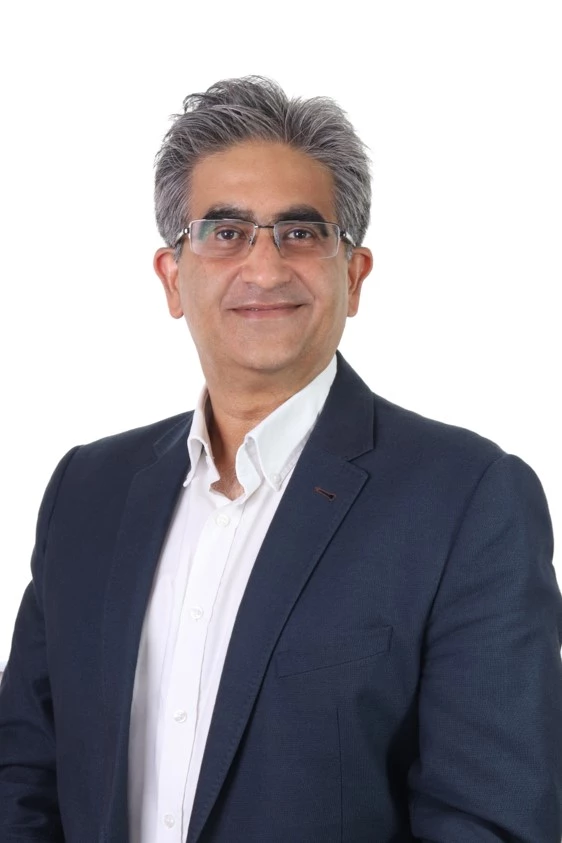 Rohit Sahgal, Director, The Voices Project; Technical Advisor to WHO’s Western Pacific Region for NCD and Cervical Cancer Prevention & Control and Prof Yang Pei-Ming, Professor Emeritus of Medicine, National Taiwan University College of Medicine and Chief Executive Officer, Liver Disease Prevention & Treatment Research Foundation
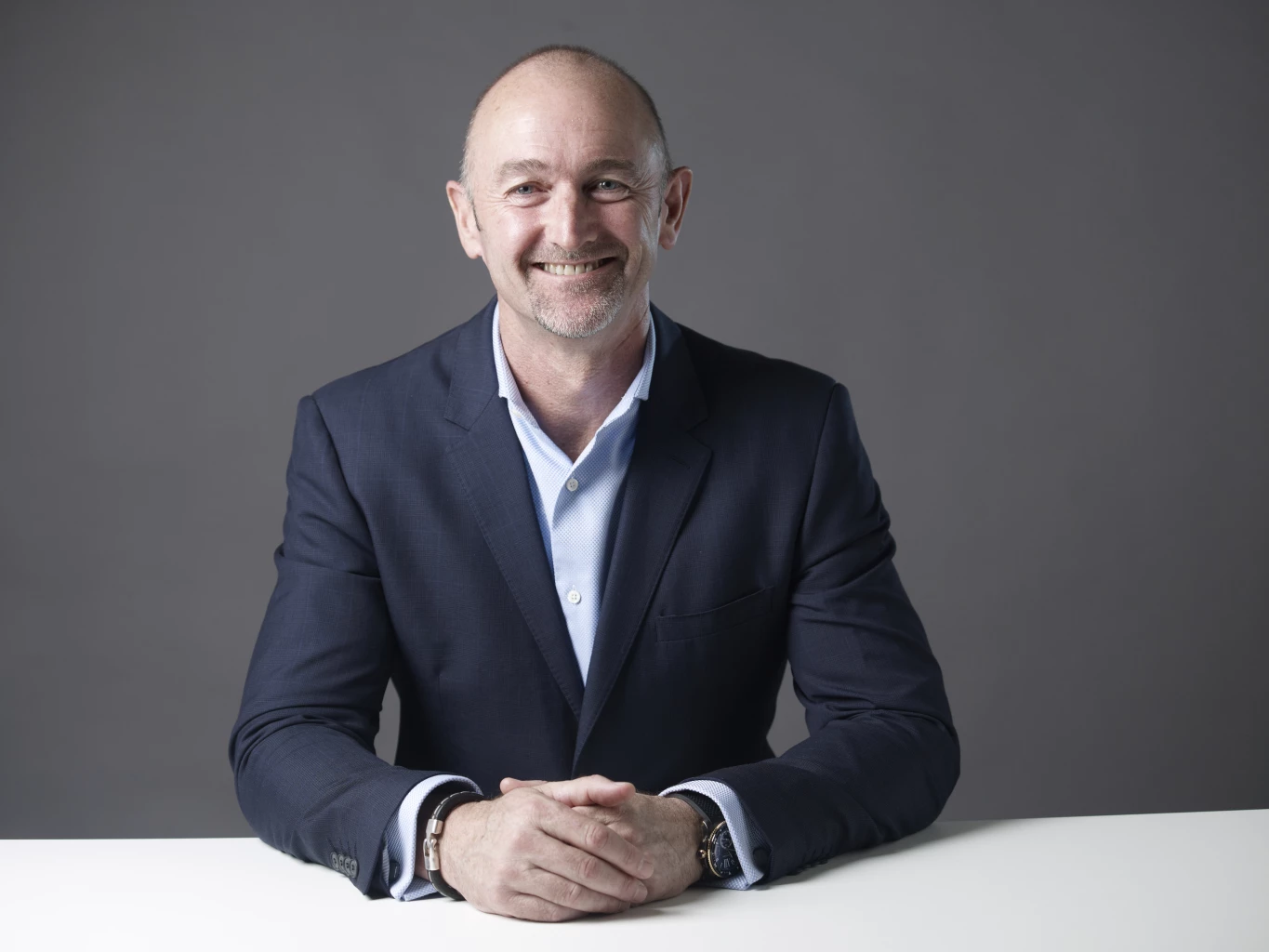 Lance Little, Managing Director, Region Asia Pacific of Roche Diagnostics
 Dr. Rengaswamy Sankaranarayanan, Director, Preventive Oncology, Karkinos Healthcare, India and Senior Visiting Scientist, International Agency for Research on Cancer (WHO-IARC).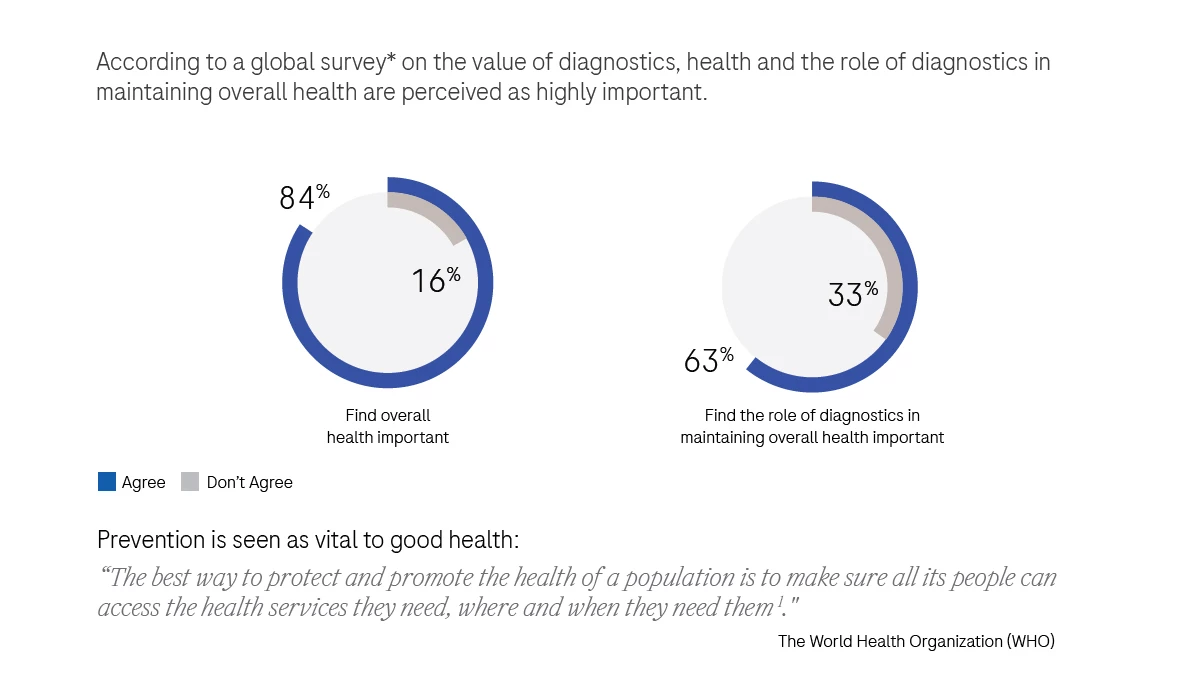
 However, he explained that tests are also missed due to a fear of positive results. Some 41 per cent and 38 per cent of the public missed an HIV or hepatitis test, respectively, due to fear of positive results.
 Meanwhile, roughly 60 per cent of the public believe that there is some sort of barrier to testing while 50 per cent of HCPs believe that the public lacks adequate information. He gave an example that one of the barriers in Japan was a busy lifestyle.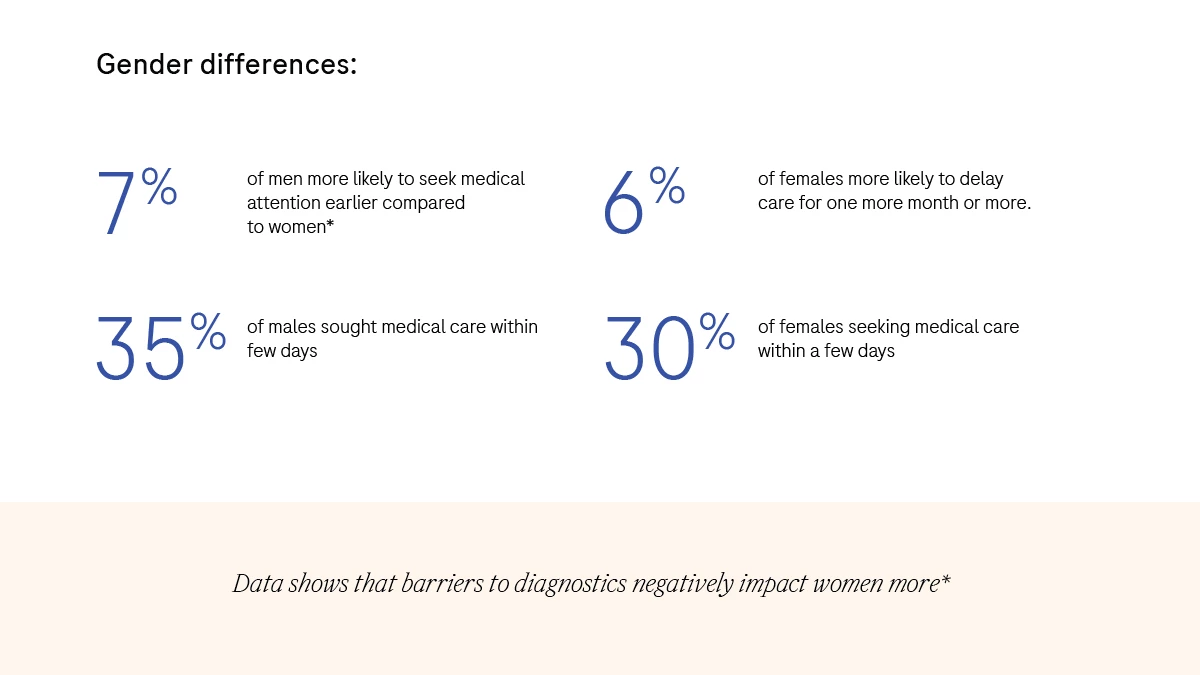
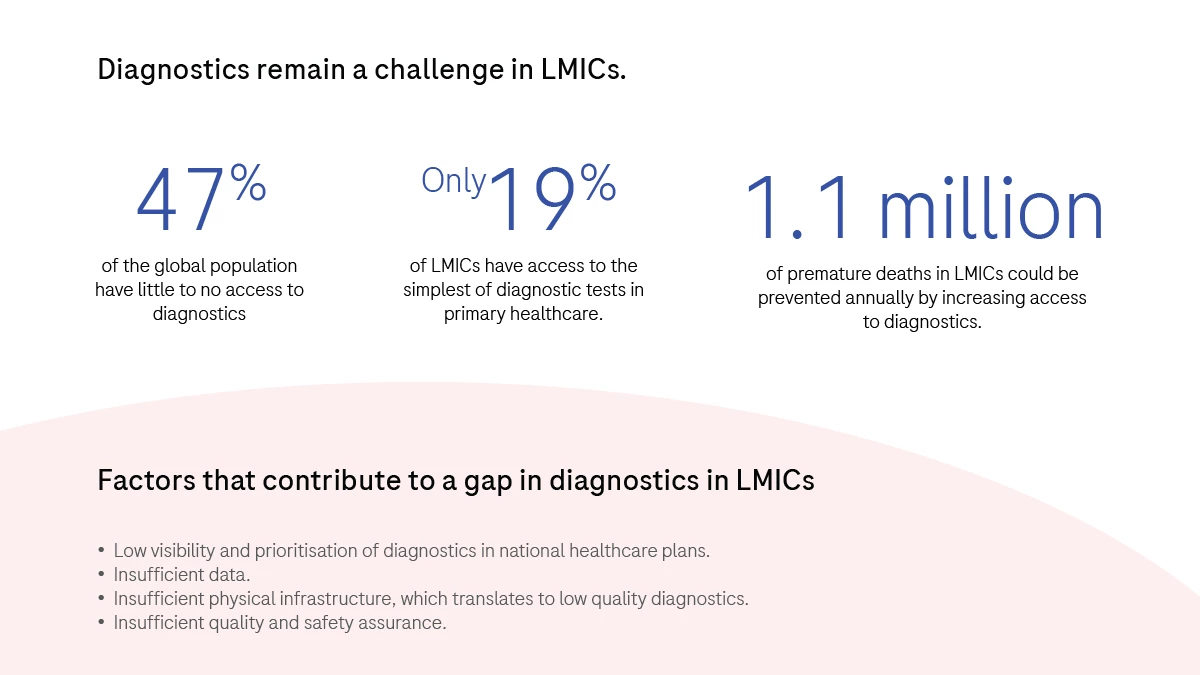 He said many barriers were broken during the Covid-19 pandemic because of the need to move quickly, which allowed the healthcare industry to experiment.
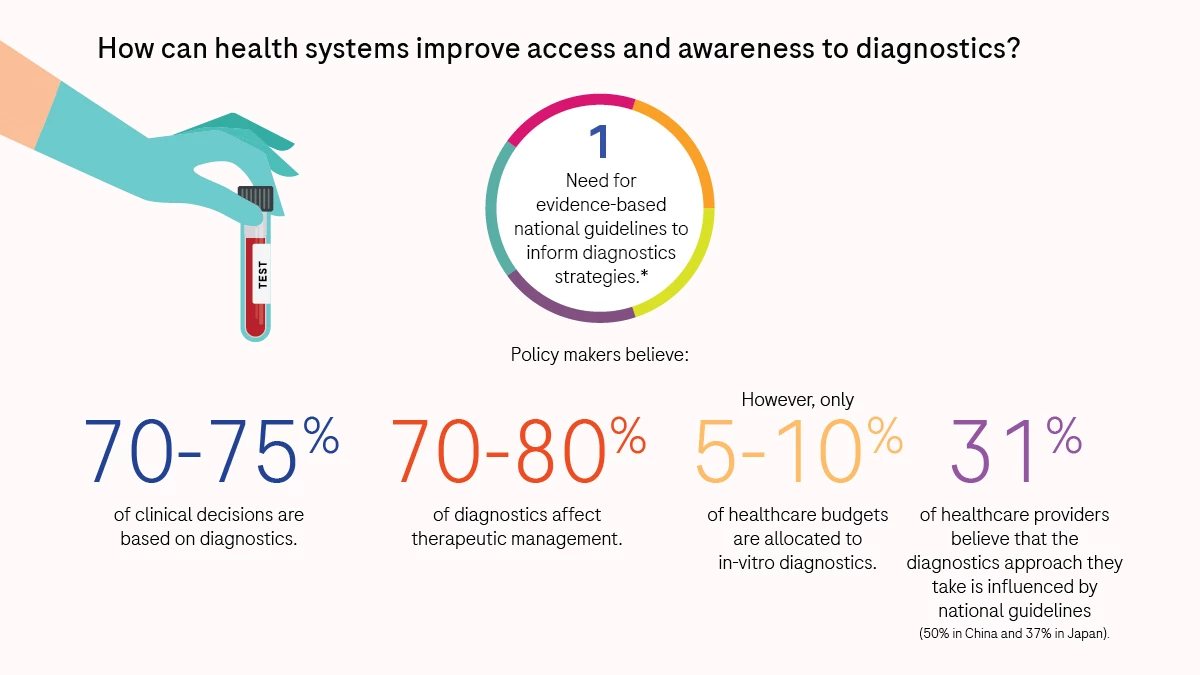 He gave as an example the need for people to show their vaccination status or test result before entering many buildings. This model empowers individuals with access to their own healthcare data – something that hasn’t been done before Covid-19. This could be the first step in making healthcare data more accessible. To reshape the healthcare system, having the relevant information at the right time and the right place is critical.
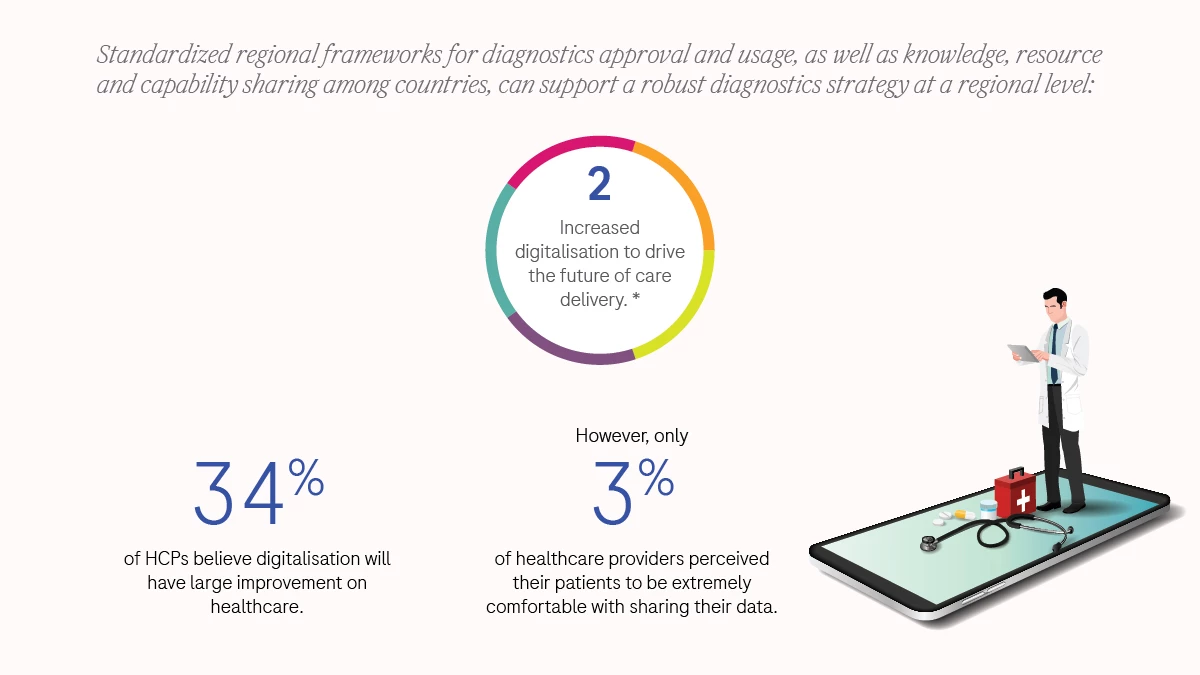 He added that digital tools play an important role in that but there is a danger. He explained that digitalisation needs to be looked at for its appropriateness. According to available data, healthcare information doubles every 72 days so it is impossible to stay up to date.
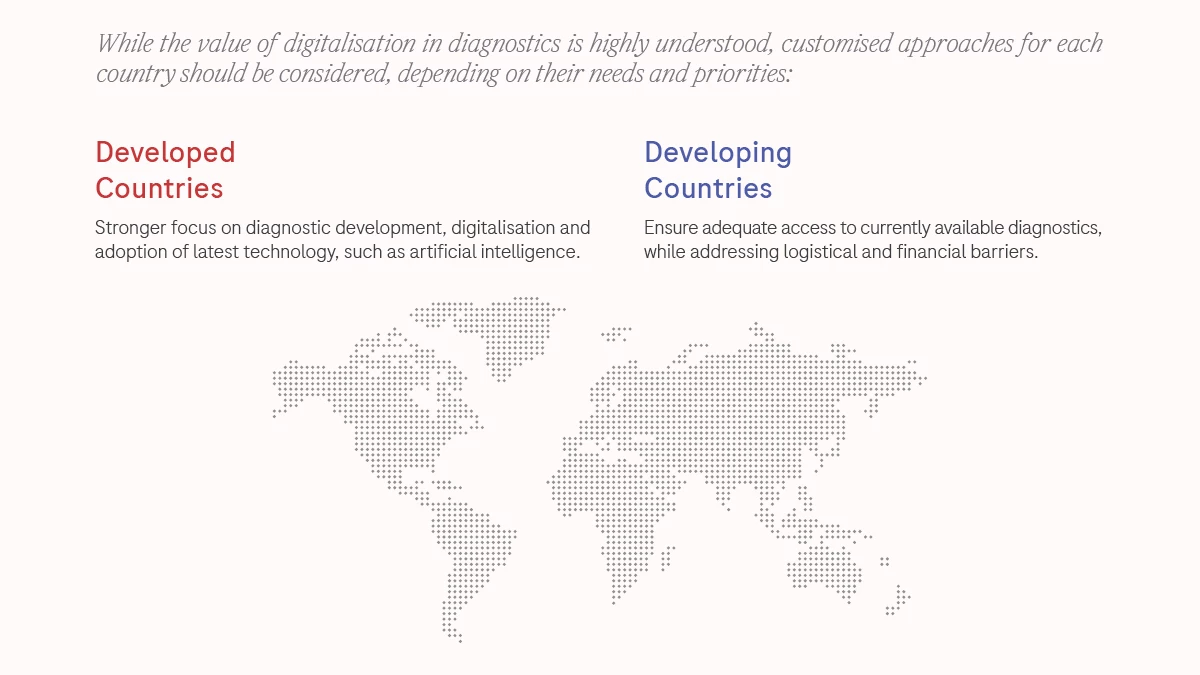 Digital tools could be very useful. In general, digital tools need to integrate with the healthcare system, while the healthcare system needs to support variability.
 Answering a question on what different countries’ healthcare systems should be mindful of when pushing for diagnostics, he said it is about the appropriate use of diagnostic tests. Every country needs to decide for itself where its healthcare system is and what is most useful at that time so as to harness the power of diagnostics to improve lives.


 SootinClaimon.Com