Salvaging the HTMS Sukhothai is costly and perilous, navy chief says
SATURDAY, FEBRUARY 11, 2023
Salvaging the Sukhothai from the Gulf of Thailand could cost over 200 million baht, Royal Thai Navy Commander-in-Chief Admiral Choengchai Chomchoengpaet said on Friday.
The ship sank to a depth of about 50 metres and recovering it could cause damage that will make it more difficult to determine why it sank, the admiral said.
The navy is carefully selecting qualified contractors to salvage the vessel, Choengchai added.
The corvette-class ship sank about 20 nautical miles (32 kilometres) off the coast of Prachuap Khiri Khan’s Bang Saphan district on December 18 in stormy weather with 105 crew onboard.
Seventy-six members of the crew were rescued, the bodies of 24 were found recovered, and five remain missing.
Two million baht has been paid in compensation so far to the families of the deceased from the ship’s group life insurance policy and the navy’s Ruam Jai Fund, Choengchai said.
The navy is waiting for the court to declare the five missing crew members as missing persons to start paying the compensation to their families, he added.
Choengchai said the committee investigating the cause of the accident had finished interviewing 289 witnesses – surviving crew members, ship mechanics, and volunteers who participated in the search and rescue mission.
The navy is reviewing the witness statements and will determine the reason why the vessel sank after it examines the salvaged ship, he added.
An initial investigation by the navy’s Quartermaster Department found that the Sukhothai had 130 life jackets on board before it sank, which was a sufficient number for its 105 crew, Choengchai said.
The navy is also investigating why some crew members found, both alive and dead, were not wearing life jackets, he added.
Police received over 200,000 complaints of online fraud, inflicting THB30 billion in losses on victims over past year
FRIDAY, FEBRUARY 10, 2023
Most victims of romance scams are people in their 40s as they are the main targets of criminal gangs preying on those seeking true love online.
Police Lt-Colonel Tananat Kangruambut, an inspector at the Cyber Crime Investigation Bureau, said on Friday that people in this age group tend to become easy targets as their relationships with their spouses were on a decline.
“Their spouses work so hard they have no time for intimate relationships for a long time,” he said.
According to him, online criminals carefully studied their potential victims through their public profiles before approaching them with seeming sincerity. These criminals use fake profile photos and invented profiles and backgrounds to chat with their victims to help ease their loneliness while gaining their trust.
“When the criminals manage to win the hearts of their victims, they create a feeling of bonding in those who fall prey. They then start to trick their victims to transfer money to them,” the police officer said.
He said the victims often do not consult anyone as they blame themselves for the mistake of getting involved in a secret affair. He was speaking at a seminar on online fraud organised by the Thai Journalists Association at Asia Hotel in Bangkok.
Online fraud, including romance scams, has become a serious problem for Thailand, judging by the number of complaints filed with the Royal Thai Police.
More than 200,000 complaints with losses totalling over 30 billion baht were filed between March 1, 2022, and January 31 this year, according to the officer. The online complaints were submitted to the Thaipoliceonline.com website.
Tananat said that in many cases, the victims told police investigators that they would commit suicide unless the culprits were arrested and their money was returned. “They lost a lot of money and they were at the wits’ end.”
At that point, police have to seek help from the Department of Mental Health, he said.
The department’s director-general, Dr Amporn Benjaponpitak, who was a speaker at the seminar, said on Friday that their families should be open-minded with the victims and understand their plight. She suggested that the victims should not be embarrassed about their mistakes.
“You should avoid saying something like ‘I had warned you’, or ‘You should not have fallen for people like this’. Instead, you should offer them encouragement. Tell them that they have to start anew and move on,” she said.
Misty mornings and starry nights from Phayao’s Doi Phu Langka
FRIDAY, FEBRUARY 10, 2023
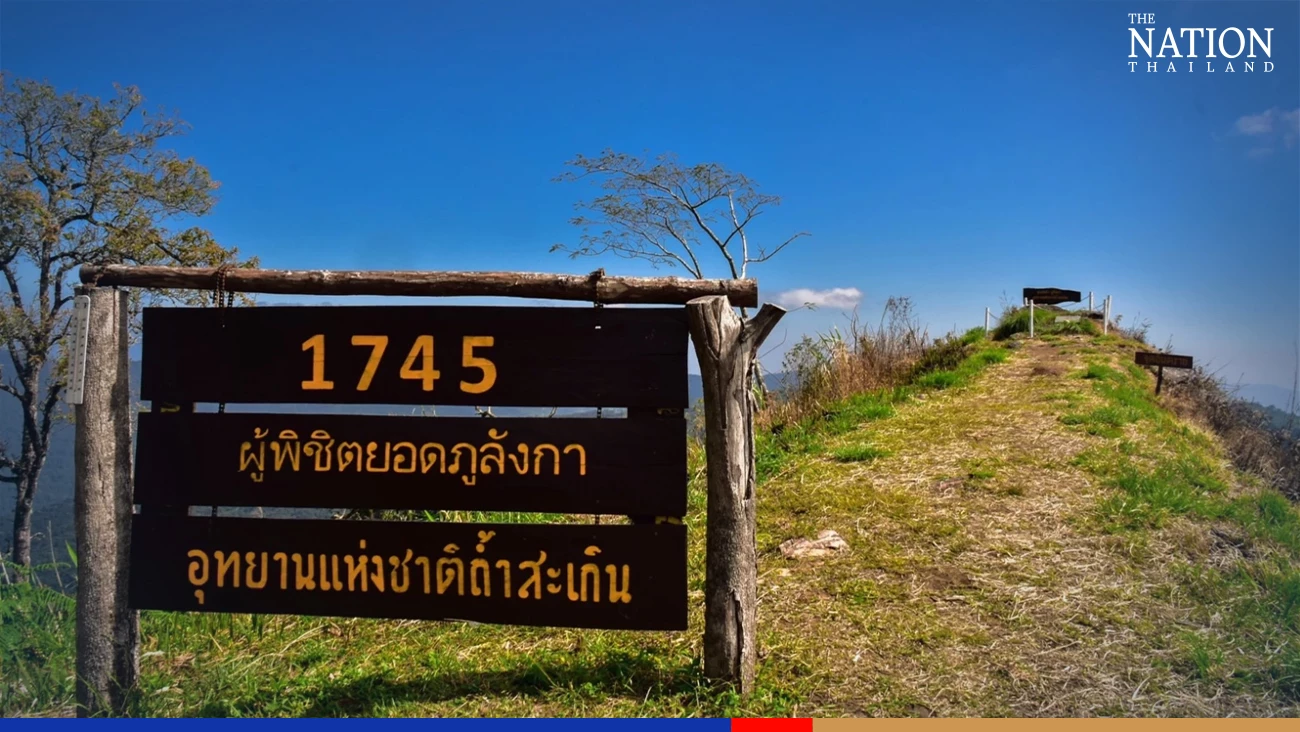
Intrepid travellers now have a new destination from where they can enjoy a sea of morning mist and bright stars – the top of 1,720-metre-high Doi Phu Langka in Phayao province.
The mountaintop in the northern province’s Pong district is part of Tham Sakoen National Park, which spans 250 square metres across Phayao and Nan.
Doi Phu Langka is some 100 kilometres from Phayao town, with the last 12km covering the scenic PY4020 Road.
The mountaintop is covered in a forest of castanopsis trees and a field of bright pink “Malabar melastome” wildflowers. It also offers a beautiful sunset and a view of the sun peeking through the sea of mist in the morning.
Visitors can camp overnight to enjoy cool breezes and a sky full of stars. Tents and other equipment can be rented from the park.
The PY 4020 Road also leads to the Pang Kha Royal Project Development Centre, which helps local farmers grow vegetables and fruits with the goal of helping them make a sustainable income and improve their livelihoods.
For more information on getting to Doi Phu Langka, call the Phayao Rural Roads office at (054) 887070 or the Department of Rural Roads 1146 hotline.
Future of Thailand Series: Experts hold forth on challenges, and ideas to rejuvenate economy
FRIDAY, FEBRUARY 10, 2023
Farida Waller
Tammy Tameryn Somhar
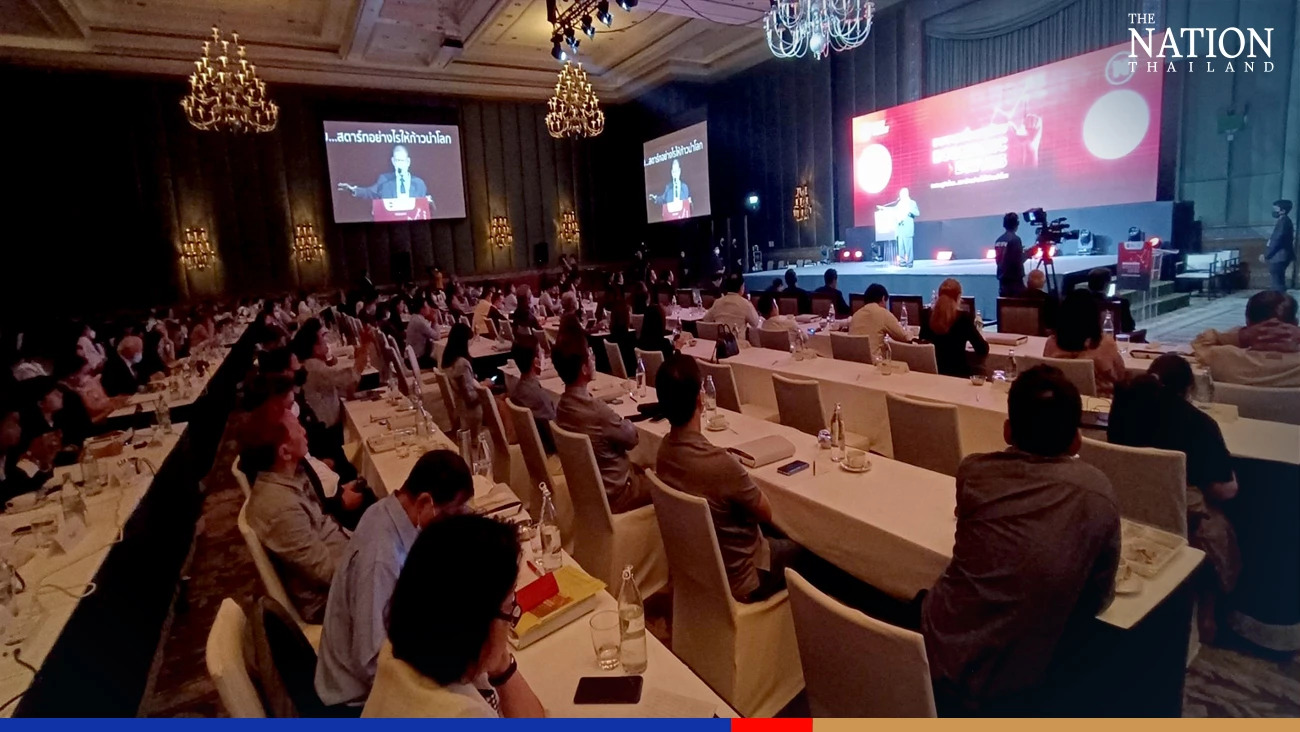
Thailand’s ageing society, labour shortages and geopolitics were among the key topics discussed at a conference on kickstarting the economy.
Business leaders and politicians gathered to discuss the mechanisms driving the Thai economy and formulate policies to push it forward.
The conference, organised by Post Today and Nation Group, was held at the Grand Hyatt Erawan Hotel in Bangkok on Thursday.
During the conference, two panel discussions were held, one focusing on the strategy of driving the Thai economy and the second on developing economic policies.
The first panel was led by Dr Supachai Panitchpakdi, former secretary-general of the UN Conference on Trade and Development, and included Marisa Sukosol Nunbhakdi, president of the Thai Hotels Association, Visit Limlurcha, vice president of the Thai Chamber of Commerce, and Napas Paorohitya, chief marketing officer at Bumrungrad International Hospital.
Supachai Panitchpakdi, former secretary-general of the UN Conference on Trade and Development
Critical economic reforms
Supachai said five economic reforms would strengthen the Thai economy. Among them is loosening restrictions and encouraging consumer spending, he said. Upskilling and reskilling workers, as well as having adequate food, energy and healthcare in case of sudden emergency scenarios. Having allies at the global level and geopolitics are also crucial for the national economy, he said.
“We need to be resilient and never give up in any crisis,” he added.
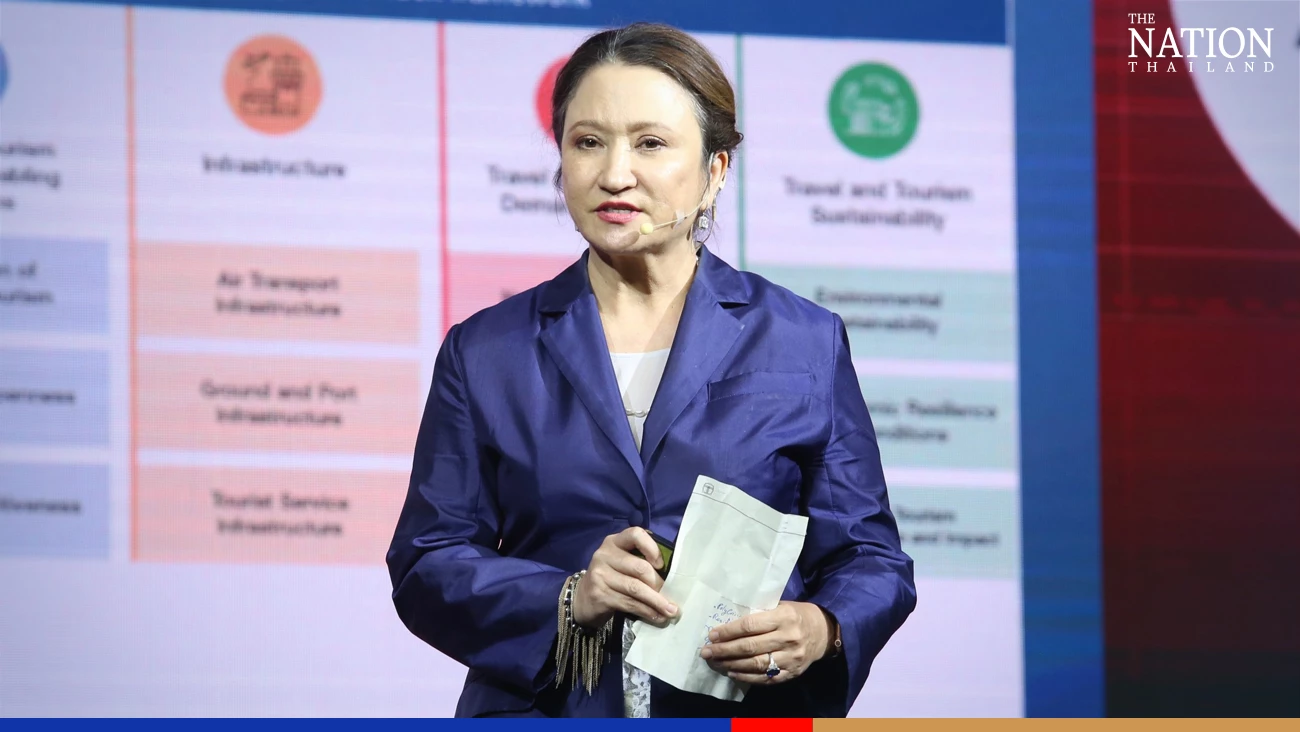
Marisa Sukosol Nunbhakdi, president of the Thai Hotels Association
Marisa said that the hospitality industry in the Asia-Pacific region saw the slowest recovery rate globally, growing by just 23%.
Tourism, however, is expected to see a 70% jump and generate a trillion baht in revenue this year, she added.
“Travel trend predictions for this year are ‘revenge’ travel, family travel [from India and the Middle East], and sustainability travel,” Marisa said.
She suggested that the government had set travel trends as part of the national agenda and monitor it closely, as it affects many industries.
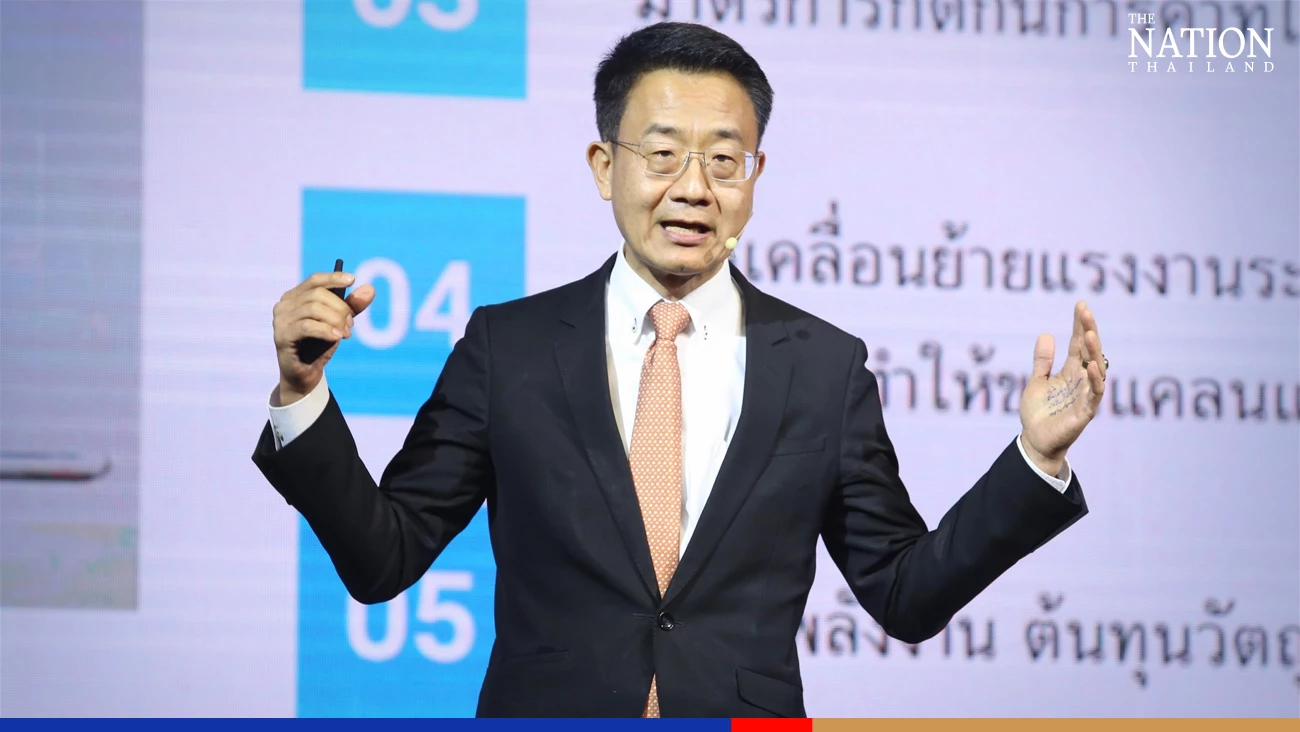
Visit Limlurcha, vice president of the Thai Chamber of Commerce
Meanwhile, Visit said Thailand’s exports have risen by 27%, especially sugar and molasses, vegetable and animal fat as well as frozen and processed chicken and animal feed. Thailand is currently the second biggest exporter of food in Asia and 13th in the world.
“The supply of wheat and corn has dropped by 30% and 40%, respectively, due to the Russia-Ukraine war, resulting in inflation and high food prices,” Visit added.
This surge in prices and drop in supply has hit developing and undeveloped countries the hardest.
Labour shortage a worry
The biggest cause for concern is labour shortages and an ageing society, both Marisa and Visit said.
“The future trend in the food industry is leaning towards more protein intake and wellness,” Visit said.
Also, in line with sustainability and environment protection goals, the government should push for plant-based diets and protein derived from insects.
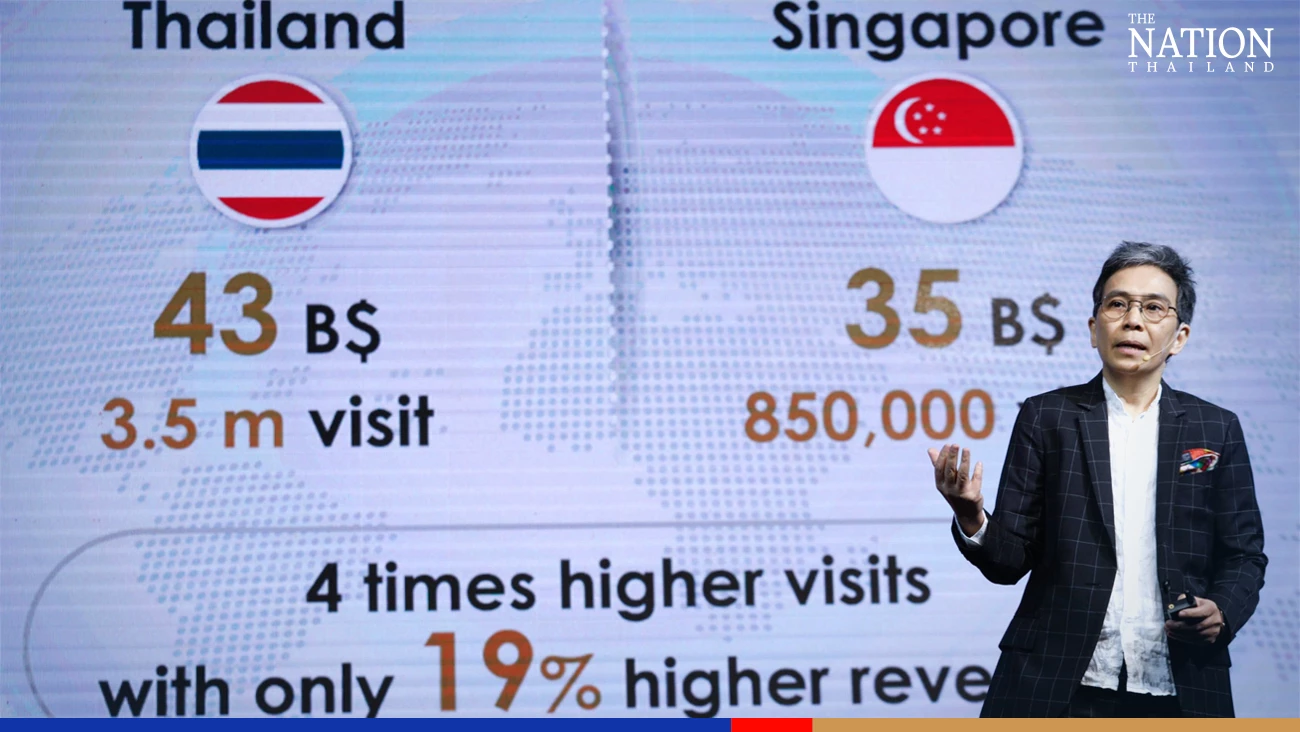
Napas Paorohitya, chief marketing officer at Bumrungrad International Hospita
Napas from Bumrungrad Hospital said that the pandemic had taught people to take better care of themselves, which has bolstered medical tourism and the wellness industry over the years.
From 2020 to 2025, medical tourism is expected to account for 9.9% of total arrivals and contribute 7 trillion baht in revenue by 2028.
However, Napas said that Thailand attracts four times more medical tourists than Singapore, but their total revenue contribution is just 19%. This shows we’re still not doing enough, he said.
“Thailand only covers 2% of the global medical tourism market due to the limited pool of talent in the medical industry,” Napas added.
Policy imperatives
The second panel discussion was led by Democrat Party leader and Commerce MinisterJurin Laksanawisit. Also participating were Natural Resources and Environment MinisterVarawut Silpa-archa, who is also Chartthaipattana Party leader, Move Forward Party leader Pita Limjaroenrat, Chart Pattana Kla Party leader Korn Chatikavanij, Thai Sang Thai Party’s economics board chairman Supant Mongkolsuthree, former finance minister and ex-Palang Pracharath Party leader Uttama Saowanayon along with Kittirat Na-Ranong, deputy leader of Pheu Thai, the key opposition party.
The subject of the panel discussion was “policy push” and was divided into two parts.
Economic measure or populism?
In the first part, each party representative shared their ideas on kickstarting the economy, before answering questions posed by the public and Nation Group editors.
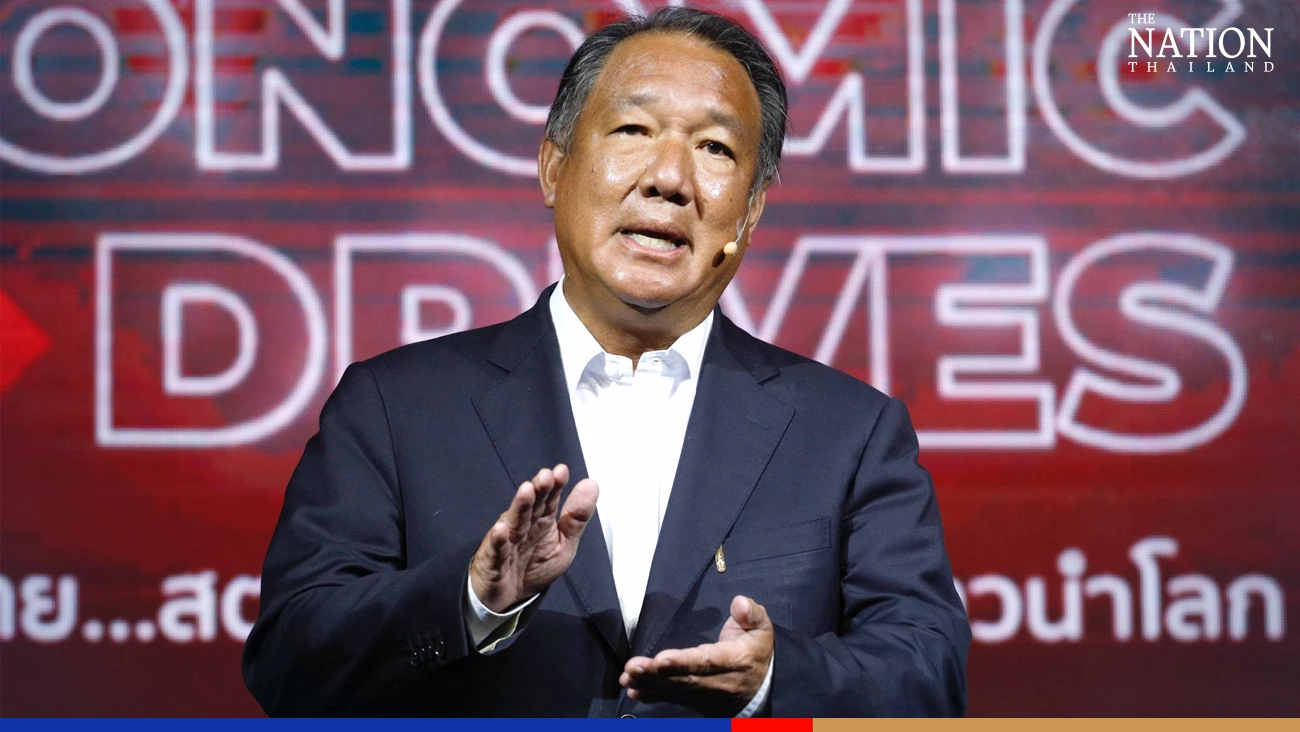
Kittirat Na-Ranong, deputy leader of Pheu Thai
Kittirat’s idea was to reduce tax rates by 10%, boost the minimum wage to 600 baht, as well as cut loan interest rates and push up the interest offered for bank deposits.
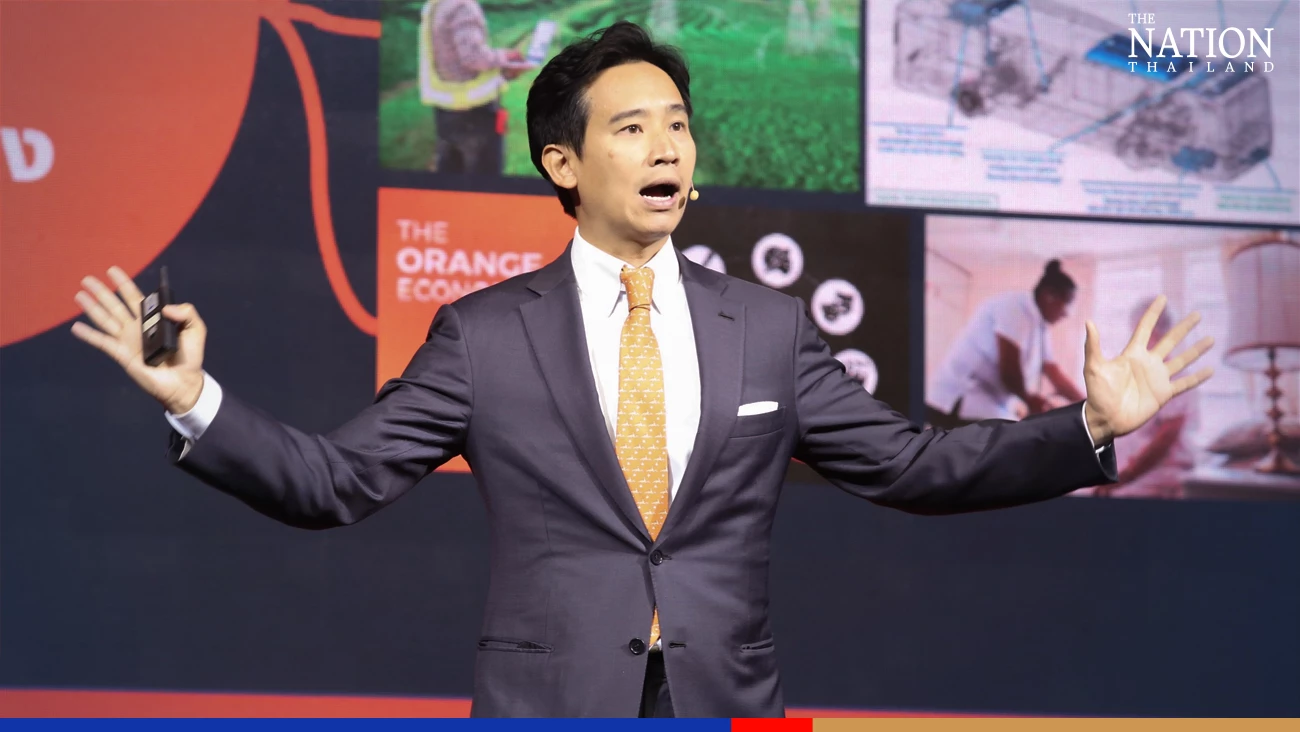
Pita Limjaroenrat, Move Forward Party leader
Pita, however, disagreed, saying this would widen the income gap in Thailand. Instead, he said, the three-step process of boosting the economy would be amplifying the SWOT (strengths, weaknesses, opportunities and threats) analysis, boosting GDP, reducing inequality and then formulating policies.
“Up to 99% of Thais are still in hell. We must turn problems into opportunities, and for this, I want to add a million jobs to the market,” the Move Forward leader said.
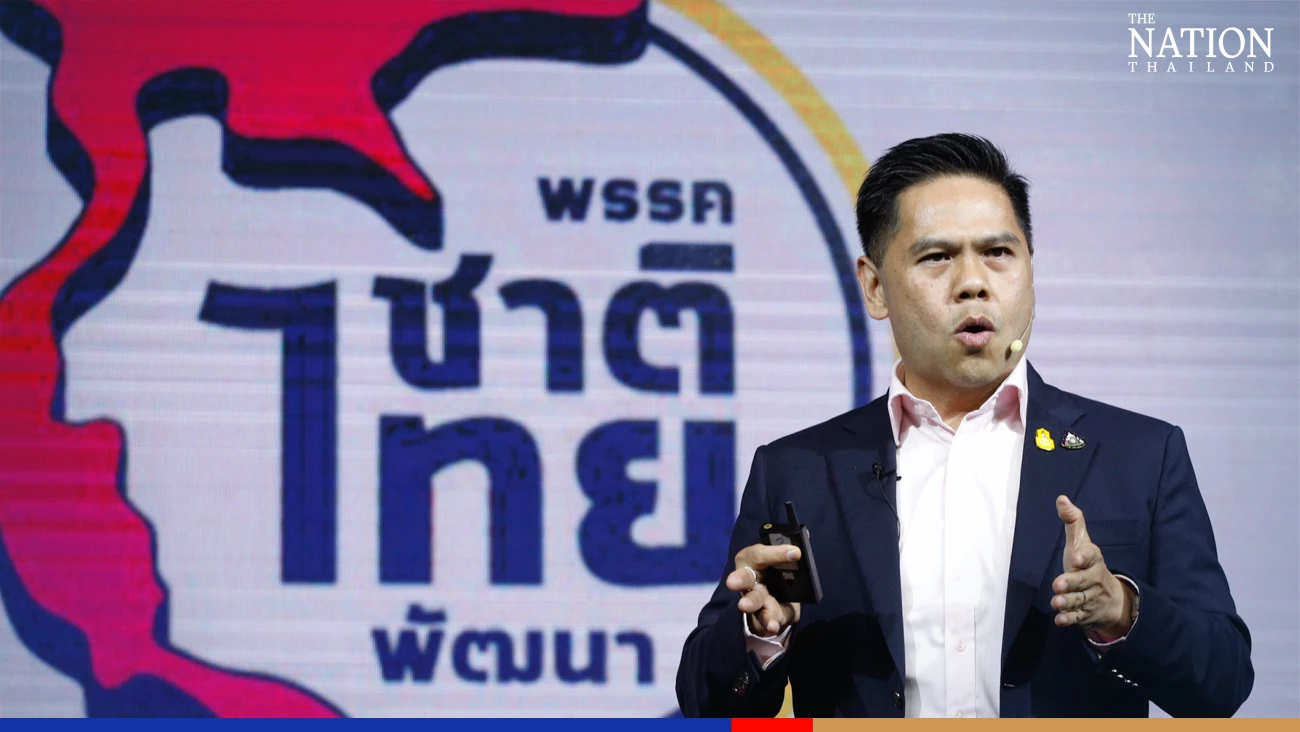
Varawut Silpa-archa ,Natural Resources and Environment Minister and Chartthaipattana Party leader
Varawut, meanwhile, suggested that the country’s resources create wealth and opportunity for everyone.
“Every generation should get a chance and hope. Nobody should be left behind and there should be welfare for all,” Varawut said.
Jurin Laksanawisit., Commerce Minister and Democrat Party leader
Jurin said his policy was to make money and strengthen the population and the nation.
“We need to focus on building soft power and modernising our identity. The prime minister must become the country’s salesman,” Jurin added.
Korn Chatikavanij, Chart Pattana Kla Party leader
“How do we kickstart the economy when only 14 million people hold social security cards and 6 million of them are blacklisted?” asked Korn.
Uttama Saowanayon, former finance minister and ex-Palang Pracharath Party leader
Uttama responded by saying, “We are living in the age of insecurity and instability,” adding that “democratic power is not populism”.
Thai Sang Thai Party’s Supant said his party’s policy is to “build a bad debt rehabilitation fund, boost income and create opportunities for people”.
Questions from the public
The first question the public asked was what the party leaders’ thoughts were about foreigners taking over Thai people’s jobs.
Kittirat pointed out that some occupations were reserved for Thais and foreigners were only allowed in some jobs.
As for combating the surge in fuel prices, Pita suggested that the government save energy by introducing electric public transportation.
Varawut, meanwhile, said the way to fix the rising household debt would be to strengthen the community system and use knowledge in the agricultural sector to create new products.
As for dealing with online scams, Korn suggested that the public be educated about the dangers of disclosing personal information.
Nation Group’s queries
When it was the Nation Group’s turn to pose questions, the editors presented the politicians with a “lucky draw”.
Varawut went first and picked a question on “What mechanism should be used to boost exports instead of just trade diplomacy?”
The minister said the best thing would be to “develop products that meet world standards and promote sustainability”.
Korn responded to his question on foreign ownership of land, by saying it depends on the timing and society’s acceptance.
As for Thailand’s moves to keep up with the global green movement, Uttama suggested it build a more successful bio-circular-green economic model.
Supant’s question was about what he believes the minimum wage should be, to which he responded: “It’s not about how much money one should get. It’s about how much money is left in people’s pockets at the end of the month.”
Replying to a question on how Thailand should act to gain a geopolitical advantage over China and the United States, Kittirat said: “The most important thing is to be neutral and sincere.”
The last question was what the most urgent economic policy should be, to which Pita said the first 100 days of any government should be spent improving agriculture, industry and tourism.
Sustainable financing can accelerate development goals: UN
FRIDAY, FEBRUARY 10, 2023
Jarupong Krisanaraj
Financial strategies and investment decisions are important drivers in achieving sustainable development goals (SDGs), UN staff said during a forum on sustainable finance at the UN Conference Centre in Bangkok on Thursday.
The financial sector and investors are paying attention to sustainable development because it plays an important role in business operations, said UN Global Compact Network Thailand chairman Suphachai Chearavanont.
Thailand is developing financial and investment tools to support business operators in sustainable development, especially for tackling climate change and protecting the environment, Suphachai said.
“Natural resources are essential for the global economy,” he said. It would be difficult to maintain economic growth and the quality of life if ecosystems and biodiversity are not protected, he added.
He advised business operators to follow five strategies to achieve SDGs: set a target and communicate it clearly, use marketing to attract consumers, promote the role of employees and partners in value chains, encourage the young generation to deal with challenges to sustainability, and create a culture of innovation.
“I believe that business operators are able to achieve their SDGs, such as reducing air pollution and adapting themselves to cope with the impact of climate change,” he said.
Sanda Ojiambo
Sanda Ojiambo, CEO of UN Global Compact, said economic instability, food and energy scarcity, and rising global temperature are making development less sustainable.
The business sector has an important role to play in sustainable development, she said, adding that sustainable finance is a mechanism to accelerate sustainable development.
More than 80,000 business operators – including those who run small- and medium-sized enterprises – are facing difficulties in achieving their SDGs, Ojiambo said.
“We believe up to US$7 trillion [in sustainable financing] could be allocated to the business sector to achieve global goals,” she said.
The UN Global Compact Asia and Oceania Regional Hub will be opened in Bangkok soon to help businesses across the region achieve their SDGs, she said.
Gita Sabharwal
Value-chain management and environmental awareness are key to achieving SDGs, said UN Resident Coordinator for Thailand Gita Sabharwal.
The UN is helping businesses achieve their SDGs, she said.
“We are currently midway on sustainable development by 2030,” she said.
The private sector has an important role to play in accelerating sustainable development in Thailand, she added.
She urged financial institutions and asset managers to unlock sustainable finance to help businesses achieve their SDGs.
Embedding climate risk into banks’ credit risk management
FRIDAY, FEBRUARY 10, 2023
The increasing severity of natural disasters and other negative consequences of climate change have led to growing recognition of the need for collaboration to reach a sustainable solution. The Conference of the Parties (COP26), bought together parties for the United Nations Convention on Climate Change, enhancing commitment and accelerating actions towards the Paris Agreement’s goal of reducing greenhouse gas emissions to zero by 2050.
On a local level, the Bank of Thailand is committed to provide continuous support for the country to achieve economic and social security across various dimensions, including environment, social, and governance, based on the principle of sustainable banking. Most recently, on December 26, 2022, the Bank of Thailand, the Securities and Exchange Commission of Thailand prepared a standard for grouping economic activities that consider the environment, ‘Thailand Taxonomy’, for hearing and suggestions across the government, private and public sectors. The banking sector plays an essential role in solving such problems. Accelerated collaboration between the banking sector and customers will significantly change credit management process.
The credit risk lifecycle consists of seven main steps, which will all likely be impacted by climate risks.
1. Strategy and products – Banks should introduce scoring systems or indicators that can estimate the effect of greenhouse gas emissions according to each risk perspective, such as industry or customers. These systems could also be leveraged to formulate business strategies. In addition, banks should design their products incorporating climate risks. By expanding green financing to compensate for greenhouse gas emissions, such as lower interest rates for environmentally friendly construction, this can further motivate clients’ participation in reducing emissions.
2. Prospecting and origination – Ideally, banks should assess the impacts of physical and transition risks on clients’ credit risk at the onset of new relationships. The scope of assessment may depend on the industry, region, and customer. Banks should ask customers for additional information on energy consumption attributed to new business activities, supply chain information, and data on emissions per unit of revenue.
3. Underwriting and approval – Banks should infuse climate risks into the rating and underwriting process. The assessment should take the clients’ physical and transition risks into account. Some banks are also creating shadow rating systems to evaluate customers’ default probabilities in relation to climate alongside typical default probabilities. Then, banks can adopt mitigation effort when there is a large differential between the two approaches.
4. Collateral management and hedging – Both physical risk and transition risks can affect the collateral value, such as natural disasters that damage physical assets or cause changes in real estate values. However, banks currently have limited opportunities to transfer climate risks because the market in this regard has not yet developed. A lack of expertise and limited data on carbon intensity may make it challenging to develop a hedging strategy. Therefore, banks will likely need to develop new strategies to work counterparties to hedge climate risk. This could include opportunities to collaborate with insurance firms and other entities to design derivatives contracts for climate risk.
5. Portfolio monitoring and management – Banks must develop new methodologies to quantify climate risk at both borrower and portfolio levels. Banks will need additional data, such as emissions or strategies for managing transition risks. They should evaluate the borrower’s ability to repay debt and the effect on the bank’s operating costs across various scenarios. As a result, the banks can better manage the credit portfolio to cover the risks associated with climate change.
6. Default management – Banks should consider the root causes of default and asses if climate risk was a factor. For example, a technology company’s inability to repay the principal could stem from the supply chain being affected by major flooding elsewhere in the world. Suppose banks fail to incorporate climate change as a root cause of late or default payments. In that case, they will likely underestimate these risks in their credit models and provide loans with lower interest rates, ultimately affecting the bank’s profitability.
7. Reporting and disclosure – The Task Force on Climate-Related Financial Disclosures (“TCFD”) is a standardized international reporting framework that enables companies to disclose climate-related financial information effectively. The framework requires reporting across four dimensions: governance, strategy, risk management, and metrics and targets. Banks should develop guidelines for building their TCFDs and gathering information on risks and opportunities over different time periods. Then, banks can systematically define the roles of management and boards in managing those matters.
Embedding climate risk into credit risk management is considered an essential responsibility for the bank, even though it could be an enormous undertaking for most banks. Moreover, borrowers should consider establishing guidelines for managing climate risks and provide banks with more information. These changes are necessary to fuel the transition to a carbon-neutral future.
By Narumol Jirapanich Director | Risk Advisory – Financial Industry Risk & Regulatory Deloitte Thailand
BJC ranked first in DJSI with the world’s highest score in history of the food & staples retailing industry
FRIDAY, FEBRUARY 10, 2023
Berli Jucker Public Company Limited (BJC) has been listed on the Dow Jones Sustainability Indices (DJSI) Emerging Markets for the third consecutive years, with the distinction of the world’s highest score in history of the food & staples retailing industry and inclusion in S&P Global Sustainability Yearbook 2023.
This achievement was announced in the Sustainability Yearbook 2023, a global report on corporate sustainability performance across different industries. The award reflects BJC’s efforts to drive a positive change across its business and the wider food and staple retailing sector, and a sustainable business partner in driving a better living experience and society development over the past 140 years, taking all three key dimensions of sustainability (Environment, Social and Governance) into consideration and business operations.
Over 7,500 companies in 61 industries worldwide participated in the S&P Global Corporate Sustainability Assessment, the world-renowned sustainability index. BJC’s achievement represents an important milestone in its commitment to being a leader in business sustainability, aiming to be one of the leading organizations in Thailand to contribute towards sustainable business operations.
YG’s next big thing: Baby Monster members unveiled
THURSDAY, FEBRUARY 09, 2023
South Korea’s YG Entertainment is gearing up to debut its first new girl group in seven years, Baby Monster, and has unveiled the last member of the seven-piece band this week.
Just like the label’s previous hit group Blackpink, Baby Monster is a multinational group. There are three Koreans, two hailing from Thailand and two from Japan.
Since the band was first announced on Jan. 1, YG has disclosed information about the new group in gradual stages. Here, we take a deeper look into Baby Monster to get an idea of what we can expect from YG.
Haram of Baby Monster (YG Entertainment)
Haram (15, Korea)
First to be announced was Haram, a 15-year-old South Korean member. She is known to have begun her training at YG in 2017.
On Jan. 12, YG unveiled a black-and-white video of Haram singing Mario’s “Let Me Love You” in her own style. Here, her vocal prowess truly shines as she soulfully sings along with the piano tunes.
Her wide vocal range is especially notable, and the agency said Haram showed “the essence of a YG vocalist” through her live performance. After the video’s release, fans described her voice as a mix of Blackpink’s Rose and Jisoo.
Ahyeon of Baby Monster (YG Entertainment)
Ahyeon (15, Korea)
One of the most anticipated members of the septet, Ahyeon was the second to be unveiled. The 15-year-old Korean is known to have joined YG in February 2018 through an audition.
She has been striving to become a K-pop artist for quite a long time now. She is known to have been accepted to JYP Entertainment in 2017 when she was only 11 years old. In the same year, she also passed the first audition for YG Entertainment.
Touted as an “all-rounder” by YG and the fans, Ahyeon shows exceptional strengths in rapping, singing and dancing. In a video released by YG, she sings Saweetie & Galxara’s “Sway With Me,” dancing and singing to the fast tempo track while exuding an aura of confidence. Her powerful vocals match her bold gestures and assertive rapping, proving that she is indeed the “all-rounder.” Fans expect Ahyeon to be like Jennie of Blackpink.
Chiquita of Baby Monster (YG Entertainment)
Chiquita (13, Thailand)
Chiquita is one of Baby Monster’s Thai members. Born in 2009, The 13-year-old is the youngest member of not only Baby Monster, but among all female K-pop musicians to have debuted.
On Jan. 24, YG released a video of Chiquita performing JJ Lin’s “Bedroom (feat. Anne-Marie).” She catches listeners’ ears with her deep, soulful voice, expressing the subtle emotions felt after a painful heartbreak. Despite her young age, Chiquita shows mastery over her own voice, using different vocal registers and techniques effortlessly onstage.
Asa of Baby Monster (YG Entertainment)
Asa (16, Japan)
Asa is the first Japanese member unveiled from YG.
Born in 2006, Asa was introduced through a performance video of Joyner Lucas’ “Look Alive (Remix).” In the video, Asa sings in a uniquely deep and husky voice. She can sing in a magnificent falsetto while also exuding a hip-hop vibe — the essence of any YG group.
Much about Asa still remains under wraps, but fans have high expectations for the member as she also showed potential as a powerful dancer through Baby Monster’s dance performance video.
Rora of Baby Monster (YG Entertainment)
Rora (14, Korea)
Rora is the youngest Korean member. Born in 2008, Rora is actually an experienced K-pop musician. Rora was previously part of a local kids’ idol group called U.sso Girl, which girl group NewJeans’ Hyein was also a part of.
In her performance video of Kiana Lede’s “Forfeit (feat. Lucky Daye),” Rora boasts a low-toned, mature voice that touches deep into the listener’s heart. The slow beat of the melody brought the spotlight more onto the eloquence of her voice as she grooved through the song.
Pharita of Baby Monster (YG Entertainment)
Pharita (17, Thailand)
The 17-year-old Thai native is fluent in both Thai and English, having attended an international school from a young age in Thailand, according to YG. After years of studying, she can also communicate in Korean as well.
In her performance video, Pharita rolls out her live version of Sam Fischer and Demi Lovato’s “What Other People Say.” Her clear, ethereal voice was simple yet mesmerizing. Many fans have commented that her singing style is reminiscent of other YG Entertainment female singers.
Ruka (20, Japan)
The eldest member of the group, Ruka, is a 20-year-old hailing from Japan.
Ruka has been a YG trainee the longest among the seven members, according to the label. She is fluent in Japanese and Korean and has shown talent in rap-making in both languages. She is also known to have experience as a kid idol in her home country.
The final member to be unveiled by YG, Ruka’s presence stood out among all the others. On stage, her swag-filled performance demonstrated immense dominance and charisma. She delivered the lyrics immaculately, performing the raps as if they were her own.
Nation Group’s Shine backs Thai sports sector after winning badminton medal
FRIDAY, FEBRUARY 10, 2023
The TP12 badminton team, led by Boonrawd Brewery senior executive vice president Piti Bhirombhakdi, clinched titles in several categories of the recent Thailand Open Masters Games in Chonburi.
The tournament at Tassana Garden sports club saw the team’s pair of Nation Group CEO and president, Shine Bunnag, and former Thailand national athlete, Poompat Sapkulchananart, win the bronze medal in the over-35 men’s doubles category.
Meanwhile, the team’s pairing of Piti and another former Thailand national team athlete, Sudket Prapakamol, won a silver medal in the over-40 men’s doubles.
TP12’s duo of former Thailand national team athletes, Boonsak Ponsana and Jakrapan Thanathiratham, won the gold medal in the over-40 men’s doubles.
Speaking after the competition, Shine said he was pleased with the results. He thanked Piti for allowing him to join the team and Poompat for pairing with him.
He also thanked the Sports Authority of Thailand (SAT) for organising the Thailand Open Masters Games.
“This is a good competition as it covers various types of sports, while also enabling athletes and sports enthusiasts of all ages to exchange knowledge and skills,” he said.
He also vowed to support the SAT in organising similar competitions to promote the Thai sport industry.
The 3rd Thailand Open Masters Games is being held until Sunday and features various sports, including tennis, badminton, gateball, athletics, golf, dancesport, karate, woodball, petong, table tennis, football, basketball, sepak takraw, swimming, bodybuilding, bridge, and stand-up paddleboarding.
A dozen countries competed in the badminton tournament, which featured athletes from Thailand, India, China, Australia, Japan, South Korea, Malaysia, the UK, Sri Lanka, Ukraine and the US.
Sending kickboxers to SEA Games ‘will threaten Muay Thai Olympic bid’
FRIDAY, FEBRUARY 10, 2023
Six countries will not join the kickboxing competition at this year’s Southeast Asian (SEA) Games, the International Federation of Muaythai Associations (IFMA) said on Thursday.
Controversy was sparked when this year’s SEA Games host Cambodia announced kickboxing would be referred to by its local name, “Kun Khmer”, rather than Muay Thai. The 2023 SEA Games will run from May 5 to 17.
IFMA chairman Sakchai Thapsuwan said Thailand cannot send athletes to the competition as the country does not have Kun Khmer sports associations.
He also said Kun Khmer had not met World Anti-Doping Agency (WADA) international standards.
“We cannot send our Muay Thai athletes to join the competition,” he said, adding that the National Olympic Committee of Thailand has also confirmed that no Thai athletes will compete in Kun Khmer.
Thailand is among six IFMA member-countries that have been warned not to send athletes to the SEA Games Kun Khmer, along with Malaysia, Vietnam, the Philippines, Indonesia and Singapore, Sakchai said.
“Any country members that send athletes to join the competition will be banned from participating in IFMA competitions or activities for two years.”
Sakchai Thapsuwan
He added that non-member countries are free to send their kickboxing athletes, and at least four countries must participate to make the competition viable.
Brunei and Timor-Leste have no kickboxing associations while Myanmar, Laos and host Cambodia are not IFMA members, according to Sakchai.
“However, it is clear that IFMA six country members will not participate in the Kun Khmer competition,” he said.
The IFMA’s move was not aimed at defaming Kun Khmer, he added.
Stephan Fox
Echoing Sakchai, IFMA general secretary Stephan Fox said the association did not want to become an enemy of the Kun Khmer community.
He said Kun Khmer is a recognised martial art, like Muay Thai, judo, karate and taekwondo, but has not yet been certified by sports associations such as WADA and the Alliance of Independent Recognised Members of Sport.
“IFMA country members have been warned not to send athletes to join the Kun Khmer contest, due to issues around prohibited substances, fair judging and athletes’ safety,” he said, adding that the move is not a boycott.
He said the decision aims to prevent athletes from being banned by international sports organisations in the future, and was also essential to promote Muay Thai’s inclusion in the Olympic Games.
Host Cambodia has announced that 19 gold medals will be available in different categories of the Kun Khmer competition.
It added that six countries have joined the competition as members of the Kun Khmer International Federation – Cambodia, Laos, Indonesia, Malaysia, Myanmar and Vietnam.








 Supachai Panitchpakdi, former secretary-general of the UN Conference on Trade and Development
 Marisa Sukosol Nunbhakdi, president of the Thai Hotels Association
 Visit Limlurcha, vice president of the Thai Chamber of Commerce
 Napas Paorohitya, chief marketing officer at Bumrungrad International Hospita
 Kittirat Na-Ranong, deputy leader of Pheu Thai
 Pita Limjaroenrat, Move Forward Party leader
 Varawut Silpa-archa ,Natural Resources and Environment Minister and Chartthaipattana Party leader
 Jurin Laksanawisit., Commerce Minister and Democrat Party leader
 Korn Chatikavanij, Chart Pattana Kla Party leader
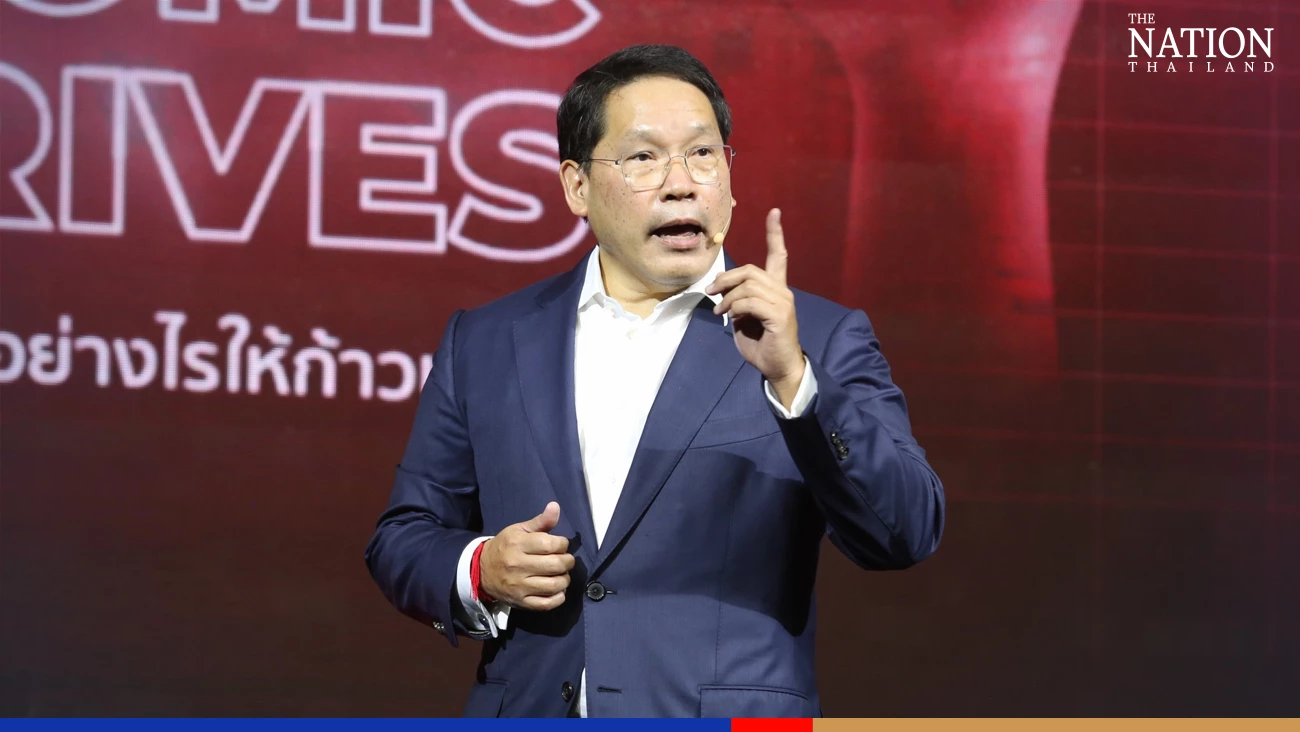 Uttama Saowanayon, former finance minister and ex-Palang Pracharath Party leader
 Sanda Ojiambo
 Gita Sabharwal


 Haram of Baby Monster (YG Entertainment)
 Ahyeon of Baby Monster (YG Entertainment)
 Chiquita of Baby Monster (YG Entertainment)
 Asa of Baby Monster (YG Entertainment)
 Rora of Baby Monster (YG Entertainment)
 Pharita of Baby Monster (YG Entertainment)


 Sakchai Thapsuwan
 Stephan Fox
 SootinClaimon.Com