Cambodian authorities have ordered DKSH Cambodia to stop distribution of its baby powder products made from talc, pending test results from third-party laboratories after suspected contamination with asbestos was discovered.
Asbestos is a natural mineral with a variety of industrial uses that has long been heavily restricted in its applications – and sometimes banned outright – in numerous countries around the world due to its carcinogenic properties and its link to the lung cancer mesothelioma, which can be caused by breathing in small fibres or particles of the material, according to the Ministry of Labour and Vocational Training.
The ministry also noted that asbestos is permitted in some items in Cambodia such as cement, fibro-cement, ceiling cement, plaster, brake pads, clutch pads, insulation for heating and cooling systems, soundproofing, machinery, rubber pipes and other building materials.
However, crucially all of the above examples are objects that exist in a solid non-particulate form or are wrapped or under a coating, rather than ground into a powder to be applied to human skin, which presents an acute possibility of danger to those exposed who may inhale it.
The announcement of the suspension came after the Consumer Protection, Competition and Fraud Repression Directorate-General (CCF) met with DKSH representatives virtually on August 22 and presented the results of the analysis of its baby and kid powder products, which are supposed to be made from talc only but are suspected of having asbestos in them.
CCF ordered DKSH to temporarily stop the distribution of all baby powder products and wait for the results of the analysis from third-party laboratories, which may be released soon.
“The results of the laboratory department showed that there were banned substances in DKSH baby powder products. CCF is taking further research measures according to the technical specifications, the details of which will be released later after receiving specific results,” it said.
CCF director-general Phan Oun told The Post on August 23 that after taking samples and conducting tests on some baby powders purportedly made from talc at their laboratory, the results showed the presence of asbestos on the analysed samples.
Due to the lab results, CCF has introduced a number of immediate measures, such as requiring the company to suspend the import and distribution of all of its baby powder products that have been found to contain asbestos and to recall its baby powder products from the markets and retailers before reporting back to CCF on the amount of products it has collected.
“The company has two weeks to take samples for analysis at a third-party laboratory with international capacity and recognition. Asbestos is not allowed to be present in cosmetic products. The presence of this substance can be very dangerous to human health, even causing cancer,” he emphasised.
DKSH Cambodia could not be reached for comment on August 23.
The Phnom Penh Post
Asia News Network
Asia News Network: The Nation (Thailand), The Korea Herald, The Straits Times (Singapore), China Daily, Jakarta Post, The Star and Sin Chew Daily (Malaysia), The Statesman (India), Philippine Daily Inquirer, Yomiuri Shimbun and The Japan News, Gogo Mongolia, Dawn (Pakistan), The Island (Sri Lanka), Kuensel (Bhutan), Kathmandu Post (Nepal), Daily Star (Bangladesh), Eleven Media (Myanmar), The Phnom Penh Post and Rasmei Kampuchea (Cambodia), The Borneo Bulletin (Brunei), Vietnam News, and Vientiane Times (Laos).
“In this world, no matter what country you go to, everything is under the table.” That is what Katsutoshi Ozawa, a manager from Kanagawa Prefecture, was told by director of the Intractable Disease Patient Support Association, a nonprofit organization that helps facilitate organ transplants.
Ozawa, 53, who had been a high school and university rugby coach, suffers from serious kidney disease. Desperate for help, he travelled to Kyrgyzstan last December on a trip facilitated by the NPO. His total expenses were about ¥21 million, which he scraped together from fund-raising activities done by his students and his own personal savings.
However, a 58-year-old woman from the Kansai region who had undergone a kidney transplant at the hospital in the central Asian country later developed serious complications. And an Israeli, who went to the hospital through a different route, died following surgery. Ozawa was unable to have the operation.
When Ozawa phoned the NPO back in Japan and asked if there was any other way to receive the transplant, the director said, “It’s a matter of fact that a tip is needed to change the order [of transplant operations]. In one sense, organ transplants are a business.”
The director suggested he receive a living donor transplant in Kazakhstan or Tajikistan. “Whatever happens, I don’t want you to say you got [a kidney] from a living person,” the director said. “It will be said that you bought [it] from a poor person.”
Hearing this sowed the seeds of distrust in Ozawa, who rejected the idea and returned to Japan. “I never imagined overseas transplants operated in a world like this,” he recalled.
Getting started
According to the NPO’s website, the 62-year-old director founded a bedding manufacturing company in Yokohama in 1983. In 1998, he moved his operations to Shanghai and supplied major bedding and furniture companies and other retailers through Japanese trading companies.
One day in or around 2003, a relative asked him, “A former classmate is undergoing dialysis. Is it possible to have a kidney transplant in Shanghai?” In response, he visited a university hospital in Shanghai, and that laid the groundwork for becoming involved in organ transplants.
In 2007, Chinese authorities notified medical institutions that priority for organ transplants should go to domestic patients and, in principle, should not be performed on foreigners. However, there were exceptions made, and the NPO continued to provide guidance on organ transplants in China for Japanese patients.
In 2014, a 58-year-old man from the Kansai region underwent a kidney transplant in China, paying about ¥16.5 million to the NPO. The NPO had introduced him to a large hospital in Tianjin near Beijing. At the hotel where he stayed prior to the surgery were about 10 other Japanese also awaiting operations.
From the hospitalization procedure to the operation itself, everything went smoothly, as well as the postoperative process. On the sensitive subject of whether his new organ came from a live person or a dead one, he was told, “That’s none of our concern.” He likely never found out.
Caught on tape
Transplants in China were halted in 2020 when the COVID-19 pandemic hit in full force, and the NPO director had to seek help from a new source. That would be from a 58-year-old Turkish middleman — who had been arrested by Ukrainian authorities in 2017 on charges of organ trafficking.
The NPO agreed to pay the Turkish man about $80,000 (about ¥10.7 million) per patient for the operation and other expenses. In the case of last year’s transplant in Kyrgyzstan, about $15,000 (about ¥2 million) of the amount was paid as a “donor fee,” ostensibly compensation for the organ.
According to voice recordings obtained by The Yomiuri Shimbun, the NPO director said during an internal meeting in May that “a donor receives about $15,000.” When another official told him, “We’ll give $16,000 to the donor,” the director replied, “Okay, okay.”
In a separate recording from the same month, an NPO official is heard telling the director that he told a patient’s family that the surgery and other expenses would total $80,000, to which the director responded, “You didn’t tell them how much money the donor will receive, did you?”
In response to media reports citing these remarks and other sources, the NPO posted a statement on its website on Aug. 12. In addition to insisting that the organization “has never been involved in organ trafficking,” it stated that “organ trafficking may have taken place without our knowledge.”
“We will carefully scrutinize the source of donors in the future and, if organ trafficking is suspected, we will take strict actions, including cancelling the transplants,” it said.
The Japan News
Asia News Network
Asia News Network: The Nation (Thailand), The Korea Herald, The Straits Times (Singapore), China Daily, Jakarta Post, The Star and Sin Chew Daily (Malaysia), The Statesman (India), Philippine Daily Inquirer, Yomiuri Shimbun and The Japan News, Gogo Mongolia, Dawn (Pakistan), The Island (Sri Lanka), Kuensel (Bhutan), Kathmandu Post (Nepal), Daily Star (Bangladesh), Eleven Media (Myanmar), The Phnom Penh Post and Rasmei Kampuchea (Cambodia), The Borneo Bulletin (Brunei), Vietnam News, and Vientiane Times (Laos).
As India prepares to commission its first domestically-built aircraft carrier, its construction marks a milestone which will put the country among the ranks of few, said India’s Southern Naval Command Chief, Vice Admiral M.A. Hampiholi.
The Indigenous Navy Ship INS Vikrant will be brought into service on September 2, over two decades after work on its design began.
“Vikrant is indeed historic for it gives us the ability as a country to join a few select nations who are able to design and construct aircraft carriers,” said Hampiholi on the deck of the 262 metres-long ship.
It is the largest ever ship built in India, weighing 45,000 tonnes and able to hold 1,500 personnel.
“The amount of steel that has been used in the ship is enough to perhaps make four Eiffel towers,” said Hampiholi.
He added that the ship’s cabling is around 2,400km long – roughly the distance from Kochi to Delhi.
Once commissioned the carrier will carry out a variety of roles including providing humanitarian aid and assisting in disaster relief operations as well as its military capacities.
The warship is expected to carry at least 30 aircraft on it, including the MiG-29k that currently operates on Russian-made INS Vikramaditya.
INS Vikrant reportedly has a strike range of 1,500 km and is also equipped with 64 Indo-Israeli surface-to-air missiles, Barak-8 along with four OTO Melara 76 mm naval guns and four AK 630 point defence system guns.
The United Nations nuclear watchdog will visit the Russian-occupied Zaporizhzhia nuclear power plant in Ukraine within days if talks to gain access succeed, the International Atomic Energy Agency said in a statement on Tuesday.
Russia and Ukraine have repeatedly accused each other of firing at the Zaporizhzhia facility, which pro-Moscow forces took over soon after the Feb. 24 invasion. The U.N. has called for the area to be demilitarized.
“I’m continuing to consult very actively and intensively with all parties,” IAEA chief Rafael Grossi said in a statement.
“The mission (to Zaporizhzhia) is expected to take place within the next few days if ongoing negotiations succeed.”
Russia’s U.N. ambassador Vassily Nebenzia on Tuesday told the U.N. Security Council that his country is expecting the IAEA’s visit to Zaporizhzhya to take place “in the very near future” and Russia stands “ready to extend maximum support possible to resolve all organizational issues.”
Ukraine’s Zaporizhzhia nuclear power plant, Europe’s largest, was overrun by Russian troops in March. It remains close to the frontlines and has come under repeated shelling in recent weeks, raising fears of a nuclear disaster.
Vendors at a car boot fair in Beijing stand in front of their booths, eagerly waiting for customers as an endless stream of people strolls past leisurely on a cool Saturday night.
Judging by the crowd size, such car boot fairs are making a huge comeback in China’s capital city and they are not letting up any time soon. What was once restricted in Beijing is now one of the most popular activities among residents to enjoy on a weekend and small business owners are cashing in on the demand.
Local Beijing native Cong Junshen, who used to run a club before it closed due to Covid-19, was staunchly supportive of car boot sales.
“I had a start-up business that failed. Some have been laid off because of the epidemic, and some are just unemployed. So I wish this can give people hope and opportunities to carry on, I wish to support them wholeheartedly,” Cong told Reuters while sitting near his car boot, which has been converted to a cocktail booth.
Once considered as ‘low-status’, peddling wares on the street has made a comeback as people who lost their jobs or closed down their businesses seek new ways to make a living and work around China’s relentless anti-Covid policies. These so-called car boot sales were now the epitome of casual employment within an informal economy as the Beijing municipal government relaxed restrictions.
“It has brought a lot of good things. Firstly, I think the popularity of the night market economy does reflect how well the general economy is doing. People are more willing to come outdoors and go shopping, which I think is a good sign. Secondly, in regards to the income, to be honest, I don’t really earn much from selling trinkets like these. If I depend solely on selling these as a source of income, it may not be very realistic. Nevertheless, I can make a lot of very interesting friends here,” jewellery designer Scarlet Wang said.
Fellow vendor Xu Wenjie agrees selling his wares at car boot sales serves multiple purposes.
“I closed down my brick-and-mortar shop, not because of Covid-19 and hence I had a lot of surplus goods stocked in my own home. Also, because of the economic recovery now, everyone is coming out to set up shop in these markets as a business. There are many potential customers here, so it’s also a good way to increase your income,” he said.
Even so, the Beijing government has a challenging job drawing a fine balance between Covid management and boosting the economy, organiser of a car boot fair Qiao Yi said.
“They’re putting in a lot of effort because on the one hand, they have to deal with epidemic prevention and control, and at the same time, they also need to support the resumption of production and work,” he said.
Malaysia’s top court ordered former prime minister Najib Razak to begin a 12-year prison sentence on Tuesday after upholding a guilty conviction on charges related to a multi-billion dollar graft scandal at state fund 1Malaysia Development Berhad (1MDB).
The Federal Court ruling caps the stunning downfall of Najib, who until four years ago governed Malaysia with an iron grip and suppressed local investigations of the 1MDB scandal that has implicated financial institutions and high-ranking officials worldwide.
Having played golf with US presidents Donald Trump and Barack Obama, Najib will now count convicted murderers and drug traffickers as neighbours.
Residents of Putrajaya, where the court announced its verdict, were pleased with the result.
“From the bottom of my heart, I am happy justice is served and he deserved it,” one resident, Fardlan, told Reuters.
Najib, 69, was found guilty by a lower court in July 2020 of criminal breach of trust, abuse of power, and money laundering for illegally receiving about $10 million from SRC International, a former unit of 1MDB. He had been out on bail and pending appeals.
The former premier, who pleaded not guilty, was sentenced to 12 years in jail and a 210 million ringgit ($46.84 million) fine.
Marina Ibrahim, the resident of Putrajaya, said she thought the sentencing was “well deserved”.
Chief Justice Tengku Maimun Tuan Mat said the court unanimously dismissed Najib’s appeals and that the lower courts’ conviction was safe.
Knocking back Najib’s final appeal, the country’s top court also denied his request for a stay of sentence.
Najib, dressed impeccably in a dark suit and grey tie, was seated in the dock as the verdict was read out. His wife, Rosmah Mansor, and three children were seated behind him.
Prosecutors have said some $4.5 billion was stolen from 1MDB – co-founded by Najib during his first year as prime minister in 2009. Investigators say they had traced more than $1 billion of 1MDB money to accounts linked to Najib.
A lawyer for Najib expressed his disappointment after Malaysia’s Federal Court upheld a verdict.
“We’re very sad because we lost the appeal… (only) the Almighty alone can dispense perfect justice,” said Hisyam Teh Poh Teik, who is head of Najib’s legal team.
Najib said that he was not given a fair trial in his final appeal, hours before Malaysia’s top court upholds a guilty verdict against him.
Speaking to supporters and members of the media outside the Federal Court, Najib thanked them and said everything he proposed to the court was rejected. “I did not get my justice and I didn’t get a fair trial based on its principles,” the ex-prime minister said.
A day before the final verdict, Najib said in a Facebook post that he was overwhelmed and felt betrayed and alone.
“There are times when we feel overwhelmed by tests and trials. With slander and persecution, sincerity is rewarded with betrayal. Sometimes we feel we are alone,” he said.
He left the court in a black vehicle with a police escort shortly after he was ordered to begin a 12-year prison sentence. He arrived at the Kajang Prison at around 6.10 pm
Police are keeping a close eye on the current situation at the prison.
Members of the media have been barred from entering the Kajang Prison complex.
Vehicles were also seen making u-turns. A crowd had congregated soon after news broke that Najib was sent to the Kajang Prison.
It marked a stunning turn of events for a leader who held tightly on to power at the peak of accusations over 1MDB.
Najib had started his final attempt on August 15 to set aside his conviction in a corruption case linked to the 1MDB scandal. He had replaced his legal team just three weeks prior.
But his strategies backfired with the court declined to provide more time for his lawyers to prepare.
“I am not ashamed to say, I was desperate, as would (be) any litigant in my predicament,” Najib said in a statement last week, explaining his move to change lawyers.
The 1MDB case, which has also implicated officials and financial institutions around the world and US Department of Justice has described as its biggest kleptocracy investigation, has since been widely seen as a test of the nation’s resolve to stamp out corruption and which could have big political implications.
Protests erupted when allegations arose in 2015 following a report that claimed investigators looking into the firm found $681 million had been transferred to Najib’s personal bank account.
Following the allegations, Malaysia’s attorney-general cleared Najib of the offences, stating the $681 million was a gift from the royal family in Saudi Arabia.
Protests continued, and after Najib was ousted as Prime Minister following a general election in May 2018.
Najib tried to leave the country soon afterwards, but he was stopped, arrested briefly and Malaysians did not expect to see involving the son of the nation’s well-respected second prime minister, Abdul Razak Hussein.
Police raided Najib’s private residence, seizing 284 boxes containing designer handbags and dozens of bags filled with cash and jewellery amounting to more than $245 million.
Since then, the former premier has spent the better part of his time in court, defending himself against a total of 42 charges. He has maintained his innocence all along and said he was misled by 1MDB officials.
The dismissal of his final appeal on Tuesday involved a 2020 conviction by a lower court for criminal breach of trust, abuse of power and money laundering for illegally receiving about $10 million from a former unit of 1MDB.
The scandal has also ensnared Hollywood stars such as Oscar-winner Leonardo DiCaprio, whose charitable foundations received donations from 1MDB.
A Hollywood production company was accused in a U.S. civil lawsuit of using $100 million that prosecutors said had been diverted from 1MDB to finance DiCaprio’s 2013 film “The Wolf of Wall Street”, in which DiCaprio starred.
In October 2020, Goldman Sachs and its Malaysia subsidiary also pleaded guilty to U.S. Department of Justice charges over its role in Malaysia’s 1MDB corruption scandal, paying nearly $3 billion to settle the charges over its role in the scandal.
Najib could now apply for a review of the Federal Court decision, though such applications are rarely successful.
He can also seek a royal pardon. If successful, he could be released without serving the full 12-year term.
The conviction means Najib will lose his parliamentary seat and cannot contest elections. He also faces several other 1MDB trials.
Najib was groomed for high office from his political debut, aged 23.
Until recently, he was the youngest person elected to parliament. The British-educated son of nobility was elected as premier in 2009.
Najib struck a reformist tone, pushing for liberal economic policies and repealing colonial-era security laws in a bid to shed the perception of a government unwilling to brook dissent.
But the disenchantment of Malaysia’s ethnic minorities in a 2013 election prompted Najib to roll back his reform pledges in the face of anger over a perceived loss of long-held economic privileges by the majority ethnic Malays.
Majority Muslim Malays form 60% of a population of about 32 million, with the rest mostly made up of ethnic Chinese and ethnic Indians.
In 2015, the first signs of scandal began to surface at 1MDB, prompting Najib to go after critics decisively.
It took a historic election victory by the opposition in 2018 for Malaysia to reopen 1MDB investigations that eventually led to dozens of charges against Najib.
Najib remains popular in some quarters, including his UMNO party, which came back to power last year amid political turmoil.
His regular jabs at the opposition and lighthearted updates on Facebook have drawn more than 4 million followers, making him Malaysia’s most popular politician on social media.
Thailand Knowledge Park, or TK Park, is hosting TK Music Weekend, a music festival that invites music lovers and readers to listen to music in a warm and relaxed setting within the library.
At the music festival, attendees will have the opportunity to meet the artist Bell Warisara, a young favorite singer with a distinct, angelic voice and the owner of the popular pop songs “Circle it out,” “love u 1m,” and “Microwave.”
Loserpop, the new band from What The Duck music label, is also featured, with dream pop music that is easy to listen to. The band owns the hit songs “once,” “Scent,” and “Fall.” SAMMii, a new artist with a low-tone voice, is preparing to perform a special show from the album Make Me Sick EP.
And Uncle Ben will bring the hit songs from the Sundown EP album to make everyone happy.
Listen to beautiful music, sing, play, and dance for free on August 27 – 28, 2022 from 2 p.m. – 6:30 p.m. at the Open Space, TK Park, 8th floor, CentralWorld. Alternatively, you can watch live on Facebook at TK Park อุทยานการเรียนรู้ or on YouTube at TK Park Channel.
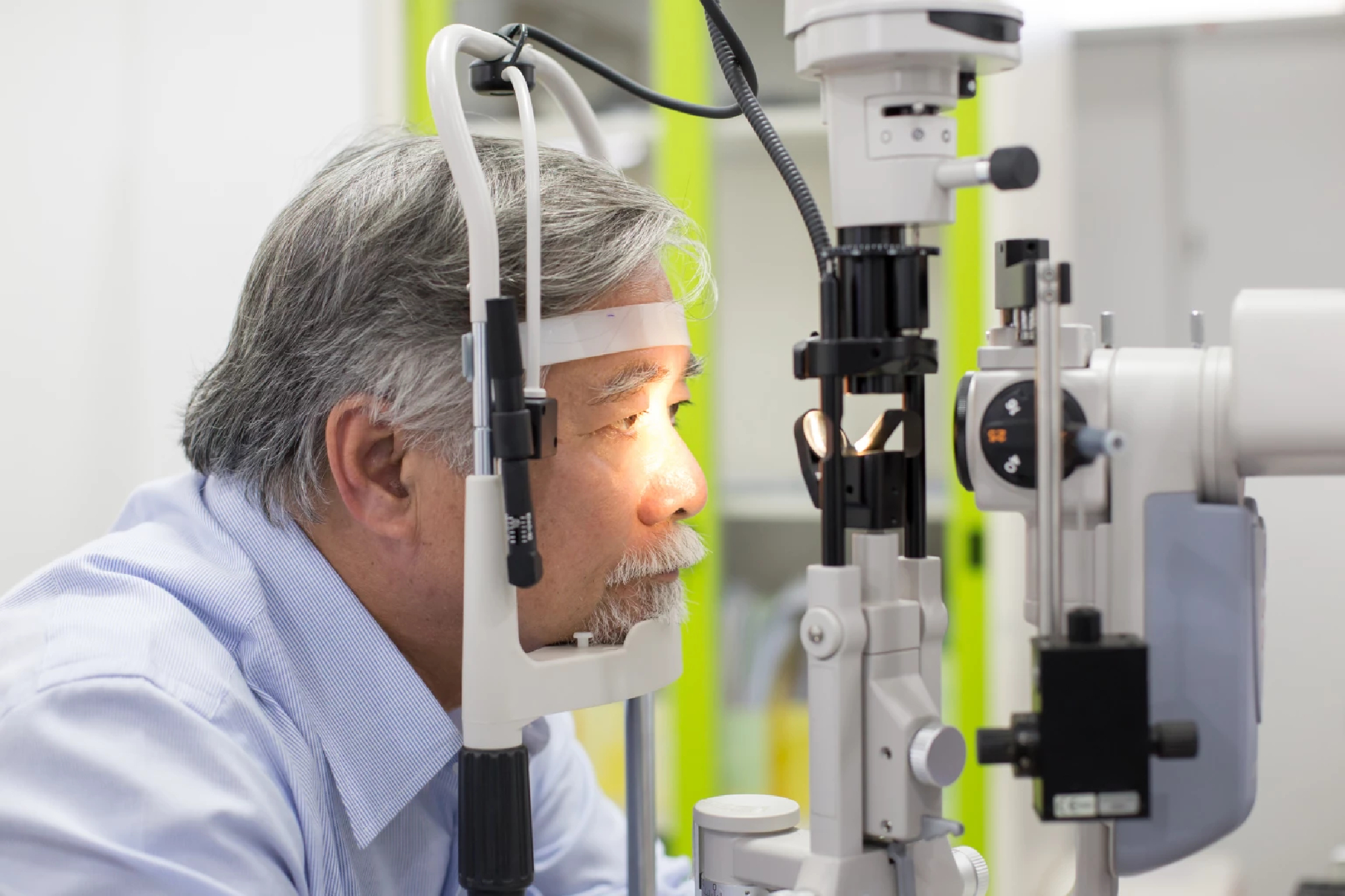
Bangkok, August 24, 2022 – Eye problems that tend to be more prevalent in Thailand are Age-related Macular Degeneration (AMD) and Diabetic Macular Edema (DME), which affect up to 18,700 and 536,700 people per year, respectively.
The increasing number of patients with eye diseases is due to the country’s aging society, as the elderly experience inevitable health problems such as eye degeneration. Other factors include a sedentary lifestyle and overconsumption of sugary foods and beverages in the working-age population, which may lead to high blood sugar levels and subsequently diabetes. Not only that such eye problems can be a cause of sight loss, but they also affect patients’ quality of lives. Therefore, it is crucial to understand the risk factors, watch out for early warning signs, and visit an ophthalmologist for regular eye examinations to protect your eyes.
Thanapong Somkijrungroj, MD., a Retina, Uveitis and Medical Cornea Specialist who is also the Chief of Uveitis Unit at King Chulalongkorn Memorial Hospital and the President of Cataract and Refractive Surgery Society of Thailand, has shared important information about eye diseases, the latest treatment guidelines, and eye care tips for keeping an excellent vision.
Symptoms and consequences: Both Age-related Macular Degeneration (AMD) and Diabetic Macular Edema (DME) are caused by abnormal blood vessels growing into the macula and lead to visual impairment.
The abnormalities in AMD occur beneath the macula. AMD can be classified into two types: dry AMD and wet AMD. The latter is also known as Neovascular Age-Related Macular Degeneration or nAMD, and is more common in people aged 55 and above.
On the other hand, the abnormalities in DME, which are driven by high blood sugar levels, occur within the macula and result in retinal swelling or widening. DME can be found in any age range and is the number one cause of vision loss in people with diabetes.
Risk factors
Although some of the risk factors for AMD, such as aging, are unavoidable, others such as smoking are preventable. Regarding DME, the risk factors are associated with diabetes duration, high blood sugar levels, high blood pressure, obesity, and gestational diabetes.
Medical development and greater efficacy
Around 10 years ago, the main treatment procedure for eye diseases like AMD and DME was laser. Although it was often unable to improve vision, it helped slow down the progression of the diseases. Recent advancements in medical technology have enabled new treatment approaches that yield greatly improved results. Particularly, a group of medicines called “anti-VEGF” which reduces new blood vessel growth (neovascularisation) or oedema (swelling) demonstrates the visual improvement. To ensure the treatment outcomes, patients are required to inject the medicine into the vitreous. However, each medicine differs greatly in terms of its injection frequency. Some can be as often as once every 1-2 months, which poses significant burdens for patients and caregivers, especially travel distance and cost for those living far from the hospital or upcountry. In addition, the caregivers of visual-impaired patients may need to take some time off from work to take the patients to the hospital.
“The treatment innovation for AMD and DME has undergone an excellent development. Recently, a medicine with a new mechanism of action has been approved by the Thai Food and Drug Administration. The medicine acts as a dual pathway inhibitor; it inhibits both VEGF and ANG 2, which play an essential role in disease pathogenesis. It helps reduce the proliferation, leakage and inflammation of blood vessels, as well as strengthen the retinal vein. From an ophthalmologist’s point of view, this mechanism of action is deemed a significant therapeutic change, as it allows longer dosing interval, i.e. less frequent injection, when compared to the previous treatment options. A clinical trial , shows that the new medicine is administrated to 80% of patients every 12 weeks (or 3 month-interval), while 60% of patients every 16 weeks (or 4-month interval). It can be said that the innovative treatment can deliver better outcomes for patients”, Dr. Thanapong explained.
According to a clinical trial that conducts with more than 2,300 patients and the real-world evidence data collected in the US of approximately 70,000 doses7 of the injection, the innovative medicine which already received US FDA’s approval does not show any differences in terms of side effects as compared to those previously available medicines. “In Thailand a number of AMD patients have had the opportunity to use this innovative treatment option since it was recently approved in the country. This innovative medicine is suitable for all groups of patients, namely those who have never received any medication before, those who experience drug-resistance, as well as those who prefer to reduce the dosing intervals. This innovative treatment shines a new hope for AMD and DME patients,” Dr. Thanapong said.
For DME patients who receive the new innovative treatment and monitor their blood sugar levels carefully, there is a tendency that the symptoms can improve within 3 – 5 years with a strong possibility to discontinue the medication. AMD patients, on the other hand, are less likely to discontinue the medication, their quality of lives can be improved by the reduction of dosing intervals.
In the future, there will be continuous development to deliver new innovation and technologies in treating eye diseases, such as longer-acting medicines, medicines with different mechanisms of action than the existing ones, implantable devices which release the medicine right into the eyes and reduce the frequency of injections to 1 – 2 times a year, AI-aided treatment planning to investigate individual patient’s responsiveness, etc. All of these technologies result in a better quality of life for patients.
Eye disease prevention
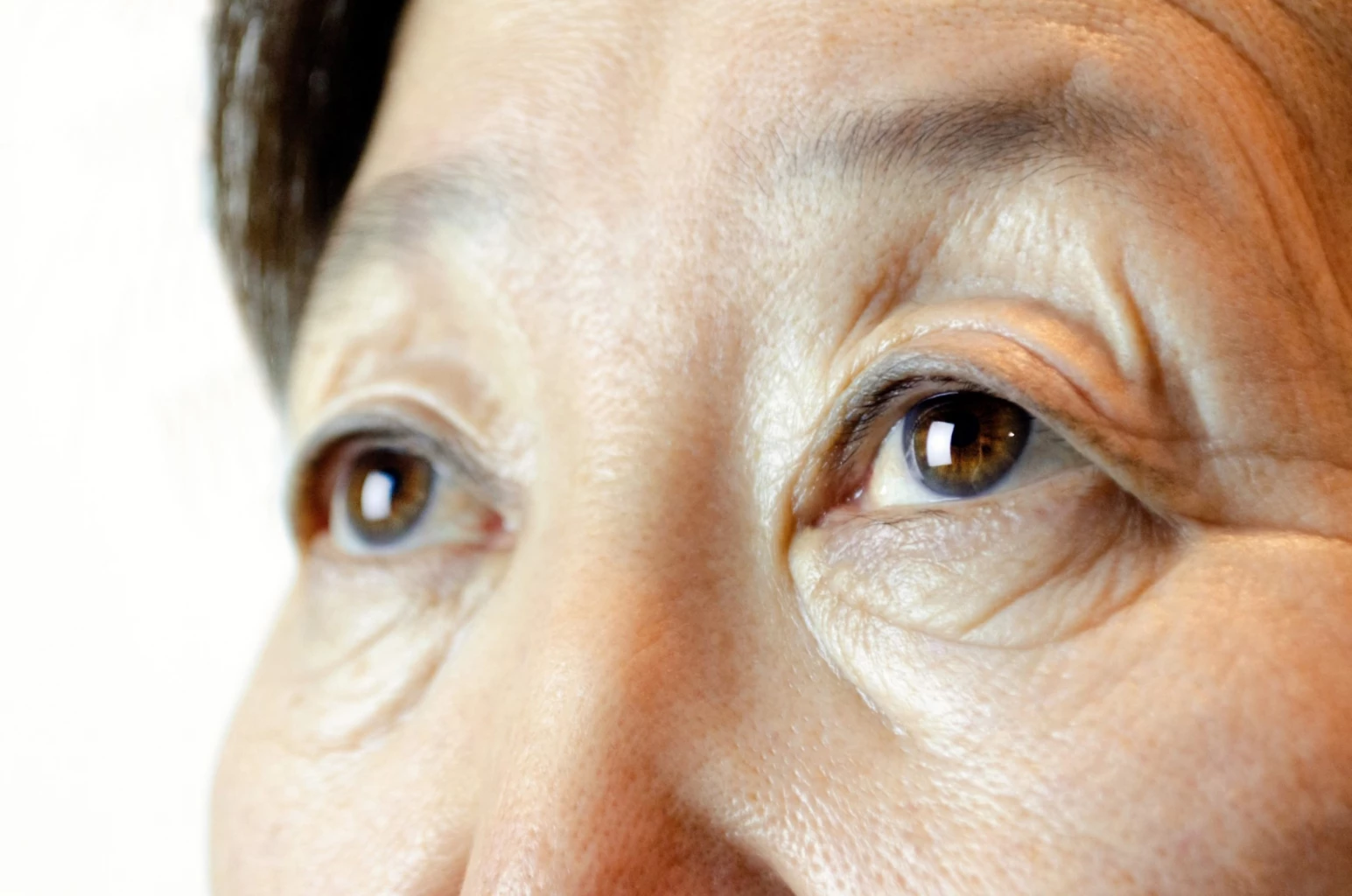
Dr. Thanapong said, “Both AMD and DME involve the abnormalities of retinal veins that are likely to happen spontaneously and may affect only an individual eye. Some cases do not report any physical pain at all, and their affected eyes appear normal from the outside without any visible symptoms. As a result, these eye diseases are considered silent health threats to most patients because they assume that blurry vision is caused by changes in vision or eyeglass lens.”
It is crucial for the high-risk groups who are prone to develop AMD and DME to establish healthy habits, keep their medical conditions in check, wear eye protection glasses when exposed to strong wind or bright light, avoid rubbing or pressuring eyes, refrain from smoking, maintain a healthy weight, and control theblood sugar levels.
Recommended ways to assess visual impairment
“Everyone can detect visual impairments by following these easy techniques. Close your eyes one at a time, and then look at door frames or window frames. If they appear distorted lines or blurry, you need to visit an ophthalmologist as soon as possible. For people aged 45 and above, it is important to schedule regular eye exams at least once a year to ensure that you will receive timely treatment and reduce the risk for vision loss. The importance of eye health is fundamental to quality of life,” Dr. Thanapong concluded.
Thanapong Somkijrungroj, MD., a Retina, Uveitis and Medical Cornea Specialist who is also the Chief of Uveitis Unit at King Chulalongkorn Memorial Hospital and the President of Cataract and Refractive Surgery Society of Thailand.
The Thai women’s national team will play Chinese Taipei on Wednesday in the last Pool B preliminary round match of the 2022 Asian Women’s Volleyball Cup at PhilSports Arena in Pasig, the Philippines.
Thailand had won their previous group match 3-0 against Australia on Monday 25-9, 27-25, 25-13 after losing their opening match 3-0 to Japan. Chinese Taipei had also beaten Australia in their group encounter.
The match between Thailand and Chinese Taipei at 4pm will be broadcast on ONE 31 channel, PPTV Gold website, and PPTV HD36 YouTube channel.
Thailand have a 5-0 win-loss record against Chinese Taipei in recent encounters.
On the same day, South Korea will play Vietnam at 1pm while hosts the Philippines will play Iran at 7pm.
Manchester United manager Erik ten Hag won the respect of his players when he led from the front after ordering them to go on a 13.8km run after the humiliating 4-0 loss to Brentford, which marked a disastrous start to their Premier League campaign.
Ten Hag was furious after his team’s dismal show on August 13 at the Gtech Community Stadium.
The Dutchman cancelled their scheduled off day and asked them to report for training. The players were reportedly incensed when he ordered them to run 13.8 kilometres, the distance his players had run less than their Brentford rivals, with the temperature an unfriendly 33 degrees Celsius.
The Mirror reported that players who were reportedly “infuriated” by his decision were soon left in awe after the Dutchman too joined in. The long run in demanding conditions reportedly left the manager “physically shattered”, but it made a “deep impression” on the squad.
A source told The Mirror: “The players were raging when they discovered their punishment for the no-show at Brentford would be an 8.5-mile run. But the moans ceased when it became clear that the manager was planning to do the same as them.
“He didn’t have to tell anyone why. It was clear that he wasn’t going to let his players take all the blame for the performance. Ten Hag also felt he had to show that he also felt culpable. It was a tough run for the players, but it was even more gruelling for Erik, and they were impressed.”
On Monday against Liverpool, United players ran 19km more than they did against Brentford and were rewarded with a 2-1 victory over their arch-rivals.