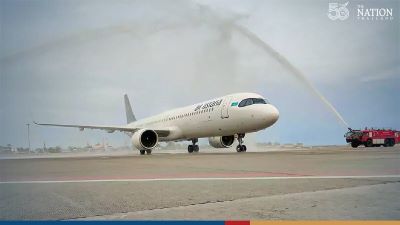
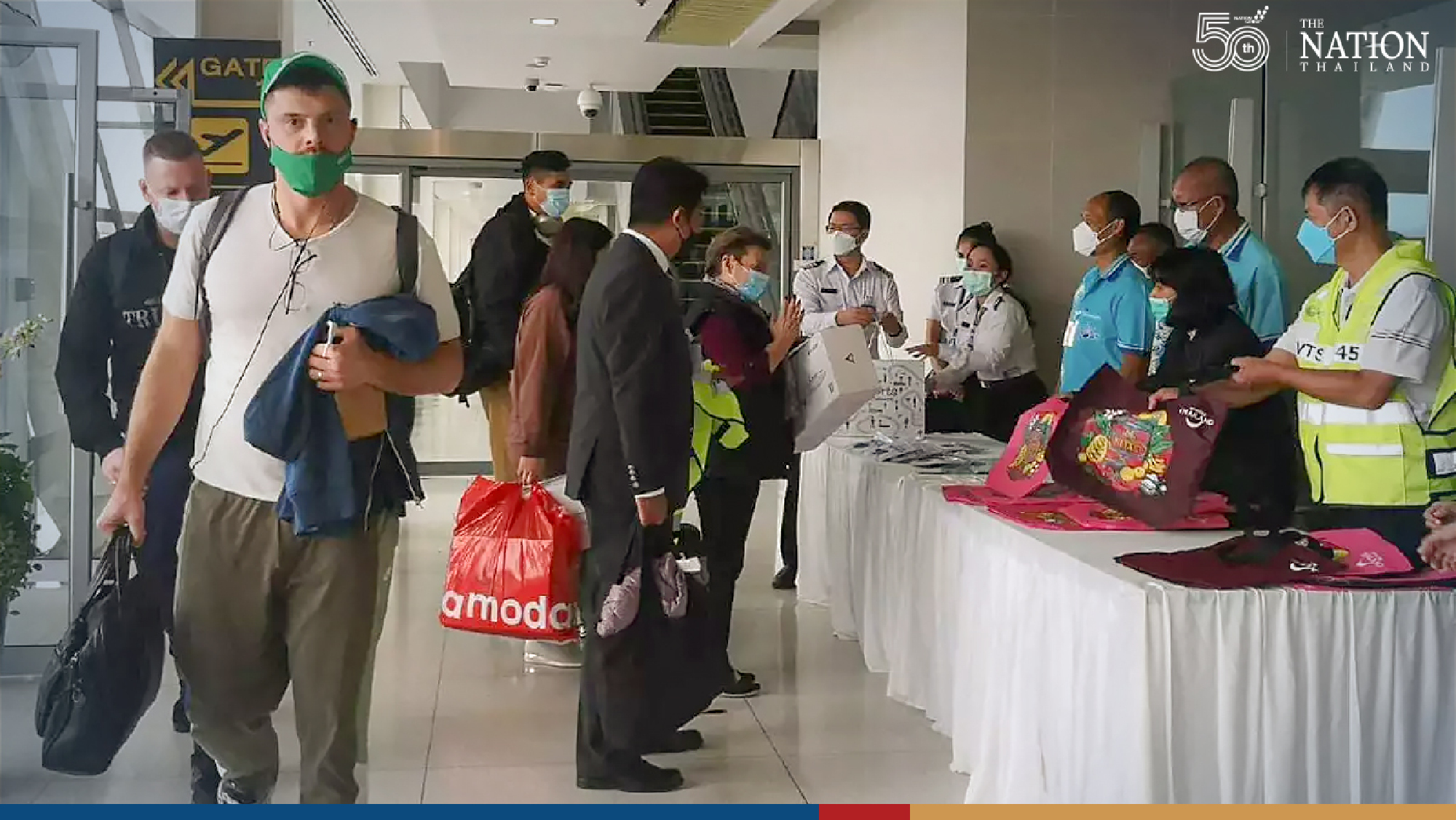
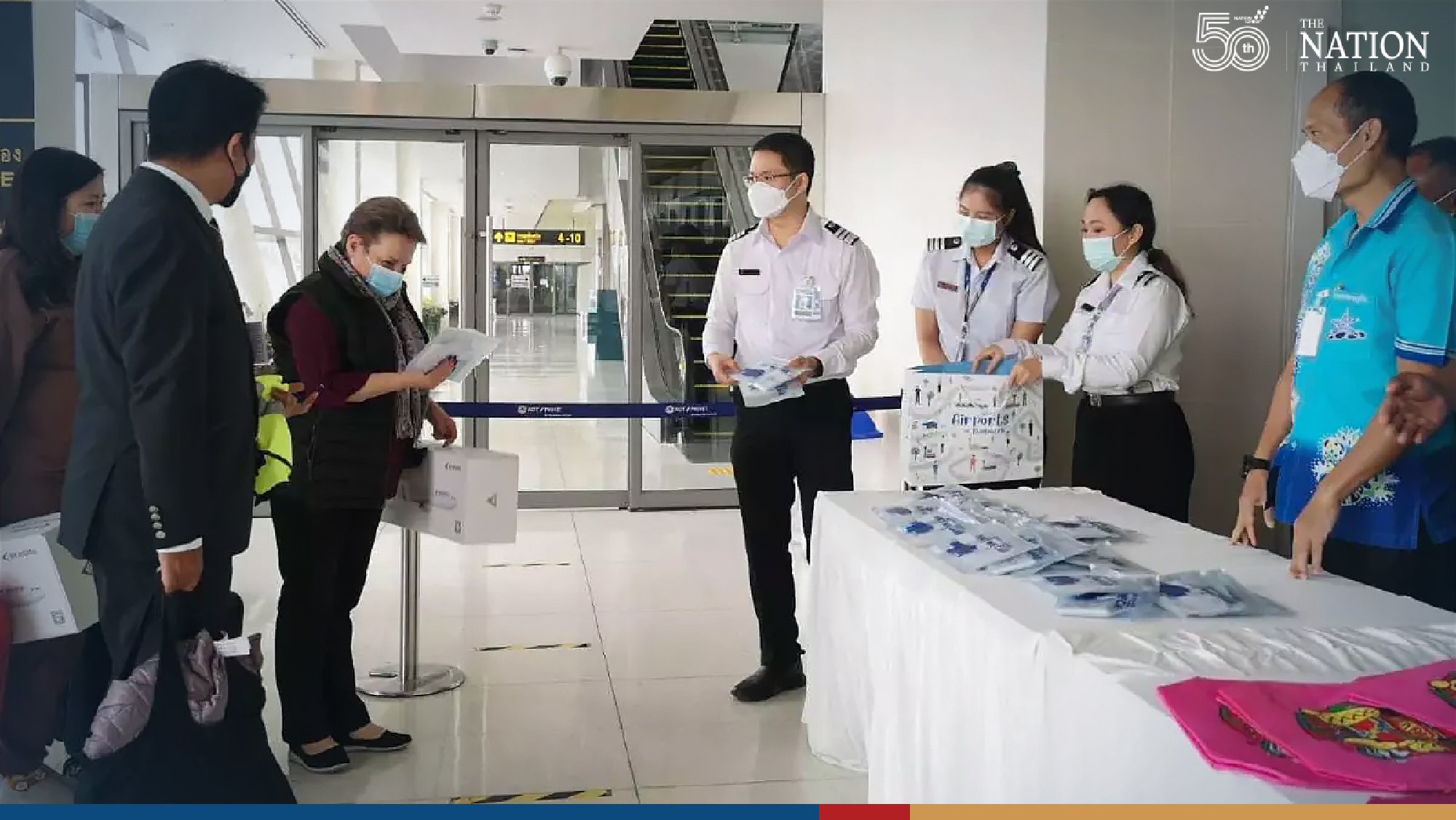
Air Astana’s first flight to Phuket from Almaty city in Kazakhstan landed on the island with 106 tourists arriving under the sandbox scheme.
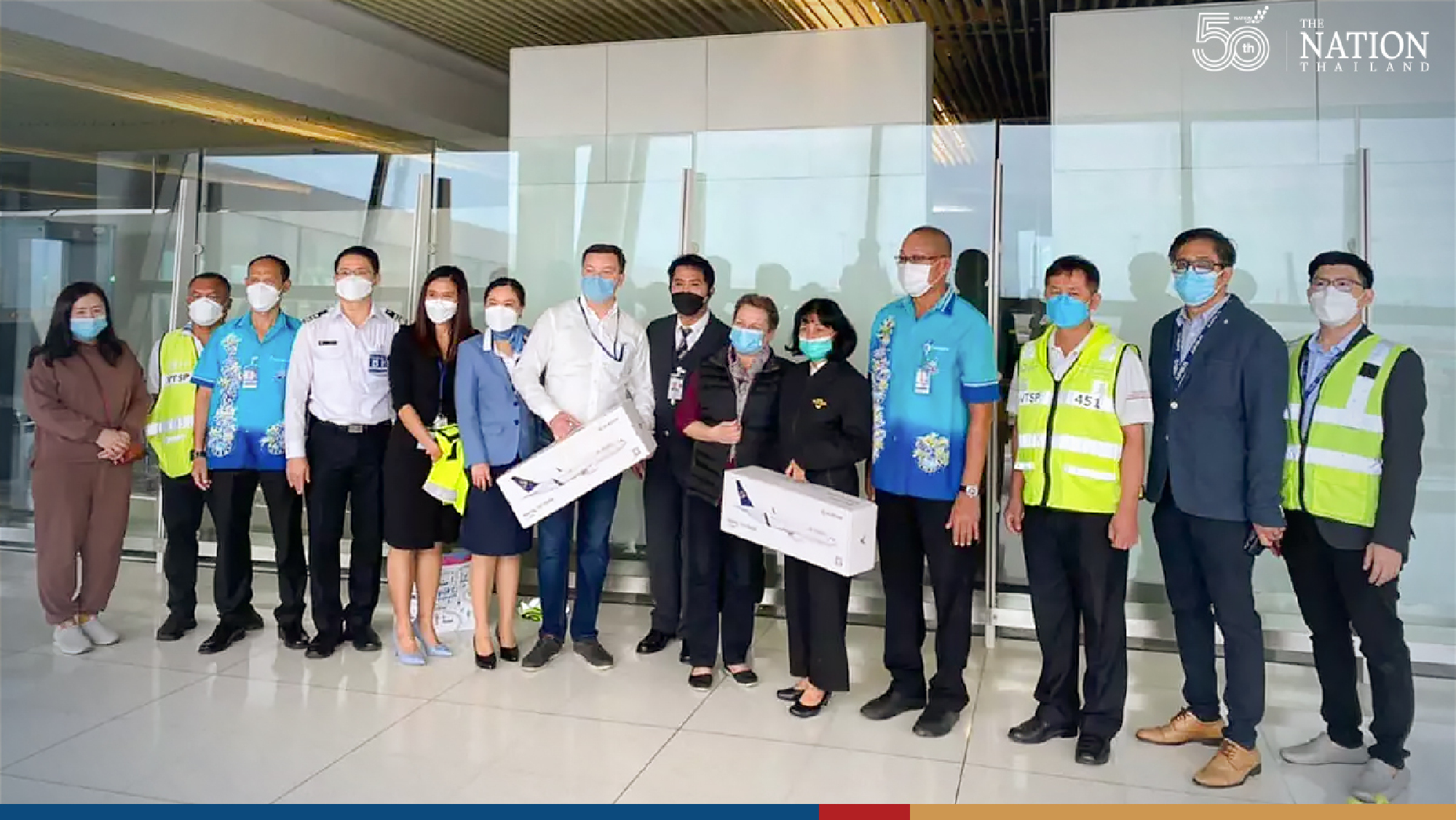
Officials from the Phuket chapter of the Tourism Authority of Thailand (TAT) were at hand to welcome flight KC563’s passengers, which included Bella Tormysheva, Air Astana’s vice-president of corporate communications.
Kazakhstan’s Air Astana launches flights to Phuket
Nantasiri Ranasiri, director of TAT Phuket, said this group of tourists were a blessing for the island as they would promote it not only in Kazakhstan but also in other countries in Central Asia.
Air Astana will fly twice weekly from Almaty to Phuket from Sunday onwards. TAT said there are six more airlines set to fly to the tropical paradise from November.
A United States regulatory agency has called on Thailand to provide details of the equipment used in the fishing industry to see if they meet the US Marine Mammal Protection Act.
Assoc Prof Dr Thanaporn Sriyakul, director of Thailand’s National Fisheries Policy, said on Saturday that the demand has been made by the US National Oceanic and Atmospheric Administration (NOAA).
He added that if the details provided are found unacceptable, then the US will ban all fishery products from Thailand.
Thanaporn said providing a clarification will not be easy because the details must be based on academic and research data combined with actual fishing methods used by local fishermen and commercial fisheries.
“The deadline for submitting details to the NOAA is November 30 otherwise fisheries products from Thailand may get banned. The European Union had issued a ‘yellow card’ [in April 2015] to Thailand as a warning that if changes are not made, Thai fisheries products cannot be exported to countries under the European Union,” Thanaporn said.
In 2019, the EU removed Thailand from its list of countries warned over illegal, unreported and unregulated fishing methods.
The top five markets for Thailand’s fishery products are Japan, the US, Australia, Canada and China. Last year, Thailand exported fish products worth 39.9 billion baht to the US alone.
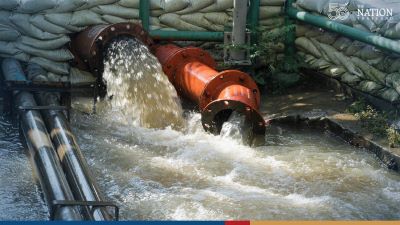
The Department of Disaster Prevention and Mitigation (DDPM) announced on Saturday that it is coordinating with flooded provinces to build water reserves for use during the dry season.
During September and October, some parts of Thailand have seen very heavy rainfall, while some have remained dry. This has caused water resources to run low and reduce provisions for the dry season.
Hence, the department said floodwaters will be pumped from inundated provinces to be stored for use in Phetchaburi, Samut Prakan, Roi Et, Nakhon Ratchasima, Phetchabun, Sakon Nakhon, Kamphaeng Phet, Si Sa Ket and Udon Thani.
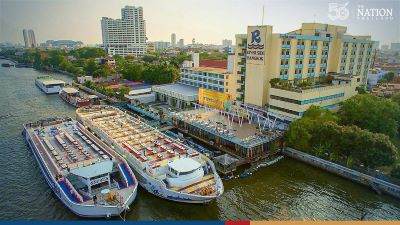
The River Side Bangkok Hotel issued an official statement on Sunday to dismiss rumours that it was up for sale at a price tag of more than 6 billion baht. The hotel’s lawyer said somebody pretending to be a representative of the owner announced the so-called sale on social media last week.
Apichart Patcharapinyopong, the managing director and owner of River Side Hotel Bangkok in Bang Plhat district has assigned a lawyer to file a report at Bowon Mongkol police station on Sunday in the case of someone pretending to be a hotel agent on social media. The pretender allegedly said he had a contact of the hotel owner and had continuously advertised the sale of the hotel at more than 6 billion baht.
Apichart said that such action had caused serious damage to the hotel’s reputation and misunderstandings to those who received the information. He would like to inform the person to stop disseminating false information for further benefit. Otherwise, the hotel will take legal action to the utmost.
The managing director further clarified that the River Side Hotel Bangkok has been a family-owned company for more than 35 years, with no other shareholder. The hotel management is still in operation and the hotel is to resume the service in December without a policy to sell the property.
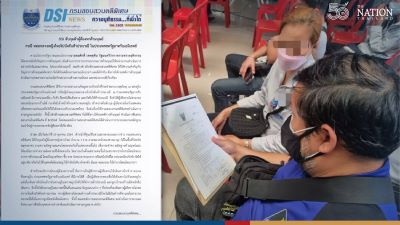
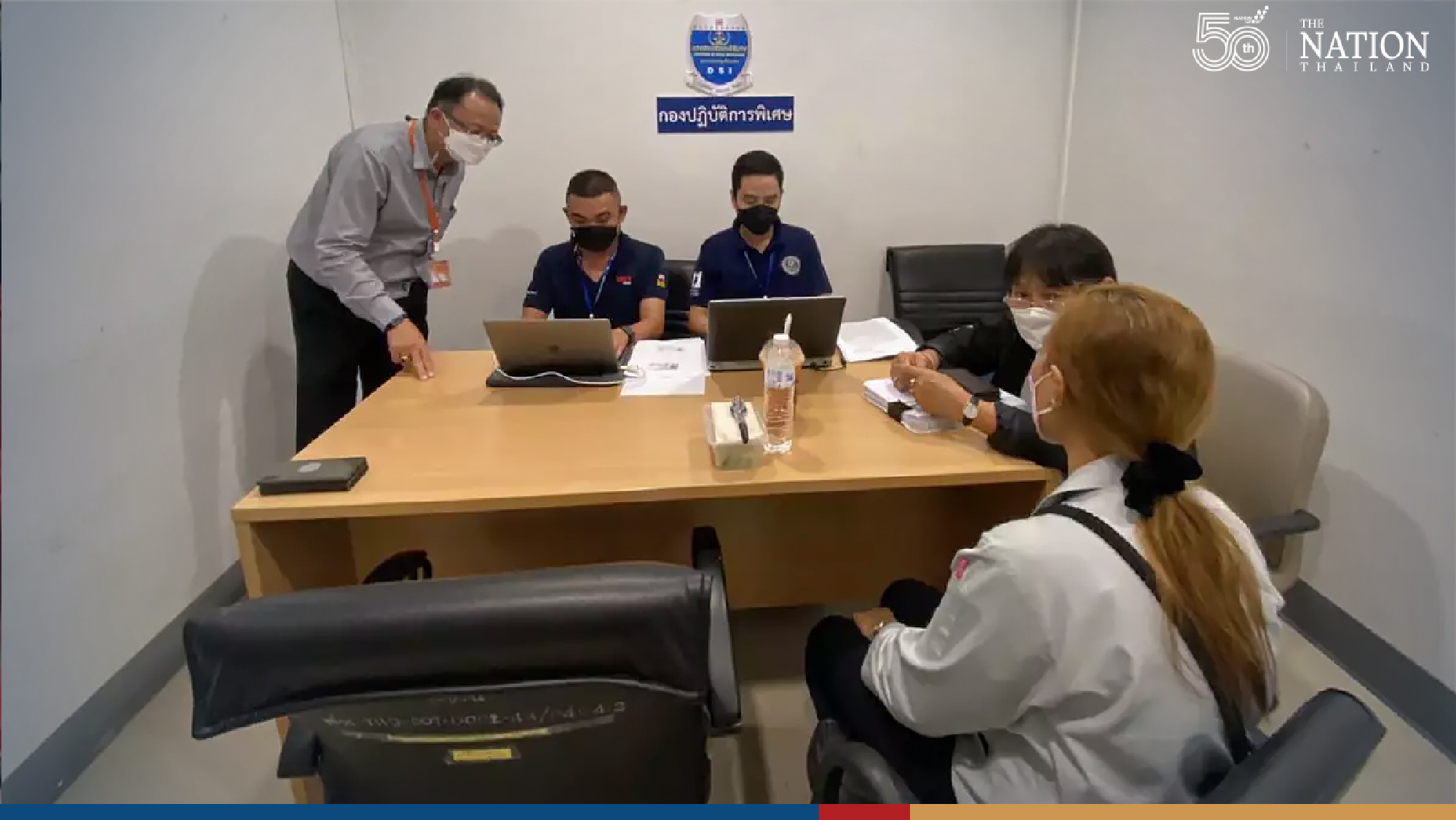
A sex-trafficking suspect sought since September was finally tracked down and arrested on Friday in Samut Sakhon province. The case came to light when a Thai woman sent out a plea for help from Dubai on September 19.
The suspect is believed to have tricked many Thai women into the sex trade in the United Arab Emirates with promises of high-paying jobs in massage parlours.
The victims found themselves burdened with huge debt and living in slave conditions, but could not escape because their passports were seized.
The Department of Special Investigation (DSI) said the case will be further investigated and legal action taken against any foreigners found to be linked with the case.
The DSI also warned people not to trust agencies claiming to offer massage jobs with good income abroad, especially in countries like South Korea, Malaysia, the United Arab Emirates and Bahrain.
Cases or tip-offs related to human trafficking can be reported confidentially via the DSI 1202 hotline or by writing or visiting its office in Bangkok’s Lak Si district.
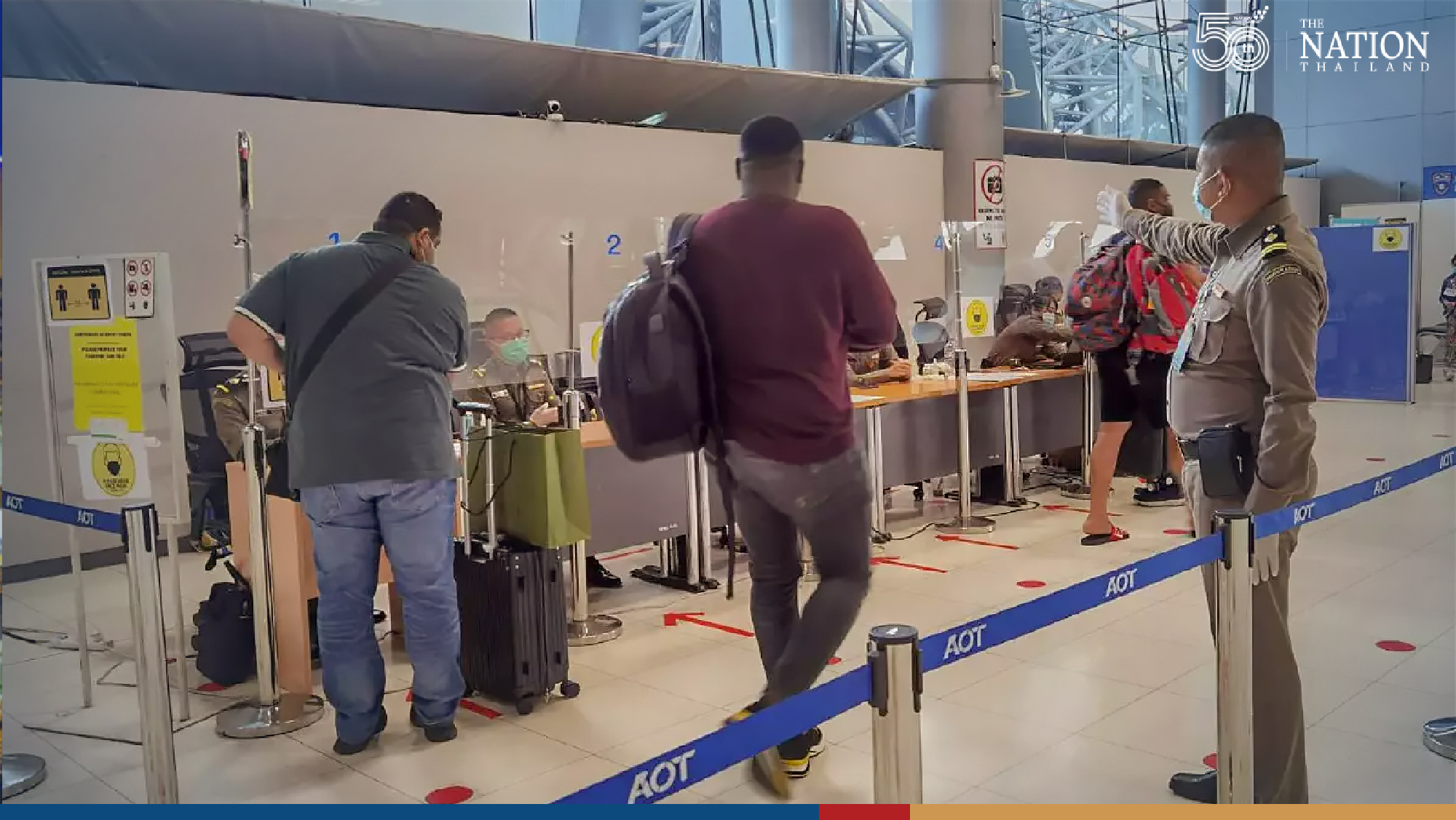
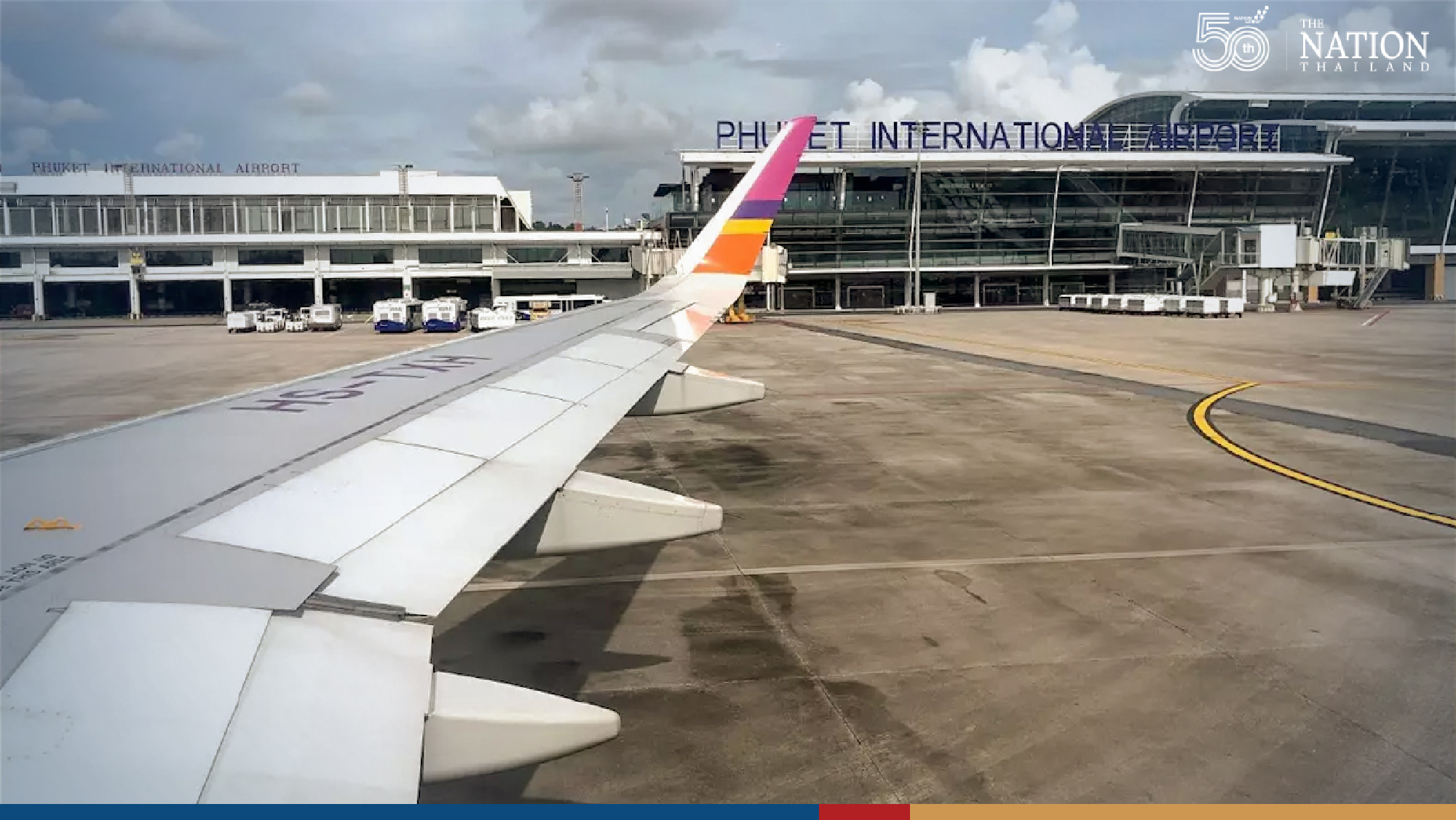
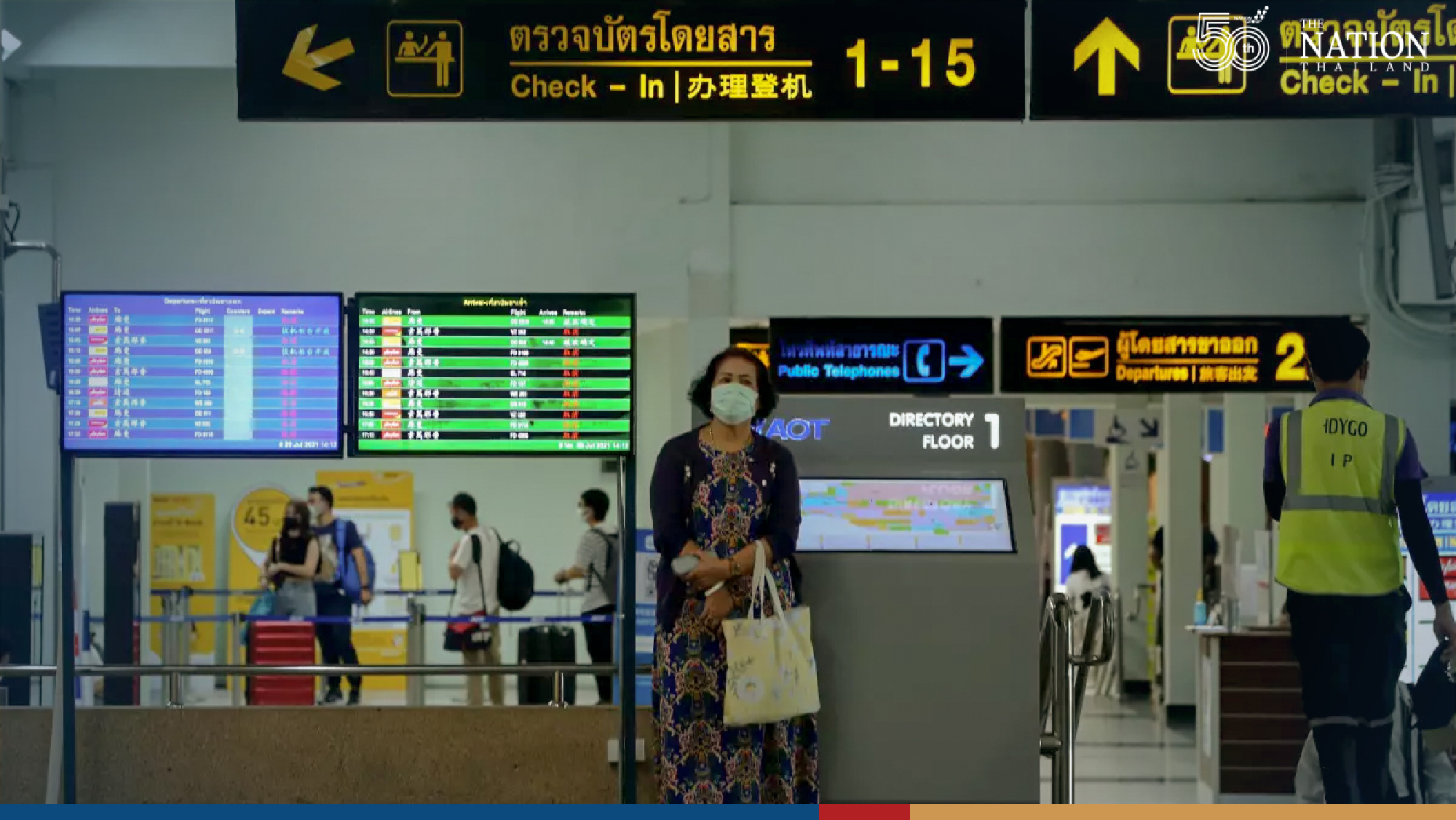
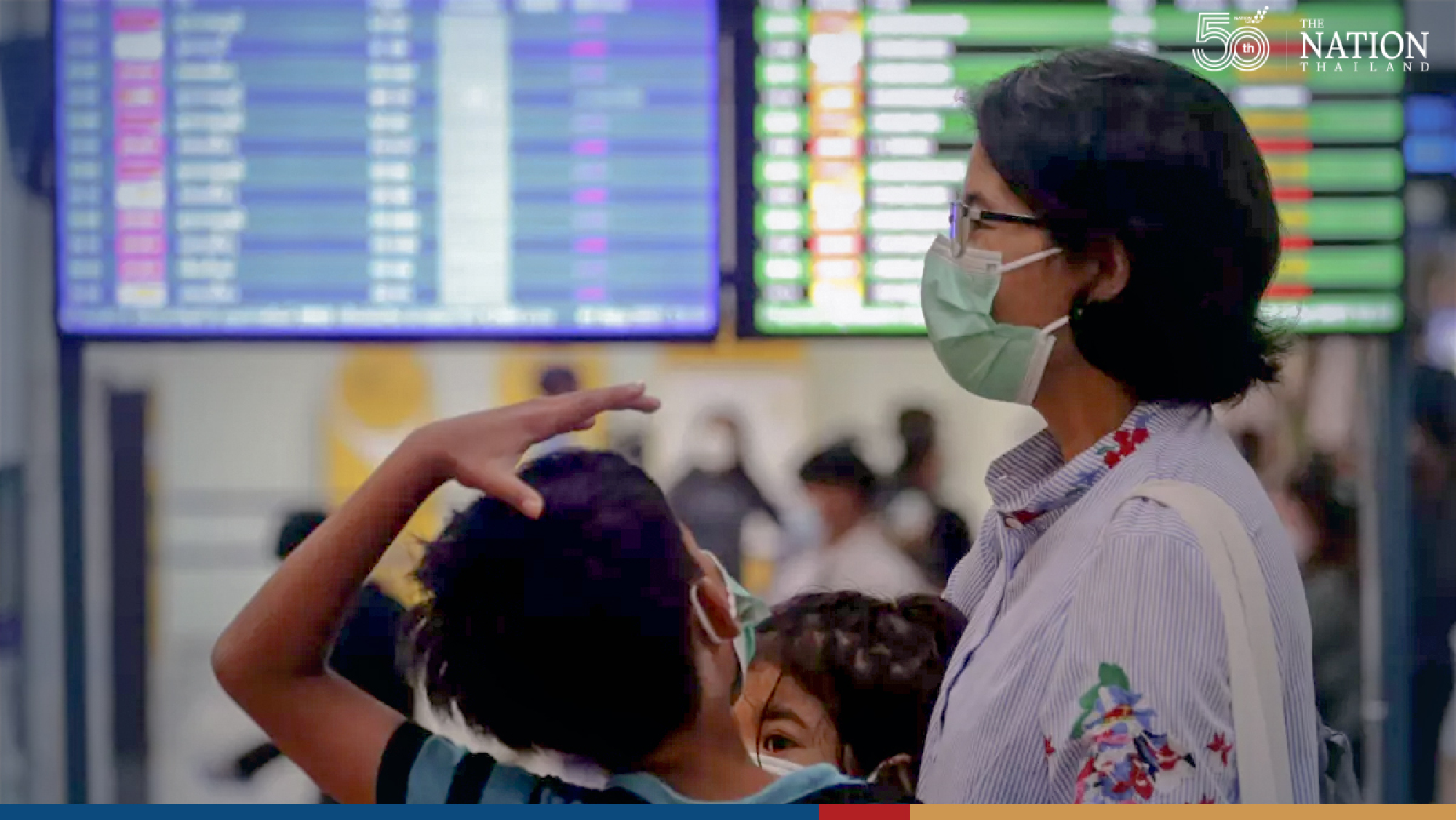
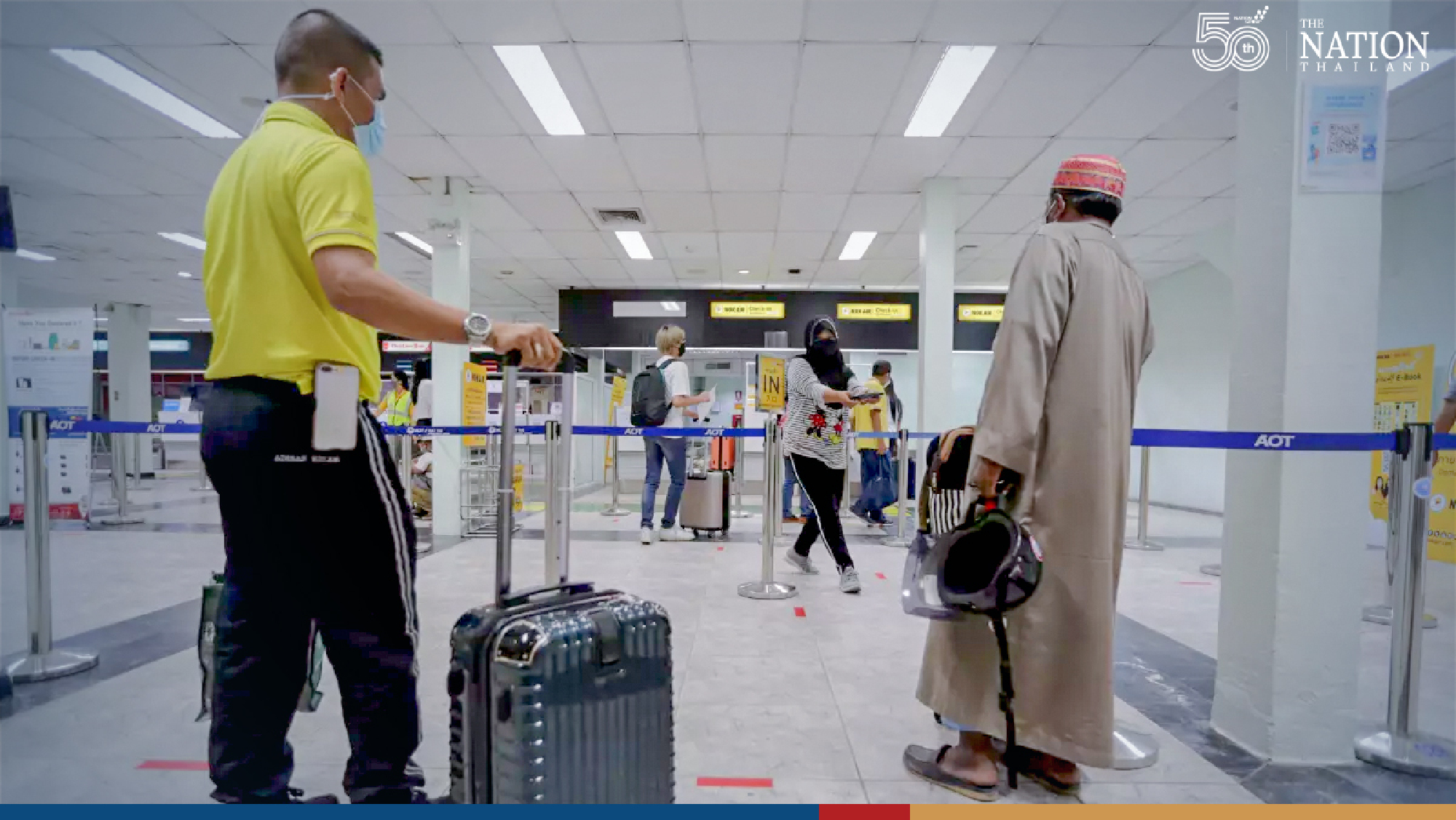
The Civil Aviation Authority of Thailand (CAAT) on Saturday issued guidelines that will govern domestic passenger flights from Monday.
The guidelines, created in line with the state of emergency and the Centre for Covid-19 Situation Administration (CCSA)’s orders to curb the spread of the virus, are as follows:
• Passengers must undergo all entry and departure regulations set by provincial authorities and present documents showing they are free of Covid-19, such as negative test results or self-isolation certificates.
• Flights can operate in dark red zones marked as tourism pilot areas.
• Aircraft seating must be arranged in line with the Public Health Ministry’s measures.
Regulations for local flights issued as Thailand gets ready to reopen
• Airlines must inform passengers in advance about the entry and departure regulations specified by each province.
• Airlines cannot serve food or drink inside the aircraft. In case of emergency or necessity, they can serve water to passengers away from others.
• Airports must manage the flow of passengers and facilitate the work of public health officers on duty.
Regulations for local flights issued as Thailand gets ready to reopen
• Airlines and airports must ensure that their frontline staff have been fully vaccinated and free from Covid-19 by conducting tests every week.
• Airport authorities must ensure all passengers wear facemasks and have a body temperature lower than 37.3 degrees Celsius checked using a non-contact infrared thermometer before entry.
• Airports and airlines must comply with the Public Health Ministry’s measures, such as maintaining social distancing, setting up hand-sanitising checkpoints and conducting cleaning operations regularly.
Regulations for local flights issued as Thailand gets ready to reopen
• Airlines must hold passenger data for at least 30 days in case any of them test positive for Covid-19 later.
• Airports must ensure all retailers on the premises strictly follow CCSA measures.
• Airlines must inform passengers in advance of possible cancellation or rescheduling. If passengers find themselves stranded, they must be taken care of under the Transport Ministry’s regulations on the protection of passengers’ rights.
Regulations for local flights issued as Thailand gets ready to reopen
• Airports and airlines must advise passengers at risk of Covid-19 infection to cancel travel plans as infected travellers can face prosecution under the Communicable Disease Act.
• Airports and airlines must ensure each passenger observes CAAT prevention measures.
Regulations for local flights issued as Thailand gets ready to reopen
The Bangkok Communicable Disease Committee is being urged to let internet cafes and video game arcades reopen from November 15 provided they implement strict disease prevention methods.
The Bangkok Metropolitan Administration said that most students between the ages of 12 and 18 in schools under its jurisdiction have received at least one Pfizer jab. More junior high-school students will receive their second jab between November 8 and 10.
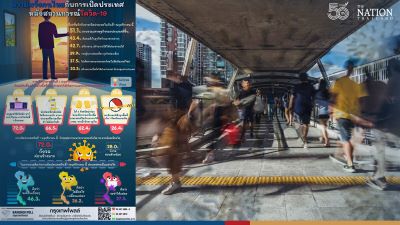
A recent survey shows that more than 70 per cent of Thais are worried that the November 1 reopening will spark a new wave of Covid-19 infections, especially if pubs, bars and entertainment venues are reopened from December 1.
However, more than half of the respondents said they hoped the reopening will kickstart Thailand’s economic recovery.
The poll was conducted by Bangkok University’s Bangkok Poll and covered 1,173 respondents from across the country.
The survey showed that 46.3 per cent of participants believe Thailand’s overall condition will improve after the reopening, 27.5 per cent believed the situation would worsen and 26.2 per cent said nothing will change.
The survey also learned that 51.1 per cent hope Thailand’s economy will improve once it is reopened, while 43.4 per cent hope the reopening will help restaurants and retail outlets and 42.7 per cent hope the reopening will create more jobs and boost people’s income.
However, 72 per cent said they were very worried that Thailand’s reopening on Monday will spark new infections, while 28 per cent were only slightly worried.
When asked to specify which topic was most worrisome, 72 per cent said they were worried about the opening of pubs, bars and karaoke outlets from December 1. Of them, 66.5 per cent believe the decision to let fully vaccinated tourists from low-risk countries enter without quarantine will spark a new outbreak.
Meanwhile, 62.4 per cent said they found the decision to let restaurants in Bangkok, Krabi, Phang Nga and Phuket serve booze most worrisome.
Restaurants and eateries in Bangkok will be allowed to serve alcoholic beverages until 9pm, provided they meet all prevention measures and SHA standards, the Bangkok Metropolitan Administration said on Saturday.
Pubs, bars, karaoke outlets and other entertainment venues remain closed.
This move is in line with the Centre for Covid-19 Situation Administration’s decision to use the capital as a tourism pilot area initially.
The following venues can reopen under strict prevention measures and conditions from November 1 until announced otherwise:
• Child and senior daycare centres can reopen based on the Health Department’s decision.
• Restaurants, eateries and other food outlets that pass SHA standards can serve alcoholic beverages until 9pm.
• Convenience stores, fresh markets and flea markets can operate as usual.
• Libraries and museums can open but no food or drink can be served and no group activities held.
• Cinemas can fill 75 per cent of seats.
• Beauty salons, spas and massage parlours can serve customers via appointment only.
• Public parks, sports venues, swimming pools and water-sports venues can reopen.
• Gyms and fitness centres can reopen under strict Covid-19 preventive measures.
• Stadiums can host matches but every audience member must show evidence of full vaccination or negative ATK or RT-PCR test taken within 72 hours.
• Events can be held in exhibition and convention centres, but no alcohol can be served and meals must be prepared separately.
• Shopping malls and community malls can operate as usual but must refrain from holding activities that trigger gatherings.
• Theatres, martial arts schools and dance studios must inform the Health Department before reopening.
• Weight loss clinics, amulet centres, zoos and aquariums can operate as per normal.
• Playgrounds can reopen under the direction of the relevant district office.
• Saunas, amusement and water parks can reopen provided all prevention measures are strictly observed and customers provide proof of vaccination or negative ATK or RT-PCR test taken within 72 hours.
 Kazakhstan’s Air Astana launches flights to Phuket
 Kazakhstan’s Air Astana launches flights to Phuket
 Kazakhstan’s Air Astana launches flights to Phuket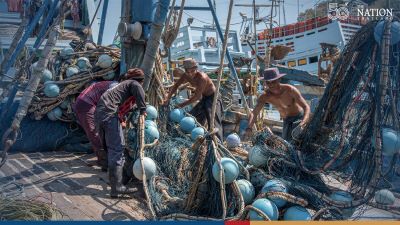
 DSI finally captures alleged sex-trafficker two months after victim’s SOS from Dubai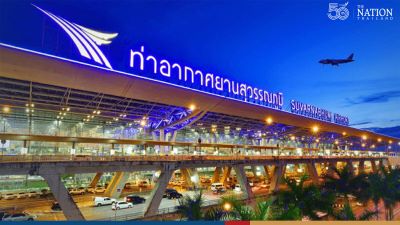
 Regulations for local flights issued as Thailand gets ready to reopen
 Regulations for local flights issued as Thailand gets ready to reopen
 Regulations for local flights issued as Thailand gets ready to reopen
 Regulations for local flights issued as Thailand gets ready to reopen
 Regulations for local flights issued as Thailand gets ready to reopen