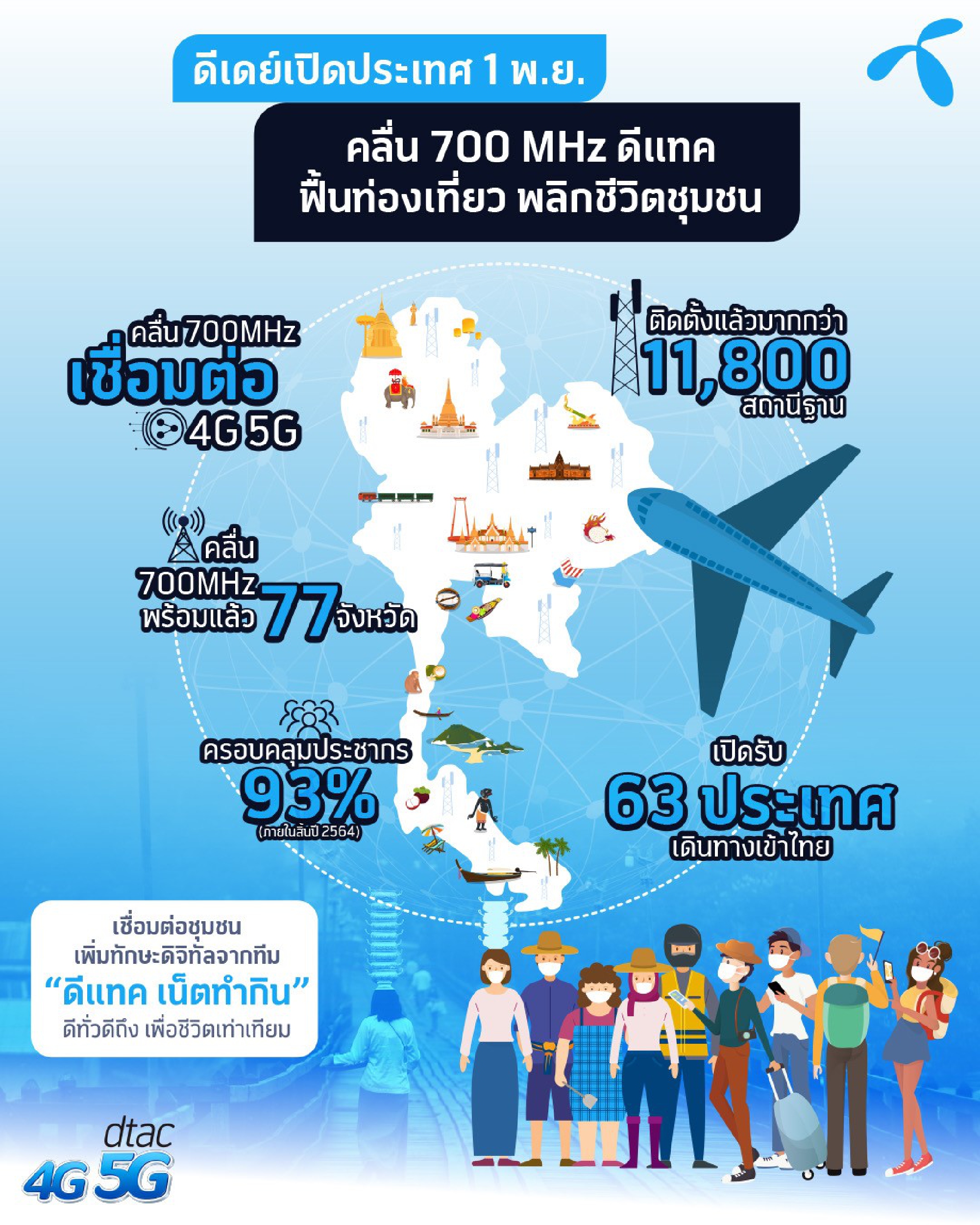
Over 11,800 base stations have been installed nationwide
As Thailand prepares to lift some of its entry requirements on November 1, dtac continues to expand its network on the 700 MHz spectrum band. The improved outdoor and indoor coverage offered by the new network sites will play a critical role in the country’s tourism recovery in the 4th quarter this year, allowing both local and international visitors to stay connected at all times.
dtac has installed more than 11,800 base stations on 700 MHz frequency band, covering 923 districts in all 77 provinces of Thailand. Most recently, the network was also bolstered at 17 major tourist attractions. Furthermore, the network expansion is on track to reach 93 percent population coverage on 4G by year-end, while dtac 5G is now available in 12 major cities.
Sharad Mehrotra, CEO of Total Access Communication PLC, or dtac, said, “In addition to dtac and the telecom sector’s direct contribution to Thailand’s GDP, connectivity has a lever effect on many industries, including tourism. By delivering customer experience improvements through our rollout of new sites on 700 MHz sites, both on 4G and 5G, we are ensuring that Thailand’s economy can make the most of the November 1 reopening.”
The new 5G coverage areas are Nonthaburi, Samut Prakan and Pathum Thani. dtac 5G is also available in Bangkok, Chiang Mai, Khon Kaen, Nakhon Ratchasima, Phuket, Surat Thani, Chonburi, Rayong, and Ubon Ratchathani.
dtacs 700 MHz Network to Back Up Thailand Reopening
Digital Inclusion for Tourism and Local Community
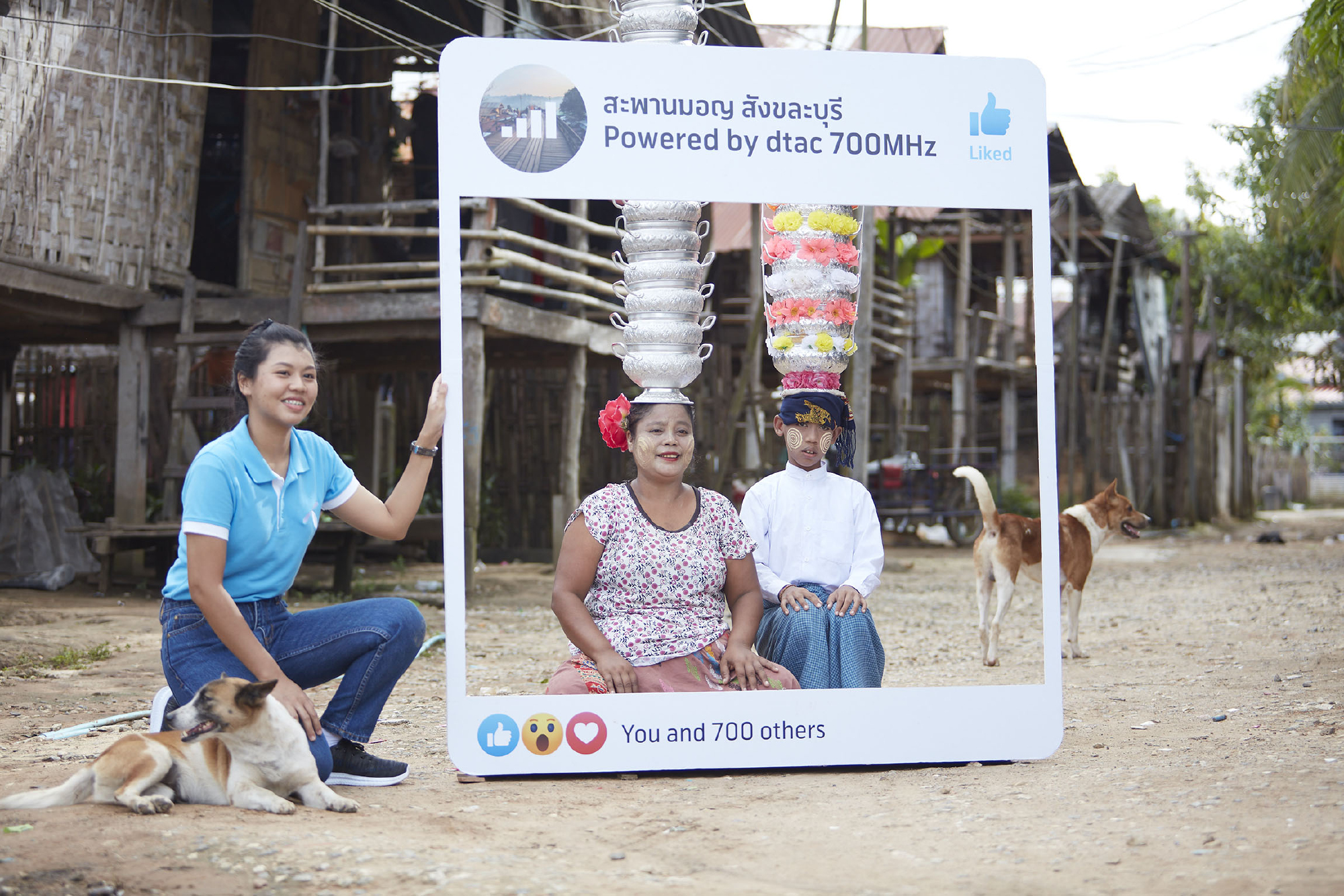
Under the campaign “Good for All, Digital Inclusion for Equality,” dtac also launched a new series of commercial films to reinforce the role of low-band spectrum in lifting tourism and local economies. The films feature how dtac took part in bridging digital gaps by equipping small communities with digital skills.
The first film in the series is set at Uttamanusorn Bridge in Sankhla Buri, Kanchanaburi, commonly known as the Mon Bridge and one of the most iconic attractions in Thailand. The dtac Net For Living team conducted digital skill development workshops for the neighboring community, training them on the use of online platforms and social media to develop new sources of revenue and attract visitors.
dtacs 700 MHz Network to Back Up Thailand Reopening
Mon Bridge is one of many tourist destinations where dtac has added new network sites. Others include Mae Khampong village, Doi Pui tribal village, Verbena field, Doi Suthep and Doi Inthanon national park in Chiangmai, Pha Hi village in Chiang Rai, Khek River in Phitsanulok for rafting, Phimai historical park in Nakhin Ratchasima, Phanom Rung historical park in Buriram, Chanthaboon waterfront community in Chanthaburi, Pattaya beach in Chonburi, Samui island in Surat Thani, Phromthep cape in Phuket, Lipe and Bulon Le islands in Satun.
dtacs 700 MHz Network to Back Up Thailand Reopening
“With tourism so critical to the Thai economy, we are strongly committed to ensuring Thailand’s November 1 reopening benefits the country to the fullest extent possible. dtac’s high-speed internet will be a very important factor in this,” said Mr. Mehrotra.
dtacs 700 MHz Network to Back Up Thailand Reopening
According to the recent report by KResearch, the November 1 reopening plan could boost arrivals of international visitors to Thailand by roughly 64 percent to 180,000 visitors during the last two months of this year. This could generate tourism revenue of more than 13.5 billion baht, primarily in tourist attractions that are opening for international tourists. The sector is also likely to post a substantial growth in 2022 if the COVID-19 epidemic improves locally and globally.
Click here to watch the commercial film #GoodForAll powered by dtac 700 MHz.
Standfirst: With improvements in battery technology and artificial intelligence (AI), green hydrogen helps overcome obstacles in adopting renewable energy.
In Southeast Asia, one of the world’s fastest growing regions, the need for green energy has never been clearer than in recent years.
Too often in the past, the lack of a consistent supply of renewable energy has been an obstacle for its takeup. Now, that’s changing. Moreover, when we hear about clean energy / decarbonization, we tend to think about changing the way we generate electricity. However, true decarbonization is achieved by going clean energy for entire energy journey, from generation, storage, distribution, smart usage to management.
With developments in green hydrogen, batteries and AI that enable “virtual” power plants away, it is becoming easier and viable to tap on greater amounts of renewable energy.
First, green hydrogen. This is a form of hydrogen that is produced without emitting any carbon because it is created with renewable sources such as solar or geothermal.
It can be used to generate electricity when needed and also stored and distributed in a way that reduces the uncertainty of renewable energy, which may vary with day, weather and season.
Hydrogen is not a new fuel. While most of the world’s hydrogen is still created by separating the components of water using fossil fuels, there are efforts to turn to renewable energy instead.
The green process is helped by the falling prices of renewable electricity, particularly from solar and wind, which can be used to generate hydrogen. This can then be released to generate electricity that is delivered to homes, offices and factories.
Takeup in green hydrogen
Some testbeds have carried out green hydrogen trials in Southeast Asia in recent years. In 2019, SP Group successfully established the first zero-emission building in the region that is powered by green hydrogen.
It used Toshiba’s pure hydrogen fuel cell system, a hydrogen-based autonomous energy supply system that produces hydrogen and stores the fuel for producing electricity later with its Fuel Cell technology.
The system uses a special metal alloy as a storage medium to bond with hydrogen, allowing for the storage of a large volume of hydrogen at a much lower pressure over a long period of time without any deterioration.
When electricity is needed, the stored hydrogen is released slowly and regulated, making it safer and more compact to be stored and managed.
Besides Singapore, the governments of Indonesia and the Philippines are working with Toshiba to provide green hydrogen as an off-grid energy source to power their remote islands.
SCiBTM batteries
Just as important as producing renewable energy is storing it for use later. Here, advancements in rechargeable batteries are set to make a big difference.
With them, solar or geothermal energy that is harvested can be converted into electricity and stored on a battery for use later to deliver power when needed.
To do this, Toshiba’s SCiBTM battery uses lithium titanium in its anode to deliver safety, long life, low-temperature performance and rapid charging and high effective capacity.
It has been used by energy companies, such as Tohoku Electric Power Co in Japan, as a way to store energy and reduce grid frequency changes at a substation.
In portable form, the SCiBTM battery is used in electric buses for public transport to automated guided vehicles and mobile robots on a factory floor. It is even used by some of Japan’s famous Shinkansen trains to move to a safe place should a power outage occur.
A virtual power plant (VPP)
Besides green sources of energy, what will also help to decarbonize the environment is improved management of the energy that is supplied and consumed. Here, a transformation is happening with smarter software systems driven by AI and the Internet of Things (IoT).
A VPP is possible now with recent advances. It calls for all the distributed sources of energy, including the solar panels and batteries in homes and offices and renewable energy produced by generation companies, to be managed as one virtual power plant.
Heading to the greener energy journey in Southeast Asia
Using AI and IoT to predict how much energy is expected to be used and supplied, this system can manage the delivery of energy in a more efficient way. It helps to match demand with supply, catering to the peak and troughs of a usage cycle and reducing waste.
With all the data on hand, consumers can also smartly manage their energy use. They can gain credits or discounts when they agree to a request to scale down their usage during a period of high demand.
Already, Toshiba is seeking to launch VPPs across Japan as early as next year in a shift away from a power grid centralized around a single energy generator.
Finding a path forward
Ultimately, the goal is to find a way to use energy more efficiently and to generate that energy through green sources that do no further harm to the planet.
Toshiba is utilizing its wide range of products and services in the generation, distribution, and storage of power, while actively pursuing carbon capture and utilization technologies
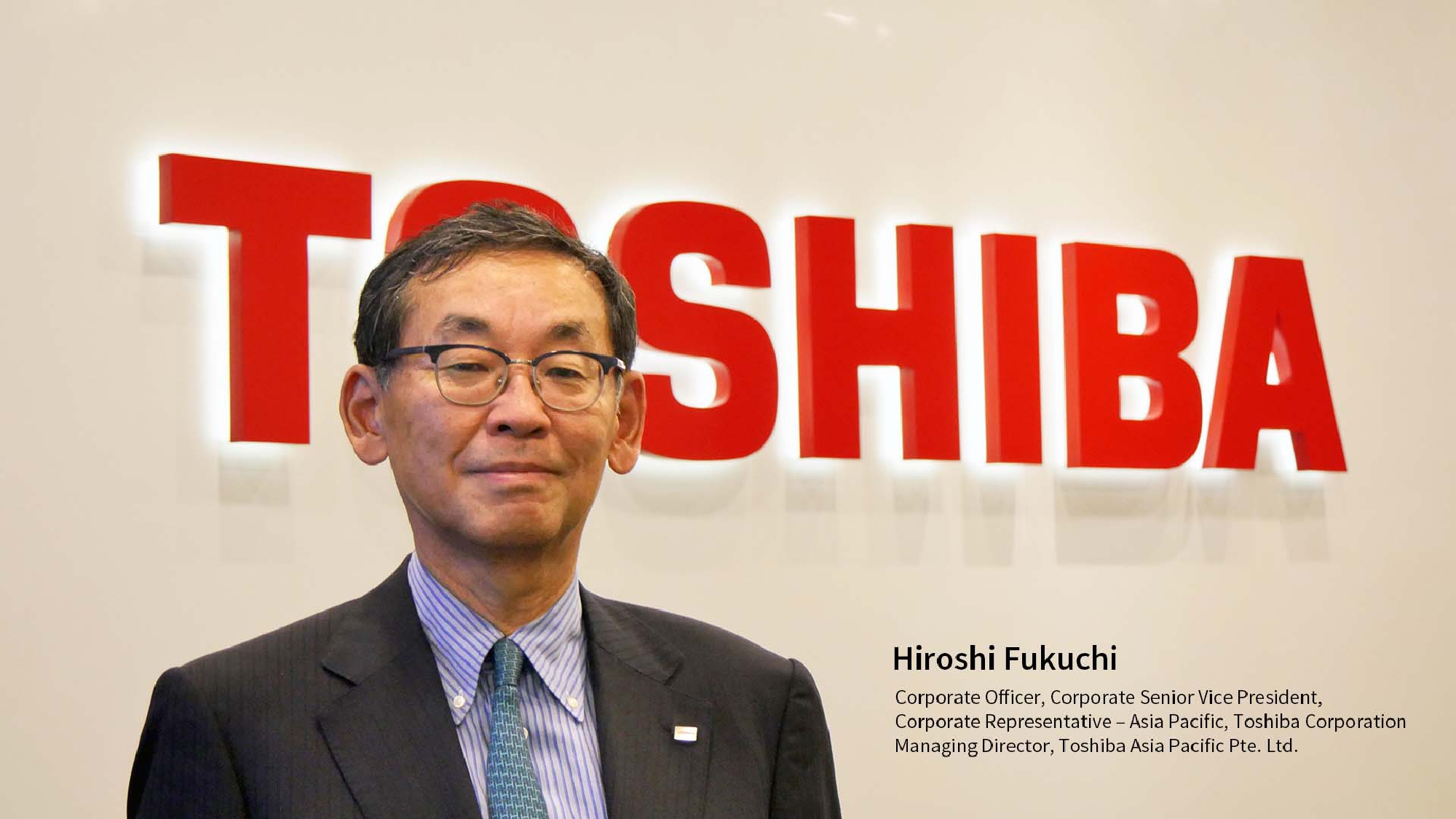
“Renewable energy shows us a path forward to a future where economies can grow while being sustainable in the long term,” said Mr Hiroshi Fukuchi, Corporate Representative – Asia Pacific, Toshiba Corporation and Managing Director, Toshiba Asia Pacific Pte. Ltd.
Heading to the greener energy journey in Southeast Asia
“With a strong foundation forged by more than 140 years of experience, together with our partners, we are confident we are making progress and delivering holistic and sustainable solutions to our most pressing challenges today,” he added.
Managed SASE offering provides holistic cybersecurity services for enterprises in Thailand
AIS, Thailand’s leading digital life service provider, announced the Managed Security Service Provider (MSSP) partnership with Palo Alto Networks, the global cybersecurity leader. This partnership provides a comprehensive suite of managed security services to address cyber security challenges brought on by the hybrid work model. AIS Managed Secure Access Service Edge (SASE) offers enterprises in Thailand complete visibility and control on cloud security to better detect and prevent cyberattacks from occurring.
Powered by Prisma SASE, the industry’s most complete SASE solution, converging security, SD-WAN, and Autonomous Digital Experience Management into a single cloud-delivered service from Palo Alto Networks, AIS Managed SASE helps transform network security and connectivity for the increasingly distributed workforce. The offering helps enterprises simplify and automate cyber threat protection and multi-site network management as they operate with and connect through various cloud environments. With this integrated SASE offering, fully managed by AIS, enterprises can strengthen their security posture expeditiously while reducing networking complexities and costs.
AIS and Palo Alto Networks Announce MSSP Partnership
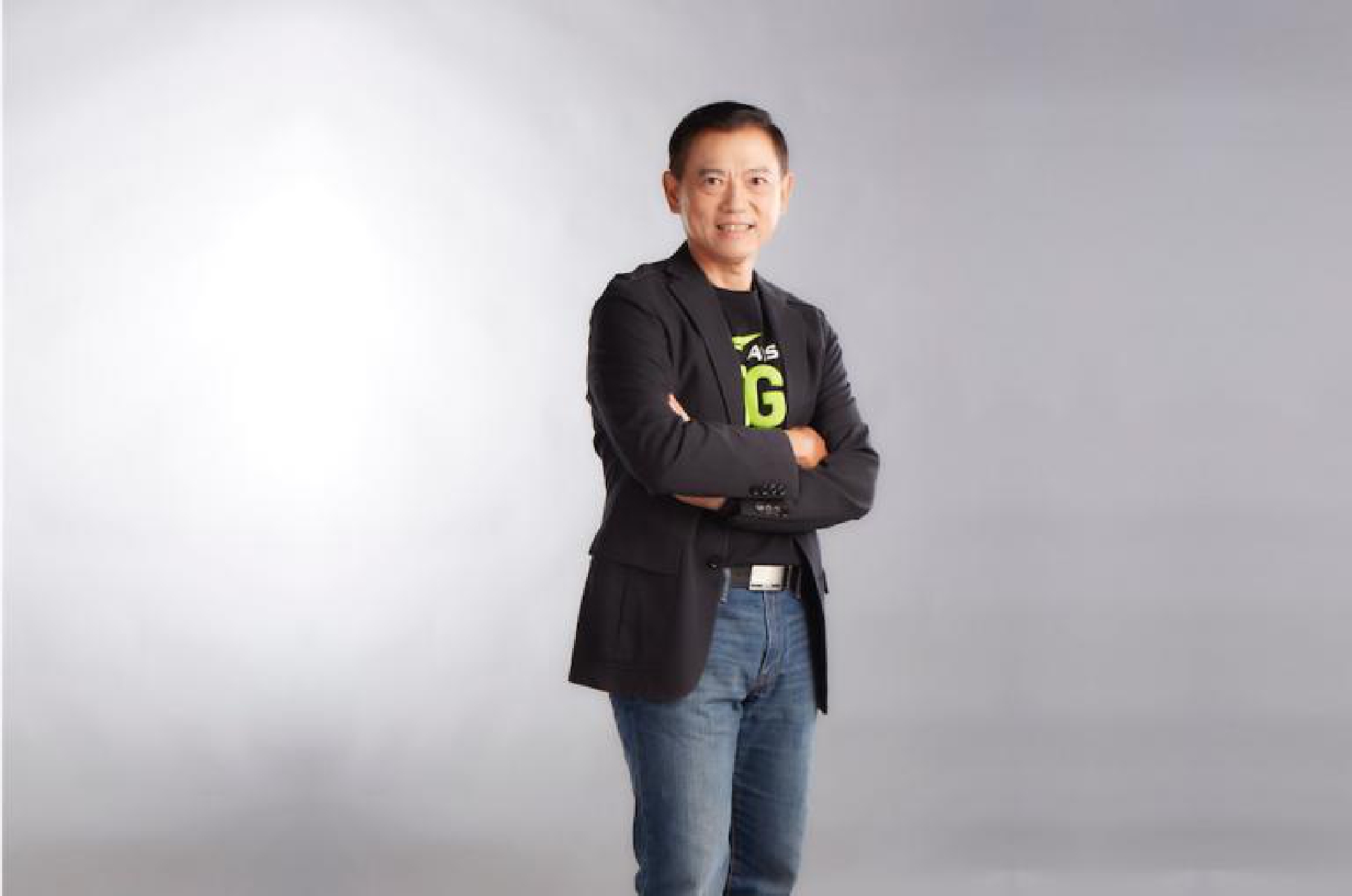
Tanapong Ittisakulchai, Chief Enterprise Business Officer at AIS, said, “AIS is committed to continuously improving our services, which is the core of our business. We are always striving to meet the needs of various industries through modern technology for the country’s benefit. As digital transformation continues to evolve, we must continue to take cybersecurity very seriously. This collaboration with Palo Alto Networks will reinforce our goal to become Thailand’s first one-stop cybersecurity service provider. Our team of cybersecurity experts is ready to provide cybersecurity supervision and consulting services in various fields to all industries in Thailand.”
Partnering with Palo Alto Networks as an MSSP will enable AIS to leverage Palo Alto Networks’ solutions to support the organization to its fullest potential. This will help AIS reduce operating costs and better utilize existing talents to tackle the challenges posed by the ever-rising number of sophisticated threats in Thailand.
AIS and Palo Alto Networks Announce MSSP Partnership
Dr. Tatchapol Poshyanonoda, Country Director for Thailand and Indochina at Palo Alto Networks, said, “with the increased adoption of the hybrid work model and progressive 5G connectivity, it is critical for organisations to ensure that infrastructure and resources essential for work remain accessible and secure. We are thrilled to partner with AIS to provide end-to-end managed security services to meet customer needs in a dynamic security market, supporting Thailand to navigate digital transformation securely.”
Singha Park Chiang Rai has various seasonal agricultural produces all year round for those who are interested. The farm works closely with its in-house researchers and international experts for knowledge and recommendations in the process by selecting only the best seeds, and focusing on the quality with limited plantation.
Singha Park Chiang Rai aims to fully utilize the geographical advantages and the perfect weather of the north to grow premium fruit with little plantation to be delivered locally and internationally, starting with the premium Gros Michel Banana with JGAP certification this November.
Mr. Pongrat Luangthamrongcharoen, Managing Director of Singha Park Chiang Rai Co., Ltd., revealed that “Singha Park Chiang Rai is Chiang Rai’s staple tourism spot and agricultural hub which has helped drive the province’s economy both in tourism and agriculture. We have used this area to research different kinds of plantations to maximize the benefits for the farmers and sell great produces for local consumption and international markets. Singha Park Chiang Rai’s “Gros Michel Banana” is certified with Japan’s best health and safety standards so consumers can consume with a peace of mind and can be sold at Japanese leading department stores. We aim to grow Gros Michel Bananas with the same quality for commercial purposes locally with even more fruits which focuses heavily on quality and limited plantation which will come out soon.”
“Singha Park” enters the premium fruit market with “Gros Michel Banana” with Japanese standards, which can be pre-ordered now along with nationwide delivery.
The Gros Michel Banana is known for its massive size with an average weight for the premium grade at 300-400 grams per piece which is higher than your average Gros Michel Banana, which weighs around 120-200 grams. Singha Park Chiang Rai’s Gros Michel Banana is the first Gros Michel Banana in Thailand to be certified with JGAP, Japan’s best and most comprehensive food and agricultural safety and sustainability measures. It is also environmentally friendly. In 2022, Singha Park Chiang Rai plans to distribute its Gros Michel Bananas to the Japanese market, with the first batch to be sold during November-December of 2021. Consumers can now pre-order Singha Park Chiang Rai’s Gros Michel Bananas at LINE Official Account @SinghaParkShop.
“Singha Park” enters the premium fruit market with “Gros Michel Banana” with Japanese standards, which can be pre-ordered now along with nationwide delivery.
There are also other agricultural products such as Kimoji and Momiji melon imported from Japan, Simi jujube, a Singha Park exclusive which is big, crunchy, and sweet, Hokkaido Pure White corn, Sharp Blue and Biloxi berries from Australia, which is sweet and sour and can be found at Singha Park which is 1 of 3 berry farms in Thailand. Organic farming vegetables with zero chemicals, adhering to Thailand’s organic standards.
Singha Park Chiang Rai has various seasonal agricultural produces all year round for those who are interested. The farm works closely with its in-house researchers and international experts for knowledge and recommendations in the process by selecting only the best seeds, and focusing on the quality with limited plantation.
“Singha Park” enters the premium fruit market with “Gros Michel Banana” with Japanese standards, which can be pre-ordered now along with nationwide delivery.
Products under the Singha Park Chiang Rai brand can also be found at Singha Park Chiang Rai’s store and department stores such as Gourmet Market, Makros in the northern branch, and online via LINE Official Account @SinghaParkShop.
The healthcare industry is an important area of the Thailand 4.0 strategy and is one of the key areas in which Huawei cooperates with Thai local partners to build 5G.
Mr. Anutin Charnvirakul, Deputy Prime Minister and Minister of Public Health, visited Huawei Technologies (Thailand) Co., Ltd. and attended a virtual meeting with Ken Hu, Huawei Rotating Chairman. Mr. Anutin expressed appreciation for Huawei’s continuous support for Thailand’s digital development, and looked forward to further strengthening cooperation with Huawei in 5G healthcare, transportation, and cybersecurity, empowering Thailand to become the ASEAN digital hub.
Mr. Anutin and his team visited Huawei Thailand office in Bangkok, taking a deep tour to understand the latest ICT technologies and their industry applications including 5G, Cloud, AR/VR, HarmonyOS and digital power. And then Mr. Anutin attended a virtual meeting with Ken Hu, Huawei rotating chairman. The participants included Dr. Prapon Tangsrikertikul, Advisor to the Minister of Public Health, Dr. Thongchai Lertwilairatanapong, Deputy Permanent Secretary, Ministry of Public Health, Dr. Somsak Akksilp, Director General, Department of Medical Services, Jay Chen, Huawei Asia Pacific Vice President, and Abel Deng, Huawei Thailand CEO.
Mr. Anutin Visited Huawei Thailand Office
Mr. Anutin said: “There is an old Chinese saying that a friend in need is a friend indeed. I sincerely thank the Huawei local team for their continued support and help to Thailand. Huawei has not only created great business value for Thailand, but also actively practiced its corporate social responsibility. The rapid development of digital technologies, such as 5G, will change the landscape of various industries, including healthcare, and it will overcome technical obstacles that restrict the development of traditional healthcare. Huawei is a global leader in 5G technology. As the Deputy Prime Minister of Thailand, I look forward to strengthening cooperation with Huawei in key fields such as 5G healthcare, cyber security, and transportation to jointly create value for Thai society.”
The healthcare industry is an important area of the Thailand 4.0 strategy and is one of the key areas in which Huawei cooperates with Thai local partners to build 5G. With solutions such as 5G unmanned vehicle pilot project, AI-assisted diagnosis, and 5G telemedicine, Huawei has actively helped prevent and control the pandemic in Thailand. In September 2021, Huawei has signed a memorandum of understanding (MoU) with Thailand’s Department of Medical Services under Ministry of Public Health to enhance the country’s medical services using 5G-powered technologies. This will help to promote the balanced development of urban and rural healthcare resources and accelerate the transformation of Thailand’s healthcare industry.
Ken Hu, Huawei rotating chairman warmly welcomed Mr. Anutin and introduce Huawei’s long-term vision. He commented that “Huawei regards Thailand as an important overseas market. Facing the pandemic challenges, the Thai government has adopted strong policies and measures to ensure economic recovery and people’s livelihood through strong ICT infrastructure. Huawei has also actively cooperated with the Thai government and several leading hospitals to explore and promote digital transformation.” Regarding future development, he added that “digital technologies will become an important pillar for Thailand’s post-pandemic economic recovery and resilience building. Huawei is confident that with digital technologies such as 5G, Thailand will become an international healthcare and health center and Huawei will be a partner in the digital transformation of Thailand’s healthcare industry, empowering Thailand to become the digital hub in ASEAN.”
A smart world is within reach, and the ICT industry has entered a new level of development. Huawei will continue to invest heavily in R&D to create ubiquitous connectivity, omnipotent intelligence, and all-scenario smart experience, enabling more people, families, and organizations to benefit from a connected and intelligent world. In addition, Huawei will keep advancing TECH4ALL initiatives to promote digital inclusion in Thailand and beyond
Huawei Rotating Chairman Ken Hu Attended Virtual Executive Meeting
Since its establishment in Thailand in 1999, Huawei has been fulfilling its mission of “Grow in Thailand, Contribute to Thailand”, continuously enabling Thailand’s digital transformation journey and contributing social values. Currently, Huawei Thailand has more than 3,000 employees, with 88% of whom being local employees and indirectly generating more than 8,500 job opportunities. To cultivate local ICT talents in Thailand, Huawei established the Huawei ASEAN Academy (Thailand) in 2019, which has trained more than 30,000 talents and over 2,000 small and medium-sized enterprises in the past two years. In addition, Huawei has cooperated with international organizations such as International Union for Conservation of Nature to promote the Tech4Nature environmental protection project, helping Thailand to protect environment with innovative technologies.
Energy Absolute Public Company Limited (EA) received MSCI ESG Ratings from A to AA Sustainability Assessment by MSCI ESG Research, an agency with expertise and credibility in the international ESG index. This reinforces business operations based on Environment, Social and Governance (ESG) principles.
Mr. Amorn Sapthaweekul, Deputy Chief Executive Officer of Energy Absolute Public Company Limited, a leader in energy innovation and electric vehicles, revealed that “EA Group aims to operate a green product business that does not cause pollution by developing renewable energy and electric vehicles for commercial purposes, including electric buses and electric passenger ferries with modern technology along with the ecosystem of electric vehicles that are environmentally friendly. The company attaches great importance to policy formulation and sustainable business operations that take into account the environment, society and corporate governance for the maximum benefit of customers, shareholders, partners and employees with fairness.”
Previously, Energy Absolute Public Company Limited had received MSCI ESG Ratings for Sustainability Assessment from MSCI Level A for 2 consecutive years and listed in Thailand Sustainability Investment (THSI) of the Stock Exchange of Thailand for the 4th year in a row reflecting sustainable business operations with environmental considerations social responsibility and is managed in accordance with the principles of Environmental, Social and Governance.
“The Company is very pleased to receive the sustainability assessment results of MSCI ESG Ratings at AA level, which is classified as an ESG Leader. The Company is ready to continue its policies and sustainable business operations under the sustainable energy development guidelines. This is the company’s goal to contribute to the sustainable development of the economy, Thai society and environment and responding to the expectations of all stakeholder groups,” concluded Mr. Amorn.
In tandem, CKPower has adopted strategies that will help drive Thailand towards becoming a net-zero carbon society
While the COVID-19 pandemic has brought many businesses to a halt in 2021, CK Power Public Company Limited (CKPower), stock symbol “CKP”, a producer and distributor of clean renewable energy-based power has been able to continue its production both in Thailand and the Lao PDR without interruption.
Mr. Thanawat Trivisvavet, Managing Director of CKPower, said, “A testament to CKPower’s effective management is being placed on the Thailand Sustainability Investment (THSI) list for the second consecutive year. This success is due to our management approach which has been adapted to suit the new normal for all plants, both local and international, as well as effective operational measures that strictly comply with the guidelines of the World Health Organization, the Government, and the Ministry of Public Health. All this has helped reduce emerging risks and enhance our capabilities to address new challenges in the future.
Furthermore, the Company has prioritized the health and safety of our employees to ensure business continuity and operational effectiveness as well as providing assistance to society to help everyone navigate through this crisis together,” added Mr. Thanawat.
CKPower’s inclusion on the THSI list also underscores CKPower’s commitment to sustainable business operations and environmental, social, and governance (ESG) practices, as evident in the strategies CKPower has formulated to support the pursuit of the nine Sustainable Development Goals (SDG) of the United Nations (UN) relevant to its business.
The Xayaburi Hydroelectric Power Plant emits no greenhouse gases throughout the production
At present, the proportion of the Company’s investments in hydroelectric, cogeneration, and solar power plants is 87.71%, 10.96%, and 1.33%, respectively. In considering CKPower’s contribution to Thailand’s on-grid power production, CKPower has been able to reduce greenhouse gas (GHG) emissions by 4.25 million tons of carbon dioxide equivalent by its renewable energy production.
CKPower participated in the GCNT Forum 2021
CKPower has also actively engaged in environmental development at both local and international levels.
On October 11, 2021, the Company participated in the Global Compact Network Thailand (GCNT) Forum 2021, a virtual meeting hosted by the UN and the GCNT to jointly set climate action and net-zero targets for 2065-2070, in support of the policy of the Thai government after it had entered into agreements with international organizations. The event was attended by top executives from 74 GCNT’s member organizations across the business, government, and public sectors.
The Cooling Tower Optimization winning at the Asian Power Awards 2021
As part of its environmental development plans for GHG reduction and resource optimization, CKPower introduced a cooling tower optimization project at Bangpa-In Cogeneration Power Plant, in which the cooling fans of the cooling tower were deactivated during off-peak periods. The initiative has lowered energy consumption and reduced GHG emissions by 3.86 tons of carbon dioxide equivalent per year, winning CKPower the Innovative Power Technology of the Year Award at the Asian Power Awards 2021.
For water management, CKPower initiated a project to reduce water consumption during blowdown process through the adjustment and control of the chloride range of the cooling water in order to enhance water efficiency and retrieval. As a result of this initiative, the Company was able to reduce 80,000 cubic meters of water blowdown and makeup water last year equivalent to the annual water usage of 1,095 persons, and reduced expenses by more than three million baht per year. For 2021, the goal is to reduce makeup water further by 30,000 cubic meters – equivalent to the average water usage of 410 individuals in a year (according to data of the Ministry of Energy on the water usage of Bangkok residents in 2020, which averaged 200 liters per day.)
CKPower provided assistance to communities around its power plant in Thailand
CKPower has also been giving back to the community during the COVID-19 pandemic by contributing to the construction of a negative-pressure ICU room and vaccination units. It has also donated alcohol-based hand sanitizers, face masks, essential items, and medication to nine communities in Bang Pa-in Industrial Estate in Bang Pa-in District, Ayutthaya and a total of 400 households in communities surrounding the Bangkhenchai Solar Power Plant (BKC) in Khok Thai Sub-district, Pak Thong Chai District, Nakhon Ratchasima for use during quarantine to prevent the spread of COVID-19 in compliance with the government’s measures.
Water trucks aid to flood-stricken communities hit by tropical storm Koguma in the Lao PDR
In addition, after tropical storm Koguma struck Xayaboury Town, the Lao PDR, CKPower provided relief to flood-stricken communities in the vicinity of the Xayaburi Hydroelectric Power Plant, operated by CKPower, by sending in water trucks along with volunteers to help clean the streets and distribute necessities.
GCNT Forum 2021: Thailand’s Climate Leadership Summit 2021 on the theme of “A New Era of Accelerated Actions” is the country’s first leadership summit on solutions to climate change. The event welcomed more than 800 participants from the public and private sectors, civil society, and the United Nations in Thailand.
The Global Compact Network Thailand (GCNT), together with the United Nations, organized the GCNT Forum 2021: Thailand’s Climate Leadership Summit 2021 on the theme of “A New Era of Accelerated Actions.” In the morning session, member organizations made a commitment to “prevent and solve problems of climate change” with the goal of achieving Net Zero by 2050 or at the latest by 2070. This was the first time in Thailand that the GCNT member organizations and businesses of all sizes joined hands to address the critical and urgent global sustainability issues, including the global warming crisis, which are a part of the Sustainable Development Goals. Through this commitment, the GCNT members, consisting of leaders in Thailand’s private sector, demonstrated their power as the change maker on the national and global scales.
Five solutions to global warming from GCNT Forum 2021
Thapana Sirivadhanabhakdi, President of Thai Beverages PCL., a GCNT member organization, said that the business development of ThaiBev and its PASSION 2025 vision for the first half of the next decade were based on the Sufficiency Economy Philosophy of His Majesty King Bhumibol Adulyadej, and inspired by his first royal pledge to continue, protect and build on the benefits and happiness of the people. The company was committed to building talents and striving for excellence and sustainability in order to “create and share prosperity” with stakeholders throughout the value chain. Another focus area of ThaiBev was environmental and social responsibility policies, particularly on the global challenge of climate change. ThaiBev invested in renewable energy and took part in raising the standard of living and income of local people. With the obligations as a member of the GCNT, ThaiBev worked with a network of leading business partners in the Dow Jones Sustainability Index (DJSI) and was geared up to expand this cooperation to advance SDG 17 “Partnerships for the Goals.” In another effort to this end, ThaiBev also co-founded the Thailand Supply Chain Network (TSCN) to assist SMEs.
Five solutions to global warming from GCNT Forum 2021
In addition to the pledge given by the GCNT members, five solution-oriented sub-forums were held where the GCNT members, the Government of Thailand, civil society and the United Nations had opportunities to exchange ideas, visions and experiences on mitigating and preventing the problems of climate change, and together find solutions. The five sub-forums were: (1) Thailand’s climate change situation assessment; (2) tailor-made climate change battle plans for the business groups comprising the food and agriculture, energy and general industries; (3) the roles of the financial and investment sector; (4) the roles of innovation and technology in alleviating climate change; and (5) conclusion and the next steps.
Five solutions to global warming from GCNT Forum 2021
The representatives from Thailand Environment Institute (TEI), Thailand Greenhouse Gas Management Organization (TGO) and the United Nations Environment Programme (UNEP) discussed Thailand’s policy advocacy on climate change, the country’s situation, and where it had reached on the way to the Paris Agreement. To achieve Net-Zero Thailand, the country must reduce greenhouse gas (GHG) emissions in the energy sector, maintain the safe level of GHG emissions in the industrial and agricultural sectors, and expand forest coverage and green spaces to strike a balance between the emission, reabsorption and storage of carbon. While many players in the private sector are initiating reforestation programmes, the Government is currently taking measures to promote investment in technologies, the use of electric vehicles, renewable energy and energy efficiency, low-carbon industries, wastewater/waste management, and methane reduction in the agricultural sector. These measures will lay the groundwork for the BCG economy inspired by the Sufficiency Economy Philosophy. Thailand has to seize the opportunity now to move towards to a carbon-free economy and achieve the SDGs. It is crucial to leverage and optimize the country’s resources and strengths, such as food security and biodiversity, in order to create growth, distribute income, and create sustainability for nature and the environment.
Five solutions to global warming from GCNT Forum 2021
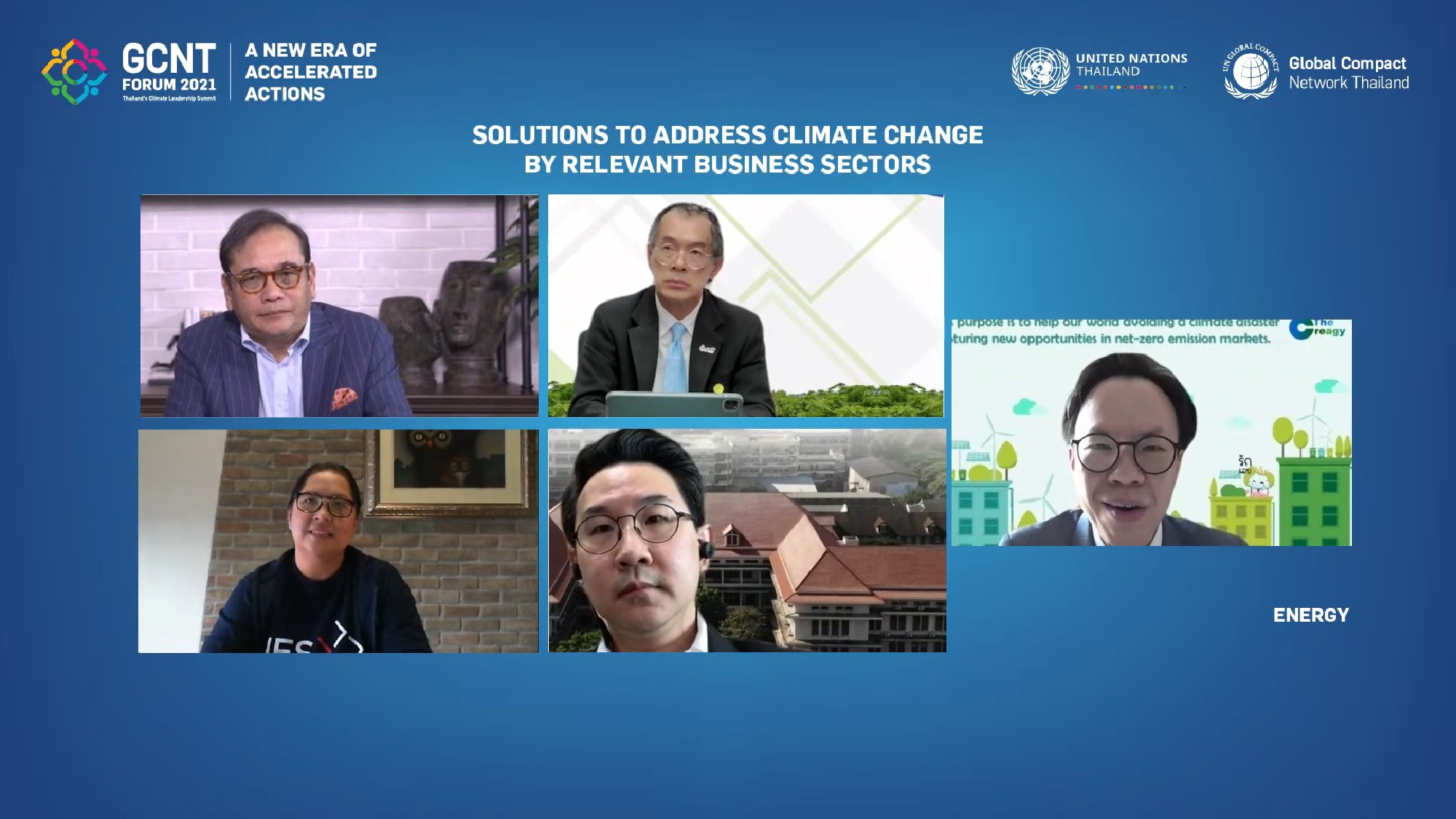
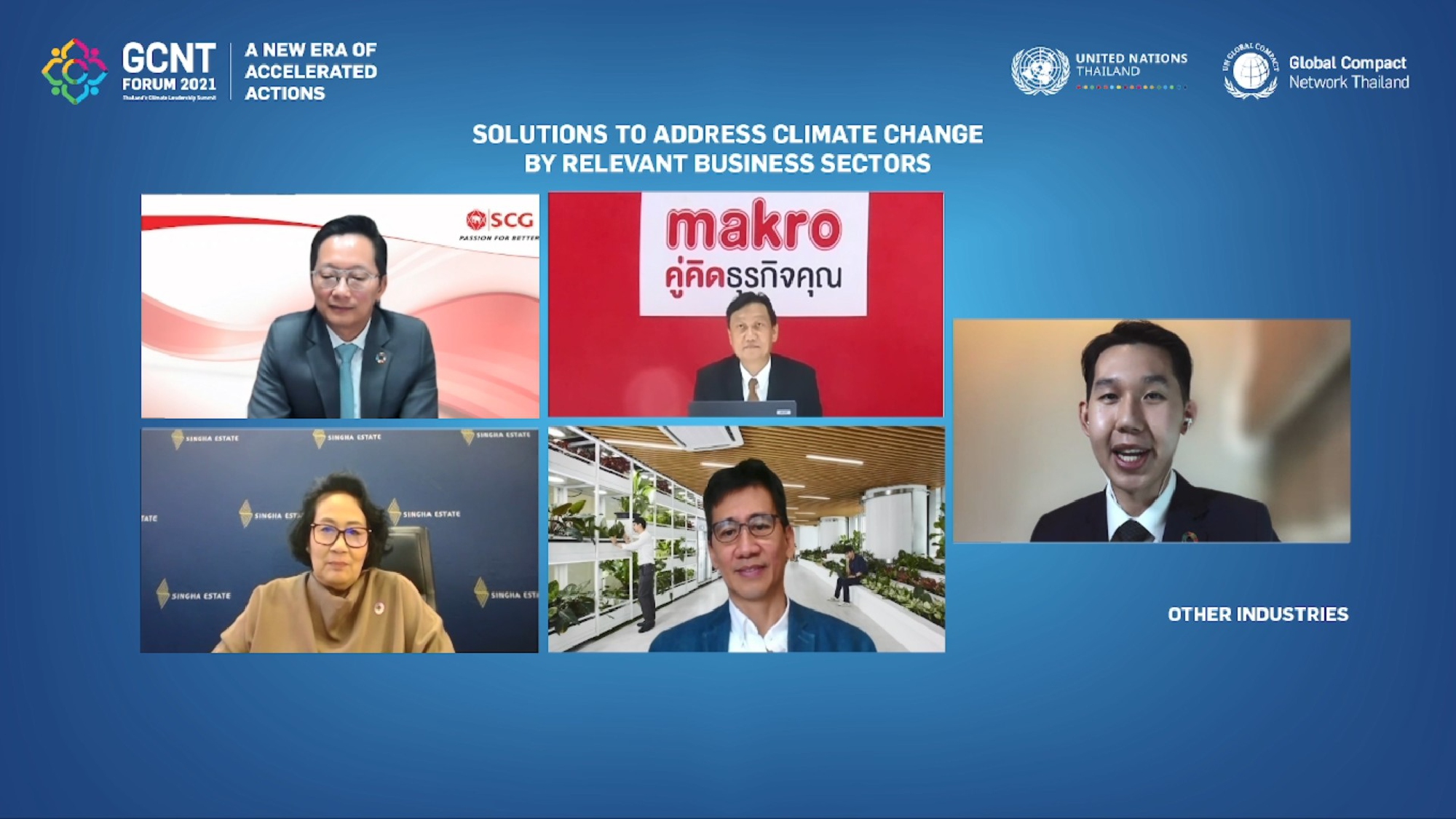
Sub-forum 2: Tailor-made climate change battle plans for business groups
The second sub-forum was an exchange between three business groups facing the challenge of climate change. In a case where the climate problem escalates, they would be the hardest hit, but at the same time, these business groups – food and agriculture, energy, and general industries – could be a change maker and leader in climate change solutions. The food business, represented by the panelists from Charoen Pokphand Foods PCL., NR Instant Produce PCL., Thai Wah PCL., and Thai Rice NAMA, pointed out that the food and agricultural businesses must reduce their carbon emissions and increase the carbon reabsorption to reduce the environmental impact from their production. A great emphasis must be placed on waste and wastewater treatment, use of renewable energy, such as solar energy and biomass, and the practice must be extended throughout the entire value chain. Finally, it is essential to increase green spaces and forests to absorb carbon dioxide.
The energy group comprised representatives from PTT PCL., the Electricity Generating Authority of Thailand (EGAT), BCPG PCL. and Impact Electrons Siam Co., Ltd. The effort by the energy sector to reduce GHG emissions – in addition to investing in renewable energy projects, optimizing energy-efficiency in the production process, and developing energy storage systems – must include the development of an ecosystem that allows people to access clean energy, promote energy production on a household scale, create engagement and ownership by the people, and transform them from energy consumers to energy prosumers. Building a network and a knowledge exchange platform, clean energy development mechanisms, and a system for monitoring, education engagement is indispensable. Improved data collection tools are needed to facilitate decision-making, and to educate and communicate with the public.
The panelists in the general industries group were from the Siam Cement PCL., Singha Estate PCL., Siam Makro PCL., and the Research and Innovation for Sustainability Center (RISC). The discussion mentioned the circular economy as the overarching strategy to solve the climate crisis. Since we are left with limited resources, they must be utilized as efficiently as possible from upstream to downstream. A balance between “financial cost” and “environmental loss” must be maintained from investment to design and business operation throughout the supply chain. It is imperative to create awareness and cooperate with all stakeholders. The mantra of business operators in this era is ‘Sustainability, Resilience, and Competitiveness.’ From now on, climate risk assessment will become a key factor in investment decision.
Thitima Rungkwansirirot, CEO of Singha Estate PCL., one of the panelists in the forum, said: “The climate crisis is inevitable and it is happening now. We must manage this crisis as best as we can in order to minimize the potential damage. We must admit that we have been wasting too much time, but it’s never too late. This is a very challenging mission that we must tackle together.”
Five solutions to global warming from GCNT Forum 2021
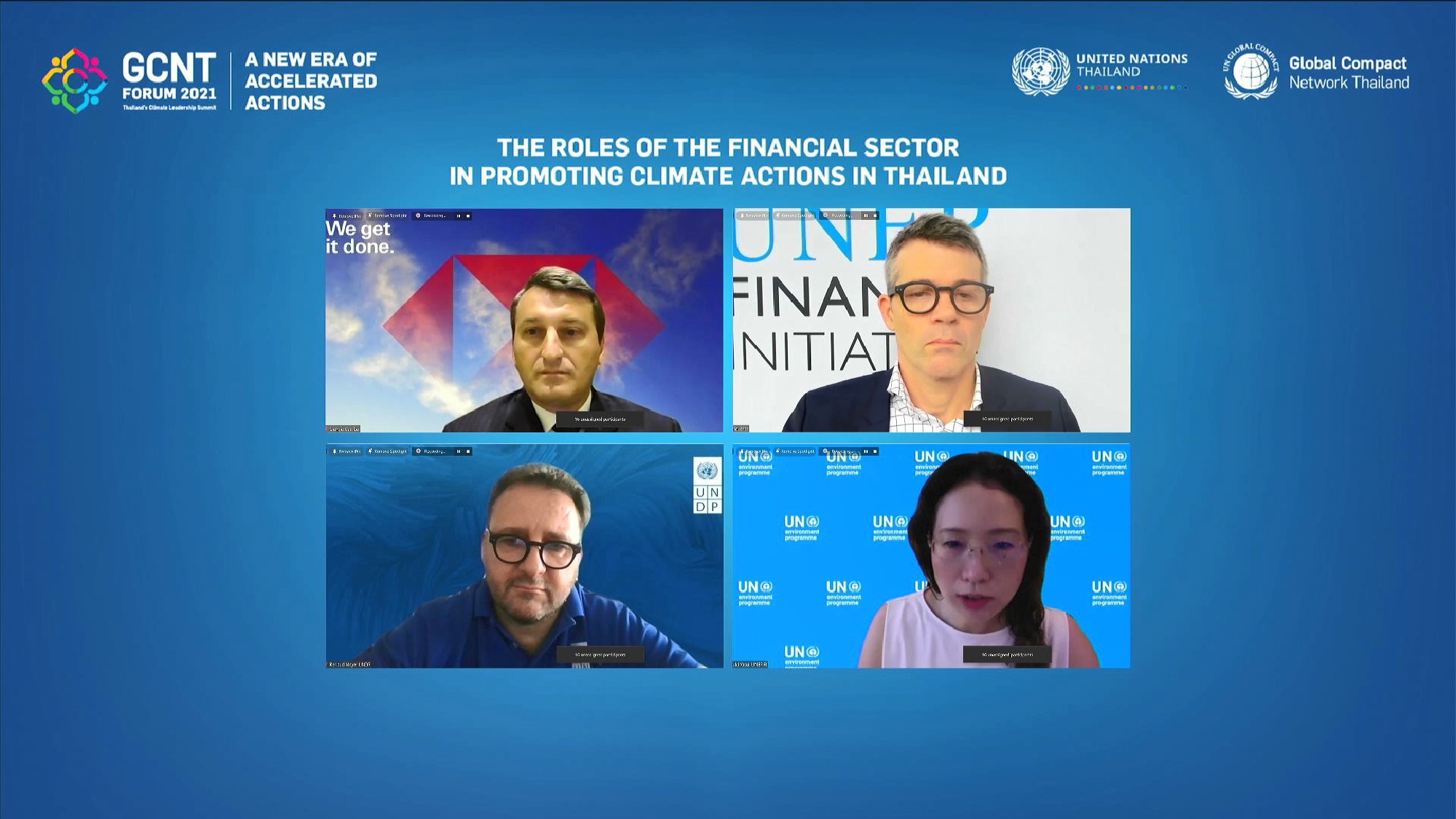
Sub-forum 3: Roles of the financial and investment sector in climate change prevention
The representatives from HSBC Thailand, UNEP FI, and UNDP Thailand participated in the fourth panel discussion on the roles of the financial and investment sector. According to UNDP, the financial sector in Thailand has been taking accelerated actions in response to the global warming crisis; in particular, the Government of Thailand is developing financial instruments for sustainability with various agencies. However, this mission needs cooperation from all sectors because financial institutions cannot operate alone to bring about the expected results on the global scale. Banks in different countries were mentioned as examples of how to apply to their operations the “principles for responsible banking” (PRB) which centres on impact management – reducing negative impacts and increasing positive ones. For example, the positive effect of an agricultural loan measure is a higher income of farmers, but it can have negative impacts on the environment. These pros and cons must be carefully weighed and calculated in the face of the ever-changing economic landscape. Currently, UNEP FI is working with the Bank of Thailand to implement the green financing measure, and expects to have a complete result in 2050 and some outcomes by 2030. This policy will focus on engaging customers with a high level of GHG emissions, mainly in the oil and gas sector, in the mission to reach Net Zero.
Mr. Giorgio Gamba, CEO of HSBC Thailand said: “HSBC is committed to being a sustainable and socially responsible financial service provider with a wide range of financial products, including green bonds, green loans, sustainability-linked bonds/loans and green deposits, to support projects that work towards reversing the effects of global warming.”
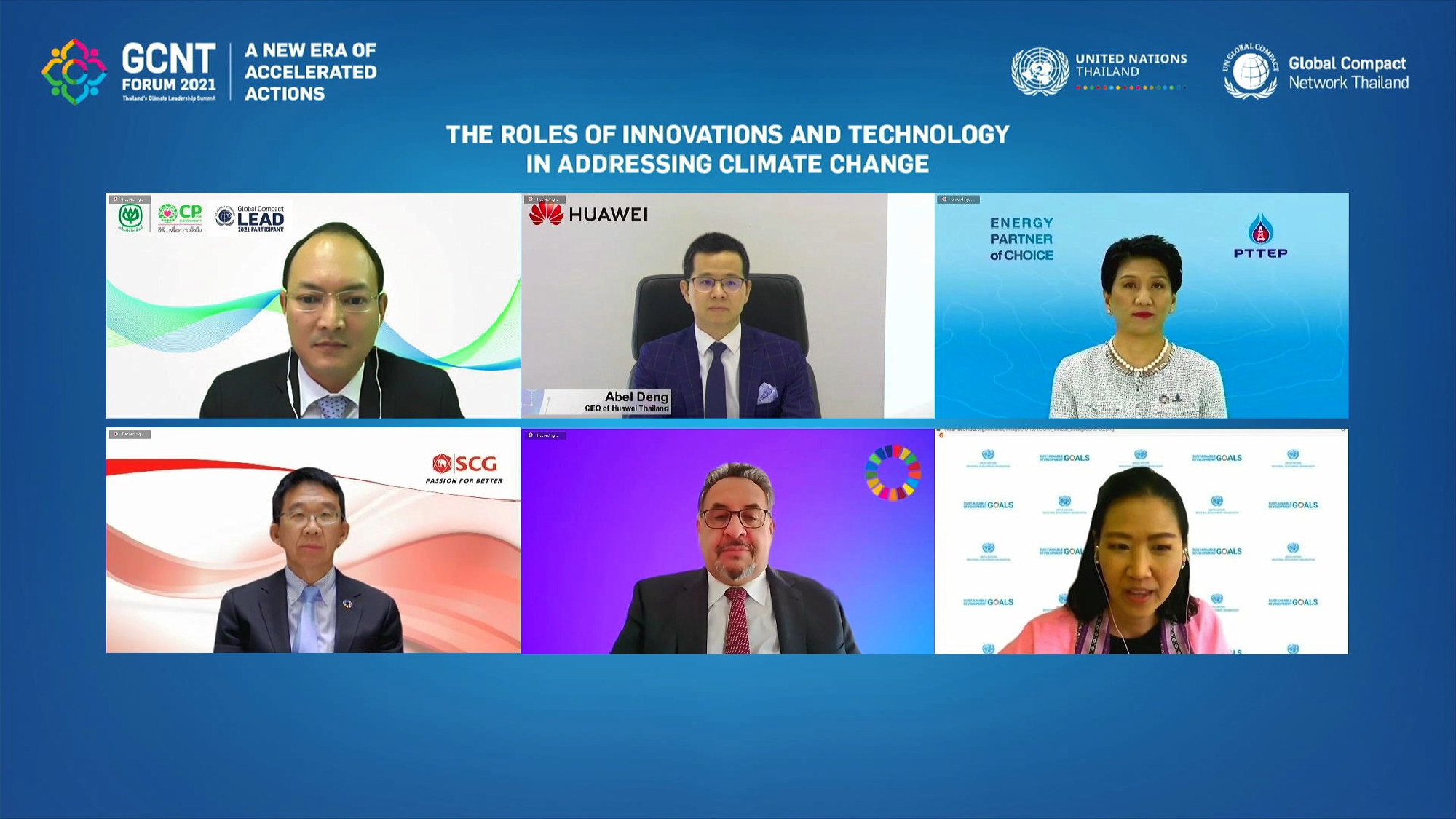
Sub-forum 4: Roles of innovation and technology in solving climate change problems
The representatives from Charoen Pokphand Group Co. Ltd., PTT Exploration and Production PCL, Huawei Technologies (Thailand) Co., Ltd., Siam Cement PCL, and UNIDO discussed the role of innovation and technology in solving global warming problems. All agreed that digital transformation in the Fourth Industrial Revolution would boost innovations that help to cut GHG emissions at all stages of production and consumption. In order to do so, the Government of Thailand, guided by good governance, must install innovative systems, policies and investment plans, and ensure inclusive access to innovation in order to foster a truly open communication and collective action. An enterprise-level adoption of innovation and technology should begin with an analysis of each organization’s value chain to determine the volume of GHGs released and identify sources of pollution at every stage of the business. Only after this can an enterprise plan, develop and prioritize areas of improvement and listen to stakeholders. Organizations may also start from personnel capacity development and science-based research and development to obtain the data needed for achieving the Net Zero goal. It is important to earn commitments from executives and employees to build a strong platform of exchange, innovation and technology.
Yuttana Jiamtragan, Vice-President, Corporate Administration, Siam Cement Public Co. Ltd., stated that “a great challenge to Net Zero is speed. We have to work against the clock to invent technologies and innovations that are practical and which arrive in time to fix the problems. We need commitment from organizations and we ask them to cultivate a corporate culture of learning and doing.”
Abel Deng, CEO, Huawei Technologies (Thailand), emphasized that “digital power technology is going to take a central role in the energy transition to reduce GHG emissions.”
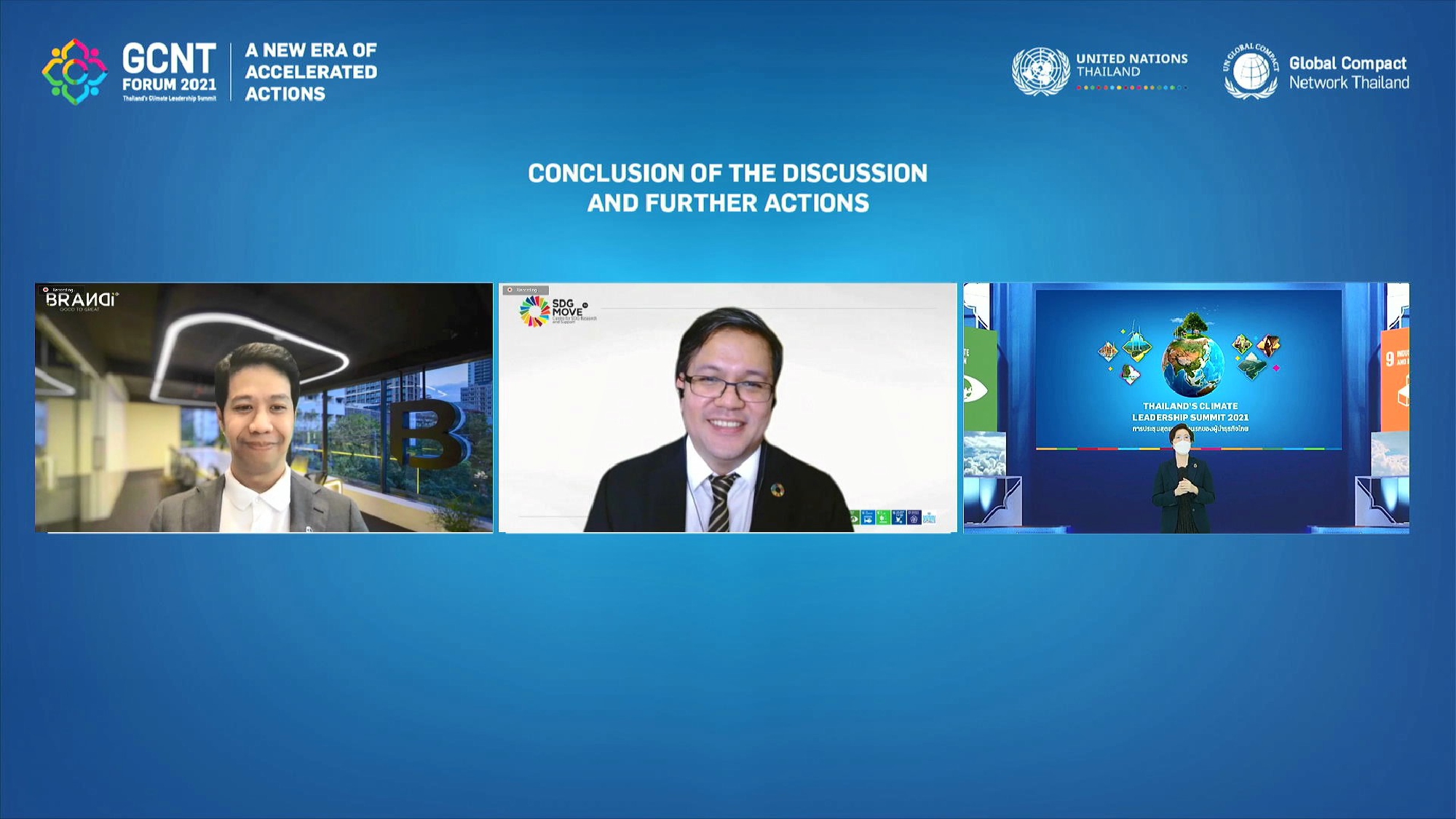
Sub-forum 5: Conclusion and next steps to real transformation
The GCNT, BRANDi Corporation Co., Ltd., and the Center for SDG Research and Support (SDG Move) shared their views, observations, solutions and interesting suggestions in the fifth sub-forum. The three organizations agreed that the private sector should be looking to strike a balance between the 3Ps (Profits, People, Planet) to create growth, reduce risks, and head toward sustainability. The climate change problem is not necessarily a burden for the private sector; it is also a business opportunity for the private sector to demonstrate its problem-solving capacity as well as create quality markets and consumers who are ready to build sustainable growth and prevent the climate problems from escalating. Companies must seek to transform and replace their non-ecofriendly elements in order to become regenerative businesses. Integral to the success of policy implementation and organizational transformation are (a) an appropriate ecosystem, (b) a reliable financial mechanism, (c) an environmental assessment review that is credible and cost-effective, and (d) conditions, rules and incentives, such as fiscal measures and knowledge mechanisms, to build awareness of sustainable development, climate change and the circular economy among their personnel. This is the path to a real and sustainable change through accelerated actions.
GCNT Forum 2021: Thailand’s Climate Leadership Summit 2021, on the theme “A New Era of Accelerated Actions”, was a 100 per cent online discussion in the sustainable event format, and in line with the guidelines of the Thailand Convention and Exhibition Bureau (TCEB). More than 800 national representatives from various organizations in many countries attended the event, including representatives of international organizations including the United Nations Industrial Development Organization, United Nations Environment Programme and United Nations Development Programme, as well as representatives of the United Nations Global Compact, government leaders, executives of the Securities and Exchange Commission of Thailand (SEC) and the Stock Exchange of Thailand (SET), civil society, and the private sector.
Leading business organizations participating in this event included Charoen Pokphand Group Co. Ltd., Thai Beverage PCL., Charoen Pokphand Foods PCL., CP All PCL., HSBC Bank, Huawei Technologies (Thailand) Co. Ltd., NR Instant Produce PCL., True Corporation PCL., Bangchak Corporation PCL., BCPG PCL., Charoen Pokphand Produces Co. Ltd., CP Intertrade Co. Ltd., Ek-Chai Distribution (Lotus) Co. Ltd., IRPC PCL., Oaklin (Thailand) Co. Ltd., Pranda Jewelry PCL., PTT Exploration and Petroleum Production PCL., PTT Global Chemical PCL., PTT PCL., Siam Makro PCL., Thai Oil PCL., and Krung Thai Bank Co. Ltd. These leaders joined forces with the Global Compact Network of Thailand, the country’s largest sustainability business network, to accelerate actions in reducing the impact of climate change.
The objective is to promote the building designs with the usage of metallic coated steel or color coated steel products to create both eco-friendly and lasting design. The winners will receive the total contest prizes over 750,000 baht, along with certificates.
“BlueScope Design Award 2021,” the contest for innovative designs held by NS BlueScope (Thailand) Ltd, Thailand’s leading manufacturer and distributor of high quality steel for over 30 years, in collaboration with the Association of Siamese Architects under Royal Patronage, is now inviting students and architects to submit their architectural design projects for the contest under the concept “The Sustainability of Coated Steel Buildings.” The objective is to promote the building designs with the usage of metallic coated steel or color coated steel products to create both eco-friendly and lasting design. The winners will receive the total contest prizes over 750,000 baht, along with certificates. The design contest will be held under the two following entries: 1. BlueScope The Sustainability of Coated Steel Buildings Design Contest: an experimental design contest or work-in-progress construction for students in the Faculty of Architecture and Design who are soon completing their studies as well as professional architects and designers, to showcase their talents and win the prize of over 250,000 baht in total and 2. BlueScope The Sustainability of Coated Steel Buildings of the year 2021/2022 in which professional architects or project owners are eligible to submit the design projects of their finished buildings to win a total prize of more than 500,000 baht.
All students and architects who are participating in the contest must be members of the Association of Siamese Architects which opens for application at www.asa.or.th from today – November 15, 2021. All submissions must be completed by November 30, 2021. Visit https://www.youtube.com/watch?v=ZyK00RKgTqw to learn more about the contest.
The Export Acceleration Mission (EAM) is initiated by MATRADE in order to link Malaysian companies with foreign partners as well as encourage them to explore trade opportunities aboard.
Malaysia External Trade Development Corporation (MATRADE), Malaysia’s National Trade Promotion Agency is spearheading a Virtual Export Acceleration Mission (EAM) to Thailand from 26 to 28 October 2021. The objective of the programme is to provide a networking platform as well as to build a business partnership between Malaysian and Thai business community.
The Export Acceleration Mission (EAM) is initiated by MATRADE in order to link Malaysian companies with foreign partners as well as encourage them to explore trade opportunities aboard.
A total of ten (10) Malaysian companies under MATRADE from sectors such as food & beverage, healthcare, skincare and IT business solutions will be participating in the mission which aims to boost exports of Malaysian products and services in Thailand.
During the mission, MATRADE through its Bangkok office will be coordinating virtual business meetings with leading importers and buyers.Complementing this, programmes that have been arranged for the Malaysian companies include briefing on export opportunities in Thailand by MATRADE Trade Commissioner in Bangkok and relevant authorities. Among programmes planned during the mission includes, virtual business meetings, briefing on Doing Business in Thailand and Rules & Regulations as well as How to register product in Thailand.
According to Mr. Norman Dzulkarnain Nasri, MATRADE’s Trade Commissioner, Thailand is the 8th largest trading partner for Malaysia. In 2020, the total trade between Malaysia and Thailand amounted USD19 billion with the top trading products were Electrical & electronic product, Chemicals & chemical product, Transport equipment, Crude petroleum and Machinery, equipment & parts.
He also added that Malaysia and Thailand can complement each other in terms of its trade engagements especially on border trade and trade agreements. Potential products that Malaysian company can explore in Thailand are Fast Moving Consumer Goods (FMCG), Halal, Processed Food, Healthy Products, Ready-to-eat Food, Medical Products, Medical related products, Pharmaceutical, Lifestyle Products, Electronic Components, Automotive Parts and many others.
In this regard, The Embassy of Malaysia in Bangkok encourages Thai and Malaysian companies to leverage on MATRADE’s office here. Thai business community kindly contact MATRADE Bangkok to get more info about the programme or any other enquiries pertaining to Malaysian products and services.


 dtacs 700 MHz Network to Back Up Thailand Reopening
 dtacs 700 MHz Network to Back Up Thailand Reopening
 dtacs 700 MHz Network to Back Up Thailand Reopening
 dtacs 700 MHz Network to Back Up Thailand Reopening
 Heading to the greener energy journey in Southeast Asia
 Heading to the greener energy journey in Southeast Asia
 AIS and Palo Alto Networks Announce MSSP Partnership
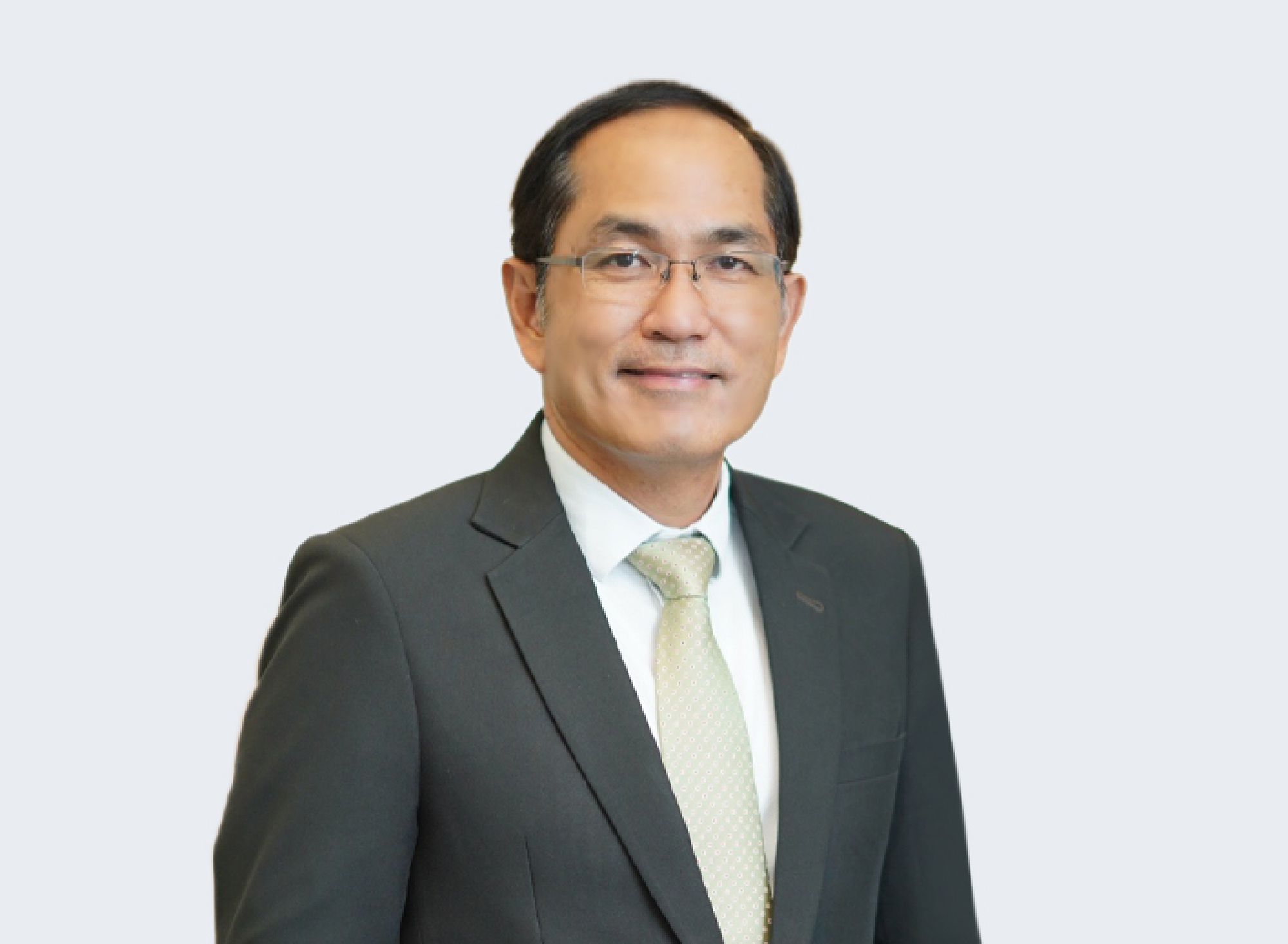 AIS and Palo Alto Networks Announce MSSP Partnership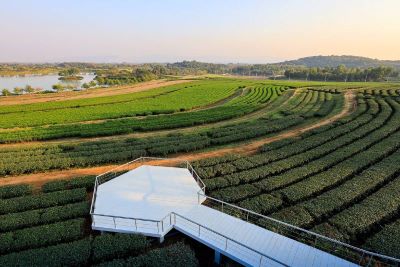
 “Singha Park” enters the premium fruit market with “Gros Michel Banana” with Japanese standards, which can be pre-ordered now along with nationwide delivery.
 “Singha Park” enters the premium fruit market with “Gros Michel Banana” with Japanese standards, which can be pre-ordered now along with nationwide delivery.
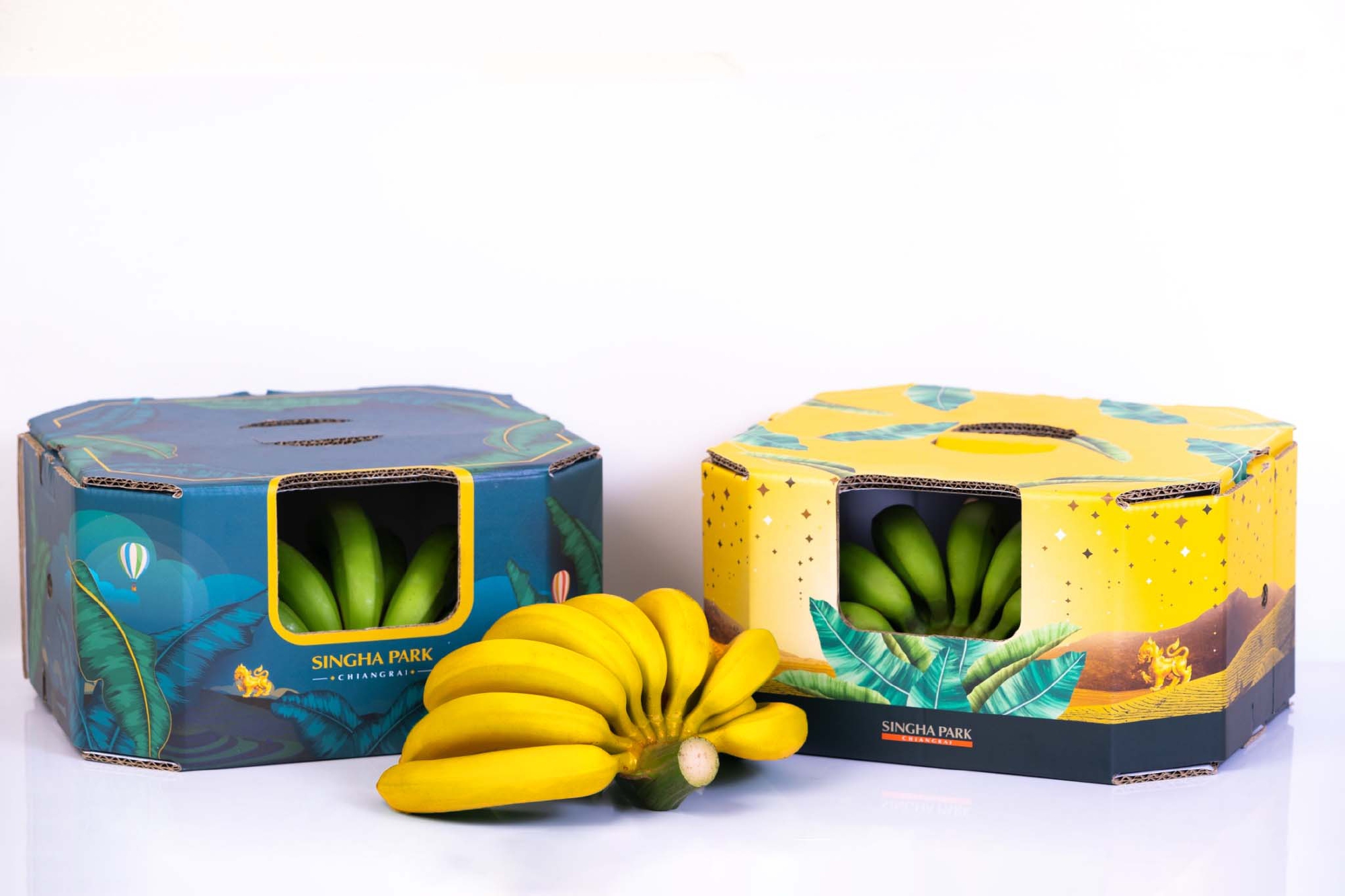 “Singha Park” enters the premium fruit market with “Gros Michel Banana” with Japanese standards, which can be pre-ordered now along with nationwide delivery.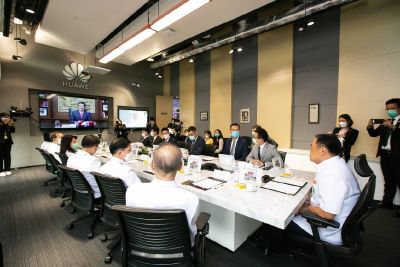
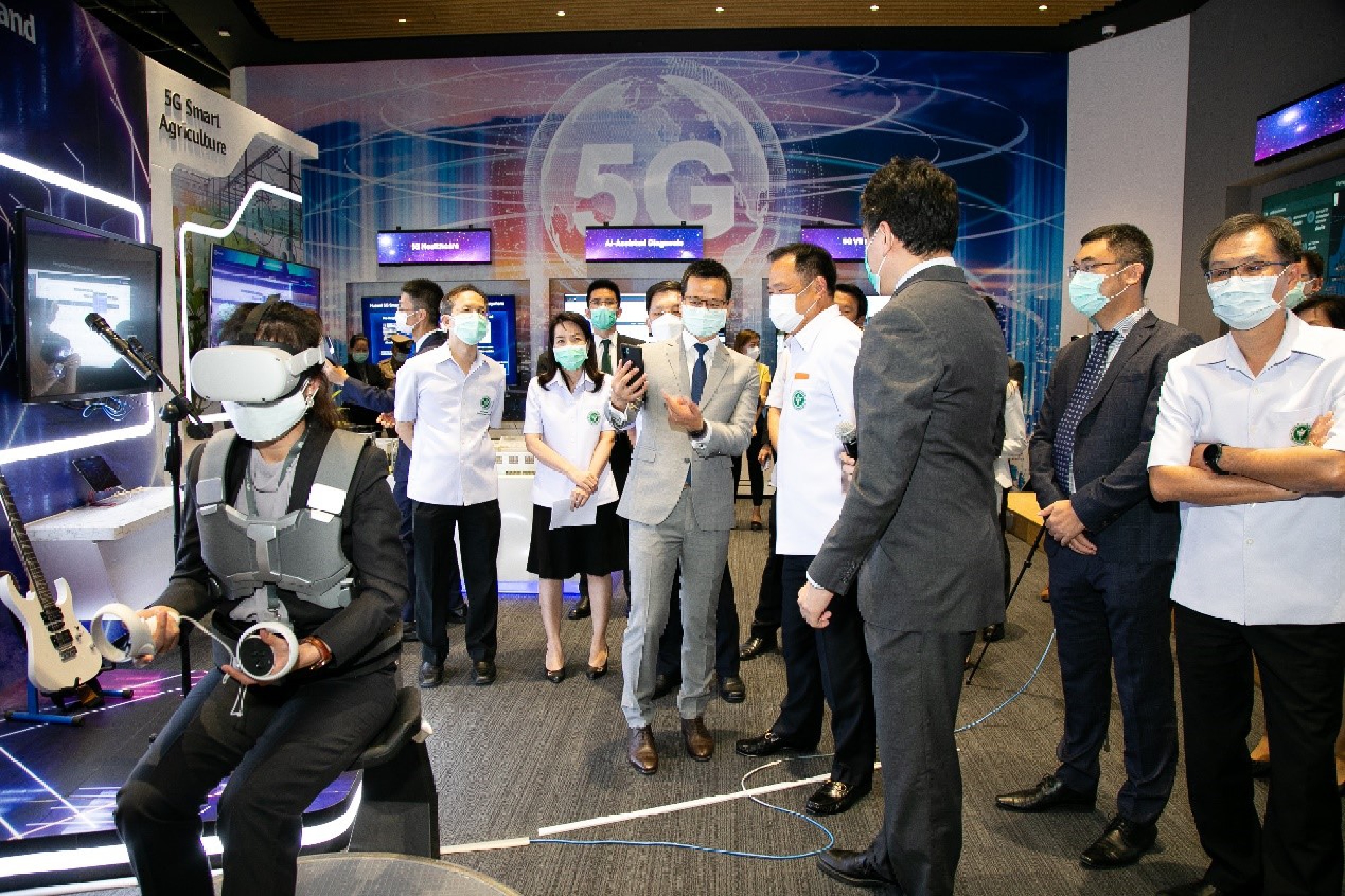 Mr. Anutin Visited Huawei Thailand Office
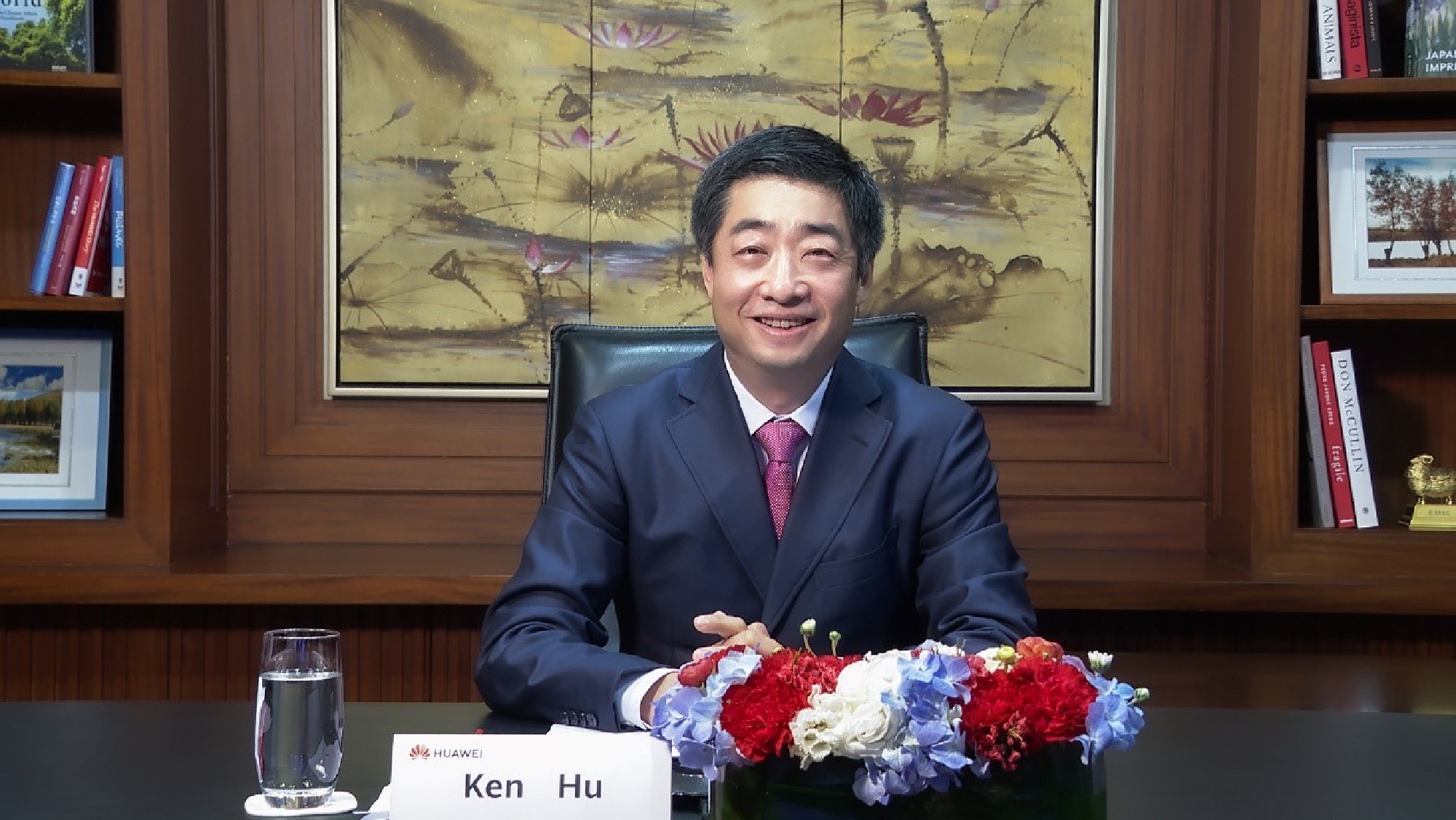 Huawei Rotating Chairman Ken Hu Attended Virtual Executive Meeting
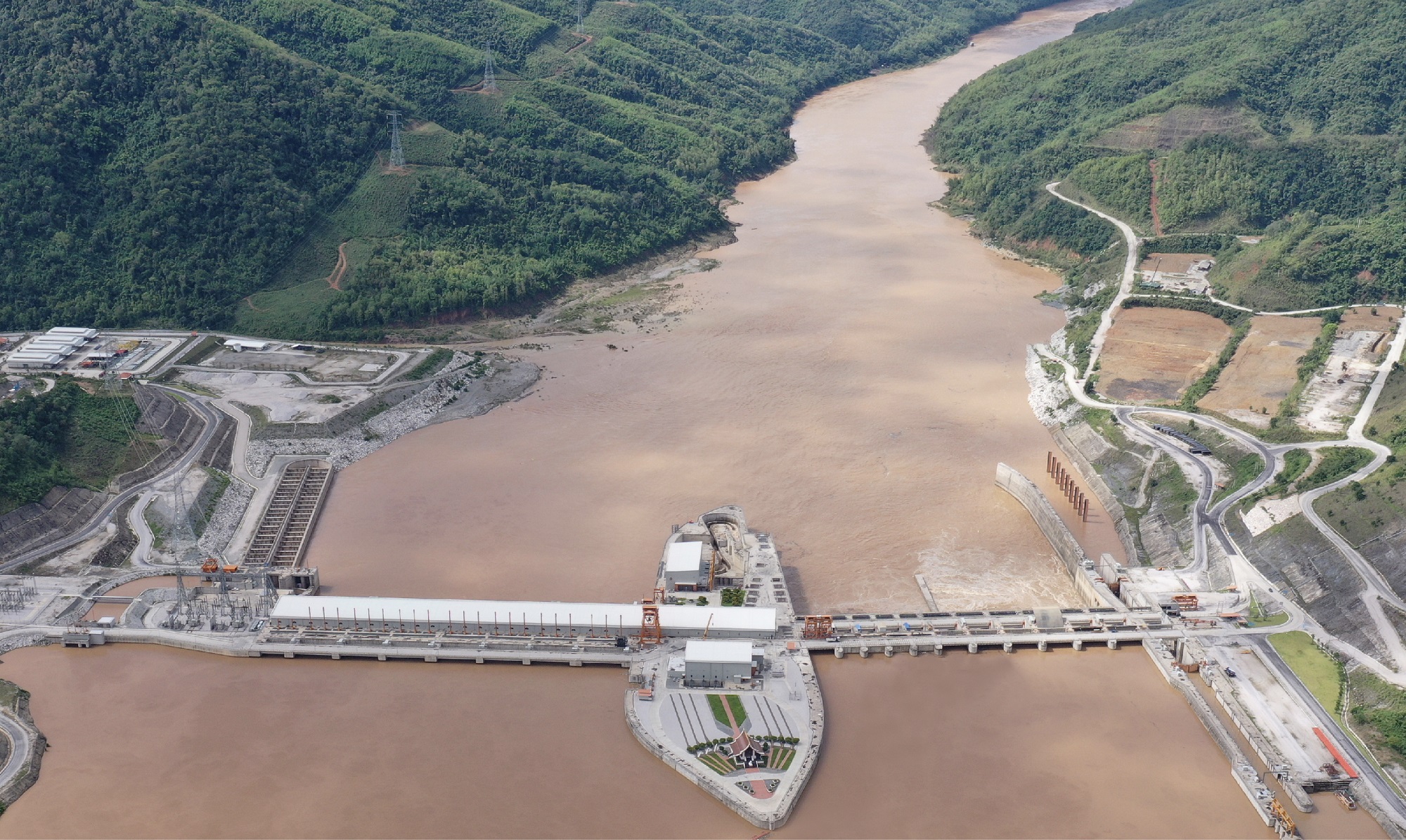 The Xayaburi Hydroelectric Power Plant emits no greenhouse gases throughout the production
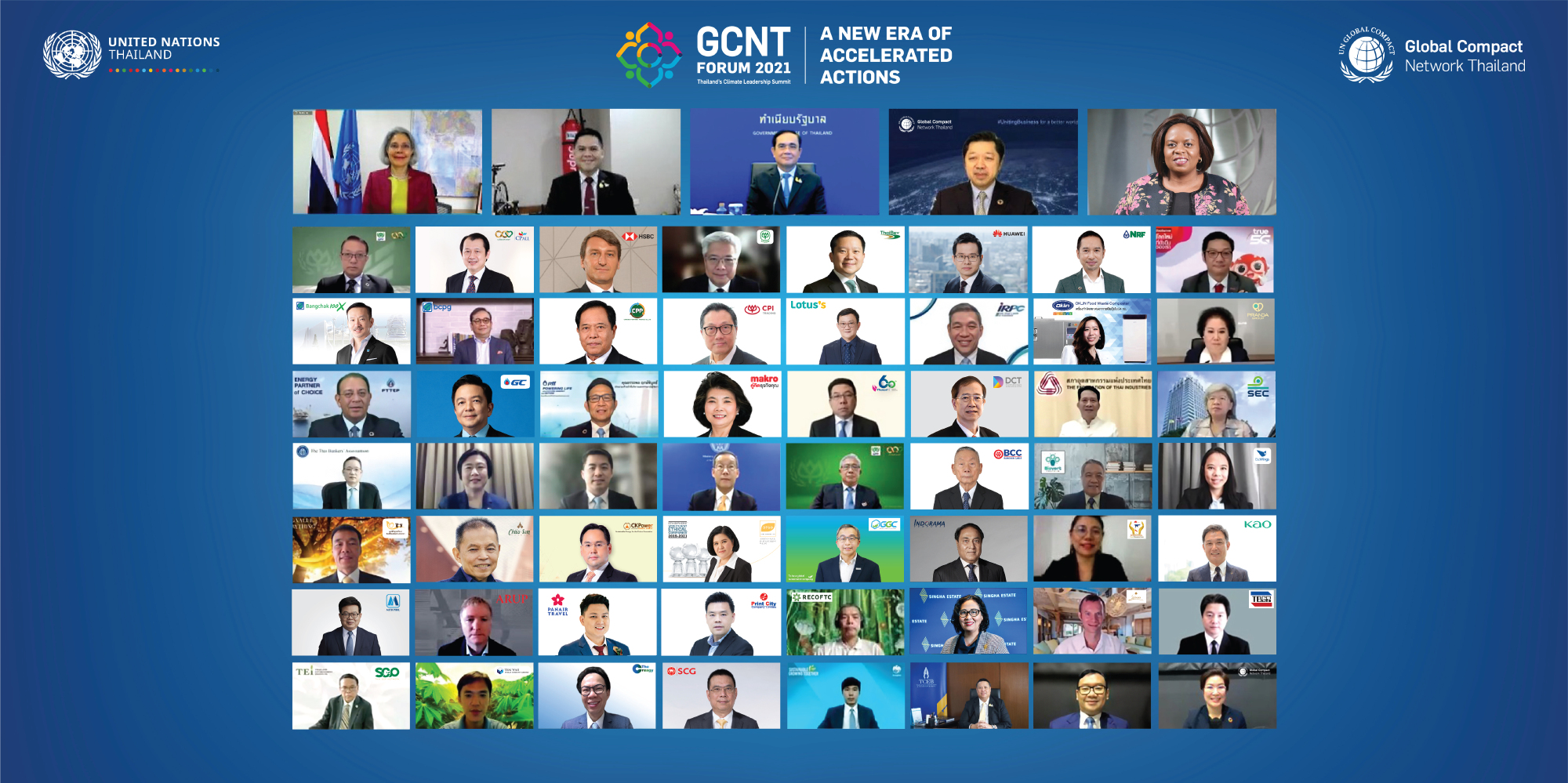 CKPower participated in the GCNT Forum 2021
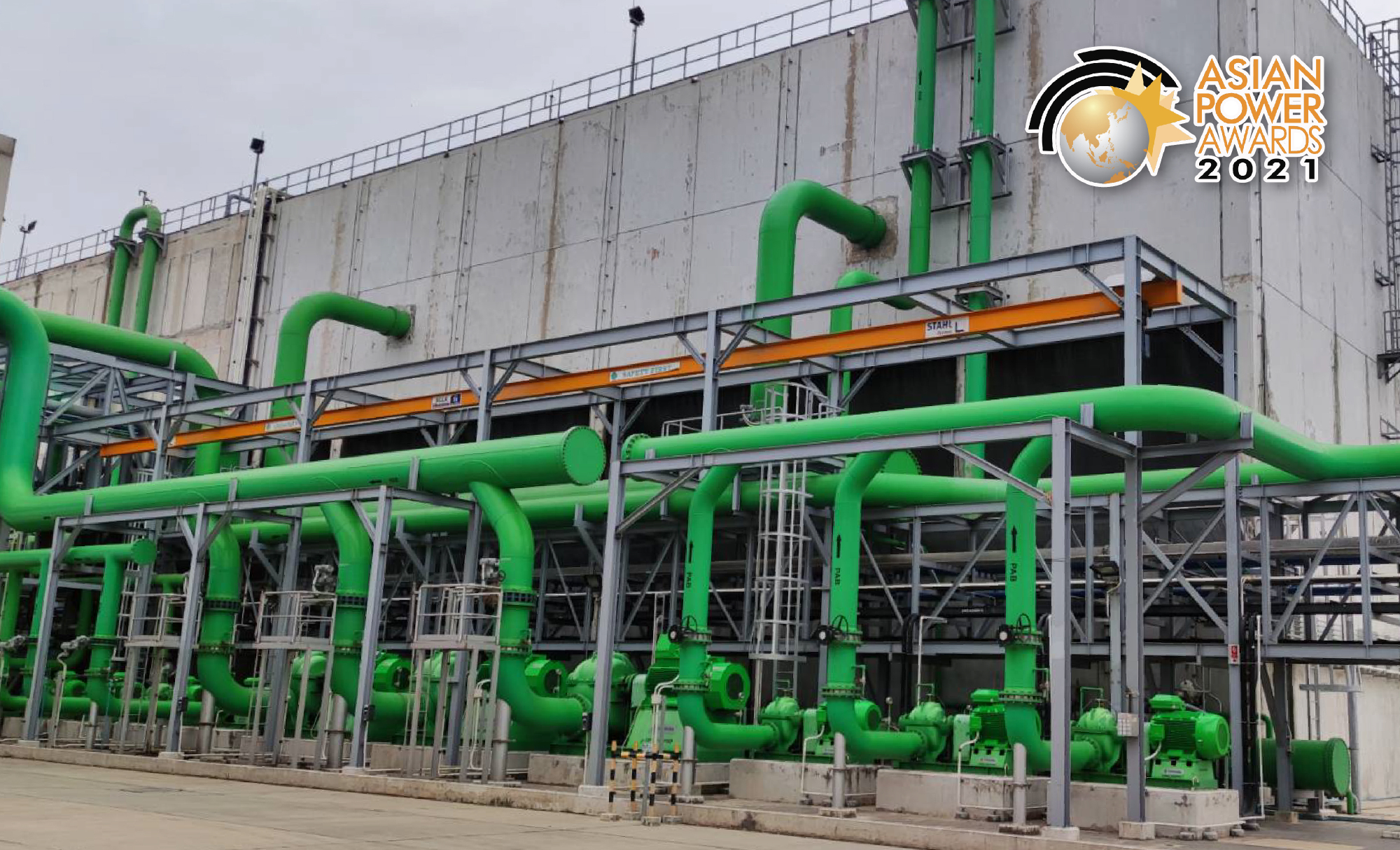 The Cooling Tower Optimization winning at the Asian Power Awards 2021
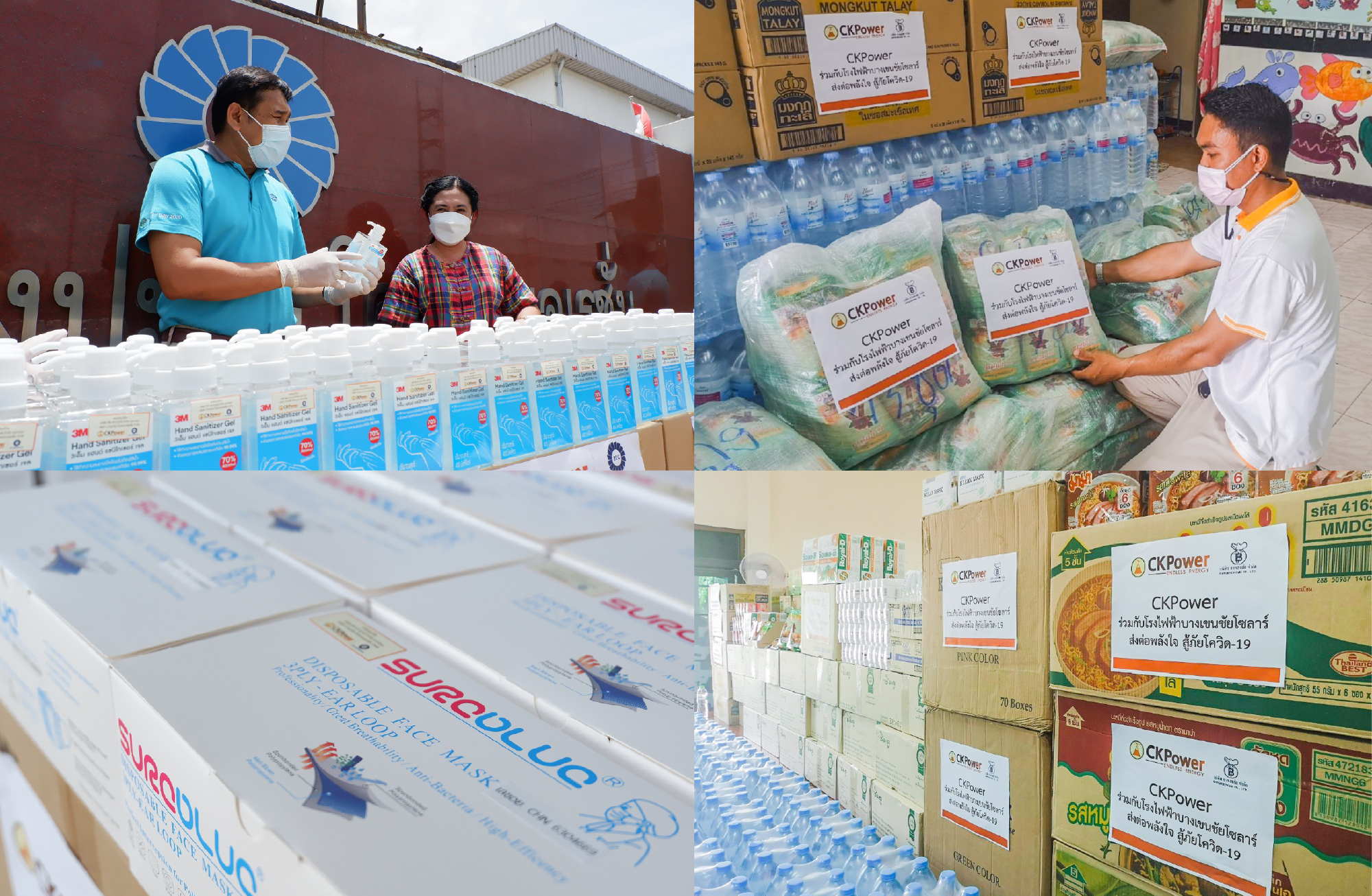 CKPower provided assistance to communities around its power plant in Thailand
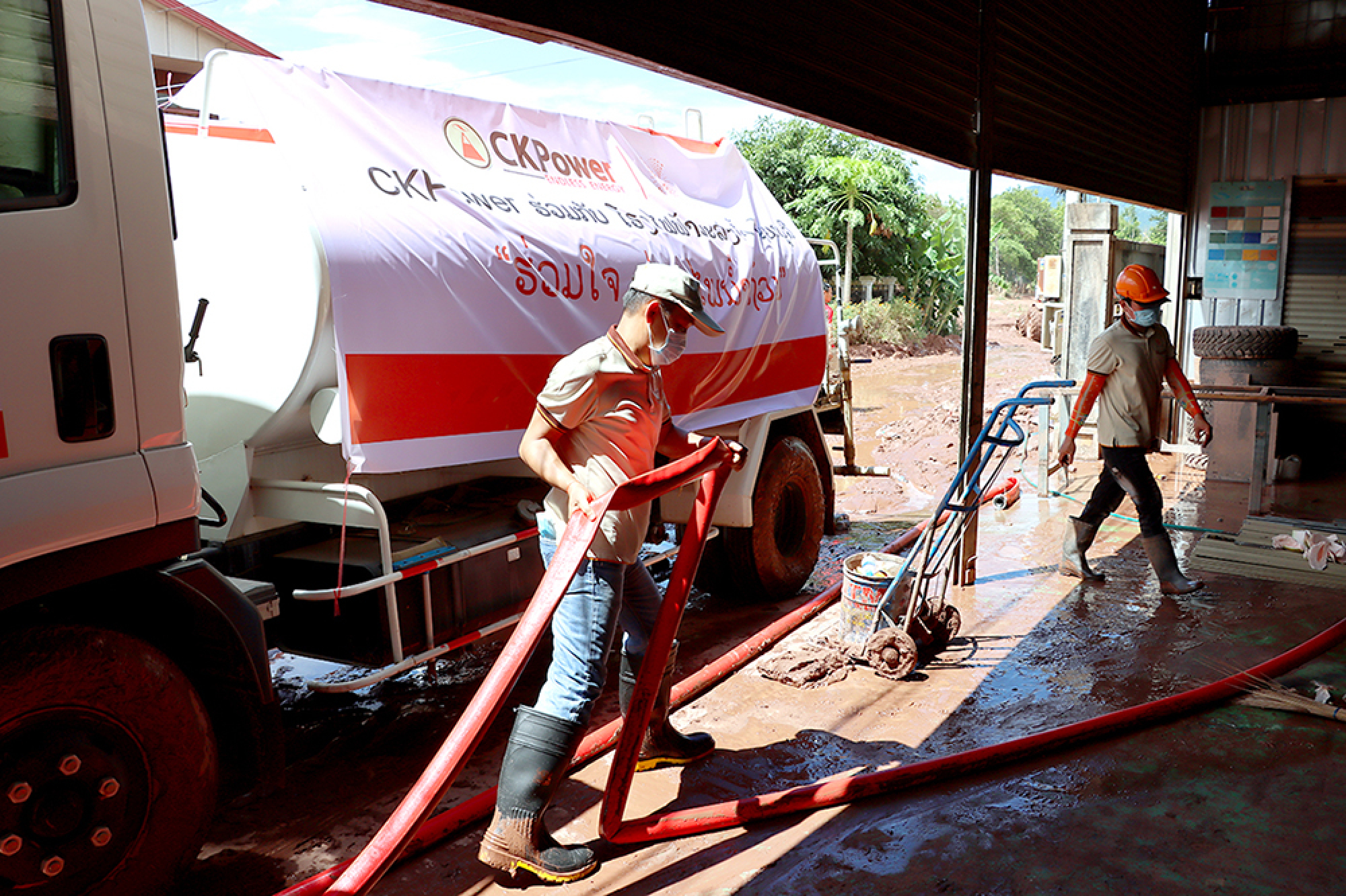 Water trucks aid to flood-stricken communities hit by tropical storm Koguma in the Lao PDR
 Five solutions to global warming from GCNT Forum 2021
 Five solutions to global warming from GCNT Forum 2021
 Five solutions to global warming from GCNT Forum 2021
 Five solutions to global warming from GCNT Forum 2021
 Five solutions to global warming from GCNT Forum 2021