Researchers retract study that found big risks in using hydroxychloroquine to treat covid-19 #ศาสตร์เกษตรดินปุ๋ย

#ศาสตร์เกษตรดินปุ๋ย : ขอบคุณแหล่งข้อมูล : หนังสือพิมพ์ The Nation.

https://www.nationthailand.com/lifestyle/30389086?utm_source=category&utm_medium=internal_referral

Researchers retract study that found big risks in using hydroxychloroquine to treat covid-19

Jun 05. 2020
By The Washington Post · Laurie McGinley · NATIONAL, HEALTH 

Three of the authors of a study that found the antimalarial drug hydroxychloroquine was dangerous for hospitalized covid-19 patients retracted it Thursday, saying they could “no longer vouch for the veracity of the primary data sources.”

The retraction notice was posted by the medical journal Lancet, which had published the study May 22.

The study, purportedly based on the health records of almost 100,000 patients around the world, found that hospitalized covid-19 patients treated with the antimalarial drug hydroxychloroquine – a drug repeatedly touted by President Donald Trump – had a much higher risk of death and heart problems compared to those who did not receive the drug. It also showed that the drug did not provide a benefit. The study was “observational,” which is less rigorous than a randomized, placebo-controlled clinical trial.

Almost immediately after the study’s publication, critics raised questions about the data and analysis provided by a private company, Chicago-based Surgisphere and its founder, Sepan Desai. Another study that also relied on the database – one that looked at the effects of blood-pressure medications on covid-19 patients – also was retracted Thursday, by the New England Journal of Medicine.

Desai, who was listed as one of four authors on the study, was not immediately available to comment.

The retractions raised concerns in the medical and scientific community that researchers and prestigious medical journals are lowering their standards in a rush to publish during the pandemic.

“I’m concerned that the usual standards, both at the level of the journals and at the level of authors and faculty rushing to get high-impact work published, has meant that our usual standards have fallen,” said Steven Joffe, a medical ethicist at the University of Pennsylvania.

“Everybody should be stopping and pausing and asking: ‘Are we moving too quickly, are we confident in the quality of our data, and our analysis?’ ” he added. “There is a need for caution and scrutiny at every level of the process.”

Controversy surrounding hydroxycholoquine and a related drug chloroquine has swirled for months, partly because Trump has urged people to try it and has taken it himself, even in the absence of a clear benefit. The Food and Drug Administration has warned that the drug can cause heart problems and urged that it be used only in hospital settings or clinical trials.

The Lancet retraction is unlikely to quell the controversy about the drug. On Wednesday, researchers at the University of Minnesota’s medical school on Wednesday reported the results of a randomized, placebo-controlled trial, saying the drug was no better at preventing covid-19, the disease caused by the novel coronavirus, than a placebo. Additional randomized trials, considered the gold standard, are being conducted.

The authors of the Lancet study said in their statement that they launched an independent third-party peer review of Surgisphere, with the consent of Desai, to confirm the completeness and accuracy of the data and to replicate its analysis.

But, they said, the company declined to provide the full data set to the reviewer, saying it would violate client agreements and confidentiality requirements.

“As such, our reviewers were not able to conduct an independent and private peer review and therefore notified us of their withdrawal from the peer-review process,” said the statement by the lead author, Mandeep Mehra, a Harvard University medical school professor who is a physician at Brigham and Women’s Hospital, and two other authors.

The authors apologized to the editors of the journal and its readers for causing “any embarrassment or inconvenience.”

The study had a major impact, prompting the World Health Organization to temporarily suspend use of hydroxychloroquine in a clinical trial on covid-19 treatments, and France banned its use in covid-19 patients.

Researchers warn covid-19 could cause debilitating long-term illness in some patients #ศาสตร์เกษตรดินปุ๋ย

#ศาสตร์เกษตรดินปุ๋ย : ขอบคุณแหล่งข้อมูล : หนังสือพิมพ์ The Nation.

https://www.nationthailand.com/lifestyle/30388812?utm_source=category&utm_medium=internal_referral

Researchers warn covid-19 could cause debilitating long-term illness in some patients

May 31. 2020
Avindra Nath, left, the head of clinical neurology at NIH's Clinical Center who is gearing up to study covid-19 patients, examines Brian Vastag in 2017 during a study on the biology of ME/CFS. Photo by Beth Mazur.

Avindra Nath, left, the head of clinical neurology at NIH’s Clinical Center who is gearing up to study covid-19 patients, examines Brian Vastag in 2017 during a study on the biology of ME/CFS. Photo by Beth Mazur.
By Brian Vastag, Beth Mazur
The Washington Post

In the fall of 2009, one of us, Beth, was hit by an illness she suspects was H1N1 flu, which was circulating then. In 2012, the other, Brian, developed a sudden fever, which his doctors said was also likely of viral origin.

Neither of us recovered, and we’re both disabled to this day.

The long-term illnesses that can follow viral infections can be devastating – and are devastatingly common. In 2015, the nation’s top medical advisory body, the Institute of Medicine, estimated that between 800,000 and 2.5 million U.S. residents live with the illness or illnesses awkwardly named myalgic encephalomyelitis/chronic fatigue syndrome (ME/CFS). An estimated three-quarters of these cases were triggered by viral or bacterial infections.

Now, as a new pandemic virus is burning through the world and causing many deaths, researchers are raising alarms that the novel coronavirus and the covid-19 disease it causes will also leave in its wake a potentially large population with post-viral problems that could be lifelong and, in some cases, disabling.

At the National Institutes of Health and elsewhere, scientists who have been studying post-viral ME/CFS are seizing the opportunity to focus on covid-19 patients. They want to understand what biological factors separate those who regain their health from those who remain sick.

“We want to look at who recovers and who doesn’t,” said Avindra Nath, the head of clinical neurology at NIH’s Clinical Center in Bethesda, Maryland, who is gearing up to study covid-19 patients. “It’s quite possible some will never get their health back.”

In addition to emerging reports of damage to lungs, kidneys and hearts, covid-19 patients are complaining of ongoing crushing fatigue, muscle pain, cognitive problems and other symptoms that anyone with ME/CFS is very familiar with.

“I’m 69 days after my first symptoms and still feeling fatigued,” wrote Canadian comedian Wayne Jones on Twitter, saying he has tested positive for the new coronavirus. “I also have sore eyes, and weakness and headaches that come and go. All signs point to post-viral fatigue.”

Sometimes a precursor to ME/CFS post-viral fatigue syndrome can occur after virtually any viral infection. Symptoms wax and wane; a person can feel fine one day and terrible the next. Exercise or other usual activities can bring fever and often symptoms rushing back. Although there is no known treatment, these problems often resolve on their own.

But patients who have experienced post-viral fatigue syndrome advise the newly ill to rest, rest and rest some more, as returning to normal activities can trigger relapses. If symptoms continue for six months or longer, post-viral fatigue syndrome can convert to a diagnosis of ME/CFS, which is usually lifelong and often devastating. Up to 25% of ME/CFS patients are housebound or bedbound for years. There are no treatments approved by the Food and Drug Administration.

Brian Vastag and Beth Mazur are living with long-term illnesses that followed viral infections they contracted years ago. Photo by Brian Vastag.

Brian Vastag and Beth Mazur are living with long-term illnesses that followed viral infections they contracted years ago. Photo by Brian Vastag.

A survey organized by a group of covid-19 patients called the Body Politic shows that many coronavirus symptoms overlap with those of post-viral fatigue syndrome. Fatigue, including severe fatigue, brain fog – problems with concentration and thinking – chills and sweats, and sleep problems were commonly reported among 640 respondents, who were recruited from online support groups. The Body Politic, which includes some patients with expertise in survey design and statistics, calculated that respondents had just a 20% chance of being symptom-free 50 days after the illness began. The group cautioned that while the survey suggests many respondents had long illnesses, the results may not apply to the broader population of covid-19 patients.

The novel coronavirus is too new to say whether such lingering symptoms represent an extended covid-19 illness or a post-viral syndrome. But researchers suspect at least some covid patients will remain sick and eventually develop post-viral ME/CFS. Their suspicions are grounded in previous research. Studies on other outbreaks – including those of Epstein-Barr virus, Ross River fever and Q fever – have shown that up to 12% of people who fell acutely ill never regained full health. Many were eventually diagnosed with ME/CFS.

After the first SARS epidemic, which sickened 8,000 people worldwide in 2002-2003, one study found that 27% of 369 survivors of that variety of coronavirus met the criteria for chronic fatigue syndrome several years later. If figures like this are seen with this novel coronavirus, SARS-CoV-2, which epidemiologists warn will eventually infect 50 to 70% of all U.S. residents, our nation is on track for a devastating wave of millions of patients with chronic post-viral illnesses.

“The most important study of several we’re starting is to get coronavirus-infected patients and follow them over time to see if they convert to ME/CFS,” said Ron Davis, a geneticist at Stanford University. His adult son, Whitney Dafoe, is seriously ill with the disease.

“If you point out the fact that you might not ever get over covid-19, it’ll put people’s attention on this problem,” Davis said. “We need doctors to be reading covid-19 information and be on the lookout for people who never get well. I think that’s extremely important.”

– – –

While it may sound odd that many different viruses can cause the same long-term problems, the answer is rooted in how the body defends itself. Viral infections trigger a common immune response, including fever and inflammation. Sometimes these defenses go awry, or get stuck in an “on” position even when the virus has been cleared, emerging research shows.

In 2017 and 2018, one of us, Brian, participated in an inpatient study at NIH searching for the biological basis of post-infectious ME/CFS. Over two visits, patients in the study undergo an extensive battery of medical testing. Now Nath and his team are adapting this study to follow post-covid patients. The NIH hopes to bring covid-19 survivors to NIH hospital in Bethesda this summer.

The NIH plans to study the immune systems of covid-19 survivors, along with conducting exercise tests to spot problems with metabolism, and other tests to document any dysfunction in how the brain regulates heart rate and blood pressure. Problems in this area, the autonomic nervous system, are common in post-viral fatigue syndrome and ME/CFS.

Nath, a neurovirologist, has also performed autopsies on “about a dozen” patients, he said, who died of covid-19. When conditions allow his laboratory to reopen, Nath plans to look for the coronavirus in the brains of these patients and to search for nervous system damage caused by the overwhelming inflammation that can accompany covid-19. Researchers have published clues that sustained inflammation – including low-level inflammation in the brain – may be present in ME/CFS.

Reports already show that the novel coronavirus can, in rare cases, infiltrate the central nervous system. Some 30 covid-19 patients in Italy have been diagnosed with Guillain-Barre Syndrome, hallmarked by rapid nerve damage that can lead to paralysis. In Detroit, one covid-19 patient who died was reported to have extensive brain damage caused by his immune system’s overwhelming response to the coronavirus, a condition called hemorrhagic encephalopathy.

Research on ME/CFS, which was neglected for decades, has been gathering momentum in recent years. While federal funding remains low, ME/CFS researchers have documented brain dysfunction and extensive problems in the immune systems of patients. Emerging work has also highlighted damage to the body’s ability to produce energy, and some scientists think a literal lack of energy could lie at the heart of ME/CFS. Nath and other researchers plan to study energy production in covid-19 survivors.

The NIH is also funding long-term research on a cohort of up to 2,000 covid-19 patients who were hospitalized in the United States, said Joseph Breen, an immunologist at the National Institute of Allergy and Infectious Diseases. “Those people can be tracked,” Breen said. “If you do a longitudinal follow-on study correctly, it can really help understand the rate of ME/CFS and other problems that may be present. We’re going to learn things we never learned with SARS and MERS,” the two previous illnesses caused by different coronaviruses earlier this century.

One challenge, Breen said, is differentiating post-viral fatigue syndrome and ME/CFS from the lingering effects of being in an intensive care unit or on a ventilator, which are known risk factors for long-term ill health.

– – –

Mady Hornig, an immunologist at Columbia University’s Center for Infection and Immunity, said her group plans to follow covid-19 patients with neurological symptoms, including loss of smell, to see who develops ME/CFS. She plans to recruit African American, Hispanic and American Indian patients, who are underrepresented in ME/CFS research. Hornig herself has had covid-19 symptoms for six weeks, including a racing heart beat, which can signal issues with the autonomic nervous system.

At Stanford, Davis is partnering with the nonprofit Open Medicine Foundation. Already, clinics funded by the OMF are collecting blood from covid-19 patients and asking them to wear activity tracking devices. “We want to study them at three months, six months, longer, and see who will be diagnosed with ME/CFS,” Davis said.

Hornig and Davis both say that watching covid-19 patients could speed the search for drugs to reverse whatever goes awry in post-viral illnesses.

“Scientifically I think the most important thing to look at is . . . why they convert to ME/CFS. What’s different about them?” Davis says. “That could be extremely valuable, that could give us a valuable clue to . . . how to treat it.”

The personal and societal costs of ME/CFS are devastating. In 2015, the Institute of Medicine estimated a $24 billion annual U.S. burden in medical costs and lost productivity. For Beth, who was working as a product manager for a software company in San Francisco with a computer science degree from MIT, her lost earnings potential over the past decade can likely be measured in the millions of dollars. Instead of paying taxes on those lost wages, she is drawing monthly Social Security Disability Insurance. For Brian, the week before he became suddenly ill, he wrote a front-page story for The Washington Post, where he was a science writer, on a major advance in theoretical physics, the discovery of the Higgs boson. Six months later, his undiagnosed post-viral illness had gotten so bad he could not remember a four-digit number long enough to tap it into his phone.

Too many discussions of covid-19 focus on the disease’s death rate while neglecting the risk of long-term health problems. Called morbidity, this measure of the burden of long-term disease is so important that the Centers for Disease Control and Prevention’s most read publication is “Morbidity and Mortality Weekly Report.” To effectively plan for a post-covid future, the nation must fund long-term research on survivors and account for the morbidity associated with the novel coronavirus. Instead, there are states such as Pennsylvania categorizing every covid-19 patient in its borders still alive after 30 days as “recovered.” That oversimplification will underestimate the true human and financial costs of the U.S. epidemic. Some covid-19 patients with kidney damage will need expensive dialysis for a lifetime; some will have lung damage; others will be disabled by post-viral ME/CFS.

Given the historical neglect of ME/CFS – very few medical students even learn about it – many physicians and researchers who follow covid-19 patients may think they’re discovering a new phenomenon in the patients who are slow to recover. Instead, they’ll be rediscovering a common illness that’s been known, and neglected and afflicting many people – for decades.

– – –

Vastag was a science reporter at The Post from 2011 to 2014. Mazur is co-founder of #MEAction, a patient advocacy group. They are married and live in Hawaii.

What happens if you get coronavirus at work? Experts say it might be hard to prove. #ศาสตร์เกษตรดินปุ๋ย

#ศาสตร์เกษตรดินปุ๋ย : ขอบคุณแหล่งข้อมูล : หนังสือพิมพ์ The Nation.

https://www.nationthailand.com/lifestyle/30388765?utm_source=category&utm_medium=internal_referral

What happens if you get coronavirus at work? Experts say it might be hard to prove.

May 30. 2020
By The Washington Post · Lateshia Beachum · NATIONAL, HEALTH, COURTSLAW, SCIENCE-ENVIRONMENT

The novel coronavirus ushered in shelter-in-place orders across the country and uncertainty about when life will return to what it was. As more states shift to gradually reopening their economies, the path toward normalcy also breeds new anxiety and questions.

Contracting coronavirus at work or from a business or restaurant isn’t easily resolved by filing lawsuits, experts say.

Some lawmakers have altered their workers’ compensation rules to make receiving workers’ compensation benefits less burdensome for those deemed essential, such as nurses, doctors and first responders, according to data collected by law firm Ogletree Deakins.

But those changes hardly mean much if you have a regular 9-to-5 job.

Nonessential employees in Utah and Illinois are taking matters into their own hands, alleging in lawsuits that their employers either intentionally exposed them to the novel coronavirus or failed to provide adequate protection against it. In turn, some businesses have responded by making employees sign liability waivers while businesses warn customers about heightened risks.

The Washington Post interviewed multiple workers’ compensation and insurance experts about available legal options for employees and customers and how coronavirus might complicate how the public will be able to hold businesses accountable. Here’s what they had to say.

What to do if you’re infected at work:

For most people who are infected at work, the main option will be workers’ compensation, experts say.

Workers’ compensation is a kind of insurance provided by businesses to cover employees who suffer work-related injuries or illnesses. Most workers’ compensation claims will look at whether an injury or sickness arose out of or during the course of employment.

People who fall in the high-risk categories as outlined by Occupational Safety and Health Administration have an increased chance of success if they contract coronavirus and file claims compared with others, said Emily Speiler, an expert in labor and employment law and professor at Northeastern University School of Law.

“The ability of people to prove they contracted this disease at work instead of somewhere else is difficult and is going to become increasingly more difficult,” she said. “Technically, they’re covered under the same law. The problem they’re going to have is proving they contracted the disease at work.”

Coverage under workers’ compensation, however, is not an outright guarantee.

“In some states, it’s extremely difficult to get compensation for infectious-disease,” she said.

Speiler also noted that some states, such as South Carolina and Texas, could exclude coverage because of “ordinary diseases of life,” which means illnesses that are equally exposed to the general public.

It is still unknown how each state with similar definitions will treat covid-19, which often comes with community spread.

Employees in the state of California might have more room to file covid-19 workers’ compensation claims, though experts question the governor’s recent order addressing the new virus.

California Gov. Gavin Newsom (D) signed an executive order earlier this month that created a presumption for any employee who returned to work and contracted the virus after 14 days got the virus from work. The order applies to employees who reported to work outside of their home and were diagnosed with covid-19 from mid-March until July 5.

Newsom’s order also created a rebuttable presumption of infection from diagnosis, which means it will be assumed true that the worker contracted the virus from their job unless proved otherwise.

What is needed to disprove a claim has not quite been laid out by the state, according to McGuireWoods partner Sabrina A. Beldner, who represents employers in all aspects of employment-related litigation and traditional labor law.

“For employers, they’d want to show no one else who’s been in the work environment actually was positive,” she said.

Could I sue instead?

A workers’ compensation claim generally means a person cannot sue in the tort system, and going beyond filing a claim can be a costly, arduous process, according to legal scholars.

Adam Scales, an expert in administrative law, insurance and torts and professor at Rutgers Law School, said the workers’ compensation system is more useful than lawsuits, even though it is less financially generous than the torts system.

“In an ordinary torts case, you simply have to show the defendant was negligent. In a tort case against your employer, it’s a higher standard,” he said.

An employee would have to prove their company was deliberately indifferent to risks and acting intentionally to harm its workers to have a chance in the tort system, Scales said.

“The dividing line between being stuck in the workers’ compensation system and getting into the tort system: Most employment-related injuries do not involve negligence by the employer,” he said.

Scales used Whole Foods as an example of difficulty, pointing to the chain’s implementation of social distancing at stores, limitation on the number of people allowed at once and disbursement of sanitation and protective items for its staff. If an employee became infected with covid-19, which has happened in some locations, the worker could still have a troubled time proving that the store neglected to do anything to protect staff against the virus.

The workers’ compensation system has a no-fault liability running between employee and employer, making the system more attractive than the lawsuit route, he said.

Employees in office settings or other setups where multiple entities are involved, such as a landlord or cleaning service, could sue those parties but they would still have the burden of proving negligence.

“Second epidemic”

As the public slowly returns back to work, where people spend their paychecks and time has some business owners and lawmakers concerned about the spread of lawsuits by consumers.

Senate Majority Leader Mitch McConnell, R-Ky., warned of a “second epidemic of frivolous lawsuits” earlier this month on the Senate floor that could harm economic recovery before it truly starts.

“Already, more than two-thirds of independent business owners say they are specifically worried about a legal liability minefield getting in the way of reopening,” he said, adding that plaintiff’s lawyers are filing hundreds of covid-19-related complaints across the country. “This is exactly the kind of hostile environment that could take our reopening and recovery from challenging to downright impossible. So the Senate is going to act.”

While McConnell said his position was not advocating for immunity against lawsuits but a higher bar that must be met by trial lawyers, his stance, along with his fellow Republicans, has sparked business group lobbying mania, the Los Angeles Times reported.

McConnell’s office did not confirm if he plans to introduce legislation for business immunization, but federal government intervention could be troublesome for consumers and the law, experts say.

First, plaintiffs could run into serious causation problems if they choose to sue stores or restaurants. Like going after an employer, customers would have to prove they contracted the virus because the business did something wrong.

“You would go broke defending yourself,” Scales said, offering that a safe harbor for businesses who adhere to Centers for Disease Control and Prevention be shielded from lawsuits is another idea floating around. “Let’s find out what businesses are actually doing. Let’s get more information.”

The likelihood of there being many lawsuits is small, Speiler estimates, and is less of a concern than the federal government making rules around lawsuits.

“The intervention by the federal government in private tort law of states would be extremely problematic,” she said. “Tort law is a matter of states.”

Researchers ponder why U.S. and Europe are harder hit than Asia #ศาสตร์เกษตรดินปุ๋ย

#ศาสตร์เกษตรดินปุ๋ย : ขอบคุณแหล่งข้อมูล : หนังสือพิมพ์ The Nation.

https://www.nationthailand.com/lifestyle/30388694?utm_source=category&utm_medium=internal_referral

Researchers ponder why U.S. and Europe are harder hit than Asia

May 28. 2020
File photo

File photo
By The Washington Post · Simon Denyer, Joel Achenbach · WORLD, HEALTH, ASIA-PACIFIC 

TOKYO – It is one of the many mysteries of the coronavirus pandemic: Why has the death toll from covid-19 apparently been lower in Asia than in Western Europe and North America?

Even allowing for different testing policies and counting methods, and questions over full disclosure of cases, stark differences in mortality across the world have caught the attention of researchers trying to crack the coronavirus code.

Parts of Asia reacted quickly to the threat and largely started social distancing earlier on. But researchers are also examining other factors, including differences in genetics and immune system responses, separate virus strains and regional contrasts in obesity levels and general health.

– What are the numbers? China, where the virus emerged late last year in Wuhan, has recorded fewer than 5,000 deaths, which translates to three deaths per million inhabitants. Japan has around seven per million, Pakistan six, South Korea and Indonesia five, India three and Thailand fewer than one per million. Vietnam, Cambodia and Mongolia say they have recorded zero covid-19-related deaths.

Compare that with about 100 deaths per million in Germany, about 180 in Canada, nearly 300 in the United States and more than 500 in Britain, Italy and Spain.

Scientists at Japan’s Chiba University plotted the trajectory of the virus across the world and said they noticed stark regional disparities.

“That means we need to take into consideration regional differences first, before analyzing what policies and other factors are affecting the spread of infection in any given country,” said Akihiro Hisaka of the university’s Graduate School of Pharmaceutical Sciences.

– The conventional wisdom: The baseline assumption, at the moment, is that the virus – officially SARS-CoV-2 – mutates the way all viruses do and is just as innately contagious and lethal in one part of the world as in another.

“We are all facing the same bug with the same general arsenal of immune responses,” said Jeffrey Shaman, an epidemiologist at Columbia University. “There are differences in testing, reporting, control from country to country. And there are differences in rates of hypertension, chronic lung disease, et cetera, on a country-by-country basis.”

Part of the reason for the high number of deaths in the United States and Western Europe may lie in an initial reluctance to react to an epidemic that seemed distant and unthreatening. In Asia, meanwhile, previous experience with the SARS and MERS epidemics enabled much faster responses to the new threat.

Taiwan, for example, has been widely praised for its speedy response to the epidemic, including early screening of air passengers from Wuhan. South Korea built a massive program of testing, tracing and isolating patients.

But in Japan and India, two very different countries, the relatively low death toll has baffled many scientists. Similar mysteries have emerged from Pakistan to the Philippines.

– Weather and culture a reason? Hot and humid weather could be a factor in places such as Cambodia, Vietnam and Singapore. Several studies have suggested that heat and humidity can slow, although not stop, the spread of the virus, just as is seen with influenza and with coronaviruses that cause common colds. But some equatorial countries, including Ecuador and Brazil, have seen many cases and deaths linked to covid-19.

Demographics also play a role in regional disparities. Africa’s generally younger population may have been more resistant than northern Italy’s older communities, for example.

In Japan, which has the world’s oldest population, different reasons are being explored.

There is a widespread belief in Japan that good hygiene and habits, like wearing masks and avoiding handshakes, helped slow the spread of the virus, while universal health care and the country’s emphasis on protecting the elderly may have lowered the death toll.

– What about different strains? Research by a team at Cambridge University showed how the virus mutated as it left East Asia and traveled to Europe, noting the possibility that the initial strain may have been “immunologically or environmentally adapted to a large section of the East Asian population” and needed to mutate to overcome resistance outside that region.

Peter Forster, the geneticist who led that study, said there is “very limited clinical data” on how the various virus strains interacted with different populations. He noted, however, that the question “should be followed up” on whether different strains explained contrasting mortality rates.

A team of scientists at Los Alamos National Laboratory also argued that a more highly contagious strain of the virus has taken hold in Europe and spread in the United States – but other experts have said the significance of emergent strains remains unclear.

“It could just be an accident that whoever had that mutant went to the most rock festivals and nightclubs and transmitted to the most people,” said Jeremy Luban, a virologist at the University of Massachusetts Medical School. “But the other possibility is that that strain is more transmissible.”

– Genes and immune systems: Nobel laureate Tasuku Honjo, a Japanese physician-scientist and immunologist, said people with Asian and European ancestry have enormous differences in the human leukocyte antigen (HLA) haplotype, genes that control the immune system’s response to a virus.

That might help explain lower Asian death rates, he said, but is unlikely to be the only reason.

Scientists at Chiba University said a whole range of possible genetic factors might condition the body’s response to the virus and deserved further study – even while stressing that there is no evidence yet to back up the idea.

Different immune responses could also play a role.

Tatsuhiko Kodama of the University of Tokyo said preliminary studies show that Japanese people’s immune systems tend to react to the novel coronavirus as though they had previous exposure, and notes that there are centuries of history of coronaviruses emerging from East Asia.

“The enigma of lower death rates in East Asia can be explained by the presence of immunity,” he said.

Other studies have suggested that rates of Bacille Calmette-Guerin (BCG) vaccination might have played a role, because the anti-tuberculosis shot can potentially cause immune-boosting response at the cell level.

“Our hypothesis is that BCG, plus infection or exposure to TB, would be protective,” said Tsuyoshi Miyakawa of Fujita Health University.

But Japan has a record of BCG vaccination similar to that of France – albeit with a different strain of the vaccine – and yet a very different covid-19 mortality rate.

Experts are divided, but clinical trials are underway.

Megan Murray, an epidemiologist at Harvard Medical School, said another factor worth exploring is differences in microbiomes – the trillions of bacteria that reside in a person’s gut and play a huge role in immune response.

“Microbiomes are very different in different places. People eat very different food,” she said.

– Obesity under study. But don’t discount random chance. There’s something else that many Asian countries have in common – much lower rates of obesity than in the West.

Obesity is a leading risk factor for serious covid-19 illness. Just over 4% of Japanese people are classified as obese, and less than 5% of South Koreans. That compares with 20% or more in Western Europe, and 36% of people in the United States, according to the World Health Organization.

But random chance is also at play. Russia, for example, looked remarkably unscathed by the virus for a couple of months, and now it’s a hot spot. Cases are now rising in India after a relatively flat curve.

All the epidemiological research on the virus suffers from incomplete data, and any conclusions drawn from the initial numbers may melt away as new data emerges. It is still early in the pandemic, experts say, and the hard-science questions take time.

In any case, it doesn’t change the need for every country to remain on high alert.

“All of the strains that are circulating on the planet,” said UMass professor Luban, “seem to be capable of killing people.”

Trump administration moves toward capping insulin costs for seniors #ศาสตร์เกษตรดินปุ๋ย

#ศาสตร์เกษตรดินปุ๋ย : ขอบคุณแหล่งข้อมูล : หนังสือพิมพ์ The Nation.

https://www.nationthailand.com/lifestyle/30388569?utm_source=category&utm_medium=internal_referral

Trump administration moves toward capping insulin costs for seniors

May 27. 2020
By The Washington Post · Seung Min Kim, Yasmeen Abutaleb · NATIONAL, BUSINESS, HEALTH, POLITICS
WASHINGTON – President Donald Trump announced Tuesday that his administration is taking action to cap insulin costs for seniors with diabetes – a move that comes as polls show Trump lagging behind former vice president Joe Biden, the presumptive Democratic nominee, with that group of voters.

https://www.washingtonpost.com/video/c/embed/6d820214-4ceb-4084-a8c4-a5ba69b6a2a5

The administration has brokered an agreement between insulin manufacturers and some Medicare prescription drug plans that would lower costs for some seniors beginning in 2010 by capping co-pays at $35 for a monthly supply – a figure that administration officials said would lead to about a two-thirds drop in out-of-pocket costs and would encourage seniors to be able to continue taking insulin.

“We have reached a breakthrough agreement to dramatically slash the out-of-pocket costs of insulin,” Trump said from the Rose Garden during the late-afternoon event. “You know what’s happened to insulin over the years, right? Through the roof.”

The president, who is not known to be diabetic, added: “I don’t use insulin. Should I be? I never thought about it.”

Surgeon General Jerome Adams later explained to Trump that he did not need to take insulin because the president’s body produces it on its own.

Trump’s relative strength with seniors, particularly in key swing states, helped seal his win against Democratic candidate Hillary Clinton in 2016. In Florida, more than 20% of those who voted in the 2016 election were older than 65, and Trump won the Florida senior vote by 17 points, according to exit polling.

But Trump has struggled with those older voters as he competes with Biden, according to state and national polls.

A Quinnipiac University poll of registered voters released last week shows Biden leading by 10 points nationally among voters over 65. A Quinnipiac poll of Florida voters in late April found that 52% of Florida seniors support Biden, compared with 42% for Trump.

The president took a swipe at Biden during the official White House event, saying: “Sleepy Joe can’t do this. That I can tell you.”

Kellyanne Conway, adviser to the president, said the timing of the announcement was geared more toward open enrollment and dismissed the notion that it was aimed to shore up Trump’s political struggles with the senior demographic.

“We just continue to fight for seniors,” Conway said on a call with reporters. “This is a president who promised as a candidate that he would, quote, ‘not touch Medicare or Social Security.’ He’s touched it in the right way.”

Trump has lost support with older voters as many have perceived the president to have mishandled the coronavirus pandemic, which disproportionately affects older Americans. More than one-third of the country’s nearly 100,000 covid-19 deaths have been in nursing homes. Covid-19 is the disease caused by the novel coronavirus.

Before the pandemic, Trump and his administration were focused on lowering drug prices, which consistently polled as a top concern – especially among older voters. The price of insulin has become a frequent focus for politicians who complain about high drug prices because of its ubiquity.

Trump embraced and regularly touted traditionally Democratic ideas to lower prices, including allowing Medicare to negotiate drug prices with pharmaceutical manufacturers and proposing an international pricing index that would base the price of some Medicare drugs on the lower prices paid in other countries – both proposals that are anathema to congressional Republicans.

Little came of those efforts, however, as Trump’s advisers and Health and Human Services Secretary Alex Azar regularly feuded over the best policies to lower prices.

The Trump administration had begun moving forward on a proposal late last year to allow states, drug wholesalers and pharmacies to import some cheaper drugs from Canada, though officials did not say when the plan might go into effect.

Trump also embraced a legislative proposal from Chuck Grassley, R-Iowa, chairman of the Senate Finance Committee, and Ron Wyden, D-Ore., the committee’s top Democrat, that would limit price increases in Medicare’s prescription drug benefit to the rate of inflation or otherwise force companies to pay a penalty in the form of a rebate. It would also limit seniors’ out-of-pocket drug costs to $3,100 a year.

Trump last week told Grassley at a Senate Republican lunch that he still wanted to move forward on the legislation, but it faces opposition from most Senate Republicans, including Senate Majority Leader Mitch McConnell, R-Ky.

Seema Verma, the administrator for the Centers for Medicare and Medicaid Services singled out two swing states critical to the president’s reelection – Florida and Michigan – where more than 95% of Medicare Part D beneficiaries had access to a lower premium plan under the Trump presidency.

Verma said that nearly 90 insurers that offer about 1,750 health care plans have applied to the effort to lower insulin costs and that, if effective, this plan could be replicated to reduce costs of other expensive drugs.

“We fully anticipate that many plans will go further in lowering or even eliminating co-pays for insulin,” Verma said, later adding: “For those whose health and even lives depend on insulin, these savings are nothing short of a godsend.”

Accompanying Trump at the Rose Garden event were executives from various pharmaceutical companies, health insurers, patient advocacy organizations and the head of the American Diabetes Association.

Latinos shoulder heavy burden because of crowded housing, essential jobs #ศาสตร์เกษตรดินปุ๋ย

#ศาสตร์เกษตรดินปุ๋ย : ขอบคุณแหล่งข้อมูล : หนังสือพิมพ์ The Nation.

https://www.nationthailand.com/lifestyle/30388519?utm_source=category&utm_medium=internal_referral

Latinos shoulder heavy burden because of crowded housing, essential jobs

May 26. 2020
People wait in line to be tested for covid-19 in Washington on Tuesday, May 19, 2020. MUST CREDIT: Washington Post photo by Salwan Georges

People wait in line to be tested for covid-19 in Washington on Tuesday, May 19, 2020. MUST CREDIT: Washington Post photo by Salwan Georges
By The Washington Post · Antonio Olivo, Marissa J. Lang, John D. Harden · NATIONAL, RACE

Inside crowded courtyard buildings, where blue-collar Latino families share apartments meant for one, the sick are multiplying.

Isabela Rivera was the first in her home to test positive for the novel coronavirus. Unable to fully isolate in the three-bedroom apartment she and her husband, Danilo, share with two other northern Virginia families, the Riveras sent their 7-year-old son to live with a family friend. Danilo sleeps on the couch, unsure whether he is infected. The other families have taken cover in their rooms, hoping a closed door will protect them from the deadly and highly contagious virus.

But their apartment complex in Herndon has become a coronavirus magnet. Soon, others were coughing and wheezing.

Latinos, who make up about 10% of the population in the District of Columbia, Maryland and Virginia, make up about a third of the coronavirus cases in the region, according to a Washington Post analysis of jurisdictions that track the race and ethnicity of patients with covid-19, the disease the virus causes.

The disparity is not unique to the capital area. Latinos young and old are contracting the virus at alarmingly high rates in places such as New York, Chicago and Los Angeles, although the fatality rate for their community is significantly lower than that of African Americans. In an ABC News-Ipsos poll released Friday, 26% of Latino adults in the country said they know someone who has died of the virus or of complications related to it.

Experts cite many explanations: Latinos are a dominant presence in service industry jobs, leaving them unable to ride out the pandemic from home. Many have struggled to get protective equipment, while others ignored shutdown orders to take risky jobs in exchange for much-needed cash.

Outside of work, avoiding the virus can be nearly impossible, either because Latino families are more likely to live in multigenerational homes or because many take on multiple roommates to manage the Washington region’s high housing costs.

Efforts to slow the virus’s spread are tangled with complications, public health experts say, including language barriers, economic stressors, limited resources and, in some cases, a slow response from local governments.

“There is a lot of fear,” said Yukmila Soriano, a primary care doctor at Virginia Hospital Center in Arlington County, Virginia, where a majority of the 100 patients tested per day tend to be Latino. “We are asking everybody to stay home, but the idea of staying home is very different depending on who you are and what your role in society is.”

In northern Virginia, Latinos make up 16.8% of Fairfax County’s population but nearly 64% of its coronavirus cases in which ethnicity is known, records show. In Prince William County, Latinos represent 24% of the population and nearly 77% of infections in which ethnicity is known. In the Maryland suburbs and D.C., predominantly Latino neighborhoods also have some of the highest rates of contracting the coronavirus.

As it spreads, the virus has gnawed through the region’s economic backbone, sidelining thousands of cooks, custodians, landscapers and other front-line workers.

Fredys Medina, a diabetic construction worker from Arlington County, waved off his wife’s suggestion that he had the virus after he developed a cough and fever in late April, and he continued to work.

Two weeks later, he collapsed on the living room floor. By the time paramedics arrived, Medina, 56, was gone. His wife, Leonor Medina, an unemployed hotel housekeeper, was left with an $8,000 funeral bill she could not pay until neighbors and members of their church chipped in.

At the funeral, the couple’s middle child, Alberto, 14, flung himself onto his father’s body, holding tightly as he wept. He has since tested positive for the virus. So did his mother and 11-year-old brother, Freddy. Leonor Medina seeks comfort in her Pentecostal Christian faith, grateful that her symptoms – and those of her children – have been mild.

“This is a demon that wants to kill everyone,” she said. “I was spared, and so were my sons.”

Jeff McKay, chairman of the Fairfax County Board of Supervisors, said the number of Latinos who work in hotels, restaurants and stores was one reason he asked Gov. Ralph Northam, a Democrat, to delay relaxing restrictions on nonessential businesses in northern Virginia until at least Thursday.

“Some of them are eager to work again because they’re not getting income, but there is a whole lot of them also scared to go back to work,” said McKay, a Democrat. “That’s a really bad position for anyone to be in.”

– – –

In D.C.’s historically Latino Columbia Heights neighborhood, the virus ripped through Flor Morales’ home like a tornado. The neighborhood still does not know how it got in.

Morales, 23, lost her job as an office custodian when the pandemic began. But her husband continued to work in construction, and her twin sister, Rosa Morales, kept her job at McDonald’s, despite her growing unease over maskless customers and the cramped restaurant kitchen.

In early April, their mother, Maria Elena Velasquez, got sick and died of covid-19. Soon, Rosa was coughing. She quarantined in the only vacant room: the one her mother had used. Within days, her father’s temperature spiked. Both tested positive for the coronavirus.

The family heard about sick friends and neighbors – a pastor and his wife, the owner of a pupuseria down the block, co-workers, street vendors, supermarket employees.

One of the boarders who rented a room from the Morales family also fell ill.

Flor Morales spends her days taking care of everyone else – delivering food to her father, leaving hot soup and tea outside the basement door for her sister, caring for her three children and four nieces and nephews, the youngest one 6 months old.

When Morales’ 8-year-old niece developed a fever, she carried the girl to her car and took off toward the hospital, passing groups gathered on corners, neighbors talking without masks. One night, she shut herself in the bathroom she shares with her husband and their kids, threw herself onto the tile floor and screamed.

“God!” she shouted. “Why did you take her away from me?”

Downstairs, her sister Rosa leaned against the closed basement door and cried.

Ivan Torres, a language access coordinator for D.C., said quarantining Latino patients who live in crowded multigenerational homes is rarely effective. Instead, Torres said, local governments must provide lodging and support to allow individuals to quarantine safely away from their families.

“We know not everyone can say, ‘OK, I’ll just stay in my room’ or ‘I have my own bathroom,’ ” Torres said. “We understand what the reality is.”

D.C. and parts of Maryland and Virginia have worked to provide individuals with a place to isolate. But advocates say most rooms go to homeless people, and many Latino residents do not know about the option.

In the predominantly Central American immigrant neighborhood of Langley Park, Maryland, an entire family of six came down with the virus, said Prince George’s County Council member Deni Taveras, a Democrat. When the parents were hospitalized, the four children were taken in by relatives – adding another layer of potential exposure.

“It is a desperate, desperate state of affairs,” said Taveras, who lost four family members to covid-19 in New York.

Prince George’s recently opened a quarantine site seven miles from Langley Park that can hold 100 people, but officials declined to say how many rooms are in use. In Virginia, Fairfax County has rented 221 hotel rooms, and Prince William County has rented 40. D.C. has designated 864 hotel isolation rooms, which officials said primarily are used by people who otherwise would be in shelters or on the street. D.C. data shows that 38 people have used the hotel rooms because they were unable to quarantine at home.

Public health advocates and doctors said government agencies need to do more. James Lamberti, a pulmonary care doctor whose practice in heavily Latino Annandale treats as many as 30 patients per day, called the lack of quarantine sites in Fairfax County “an embarrassment.”

“There’s a history for this with public health with tuberculosis,” he said. “If people were not able to go back to a home, they got put up in a hotel. A lot of this ongoing community spread over the last month could have been prevented by better public health, by figuring out where the problem was at a local level.”

Fairfax County, which has 1.1 million people, had reported 9,482 infections and 331 deaths as of Monday. Officials say they plan to rent an additional 160 hotel rooms for quarantining, on top of the 221 that are mostly occupied.

Local governments also have struggled to get Spanish-speaking residents information about the coronavirus and to track its spread in the community.

Spanish-language text alerts recently launched by Fairfax reach fewer than 200 residents, despite a population of about 53,000 who speak mostly Spanish. About 39,000 residents of Prince William County primarily speak Spanish; 53 have signed up for their alerts.

Steven Woolf, a researcher with the Northern Virginia Health Foundation, said increased testing and the ability to track people potentially exposed to an infected person are crucial to control community spread of the disease. But, Woolf said, many contact-tracing efforts do not include interpreters.

Another obstacle local governments and health-care providers must contend with is fear.

Jair Carrasco, an organizer with D.C. street-vendor advocacy group Vendadores Unidos, has heard from immigrant families afraid to take sick relatives to a hospital that they are concerned immigration agents could be lurking there.

“On top of the virus and people not wanting to go outside due to safety concerns, you’re also dealing with immigrant communities with a long history of police abuse and discrimination,” said Carrasco, 29, who began to feel ill in early May after his girlfriend came home from her supermarket job feeling feverish and dizzy. She later tested positive for the coronavirus.

While he waited to be seen by a doctor, he decided to try out D.C.’s Spanish-language coronavirus hotline. He was transferred three times, he said, and given a new number to call. He never found the food-delivery service he was seeking.

“What if I was only a Spanish speaker and they’re giving me this go-around?” he said. “That can make the difference between someone getting help and people suffering.”

D.C. officials said they consulted with a wide range of organizations that work in the Latino community before launching robocalls in Spanish and attempting to streamline the city’s complex web of bureaucracy for non-English speakers.

“Something we saw at the [outset] that was really devastating is, we had residents dying in their homes because they had not sought care,” said Tomás Talamante, the deputy chief of staff for D.C. Mayor Muriel Bowser, a Democrat. “That’s the message we’ve been trying to get out: Regardless of immigration status, regardless of socioeconomic situation, we want our residents to seek care.”

– – –

On a recent morning, a line of patients stretched down the block outside the Upper Cardozo Health Center in Columbia Heights.

The clinic – which tests more than 80 people daily, about half of them Latino – opens its doors at 8 a.m. Patients have been known to arrive as early as 6.

Medical director Blanca Toso worries that they are just the tip of a much larger iceberg. She spends her weekends making calls to patients, reminding those who have tested positive to treat the symptoms, isolate and call for help if conditions get worse.

Though the respiratory effects of the coronavirus are well known, she said, many of her patients are unaware of the disease’s other manifestations. Often, if a patient is ill but does not have a hacking cough, Toso said, they do not think it’s possible that they could have the virus. Some try home remedies as a cure: herbal teas or roots mailed from relatives outside the United States.

“A lot of these people still have to go to work every day, so they’re not able to keep up with the news or every new symptom that we’re discovering about this virus,” Toso said. “They may not think they have the virus, but many of them do.”

Others have tried to get tested and, amid an initial shortage of test kits and supplies, were turned away.

Edith Morejon rarely ventures outside her apartment in Hyattsville, Maryland, anymore. Still, she said, it feels as if the virus is closing in.

Her husband, who works during the week in Pennsylvania and shares an apartment with four other men, recently came home with a fever and a cough.

Within days, he was diagnosed with covid-19. Morejon, 40, was not able to get tested, despite having a fever. Her doctor advised her to try again if her symptoms got worse, she said.

To protect their three children – ages 12, 10 and 6 – Morejon kept her husband isolated inside the bedroom. When the children ran to hug her, she waved them off, unsure whether it was safe.

Morejon has done everything officials have asked. She keeps up to date on covid-19 news and signed up for text alerts from Prince George’s County. Even though Maryland recently expanded its testing options, as of Thursday, she had not been able to secure a test.

“I’m just waiting here in my house, passing my quarantine so as not to infect anyone else,” Morejon said. “I don’t know what else to do.”

– – –

The virus can dissolve what little economic stability some families have.

Before the pandemic struck, Danilo and Isabela Rivera relied mostly on her income as a hotel housekeeper near Dulles International Airport in Virginia. He lost his job as a house painter last year.

Now, with Isabela bedridden, Danilo puts on a cloth mask every morning to stand outside a 7-Eleven with other day laborers.

He leaves food donated by a neighborhood church by his wife’s bedroom door and checks in by phone with their son, Alan, who does not understand why he can’t just come home.

“He cried a lot the first three days,” Danilo said. “We’ve wanted to give him a hug and kiss him but haven’t been able.”

In Washington, Jose Mardoqueo Reyes was hospitalized with covid-19 in late April, the day his wife, Blanca Bonilla, was discharged from a hospital after her symptoms subsided. He died three weeks later.

The family isn’t sure how the virus entered their household of six, though it had several possible avenues.

Bonilla worked at a McDonald’s before the pandemic took hold in March. Mardoqueo Reyes, a well-known Spanish-language sportscaster in the region, also worked in construction. His eldest son, Mardo Reyes, 28, drove a delivery truck.

Mardo’s wife, Emmy, who has been on leave from her job as a nurse, was the first to experience symptoms and was briefly hospitalized last month.

Ingrid Reyes, 26, Mardo’s sister, lives elsewhere in the neighborhood and has stayed healthy. After her father spent three weeks on a ventilator, she asked for two weeks off from her job as a construction site traffic controller to help care for her family.

Instead, she said, her boss fired her.

Mardoqueo Reyes died on May 12. The family is now seeking help with the $14,000 burial costs.

“Everything just hit us at once,” his daughter said.

Reopening too soon: Lessons from the deadly second wave of the 1918 flu pandemic #ศาสตร์เกษตรดินปุ๋ย

#ศาสตร์เกษตรดินปุ๋ย : ขอบคุณแหล่งข้อมูล : หนังสือพิมพ์ The Nation.

https://www.nationthailand.com/lifestyle/30388426?utm_source=category&utm_medium=internal_referral

Reopening too soon: Lessons from the deadly second wave of the 1918 flu pandemic

May 24. 2020

As coronavirus lockdowns loosen and some Americans flock to restaurants, beaches and other outdoor spaces for Memorial Day weekend, the question of reopening too quickly is striking an eerily familiar echo.

As coronavirus lockdowns loosen and some Americans flock to restaurants, beaches and other outdoor spaces for Memorial Day weekend, the question of reopening too quickly is striking an eerily familiar echo.
By The Washington Post · Adriana Usero · NATIONAL, HEALTH, HISTORY 
As coronavirus lockdowns loosen and some Americans flock to restaurants, beaches and other outdoor spaces for Memorial Day weekend, the question of reopening too quickly is striking an eerily familiar echo.

https://www.washingtonpost.com/video/c/embed/ad02411c-5cd5-4ceb-bf0e-a526fe1ceadc

The global flu epidemic of 1918 remains the deadliest on record. According to the Centers for Disease Control and Prevention, the pandemic killed an estimated 50 million worldwide and over half a million in the United States. J. Alexander Navarro of the University of Michigan’s Center for History of Medicine is one of the organizers of the “Influenza Archive,” a collection of information cataloguing and studying the effects of the 1918 pandemic in 43 major U.S. cities.

The research sought an answer to a key question: Was social distancing effective in 1918 as a way of slowing the spread of the disease and saving lives?

Navarro said cities that closed schools and banned public gatherings fared better against the flu. “They had both lower peak and total overall morbidity and mortality cases and deaths,” he said.

In fact, statewide orders making masks mandatory and shuttering nonessential business were widespread in 1918. San Francisco, for example, imposed fines on individuals failing to wear a mask in public, prompting protests.

Current research tracking the success of social distancing efforts to ease the spread of the novel coronavirus point to the same conclusion.

But varying levels of enforcement combined with World War I created a variety of outcomes in 1918. That fall marked the disease’s second and deadliest wave in the United States.

“The pandemic started in military camps first and foremost. So the military worked to try and control those epidemics in the camps,” Navarro said. “The average Joe in the fall of 1918 was very much preoccupied with things like the Liberty Loan drives.”

Philadelphia’s infamous decision not to cancel its Liberty Loan parade in late September resulted in 1,000 deaths in the span of 10 days, making the city one of the hardest hit by the epidemic.

Other cities such as Denver lifted restrictions that November on Armistice Day to celebrate the end of the war, only to experience a deadlier spike.

“Pretty much every city that we examined reported on huge crowds immediately congregating downtown in stores and cafes and theaters and bowling alleys,” Navarro said, adding that the crowding happened on the very day social distancing orders were lifted.

Navarro notes that the main difference between 1918 and the current coronavirus pandemic is the vastly different economic landscape – particularly the role of retail, restaurants, movie theaters and other small businesses. “They could shut down places of public amusement and not have the same type of impact on the local economy in 1918 because the manufacturing sector was so dominant,” Navarro said. “This is an economy that’s built on the service sector. So I think we’re in for a much greater and more severe economic impact today than we were in 1918.”

As states continue to grapple with the pandemic, many are easing restrictions and pushing to revive lagging economies. But leading health experts warn of a second wave of infection. Navarro is cautious about which lessons to draw from the past, noting advances in medical science and technology, but points to a worrying parallel in human behavior.

“Even though the historical context changes, there’s going to be a great clamoring to get back to life as normal,” he said. “There could be really terrible public health consequences as a result.”

On the front lines of the pandemic, grocery workers are in the dark about risks #ศาสตร์เกษตรดินปุ๋ย

#ศาสตร์เกษตรดินปุ๋ย : ขอบคุณแหล่งข้อมูล : หนังสือพิมพ์ The Nation.

https://www.nationthailand.com/lifestyle/30388423?utm_source=category&utm_medium=internal_referral

On the front lines of the pandemic, grocery workers are in the dark about risks

May 24. 2020
Photographs of Yok Yen Lee from her daughter's album. Lee was among 34 Quincy Walmart employees who tested positive for the coronavirus, and she passed away after contracting covid-19. MUST CREDIT: Photo for The Washington Post by Hannah Reyes Morales

Photographs of Yok Yen Lee from her daughter’s album. Lee was among 34 Quincy Walmart employees who tested positive for the coronavirus, and she passed away after contracting covid-19. MUST CREDIT: Photo for The Washington Post by Hannah Reyes Morales
By The Washington Post · Nicole Dungca, Jenn Abelson, Abha Bhattarai, Meryl Kornfield · NATIONAL, BUSINESS, HEALTH

By the end of April, employees at a Walmart in Quincy, Massachusetts, were panicking: Sick colleagues kept showing up at work. Other employees disappeared without explanation. The store’s longtime greeter was in the hospital and on a ventilator, dying from covid-19.

Local health officials grew alarmed as employees and their relatives reported sick co-workers. Shoppers called to complain about crowded conditions.
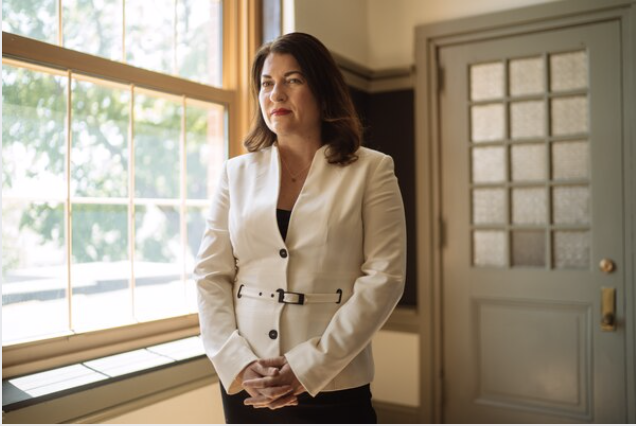
Karyn Clark, the public health director of Worcester, Mass., poses for a portrait inside her workplace. MUST CREDIT: Photo for The Washington Post by Hannah Reyes Morales

Karyn Clark, the public health director of Worcester, Mass., poses for a portrait inside her workplace. MUST CREDIT: Photo for The Washington Post by Hannah Reyes Morales

“We have had consistent problems with Walmart,” wrote Ruth Jones, Quincy’s health commissioner, in an April 28 email to the Massachusetts attorney general’s office. “They have a cluster of Covid cases among employees and have not been cooperative in giving us contact information or in following proper quarantine and isolation guidelines.”

The next day, at another Walmart in Worcester, Massachusetts, a local public health director ordered a shutdown after obtaining an internal company list showing nearly two dozen employees had tested positive.
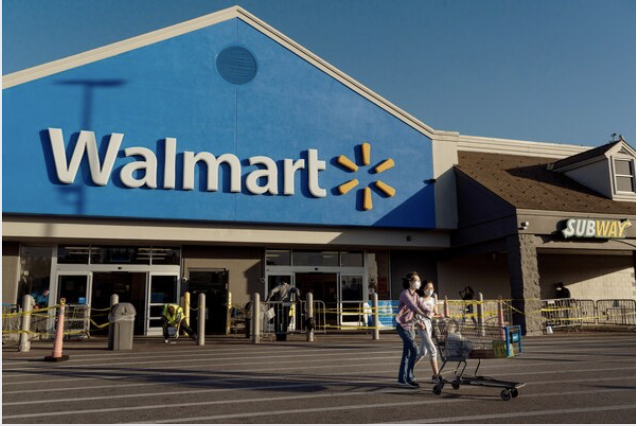
Shoppers are seen outside of a recently reopened Walmart in Quincy, Mass. The Walmart temporarily closed after several employees tested positive for the coronavirus, and one of them, Yok Yen Lee, died. MUST CREDIT: Photo for The Washington Post by Hannah Reyes Morales

Shoppers are seen outside of a recently reopened Walmart in Quincy, Mass. The Walmart temporarily closed after several employees tested positive for the coronavirus, and one of them, Yok Yen Lee, died. MUST CREDIT: Photo for The Washington Post by Hannah Reyes Morales

Health officials in the two cities pressed the nation’s largest grocer to test all of its employees at the two stores for coronavirus. The screenings, which began within days in the store parking lots, helped confirm a wider problem: 119 of the workers were infected, according to health officials.

Despite the pandemic, grocery stores generally are not required to publicly disclose cases of coronavirus involving employees or report them to the local health departments. As states now move to reopen, many grocers are being criticized by health officials, lawmakers and store employees for not being more open with the public and their own workers about outbreaks within their stores.

The Washington Post interviewed about 40 current and former employees at more than 30 supermarkets who alleged that the companies had not disclosed cases of infected or dead workers, retaliated against employees who raised safety concerns and used faulty equipment to implement coronavirus mitigation measures.

The $800 billion grocery industry – dominated by a handful of major players, including Walmart, Kroger and Albertsons – employs more than three million people in what are typically low-paying positions with little job security.

Amid the pandemic, the country’s nearly 40,000 grocery stores have been classified by officials as essential businesses that must remain open, putting the stores at the front lines of the crisis. Grocery stores, one place most consumers cannot avoid during the pandemic, have reported double-digit growth in sales in recent months.

At least 100 grocery workers nationwide have died from the virus since late March, and at least 5,500 others have tested positive for the coronavirus, according to a Post review of data from the nation’s largest grocery workers union, other workers’ rights coalitions and media reports.

Many local health officials told The Post they have been left in the dark as clusters of cases have emerged in supermarkets coast to coast.

“We really need to have better communication. There’s got to be something moving forward … that changes the current process,” said Karyn Clark, Worcester’s public health director. Clark said a nurse had to call the local Walmart several times before the company shared its internal list of infected employees.

In interviews, supermarket chains defended their efforts to protect workers and the public, saying they have required masks for employees, encouraged social distancing and rewarded workers with hazard pay and bonuses. Some grocers said they have collaborated with health departments across the country to help stop the spread of the coronavirus.

“Our associates are playing a critical role in helping people have access to fresh food, medicine and critical supplies during this crisis, and their safety is our highest priority,” said Lorenzo Lopez, a Walmart spokesman. “In areas experiencing community-wide outbreaks like Quincy and Worcester, our associates also felt the impact as members of those communities. We work closely with public health and medical experts and follow their guidance in implementing safety and health measures for our associates and customers.”

Supermarket chains said they are being transparent about outbreaks while protecting the privacy of affected workers, which is governed by a patchwork of laws and regulatory measures.

All of the grocers contacted by The Post – Walmart, Trader Joe’s, Whole Foods Market, Target, Kroger, BJ’s Wholesale Club and Lidl – declined to provide the number of workers who tested positive for the coronavirus or died from it. Combined, those employers account for roughly 11,300 stores and 2.4 million employees nationwide.

United Food and Commercial Workers International Union, which represents 900,000 workers at major chains, including Kroger, Safeway and Giant, has called on the companies to be more forthcoming to protect workers and customers in an industry that has remained a lifeline for households after states shut down most nonessential businesses for the pandemic.

Over the past five weeks, the union said the number of its grocery workers who have been infected or exposed to the virus jumped from 1,557 to 10,453.

“While some companies are doing the right thing and keeping shoppers and employees informed, there are still some keeping consumers in the dark and trying to sweep this information under the rug,” union president Marc Perrone said.

Many grocery workers told The Post that despite social distancing measures, they often share break rooms, bathrooms and devices for clocking in and out of their shifts. One sick employee, public health experts said, can potentially expose hundreds of colleagues and shoppers each day.

Local government health officials, whose job is to track and notify the public of disease outbreaks, said they have been hamstrung by many supermarkets responding slowly to their pleas for information about employees who are infected with the coronavirus or may have been exposed to it.

In Quincy, the health department first contacted the local Walmart on April 11 to inform the store of an employee it learned had tested positive for the coronavirus. Jones, the health director, said they asked the company repeatedly for the names and contact information for employees who worked closely with the infected employee so they could identify and inform other workers who may have been exposed.

In the meantime, the health department kept learning of new cases among store employees and the number of potentially exposed employees mushroomed.

After receiving no information for nearly two weeks, Jones escalated her request to the Walmart corporate office.

Finally, on April 28, Walmart provided contact information for employees at the Quincy store who had been exposed to the virus, Jones said. Five days later, 69-year-old Yok Yen Lee, the greeter at the store, died from covid-19, her family said.

Under pressure from the health department, Walmart then closed the store for a week, cleaned it and offered testing to every worker. In all, 34 employees at that location tested positive. In Worcester, more than 80 employees were infected, health officials said.

Troubled by Walmart’s response in Quincy and Worcester, lawmakers sent a letter on May 7 to Doug McMillon, the company’s president and chief executive.

“Across the country, more than 20 Walmart employees have died from COVID-19, and employees have had to take the critical work of contact tracing into their own hands to try and remain safe,” the delegation, led by Sen. Elizabeth Warren, D-Mass., wrote in the letter.

In a May 19 response to lawmakers, Bruce C. Harris, a Walmart vice president of federal government affairs, wrote that managers are required to meet with associates to let them know about each positive case, and that they are monitoring the number of employees taking leave.

“We are managing thousands of different, and sometimes conflicting, emergency orders and directives,” Harris wrote.

In Los Angeles, a Ralph’s supermarket employee, Jackie Mayoral, said managers instructed workers not to talk about sick colleagues around customers and that managers also refused to disclose how many employees were infected. It was only through the union that Mayoral learned more than 20 of her colleagues at the supermarket, owned by Kroger, had tested positive for the virus.

“Me and my co-workers are a family, and we should be able to talk about the things that are going to be able to affect us and possibly kill us,” said Mayoral, who was diagnosed with covid-19 in April and believes she contracted the virus at the supermarket, the only place she regularly visits outside of her home. She has since recovered.

Asked about the directives to avoid speaking about cases, Kristal Howard, a Kroger spokeswoman, said the company’s guidance “is always to communicate with integrity – openly and transparently – while protecting the privacy of any affected associate.”

Employment attorneys said companies must balance protecting employee privacy with keeping workplaces safe.

“We’re dealing with overlapping laws, gaps in laws and differing guidance from different levels of government,” said Kirk Nahra, an attorney at the law firm WilmerHale who specializes in privacy, data and health-care issues. “Companies are not supposed to disclose your name, but can they tell other employees in the meat department that someone who worked there Tuesday tested positive? Sure.”

Industry experts said the pandemic has left some supermarket chains struggling with what information should be shared with regulators or the public about sick and exposed employees.

Grocery companies are facing unprecedented challenges when an employee falls ill or dies, according to Hilary Thesmar, chief food and product safety officer for the Food Marketing Institute, a trade group for grocery stores and wholesalers.

“Companies are having to weigh a lot of factors: When did the employee test positive? When were they last at work?” she said.

But Oscar Alleyne, chief of programs and services at the National Association of County and City Health Officials, said that retailers need to be more transparent with public health officials in order to protect these high-risk essential workers and the public.

“You’re only as good as the data you have,” Alleyne said.

The federal Occupational Safety and Health Administration, which oversees workplace safety, issued guidance in April that coronavirus cases were reportable to the agency under certain circumstances. But the agency said it generally wouldn’t enforce the rules except for employers in the health-care industry, emergency response organizations and correctional institutions.

New workplace safety guidance from OSHA that goes into effect Tuesday asks most industries to report coronavirus cases that meet certain criteria. But employment experts say it’s murky and allows employers to decide whether the cases are work-related.

In the absence of data, UFCW has compiled daily reports on infected employees from its local chapters. Employees at chains, including Walmart and Whole Foods, have started their own grassroots efforts to tally illnesses and deaths at their stores, using social media and published reports to confirm tips. (Jeff Bezos, the chief executive of Amazon, which owns Whole Foods, owns The Washington Post.)

During the outbreak, Whole Foods, which has about 500 stores in the United States, began sending voice mail and text messages to employees to notify them of coronavirus cases in their stores. But some officials are pushing for more disclosure. On May 11, attorneys general from 12 states and the District of Columbia wrote to Whole Foods and Amazon, admonishing the companies for failing to alert health officials and the public about infections and deaths of their workers.

The attorneys general said they learned from media reports of multiple infections among workers at a Whole Foods in the District and of two employee deaths in Portland, Oregon, and Swampscott, Massachusetts.

By not sharing a breakdown of coronavirus cases, the retailers may be breaching consumer protection laws, which “require businesses to provide truthful information and disclose material information to consumers,” the letter said.

Whole Foods has not responded to the letter, but a company spokeswoman said the chain is balancing the essential services it provides with ensuring the “health, safety and privacy” of their workers.

Grocery chains have publicly touted face masks, social distancing requirements, rigorous cleaning and temperature checks as proof that they are keeping workers and customers as safe as possible.

Two grocery chains have used faulty or ineffective equipment, according to documents and interviews.

The Kroger-owned Quality Food Centers chain uses infrared sensors to count the number of shoppers in its stores as a way to limit customers and facilitate social distancing. But the technology routinely provided false tallies, according to internal company documents obtained by The Post.

“Once a person is inside for 30 minutes, the system assumes that individual is an associate and stops counting that person,” QFC President Chris Albi said in a Q&A with employees of the chain, which has 62 stores in Washington and Oregon.

A Kroger spokeswoman declined to answer specific questions about any problems with the system but said management regularly verifies the capacity limits within the store.

At BJ’s Wholesale Club in Baltimore, a manager said the thermometers were not calibrated properly and the temperature readings of employees consistently reported 96 or 97 degrees. The manager said a supervisor also brushed off concerns about the lack of social distancing by employees who examined customers’ receipts as they left the warehouse.

“It is appalling conduct and a policy that is putting us all in danger,” said the manager, who spoke anonymously for fear of retaliation. “I would quit in protest, but I worry that without me, it’s one more person in a leadership role who is not taking this seriously.”

A BJ’s spokeswoman said since the coronavirus outbreak, the company has “taken aggressive actions and implemented extensive safety and sanitation measures across all our facilities; and we always encourage our team members to provide feedback and voice concerns.”

Even when employees have reported feeling sick, some said that their managers have insisted that they continue to work because of staffing shortages.

Gladys Cortes, who worked at the Best Market supermarket in Islip, New York, told her manager in late March that she wasn’t feeling well and had a bad cough, but her boss wouldn’t allow her to leave early and said she needed to be back the next day, according to Noemi Salavarria, a former colleague who said she talked with Cortes when she was hospitalized days later with covid-19. Two other workers, who spoke on the condition of anonymity because they feared retaliation, said they had heard Cortes talking in the store about how she felt sick and needed a break.

Cortes, a single mother of a young child, died on April 9 of complications from covid-19.

“If they would have let her go home, she could still be alive,” Salavarria said. “She didn’t deserve this.”

After Cortes died, management sent out a letter to employees that noted “the passing of one of our colleagues.” It made no mention of her name or how she had died.

LatinoJustice, a nonprofit legal defense fund, documented concerns about Cortes and employees at other supermarkets in an April 30 letter to the chief executive of Lidl US, a chain that owns Best Market and has about 100 stores in the U.S.

After receiving no response, LatinoJustice said it filed a complaint on May 12 with the New York state attorney general.

William Harwood, a Lidl spokesman, said the company had “no reports indicating that she was sick while working. Our policy is clear that employees who are sick should stay home.”

Marian Meszaros, a 63-year-old employee at the Best Market supermarket in Long Island’s Franklin Square in New York, said she believes a manager waited more than a week to inform her in late April that her co-worker in the cramped meat department had tested positive for the coronavirus.

She said the human resources manager offered her five days of paid leave, saying that it was sufficient time off because she had been exposed over a week ago and wasn’t showing symptoms. Meszaros said she believes the manager delayed informing her because the store had been so short-staffed, and she worried she could still get sick and infect her co-workers.

“I have nightmares about this,” Meszaros said. “No one in the store feels safe.”

The supermarket chain in March had announced a new pandemic-related policy that provides 14 days of paid leave to workers who test positive for the coronavirus, as well as paid leave for colleagues who came into close contact with them.

Harwood said the Islip store immediately contacted Meszaros when it learned of the infected employee, and she was given five days off because it had been nine days since they had been in contact at the supermarket. The human resources team called Meszaros to ensure she had no symptoms prior to returning to work, Harwood said.

“We are taking significant steps to protect the health and safety of our team members during this public health emergency,” Harwood said.

As infections have spread within supermarkets, employees at two national chains said that stores retaliated against them for speaking up about safety or discussing sick colleagues.

When a Target manager informed Michael Branss in late April that a co-worker in Palatine, Illinois, had tested positive for the coronavirus, Branss said the manager also told him not to talk about the case.

A longtime employee, Branss worked in the back of the store where employees were in close proximity as they unloaded incoming merchandise.

Frustrated by the lack of information about the department where the infected employee had worked, Branss said he called several colleagues and advised them to bring their own masks because the store didn’t always have enough. After noticing a missing co-worker, he and fellow employees discussed whether they had been exposed.

A few hours later, Branss said he was called into the human resources office and reprimanded for talking about the sick employee. He was told the store was concerned about following federal privacy laws.

Fearing retaliation, he said he denied talking about the case. About 2 1/2 weeks later, Branss said Target fired him for refusing to answer questions for the store’s investigation of potential privacy violations.

“I didn’t do anything wrong. These are my friends, and I want them to be safe and healthy,” he said. “They punished me for trying to gather information to make a personal safety plan for myself.”

A Target spokeswoman, Danielle Schumann, said Branss was terminated “for conduct reasons unrelated to these claims” but provided no details.

In a Target store in Riverdale, New Jersey, employee Mary Jo Kalchthaler said workers are informed of their colleagues’ illnesses and deaths but are told not to discuss the cases publicly.

“Every store that I know of has had cases of covid-19, but they don’t want to spook people,” said Kalchthaler, who took a leave of absence in early May because she felt unsafe at work. “There are still people who think Target, Walmart and other food stores are magical kingdoms where everything is sterile and nobody has ever gotten sick, and that’s what they want people to keep thinking.”

Target did not respond to questions about allegations that employees were told not to discuss coronavirus cases. But Schumann said, “while being transparent, we’re also careful to keep team member privacy from being compromised.”

Some workers alleged they have been disciplined simply for raising safety concerns.

In early March, Kris King took two weeks off from his job at a Trader Joe’s in Louisville after coming down with a cough, fever and sore throat.

King said he created a private Facebook group for his colleagues to discuss frustrations with the store’s handling of the pandemic and to come up with recommendations to keep them safe. After he returned to work, a manager on March 21 confronted King about the Facebook messages and repeatedly encouraged him to quit, according to a lawsuit King has since filed against Trader Joe’s.

“He said, ‘If you don’t feel safe here, we can end this right now,’ ” King recalled in an interview.

A week later, King was terminated. Trader Joe’s cited multiple reasons, including the creation of the Facebook group, according to King.

“The safety of the people I work with is the most important thing and that workers in this situation are able to be heard and have a voice,” said King, a 37-year-old with four children. “And that’s really just not happening.”

Trader Joe’s, which has 505 outlets nationwide and employs 50,000 people, has denied in court his claims, including that the supermarket “was not following appropriate safety measures” at the store.

“We have made it clear that Mr. King’s employment at Trader Joe’s did not end because of desire to set up a social media page or because he expressed concerns,” said Kenya Friend-Daniel, a Trader Joe’s spokeswoman. “I have been clear that … for privacy reasons I am not at liberty to say more.”

Jon Tenholder, a Trader Joe’s employee at the same Louisville store, received a written disciplinary warning on May 10, roughly two weeks after Tenholder spoke with customers about the Kentucky governor’s order that only one person per household at a time be permitted inside a grocery store.

Management accused Tenholder of making customers uncomfortable by saying they shouldn’t be shopping together. Tenholder refused to sign the incident report and described it in a written rebuttal as “retaliation” for asserting that employees “deserve to be the central voice of our safety.”

Friend-Daniel disputed Tenholder’s account but declined to comment further citing privacy laws.

“We don’t retaliate against people for sharing concerns or for trivial reasons,” Friend-Daniel said.

Walmart, the nation’s largest private employer, has touted its response to the pandemic from the start, including a policy that allowed its 1.5 million U.S. employees to take up to two weeks off if they were exposed to the coronavirus, and waived attendance policies for workers who felt uncomfortable or unable to work.

Shortly after the policy was announced on March 10, Kyle Quiros and his wife, Rebekkah, took jobs as temporary workers at a Walmart in Medina, Ohio. By mid-April, Kyle, who was born with one kidney and has other health problems, had a fever and was vomiting frequently. He said he tested negative for the coronavirus, but a physician recommended he stay home for two weeks.

Rebekkah also fell ill. When she returned to work, she said a supervisor informed her that she was being let go because she had called in sick too many times. A few days later, Kyle came back to work but was sent home because he had a temperature of about 100 degrees. He soon received a call saying his employment was over, despite several weeks left on his contract.

“It was unfair. I was fired because I was sick, even though they have a policy saying you wouldn’t get fired,” he said.

Lopez, the Walmart spokesman, said Rebekkah Quiros was terminated “for performance reasons unrelated to any request for time off due to the pandemic.” He said he “had not been provided with enough information to substantiate” allegations made by Kyle Quiros.

Other Walmart employees also told The Post that workers fear calling in sick because they did not want to jeopardize their jobs.

“These claims are not consistent with the experiences of the more than 235,000 people recently employed by Walmart or the countless other associates that have been able to utilize our emergency leave policy to stay home and keep their jobs protected,” Lopez said.

But in Quincy, days before Lee, the Walmart greeter, was rushed to the hospital on April 20, she told family and friends that she was worried she could lose her job because she was sick and needed time off, said her daughter, Elaine Eklund.

After Lee died, Walmart officials put out a statement saying the company was “mourning alongside their family.” Since then, messages have streamed in from colleagues and longtime shoppers remembering the grandmother of two.

“I worried about her the last time I saw her in the store,” one stranger said in a handwritten letter.


As New Jersey opens its beaches for Memorial Day, the pandemic summer mantra is ‘safety first’ #ศาสตร์เกษตรดินปุ๋ย

#ศาสตร์เกษตรดินปุ๋ย : ขอบคุณแหล่งข้อมูล : หนังสือพิมพ์ The Nation.

https://www.nationthailand.com/lifestyle/30388416?utm_source=category&utm_medium=internal_referral

As New Jersey opens its beaches for Memorial Day, the pandemic summer mantra is ‘safety first’

May 24. 2020
Benches along Ocean Grove Beach in New Jersey have been wrapped in yellow crime tape to encourage social distancing. MUST CREDIT: Washington Post photo by Jabin Botsford

Benches along Ocean Grove Beach in New Jersey have been wrapped in yellow crime tape to encourage social distancing. MUST CREDIT: Washington Post photo by Jabin Botsford
By The Washington Post · Joe Heim · NATIONAL, HEALTH 

ASBURY PARK, N.J. – Joe Bongiovanni has been patrolling Asbury Park’s wide beaches for more than a half century, beginning as a lifeguard when he was 18 and now, at 70, as Beach Safety Supervisor. He has seen vicious riptides and beach brawls, hurricanes and circling sharks, rough surf rescues and even a few marriage proposals.

But this? This is like nothing else.

As the Memorial Day weekend ushered in the summer season, the 75 lifeguards, beach ambassadors and cashiers working for Bongiovanni all wear face masks. Hand sanitizer stations are set up at every entrance on the mile-long beach. A freshly painted yellow line divides the boardwalk with white arrows directing patrons to stay in their lanes. Hundreds of benches have been rounded up, wrapped in yellow crime tape and corralled in a pen to discourage stopping and sitting. And every 50 feet, signs remind visitors about social distancing, a phrase that meant nothing to anyone three months ago and is now as common as the novel coronavirus it is meant to contain.

The opening of New Jersey’s beaches and boardwalks is among the state’s first hopeful steps toward some kind of normal after a spring that was anything but. People want to be outside. Business needs to come back. But the worry hanging in the air at the shore won’t be blown away by a brisk ocean breeze. Bongiovanni and his staff are keeping a hawk eye on the crowds – monitoring spacing, mask-wearing and the numbers.

“The overcrowding thing. We really don’t want to be in that situation,” he said Friday, standing on the boardwalk wearing his red Asbury Park windbreaker, shorts, sunglasses and still looking as fit as most 18-year-old lifeguards. “We’re not just going to allow a free-for-all. When we see it’s getting saturated, we’ll stop selling beach passes. Our focus is going to be on being safe.”

Up and down the Jersey Shore, that’s the mantra as the pandemic summer begins: Safety first, safety first.

New Jersey doesn’t need any more death. A brutal stretch since March has claimed the lives of 11,081 residents as of Saturday. As the U.S. death toll closes in on 100,000, New Jersey accounts for more than 11 percent of the nation’s fatalities. Only New York has paid a higher price.

But what does safety first look like when the enemy approaches unseen and unheard, like a dark spirit in the night claiming hundreds of lives a day? For months the answer has been to wash your hands and avoid each other. No touching, no hugging, no getting too close. That’s a tough ask at the beach, where the whole point is to be together in a sea of people, to be carefree and forget about all the things you spend the rest of your time worrying about.

New Jersey Gov. Phil Murphy, a Democrat, on Friday increased the size of allowed gatherings from 10 to 25 people. That includes on the beaches, and the six-foot social distancing and mask recommendations remain in place. It’s not how anyone wants to spend the summer, but Murphy knows that a resurgence of covid-19 cases could be devastating. In coordination with local governments, the state will closely monitor developments along the shore and be in position to act.

Murphy said he can’t guarantee that the virus won’t resurge, but the state is readying itself by stockpiling ventilators, personal protective equipment, hospital bed capacity and medicine just in case.

“I hope we don’t have to go through hell again, but boy we better be prepared if we do,” Murphy said in an interview Friday, adding that adhering to the rules will help avoid a recurrence, but only if everyone cooperates. “I think this is going to be very tricky. I don’t think there’s any way of saying it otherwise. As we all begin to dip our toes back in the water . . . we’ve got to be really careful and responsible.”

For beach towns, there is no alternative to the strict guidelines if they want to salvage even a sliver of a normal summer.

Vigilance is the only remedy, said Asbury Park Mayor John Moor, who slung hot dogs on the boardwalk as a teenager, saw dozens of bands at the magnificent Convention Hall and has marveled at the city’s rebirth following a long downturn in the last few decades of the 20th century. The city, which was incorporated in 1897 and has a year-round population of about 16,000 residents, estimates it had 450,000 people visit its beaches last year and approximately 2.5 million visitors in total.

This summer won’t be like last year’s. Asbury Park is limiting sales of season beach passes and will shut down daily beach pass sales if social distancing guidelines are threatened. Hotel bookings and short-term rentals won’t be allowed until June, and then only with limited capacity. Arcades and bowling alleys remain shut down as do the bustling bars and popular live music spots such as the Stone Pony and Wonder Bar. Even as Moor helps the city navigate the season ahead and put safety protocols in place, uncertainty is the only sure thing. He’d rather deal with an enemy he could see.

“Give me a blizzard. Give me a hurricane. Give me 10 of those. This thing is an unknown and that’s what’s scaring everyone,” Moor said Friday as he walked the boardwalk under a clear blue sky. “I wouldn’t wish this upon anybody.”

Along with dozens of other Jersey Shore towns – Long Branch, Spring Lake, Belmar, Ventnor, Ocean City, Sea Isle, Wildwood – summer business is the economic driver. And that summer beach tourism is an engine for New Jersey’s broader economy. Of the state’s $45 billion in tourism revenue last year, nearly half came from the state’s four dominant coastal counties – Monmouth, Ocean, Atlantic and Cape May – according to Joe Simonetta, spokesman for the New Jersey Tourism Industry Association. The shore’s tourism economy employs about 235,000 people.

Projections for this summer are already way down.

“We’re optimistic that we’re open, but we know with the restrictions and following the guidelines around hotel and restaurant capacity that we don’t expect to realize those numbers,” Simonetta said. “I don’t think we’ll ever get near 100 percent. Most of the tourism industry is resolved to the fact it’s going to be at least half that, if not worse.”

It has been two months since Sean Holmes and his wife Valerie Hegarty have had a guest at the boutique hotel they’ve owned since 2005 in Ocean Grove, a quiet seaside town of Victorian homes and hotels adjacent to Asbury Park. The 16-room Majestic Hotel is typically booked solid through the summer, but almost all of the calls the couple have received lately have been cancellations.

“People want the fresh air and to be on the beach. Any time the sun shows its face there’s a lot of traffic coming into town,” Holmes, a native of Galway, Ireland, said with a lyrical Irish accent that camouflaged the concern he feels about the coming season.

“Our livelihood depends on getting open,” Holmes said. “The biggest challenge for most in this business is that we have to make money this time of year to get us through the rest of the year. We’ll be lucky if we get 50 percent for the summer.”

Businesses everywhere at the shore are making similar calculations. At Eddie Confetti’s ice cream stand on the Asbury boardwalk, patrons can order from a vast array of homemade flavors – from banana chunk and cannoli to peanut butter caramel cookie dough and cinnamon bun. But this year they might have to wait a little more than usual.

Owner Eddie Catalano, who started the business 16 years ago, is limiting the number of workers inside the stand. Typically he would have five or six teenagers scooping and selling ice cream on each shift, but he’s keeping it to two or three to start the summer to meet distancing guidelines and ensure that his workers are safe.

“God forbid, I wouldn’t want to be the root cause of something happening,” Catalano said. “That’s my biggest concern, way above the financial.”

Typically, Catalano has 300 tubs of ice cream ready at the start of the season, but this year he has just 100. If he’s forced to close back down, he doesn’t want to get stuck with extra product.

“On the business end, I’m welcoming opening up to get the revenue. But I can also see people getting way too comfortable way too quick, and there’s a risk of that,” he said. “This is all a trial. But what if the trial fails?”

What if? That question hangs around every corner at the shore. The only hope, most people feel, is that everyone does their best to keep things as safe as possible. The messages are everywhere. On the highway heading to shore points, an LED display targets younger beachgoers: “Going down the shore, bro? Practice social distancing.” Most are paying heed for now, but some dismiss the warnings and say the state is overreaching.

Andrew Amonte, 22, was not wearing a mask Friday afternoon as he sat on a boardwalk railing watching visitors stroll by. The Asbury Park resident said he thinks orders to wear a mask violate his civil rights and believes the state should reopen entirely and without the limitations now in place.

“Covid is not as lethal as people are making it out to be,” Amonte said. “They need to reopen everything. Things need to reopen because more people are going to die from homelessness if the economy stays shut down.”

Amonte said he was planning to move to Tampa, Florida, to “get out of a Democratic state and to be part of a Republican freedom state.”

A block away, Natasha Campbell, 30, pushed her smiling 7-month-old son Nicolas in a stroller on the boardwalk. A doctor at nearby Jersey Shore University Medical Center, Campbell has been treating patients with covid-19 for the past two months in the hospital’s intensive care unit. Many of those patients have died.

“You can’t take it all to heart or you would lose your mind, but it’s terrible and some really hit close to home,” Campbell said. “When you have a 30-year-old die and the parents have to come to the hospital, that’s really terrible.”

Taking Nicolas for strolls on the boardwalk has been a welcome escape for Campbell and her husband, who also is a doctor at the hospital. But as Memorial Day and summer approach, Campbell said she is concerned about what’s next.

“They’ve really made an effort to separate people, and that’s great. But I am worried,” she said. “The cases are on the downtrend now, but I’m worried about this summer and opening up.”

No one person has done as much for Asbury Park’s image and identity as Bruce Springsteen, who grew up in nearby Freehold and whose freewheeling debut album in 1973, “Greetings from Asbury Park,” burned this little shore town into the imagination of generations of fans around the world. Many of the songs on that and subsequent albums captured the roughshod romance of the boardwalk and beach life with a bursting-at-the-seams exuberance that can feel starkly at odds with these constrained coronavirus times. It’s difficult to imagine any good boardwalk song coming forth from this socially distanced, masked-up summer.

In his song “Asbury Park, Fourth of July (Sandy),” Springsteen delivers a line about a local fortune teller, singing: “Did you hear the cops finally busted Madame Marie for tellin’ fortunes better than they do.”

The song made Madam Marie famous, and her blue-and-white fortune telling stand, Madam Marie’s Temple of Knowledge, still sits on the boardwalk. Marie Castello died in 2008, but her granddaughter, Dainzie Marie Castello, 52, sees customers all summer long, including many Springsteen fans who’ve traveled here from all over the world. Legend has it that her grandmother told a teen Springsteen that he would be a star long before his meteoric rise.

Castello has done readings via FaceTime and Zoom for the past two months. Now back on the boardwalk where she started telling fortunes when she was 9 years old, she’s wearing a mask and medical gloves and is having a plexiglass shield installed so she can tell fortunes and read palms safely.

These days, everyone is asking Castello about the future.

“You know what I tell them? I tell them this summer is not going to be great, but it’s not going to be as bad as everybody thinks,” Castello said. “And by next summer, we’re going to be back to a new normal. But I don’t think we’re ever going to be the same again for a long time.”

Her grandmother was right about Springsteen. Maybe she’ll be right too.

Quebec is Canada’s hardest-hit province – and also its fastest to reopen #ศาสตร์เกษตรดินปุ๋ย

#ศาสตร์เกษตรดินปุ๋ย : ขอบคุณแหล่งข้อมูล : หนังสือพิมพ์ The Nation.

https://www.nationthailand.com/lifestyle/30388390?utm_source=category&utm_medium=internal_referral

Quebec is Canada’s hardest-hit province – and also its fastest to reopen

May 24. 2020
Photo credit: PxHere

Photo credit: PxHere
By Special To The Washington Post · Amanda Coletta · WORLD, THE-AMERICAS
Infections spreading among health-care workers. Nursing home staff fleeing outbreaks. Public health officials stationed at the airport to screen arriving visitors.

Quebec, which borders New York and three other states, is the Canadian province hit hardest by the coronavirus. Home to roughly 22% of the country’s population, it has suffered more than 60% of its deaths.

It’s also the province now moving most aggressively to reopen.

Epidemiologists are unsure cases in the French-speaking province have peaked. But retail businesses outside Montreal opened this month. So did elementary schools – a step that provinces with zero cases have not attempted. Construction and manufacturing resumed. Some businesses in Montreal reopen next week. Dentists resume work next month.

The approach – Quebec’s top doctor described it as a “weighted risk” – is being closely watched. Critics have called for more data before pushing ahead.

“My big concern is that we are starting a bit early,” said Benoît Mâsse, a professor of public health at the University of Montreal. “I think we should wait a bit.”

Prime Minister Justin Trudeau, who represents a constituency in Montreal, said he was “worried” for Quebecers.

“I understand how much people do want to go outside,” he said this month. “But we need to do it in ways that we are sure are going to keep people safe.”

Quebec confirmed its first case in February, a month after Ontario and British Columbia. But it was the first to declare a public health emergency, and mobility data from Google showed residents were largely complying with orders to stay home and maintain social distance.

Nonetheless, the province has reported roughly 46,000 of the country’s 84,000 cases, and 3,900 of its 6,400 deaths.

Analysts offer several explanations for the outbreak’s severity.

Quebec’s public school students took spring break during the first week of March, earlier than other provinces. Families decamped for Europe, Mexico and the United States, where the virus was on the march.

At the time, public health officials in Canada said the threat posed by the virus was “low.” By the time federal officials advised against nonessential travel and sealed Canada’s borders, most Quebecers had already returned to work or school.

“If you’re the virus, you cannot have chosen a better time to allow people to travel,” Mâsse said.

In mid-March, officials in Montreal were so concerned by what they said was inadequate screening by border agents that they deployed their own public health workers to airports to screen travelers.

The coronavirus quickly gained a foothold in the province’s ill-prepared and long-neglected long-term care homes. Caregivers, often lacking protective gear, worked at multiple facilities, increasing the opportunity for spread.

At one point, Quebec Premier François Legault said the health-care system was missing some 11,000 workers who were stricken with the virus or afraid to work. Hospital staff have filled in, and the federal government agreed to send more than 1,000 military troops to overwhelmed care homes. Some of them are now sick, too.

The results have been calamitous. At the Résidence Herron in Dorval, 31 residents were found dead after some staff abandoned the facility. Some survivors had not been fed or changed in days. At the Sainte-Dorothée in Laval, at least 87 residents have died.

Legault said he took “full responsibility” for the nursing home crisis, which is responsible for roughly 70 percent of Quebec’s covid-19 deaths. Deaths in long-term care homes account for 81 percent of Canada’s deaths from the coronavirus, with the vast majority occurring in Quebec and neighboring Ontario. He acknowledged facilities were “poorly equipped” for a pandemic.

There are also hot spots outside long-term care homes, though analysts said they might be related. In Montreal-Nord, the borough with the most coronavirus cases in the city, infected health-care workers make up 25% of cases. The median income of the densely populated borough is roughly $16,800, according to the 2016 census.

Some workers live in crowded quarters with multiple generations of a family, making isolation difficult and potentially hastening the virus’s spread through the community.

“It’s not like you can say, ‘Most of the cases are happening in long-term care homes or in hospitals, so we don’t need to worry about what’s happening in the community,’ ” said Ashleigh Tuite, an epidemiologist at the University of Toronto. “People move back and forth and interact.”

Montreal, with a metropolitan population of 4 million some 40 miles from the U.S. border, is the epicenter of Canada’s outbreak, with more than one-quarter of the country’s cases. Matthew Oughton, an infectious diseases specialist at the city’s Jewish General Hospital, said the virus’s “unfortunate predilection for the vulnerable people in our social fabric” has played a role. The city has some of Canada’s poorest neighborhoods.

Legault said conditions there remain “worrisome.”

When Quebec announced its reopening plan in April, Horacio Arruda, the province’s top doctor, said new cases were inevitable but the goal was to keep the number manageable. He said he hoped “not too many people will die,” and that he would change course if necessary.

“We know that it’s a risk. We cannot eliminate the virus,” he said. “It is circulating. The question is, how do we do it? How do we balance things out?”

The province has altered its pandemic response before. Initially, Legault pushed the concept of “herd immunity” as he discussed plans to reopen schools, before backtracking. He twice delayed the reopening of schools in Montreal before canceling the rest of the school year last week.

The decision came after the province’s public health institute released projections indicating deaths could skyrocket to 150 per day in the greater Montreal area by July if all restrictions were lifted.

“It’s hard to keep the entire province shut because of the hot spot in Montreal,” Tuite said. “The challenge is that Montreal is highly connected to the rest of the province, and so there’s a bit of a balancing act there.”

In recent days, new cases and hospitalizations in Quebec have plateaued, but analysts say it’s too soon to tell whether they’ve peaked.

Critics say more testing and contact tracing is needed before reopening the economy. The province has not been able to administer the 14,000 tests per day that officials promised, and some are concerned that areas that haven’t experienced outbreaks don’t have the resources to identify and deal with them.

“I wish the government would err on the side of caution,” said Kate Zinszer, an epidemiologist at the University of Montreal. “My big worry is our capacity to respond as things degenerate.”

Mona Nemer, Canada’s chief science adviser, told Radio-Canada this month that she had asked Quebec “several times” for its plan for widespread testing, but had not seen one.

Arruda said he was not accountable to “this lady,” but to his bosses and the people of Quebec. He then criticized the “gérants d’estrades” – a phrase that translates loosely as “back-seat drivers.”

Mâsse noted the tension between Ottawa and Quebec.

“When the federal government comes in and tells us what we should do, it doesn’t go too well,” he said. “But at some point, we had to call the army to help us, so you cannot have it both ways.”

He added: “I had the same question [as Nemer].”