Congratulations to @elonmusk for passing up @JeffBezos as the world’s richest person – worth a whopping $221B! 🥇 Elon, to celebrate I’m offering you a once in a lifetime opportunity: help us save 42M people from starvation for just $6.6B!! Offer expires SOON.. and lives do too.
.@elonmusk! Headline not accurate. $6B will not solve world hunger, but it WILL prevent geopolitical instability, mass migration and save 42 million people on the brink of starvation. An unprecedented crisis and a perfect storm due to Covid/conflict/climate crises.
ด้าน Elon Musk ยังคงต้องการให้โครงการอาหารโลกเปิดเผยรายละเอียดเกี่ยวกับการใช้จ่ายในปัจจุบัน เพื่อความกระจ่างว่าเงินที่บริจาคไปจะถูกใช้ไปกับอะไรบ้าง ซึ่งทาง David Beasley ก็พร้อมที่จะพูดคุยในรายละเอียดเพิ่มเติม
นอกจากนี้ David Beasley ยังได้เรียกร้องให้ Jeff Bezos ผู้ก่อตั้งบริษัท Amazon มหาเศรษฐีอันดับ 2 ของโลกตาม Bloomberg Billionaires Index ดำเนินการในลักษณะเดียวกัน
อย่างไรก็ตาม Nikkei Asia ได้อ้างถึงความคิดเห็นจากอีกด้านหนึ่งซึ่งมองว่าไม่ง่ายนักที่ทักษิณจะได้รับคะแนนเสียงท่วมท้นจากกลุ่มคนรุ่นใหม่ซึ่งสนใจการเมืองที่ขับเคลื่อนด้วยอุดมการณ์ เนื่องจากทักษิณรวมถึงพรรคเพื่อไทยไม่ต้องการแตะต้องบางประเด็นอ่อนไหว
South China Morning Post ได้อ้างคำพูดของรศ.ดร.โกวิท วงศ์สุรวัฒน์ ซึ่งกล่าวว่าความเคลื่อนไหวดังกล่าวแสดงให้เห็นว่าทักษิณยังคงมีอิทธิพลอย่างมากในพรรคเพื่อไทยและเป็นผู้มีอำนาจตัดสินใจหลัก จึงไม่น่าแปลกใจที่น.ส.แพทองธารได้รับตำแหน่งนี้ เนื่องจากไม่ใช่เรื่องง่ายสำหรับเขาที่จะหาคนที่ไว้ใจได้จริงๆ
Dutch prime minister said face mask use will now apply to all publicly accessible indoor spaces, including libraries, town halls, supermarkets, shops, train stations and parts of hospitals and universities.
Wearing a face mask will be mandatory again in public indoor places in the Netherlands as the government announced several new measures to fight COVID-19 amid rising infections over the past few weeks.
Dutch Prime Minister Mark Rutte told a press conference here that face mask use will now apply to all publicly accessible indoor spaces, including libraries, town halls, supermarkets, shops, train stations and parts of hospitals and universities.
The requirement of a “corona pass” that has been mandatory for access to restaurants, cafes, theaters and stadiums, will be extended to museums, zoos, amusement parks, gyms, swimming pools, terraces and sports events outside and indoors.
The “corona pass” can be a negative COVID-19 test result, a proof of vaccination or a proof of recovery.
Photo taken on Jan. 23, 2021 shows an empty street in Haarlem, the Netherlands. (Photo by Sylvia Lederer/Xinhua)
The new measures will come into effect on Saturday.
“Once again a difficult message, now that the infection figures and hospital admissions are increasing,” Rutte said. “It remains difficult because everything about corona leads to more and more discussion in society.”
“There should be no dichotomy. Understandably, we struggle with it, just like people in countries around us. The longer it takes, the more complicated it becomes to follow rules,” he said.
“Our own behavior remains crucial,” said Rutte. “The most important thing is to stay at home if you have complaints, wash your hands often and cough into the elbow. We also urgently advise again to keep a 1.5-meter distance, to work from home and to avoid crowded places.”
Speaking at the press conference, Health Minister Hugo de Jonge once again made an appeal to people who have not been vaccinated.
Photo taken on Jan. 23, 2021 shows an empty street in Haarlem, the Netherlands. (Photo by Sylvia Lederer/Xinhua)
De Jonge also announced the start of booster vaccination in December for all people aged 80 and older. A booster shot will also be offered to all adult residents over the age of 18 who live in a care institution with their own medical service.
Next month, a booster shot will also be offered to healthcare employees with direct patient contact. From January 2022 onwards, people between the ages of 60 and 80, will also get a booster shot.
The Dutch government had relaxed the measures against the spread of COVID-19 by the end of September. Since then, face masks were only mandatory on airplanes, trains, buses, trams and metros, in taxis and at airports.
Despite the fact that around 85 percent of all Dutch people aged 12 years and older are currently vaccinated against COVID-19, new infections are on the rise.
In its latest weekly update, the National Institute for Public Health and the Environment (RIVM) reported that the number of new hospitalized patients with COVID-19 from Oct. 27 to Nov. 2 increased to 834, 31 percent more than the week before. A total of 140 new patients were admitted to ICUs, 20 percent more than the week before.
During the period, 53,979 people with a positive COVID-19 test were reported, up 39 percent week-on-week.
The number of Covid-19 cases crossed 13.25 million across Southeast Asia, with 26,804 new cases reported on Tuesday (November 2), higher than Monday’s tally at 26,148. New deaths are at 410, increasing from Monday’s number of 300. Total Covid-19 deaths in Asean are now at 279,461.
The Indonesian government has approved the Novavax Covid-19 vaccine for emergency use, the first country in the world to do so. The manufacturer and its partner, Serum Institute of India, which is one the world’s largest vaccine producers, has confirmed the approval. The vaccine will be sold under the brand name Covovax. Indonesia has also approved the use of Sinovac vaccine in children aged 6-11 years as the country is two months into its trial of in-person learning.
Meanwhile, the Laos government will continue with a tourism program in 2022 to invite Lao and foreign tourists, especially those from China and South Korea, who have been fully vaccinated against Covid-19 to explore the country. It is hoped that the program, Lao Thiao Lao, or Lao Visit Laos, will attract at least 1.9 million domestic visitors and more than 1 million foreign visitors in 2022.
About 200 foreign skydivers and 135 Egyptians take part in this years skydiving festival named “Jump Like a Pharaoh” held at the site of the Great Pyramids, one of the Seven Wonders of Ancient World.
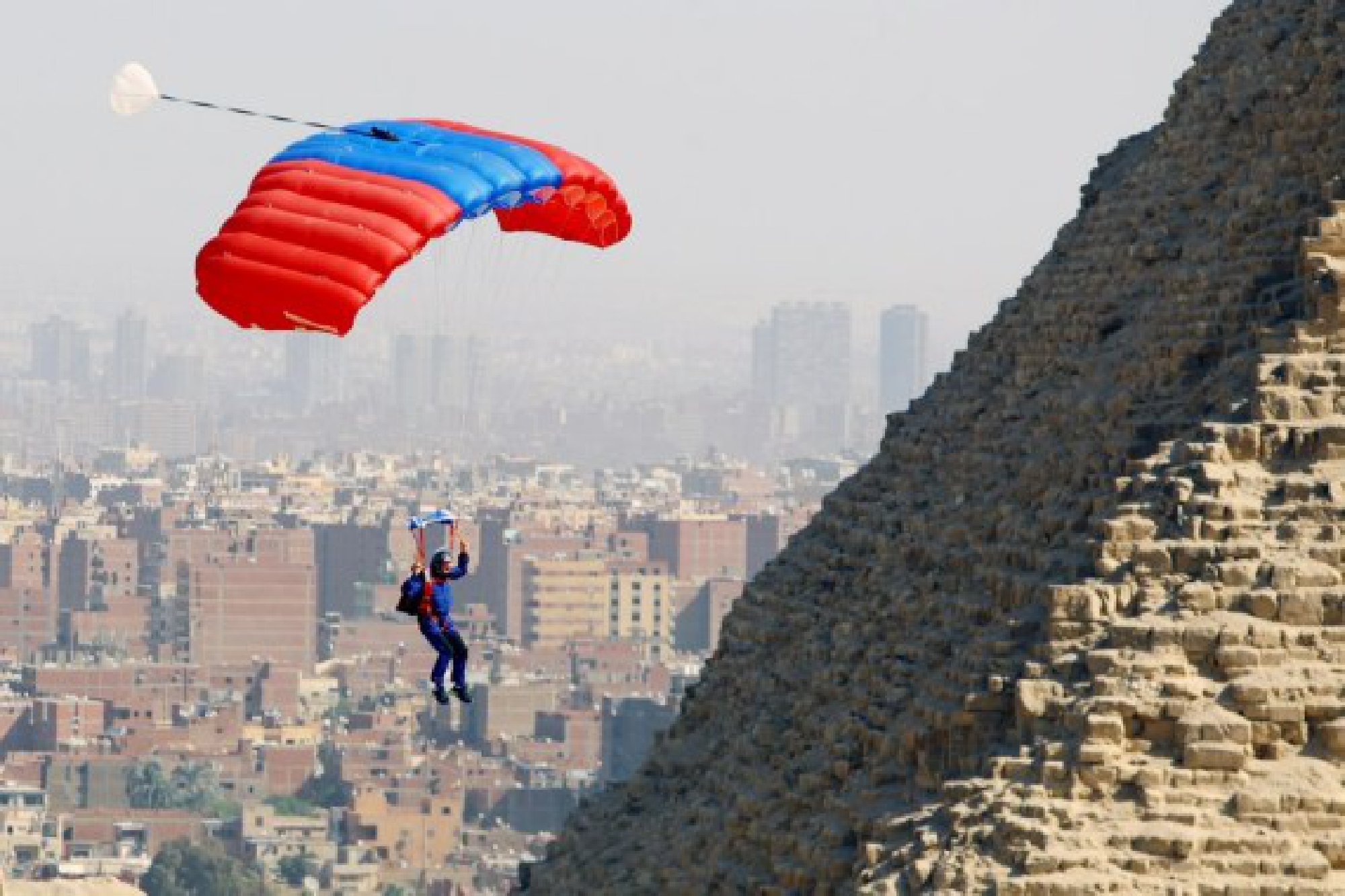
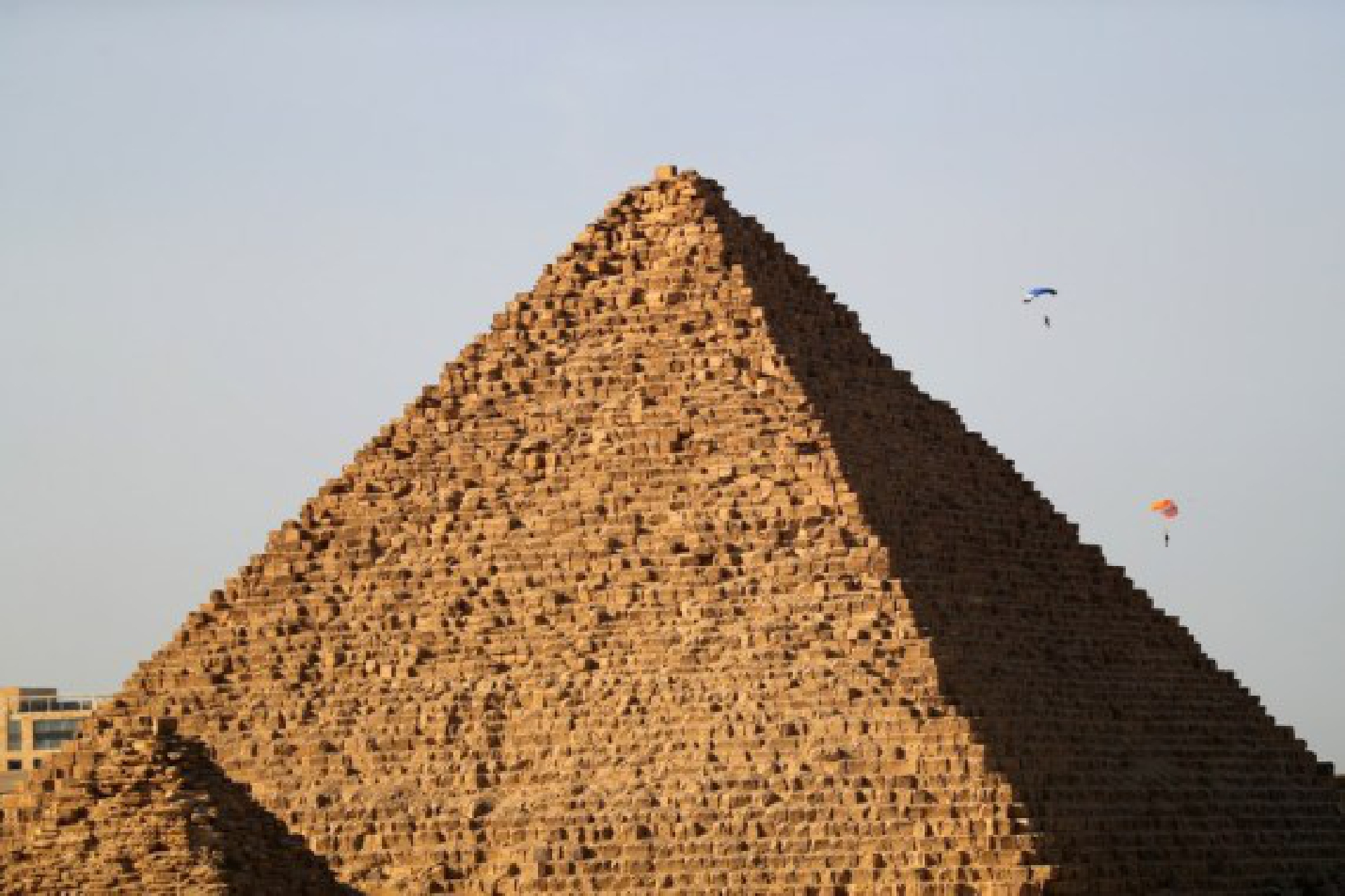
Dozens of colorful parachutes on Monday flew over the Great Pyramids of Giza, one of the Seven Wonders of the Ancient World, kicking off the 4th annual international skydiving festival named “Jump Like a Pharaoh” in Egypt.
The seven-day event this year gathers over 200 foreign skydivers from around 30 countries, including world champions, and 135 Egyptian skydivers.
The event, organized by Egyptian sports investment company Skydive Egypt in cooperation with the Egyptian Parachuting and Air Sports Federation, is also held under the auspices of the Egyptian Ministry of Youth and Sports.
Mostafa Saeed, the CEO of Skydive Egypt and head of the festival, said that the annual event has never stopped since it started in 2018, even despite the COVID-19 pandemic since the beginning of 2020, noting that it attracts more participants every year.
A skydiver flies over the Pyramids during the skydiving festival “Jump Like a Pharaoh” in Giza, Egypt, on Nov. 1, 2021. (Xinhua/Ahmed Gomaa)
“This year, after the spread of vaccines and the reopening of airports, we have 215 participants from 29 countries who insisted to join the festival, which has become one of the main festivals on the international skydiving agenda,” Saeed told Xinhua in an interview near the pyramids.
The skydivers jumped off a helicopter at an altitude of 15,000 feet (over 4,500 meters high), and the spectators at the pyramids site could see the parachutes in the sky at an altitude of about 3,000 feet. The skydivers started to deploy the parachutes only a minute before landing.
Skydivers fly over the Pyramids during the skydiving festival “Jump Like a Pharaoh” in Giza, Egypt, on Nov. 1, 2021. (Xinhua/Sui Xiankai)
It took about only about two minutes from jumping of the helicopter to landing on the ground, explained world champion skydiver Omar Al-Hegelan, president of Saudi Arabian Extreme Sports Federation.
French world champion Karine Joly, a skydive coach who holds world titles and records, has so far made some 6,600 jumps in her skydiving life, including 20 jumps over the pyramids.
When asked about her feeling when she saw for the first time the Great Pyramids while skydiving, she replied with a laugh: “I cried!”
“I looked down for the first time and I saw I was right above Khufu (Pyramid). I was like ‘Oh my God!’ And I started crying,” Joly told Xinhua, describing the gathering as the best skydiving event in Egypt.
As for Dutch skydiver Matt Landsman, who is just turning 22, it was his second time to participate in the event. This time, he came with a team of five athletes from the Netherlands, including his own father.
“Well, in an event like this, you have to participate because it’s wonderful…And to fly above one of the seven miracles (wonders) of the world is the most beautiful thing you can do,” the young man added.
The colorful landing parachutes caught the eyes of the spectators around the pyramids, who included a number of officials and diplomats from participant countries who came to support their athletes.
“I feel happy to be here today to support the Ecuadorian athlete,” said Rafael Veintimilla, Ecuador’s ambassador to Egypt, stressing that “such a unique event could bring people from different countries closer, especially in this historic place.”
The “Jump Like a Pharaoh” event is also supported by concerned bodies of the Egyptian government, including the Ministry of Tourism and Antiquities.
“The Ministry of Tourism and Antiquities always sponsors many sports, cultural and artistic events. This is not the first time to sponsor this event and will not be the last,” said Ahmed Youssef, assistant minister of tourism and antiquities for tourism marketing and promotion.
Supporting such events is part of the ministry’s new marketing strategy to promote tourism in Egypt “in a new, exciting and modern form,” the Egyptian official told Xinhua.
White House COVID-19 response coordinator Jeffrey Zients said that the government has purchased enough of the low-dose childrens vaccine for everyone in this age group.
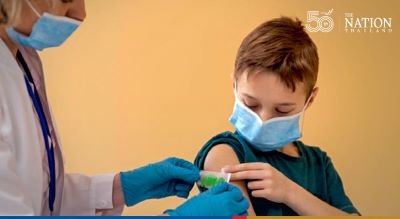
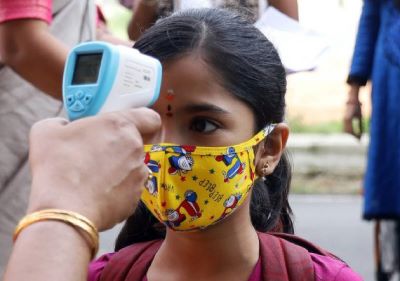
U.S. children from 5 to 11 years old may soon be able to get a low-dose COVID-19 vaccine made by Pfizer-BioNTech, as advisors to the U.S. Centers for Disease Control and Prevention (CDC) voted unanimously on Tuesday to recommend the shots for this age group numbering around 28 million.
“If the recommendations are endorsed by CDC director Dr. Rochelle Walensky, as expected, children could begin getting their shots within the next several days,” reported National Public Radio (NPR).
The vaccine is one-third the adult dose and the vaccine would be given in two doses, three weeks apart. The lower dose was chosen to minimize side effects and still produce strong immunity, said Pfizer.
The U.S. Food and Drug Administration (FDA) granted emergency use authorization of the vaccine in 5-11 year olds on Friday. The FDA authorized a 10-microgram dose of Pfizer’s vaccine in young children. The original shot given to those age 12 and older is 30 micrograms.
On Monday, White House COVID-19 response coordinator Jeffrey Zients said that the government has purchased enough of the low-dose children’s vaccine for everyone in this age group.
The CDC’s latest data show that 172 U.S. children ages 5-11 have died from COVID-19 and more than 8,300 have been hospitalized.
The United States has the highest cumulative number of coronavirus-related deaths, followed by India and Brazil.
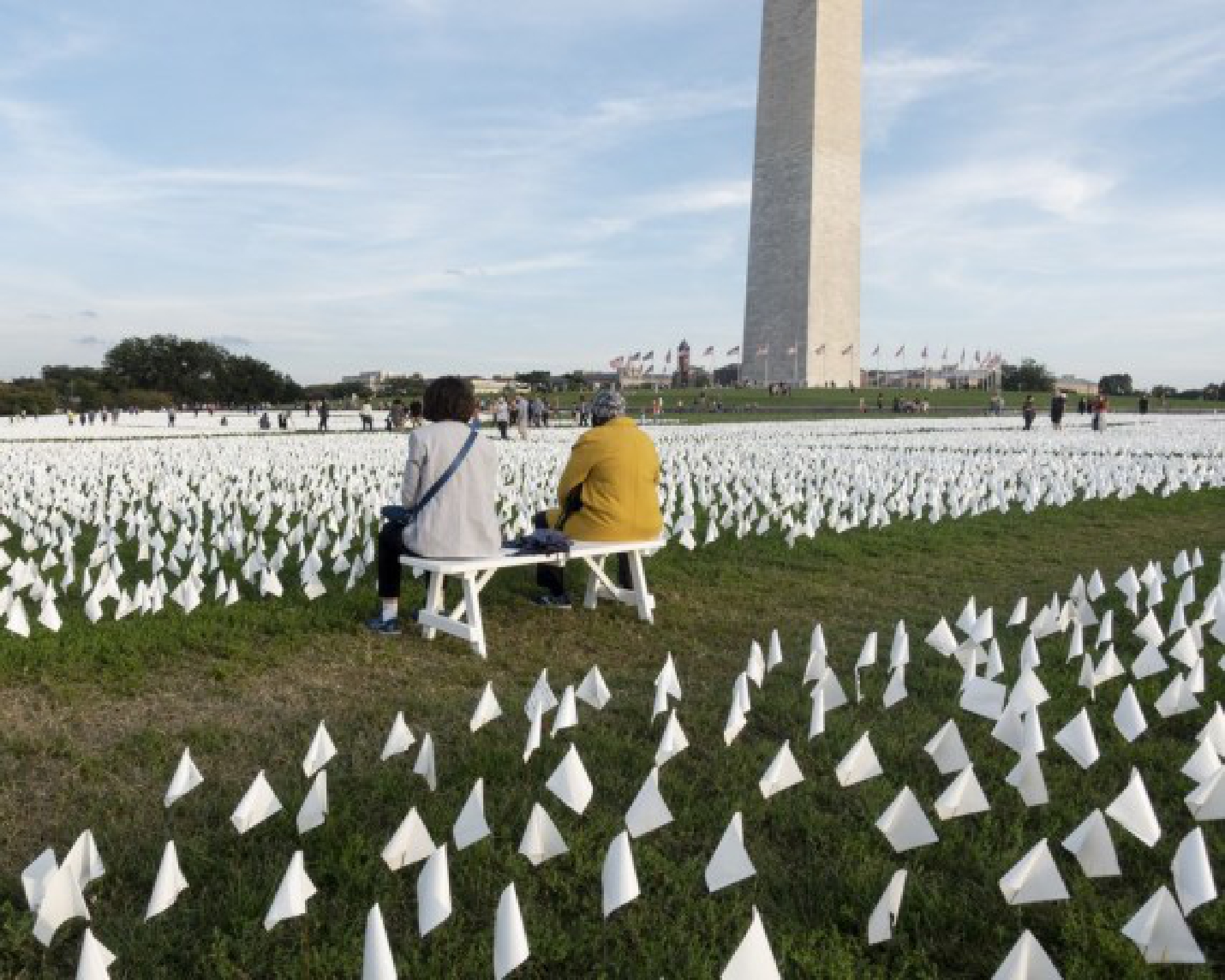
The worldwide death toll inflicted by the ongoing COVID-19 pandemic has surpassed five million, reaching 5,004,855 as of Tuesday, according to the latest data from the World Health Organization (WHO).
Globally, as of 5:40 p.m. CET (1640 GMT), there have been 246,951,274 confirmed COVID-19 cases, including 5,004,855 deaths, reported to the WHO, the data showed.
The United States has the highest cumulative number of confirmed cases and deaths, with almost 45.68 million cases and 740,366 deaths, accounting for nearly 18.5 percent and 14.8 percent respectively of the world’s totals.
White flags honoring the lives lost to COVID-19 are seen on the National Mall in Washington, D.C., the United States, on Oct. 2, 2021. (Xinhua/Liu Jie)
It is followed by India and Brazil, which have recorded confirmed cases exceeding 34.29 million and 21.81 million respectively, as well as 458,880 and 607,824 deaths. The three countries combined have accounted for more than 41 percent of all the confirmed cases and about 36 percent of all deaths worldwide.
In terms of WHO regional offices, the Americas and Europe have so far reported 93,711,700 and 77,231,883 confirmed cases, and 2,296,114 and 1,432,224 deaths, respectively. The two regions together account for nearly 70 percent of the world’s confirmed cases and about 74.5 percent of deaths.
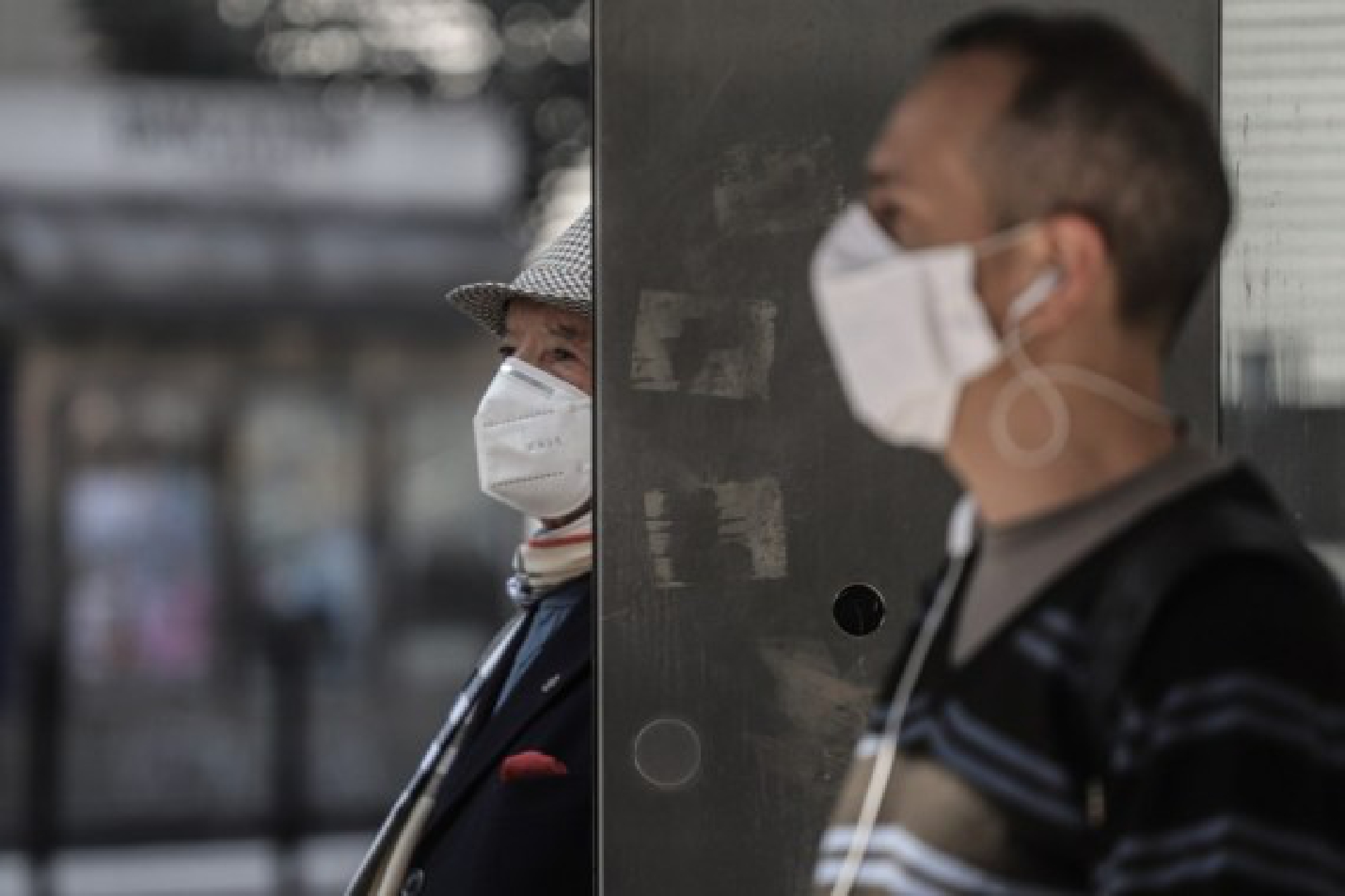
Men stand at a bus stop amid the COVID-19 outbreak in Sao Paulo, Brazil on Aug. 2, 2021. (Xinhua/Rahel Patrasso)
Advisers to the Centers for Disease Control and Prevention on Tuesday unanimously recommended the nations first coronavirus vaccine for younger children, in one of the last steps before the Pfizer-BioNTech pediatric shots can be given to more than 28 million children ages 5 to 11 across the United States.
CDC Director Rochelle Walensky is expected to endorse the recommendation later Tuesday, allowing some clinicians, pharmacies and other providers to begin giving the two-shot regimen as early as Wednesday.
The sign-off is a watershed moment in the fight against the pandemic, which has killed 745,000 people in the United States. Millions of families have waited for a children’s vaccine since the first adult shot was authorized last December, hoping their kids could finally resume in-person schooling and extracurricular activities without interruption – and that their own work schedules could return to normal.
“Today is a monumental day in the course of this pandemic and one that many of us have been very eager to see,” Walensky told advisers at the meeting’s start.
White House officials say the administration of pediatric vaccinations will be in full gear by next week – welcome news for families who live in multigenerational households and those eager to gather in large groups for the coming holidays. For the substantial number who remain distrustful of the vaccine, public health officials face a gargantuan task of convincing them to allow their kids to get the shots. That task is made more urgent by concerns about another coronavirus wave during the cold-weather months when people spend more time indoors and respiratory illnesses spread more easily.
Several panel members said they have vaccinated older children and grandchildren and plan to get the shots for younger children who are now eligible.
“We have one more vaccine that saves lives of children and we should be very confident to employ it,” said Sarah Long, a professor of pediatrics at Drexel University and a panel member. She said eight of her nine grandchildren would be vaccinated as of next week.
Beth Bell, a global health professor at the University of Washington, said many parents are clamoring for the vaccine and she felt a responsibility to make it available. “Will we gain additional knowledge as time goes on?” she asked. “Yes, of course we will. But we do have a pretty robust view of the situation at the moment. This is a huge step forward for children and parents.”
Parents have legitimate questions, Bell said, but the panel’s 14-0 vote is a way of telling them “that based on our expertise and the information that we have, we’re all very enthusiastic.”
Patricia Whitley-Williams, chair of the pediatrics department at the Robert Wood Johnson Medical School and a member of the National Medical Association, which represents African American physicians and their patients, said the vaccine is especially important for children at highest risk, many of whom depend on schools “as a safe haven, as well as the source of two meals a day, five days a week.”
Recent data show that children are getting infected and transmitting the virus as readily as adults, even though half of them show no symptoms. Vaccinating children is expected to reduce transmission by an estimated 8% among all age groups, or about 600,000 infections through next March, according to a CDC presentation.
Since the start of the pandemic, nearly 2 million children 5-to-11 have been infected by the virus, resulting in 8,300 hospitalizations, including more than 2,300 cases of a complication known as multisystem inflammatory syndrome, or MIS-C, and 94 deaths, according to data presented Tuesday. Among all children, there have been 745 deaths.
Walensky acknowledged the chance of a child getting severe covid-19, or developing long-term complications remains low. “But still,” she added, “the risk is too high and too devastating to our children – and far higher than for many other diseases for which we vaccinate children.”
Pediatric vaccinations may also cut down on time out of the classroom for children exposed to the virus at school since fully vaccinated individuals do not need to quarantine if they don’t show symptoms.
“There are children in the second grade who have never experienced a ‘normal’ school year,” Walensky told the panel. “There are students in middle school who missed out on school sports and extracurricular activities. There are missed proms and homecoming dances. . . . Pediatric vaccination has the power to help us change all of that.”
– – –
Side effects
Panel members had a robust debate about a rare heart-related complication called myocarditis that has been linked to both the Pfizer and Moderna vaccines, with males under 30 at highest risk. Follow-up study of the heart problems suggests the vaccine-related cases are generally mild and symptoms resolve promptly, officials have said.
“The risk of having some sort of bad heart involvement is much higher if you get covid than if you get this vaccine,” especially for children who develop the complication of MIS-C, said Matthew Oster, a pediatric cardiologist and medical officer at the CDC.
Myocarditis, which can have many causes, is generally not as common among 5-to-11-year-olds as it is among adolescents and young men. And while Pfizer’s clinical trial among that age group – which recorded no cases of myocarditis – was too small to forecast the risk for younger children, Oster said he expects to see fewer cases among younger kids.
Scientists say that while it is important to continue monitoring vaccine reactions, most complications would show up within several weeks of when the shots are administered. That’s why the FDA required two months of safety data for both kids’ and adults’ vaccines. CDC and FDA officials say the vaccines are being given under one of the most intensive safety monitoring efforts ever.
Immunization advocates say parents with questions should seek information from pediatricians and other knowledgeable people they trust. The CDC also plans to update its webpages about the vaccine, including one for providers on how to have conversations with parents, and another on myths and facts about coronavirus vaccines.
Amanda Dropic, a pediatrician and mother of four, is among those urging parents to get their kids vaccinated. All her children have been immunized to her great relief, she said, as part of clinical trials.
“I am so glad not to be worrying about long-haul covid, hospitalizations, kids’ dying,”‘ said Dropic, who lives in northern Kentucky. “It feels good. The kids want to go back to normal lives and having birthday parties and doing what kids like to do.”
Rosa Vasquez wants the same for her daughter, Xitlali Ramirez, 10, who was hospitalized at Children’s Hospital in Los Angeles last year for MIS-C, which can affect multiple organ systems and cause long-lasting effects. Why it sometimes develops after a coronavirus infection is not fully understood. The girl was in a coma for seven days.
“She was very, very sick,” Vasquez said. “Thank God she woke up.” Everyone else in the family – Vasquez, her husband and her two older children – has been vaccinated. The fifth-grader has eagerly awaited her turn. “She knows about the vaccine and she’s waiting for it,” Vasquez said. “She told me, ‘I don’t want to get sick again mom.'”
CDC officials say they plan to provide additional guidance to clinicians on a range of practical questions in coming days. An 11-year-old about to turn 12, for instance, should receive the dosage targeted to his or her age on that day. Vaccine dosages are based on age, not size or weight, unlike many other medications, according to a presentation. The children’s dosage is one third the size of that for adolescents and adults.
The vaccine is recommended for all 5-to-11-year-olds regardless of health issues or previous infections, officials said.
Based on clinical trial data, children may also experience fewer side effects than teens or young adults, with the most common being pain, swelling and redness at the injection site, according to a CDC presentation Tuesday.
By Wednesday, more than three million doses of the Pfizer-BioNTech pediatric vaccine are scheduled to arrive at state health departments, with several million more arriving Friday at designated spots, including pharmacies and federal entities, such as the Indian Health service, according to a federal health official who spoke on the condition of anonymity because they were not authorized to speak publicly.
White House coronavirus coordinator Jeff Zients has said a total of 15 million doses will be distributed to children’s hospitals, community health centers and rural health clinics “across the next week or so.”
But even with such efforts, some parents may initially struggle to sign up their kids.
The vaccine may not be widely available in counties that did not preorder it in the last two weeks. In Texas, for example, only 137 of the state’s 254 counties are slated to have vaccines available in the next 10 days, Texas Department of State Health Services spokeswoman Lara Anton said in an email. Providers in many rural counties have not yet placed orders, but the state is working to make shots available through health department-run clinics. In addition, some pharmacies in rural areas may receive vaccine directly from the federal government, Anton added.
More than 90 countries have signed the Global Methane Pledge, which requires a 30% cut in methane emissions by 2030, one of the Biden administrations priorities for the COP26 climate summit in Glasgow, Scotland.
The pledge’s signatories now include six of the 10 largest methane emitters and about 45% of global methane emissions.
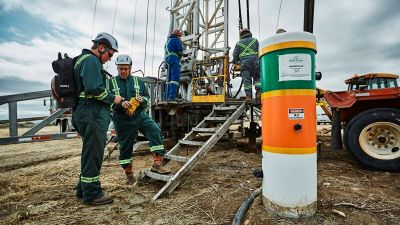
On Tuesday, the Biden administration also unveiled a sweeping set of domestic policies to cut emissions of methane from oil and gas operations across the United States. The proposals, announced at the U.N. climate summit, represent one of the president’s most consequential efforts to combat climate change.
Proposed rules from the Environmental Protection Agency would establish standards for old wells, impose more frequent and stringent leak monitoring, and require the capture of natural gas that is found alongside oil and is often released into the atmosphere. They mark the first time the federal government has moved to comprehensively tackle the seepage of methane from U.S. oil and gas infrastructure.
President Joe Biden told delegates in Glasgow that cutting methane emissions is essential to keeping global warming to 1.5 degrees Celsius (2.7 degrees Fahrenheit) above levels in the late 1800s before widespread industrialization.
“One of the most important things we can do in this decisive decade – to keep 1.5 degrees in reach – is reduce our methane emissions as quickly as possible,” Biden said.
He said he hoped the world would surpass the pledges made. “Together we’re committed to collectively reduce our methane by 30 percent by 2030,” Biden said. “And I think we could probably go beyond that.”
Methane, the main component of natural gas, is the world’s second-largest contributor to climate change among greenhouse gases. Although it dissipates more quickly than carbon dioxide, it is 80 times as powerful during the first 20 years after it is released into the atmosphere.
Tackling methane is high on the agenda at the U.N. negotiations. The United States and the European Union have been pressing countries to sign the Global Methane Pledge to cut emissions. E.U. officials estimate that rapid reductions in methane could trim 0.3 degrees Celsius from overall global temperature rise by 2030.
Climate scientists say the world desperately needs drastic cuts in methane emissions to prevent catastrophic warming. Brazil on Monday said it had signed the methane pledge, and the White House said other top emitters to join included Indonesia, Pakistan, Argentina, Mexico, Nigeria, Iraq, Vietnam and Canada.
But some of the largest methane emitters still haven’t signed the pledge, including Russia and China.
“You’re not going to have everybody join,” said Steve Hamburg, chief scientist at the Environmental Defense Fund. “The fact that there’s now a large proportion of the global community signing on, that’s the real key.”
“The pledge to cut methane is the single biggest and fastest bite out of today’s warming,” Durwood Zaelke, president of the Institute for Governance and Sustainable Development, said in a statement.
In the Biden administration’s push to take on methane on the domestic front, the Transportation Department’s Pipeline and Hazardous Materials Safety Administration was expected to finalize a rule Tuesday extending federal pipeline safety standards to more than 400,000 miles of unregulated onshore gathering lines.
Previous efforts by the Obama administration to curb methane mostly focused on newer drilling sites and operations on federal lands. The oil industry has opposed federal methane regulations in the past, but many major companies have come to embrace them rather than face a patchwork of state rules.
Frank Macchiarola, senior vice president for policy, economics and regulatory affairs at the American Petroleum Institute, said the industry supports “a cost-effective rule” and has been working with Biden officials since the presidential transition to help craft the EPA requirements. The lobbying group said Tuesday that it was reviewing the EPA’s proposal.
The EPA announcement Tuesday reflects the Biden administration’s strategy to achieve near-term reductions in greenhouse gas emissions while convincing other nations that America can deliver on its ambitious climate goals.
“We need to lean in and set a very aggressive standard so that the industry understands what the rules of engagement are and what the expectations are,” EPA Administrator Michael Regan said in an interview last month.
“Methane is such a potent pollutant. It’s important that we understand what the contribution is from this industry, that it is monitored more effectively and that we get the deep methane emission reductions that we know we need in order to meet the president’s agenda,” he added.
The EPA is set to require most oil and gas operators to use special cameras or other instruments four times a year to spot and plug leaks of the invisible gas from compressor stations, as well as at sites the agency suspects are leaking more than three tons of methane annually. Drillers in Alaska’s North Slope region will be subject to a more permissive monitoring schedule and other requirements to account for extreme weather.
The agency will also require new and existing pneumatic controllers to have zero emissions. Those devices, used to control valves at oil and gas sites, are a leading source of methane emissions in the sector. Yet sales of zero-emission controllers have been slow, one industry executive said on the condition of anonymity, because oil field operators want to keep costs down and prefer to wait until the device is broken to replace it.
The EPA is also set to restrict the venting of natural gas found in oil wells, known as associated gas, requiring operators to route the gas to a pipeline when possible.
For the first time, older oil and gas wells, which are most prone to leaks, will have to curb methane. The new proposal will require states to develop their own methane rules for existing wells that are in line with federal guidelines, while the EPA will regulate all new wells.
“There is a general sense that at least when it comes to the oil and gas sector, a lot of the technologies and tools are available, so it is possible to cost-effectively reduce methane,” said Jeffrey Berman, director of energy transition analysis at the Rapidan Energy Group. “You can cost-effectively do a lot of the things that are required.”
This equipment includes better monitoring technology, zero-emission controllers, flares and valves.
Separately, the Pipeline and Hazardous Materials Safety Administration’s new rule will require oil and gas companies to report problems with pipelines carrying gas from wells to a centralized site.
When one of these pipes ruptures, it releases more than 1,000 metric tons of methane on average and can be deadly. The explosion in 2018 of a corroded 10-inch gas gathering line in Midland, Tex., killed a 3-year-old girl and badly burned members of her family.
“After years in development, these new regulations represent a major step to enhance and modernize pipeline safety and environmental standards,” Transportation Secretary Pete Buttigieg said in a statement. “This rule will improve safety, reduce greenhouse gas emissions, and result in more jobs for pipeline workers that are needed to help upgrade the safety and operations of these lines.”
The EPA proposal alone is estimated to reduce methane emissions by about 41 million tons through 2035 – an amount equal to taking more than 200 million passenger cars off the roads for a year. The agency plans to issue the final rule by the end of next year.
Republicans said the new EPA rule is ill-timed, as much of the world faces an energy crunch heading into winter. “This move by the Biden administration is yet another attack on U.S. energy,” said Sen. Shelley Moore Capito, W.Va., the ranking Republican on the Senate Environment and Public Works Committee.
Plugging methane leaks is not just good for the health of Earth’s climate system. It also decreases the accumulation of toxic and smog-forming chemicals around oil drilling sites that make the air difficult and dangerous to breathe. The EPA proposal would prevent the emission of 480,000 tons of toxic air pollutants through 2035.
For Sue Franklin, the rotten-egg stench of sulfur dioxide from wells less than a mile from her Permian Basin home in West Texas made falling asleep difficult. “Smelling them all night long would cause horrific headaches,” she said.
Two years ago, she and her husband, Jim, had had enough and moved about 28 miles away from the property on which they had intended to retire. But the effects linger for her, she said.
“I am getting older, so things were going to start going downhill for me anyway,” the 70-year-old said in a phone interview. “But I think that they rushed it along for me a little bit.”
Nearly 1,500 miles away in western Pennsylvania, Lois Bower-Bjornson stopped opening the windows in her home in Washington County after her teenage son, Gunnar, began getting severe nosebleeds. Urine tests revealed elevated levels of industrial chemicals in the family’s bodies.
Bower-Bjornson said she wants federal rules on leaks because she thinks the state government has failed to step up: No county in Pennsylvania has more drilling sites than hers.
“We’re an energy-producing state,” she said. “So if I could wave a magic wand and this would all go away, that would be fabulous. But realistically, we know that’s not happening.”
Only a few states, including Colorado and New Mexico, have tried to regulate emissions from the oil and gas sector on their own. The EPA put forward a regulation aimed at stopping leaks from new oil and gas equipment less than a year before President Barack Obama left office, but the Trump administration rolled it back.
Robert Kleinberg, a research scholar at Columbia University’s Center on Global Energy Policy, said past federal rules allowed industry to comply too easily, without restricting major sources of methane, such as unlit flares at oil and gas wells. Gas flaring, while wasteful, is designed to burn off methane before it escapes into the atmosphere.
“Things have changed a lot even in the 10 years since these rules were first written,” he said. “Yet EPA has just not kept up.”
The EPA’s proposal does not address some significant sources of methane emissions in the oil and gas sector, including abandoned wells and malfunctions in gas flaring. Officials said the agency plans to issue a supplemental proposal next year to address those issues.
Lauren Pagel, policy director at Earthworks, an environmental group that travels the country detecting leaks with infrared cameras, said Biden’s proposals are “an important step forward” but not sufficient.
“Our certified thermographers consistently uncover unlit flares that are venting massive amounts of methane into the atmosphere,” she said. “Any common-sense pollution standards would cover venting from all sources, including flares.”
Democratic lawmakers are trying to drive down methane even further by imposing a fee on excessive emissions. In recent days, the lawmakers inserted a plan to phase in payments for methane leaks above a certain threshold into Biden’s signature climate and social spending bill.
The fee would start at $900 per ton in 2023 and increase to $1,500 in 2025. Oil and gas firms could also tap $775 million in grants, loans and other spending from the EPA to help them plug leaks.
But much of the oil industry and some moderate Democrats oppose that plan. Aides to Sen. Joe Manchin III, D, who represents gas-producing West Virginia, declined to comment Monday on the methane fee proposal.
“Really, it’s just a tax on natural gas, which is counterproductive,” said Macchiarola, the oil and gas lobbyist.

 Elon Musk พร้อมสละเงิน 2% ของเขาให้โครงการอาหารโลกเพื่อช่วยคนอดอยาก หากชี้แจงได้ว่าเงินถูกใช้อย่างไร
 เป้าหมายการประชุม COP26 ของสหราชอาณาจักรในฐานะประธานการประชุม
 สื่อต่างประเทศรายงานความเคลื่อนไหวของทักษิณและพรรคเพื่อไทยก่อนการเลือกตั้งสมัยหน้า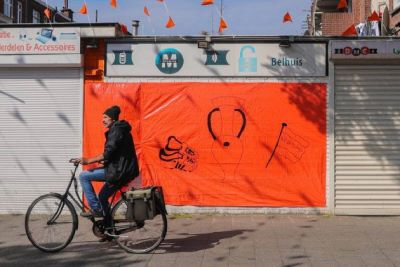
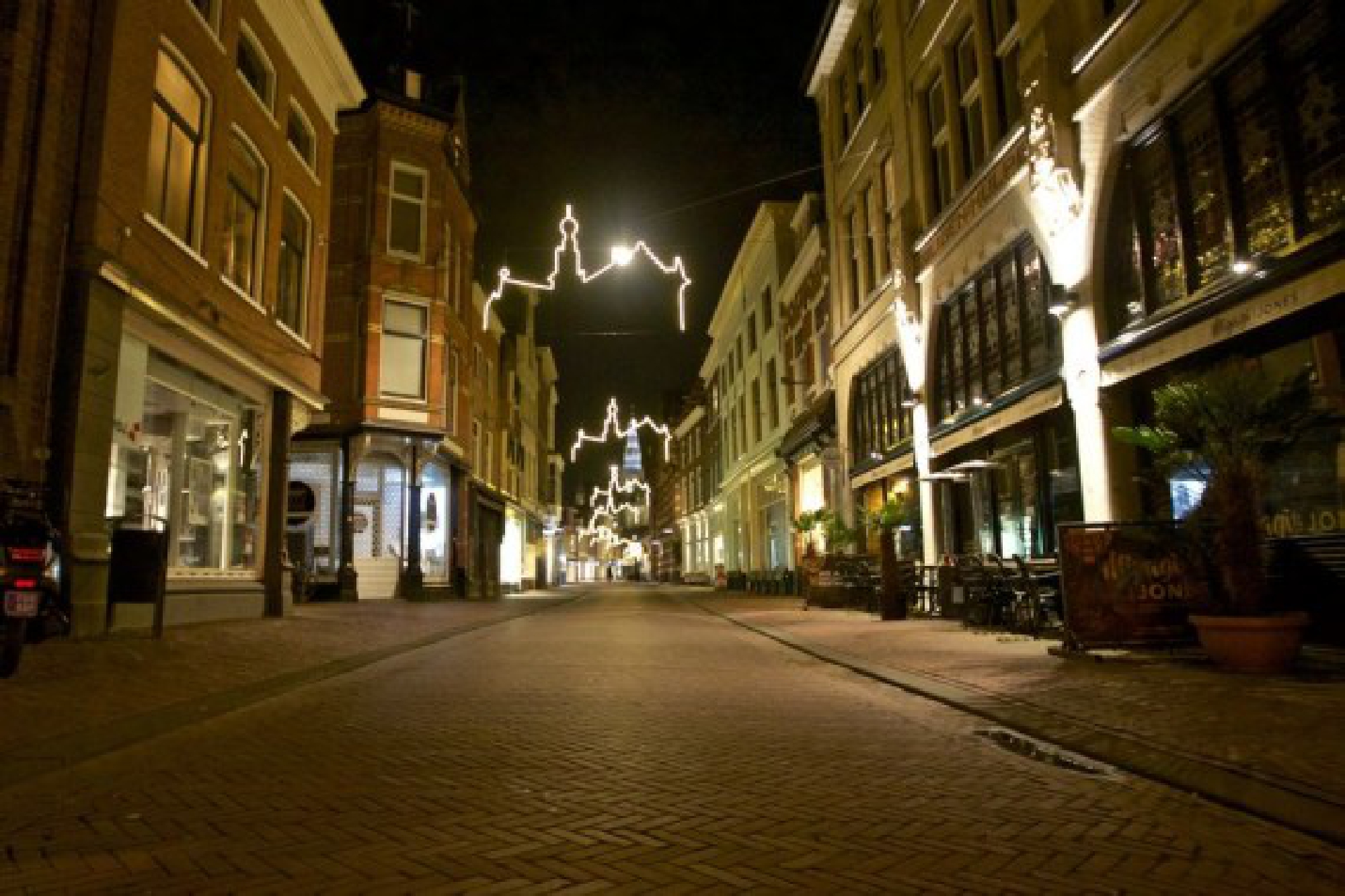 Photo taken on Jan. 23, 2021 shows an empty street in Haarlem, the Netherlands. (Photo by Sylvia Lederer/Xinhua)
 Photo taken on Jan. 23, 2021 shows an empty street in Haarlem, the Netherlands. (Photo by Sylvia Lederer/Xinhua)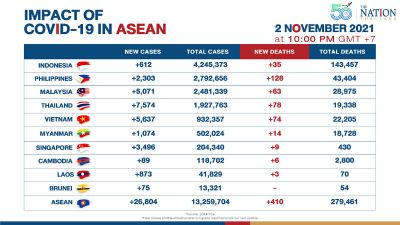

 A skydiver flies over the Pyramids during the skydiving festival “Jump Like a Pharaoh” in Giza, Egypt, on Nov. 1, 2021. (Xinhua/Ahmed Gomaa)
 Skydivers fly over the Pyramids during the skydiving festival “Jump Like a Pharaoh” in Giza, Egypt, on Nov. 1, 2021. (Xinhua/Sui Xiankai)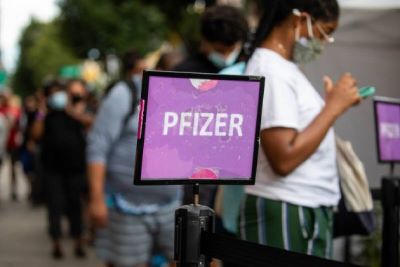
 White flags honoring the lives lost to COVID-19 are seen on the National Mall in Washington, D.C., the United States, on Oct. 2, 2021. (Xinhua/Liu Jie)
 Men stand at a bus stop amid the COVID-19 outbreak in Sao Paulo, Brazil on Aug. 2, 2021. (Xinhua/Rahel Patrasso)