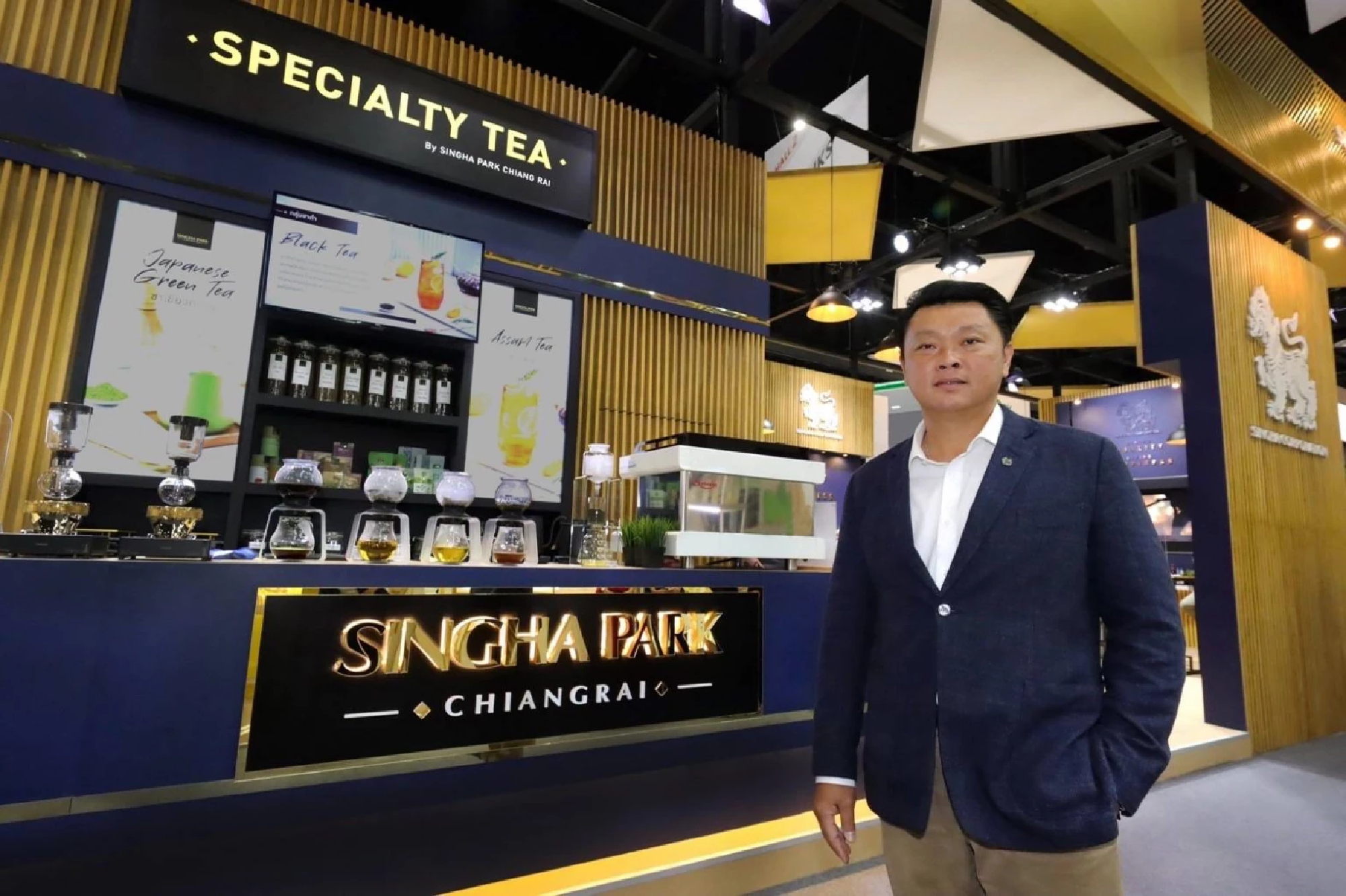
“Singha Park Chiang Rai” will expand its manufacturing plants with full-scale tea production in Nan while also providing knowledge for farmers. The investment in an international standard tea factory will be equipped with a research and development team with “Assam tea” and “Oolong tea” as new variations for consumers to choose from.
Mr. Pongrat Luangthamrongcharoen, Managing Director of Singha Park Chiang Rai, reveals that Singha Park Chiang Rai has been one of the experts in tea farming and manufacturing for over a decade. Currently, the company excels in genuine Japanese tea production through Maruzen Foods (Thailand) Co., Ltd. with a joint investment in a factory with Maruzen Tea Japan, Japan’s leading tea manufacturer. The factory serves as the first and only tea manufacturing plant outside of Japan and Southeast Asia and aims to elevate the tea manufacturing industry to new heights with Japanese quality standards.
“There is an increasing need in the tea market, a result of market expansions in the food and beverage industry like the huge increase in the bubble tea market in the past three years. The increasing demand and the COVID-19 pandemic have driven the need for tea in the country because imported tea is affected by higher import taxes. Hence, food and beverage providers have turned to homegrown tea, which drove Singha Park Chiang Rai’s teas’ demands and opened up new trials for consumers to experience our product quality. Our ability to produce various products for each need at the right price is also key to higher orders.”
The company’s plan for its tea business in 2022-2025 will aim to increase manufacturing power and build a new factory in Nan province with contract farming in the area to grow tea and research the unique Assam tea into different forms by experts who have more than 30 years of experience to add new values to Assam tea. The process will take best practices from the company’s past success with Oolong tea which is Singha Park Chiang Rai’s main export, with different form factors tailor-made by a professional team to drive differentiation and uniqueness for B2B customers like food, beverage, bakery, and more, as well as B2C consumers who are a part of the expanding market as well.
The expansion of farming and new manufacturing plant in Nan will be done by buying tea from farmers who grow tea and providing them with the knowledge to increase product quality and support sustainable income for locals. The correct plantation methods will also help preserve the forest and build nature’s equilibrium with the community, a practice and business policy held by the Boon Rawd Brewery Co., Ltd. The company also aims to deliver the best product and services with sustainable corporate responsibility that the organization, the community, the society, and the nature will need to co-exist happily and sustainably.”
The manufacturing and the processing of Assam tea in the new factory in Nan will create new tea products, as long as new recipes for consumers in the business sector like premium Thai tea and Taiwan tea which will use Assam tea for milk tea, fruit tea, green ta, Oolong tea, and Japanese green tea menus.
On June 12, Bitkub Capital Group held a PRIDE VOICE event on the topic “Equal Marriage and Opportunity of Equality in the New World with Blockchain Technology” at Bitkub M Social, 9th floor, Helix Quartier, the EmQuartier.
The PRIDE VOICE event was held to support the LGBTQA+ community, promote equality, and give opportunities for people to share their voices as well as advocate and raise awareness for societal issues. The event received overwhelming attention from the participants. On this occasion, Bitkub is proud to be a part of pride month and advocate for equal marriage and gender equality.
We are honored to be joined by special guests as our speakers.
The Speakers in this event are as follows : Tunyawaj Kamolwongwat – a member of the House of Representative from Move Forward Party, Leena Jungjunja, as known as Leena Jung – a businessperson, lawyer, politician, and actor, Chanya Rattanathada – the co-founder of Young Pride Club, Pasakorn Vanasirikul – the committee of Creative Economy from KLA party, Siraphop Jantaraopas – Senior Marketing Manager from Bitkub blockchain Technology Co., Ltd.
This event was led by Thitipong Duangkong, known as Kru Thong – MUT Master and expert in language and culture.
The event began with an opening speech and the event’s objectives by Shanya Visessiri, Group PR & Communication Director of Bitkub Capital Group Holdings. Shanya Visessiri stated that “The events are held under the concept of “Equality, Respect, and Sustainability”. We aimed at creating social movements in terms of policy implementation for LGBTQ+ progressively. We hosted this event to open the space for meeting, greeting and sharing their opinions freely. Moreover, we aimed at taking the outcomes of the panel discussion as a corporate policy and pass on this message to powerful people in order to step forward to publicly support the process, create an equal opportunity, prevent the human right violation, and raise consciousness about respecting others differences sustainably which are the way that modern organizations and developed countries realize its importance.”
Siraphop Jantaraopas, Senior Marketing Manager, Bitkub Blockchain Technology Co. Ltd, stated that “Bitkub Chain has been initiated to be Thailand’s Blockchain Infrastructure. We are willing to open up to and support everyone’s ideas of blockchain adoption that benefit the country in the future. Marriage property is one of the excellent examples of blockchain adoption. We can apply the Smart Contract Technology to improve better impartiality of marriage property arrangement without third-party intervention”
Leena Jungjunja, as known as Leena Jung, a businessperson, lawyer, politician, and actor, said “If the Equal Marriage Bill is approved, it’ll benefit LGBTQA+ community. They’ll be treated equally as other 70 million Thai people do.”
Tunyawaj Kamolwongwat, member of the House of Representative from Future Forward Party has stated that “the fundamental human rights of family formation is originally by birth, thus, I would like to insist that we are always protected by the right. However, as it was mentioned that the Male Dominated Society practically destined the rules and laws judging what is right and wrong. Lastly, I assertively believe that everyone in the world has rights to form the family, plus, if men and women can get married, LGBTQA+ should be able to get married as well.”
Pasakorn Vanasirikul, or PK, the committee of Creative Economy from the KLA party, said, “I think the betterment of everyone, like parading and voicing their opinions, will ultimately lead to change. If not today, then in the near future because society wants change, a change for the better.”
“If the Equal Marriage Bill is approved, Thailand will become the first country in Asia to adopt this Bill. This is a guarantee that our country has equality. Thailand will attract more people, resulting in a boosting economy” said Chanya Rattanathada, the co-founder of Young Pride Club.
Additionally, there is an extra special activity to meet and greet with Net ,Wonsath Chainset, the winner of Universe is U 2022, Pookoop, Kraiwat Ketchayakhun, the first runner up, Esther, Anucha Sriphunga, the third runner up, Bambam Waristha Srikram the fourth runner up, and Bella, Bella Chujit, top 11 Finalist, to speak on the topic ‘Giving Opportunity, Giving Equality.’
“Thank you Bitkub for supporting UIU. Also thank you for honoring the winner of Universe is U 2022 and Bitkub ICON, who supports LGBTQA+ under the concept ‘Unleash The Power of Change’ by projecting us on digital billboards throughout the country. It also gives an opportunity for everybody to share their opinions to support LGBTQA+ and to participate in discussing several issues that are still causing inequality in our society. I would like you all to believe and to not underestimate yourself. And thanks to the society for recognizing our abilities in every aspect. Although orchids are slow blooming flowers, but one day these orchids will bloom and be beautiful”, said Net, Wonsath Chainet, winner of Universe is U 2022.
The first runner up of Universe is U 2022, said that “Our country has many talented LGBTQ+ people. They are politicians, good role models, even famous leading actors in the boys love series. Although Thailand has earned a mount of income by the boys love entertainment industry, same sex mariage is still unopen for LGBTQA+ people. A marriage shouldn’t focus on Mister and Miss, yet It should be individuals and individuals as a person to enhance equality in society.”
Esther, Anucha Sriphunga, third runner up Universe is U 2022, said, “some people may think that Civil Partnership Bill and Same-sex Marriage Bill are the exact same thing, but in reality, it is not the same. We should look at the rights we have in each section of the law and from what aspect can help us. On the other hand, why should there be a division between Civil Partnership Bill and Same-sex Marriage Bill in Thai society. Therefore, the same sex marriage bill should be legal for human beings to realize the equality in the society.”
Bambam, Waristha Srikram, fourth runner up of Universe is U 2022, said, “The world doesn’t need to segregate sexes, even the laws say men and women are equal. Therefore people in the LGBTQA+ should not be isolated. We all pay equal taxes, but why do people in the LGBTQA+ community have fewer rights?”
Bella, Bella Chujit, Universe is U 2022 Top 11 finalist, said, “From my own experience as a member of the LGBTQA+ community, the problem that comes with the absence of same-sex marriage, for example, is when your spouse gets into an accident, the hospital can’t approve or disclose anything to you. This is why the Same- Sex Marraige BIll needs to become a law so that everyone, no matter their gender and sexes, can receive fair treatment and live their lives equally.”
PRIDE VOICE @ BITKUB M Social activities will be held continuously throughout the month of June. The activity will be held again on Sunday, June 19, 2022 under the concept ‘RESPECTFULLY’ : Best Practice for LGBTQA+ at Work Space for Modern Organization and on Sunday, June 26, 2022 under the concept “SUSTAINABILITY: Beyond Rainbow-Washing”
Companies need to attract new talent and retain existing talent, especially in capital-intensive and process industries, such as the oil and gas sector, where the competition for human talent is relentless.
Companies that deploy innovative technologies, such as artificial intelligence and machine learning, can attract the best talent to take on the forefront of this intensifying industrial sector and for new employees, to be productive faster and better.
Driven by Industry 4.0, industrial organizations face shifting market demands, new technologies, and difficulty in managing the growing volume of data. Post-pandemic, companies are now facing an immediate labour crunch, exacerbated by the ongoing talent shortage in the capital-intensive industry due to retiring veterans and newly graduated incumbents. Combined, these factors have now created a perfect storm of generational changes in the industrial sector. These changes are challenges but also golden opportunities for our industry to make an urgent and, frankly, overdue change in our approach to people. It is time to cultivate and support a new kind of IT workforce, built around a new breed of tech-savvy domain experts and industrial data scientists.
Industrial workforce headwinds
How do companies develop a new generation of industrial IT workers? This creates a necessity to recruit and retain greater numbers of industrial data scientists—data scientists with specialized domain expertise in manufacturing backgrounds. As our industry builds this new generation of domain-expert data scientists, key challenges remain for companies to resolve.
To be competitive, companies need to deal with the overall labour shortage situation. Industry labour shortages extend beyond the Great Resignation. For years, there has been a shortage of IT talent. According to a survey by the National Center for Science and Engineering Statistics (NECES) in the US, despite a 98% increase in the number of computer-related grad students over the past decade, supply cannot keep up with the demand. Growing data volumes and increased adoption of industrial digital-transformation strategies mean organizations are constantly trying to hire new data scientists with the skills to manage these workloads. However, there are too few data scientists and engineers to meet demand, and the competition to recruit them is fierce.
Besides labour shortage, there is a talent shortage or skills gaps situation. Beyond recruiting and retention, veteran industrial workers are hitting retirement age, taking with them decades of historical industry knowledge and domain expertise. This is fuelling a growing knowledge gap in the industrial sector. It is important that new recruits are set up for success right out of the gate but doing so means bridging the gap between the skills and knowledge that those recruits bring to the table, and the skills needed to successfully execute their jobs.
Finally, the next generation of data scientists will have high expectations for the technologies and digital solutions deployed by their potential employers. If industrial organizations are behind the curve in their adoption of AI, automation, and other Industry 4.0 technologies that make jobs easier to perform and add value, then potential job applicants are going to look elsewhere. Indeed, the challenges outlined above can be resolved in part, by digitally transforming and modernizing technologies and processes. In particular, that means adopting new ways of managing, processing, and acting upon their enormous volumes of industrial data. However, technology alone only gets us part of the way there—it cannot single-handedly plug the talent gap and meet the expectations of a new generation of industrial workers and data scientists.
Building the next generation workforce
More than just digitally transforming, we need to develop new ways of working aimed at fostering collaboration across organizational silos, developing novel organizational structures and meeting the demands of a more digitally driven industry. In the area of increasing collaboration and eliminating silos, new technologies – such as the next generation data historians, help to standardize the formatting and management of access to industrial data. Using digital solutions to build across-the-board access to the organization’s data, instead of silo work by an individual or team basis, helps facilitate cross-team collaboration and eliminates the barriers that separate people from each other. Strive to build up your new generation of industrial IT workers together as one team, not a fragmented group of isolated individuals.
Companies need to maintain hybrid and remote work as the permanent status quo. The pandemic spurred a worldwide shift to remote and hybrid work, and there is simply no putting that genie back in the bottle. This is partly a recruiting and retention tactic; organizations that don’t offer the opportunity to work remotely will surely lose employees and potential recruits to competitors who do. But beyond that, remote and hybrid work are going to be an important, foundational part of the team dynamics within this new industrial workforce. Not only does the remote work option empower teams to work in a more distributed manner, doing so also creates a more agile organizational structure suited for meeting cross-functional needs.
In volatile times, industry leaders can either get ahead of trends, or lose their footing. By building specialized roles for industrial data scientists and engineers, eliminating silos that inhibit collaboration, and making hybrid and remote work a permanent part of the work culture (not to mention effective recruiting and retention strategies), industrial organizations can put themselves on the cutting edge of these trends—closing skills gaps and cultivating the next generation industrial IT workforce of the future.
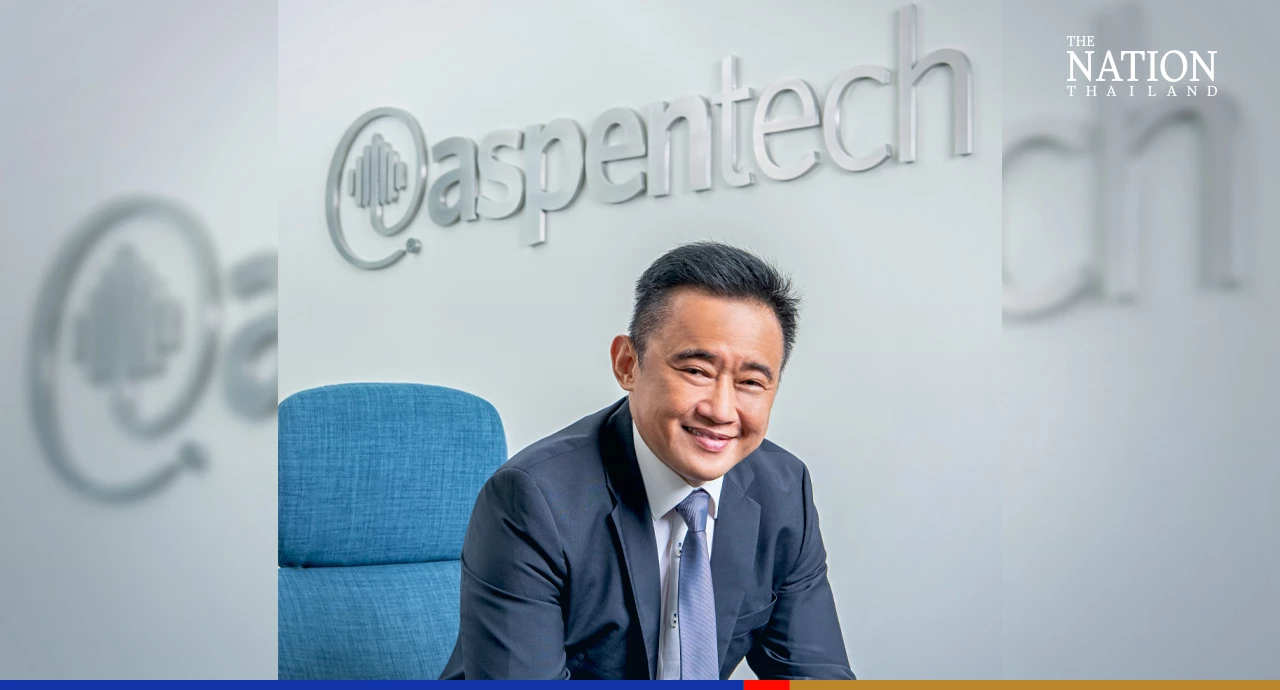
By Lawrence Ng, Vice President of Sales, Asia Pacific & Japan, and Dwaine Plauche, Product Manager, Aspen Technology, Inc.
Lawrence Ng, Vice President of Sales, Asia Pacific & Japan
Thailand’s inflation rate in May jumped to its highest in 13 years just as the rates in several Asean countries are rising.
The Trade Policy and Strategy Office (TPSO) reported that Thai inflation in May was 7.10 per cent, the highest in 13 years.
And the rate is generally rising: it was 3.23 per cent in January, 5.28 per cent in February, 5.73 per cent in March, and 4.65 per cent in April before jumping to 7.10 per cent in May.
The TPSO sees Thailand’s inflation rate moving in the same direction as that of several other countries.
It pointed out that high inflation is caused by increasing energy and food prices, especially high fuel prices.
Meanwhile, the producer price index (PPI) in May grew by 13.3 per cent for all product types.
The TPSO said this was because of high energy prices, shipping costs, imported material prices, a weakening baht and other manufacturing costs, while demand in Thailand and abroad is still high.
The PPI for construction material is also up as the sector grew by 6.5 per cent, but now the growth rate is slowing down, the office said.
The consumer confidence index dropped from 45.7 in the previous month to 44.7 because external risks have affected the economic situation, negatively affecting the price of oil, fuel and consumer goods, while some government subsidy schemes have ended despite Covid-19 still spreading, even though at a slower rate.
The TPSO expected inflation to continue to rise in the next few months as the energy price is unlikely to come down. The high inflation rate will inevitably hit consumers’ pockets as their expenses will rise and purchasing power will decrease.
The office mentioned that the Commerce Ministry is trying to prevent manufacturers from raising product prices but the actual prices have already increased.
It advised all sectors to keep a close eye on and prepare for higher inflation.
The baht opened at 34.85 to the US dollar on Thursday, strengthening from Wednesday’s close of 35.02.
The currency is expected to move in a range between 34.70 and 34.90 on Thursday, predicted Krungthai Bank market strategist Poon Panichpibool.
Poon said the baht is likely to fluctuate during the day. It strengthened as the dollar declined because it was “sold on fact”, he said, after the US Federal Reserve did not signal that it would go in for a heavy interest rate increase or adjust its economic projection downwards.
Mass gold sales also provided support to the baht, Poon said.
Still, he believed the baht won’t strengthen beyond 34.70 to 34.80 as this is the level importers are waiting for to purchase the greenback.
If the market shows increased concern about US inflation, the Fed might be influenced to raise rates again, Poon said.
However, he feels the Fed will not increase the rate heavily until its meeting in July.
Poon advised investors to use hedging tools such as options to manage risks in the highly volatile currency market.
Thailand’s ranking by the World Competitiveness Centre fell from 28 last year to 33 this year mainly because of the impact from the Covid-19 pandemic.
The centre, under the International Institute for Management Development (IMD), announced its World Competitiveness Ranking 2022 list of 63 countries, which saw Thailand’s ranking slump.
Theeranan Srihong, president of the Thailand Management Association’s (TMA) Centre for Competitiveness, said on Wednesday that the country’s rankings on all four factors fell, resulting in poorer overall competitiveness.
Threeranan said Thailand’s economic performance fell from 21 in 2021 to 34 this year, plunging 13 places. Government efficiency also dropped, by 11 places from 20 to 31, while business efficiency fell nine ranks, from 21 to 30. Infrastructure took a slight hit, declining by one rank from 43 to 44.
“The ranking this year reflects our country’s fragile economic fundamentals. We depend too much on external factors and our productivity has been continually low,” Threeranan noted.
He said the fall in government efficiency by 11 ranks showed the lack of confidence in government policy to revamp the economic structure, besides lack of confidence in the government’s ability to support the public and economic sectors in a way that they become stronger.
Both state and private economic sectors would need added “agility” and resilience in responding to the fluctuating global economic situation for Thailand to remain competitive, Theeranan said.
The TMA would hold its Thailand Competitiveness Conference 2022 titled “Thailand: Fit for the Future” on July 7 to present ideas on how Thai businesses should adjust and adapt to remain competitive globally, he added.
The IMD meanwhile ranked Singapore 3rd (from 5th last year), Malaysia 32nd (from 25th), Indonesia 44th (from 37th) and the Philippines 48th (from 52nd) in competitiveness.
It ranked Denmark, Switzerland, Singapore, Sweden and Hong Kong as the top 5 most competitive countries globally.
The baht opened at 35.05 to the US dollar on Wednesday, its lowest level in five years and three months, weakening from Tuesday’s close of 34.98.
The currency is expected to move in the range of 34.95 and 35.20 on Wednesday, Krungthai Bank market strategist Poon Panichpibool predicted.
Poon said the baht might fluctuate heavily until the US Federal Reserve’s key meeting on the interest rate.
He explained that the baht has weakened because the dollar advanced due to signs that the Fed would increase the rate.
Investors and analysts expected the Fed to increase the rate by 0.75 per cent in June and July, which might cause investors to “sell on fact”, Poon said, adding that the dollar could head lower if the Fed does not signal a big rate increase or voices concern about the economy.
As the baht weakens past the 35 mark, it might force worried business operators, especially exporters, to purchase the dollar, which would cause the Thai currency to fluctuate between 35.10 and 35.15, he said.
The weakening might be limited because exporters’ “selling power” and the Bank of Thailand, which could move to control the currency’s volatility, Poon said.
With Thai bond yields increasing recently, some foreign investors might be interested in purchasing these bonds again, which would also limit the weakening of the baht, Poon believed.
He felt the baht will not weaken easily to the new resistance level of 35.50 or test the 36 mark if the market does not significantly close to risks of Emerging Asia assets, which would occur only if the lockdown is widely enforced in China.
Poon advised investors to use hedging tools such as options to manage risks in the highly volatile currency market.
Bangkok – King’s College International School Bangkok (King’s Bangkok) is proud of the quality audit result performed by world-class educators from King’s College School, Wimbledon.
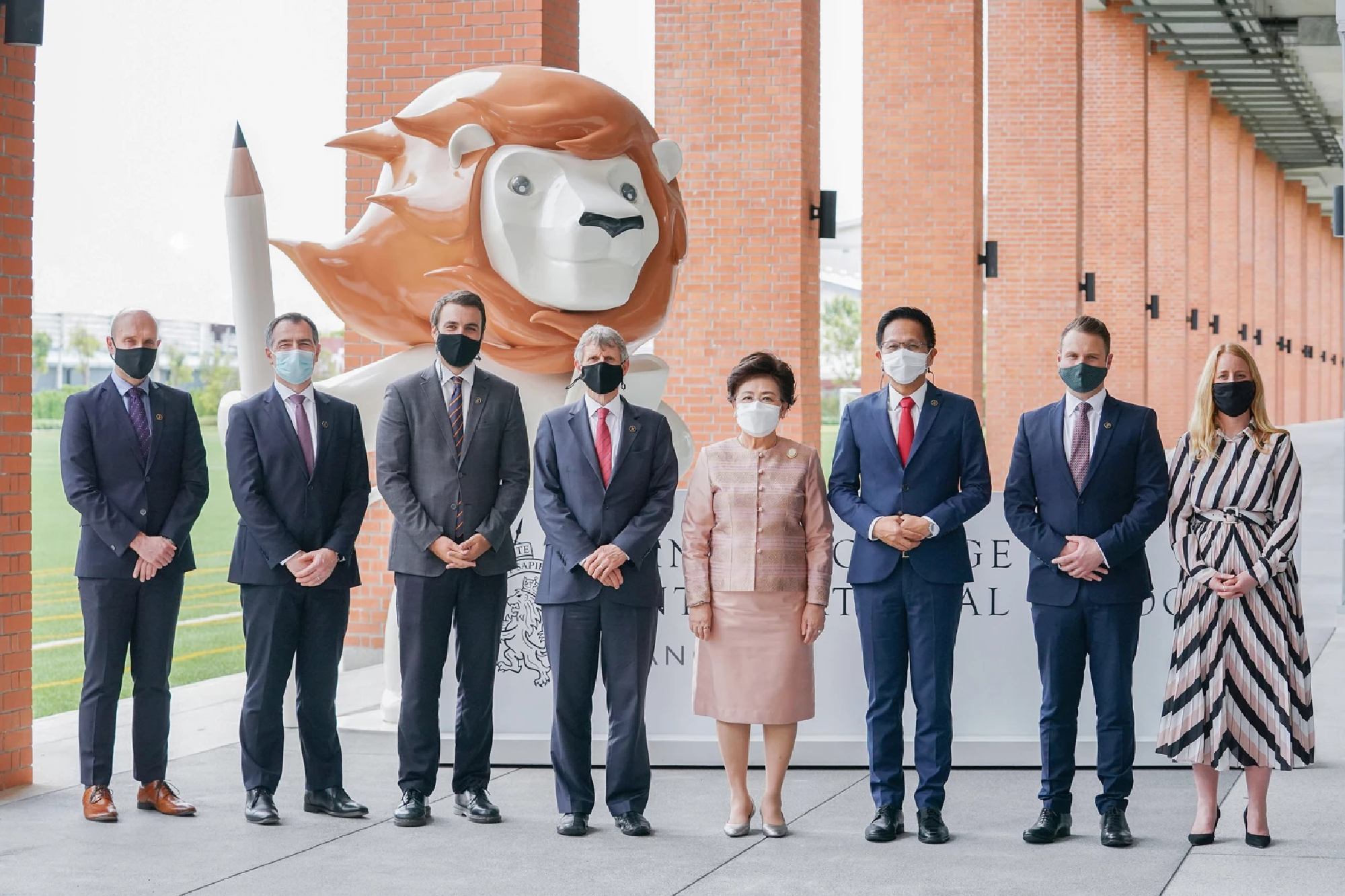
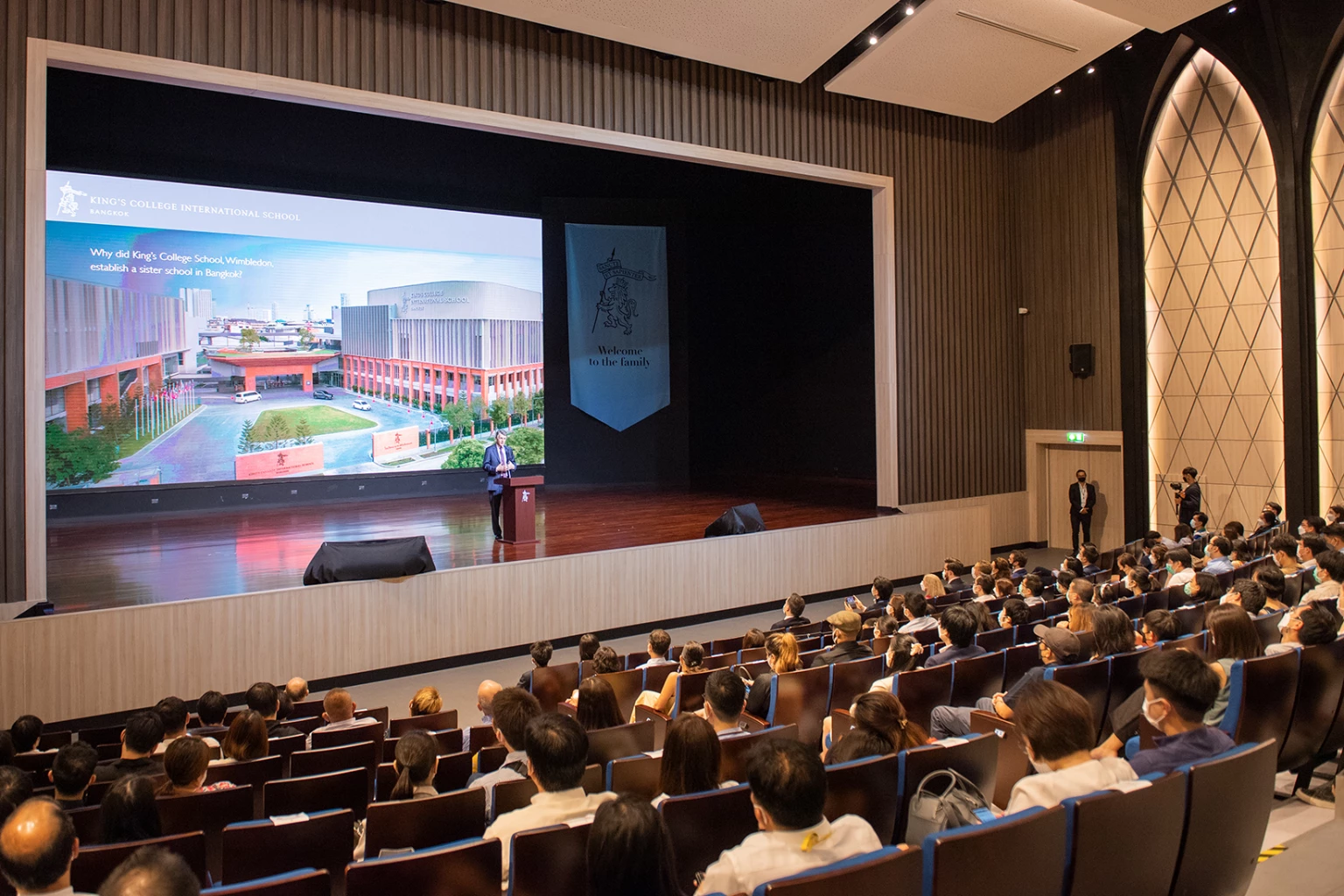
It welcomed educators from King’s College School, Wimbledon (King’s Wimbledon), led by their former Head Master, Mr. Andrew Halls OBE, who visited King’s Bangkok to audit its curricula, pupil pastoral care, environment, facility design and construction, in order to ensure that King’s Bangkok shares the same ethos and standards of the UK founding school.
On this occasion, King’s Bangkok has released a film showing the students’ stories and experiences at the school. This can be viewed at bit.ly/OneYearAtKingsBangkok
“The mission of King’s Wimbledon is to provide an excellent education to pupils ensuring academic success, based on values of kindness, respect, diligence, determination and good manners. This is my first visit to King’s Bangkok for an official quality audit but I am delighted to say that the collaboration between the two schools over the past three years has already been very smooth and productive. From what we have seen during the audit, we are confident that King’s Bangkok will set and achieve high standards for academic excellence at the same time as producing well-rounded, gentle and generous young individuals who will always want to learn,” said Mr. Andrew Halls OBE, who was the Head Master of King’s Wimbledon from 2008 to 2021.
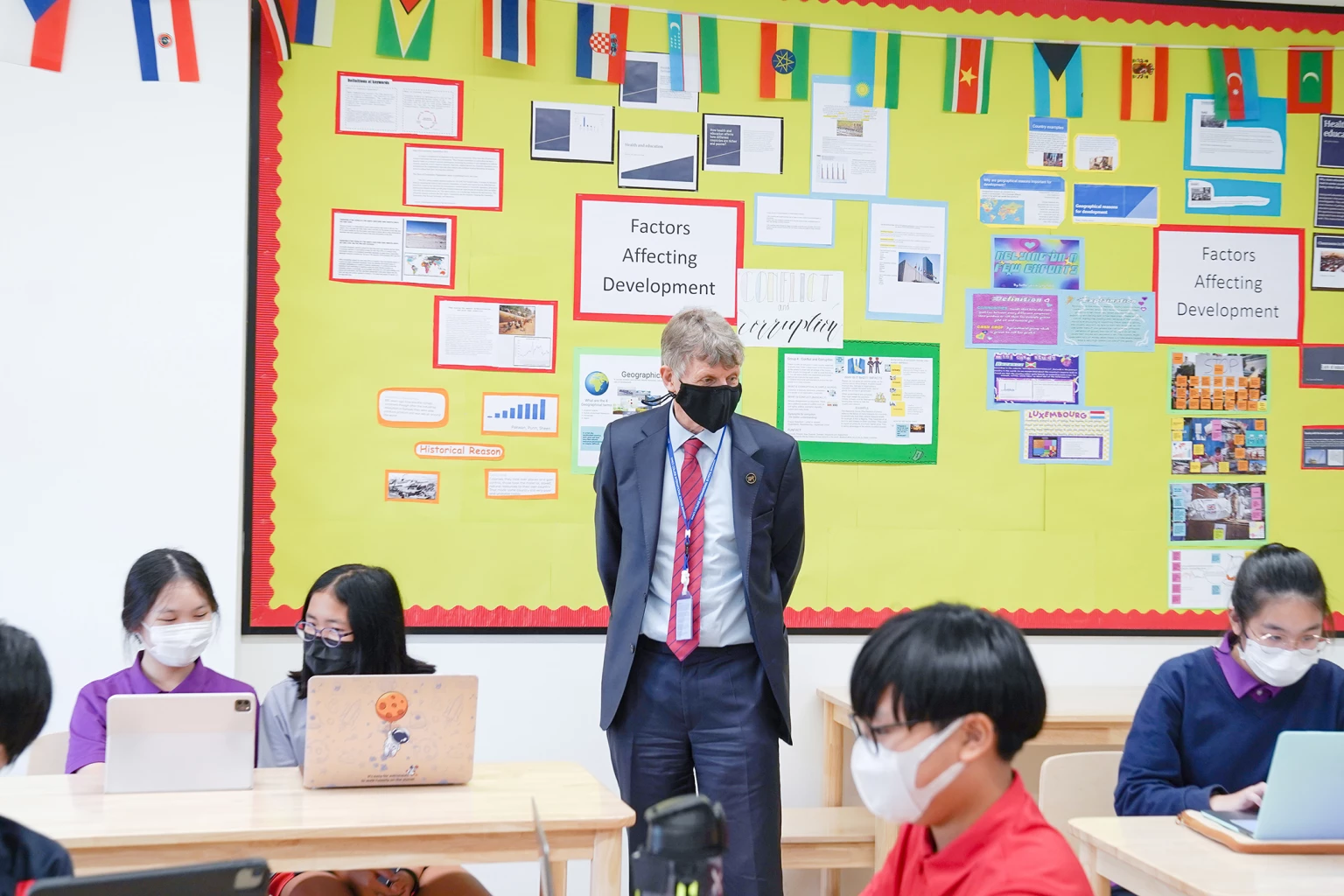
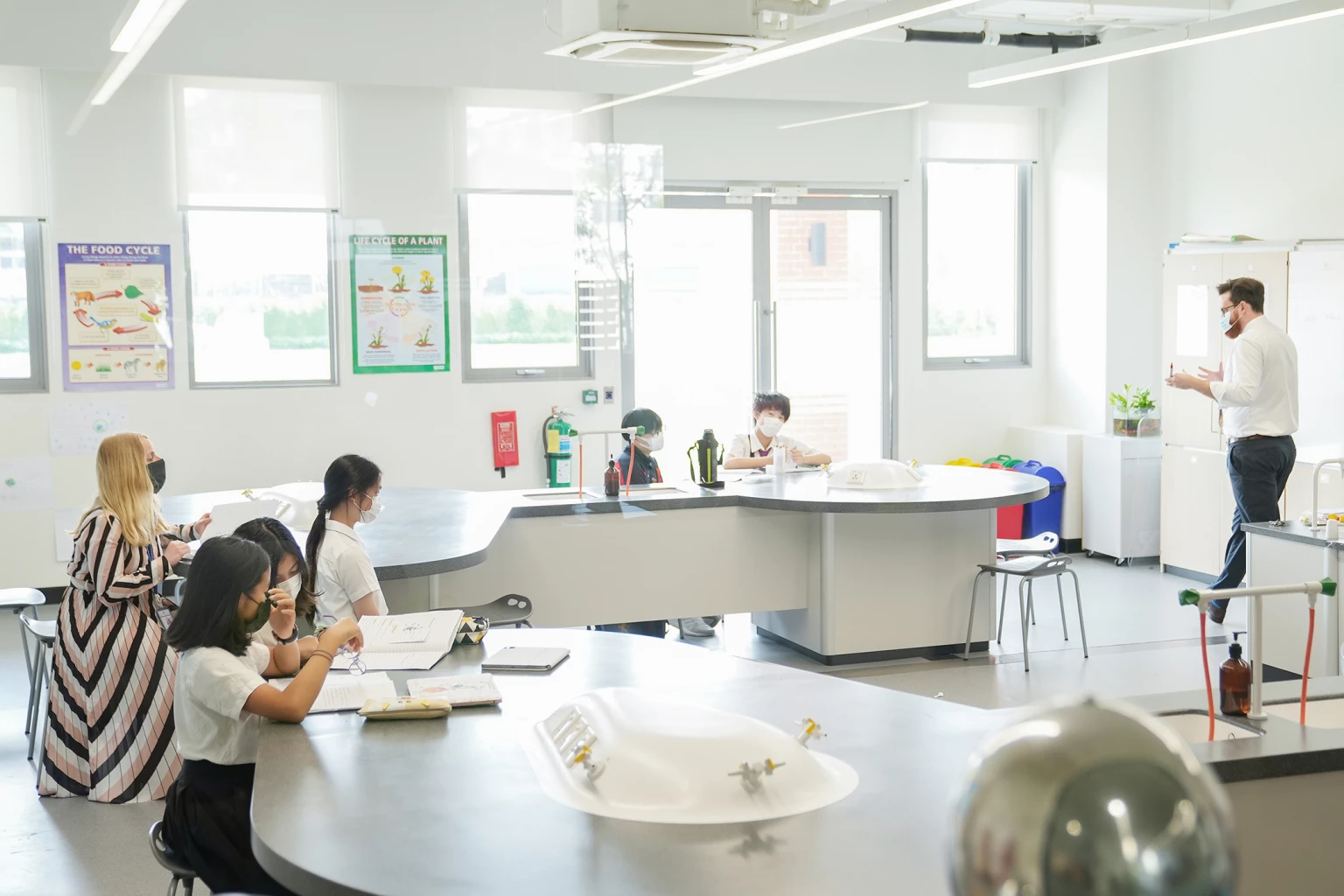
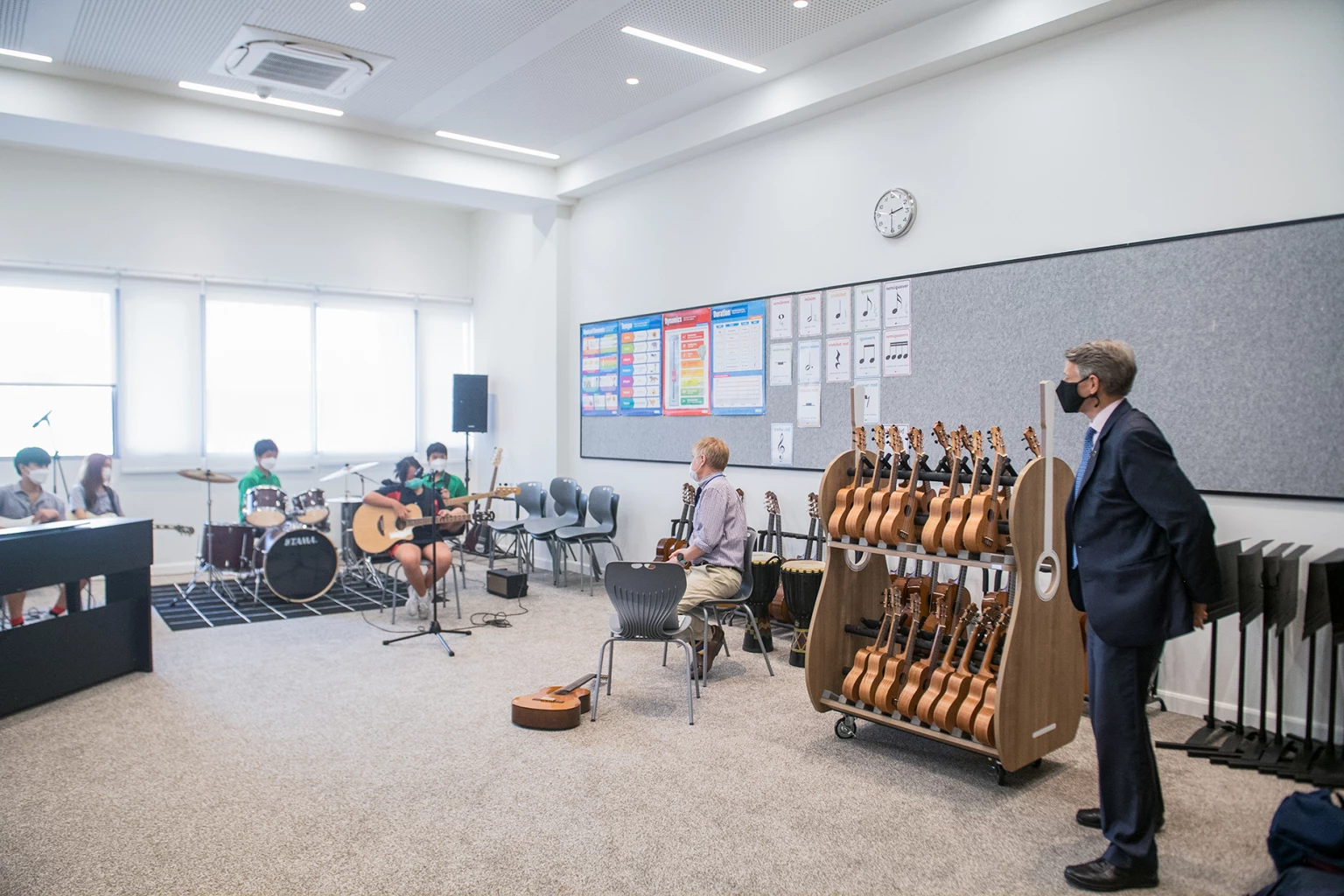
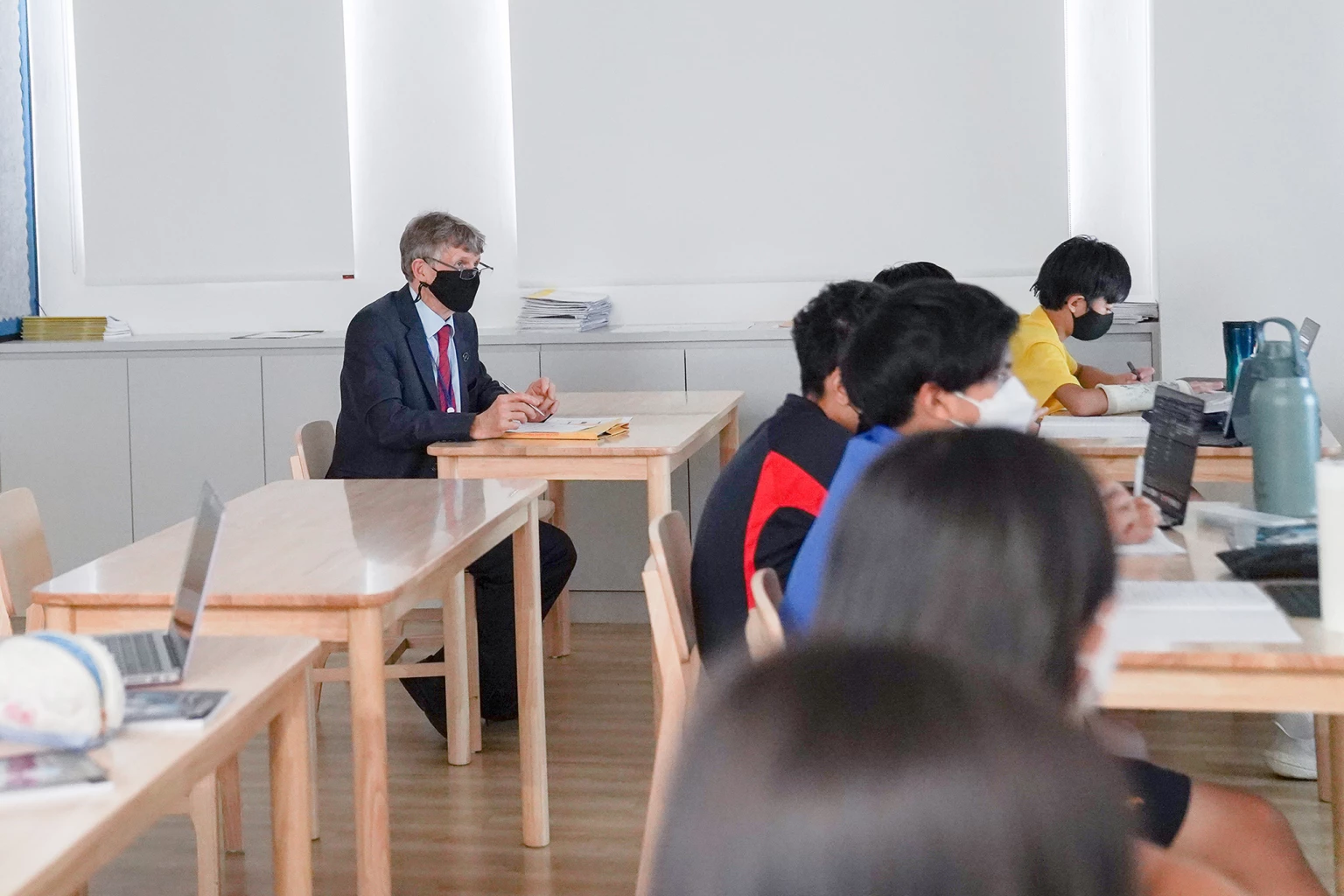
During the quality audit of King’s Bangkok, Mr. Halls and his team focused on the academic provision, the quality of life of students and satisfaction of parents. They observed lessons, including general subjects and PSHE (Personal, Social, Health and Economic Education), visited assemblies, house competitions and extra-curricular activities, interviewed students and parents, and held meetings with committee members, administrators and teachers of all levels.
They analysed data gathered from these methods and assessed the performance of King’s Bangkok. They found that King’s Bangkok’s Co-curricular Programme, focusing on providing opportunities for students to try a wide range of activities, sports, music and art under a pastoral care system, was extremely impressive.
King’s Bangkok aims to guide and prepare its students for higher education at world-class universities, employing teachers from King’s Wimbledon to teach a variety of subjects including STEM Education (Science, Technology, Engineering and Mathematics). It also wants to develop its academic strength in order to become one of Asia’s leading schools.
King’s Bangkok believes the key to its success is its teachers, with King’s Wimbledon undertaking final round interviews. The teachers must have the ability to pass on the spirit of King’s Wimbledon and possess “a teacher’s heart” that is ready to open up to children and is determined to foster their growth and prepare them for their future.
Mr. Halls and his team found that parents of students at King’s Bangkok were satisfied with the teaching and care provided by the teachers and staff, and praised the excellent facilities which enable the students to have access to an environment that was conducive to learning and student development. Mr. Halls also attended the “Meet the Heads” event, where he exchanged insights with prospective parents and students and answered their questions.
Professor Emeritus Khunying Suchada Kiranandana, PhD, Chairwoman of the Board of Governors at King’s College International School Bangkok, said, “I feel honoured to be visited by the team from King’s Wimbledon. We have been working with them very closely despite the pandemic. The positive results of their assessment of our school show that our efforts are bearing fruit. I also consider this a great opportunity to show King’s Wimbledon the determination of our faculty and staff to develop the academic excellence and spirit of our students with great care, ensuring their well-rounded growth from their first to last day in our school. All our faculty and staff share the same ethos as King’s Wimbledon and the target to become one of Asia’s top schools according to our vision, which will also benefit the students greatly. King’s Bangkok has also been cooperating strongly with King’s Wimbledon on policy and management, which I am confident will continue further as we move forward and achieve goals together.”
Professor Sakorn Suksriwong, DBA, Chair of the Executive Committee at King’s Bangkok, said, “This is the King’s Wimbledon’s fourth visit to Bangkok but it is the first since the pandemic started. We have welcome five senior leaders from Senior School, Junior School and Pre-prep who came to assess the education provided by King’s Bangkok on a full scale. They found that we have developed extremely strongly since the start-up and I attributed this to the efforts of our headmaster and all staff members. We will continue to maintain this standard as we strive to become a leading school in Asia.”
In addition to the quality assessment, King’s Bangkok conducted a survey on Senior School student satisfaction in several areas and found that almost 100% of students in the survey stated that they felt welcomed at the school and their friends are smart and friendly, and they could explore more possible opportunities for their future lives; 97% stated that they had learned to be humble, smart and kind. They were proud to be part of King’s Bangkok.
Mr. Thomas Banyard, Headmaster at King’s Bangkok, said, “I am very happy that, in less than a year since the opening of our Senior School, we are already reaching such high standards as set for us by King’s Wimbledon. Part of it is because we have a world-class faculty who are determined and ready to guide students to excellence in all areas. We also take care of each student individually and offer numerous IGCSE subjects for them to choose, just like top schools in the UK. In addition, our students had the chance to talk to Mr. Halls about the preparation one would need to be accepted into Oxbridge. As over 90% of King’s Wimbledon students are able to enter the university of their top choice, King’s Wimbledon has the ability to help our students achieve success while we provide world-class facilities that are on the same standard as the UK school.”
“Just as for a child, nothing is more important for a school than being able to learn, grow and improve. The recent audit not only applauds the many strengths of King’s Bangkok but provides us with helpful guidelines to ensure we continue our journey towards being one of the foremost schools of Asia. King’s College International School Bangkok plans to build upon its current success, with a mission to produce well-rounded, academically successful, happy young men and women who are ready for world-class university education.”
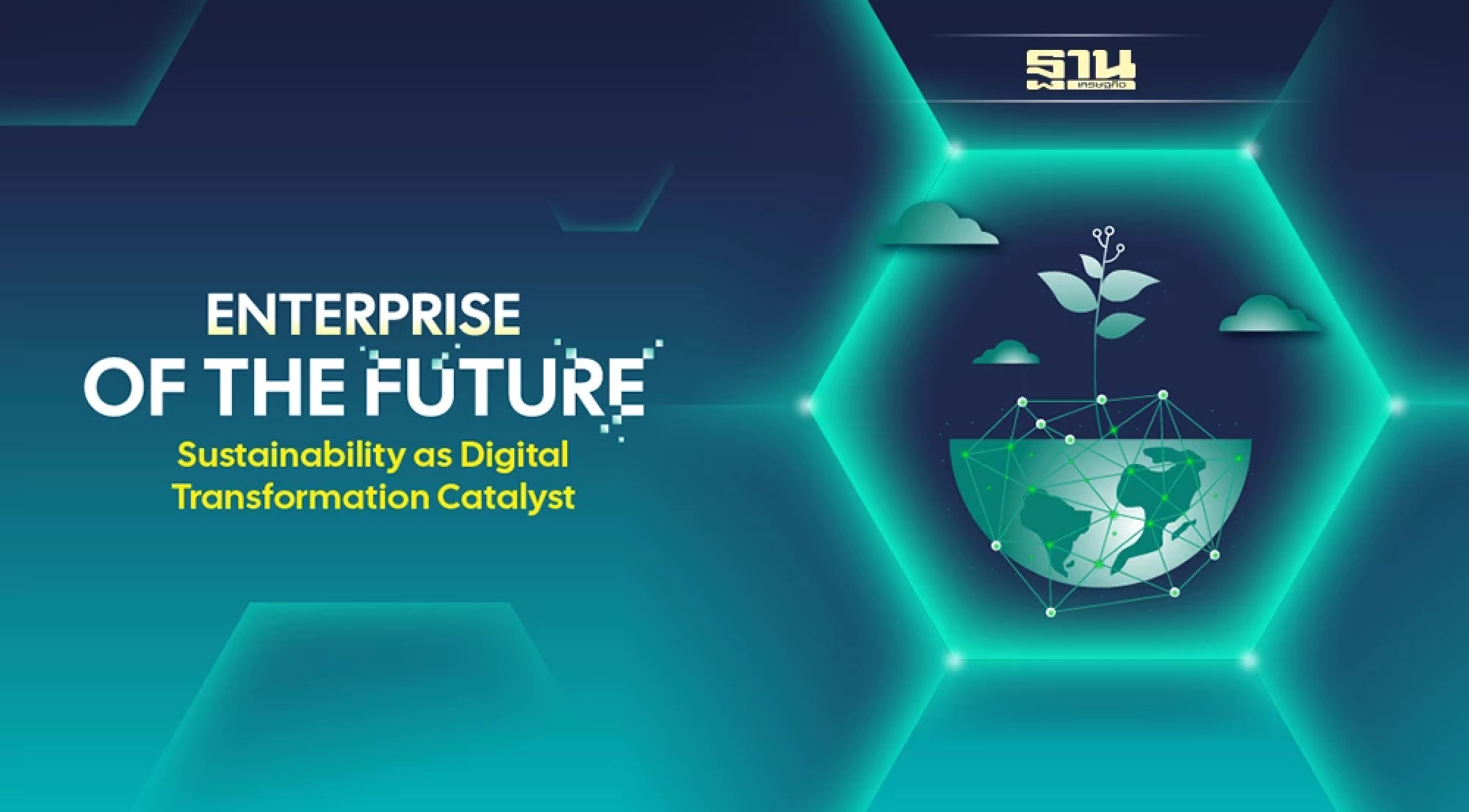
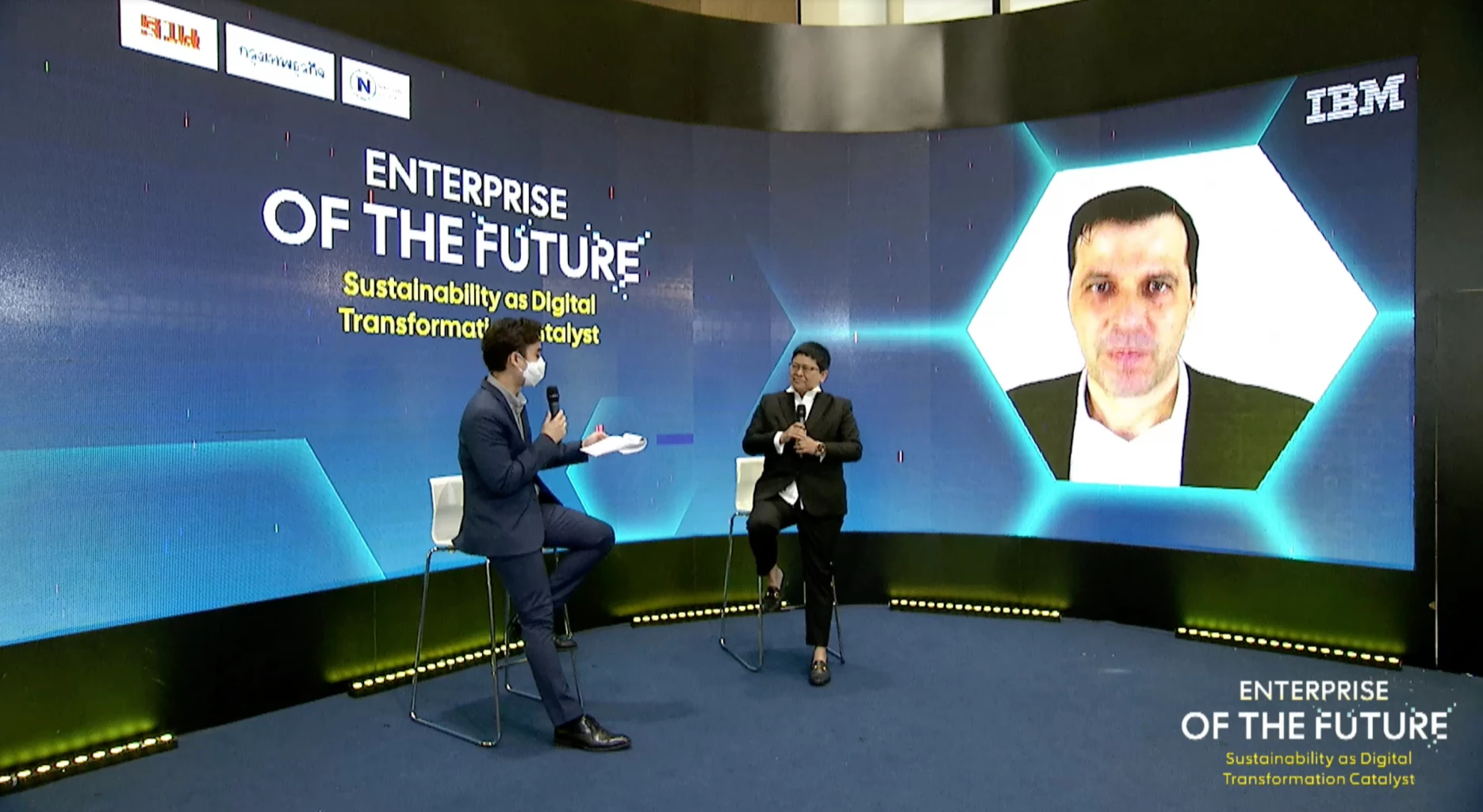
IBM Thailand is advising Thai entrepreneurs to harness modern sustainability business practices and use it to drive their organisations towards digital transformation.
The advice was based on its latest survey, which revealed that the new generation consumers preferred products and services from brands that focus on sustainability.
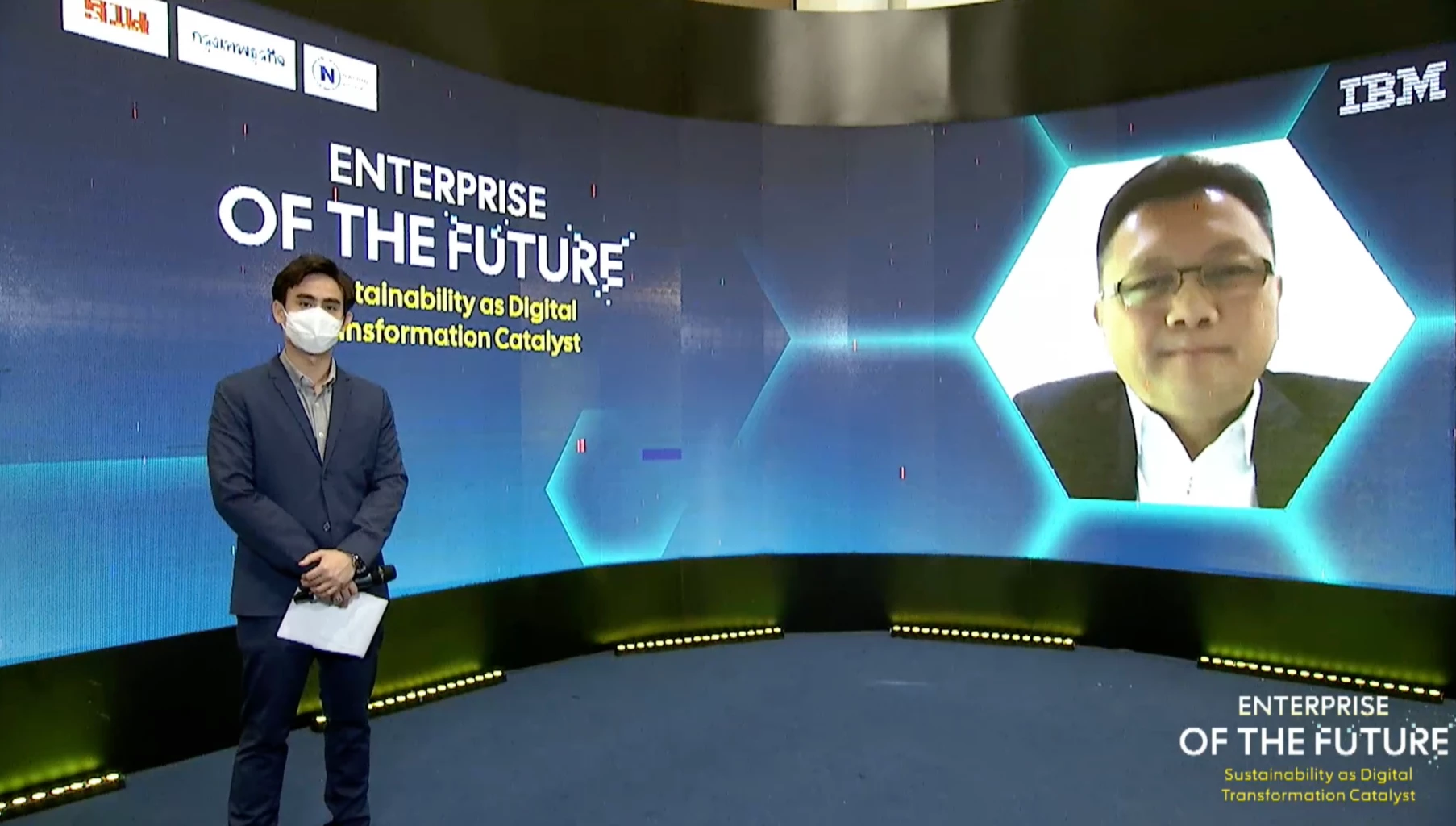
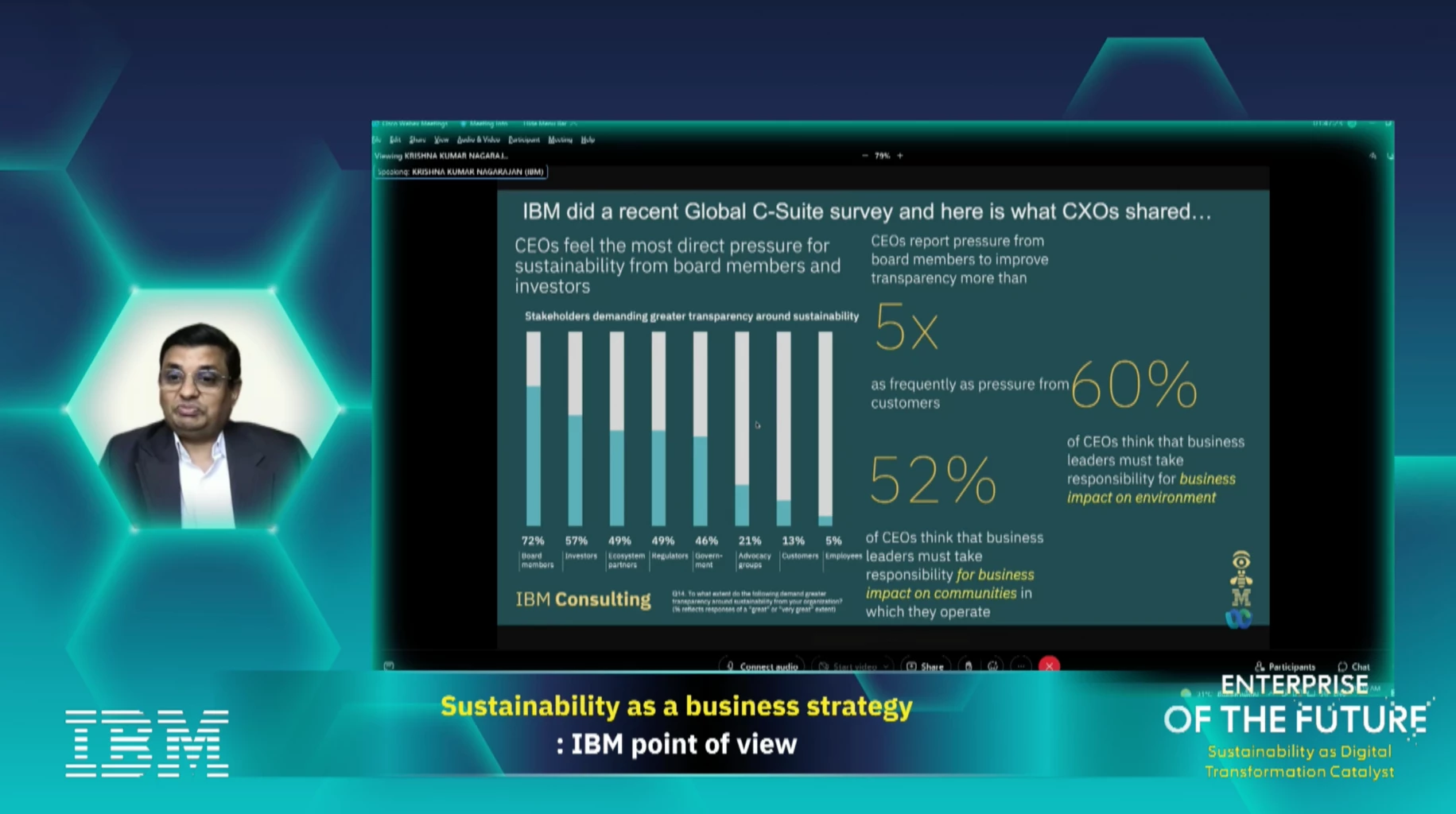
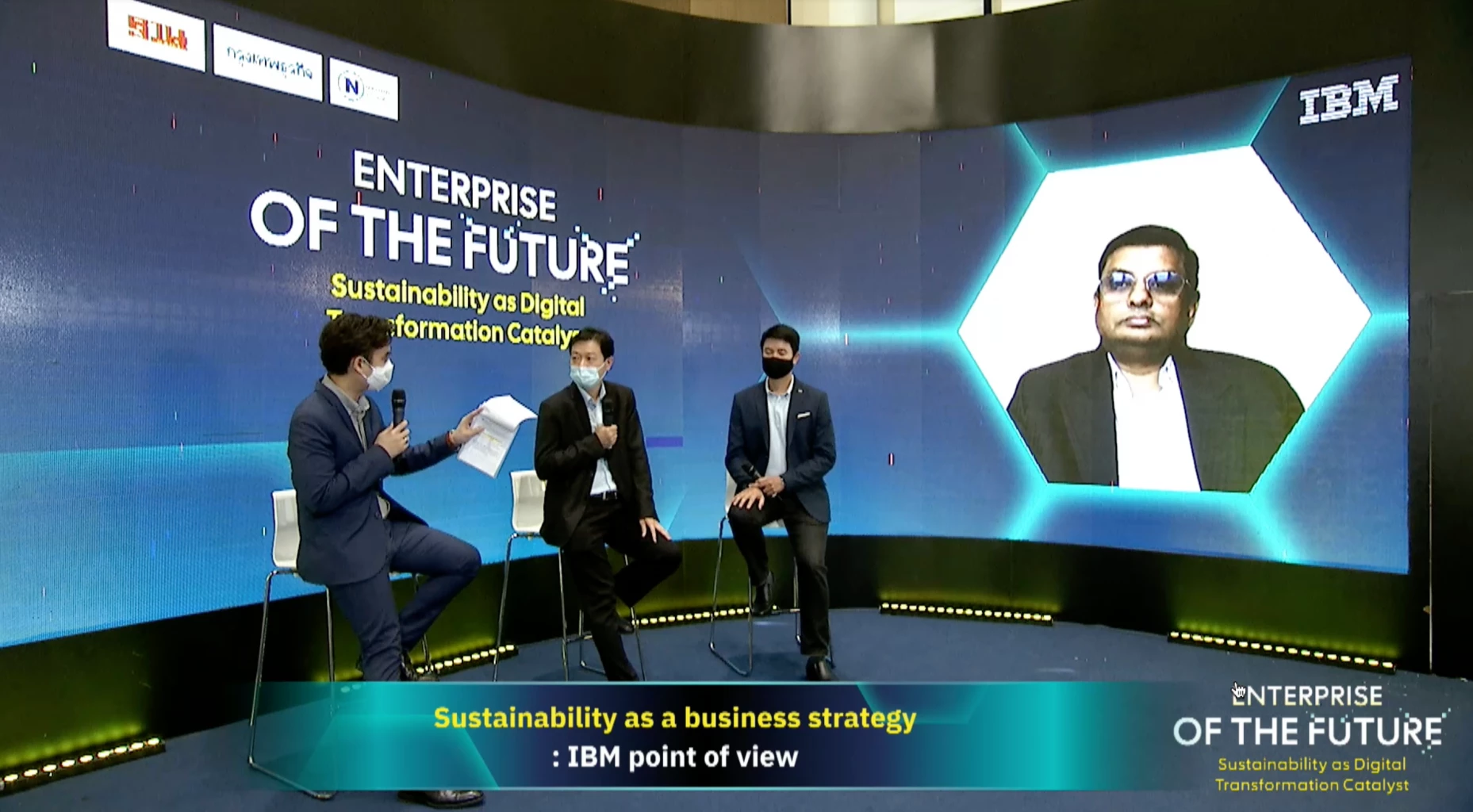
In a recent online seminar “Enterprise of the Future Sustainability as Digital Transformation Catalyst”, hosted by Thansettakij newspaper, Sawat Assadaron, managing director of IBM Thailand Ltd and managing partner of IBM Consulting Group, said sustainability practices are not just a legal requirement, but they can be used to create business opportunities and strengthen the organisation’s competitiveness, especially in its quest toward successful digital transformation.
“Our survey found that since 2020, more consumers are emphasising on purchasing products and services from brands that have demonstrated sustainability in their operations,” he said.
“Up to 62 per cent of the samples have said that they are willing to switch brands or consuming behaviours in order to reduce environmental impacts, while about half have said that they do not mind paying more as the price of sustainability.”
Sawat added that IBM had started publishing environmental reports 30 years ago and set its carbon emission goal for the first time in 2000. The company has been playing an active role in promoting the reduction of greenhouse gas emissions at the international level. In 2021, IBM set the goal of zero greenhouse gases emissions in 2030 through its multi-dimensional plan. “For example, IBM aims to switch to renewable energy in its cloud data centres at 75 per cent within 2025, and at 90 per cent by 2030. We also mandate our major suppliers to comply to environmental management standards,” he said.
“All these efforts have resulted in the company, last year, receiving the Terra Carta Seal from the Prince of Wales, which is granted only to global corporations demonstrating their commitment to, and momentum towards, the creation of genuinely sustainable markets.”
Sawat also cited the results of the 2022 Global CEO Study by IBM Institute for Business Value, which found that CEOs from around the world thought achieving sustainability to be the highest challenge. However, more than half of CEOs from the study believed that sustainability will be the top priority of most organisations in the next two years.
“In Thailand, the topic of sustainability is not new and is already widely known. However, Thai organisations are still lacking tools to prepare detailed sustainability reports, which require in-depth analysis of high amounts of data such as climate risks, carbon footprint data, building management data, manufacturing matrix, transport data, energy and utility usage, and data on carbon emissions both directly and indirectly. With the high amount of data and complexity, companies will need the help of the latest technology such as artificial intelligence [AI].”
“Realising the importance of technology in sustainability practices, IBM earlier this year acquired Envizi, a company that produces analytic and management software to report environmental goals as well as evaluate the possibility and risk of sustainability achievements based on standards and regulations,” said Sawat.
Ruangsak Laiwetphitthaya, head of Data and Technology Transformation at IBM Consulting, added that entrepreneurs in Thailand are active about employing sustainability business practices, especially in energy and transport, thanks to support from the government, which has enabled companies to switch to alternative energy to reduce emissions.
“Setting a carbon net-zero goal must be done step by step, but first you must know which parts of your business are responsible for the carbon emissions,” he said. “Then, strategies must be set to reduce the emissions either by using less power or switching to sustainable options such as solar farm. After we achieve the fullest optimisation and can offset our carbon emissions, then we can trade carbon credit with partners and help the whole business operation achieve the sustainability goals.”
Phakorn Suriyaphiwat, head of energy and manufacturing industry at IBM Consulting, added that organisations should not view sustainability practice as simply using less resources. “Rather, organisations should survey their carbon footprint and try to optimise their processes so that they could move towards net zero. Alternately, organisations could explore the ‘garage model’ approach, in which they try to create new businesses that reduce environmental impact or promote improvement of their main operations.”
Phawasutthi Sriwiroj, deputy managing director of Software Business at IBM Thailand, added that in the next 1-2 years she expected most companies in the stock market to include ESG (environment, social, governance) in their strategic goals, with focus on reducing carbon emissions, improving manpower and promoting transparency.
“To achieve the ESG goals, organisations must make sure that stakeholders, employees, communities, partners and suppliers are on the same page, and that they have efficient tools to track progress and address shortcomings. Most importantly, they must be able to manage their data using appropriate technology,” she said.
“IBM has all the tools that entrepreneurs need, either for structured and unstructured data, using technology such as AI and Internet of Things to link all related parties under the same platform to ensure unified moving forward in the same direction.”
Thai Airways International will resume flights to China on Saturday after Chinese authorities agreed to allow two flights per week from Thailand.
The move by the Civil Aviation Authority of China (CAAC) came after Beijing eased travel restrictions, according to the Civil Aviation Authority of Thailand (CAAT).
CAAT then held a meeting with eight airlines in Thailand to find which were interested in the weekly flight quota. The eight airlines are THAI, Thai Smile Airways, Bangkok Airways, Nok Air, Thai AirAsia, Thai Vietjet Air, Thai Lion Air, and Thai AirAsia X.
Most of the airlines expressed interest in operating flights to China, a CAAT source said. Priority was given to the airlines that operated Thailand-China flights before the travel restrictions. THAI, Thai Smile Airways, Thai Lion Air and Thai AirAsia will take up the quota, which will switch between airlines every week. THAI will operate the first flight to Guangzhou on Saturday.
Thai airlines will be permitted to fly to any city in China, except Beijing and Shanghai.
CAAT expects Chinese aviation authorities to gradually increase the flight quota for Thailand. However, tight quarantine restrictions for Chinese travellers on return mean Thailand is unlikely to see a big influx of tourists from China soon. China was Thailand’s largest tourism market before the pandemic, accounting for more than a quarter of the 40 million visitors in 2019.
Meanwhile, China has imposed strict Covid-19 checks, and flights by any airline found to be carrying an infected passenger would be cancelled immediately, the CAAT source warned. He said all airlines must screen their passengers closely.
The average number of passengers flying in and out of China daily has risen from as little as 30,000 in May to 42,000 this month, according to CAAT. Most are travellers from India and Singapore.















 CAAT expects Chinese aviation authorities to gradually increase the flight quota for Thailand. However, tight quarantine restrictions for Chinese travellers on return mean Thailand is unlikely to see a big influx of tourists from China soon. China was Thailand’s largest tourism market before the pandemic, accounting for more than a quarter of the 40 million visitors in 2019.
