The price of gold rose by THB150 in morning trade on Monday.
AGold Traders Association report at 9.22am said the buying price of a gold bar was THB28,000 per baht weight and selling price THB28,100, while gold ornaments cost THB27,500.24 and THB28,600, respectively.
At close on Friday, the buying price of a gold bar was THB27,850 per baht weight and selling price THB27,950, while gold ornaments cost THB27,348.64 and THB28,450, respectively.
Mixed sentiments pull SET down at the start of the week
The Stock Exchange of Thailand (SET) Index fell by 2.23 points, or 0.14 per cent, to 1,648.10 on Monday morning, witnessing a high of 1,655.04 and a low of 1,648.10 in opening trade.
The SET Index closed at 1,650.33 on Friday, up 2.58 points or 0.16 per cent. Transactions totalled THB78.70 billion with an index high of 1,657.79 and a low of 1,644.12.
Krungsri Securities forecast the index on Monday would fluctuate between 1,640 and 1,660 points amid positive and negative sentiments.
It said the index gained positive sentiment from the government easing lockdown, as domestic Covid-19 infections continued to decline. Also, the censure debate on government ministers had gone smoothly.
However, it advised investors to beware of mass sell-offs of shares in response to lower-than-expected US non-farm payrolls and signs of overbought stocks.
The baht opened at 32.46 to the US dollar on Monday, strengthening from last week’s closing rate of 32.62.
The Thai currency is likely to move between 32.35 and 32.55 during the day and between 32.25 and 32.75 this week, Krungthai Bank market strategist Poon Panichpibool said.
Poon predicted that the baht would drift sideways in the short term. Foreign investors are keeping an eye on the Covid-19 situation in the country after the easing of lockdown measures, before adjusting their possession of Thai assets.
The dollar could be supported by the US Federal Reserve’s move to reduce quantitative easing (QE). The dollar weakened after US employment data was worse than expected.
If the European Central Bank signals to decrease QE, the euro will strengthen and weaken the dollar.
Your food prices are at risk as the world runs short of workers
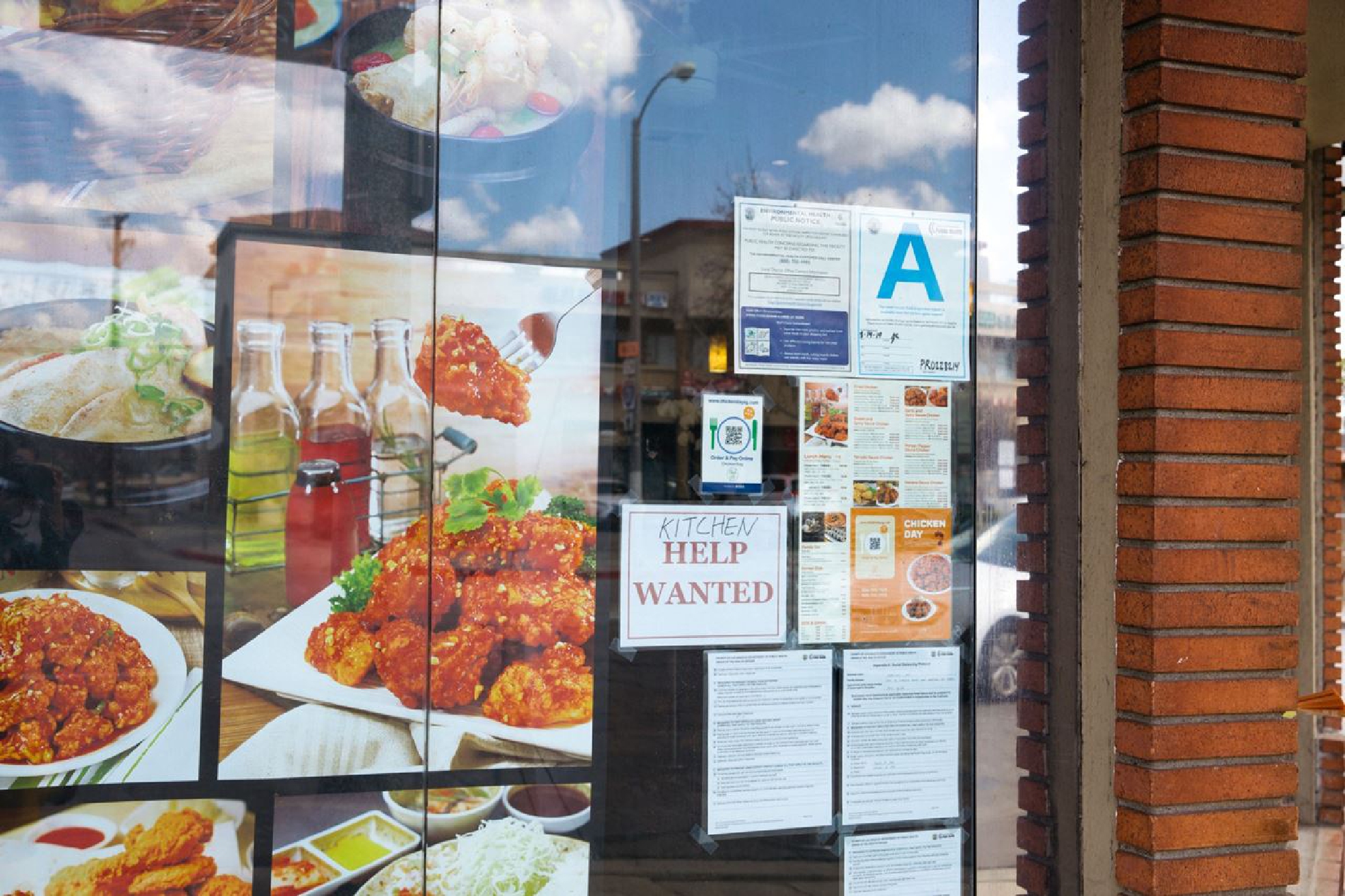
Across the world, a dearth of workers is shaking up food supply chains.
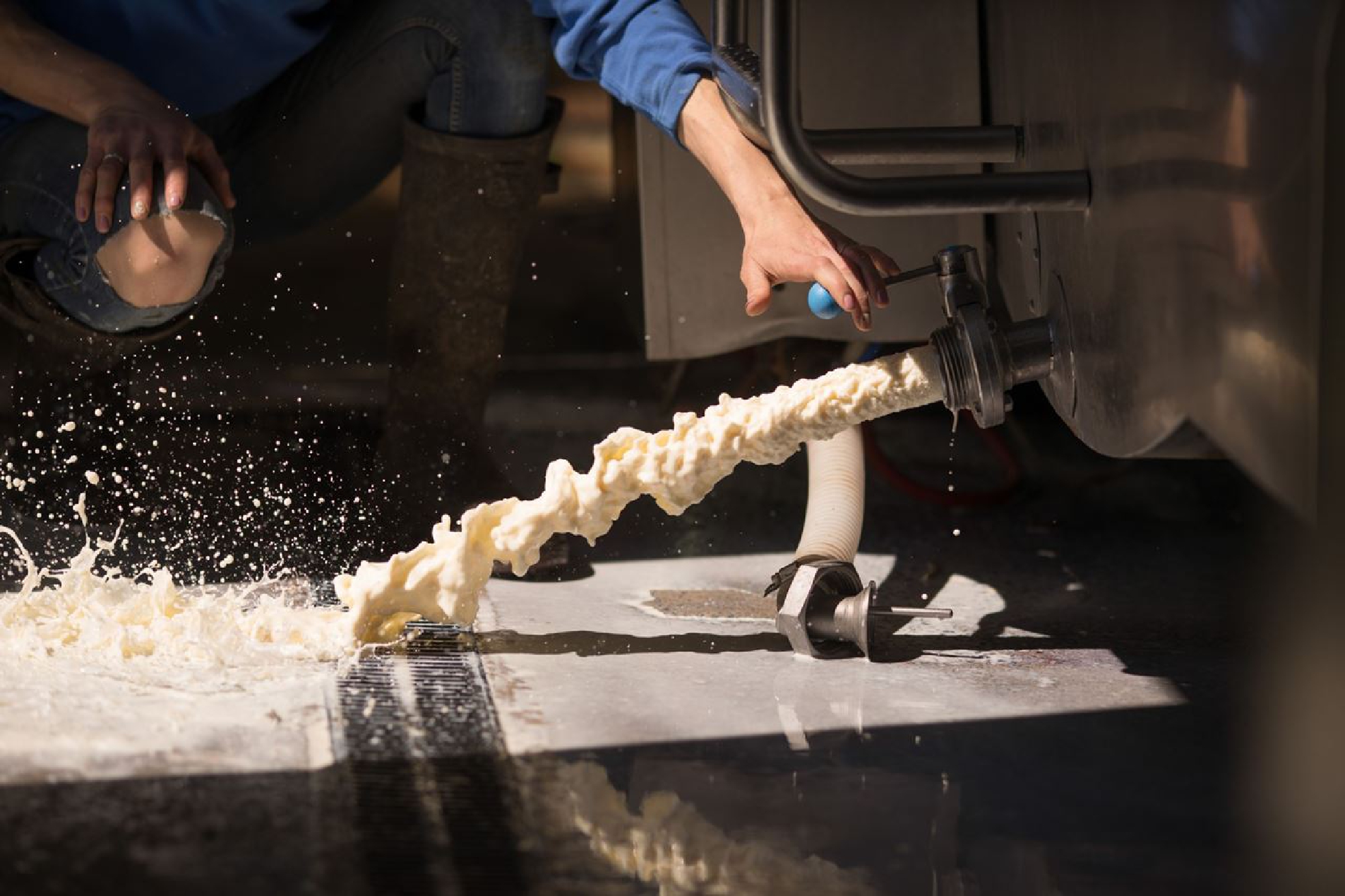
In Vietnam, the army is assisting with the rice harvest. In the U.K., farmers are dumping milk because there are no truckers to collect it. Brazil’s robusta coffee beans took 120 days to reap this year, rather than the usual 90. And American meatpackers are trying to lure new employees with Apple Watches while fast-food chains raise the prices of burgers and burritos.
Whether it’s fruit pickers, slaughterhouse workers, truckers, warehouse operators, chefs or waiters, the global food ecosystem is buckling due to a shortage of staff. Supplies are getting hit and some employers are forced to raise wages at a double-digit pace. That’s threatening to push food prices – already heated by soaring commodities and freight costs – even higher. Prices in August were up 33% from the same month last year, according to an index compiled by the United Nations’ Food and Agriculture Organization.
The coronavirus pandemic has helped spark a labor shortfall for many parts of the economy. But the impact is particularly stark in food and agriculture, which are among the world’s least-automated industries. Food security is a sensitive issue in many parts of the world and thin margins mean rising costs generally pass through to buyers, according to Boston Consulting Group.
“Almost certainly there is disruption,” said Decker Walker, BCG’s agribusiness expert in Chicago. Effects vary among locations and products, he said, but “the general theme seems to be: The roles with the least desirable working conditions are actually the ones that we have the most pain with.”
Your food prices are at risk as the world runs short of workers
There are signs the labor shortfall is curbing supplies. In the U.S., wholesale distributors like Sysco Corp. and United Natural Foods Inc. are reporting production delays and slowdowns for items ranging from bacon and cheese to coconut water and spices. In the U.K., some stores are running low on staples like bread and chicken, while McDonald’s Corp. ran out of milkshakes in August.
“We have family-wage, great jobs that have been open, that we’ve been recruiting really hard for and have had trouble filling,” said Patrick Criteser, chief executive officer of Tillamook County Creamery Association. The Oregon-based dairy co-operative recently ran so short of workers that a board member had to skip an operational meeting to help out in the fields. “With the inflation we’re seeing in the business and the inflation that we’re seeing at the farm level, it’s going to translate to the shelf.”
Shortages are hitting farms, processors and restaurants alike. Malaysia, the world’s No.2 palm oil producer, has lost about 30% of potential output of the edible oil used in everything from chocolate to margarine. Shrimp production in southern Vietnam – one of the world’s top exporters – has dropped by 60% to 70% from before the pandemic. And a fifth of tomato production in the south of Italy has been lost this year, due to the scorching heat and transport paralysis, according to the farmers’ association CIA.
“I have been in this business since the ’80s, but I have never seen a situation like this,” said Michele Ferrandino, a farmer in Foggia. “Tomatoes are very perishable goods. There were not enough trucks to transport the crop to the processing plants, in those crucial days” of the harvest, he said.
Your food prices are at risk as the world runs short of workers
Canceled or delayed deliveries have also forced British dairy farmers like Mike King in South Gloucestershire, England to dump milk while stores run short. King estimates he has lost some 20,000 liters (5,283 gallons), and says some farmers have resorted to milking their cattle less frequently due to staffing shortfalls.
Even as restaurants and other businesses re-open in the U.S. and parts of Europe – boosting demand for goods such as meat and bottled drinks – the delta variant is spreading in places like Southeast Asia, curbing primary production. Other, longer-established pandemic effects are still causing problems too: Covid outbreaks continue to crop up in meat- and fish-processing plants, forcing temporary closures, and border restrictions in countries from the U.K. to Thailand are limiting the supply of migrant workers.
In some places, the scramble for staff is compounded by local issues, such as difficult and dangerous farmwork conditions caused by a record U.S. heatwave, or the disruption of Brexit.
As a result, employers face another hurdle: Workers have plenty of options.
The current economy is creating “choice where choices may not have existed in the past,” said BCG’s Walker. When “the entire world is short-staffed,” filling less desirable jobs gets more difficult, he said.
Employment in the food supply chain can certainly be tough. Whether it’s backbreaking strawberry picking, insecure slaughterhouse work or the fast-paced, high-pressure environment of a restaurant kitchen, many jobs are physically taxing, short-term, poorly paid – or a combination of all three.
With more jobs available, Australian workers who might previously have settled for positions at meat processing plants in sparsely populated areas can opt for work in busier towns instead. Many of the European Union citizens who might typically travel to the U.K. to work on farms, in haulage or serving coffees are choosing to stay in their home countries or on the continent. American laborers who have struggled with sweltering heat in the fields may choose the cool interiors of a store instead.
Jon DeVaney, president of the Washington State Tree Fruit Association, acknowledges that work such as fruit picking is demanding.
“It is a physical job,” he said. “You are picking fruit and carrying it up and down ladders, so if your alternative is pushing buttons on a cash register, that might be more appealing.”
Higher salaries and perks can sweeten the deal. Chipotle Mexican Grill Inc. recently raised U.S. menu prices by as much as 4% after increasing average pay to $15 an hour; in Canada the company is offering a referral bonus to help with recruitment. Pork-processing workers at Smithfield Foods in South Dakota get freebies like Apple Watches or iPads once they complete their first 60 days, a company official said. Pizza chain Rossopomodoro, which is headquartered in Europe, has been forced to boost its base pay by 50% in London, CEO Daniele di Martino said.
But often money is not enough. Workers are increasingly demanding greater protection from the coronavirus as well as higher wages, according to Sunny Verghese, CEO of agricultural trading giant Olam International Ltd.
While meatpackers have made significant safety progress since last year, they are up against the delta variant now. That has slowed the amount of cattle moving through slaughterhouses at meat giant Tyson Foods.
“We were on a good trajectory and then the delta variant showed up, and we’ve taken a step back as result of that,” CEO Donnie King said on a call with investors last month. “Essentially it takes six days to get five days’ worth of work.”
Worker shortfalls aren’t happening everywhere, and the effects aren’t evenly distributed. Much of mainland Europe has not felt the same crippling shortages as the U.K., where Brexit constrained the flow of EU workers. China has been largely unaffected and in India, while inflation is still a worry, labor is plentiful and agriculture has been mostly untouched by virus restrictions.
Elsewhere, labor is just one of several headaches for the world’s food ecosystem. Extreme weather from Brazil to France has affected harvests. Surging crop prices have pushed up the price of feeding livestock – and therefore the price of meat. Transport costs have skyrocketed due to soaring demand, container shortages and overwhelmed ports, not helped by the temporary partial closure of China’s Ningbo-Zhoushan, the world’s third-busiest cargo port.
Still, the shortage of workers threatens to further add to costs, whether through wage increases or supply shortfalls. And the issue won’t disappear when the pandemic ends: The share of workers employed in agriculture has been falling for decades amid a shift to cities and services sectors, and hiring for some jobs was tough long before Covid. These more permanent changes to the labor market call for technological solutions, and investment in automation and robotics has accelerated during the pandemic.
In the U.S., automated tractors, robotic milkers and machines such as carrot planters are replacing human labor. Meanwhile, U.K. farmers are trialling robots to pick strawberries, lettuce or broccoli. Harvesting tools have helped Brazil’s robusta-coffee farmers cut dependence on manual workers to one-fifth of the number needed just a few years ago, according to Edimilson Calegari, general manager at Espirito Santo-based cooperative Cooabriel. While the country’s labor shortfall extended the length of the harvest, he said, technology has lessened its impact.
Still, it will take years before farmers really take to robots, according to Cindy van Rijswick, a senior analyst at Rabobank in Utrecht who specializes in horticulture.
“In the end, prices for food have to go up to compensate workers in a better way and to find solutions,” van Rijswick said. “They just cost money and we need to be willing to pay that.”
Investors are placing big bets on a growing space economy – but can they reach orbit?
Space is hot.
The billionaire “space barons” – Elon Musk, Jeff Bezos and Richard Branson – have given the industry a cachet not seen since the Apollo era of the 1960s and ’70s, with Branson and Bezos flying to the edge of space on their own spacecraft and Musk’s SpaceX becoming the dominant supplier of people and cargo to the International Space Station.
Investors are fearful of missing out. That’s turned out to be great news for the space companies hoping to get a piece of the satellite-launch business. But it’s also caused analysts to warn that space is still a nascent and risky business, one rocket explosion away from disaster.
Hundreds of millions of dollars are now flowing to an industry long viewed as too risky for serious investment. New start-ups are blossoming in an explosion reminiscent of the early days of tech, when money poured into Silicon Valley start-ups at the beginning of the Internet age. Gen. John “Jay” Raymond, the chief of space operations for the U.S. Space Force, even predicted during a recent speech that investment in the commercial space sector would drive “a second Golden Age of space.”
Over the past decade, investors pumped $200 billion into 1,500 space companies around the world, according to an analysis done by Space Capital, a space investment firm. Investment in start-up space companies reached $7.6 billion last year, a 16 percent increase from 2019, according to Bryce Space and Technology, a consulting firm.
“This level of investment is consistent with the 6-year trend beginning in 2015 of unprecedented levels of venture capital driven investment flowing into the space industry,” the company said.
That has helped drive a $447 billion global space economy that grew 4.4 percent last year, according to the Space Foundation, an advocacy group. Over the past 10 years, the space economy has grown 55 percent, according to the Foundation, which said the commercial space products and services market is valued at $219 billion.
In addition to those investments, several space ventures have gone public over the past year through special purpose acquisition companies, or SPACs.
Branson’s Virgin Galactic space tourism company was one of the first high-profile space ventures to go public through a SPAC when it merged with a New York hedge fund in 2019. Since then, SPACs have “exploded in popularity,” according to a report by analysts at Avascent and Jefferies, a financial advisory firm specializing in aerospace, which found that the mergers across all industries raised $83 billion in 2020 compared to $14 billion the year before.
But the stocks can be volatile. In the last couple of weeks, for example, the stocks of two space companies took hits when they suffered problems. Shares of Virgin Galactic dipped after the Federal Aviation Administration said it was investigating the company after its flight, with Branson on board, went off course. The probe was first reported by the New Yorker.
Astra, a start-up rocket company based outside of San Francisco, saw its stock drop after a launch attempt failed to reach orbit last month.
Still, more than a dozen companies have gone public, or announced they would in recent months. They include Planet, which has built a constellation of satellites to take images of the Earth, and Astra. Rocket Lab, which has launched dozens of small satellites on its Electron rocket, started trading on the Nasdaq last month. And Virgin Orbit, which “air launches” a rocket designed to fly satellites by dropping it from the wing of a 747 airplane, announced that it would go public through a SPAC and that it had raised $100 million in another funding round backed by Boeing and AE Industrial Partners.
International companies also are driving growth, analysts said. “Going forward, I would expect to see it becoming increasingly international,” said Nickolas Boensch, a program manager at Bryce. “China, Japan, the U.K. have been huge players here, and there is something attractive to having a domestic capability.”
But part of the market may be overhyped and overheated, and analysts warn that there could be a reset similar to the tech bubble in the early 2000s.
“I don’t think there’s any doubt we’re in a bubble,” said Greg Autry, a professor of space leadership policy and business at Arizona State University. “But that’s OK. A lot of people freaked out during the e-commerce bubble. But if I had the opportunity to buy Amazon or Google at the height of that bubble, I would.”
But as the Avascent analysts looked at the projected revenue for 10 companies that recently went public, the analysts warned that “not all SPACs are created equal.” They noted that “there is no free lunch in capital markets. Given that SPACs offer high return opportunities, they consequently carry notable risks.”
Chad Anderson, the managing partner of Space Capital, agreed, saying “for the most part these should be looked at with a very skeptical eye.”
A lot of the companies have yet to produce any revenue, he said, and “they have these projections where they go from $15 million to magically $2 billion in revenue in two years. And you have to wonder how they’re going to do that.”
Investors had long shied away from investing in space – the quickest way to become a millionaire in space, one axiom went, is to start out as a billionaire.
“There was a very limited market with a handful of defense contractors on one side, and the government on the other,” Anderson said.
SpaceX changed everything, he said. Musk’s company showed that it could win the trust of NASA and the Pentagon, score lucrative government contracts and capture a large portion of the commercial launch market as well. Last year, for example, SpaceX captured a Pentagon contract for $316 million for launches between 2022 and 2027. The United Launch Alliance, the joint venture of Lockheed Martin and Boeing, was awarded $337 million for launches during that period.
SpaceX has been a notable recipient of private investment. In 2015, Google and Fidelity invested $1 billion in the company, helping it fund the satellite constellation, called Starlink, it’s building to provide Internet to consumers from space.
Replicating SpaceX’s success may be difficult. Astra’s attempt to reach orbit went awry last month in an awkward, I-think-I-can attempt that saw the rocket fire its engines from its launchpad in Alaska, then lurch sideways as if it were exiting the stage, and finally climb into the skies. It flew straight up for 2 1/2 minutes before spinning out wildly. Controllers on the ground terminated the flight, causing it to crash into the ocean.
But Astra CEO Chris Kemp thinks his company, which uses a mobile launchpad, allowing the company to fly from any place it can get a license, will be successful in a market that is seeing a huge proliferation in the number of satellites flooding Earth’s orbit.
Over the next 10 years, more than 50,000 satellites could be launched into orbit, up from the few thousand currently in operation today, according to Analytical Graphics Inc., a company based outside Philadelphia that builds software to track spacecraft and debris in space.
To keep up with demand, Astra is planning to launch on an almost daily basis by 2025, Kemp said, an ambitious goal that he said is actually “conservative.”
“That’s what’s great about being a public company,” he said. “You have to put some things out there, and then your shareholders will judge you based on how you perform.”
After the Astra launch went awry, Kemp said that an engine shut down right after launch. But he wrote on Twitter that he was “incredibly proud of our team. Space may be hard, but like this rocket, we are not giving up.”
Peter Beck, the founder and CEO of Rocket Lab, thinks his company is well positioned, too. It’s had nearly two dozen launches over the past three years from its site in New Zealand, putting more than 100 satellites in orbit for a range of customers, including NASA and the Pentagon. And it has more than $100 million in launches booked for an array of commercial and government customers. All of which gives Rocket Lab an edge over some of the other space companies looking to raise cash, Beck said.
“We’ve been the leader in this space for three years,” he said. “As investors look to differentiate companies, it’s pretty stark. There’s a column full of zeros – zero launches, zero revenue, zero everything. And then there’s a column on the Rocket Lab side that has significant numbers. So, it should be pretty obvious.”
When Tim Ellis looked to raise money for his young start-up rocket company in 2016, he pitched 90 investors over a grueling six-week period. “Eighty-nine said no,” he recalled. “One said yes” to lead the $10 million round.
Last year was a different story. The investors came to Ellis and his company, Relativity Space, and he raised $500 million, a massive amount for a rocket company that’s never launched a rocket. Then in June, it raked in another $650 million, a haul that it says will allow it to build a new manufacturing facility and pursue a larger rocket designed to compete with SpaceX.
Relativity Space has already sold a number of flights on its Terran 1 rocket, which the company plans to launch early next year. The rocket is “definitely the most presold rocket in history before launch both by the number of launches and total value,” Ellis said.
What separates Relativity from its competitors is the way it manufactures its hardware. The rockets are made entirely by a massive 3-D printer, which could open up other avenues of business for the company as well. But for now, it’s focused on building rockets and disrupting the industry that has manufactured space vehicles the same way for years, he said.
“We always knew that really we were building this software-driven manufacturing technology that scales without fixed tooling,” Ellis said. “And I’m quite convinced that is going to be the dominate force, not just in the launch industry, but in aerospace overall, which hasn’t changed for 60 years. We’re still building products one at a time by hand with hundreds of thousands to millions of individual parts, a very complicated supply chain, a ton of manual labor and really inefficient cost structures.”
At first, it was a hard sell. Now, it’s backed by some of the biggest names in the investor community, from Mark Cuban to Y Combinator, Fidelity, BlackRock and Tiger Global.
Now all the company has to do is prove it’s worth all that cash.
Malaysia Propelling Digitally Enabled Halal Trade at Mihas 2021
MATRADE Bangkok invites brands and the global trade community to register for the upcoming MIHAS 2021 virtual exhibition
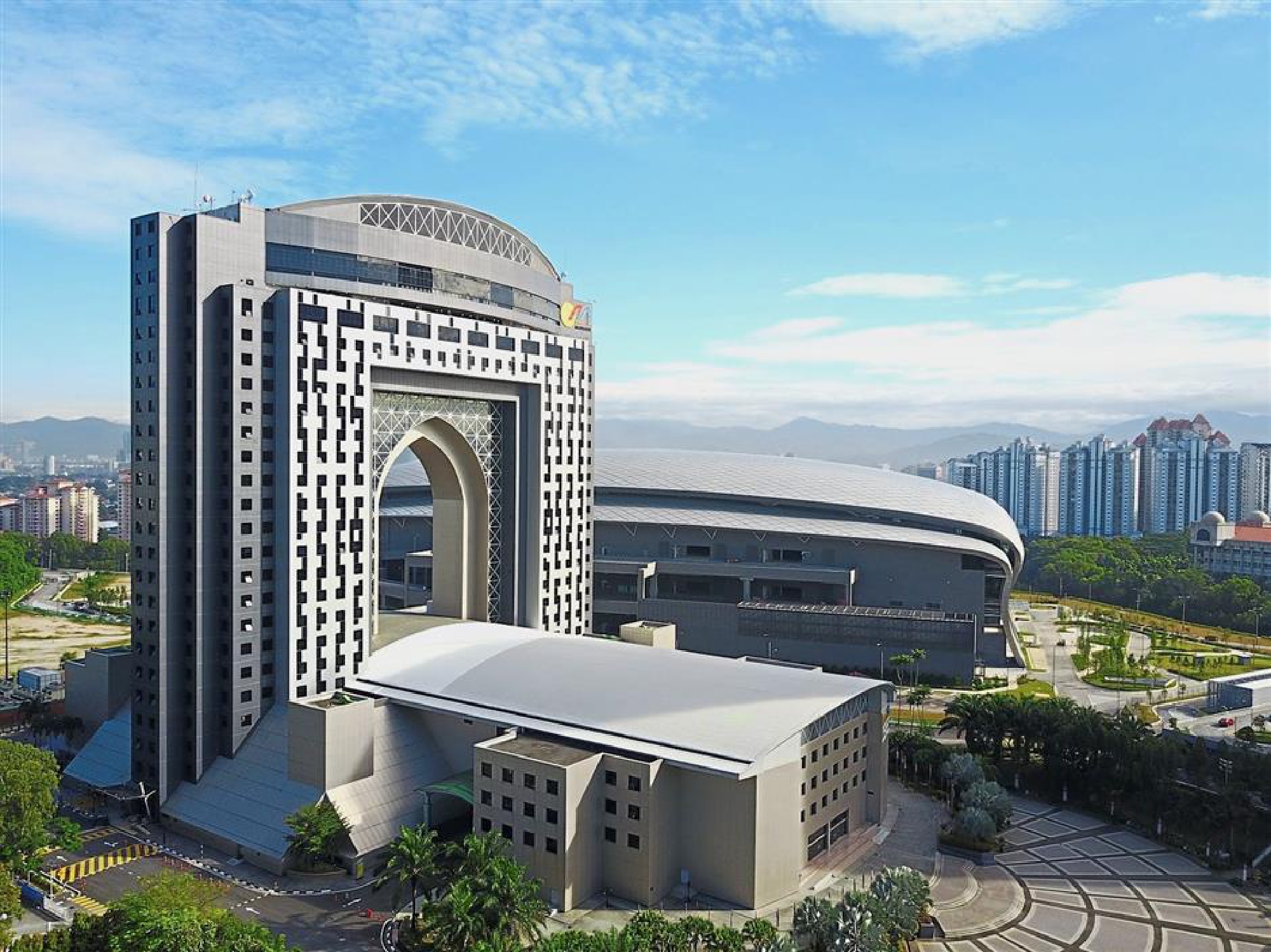
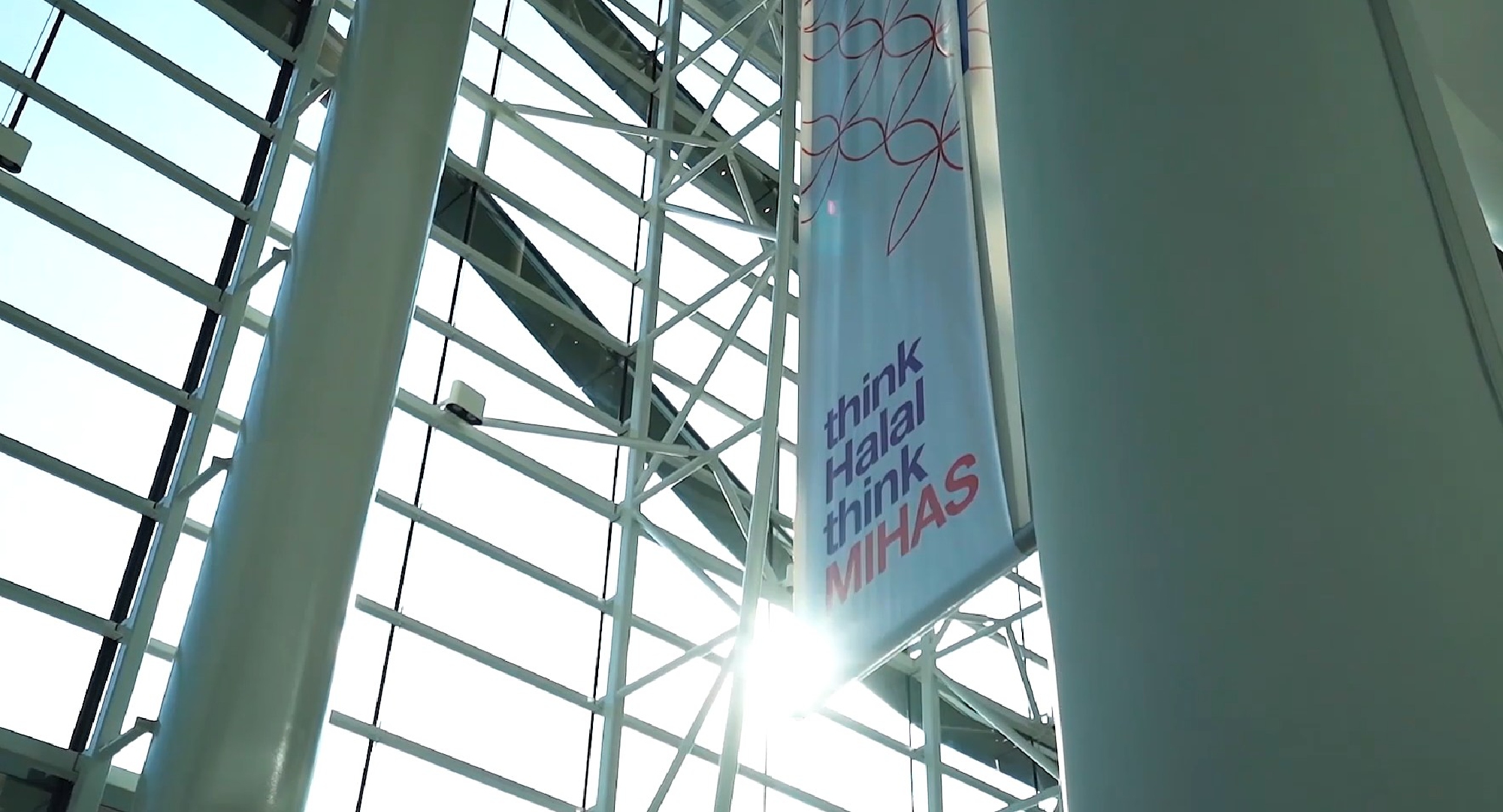
The Malaysia External Trade Development Corporation (MATRADE) aims to facilitate high-value, cross-border halal trade digitally at the upcoming Malaysia International Halal Showcase (MIHAS) from 9 September until 31 December 2021.
Since its inception in 2004, the event has progressively profiled as the marquee halal sourcing platform. Over 1,000 exhibitors from 44 countries participated in the last edition in 2019. Fitted with digital capabilities, MIHAS has neutralized disruptions from the pandemic by enabling exhibitors, visitors, and participants with the freedom to network with AI-assisted business matching sessions, connect across time zones with live chats available 24 hours a day, seven days a week, view showcases of products and services, and participate in webinars from the safety and comfort of their home countries. Exhibiting brands will also benefit from real-time data access crucial for analysis and brand development to remain competitive in today’s highly digitalized environment.
Malaysia Propelling Digitally Enabled Halal Trade at Mihas 2021
According to MATRADE CEO, Mohd Mustafa Abdul Aziz, “Digitally enabled trade is the way forward and key in rebuilding economic resilience. In keeping up with the current trend and due to the current pandemic situation, MIHAS will spearhead the digitalization agenda for the Halal industry in bringing patrons, investors, and trade partners under one virtual platform. We look forward to fortifying Malaysia’s position as the global halal hub with another successful showcase this year amid the challenging environment.”
Malaysia Propelling Digitally Enabled Halal Trade at Mihas 2021
With major events pushed to pivot digitally in light of movement restrictions, 65% of visitors and 57% of exhibitors surveyed expect digital event technology will remain relevant even after the pandemic. MIHAS has quickly adapted to these changes, going fully digital for the first time.
“Themed, Empowering Halal, Tomorrow, Together, MIHAS 2021 will focus on showcasing 12 key pillars. These include education, pharmaceuticals, services and enablers, franchise, modest fashion, Islamic finance, cosmetics, and personal care, media and recreation, Muslim friendly travel, e-commerce, and food technology”, said Norman Dzulkarnain Nasri – MATRADE Trade Commissioner in Bangkok.
Malaysia Propelling Digitally Enabled Halal Trade at Mihas 2021
“Malaysia’s major export products to Thailand consist of electrical and electronic products chemicals & chemical products, other manufactures, crude petroleum and machinery, equipment and parts.”
“More bilateral trade engagements, especially on border trade, have to take place as Malaysia and Thailand can complement each other in terms of its trade in the export and import of Fast Moving Consumer Goods (FMCG), Halal, Processed Food, Healthy Food, Ready-to-eat Food, Medical Products, Medical related products, Pharmaceutical, Lifestyle Products, Electronic Components, Automotive Parts, and many others.”
Malaysia Propelling Digitally Enabled Halal Trade at Mihas 2021
MIHAS aims to virtually host a bevy of Halal exhibitors, and over 15,000 international buyers and trade visitors across the Halal ecosystem, making it the world’s largest Halal event. The showcase has attracted industry giants leading conversations about enabling the Islamic economy and sustainable supply chains respectively.
MATRADE Bangkok invites brands and the global trade community to register for the upcoming MIHAS 2021 virtual exhibition by visiting https://www.mihasvirtual.my/sign_up.
Malaysia Propelling Digitally Enabled Halal Trade at Mihas 2021
The Stock Exchange of Thailand (SET) Index closed at 1,650.33 on Friday, up 2.58 points or 0.16 per cent. Transactions totalled THB78.70 billion with an index high of 1,657.79 and a low of 1,644.12.
In the morning session, Krungsri Securities expected the index on Friday to rise to between 1,655 and 1,660 points after Opec+ raised its 2022 oil demand forecast and US jobless claims fell.
However, it advised investors to beware of mass sell-offs of shares in response to signs of overbought stocks pressuring the index.
The 10 stocks with the highest trade value today were GULF, DELTA, CPALL, MAKRO, KBANK, PTT, BANPU, GPSC, BBL and SUPER.
Japan’s Nikkei Index closed at 29,128.11, up 584.60 points or 2.05 per cent.
China’s Shanghai SE Composite Index closed at 3,581.73, down 15.31 points or 0.43 per cent, while the Shenzhen SE Component Index closed at 14,179.86, down 97.47 points or 0.68 per cent.
Hong Kong’s Hang Seng Index closed at 25,901.99, down 188.44 points or 0.72 per cent.
South Korea’s KOSPI closed at 3,201.06, up 25.21 points or 0.79 per cent.
Taiwan’s TAIEX closed at 17,516.92, up 197.16 points or 1.14 per cent.
SET maintains upward trajectory buoyed by oil demand forecast, foreign funds flow
The Stock Exchange of Thailand (SET) Index rose by 2.77 points, or 0.17 per cent, to 1,650.52 on Friday morning, witnessing a high of 1,657.79 and a low of 1,649.54 in opening trade.
The SET Index closed at 1,647.75 on Thursday, up 13.27 points or 0.81 per cent. Transactions totalled THB101.41 billion with an index high of 1,652.03 and a low of 1,633.12.
Krungsri Securities expected the index on Friday to rise to between 1,655 and 1,660 points on positive sentiment of Opec+ raising oil demand forecast next year, a decline in US jobless claims in 17 months and foreign funds inflow.
However, it advised investors to beware of mass sell-offs of shares in response to signs of overbought stocks, as it would pressure the index.
It also recommended buying the following companies’ shares as an investment strategy:
▪︎ PTT, PTTEP, TOP and PTTGC, which benefit from rising oil price.
▪︎ AOT, KBANK, BBL, CPN, CRC, HMPRO, AAV, BA, MINT, AMATA and WHA, which benefit from the country’s reopening.
▪︎ BANPU, CKP, GPSC, GULF, BCPG, BCH, CHG, BDMS, KCE, TU and EPG , whose third-quarter profit is expected to rise.
Chubb joins hands with Burin Journey program giving a group accident insurance package to Super Rider
Journey Car project is created to help and support Super Rider volunteers and social in the current COVID-19 crisis. The initiative helps encourage the volunteers those sacrificed their dedication to work for society and help COVID-19 infected patients to get treated faster.
Chubb Samaggi Insurance Plc. (Chubb) collaborated with Burin Journey program under the project called “Journey Care” donated a group accident insurance package to Dr.Vichan Pawan, Director of the Institute for Urban Disease Control and Prevention (IUDC), Department of Disease Control, Ministry of Public Health to help protect “Super Rider” – the group of volunteers who help deliver medicines and medical supplies under the operation of the IUDC. The group accident insurance package covers up to 100,000 baht in value through a full period of one year.
Journey Car project is created to help and support Super Rider volunteers and social in the current COVID-19 crisis. The initiative helps encourage the volunteers those sacrificed their dedication to work for society and help COVID-19 infected patients to get treated faster.
Bangpakok Hospital Group opens registration for Moderna jabs
Private hospitals have been authorised to order Moderna jabs via the Government Pharmaceutical Organisation (GPO) as an alternative vaccine for citizens.
Bangpakok Hospital Group opened its second round of registration for Moderna Covid-19 vaccine jabs on Thursday.
Private hospitals have been authorised to order Moderna jabs via the Government Pharmaceutical Organisation (GPO) as an alternative vaccine for citizens.
The Moderna doses are expected to be delivered between January – March 2022 and will be priced at 1,650 baht per jab, inclusive of hospital service fees.
Registrants must make payment in full on the booking date. Due to limited supply of the vaccine, the hospital will schedule jab appointments on a first-come, first-served basis.
If the hospital is unable to offer jabs because of a supply shortage, registrants will be refunded the full payment. However, the hospital will not refund registrants who miss their jab appointment.
Registrants can also transfer their jab to another recipient by informing the hospital in advance.
Classified as an mRNA vaccine, Moderna can be administered to people aged 18 years or over, with a four-week interval between first and second jabs.
Bangpakok Hospital Group opens registration for Moderna jabs
The vaccine is suitable for:
1. People who have been fully vaccinated for over three months. Those who have already received a booster dose for over six months can book two Moderna jabs.
2. People who have already received the Sinovac-AstraZeneca cocktail can take Moderna vaccine as a booster.
3. People who have received two Sinopharm jabs at least three months ago can take Moderna vaccine as a booster.
4. People who had their first AstraZeneca jab at least three months ago can take Moderna vaccine as their second jab.



 Your food prices are at risk as the world runs short of workers
 Your food prices are at risk as the world runs short of workers


 Malaysia Propelling Digitally Enabled Halal Trade at Mihas 2021
 Malaysia Propelling Digitally Enabled Halal Trade at Mihas 2021
 Malaysia Propelling Digitally Enabled Halal Trade at Mihas 2021
 Malaysia Propelling Digitally Enabled Halal Trade at Mihas 2021
 Malaysia Propelling Digitally Enabled Halal Trade at Mihas 2021


 Bangpakok Hospital Group opens registration for Moderna jabs
