Stocks hit record on bets economy is pushing ahead
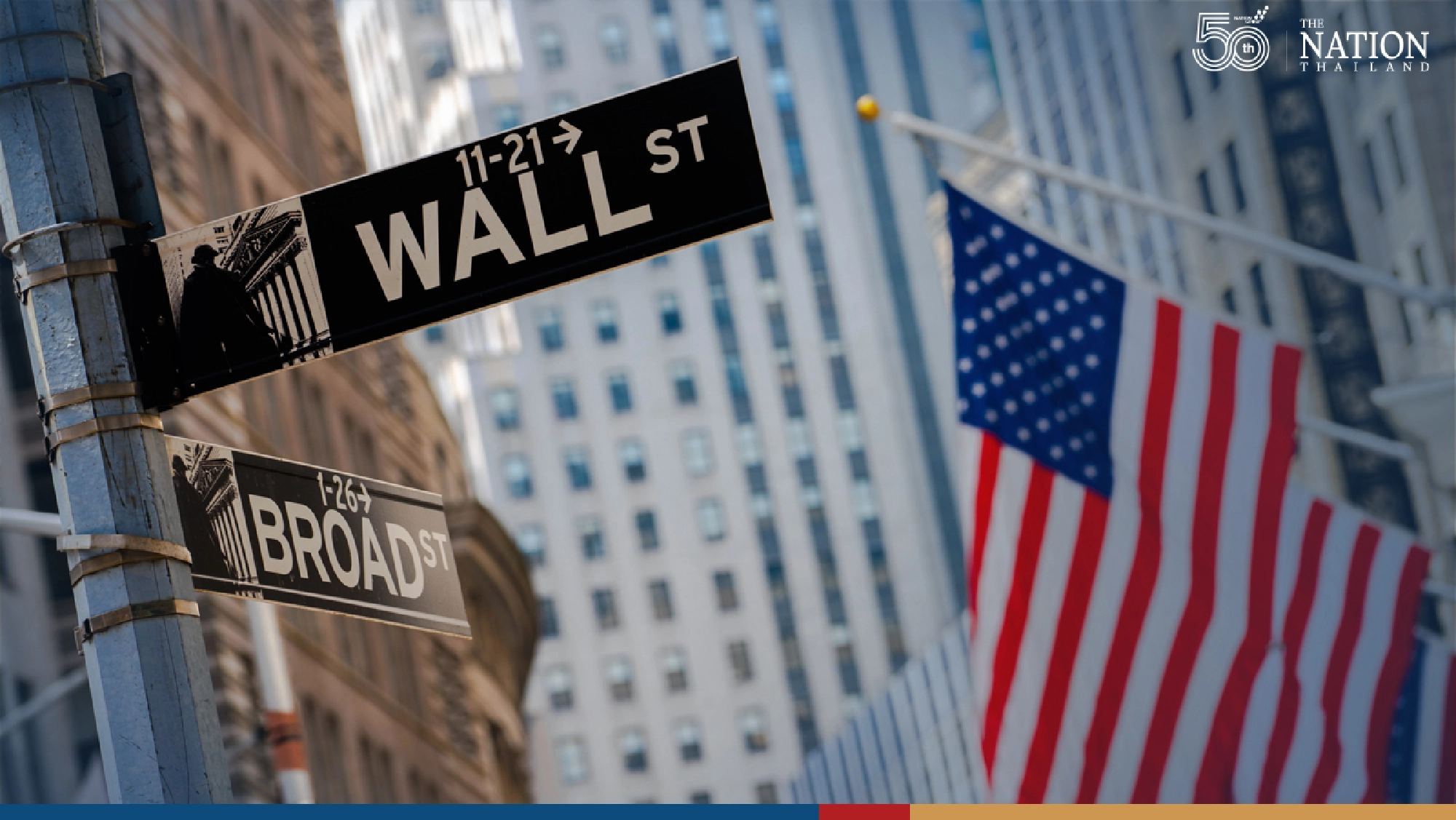
Stocks climbed to a record as President Joe Bidens bipartisan $579 billion infrastructure deal added to optimism the economic recovery will keep pushing ahead. The dollar fell.
Companies that stand to benefit the most from a rebound in activity outperformed — with financial and energy shares leading gains in the S&P 500. Caterpillar Inc., the world’s biggest maker of mining and construction equipment, jumped alongside raw-material producers such as U.S. Steel Corp. and Nucor Corp. Banks rallied before the results of the Federal Reserve’s stress tests, while Tesla Inc. extended its three-day advance to almost 10%.
The bipartisan legislation is expected to move through Congress alongside a separate bill that would spend trillions more on what Biden called “human infrastructure” that the GOP opposes. Earlier Thursday, Atlanta Fed President Raphael Bostic and his Philadelphia counterpart Patrick Harker urged more spending on infrastructure investment — noting that it could boost U.S. productivity and growth.
“Infrastructure spending strengthens an already very strong economic growth outlook,” said Jeff Buchbinder, equity strategist at LPL Financial. Those investments will “bolster the outlook for corporate profits and should keep this bull market going strong well beyond 2021,” he added.
Data Thursday showed applications for U.S. state unemployment insurance fell slightly last week, though were higher than forecast, while orders for durable goods rose in May at the fastest pace since January.
Shares of the fastest-growing U.S. companies have stopped moving in lockstep with the cheapest stocks. The shift is evident from the correlation between the S&P 500 Pure Growth and Pure Value indexes during the past 200 trading days, which plummeted after setting an eight-year high in April 2020.
Elsewhere, the pound fell after the Bank of England pushed back against speculation that a surge in inflation means it’s preparing to boost interest rates — saying the economy still needs support.
Stocks hit record on bets economy is pushing ahead
These are some of the main moves in markets:
Stocks
– The S&P 500 rose 0.6% as of 4 p.m. EDT
– The Nasdaq 100 rose 0.6%
– The Dow Jones industrial average rose 1%
– The MSCI World index rose 0.6%
Currencies
– The Bloomberg Dollar Spot Index fell 0.2%
– The euro was little changed at $1.1935
– The British pound fell 0.2% to $1.3936
– The Japanese yen rose 0.1% to 110.84 per dollar
Bonds
ADVERTISEMENT
– The yield on 10-year Treasurys was little changed at 1.49%
– Germany’s 10-year yield declined one basis point to -0.19%
– Britain’s 10-year yield declined four basis points to 0.74%
Commodities
– West Texas Intermediate crude rose 0.2% to $73.26 a barrel
– Gold futures fell 0.5% to $1,774.70 an ounce
Published : June 25, 2021
By : Syndication Washington Post, Bloomberg · Rita Nazareth, Kamaron Leach
Biden administration bars imports of solar panels linked to forced labor in Chinas Xinjiang region
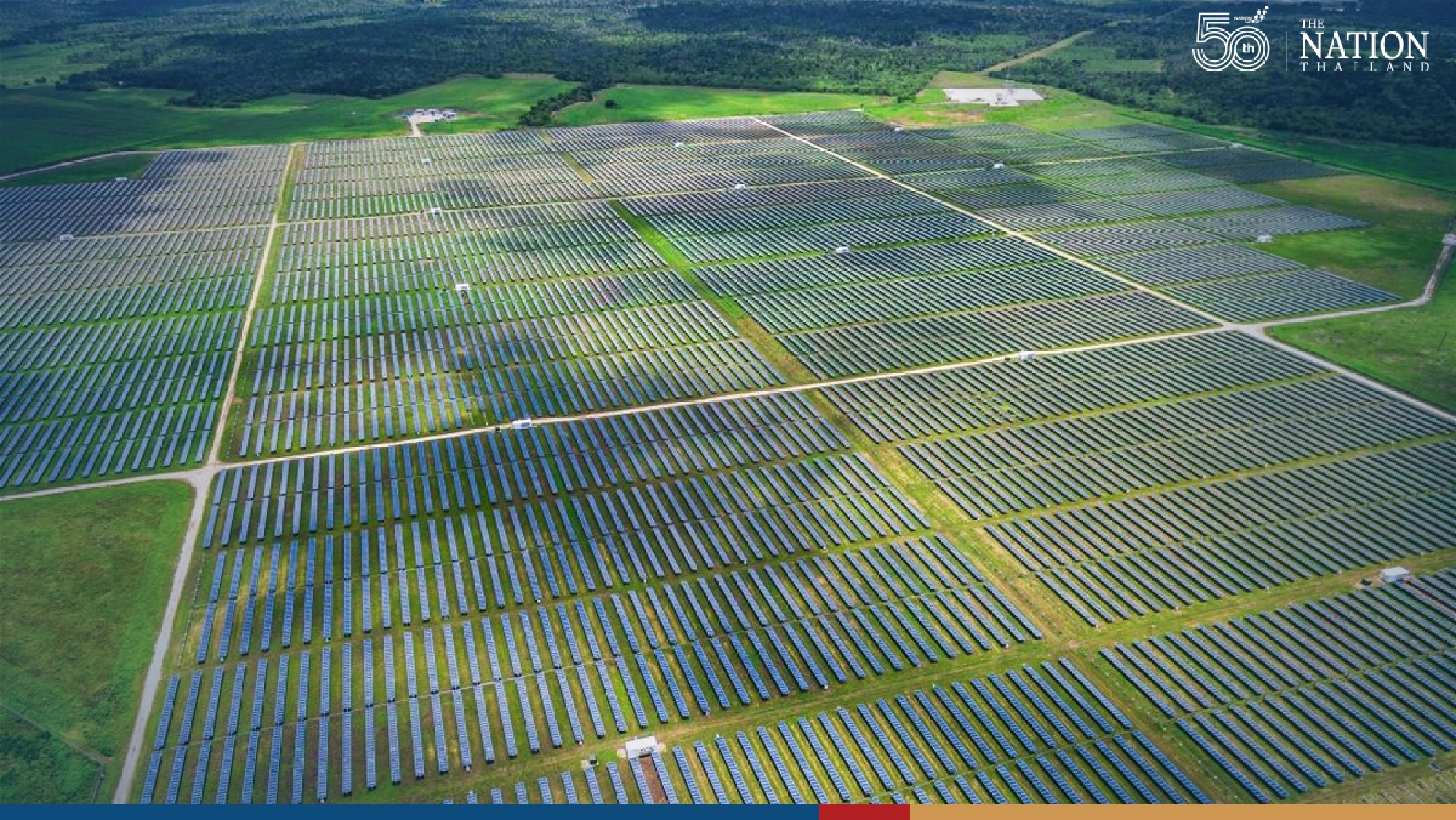
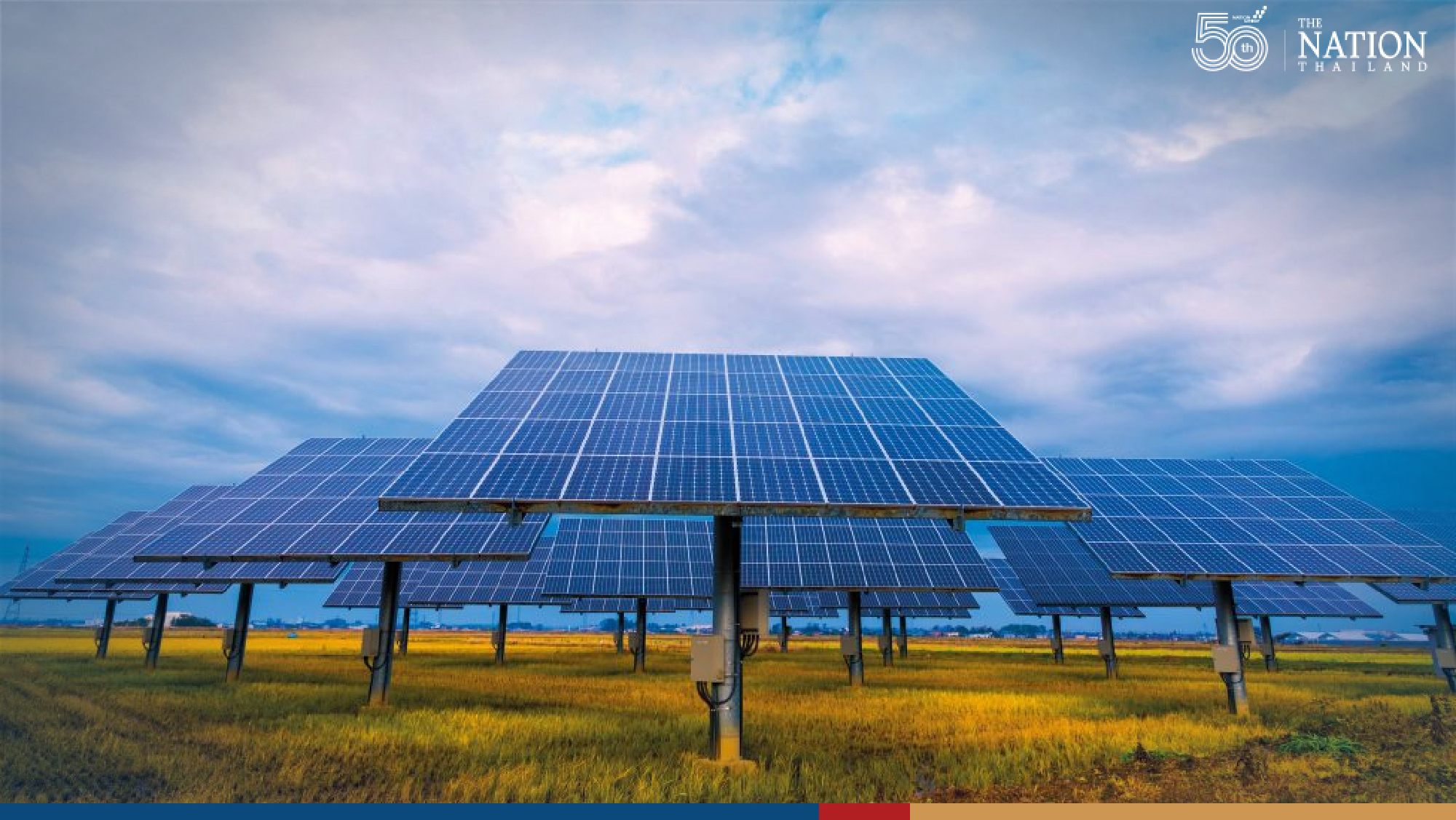
WASHINGTON – The Biden administration banned the import of solar panels and other goods made with materials produced by a Chinese company that it accused of using forced laborers from Chinas Xinjiang region, a move likely to complicate the U.S. push toward clean energy.
U.S. Customs and Border Protection issued a withhold release order Thursday barring silicon-based products from the company, Hoshine Silicon, which operates from plants in Xinjiang that have been connected to coercive state labor programs targeting Uyghurs and other minorities, as The Post reported on Thursday.
The order will have widespread impact on the solar industry, which is dominated by Chinese suppliers that source materials from Hoshine, the world’s largest producer of metallurgical-grade silicon, a key raw material in solar panels.
“Almost the complete solar industry is affected by Hoshine,” said Johannes Bernreuter, a research analyst in Germany who studies the solar supply chain.
CBP officials confirmed at a news briefing that the ban applies to solar panels containing Hoshine materials. Alejandro Mayorkas, secretary of the Department of Homeland Security, which oversees CBP, suggested that the order could also apply to products beyond solar panels, though CBP officials didn’t immediately provide more detail on that.
“Silica is a raw material that is used to make components for solar panels, electronics and other goods,” Mayorkas said. “This order was issued because CBP has information reasonably indicating that Hoshine uses forced labor to produce its silica-based products.”
CBP officials estimated that the United States has imported more than $150 million in products made with Hoshine materials over the last two and a half years, as well as more than $6 million of direct imports from the company.
Mayorkas said the administration remains committed to renewable energy. “But, and this is very important, we’re going to root out forced labor wherever it exists and we’ll look for alternative products to achieve the environmental impacts that are a critical goal of this administration,” he said.
The order, effective immediately, instructs CBP officers to detain all imports of silicon-based products made by Hoshine as well as goods made in whole or in part with the company’s silicon-based materials.
Ana Hinojosa, head of CBP’s forced labor team, said she couldn’t quantify the percentage of solar-panel imports containing Hoshine materials. “Our initial assessment is that there has been some movement away from this particular manufacturer,” she said.
But industry experts said enforcement could be a challenge given the complexity of the solar supply chain and Hoshine’s dominance in the industry. Hoshine has produced metallurgical-grade silicon for at least eight of the world’s largest polysilicon makers, according to the company’s public statements and annual reports. Analysts say that together these firms account for nearly all of the world’s supply of solar-grade polysilicon, a key material used to make solar panels.
The move could also undermine U.S. hopes of cooperating with China on climate change, one of few areas of potential collaboration between the two countries increasingly at loggerheads over human rights and investigating the origin of the covid-19 pandemic.
Responding to reports of the coming ban, Chinese Foreign Ministry Spokesman Zhao Lijian on Tuesday called allegations of forced labor in Xinjiang “downright lies” whose “real purpose is to restrict and contain” Chinese companies.
“I think that it is very likely that the ban will escalate US-China tensions and slow down solar deployment around the world,” said Joanna Lewis, an associate professor focused on clean energy, climate change and China at Georgetown University.
The U.S.-based Solar Energy Industries Association (SEIA), whose members include installers of solar panels, said it supported the administration’s decision.
“The news of enforcement action on solar products coming from the Xinjiang Uyghur Autonomous Region (XUAR) is not unexpected and we fully support the Biden Administration’s efforts to address any forced labor in the solar supply chain,” said the group, which had previously urged its members to “move their supply chains out of” Xinjiang.
Metallurgical-grade silicon is produced by reacting silica, or quartz, with carbon in giant electric furnaces before being poured into molds, crushed and shipped to polysilicon makers in China and elsewhere. Polysilicon is then sold to ingot or wafer producers and later to factories making photovoltaic cells that go into solar power modules.
Industry experts say it would be safer for U.S. agents to assume all silicon products entering the United States from China contain at least some material sourced from Hoshine, whose metallurgical-grade silicon is used in a wide range of consumer products, including electronics, cars, chemicals and sealants.
“I believe that the Biden administration has acted on the overwhelming evidence that Hoshine is engaged in forced labor in the Uyghur Region,” said Laura Murphy, a professor of human rights and contemporary slavery at Sheffield Hallam University in the United Kingdom and co-author of a recent report that examined Hoshine and forced labor in the solar supply chain. “They are completely aware that this WRO will affect a wide swathe of solar supply chains as well as other industries.”
CBP officials said an agency investigation found two indicators of forced labor in Hoshine’s production process – intimidation and threats toward workers, and restriction of their movement.
A Washington Post story Thursday showed how public documents, including Chinese government propaganda and company statements, detail Hoshine’s participation in state-sponsored employment programs aimed at putting minorities in Xinjiang into factory jobs – measures that researchers and former residents say are a form of forced labor.
ADVERTISEMENT
Chinese state media reports showed Hoshine has benefited from government labor programs, accepting workers who have little choice but to take the jobs, where they are subjected to ideological training. The company operates three plants in Xinjiang, where it described its hiring of minority workers as contributing to “ethnic unity” and “stability maintenance.” Recruits hired through state-organized labor fairs were put through patriotism training and political assessments.
Chinese companies have flocked to Xinjiang for its cheap coal-fired electricity. Chinese polysilicon companies in Xinjiang produce almost half the world’s solar-grade polysilicon used in panels sold in the United States and other markets.
“This will increase the pressure on polysilicon manufacturers to cut ties with Hoshine,” Bernreuter said.
U.S. law prohibits the importation of goods produced with the help of forced labor. When CBP detains goods under a withhold release order, the importer has the opportunity to either export the goods or demonstrate that the goods were not made with forced labor.
The import ban was the most prominent of several measures the Biden administration took Thursday against China’s solar-product suppliers. The Commerce Department also added several Chinese polysilicon producers to an export black list, which bars U.S. entities from exporting technology or other goods to the firms without first obtaining a government license.
The White House said the companies had accepted or utilized forced labor in Xinjiang and contributed to human rights abuses against Uyghurs and other minority groups in Xinjiang.
And the Department of Labor updated its list of goods produced by child labor or forced labor to include certain polysilicon from China.
Published : June 25, 2021
By : The Washington Post · Lily Kuo, Jeanne Whalen
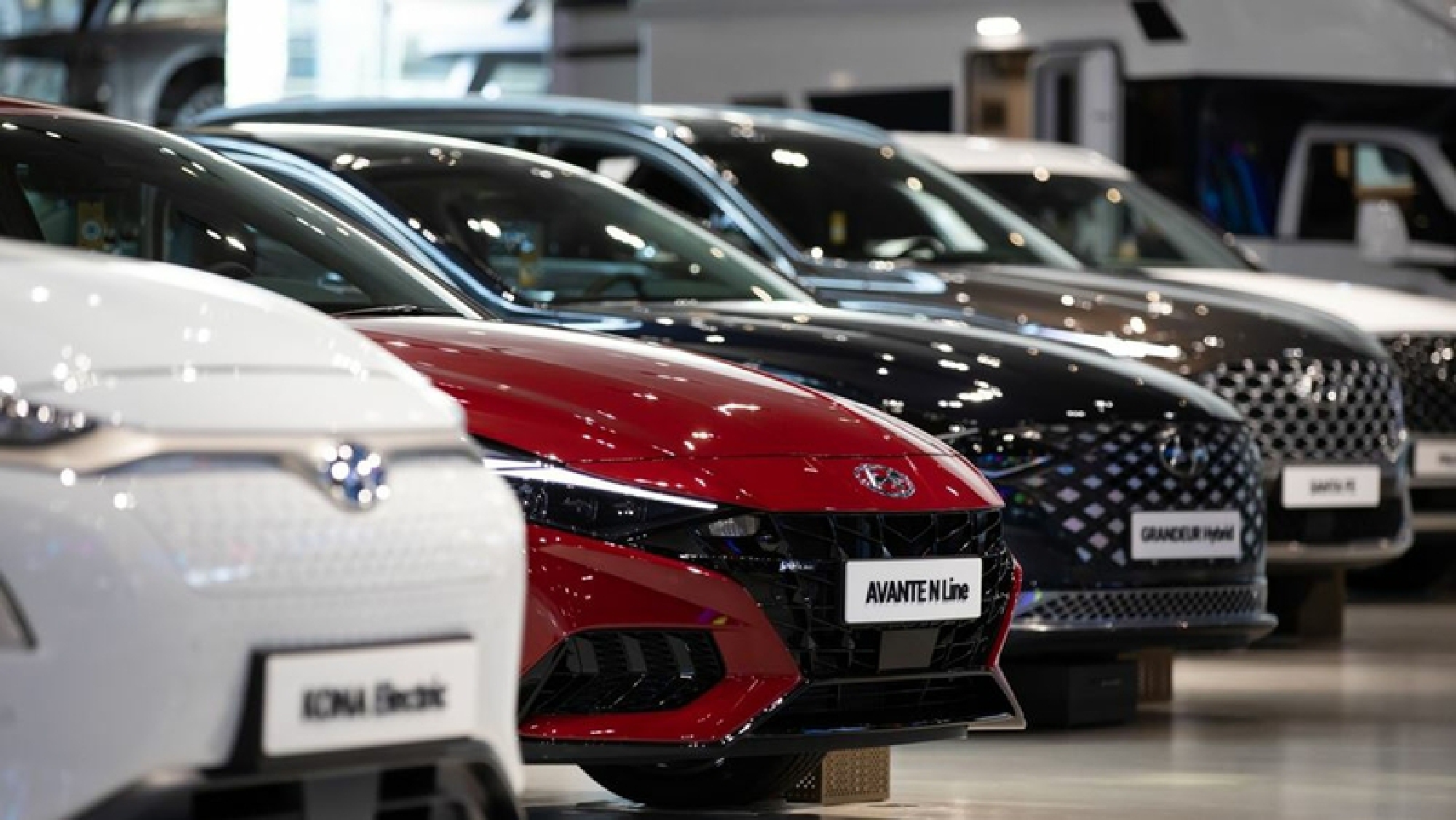
Car production in Thailand rose a whopping 150.14 per cent in May from a year earlier, the Federation of Thai Industries (FTI) reported on Thursday.
Atotal of 140,168 cars rolled off Thai production lines last month as demand rose both at home and abroad. Production for export jumped 126.01 per cent while production for the domestic market surged 193.39 per cent from last year.
EXIM bank wants 100,000 Thai SMEs to target foreign markets
The Export-Import Bank of Thailand (Exim Bank) wants to boost the number of Thai SMEs exporting products abroad from the current level of 30,000 to 100,000 within the next four years.
Thailand has an estimated 6 million small and medium-sized enterprises (SMEs), of which 3.1 million are registered and 2.7 million are informal, according to Exim Bank managing director Rak Vorrakitpokatorn.
These entrepreneurs compete in a market of just 70 million people, where yearly GDP growth is a modest 2 per cent over the past 10 years, Rak said. Also, only 1 per cent of Thai SMEs are exporters, compared to more than 10 per cent in competitor countries.
“The Thai economy is growing at an average of 2 per cent per year, while the country has become an ageing society,” he said.
Compared to neighbours such as Vietnam and Indonesia which have far younger populations, with 60-70 per cent of people of working age, Thailand has little potential because the market is small, said Rak. “Boosting sales is difficult, so what we should do is go to the international market.”
Thai SMEs can plug into the international trade cycle in two ways, Rak said.
The first is to upgrade to an exporter – which may require time in order to build knowledge and experience in various fields.
The second way, which can be done immediately, is via the exporter’s supply chain.
“Many Thai SMEs are already part of the exporter supply chain in one way or another. This is because 70 per cent of Thailand’s total export value relies on domestic raw materials,” said Rak.
Japanese automakers unveil plans for Thai EV production hub
Japanese auto plants in Thailand are powering up to produce electric vehicles while Japan’s business presence in the Kingdom remains strong despite Covid-19, the Japan External Trade Organisation (JETRO) reported on Thursday.
JETRO shared its economic report on the first half of 2021with Energy Minister and Deputy PM Supattanapong Punmeechaow during an online meeting today. It said Japanese business operations in Thailand were still above 66 per cent of pre-Covid levels, indicating investors’ confidence in the Kingdom.
JETRO shared guidelines for EV production Thailand while the two parties also discussed infrastructure development, benefits and taxes, and clean-energy manufacturing.
Supattanapong said Thailand’s investment promotion plan is environmentally friendly in line with the 2022 National Energy Plan to gradually transfer to renewable energy in each sector. The Japanese private sector is interested in producing electric vehicles in Thailand, including HEV, PHEV, BEV, FCEV and others, in order to pilot domestic use of electric vehicles and forge a regional production hub, he added.
Japanese automakers’ push for e-vehicle production is being backed by tax and other incentives offered by the Thai government.
Thai exports surged 41.59 per cent in May from a year earlier, for the highest growth in almost 11 years, the Commerce Ministry reported on Thursday. Exports totalling US$23.057 billion were balanced by a 63-per-cent rise in imports to $22.261 billion, resulting in a positive trade balance of $795 million.
Exports for the first five months (January-May) were valued at $108.635 billion, up 10.78 per cent, while imports were worth $107.141 million, up 21.52 per cent.
Thai exports grew in line with global economic recovery, especially in key markets like the US, China, Japan and Europe, where manufacturers’ demand for raw materials and intermediate products is rising.
The Thai export rise was driven by agricultural and processed food, work-from-home products, and Covid-19 prevention products.
The Commerce Ministry maintained its full-year export growth target at 4 per cent but said the outlook is brightening.
Outsourcing ultimately offers business owners great advantages. The process allows them to build a team of skilled professionals without adding the expense of full-time employees, additional office space and equipment.
Whilst the term disruption has been synonymous to the rise of new business trends and/or industries, COVID-19 has been one of the most disruptive events in a generation; and the impact
is still being felt, not only throughout the global economy, but also across the large number of outsourcing relationships in place. In addition to COVID-19, businesses today are facing a rapidly evolving landscape, including regulatory changes, continuous advances in technology, and the adoption of more sophisticated approaches by authorities. These 3 challenges are causing businesses to rethink the appropriate mix of in-house and external resources in efficiently managing essential operational processes with visibility, flexibility, transparency, and control.
Outsourcing ultimately offers business owners great advantages. The process allows them to build a team of skilled professionals without adding the expense of full-time employees, additional office space and equipment. With outsourcing, business owners and senior management can focus attention and resources on their company’s core competencies and spend their time setting new goals and finding ways to achieve them. The findings from Deloitte’s 2020 Global Outsourcing Survey reveal companies are embracing disruptive technologies, as Cloud and automation continue to be driving forces for change. However, amongst all the emerging disruptive trends, the fallout from COVID-19 is signaling a return to basics: shoring up value and driving down costs, with a renewed focus on risk management.
The key themes from our survey findings are as follows:
1. Cost reduction is back on top
2. Cloud & Robotics Process Automation (RPA) are now “table stakes”
3. Agility is critical
Whilst clients talk about scalability, agility, technology enablement and innovation, COVID-19 has brought cost reduction back on the table and hence the focus back to the numbers. Our survey respondents indicated it is easier to measure the impact on cost than it is to articulate the benefits of scalability and technology enablement. Our survey results show a clear progression in the adoption of RPA through outsourcing. The primary motivation seems to have shifted with most interviewees (two-thirds) citing cost savings as the major driver for RPA adoption, whereas previously it was never “top of mind.” Nevertheless, RPA adoption is not just about cost reduction. It can also free up the workforce to focus on more strategic issues. Doing so can lead to greater employee and customer satisfaction, with subsequent improvements in enterprise value.
Outsourcing creates tremendous opportunities as compared to core traditional in-house business models, as it enables businesses to create a pool of additional funds, from the elimination of expenses from non-core activities. Thus, businesses are enabled to free up resources and can shift their focus to core business operations and innovation, whilst non-core functions can be outsourced. Having a large pool of outsourced “on-demand” talent means companies can rapidly scale their workforce without the need to hire additional full-time employees and increase their overheads and their investment in office space and equipment. Using outsourcing creates new opportunities and makes better use of existing talent that helps employers get the most out of their current workforce. Certain auxiliary tasks that are outsourced, allows in-house talent to focus on more strategic activities and projects that better leverage their skill sets, knowledge, and abilities and truly generate results. Similarly, for every employee that is not hired to perform a support function, more budget is available to hire revenue generating employees.
ADVERTISEMENT
As organizations continue to be challenged in dealing with the prolonged impact of the pandemic with agility, outsourcing will still be an enabler of business transformation. Whilst the digitization agenda has become imperative across all sectors, clients are seeking partners who can help elevate the way they do business, enable them to be more flexible, help them leverage the latest technologies and improve their overall speed to market. Working with an experienced outsourcing provider helps companies overcome productivity challenges, streamline operations and add additional resources that may be lacking in-house. From sales to recruitment to operations, outsourcing provides an unlimited amount of opportunities to help your business work smarter. Advances in technology have helped forward-looking companies to benefit significantly from outsourcing services for quite some time now. This is particularly relevant for small to medium-size enterprises, who simply lack the financial and other resources for in-house auxiliary departments like finance and tax.
Further to saving time and money which usually garner all the attention, outsourcing certain back office functions allows access to the latest technology and systems, as well as leading practices. It keeps organizations and departments agile as they face more complex business challenges and increasingly more regulated business environments. Outsourcing to the experts can help businesses not only remain compliant without having to worry about how they will comply with each new legislation, it also equips businesses to be agile as they respond to new business trends. Above all, Outsourcing will help businesses remain competitive and relevant in their industries.
Outsourcing remains an essential tool for client organizations to support their strategic goals. Requirements constantly evolve (even more so due to the COVID-19 pandemic) and the industry continues to support with both established and new solutions.
Buffett exits as Gates Foundation trustee, sidestepping rift
Warren Buffett resigned as a trustee at the Bill and Melinda Gates Foundation as the charity grapples with upheaval created by the divorce of its namesake founders, and the billionaire finds himself at the center of controversy over the ultra-wealthy and taxes.
“My goals are 100% in sync with those of the foundation,” Buffett, 90, said Wednesday in a statement that also announced he had reached the halfway mark in giving all of his Berkshire Hathaway Inc. shares to charity.
Buffett, 90, has contributed more than $27 billion of his own money to the charity over the past 15 years. He’s one of the Gates Foundation’s three board members, alongside Bill Gates and Melinda French Gates, who announced last month they’re splitting after 27 years of marriage. Buffett, who said he played “an inactive” role as trustee, didn’t mention the divorce as a reason for his resignation, while giving a broader statement about his philanthropy, taxes and dynastic wealth.
Buffett has faced criticism in recent weeks amid an investigation by ProPublica into how certain wealthy individuals, including the Berkshire chairman and chief executive officer, pay low tax rates relative to their fortunes. Buffett said that his $41 billion of contributions to five foundations has produced only about 40 cents of tax savings per $1,000 given.
“That’s because I have relatively little income,” Buffett said in the statement. “My wealth remains almost entirely deployed in tax-paying businesses that I own through my Berkshire stockholdings, and Berkshire regularly reinvests earnings to further grow its output, employment and earnings. The income I receive from other assets allows me to live as I wish.”
He said it’s “fitting” for Congress to periodically revisit tax policy for charitable contributions, especially when certain donors get “imaginative.”
Buffett’s resignation from the Bill and Melinda Gates Foundation board marks another shift in the long-time partnership, and friendship, with Bill Gates.
Both Buffett and Gates frequently play bridge together and have traveled to places including China as a group. Gates previously served on Berkshire’s board, before announcing last year that he would step down from that post. Berkshire’s CEO decided in 2006 to donate the bulk of his wealth to the Gates foundation in part because the pair does a “much better job” at running those charity operations than Buffett says he could.
Gates has built the foundation into a powerhouse of charitable giving, in part due to his riches as the fourth-wealthiest person, with a $144.7 billion fortune, according to the Bloomberg Billionaires Index.
Three trustees is an unusually small number for an organization of its size. The Ford Foundation, which is roughly a fifth the size of the Gates Foundation, has 15 members on its board. The Rockefeller Foundation, at a 10th the size, has no fewer than 12 at any time.
The divorce put him in an awkward position, as tie-breaker for the two exes, said Greg Witkowski, a senior lecturer of nonprofit management at Columbia University.
“With only three board members, it does really put a lot of attention on Warren Buffett’s role in the middle of that,” Witkowski said soon after the divorce. “In an ideal setup, they would have had more trustees.”
Mark Suzman, the foundation’s chief executive officer, told employees last month that he’s in talks to strengthen “the long-term sustainability and stability of the foundation.”
Suzman “is an outstanding recent selection who has my full support,” Buffett said in the statement.
Suzman said last month that no decisions have been made about what future steps need to be taken, but added that Bill Gates and Melinda French Gates have “reaffirmed their commitment to the foundation and continue to work together on behalf of our mission.”
Buffett has been pulling back on travel commitments in recent years, including stepping down from the Kraft Heinz Co. board in 2018. The CEO still runs his sprawling conglomerate that’s valued at more than $634 billion, but recently shared that Greg Abel, a vice chairman who oversees all of Berkshire’s non-insurance operations, is currently the top candidate to succeed him if he steps back.
In 2006, Buffett said that he would distribute all of his shares of the company to charity. He said in Wednesday’s statement that his most-recent $4.1 billion distribution brought him halfway to that target.
ADVERTISEMENT
“In June of 2006, I owned 474,998 ‘A’ shares. Now, I own 238,624 shares, worth about $100 billion,” he said, with all of them destined for philanthropy.
“Please understand that these remarks are no swan song,” the billionaire investor said in the statement. “I still relish being on the field and carrying the ball. But I’m clearly playing in a game that, for me, has moved past the fourth quarter into overtime.”
Published : June 24, 2021
By : Syndication Washington Post, Bloomberg · Katherine Chiglinsky
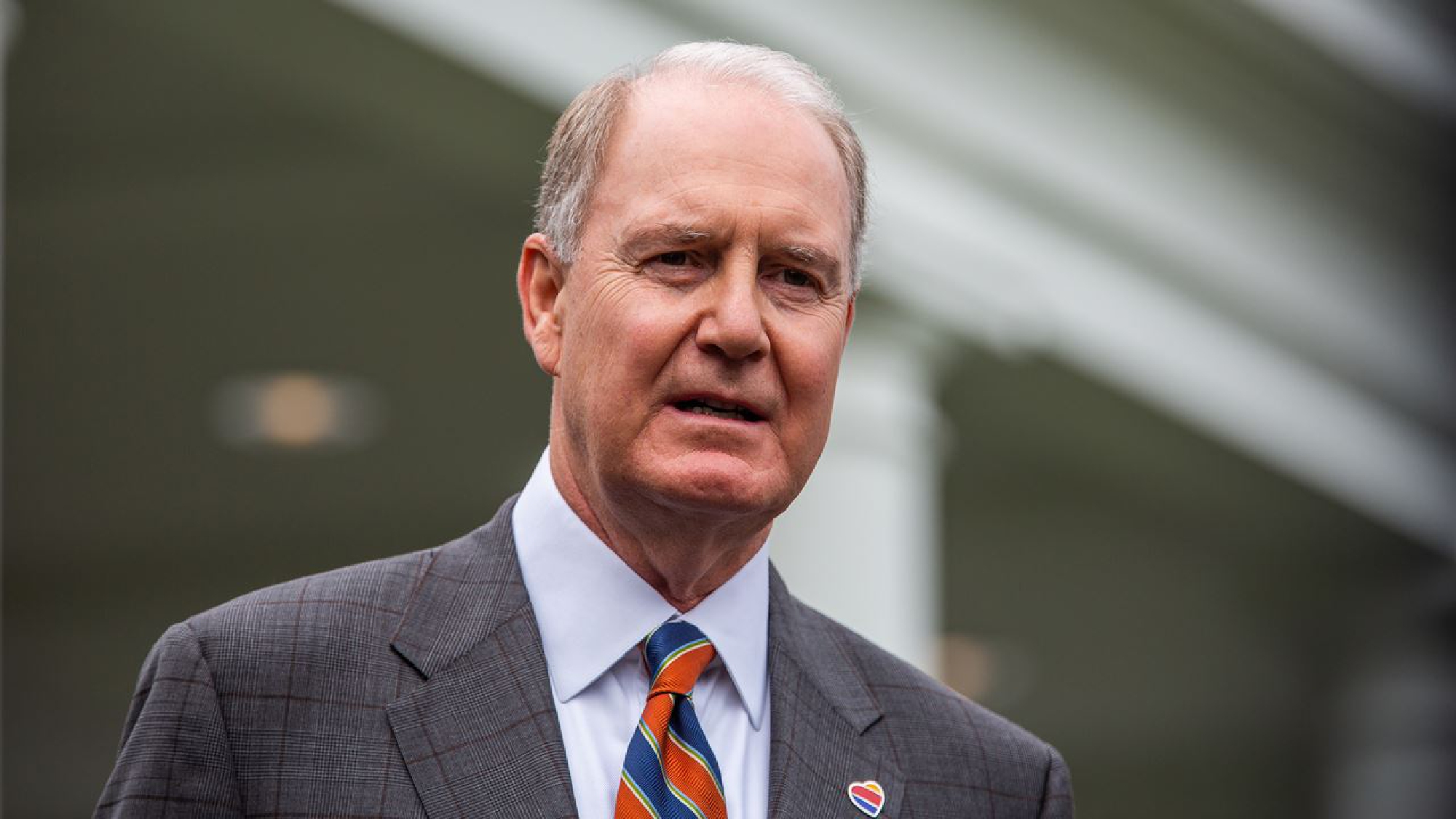
Longtime Southwest Airlines CEO Gary Kelly to step down
Longtime Southwest Airlines chief executive Gary Kelly, who has steered the company through the coronavirus pandemic and other crises, is stepping down and will be succeeded by the carriers executive vice president, Southwest announced Wednesday.
Kelly, 66, one of the longest-serving U.S. airline chiefs and Southwest’s top executive since 2004, will leave his post in early 2022. He will serve as the airline’s executive chairman through at least 2026, the airline said.
Kelly was at the helm through the global financial meltdown in 2008 and the 2019 grounding of Boeing’s 737 Max jets after two fatal overseas crashes less than five months apart. Southwest was particularly hard hit by the nearly two-year grounding because it operates a fleet of only Boeing jets.
Bob Jordan, Southwest’s executive vice president of corporate services, will become CEO of the nation’s fourth-largest air carrier on Feb. 1.
“He is a gifted and experienced executive and well-prepared to take on this important role,” Kelly said in a statement, noting the two have worked together for 30 years.
In separate statements, Casey Murray, president of Southwest’s pilots association, and Lyn Montgomery, president of Transport Workers Union Local 556, which represents Southwest’s flight attendants, congratulated both men.
“We look forward to working together in collaboration to enhance the people-centric culture of our company so that our customers and the flight attendants who are proud to serve them can enjoy the unparalleled Southwest Airlines experience for many years to come,” Montgomery said.
Henry Harteveldt, president of Atmosphere Research Group, an aviation consulting group, said Jordan will face several pressing issues when he takes over as the company celebrates its 50th year. He said the airline has built a reputation for customer service with a work culture that is the envy of many in the industry, but the pandemic has transformed the market.
Not only must Southwest compete with the big three air carriers – American, Delta and United, which offer a premium experience and multiple classes of service – it also must reckon with a new and expanding crop of ultra-low-cost carriers that offer cheap fares but few amenities, Harteveldt said. He said Southwest also must keep an eye on niche carriers such as Alaska Airlines, JetBlue and Hawaiian Airlines.
“Southwest is now the man in the middle, if you will,” Harteveldt said. “. . . They’re really boxed in.”
Southwest also has resisted changing a model that has worked so well for the company – a single class of service with no fees for checked bags.
Kelly began his tenure at Southwest 35 years ago when he was hired at the airline’s controller. He then became the carrier’s chief financial officer, while carrying the title of vice president for finance and later executive vice president. He was appointed chief executive and vice chairman in July 2004, then became chairman and president in 2008.
In January 2017, Kelly gave up the title of president and named former Southwest board member and executive Tom Nealon as president.
Before joining Southwest in 1986, Kelly was a certified public accountant with Arthur Young & Co. in Dallas and controller for Systems Center.
During his tenure, Kelly also oversaw Southwest’s acquisition of AirTran Airways and launched service to the airline’s first international destinations. In March 2019, the carrier began offering flights to Hawaii. Still, Kelly has said his biggest source of pride is that the airline never laid off or furloughed workers.
“Gary has been an outstanding CEO for Southwest for nearly two decades and has developed an excellent group of senior leaders to shepherd the airline into its next 50 years,” said William Cunningham, lead director on Southwest’s board.
In tapping Jordan, the board is turning to an executive who, like Kelly, has deep roots at the airline.
Jordan, 60, joined Southwest in 1988 and has served in several roles, including director of revenue accounting, corporate controller, executive vice president and chief commercial officer. During the pandemic, Jordan led Southwest’s efforts to reduce labor costs through voluntary leave and early separation programs, which have been credited with enabling the carrier to avoid layoffs and furloughs as passenger counts tumbled amid the pandemic.
ADVERTISEMENT
Before Southwest, Jordan worked for Hewlett-Packard as a programmer and financial analyst. He holds bachelor’s and master’s degrees from Texas A&M University.
The Stock Exchange of Thailand (SET) Index closed at 1,585.72 on Thursday, down 6.36 points or 0.40 per cent. Transactions totalled THB89.1 billion with an index high of 1,589.33 and a low of 1,569.93, as the SET fell for the sixth consecutive day.
In the morning session, Krungsri Securities expected the index to move between 1,580 and 1,600 points on Thursday despite the US Federal Reserve signalling it was in no hurry to hike the interest rate, and a continued rise in the oil price.
Meanwhile, the index would be pressured by anti-government rallies in Bangkok, the Bank of Thailand cutting the GDP forecast from 3 per cent to 1.8 per cent, and the outflow of foreign funds, Krungsri said.
The 10 stocks with the highest trade value today were KBANK, GUNKUL, RCL, AOT, SAWAD, RATCH, BANPU, PTTGC, PTT and CPALL.
Other Asian indices were up, with one exception:
ADVERTISEMENT
Japan’s Nikkei Index closed at 28,875.23, up 0.34 points or 0.0012 per cent.
China’s Shanghai SE Composite Index closed at 3,566.65, up 0.43 points or 0.012 per cent, while the Shenzhen SE Component Index closed at 14,784.80, down 59.03 points or 0.40 per cent.
Hong Kong’s Hang Seng Index closed at 28,882.46, up 65.39 points or 0.23 per cent.
South Korea’s KOSPI closed at 3,286.10, up 9.91 points or 0.30 per cent.
Taiwan’s TAIEX closed at 17,407.96, up 71.25 points or 0.41 per cent.