Health officials lean toward resuming Johnson & Johnson coronavirus vaccine – but with a warning #SootinClaimon.Com

#SootinClaimon.Com : ขอบคุณแหล่งข้อมูล : หนังสือพิมพ์ The Nation.

https://www.nationthailand.com/international/40000130

Health officials lean toward resuming Johnson & Johnson coronavirus vaccine – but with a warning


Federal health authorities are leaning toward recommending that use of the Johnson & Johnson coronavirus vaccine resume, possibly as soon as this weekend – a move that would include a new warning about a rare complication involving blood clots but probably not call for age restrictions.

Health officials lean toward resuming Johnson & Johnson coronavirus vaccine - but with a warning

The position would be similar to one taken by Europe’s drug regulator, the European Medicines Agency, which said this week the Johnson & Johnson vaccine should carry a warning but placed no restrictions on its use. The European agency said the shot’s benefits continue to outweigh the risks.

The current stance of U.S. authorities was described by two government officials who spoke on the condition of anonymity to discuss internal deliberations. They said the position could be affected if there were a sudden flood of reports of blood-clot cases, which appears unlikely, or if other surprises emerged connected to the vaccine.

The fate of the Johnson & Johnson vaccine is scheduled to be discussed publicly in a pivotal meeting Friday of an influential advisory group to the Centers for Disease Control and Prevention.

That independent expert panel, the Advisory Committee on Immunization Practices, last met April 14. It reviewed the decision made the day before by the CDC and the Food and Drug Administration to recommend a temporary halt of the vaccine in response to reports of six cases of a severe type of brain blood clot among the more than 7.5 million people who had been inoculated at that time. The panel said at that meeting it needed more data before recommending an end to the pause or other steps, such as restrictions based on age or gender.

In separate interviews this week, the heads of the CDC and FDA declined to say whether federal authorities are leaning toward recommending lifting the pause. Acting FDA Commissioner Janet Woodcock said Thursday she didn’t want to “preshadow” the deliberations of the CDC advisory committee. CDC Director Rochelle Walensky said Wednesday, “I don’t want to get ahead” of the panel.

Both, however, offered encouraging news about the incidence of blood clots. Walensky has said the government has received only a “handful” of additional cases. In an interview, she added there are “more that are being adjudicated” and that a final number would be presented Friday. But, she noted, “we are not being inundated with things that we are concerned about. We didn’t have hundreds and thousands of people coming in and saying, ‘Oh wow, I had one of those.'”

Woodcock agreed officials have not seen a “huge avalanche” of clot cases. “That’s a great relief,” she said.

The rarity of cases has persuaded many federal officials that the complication can be addressed by adding a warning that describes the groups at higher risk for the adverse event, and by working to ensure that doctors know how to spot and treat the problem. Most notably, physicians are advised to avoid using heparin, a common treatment for blood clots, because it can make the vaccine-related condition worse.

If the CDC advisory committee votes Friday that the vaccine pause should be lifted, the CDC and FDA could recommend the resumption of the shots within hours or days. That outcome would be good news for many state officials eager to begin using the one-dose vaccine again. But if the advisory panel has a different view – and recommends, for example, that the vaccine not be used for certain age groups or not be used at all for now – it is not clear what happens next.

It’s also possible that the committee will have a general discussion about the issues and leave it to FDA and the CDC to decide whether to lift the pause.

The FDA and CDC share responsibilities on vaccines. The FDA makes initial decisions on whether to authorize or approve a vaccine; both agencies collect data on safety. The CDC advisory panel weighs who should get a vaccine, a recommendation that must be approved by Walensky.

“I recognize that the eyes of the country and across the world are on this decision, and the gravity of the decision,” Walensky said in the interview, adding that the CDC and FDA are working closely together. “I want to hear what ACIP has to say, and then all of us are motivated to move quickly thereafter.”

The six cases of blood clots previously identified by officials occurred in women between the ages of 18 and 48. They developed symptoms, most often headaches, six to 13 days after vaccination. One vaccine recipient, a Virginia woman, died in March.

Another, 18-year-old Emma Burkey of Las Vegas, began having seizures several days after receiving the vaccine. She initially was treated in the Las Vegas area, then airlifted to a hospital in Loma Linda, Calif., according to a family spokesman, Bret Johnson. She has had three surgeries to remove blood clots in her brain and is slowly improving, he said. Doctors are “cautiously optimistic” because she is off a ventilator and can blink her eyes and stick out her tongue, he said.

The CDC is working on an analysis requested by the advisory panel that looks at the risks and benefits of the Johnson & Johnson vaccine in the context of the two other authorized shots, one from Pfizer and partner BioNTech and another by Moderna, that are made using a different scientific method, Walensky said.

Health officials lean toward resuming Johnson & Johnson coronavirus vaccine - but with a warning

“In the absence of J&J, was it that you were going to get another vaccine or was it that you were going to get nothing at all? That was some of the risk-benefit analysis that we’ve been doing over the last week,” Walensky said.

During last week’s advisory panel meeting, Doran Fink, an FDA vaccine expert, said the agency believed the risk of the blood clots could be addressed by including new warning statements in fact sheets that accompany the Johnson & Johnson vaccine and by coordinated efforts by the FDA, CDC and others to alert health-care providers and vaccine recipients to the potential risk and symptoms.

Some say the FDA should have the final say on vaccine-safety questions because of its extensive experience on drug-safety issues.

“The FDA’s expert staff are the right people to collect and analyze the data and figure out how to use the vaccine safely,” said former agency commissioner Scott Gottlieb in a recent opinion column for the Wall Street Journal. Putting the issue before the CDC’s advisory panel confused the process, he said.

But Jason Schwartz, an assistant professor of health policy and management at the Yale School of Public Health, disagreed. He said the CDC and FDA have long been partners on vaccines, and when safety issues emerge, the CDC’s advisory panel typically makes recommendations before the FDA makes changes to the vaccine’s label.

Others noted that the immunization advisory panel’s lengthy public meetings, full of detailed scientific presentations, increase transparency and help shore up public trust in vaccines.

The rare, severe clots that emerged in recent weeks alarmed officials because they were accompanied by low levels of blood cells involved in clotting, a seemingly paradoxical combination almost unheard of among healthy, young people.

“These are not just run-of-the mill clots,” Walensky said.

Supplies of the Johnson & Johnson vaccine will be limited for the foreseeable future. An estimated 9.2 million doses of the vaccine are available at administration sites, CDC officials said last week. Those doses were not made in the Emergent BioSolutions plant in Baltimore that was the subject of an FDA inspection report issued Wednesday that detailed unsanitary conditions and other problems.

Emergent and Johnson & Johnson did not provide an estimate Wednesday for when issues at the plant, currently shut down, would be corrected, although Emergent said it was working on them.

Before the clotting problem emerged, the Johnson & Johnson single-shot vaccine received a warm welcome from state and local health officials who said its ease of use made it especially suitable for vulnerable communities, such as homebound people or homeless populations who might be unwilling or unable to return for a second shot, which is needed for the Pfizer-BioNTech and Moderna coronavirus vaccines.

Paul Offit, a vaccine expert at Children’s Hospital of Philadelphia, said last week’s advisory panel decision to leave the pause in place probably did more harm than good with about 5,000 people dying every week in the United States from covid-19, the illness caused by the virus.

“By putting a scarlet letter on this vaccine without doing a good job of explaining the risks, you have to ask, did you do harm, and I think the answer is, I think you did. Because we did this, there are people now who will not get a vaccine,” he said.

If there is an extended halt, it could affect how other countries view the shot.

Offit said he hopes the advisory committee on Friday urges a resumption of use of the vaccine while detailing its risks and benefits. He advised the panel to steer clear of age or gender restrictions.

“There are no risk-free choices. You are more likely to get killed driving to a vaccination site,” Offit said.

Helen Keipp Talbot, an associate professor of medicine at Vanderbilt University and a voting member of the advisory panel and the panel’s vaccine safety subcommittee, said the subcommittee has been reviewing case data this week.

“We’re trying to gather as much information as possible, so we can make informed decisions,” she said, adding that committee members realize “there’s a certain level of anxiety” if a decision is postponed again. “We may have been overly cautious in some people’s eyes.”

This week, the safety group is looking for any prior reports or new ones, “so we can say, what is the risk if you get covid-19, what is the risk if you get vaccines, and which risk is greater and whether it may be different for different age groups,” she said. For an older person, the risk of dying from covid may be far greater than the risk of getting a clot, “but that may not be true in a younger person.”

Published : April 23, 2021

By : The Washington Post · Laurie McGinley
Bill to combat hate crimes against Asian Americans passes Senate with bipartisan support #SootinClaimon.Com

#SootinClaimon.Com : ขอบคุณแหล่งข้อมูล : หนังสือพิมพ์ The Nation.

https://www.nationthailand.com/international/40000129

Bill to combat hate crimes against Asian Americans passes Senate with bipartisan support


WASHINGTON – The Senate overwhelmingly passed legislation Thursday designed to more forcefully investigate hate crimes, particularly those against Asian Americans after the March 16 shootings at three Atlanta spas and a wave of violence following the spread of the coronavirus from China last year.

Bill to combat hate crimes against Asian Americans passes Senate with bipartisan support

“To our Asian American friends: We will not tolerate bigotry against you. And to those perpetrating anti-Asian bigotry: We will pursue you to the fullest extent of the law. We cannot – we cannot – allow the recent tide of bigotry, intolerance and prejudice against Asian Americans go unchecked,” Senate Majority Leader Charles Schumer, D-N.Y., said in a floor speech just before the vote.

The vote was 94 to 1. Sen. Josh Hawley, R-Mo., was the lone no vote.

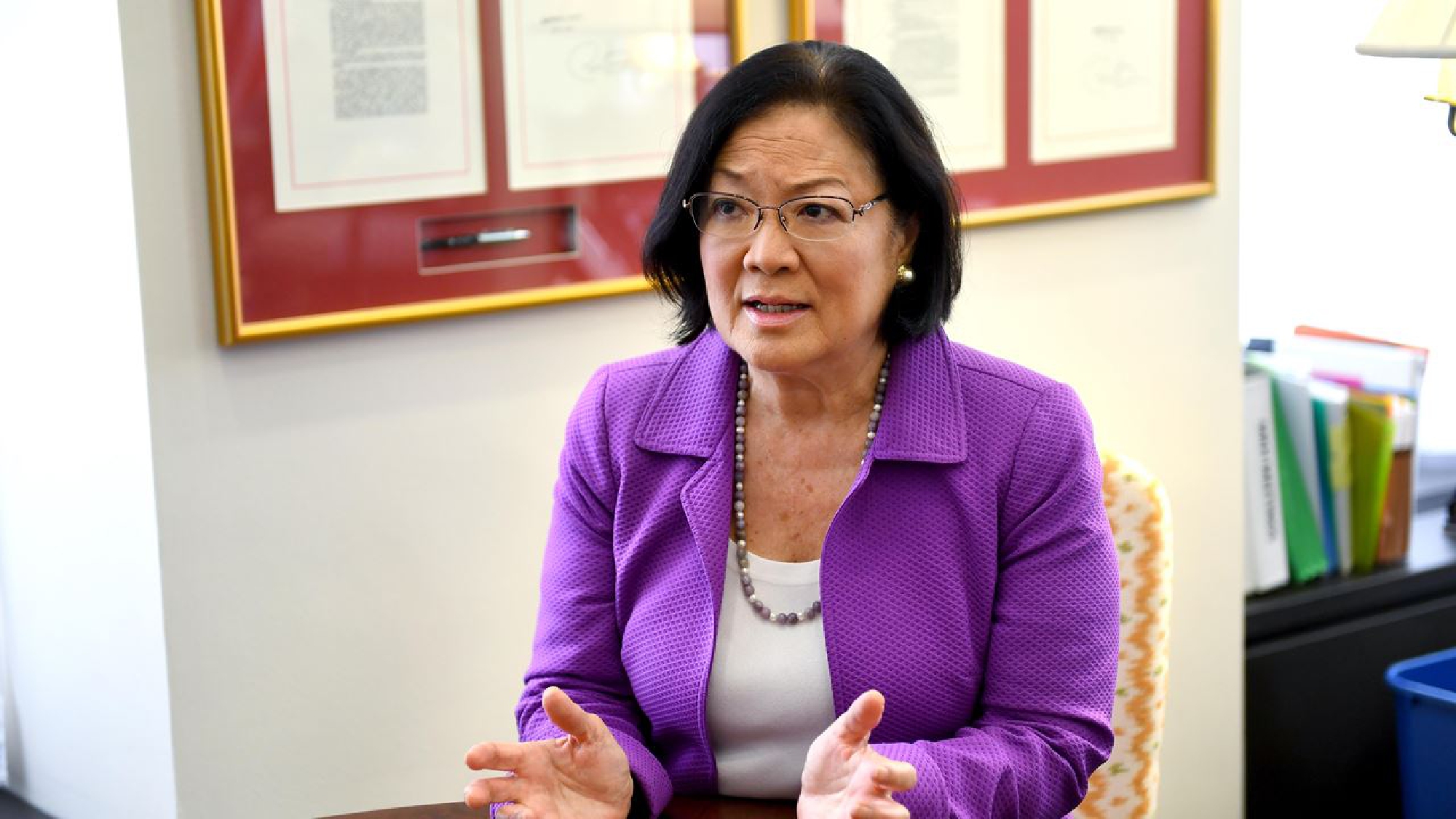
Sen. Mazie Hirono, D-Hawaii, introduced the bill last month, officially titled the COVID-19 Hate Crimes Act, based on a year’s worth of rising attacks after the pandemic began in Wuhan, China. Five days after Hirono introduced the legislation, eight people were killed, including six Asian women, in mass shootings at three Atlanta spas. The crimes heightened the pressure on Congress to respond to the rise in attacks against the Asian American community.

“I cannot tell you how important this bill is to the AAPI community, who often has felt very visible in our country, always seen as the other. And for them to experience that kind of hatred against them,” Hirono told reporters after the legislation passed.

With Rep. Grace Meng, D-N.Y., as the lead House sponsor, the legislation would assign an official in the Justice Department to review and expedite all reports of hate crimes related to the coronavirus, expand support for local and state law enforcement agencies responding to these hate crimes, and issue guidance on mitigating the use of racially discriminatory language to describe the pandemic.

Meng, in a statement after Thursday’s vote, said the House is expected to take up the legislation next month. President Joe oBiden has vowed to sign it when it reaches his desk.

Republicans at first hesitated to adopt a position on the legislation, which carefully avoids any mention of former president Donald Trump’s comments about the “Kung Flu” and “the China virus” as possible inspiration for attacks on Asian Americans – but the inference is easily understood.

In a rare bipartisan compromise, negotiators agreed to add a broader bill, the “No Hate Act” sponsored by Sens. Richard Blumenthal, D-Conn., and Jerry Moran, R-Kan. to provide federal funding to conduct broader studies about the number of hate crimes every year.

That decision cleared the way for last week’s initial vote to begin debate on the legislation, with 92 senators in support. Hirono and Sen. Susan Collins, R-Maine, then spent several days negotiating the final details of the bill, which ended up more expansive that its original design and drew more support.

“Senator Collins, I really appreciate your work on this bill. We would not be here without your support,” Hirono said during her speech.

“Crimes motivated by bias against race, national origin, or other characteristics simply cannot be tolerated. Our amendment both denounces these acts and marshals additional resources toward addressing and stopping these despicable crimes,” Collins said in her floor speech.

Their deal also assured that the Senate would reject three amendments offered by conservatives that would have been considered poison pills and brought down the entire legislation.

Supporters of the legislation cited one study in 16 major cities, where hate crimes decreased overall in the past year but those crimes against Asian Americans soared 145%.

At a news conference with Hirono and Schumer afterward, Sen. Tammy Duckworth, D-Ill., recalled regularly hearing the same phrase – “Where are you from, really?” – even while serving in the Army.

This legislation is needed, Duckworth said. “There’s a lot more work to be done. This is a good first step.”

Published : April 23, 2021

By : The Washington Post · Paul Kane

Singapore to bar visitors from India on worsening situation #SootinClaimon.Com

#SootinClaimon.Com : ขอบคุณแหล่งข้อมูล : หนังสือพิมพ์ The Nation.

https://www.nationthailand.com/international/40000128

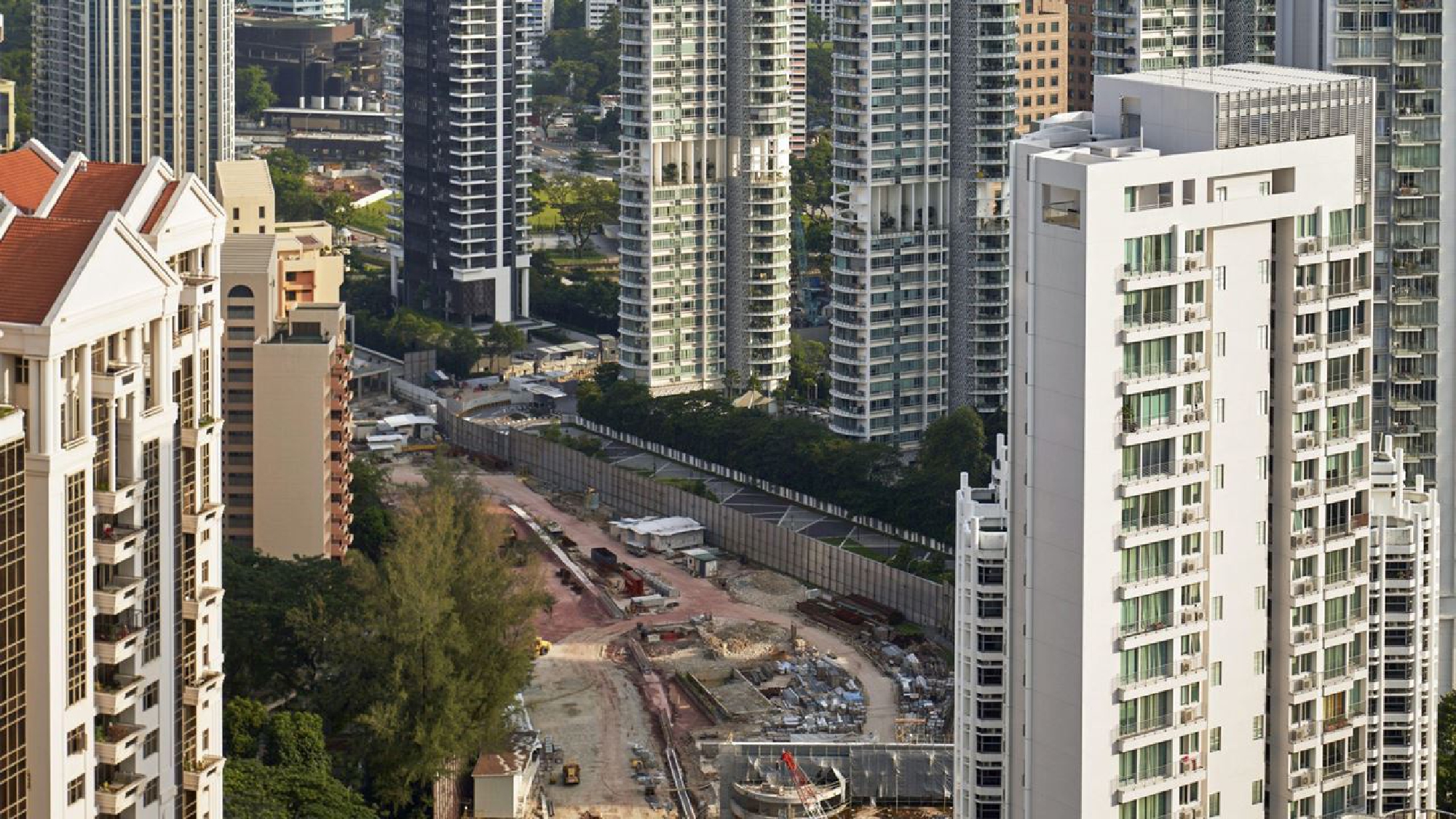
Singapore to bar visitors from India on worsening situation


Singapore said it will further tighten border controls with India, including a ban on visitors from the country, because of a “rapidly deteriorating situation” there.

Singapore to bar visitors from India on worsening situation

Authorities are also stepping up measures to prevent a wider outbreak within Singapore, officials said at a press conference on Thursday. Foreign workers and those working in the construction and marine sectors, who had previously been infected with covid-19 and recovered, are no longer exempted from measures like routine testing, the health ministry said in a statement Thursday.

From Saturday, all long-term pass holders, which include foreign spouses or children of citizens or residents, as well as short-term visitors, who have been in India for the last 14 days will not be allowed into Singapore, or to transit through the city-state, the health ministry said. This will also apply to those who had obtained prior approval for entry into Singapore, it said.

All travelers from India who haven’t finished their 14-day quarantine by Thursday will need to complete an extra seven-day isolation at dedicated facilities, instead of their homes, according to the statement.

The worsening pandemic in India has prompted travel restrictions in several countries. Australia will cut flights from India to reduce covid risk, Indian news channel NDTV said in a tweet. The U.K. added India to its travel ban list April 20, and earlier this month New Zealand temporarily suspended arrivals of its citizens and residents from India. Hong Kong banned flights from India, Pakistan and the Philippines for 14 days starting April 20, while Macau has extended the quarantine requirement for travelers from those three countries to 28 days.

India posted the world’s biggest one-day jump in coronavirus cases ever as a ferocious new wave grips the country, overwhelming hospitals and crematoriums and prompting frantic cries for help on social media. The South Asian nation reported 314,835 new infections Thursday, topping a peak of 314,312 recorded in the U.S. on Dec. 21.

The coronavirus strains detected among travelers entering the city-state have included 46 cases with variant B.1.617 from India, which has been dubbed the “double mutant.” All of the cases served quarantine upon arrival, the ministry of health said in a statement Thursday.

In Singapore, there has been a “worrying increase” in local cases, Health Minister Gan Kim Yong said in a briefing on Thursday. After months of almost zero new cases, a virus cluster was discovered this week in a foreign worker dormitory, sending more than a thousand laborers into government quarantine.

There is no evidence that recent cases at the Westlite Woodlands dormitory are linked to the new strain from India, the health ministry said. Still, many of the arrivals from India are workers in the construction and marine sectors, and there is still a risk a leak may happen even if they had been quarantined before starting work.

“If such a leak were to happen among new Indian arrivals working in these sectors, then a new strain may get leaked into the dormitory. And worse, even recovered or vaccinated workers may get infected,” Lawrence Wong, the education minister who co-chairs the virus taskforce, said at a briefing.

Among the additional rules to combat any virus spread among the migrant workers, Singapore will enroll the laborers back for regular routine testing once they have crossed 270 days from the date of their covid-19 infection.

“We know that this major move will have an impact on our construction, marine and process sectors, and many local SMEs and contractors will be badly impacted,” Wong said. “The government will be looking at providing additional support measures to help these companies.”

The 320,000 migrant workers living in dormitories who help build and service the city came into the spotlight last year as covid-19 raged through their packed buildings, threatening to wreck the nation’s efforts to control the virus. Singapore then confined these workers to their dormitories to prevent an outbreak in their ranks from spreading across the island, and many of the restrictions on their movement have remained.

Tan See Leng, the second minister for manpower, said plans to ease restrictions for the workers are now put on hold “for a while” given the new virus cluster at the dorm.

Published : April 23, 2021

By : Syndication Washington Post, Bloomberg · Philip J. Heijmans

Slow vaccine rollout could keep Australia isolated into 2022 #SootinClaimon.Com

#SootinClaimon.Com : ขอบคุณแหล่งข้อมูล : หนังสือพิมพ์ The Nation.

https://www.nationthailand.com/international/40000127

Slow vaccine rollout could keep Australia isolated into 2022


While much of the world contends with a surge in Covid-19 cases, Australia takes another big step toward normality this weekend when about 100,000 football fans will gather in the nations largest sports stadium, without having to wear masks.

Slow vaccine rollout could keep Australia isolated into 2022

The government has tamed the virus by shuttering the international border and through rigorous testing and contact tracing, giving Australians an enviable level of freedom. But after winning the containment battle, the country now risks losing the vaccination war as supply shortages and a slow rollout jeopardize the economic recovery.

International tourism and higher education have little chance of recovering until the borders reopen — and that won’t happen until most of the population has been vaccinated. With only 1.7 million shots delivered so far in a nation of almost 26 million, covering just 3.2% of its citizens, Australia is ranked 93rd on Bloomberg’s Global Vaccine Tracker.

The timeline for vaccinating all Australians by October has slipped, potentially into early next year, when Prime Minister Scott Morrison’s government will seek re-election.

“Some voters will feel the shine of managing the pandemic wear off if they see Australia trailing all these other countries in their vaccination rollouts,” said Jill Sheppard, a political analyst at the Australian National University in Canberra. “That could particularly hit Morrison around election time if they feel poor decision-making by the government is affecting their hip pocket.”

Australia is in a group of countries including neighboring New Zealand, South Korea and Taiwan that were successful in controlling the spread of covid-19, but have fallen short of the massive vaccination pushes seen in the U.S., U.K. and Europe.

Morrison says he’s secured access to 170 million doses and that his rollout strategy is now hostage to vaccine nationalism, with the European Union barring delivery of some 3 million AstraZeneca shots.

His plans have also been impacted by blood-clotting concerns, with Australia joining other nations in preferring not to give the Astra shot to people aged under 50. Locally made AstraZeneca jabs form the backbone of Australia’s vaccination effort and the health guidance has heightened concerns the rollout won’t be completed this year.

The main opposition Labor party is on the attack.

“The federal government hasn’t made the vaccines available,” Labor leader Anthony Albanese told reporters. “They have put all of their eggs in the AstraZeneca basket.”

The government also faces criticism for tasking family doctors to administer the bulk of jabs, rather than establishing mass vaccination hubs. Along with supply shortages, that’s contributing to the hold up, according to Catherine Bennett, the chair in epidemiology at Melbourne’s Deakin University.

“There’s been more of a trickle feed in the early stages of the distribution,” she said.

In a bid to ramp up the rollout, Morrison announced on Thursday that Australia will prioritize Pfizer vaccines for those aged under 50, people in elderly and disability care, quarantine workers, and individuals in remote areas. In a bid to relieve stress on the hotel quarantine system, direct flights for Australian citizens returning from India — which is suffering a deadly virus surge — will be cut by 30%.

With the threat of infection relatively low in Australia, concerns about the safety of vaccines may also be slowing the rollout. A survey of Australians released last month showed that while 59% of respondents intend to get vaccinated, 29% had low levels of hesitancy, 7% had high levels of hesitancy and 6% were resistant to getting the jab.

According to an Essential Report survey published last week, 52% of voters think Australians are being vaccinated too slowly. Some 42% blamed Morrison’s government, while 24% said it was due to international supply chains. The same poll predicted a narrow election victory for Labor.

Airlines and tourism operators are among the most vocal in demanding a quicker rollout. Qantas Airways’s Chief Executive Officer Alan Joyce told reporters last week that Australia “cannot be laggards here and fall behind the rest of the world.”

Paul Bloxham, chief economist in Australia for HSBC Global Research, says Australia’s economy won’t reach its potential until the international border reopens.

Open borders support “migrant flow (population growth), tourism, foreign student arrivals and the movement of workers,” he wrote in an April 18 research note. “Recent delays in the vaccine rollout mean a clear risk of a delayed border reopening.”

That may not immediately worry the thousands of sports fans who’ll gather in Melbourne to watch the football on Saturday night.

“Enjoy the footy,” Health Minister Greg Hunt told Australians on Tuesday. “Revel in the fact that Australia is in an almost unique and a deeply privileged position in a world which otherwise is facing a pandemic.”

Yet should Australia’s remain cut off from most of the world into next year, the government may face a backlash, said Helen Pringle, a researcher at the University of New South Wales.

“The government has consistently asked Australians to contrast their experience of what’s happened in the U.S. and Europe,” Pringle said. It could be punished “if it becomes clear that we’ve lost that edge.”

Published : April 23, 2021

By : Syndication Washington Post, Bloomberg · Jason Scott

Russia to pull troops back from Ukraine border, easing tensions #SootinClaimon.Com

#SootinClaimon.Com : ขอบคุณแหล่งข้อมูล : หนังสือพิมพ์ The Nation.

https://www.nationthailand.com/international/40000126

Russia to pull troops back from Ukraine border, easing tensions


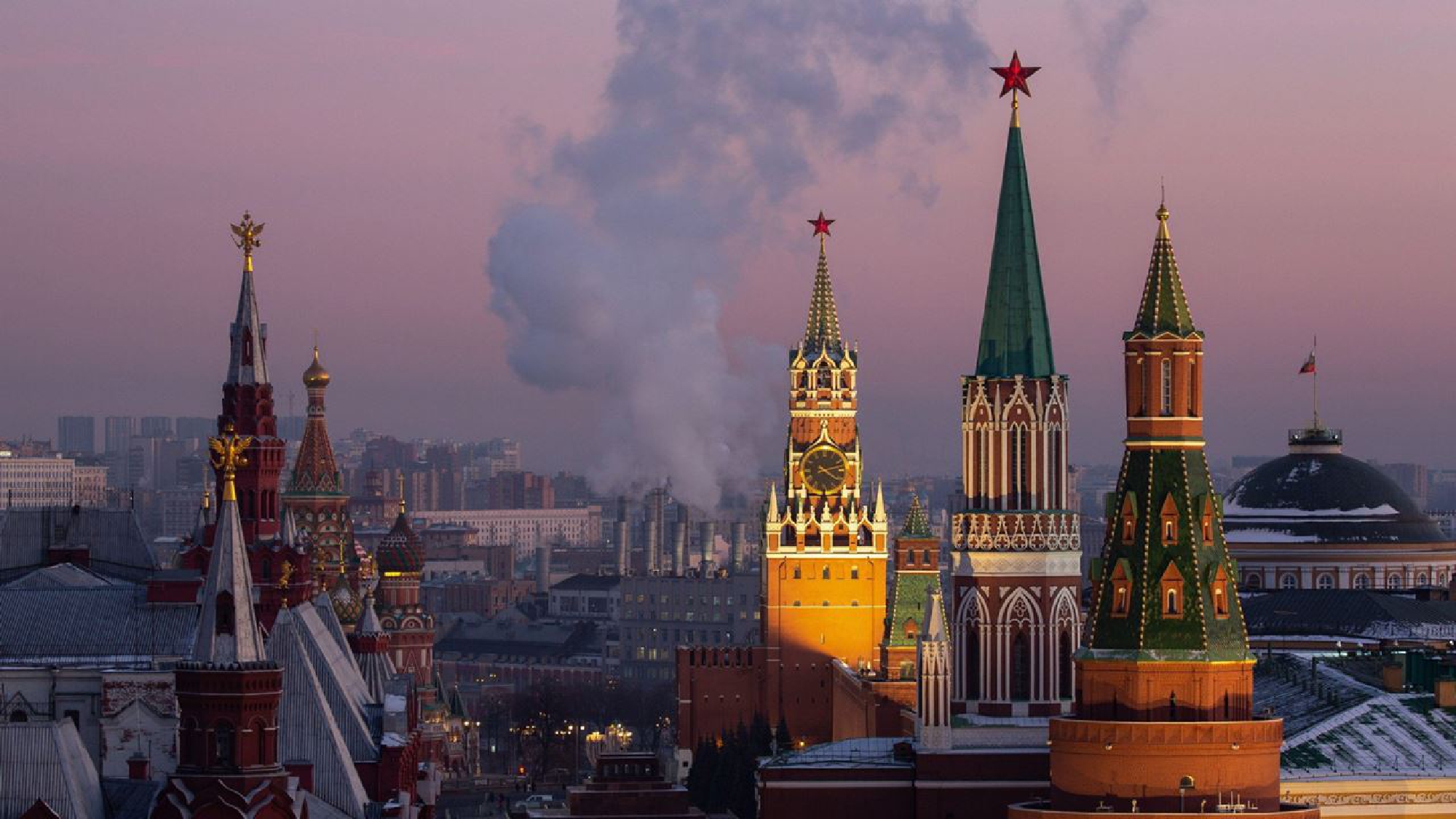
Russia said it will begin pulling thousands of troops back from areas near the Ukrainian border starting Friday, in a step that could calm strains with the West that have surged in recent weeks.

Russia to pull troops back from Ukraine border, easing tensions

Ukrainian President Volodymyr Zelensky welcomed the move, saying in a tweet it “reduces tension.”

The ruble gained as much as 1.4% against the dollar and the cost of insuring Russian debt against default fell the most in 10 months after the news. The Russian currency had slipped amid fears the conflict could bring new Western sanctions. Ukraine’s hryvnia rose to the highest level since April 14.

The military units will return to their bases by May 1, Russian Defense Minister Sergei Shoigu said Thursday in Crimea, where he’s on a visit to review maneuvers.

“The goals of these surprise checks were fulfilled completely. The forces showed their ability to reliably defend the country,” he told commanders, announcing the end of the operation. “The military activity of NATO in this region has significantly increased,” Shoigu noted, according to a ministry press release.

Western officials say Russia moved as many as 100,000 troops, as well as tanks, warplanes and other equipment, to areas near the border with Ukraine in recent weeks, the largest such buildup in years. The U.S. and its European allies called on the Kremlin to pull the forces back but Moscow said it’s free to deploy its military wherever needed on its territory.

“Moscow thinks that it got its message across,” said Fyodor Lukyanov, head of the Council on Foreign and Defense Policy, which advises the Kremlin. “There’s been some de-escalation and now the confrontation has returned to the political and diplomatic sphere.”

To be sure, there was no immediate sign the withdrawal would take place as announced and Russia has changed plans for deployments on short notice in the past. Adding to the uncertainty, the Defense Ministry said it would leave the tanks and other equipment of one of the major units in the area near the border ahead of exercises planned for the fall.

Amid the crisis, U.S. President Joe Biden called Vladimir Putin to appeal to the Russian leader to reduce tensions, offering the prospect of a summit meeting later this year, a gesture welcomed in Moscow.

Russia denied its buildup was a threat to Ukraine but the Kremlin had charged the government in Kyiv with planning an assault on Donbas separatist regions in the east of the country that are backed by Moscow. The Ukrainian government rejected those claims and accused Moscow of planning a military incursion of its own.

As recently as Tuesday, Shoigu had accused Ukraine of seeking to destabilize the Donbas and said the troop buildup was a response to threats from the North Atlantic Treaty Organization. On April 13, he said the exercises would end within two weeks.

On Tuesday, German Chancellor Angela Merkel called the situation “extremely tense and very worrying as a result of the concentration of forces on the Russian side of the Ukrainian border.” She and other western leaders had repeatedly appealed to the Kremlin to de-escalate.

Putin on Wednesday warned the West against crossing Russia’s “red line” but his spokesman Thursday declined to specify where that line lies with regard to Ukraine.

Published : April 23, 2021

By : Syndication Washington Post, Bloomberg · Ilya Arkhipov, Daryna Krasnolutska

Stocks rebound as dip buyers fuel reopening trade #SootinClaimon.Com

#SootinClaimon.Com : ขอบคุณแหล่งข้อมูล : หนังสือพิมพ์ The Nation.

https://www.nationthailand.com/international/40000085

Stocks rebound as dip buyers fuel reopening trade


Stocks snapped a two-day drop as dip buyers emerged, fueling a rally in companies that stand to benefit the most from an economic revival. Treasuries were little changed.

Stocks rebound as dip buyers fuel reopening trade

Most major groups in the S&P 500 rose, with raw-material, energy and industrial shares leading the charge. A gauge of small caps climbed more than 2%, outperforming major benchmarks. CSX Corp. paced gains in the Dow Jones Transportation Average after a strong revenue outlook. Netflix Inc. tumbled on disappointing subscriber figures. The Canadian dollar advanced as the nation’s central bank said it’ll pare back asset purchases and move up its expected timeline for potential rate hikes.

Equities rebounded as traders sifted through corporate results for signs on whether an anticipated jump in profits would bring with it forecasts for stronger growth. Earlier losses were driven by concern over a flare-up in coronavirus cases around the world that could jeopardize an economic rebound, with stocks trading near their all-time highs.

“Investors are trying to figure out what’s going to accelerate through the reopening based on earnings and guidance, while simultaneously keeping an eye on any reports of a coronavirus resurgence globally,” said Mike Loukas, chief executive officer at TrueMark Investments. “It’ll be a tug-of-war for direction on certain days.”

Earnings season may be just the spark the Russell 2000 needs after trailing major benchmarks this month. The gauge’s revenue is set to grow by 8.7%, beating the S&P 500’s by 226 basis points, wrote Bloomberg Intelligence’s Michael Casper and Gina Martin Adams. The small-cap index’s cyclical sectors — led by raw-material, financial and consumer-discretionary companies — are expected to drive the sales growth, according to analysts’ consensus estimates.

These are some of the main moves in markets:

Stocks

The S&P 500 climbed 0.9% at 4 p.m. EDT.

The Stoxx Europe 600 Index rose 0.7%.

The MSCI All-Country World Index gained 0.4%.

Currencies

The Bloomberg Dollar Spot Index decreased 0.1%.

The euro was little changed at $1.2034.

The Japanese yen was little changed at 108.07 per dollar.

Bonds

The yield on 10-year Treasurys fell one basis point to 1.55%.

Germany’s 10-year yield was unchanged at -0.26%.

Britain’s 10-year yield climbed one basis point to 0.74%.

Commodities

West Texas Intermediate crude fell 2.7% to $61 a barrel.

Gold gained 0.9% to $1,794.90 an ounce.

Published : April 22, 2021

By : Syndication Washington Post, Bloomberg · Rita Nazareth, Kamaron Leach

Biden says guilty verdict in Floyd murder offers a chance at reform #SootinClaimon.Com

#SootinClaimon.Com : ขอบคุณแหล่งข้อมูล : หนังสือพิมพ์ The Nation.

https://www.nationthailand.com/international/40000084

Biden says guilty verdict in Floyd murder offers a chance at reform


WASHINGTON – Almost immediately after former Minneapolis police officer Derek Chauvin was found guilty of murdering George Floyd late Tuesday afternoon, President Joe Biden was on the phone from the Oval Office, eager to talk to Floyds family.

Biden says guilty verdict in Floyd murder offers a chance at reform

“At least, God, now there is some justice,” Biden told a tearful family, gathered in a courthouse hallway and crowded around with the president on speakerphone. “We’re all so relieved . . . Guilty on all three counts. It’s really important.”

The family urged him to ensure police reform was accomplished, that the moment was used to usher in new change in a country grappling with frequent spasms of violence and an underpinning of racial unrest.

“You got it, pal,” Biden said, in video captured by family attorney Ben Crump. “That and a lot more . . . This gives us a shot to deal with genuine, systemic racism.”

He then offered to bring them to Washington on Air Force One.

The guilty verdicts on all counts against Chauvin, who is White, for killing Floyd, who was Black, makes this case different than many previous ones – creating a potential inflection point for a president who made racial equity and police reform a centerpiece of his presidential campaign, but who hasn’t yet placed it at the forefront of his presidency.

In a striking scene, the man who was the vice president to the nation’s first Black president was joined by the woman he chose as the nation’s first Black vice president. The two of them watched the verdict together in the Private Dining Room at the White House before calling the family afterward and then offering back-to-back remarks to the nation.

“Black Americans, and black men in particular, have been treated throughout the course of our history as less than human,” Harris said in raw and pointed remarks. “Black men are fathers. And brothers. And sons. And uncles. And grandfathers. And friends. And neighbors.”

A president who never marched for civil rights – even though at times he claimed he did – and who admittedly was the one wearing a suit jacket rather than the flak jackets or tie-dyed shirts of 1960s protesters is now in a unique role at a unique moment in history.

Biden on Tuesday was not necessarily soothing a skittish nation – one that was prepared for widespread protests, with helicopters hovering over boarded-up downtowns around the country – but instead is now attempting to create momentum for police reform.

“This can be a moment of significant change,” Biden said. “We have a chance to change the trajectory in this country.”

His remarks to the nation came hours after he made extraordinary comments earlier in the day as the jury was still deliberating, saying that he viewed the evidence as “overwhelming” and said he was praying for “the right verdict.”

Floyd’s death nearly a year ago, and the national protests that came afterward, were a key moment for Biden’s presidential campaign. They triggered new policies and commitments, and prompted Biden to make his calls for racial equity and an overhaul of the criminal justice system a more central element of his message.

The death spurred Biden to make one of his first trips after a lengthy period of staying at home due to the coronavirus pandemic, traveling to visit the Floyd family in Houston and developing a personal connection that he has often referenced since. He also recorded a video that played at the funeral.

“The original sin of this country still stains our nation today, and sometimes we manage to overlook it,” he said four days after Floyd’s death. “None of us can turn away. None of us can be silent. None of us can any longer, can we hear the words ‘I can’t breathe’ and do nothing.”

He said that it was “a national crisis” that called out for “real leadership.”

“It’s going to require those of us who sit in some position of influence to finally deal with the abuse of power,” he said.

Yet for Biden’s first three months in office, there has not been a concerted push for police reform – even as there have been a number of high-profile shootings. He has abandoned his pledge to form a police oversight commission. White House officials have pointed toward appointments he has made at the Justice Department, and insist they will investigate police misconduct.

Biden supports congressional legislation named after Floyd, but officials have not detailed efforts Biden has made to ensure its passage, the way he has on other top priorities like covid relief legislation.

Fatal police shootings have remained constant since The Washington Post began tracking them in 2015, and there has been little change since Biden took office. There have been 274 shootings so far this year, putting it on course to be the same number this year – around 1,000 – as it has been in recent years without a major shift in police culture or restrictions on gun ownership.

“Enough. Enough. Enough of the senseless killings,” Biden said in his remarks on Tuesday evening.

“Today’s verdict is a step forward,” he added. “Such a verdict is also much too rare. For so many people it seems like it took a unique convergence of factors.”

He said that having a killing that took place in broad daylight – extending for nearly 10 minutes and captured on video – highlighted in full view what many Black Americans deal with daily. He also noted how remarkable it was that fellow police officers testified against Chauvin, rather than close ranks around him.

“Most men and women who wear the badge serve their communities honorably,” Biden said. “But those few who fail to meet that standard must be held accountable . . . Today’s verdict sends that message. But it’s not enough. It can’t stop here.”

Biden has been closely following the trial and he called Floyd’s brother Philonise on Monday after the jury was sequestered.

“They’re a good family,” Biden said earlier on Tuesday. “And they’re calling for peace and tranquility no matter what that verdict is.”

But Biden also went further, calling the evidence for a guilty verdict “overwhelming,” an unusually blunt assessment from the White House on a volatile case that has not yet been decided.

“I’m praying the verdict is the right verdict, which is, I think – it’s overwhelming, in my view,” Biden said.

He added: “I wouldn’t say that unless the jury was sequestered now.”

While the comments may not have had any bearing on the case itself, they were highly unusual from a president and could provide another reason for Chauvin’s defense to argue the trial has not been fair.

Making Biden’s comments even more notable, the state judge overseeing the case had warned Monday that politicians should avoid publicly opining on the case. That rebuke was aimed at Rep. Maxine Waters, D-Calif., who on Saturday night said protesters should “stay on the street” and “get more confrontational” if there is not a guilty verdict.

Judge Peter Cahill denied the defense’s motion for a mistrial because of Waters’s comments, though he said that they may have given the defense attorney a reason to file an appeal.

Biden’s comments drew swift criticism from lawyers, including some usually sympathetic to him.

“No sitting President should be publicly weighing in on how a jury should rule in a pending criminal matter,” tweeted Bradley Moss, a lawyer who specializes in national security. “No president, liberal or conservative, democrat or republican.”

As president, Donald Trump was often criticized by Democrats and legal ethicists for giving his opinion on legal matters that were not yet resolved, especially if they were under the jurisdiction of federal officials. Chauvin’s trial is being handled by the state of Minnesota.

After Biden made the comments Tuesday, White House press secretary Jen Psaki stressed that he had waited until after the trial was completed and the jury was sequestered to offer any opinion, arguing that meant he was not infringing on the prospect of an impartial decision.

“I don’t think he would see it as weighing in on the verdict,” Psaki said. “He was conveying what many people are feeling across the country, which is compassion for the family, what a difficult time this is, what a difficult time this is for many Americans across the country who have been watching this trial very closely.”

Later in the day, in the call with Floyd’s family after the verdict, Biden referenced the compassion he felt for them. He spoke specifically of Floyd’s young daughter, Gianna, and pointed to her as a rallying cry.

“I keep thinking of her words, ‘Daddy’s gonna change the world,’ ” Biden told the family. “Well, we got a shot to make change.”

Published : April 22, 2021

By : The Washington Post · Matt Viser

Biden presses employers to provide paid time off for vaccine shots, recovery #SootinClaimon.Com

#SootinClaimon.Com : ขอบคุณแหล่งข้อมูล : หนังสือพิมพ์ The Nation.

https://www.nationthailand.com/international/40000083

Biden presses employers to provide paid time off for vaccine shots, recovery


WASHINGTON – President Joe Biden on Wednesday sought to jump-start suddenly slowing vaccinations of Americans against covid-19, pressing businesses and nonprofits to give employees paid time off for the shots and touting government funding to underwrite some of the costs of that time.

Biden presses employers to provide paid time off for vaccine shots, recovery

The initiative, designed to encourage millions of unvaccinated people to get immunized, sends one of the strongest signals yet that vaccine demand is emerging as a bigger challenge than supply. It marks a shift from months of long waiting lists and limited opportunities for Americans to get vaccinated. Biden announced Wednesday that the United States will hit 200 million vaccination shots by Thursday, a target he had set out to meet by the end of April.

“I’m calling on every employer large and small in every state to give employees the time off they need, with pay, to get vaccinated,” Biden said. “No working American should lose a single dollar from their paycheck because they chose to fulfill their patriotic duty of getting vaccinated.”

Repeatedly declaring the country had entered a “new phase” in which all Americans ages 16 and older can get vaccinated, Biden warned that “the broad swath of American adults still remain largely unvaccinated,” and lamented that “too many younger Americans may still think they don’t need to get vaccinated.”

“To put it simply, if you’re waiting for your turn, wait no longer,” he said.

Biden’s pitch comes amid both hopeful and concerning signs in the nationwide effort to vaccinate people as quickly as possible. After weeks of accelerating daily inoculations, the average daily number of reported shots in arms slowed significantly over the past week, with an 11 percent drop in daily shots administered nationally, according to data from the Centers for Disease Control and Prevention.

More than 40% of the U.S. population has received at least one dose of the vaccine. At the same time, most Americans who haven’t been immunized say they’re unlikely to get the shots, a recent poll showed. Meanwhile, a pause in the use of Johnson & Johnson’s vaccine has complicated efforts to swiftly administer shots.

In an afternoon speech at the White House, Biden called on all companies to provide employees with paid time off to get shots and to rest if they feel unwell afterward.

The president highlighted a tax credit in his $1.9 trillion pandemic relief law, which will reimburse businesses and nonprofits with fewer than 500 employees for up to $511 per day of paid vaccination leave offered between April 1 and Sept. 30, to a maximum of 10 work days.

“Every employee should get paid leave to get a shot, and businesses should know that they can provide it without a hit to their bottom line,” Biden said. “There’s no excuse for not getting it done.”

At least 133 million people have received one or both doses of the vaccine in the United States, according to Washington Post data. More than 86 million people are fully vaccinated, the data show. By Thursday, Biden said, 80% of American seniors will have had at least one shot.

But many Americans are still reluctant to get vaccinated. Polling shows opposition to the vaccine is much more pronounced among Republicans than Democrats.

The new tax credit is part of the government’s quest to buttress efforts in the private sector aimed at encouraging vaccination. Large employers from American Airlines to Target have unveiled incentives for employees to get vaccinated, from an extra day off next year to free rides to vaccination sites.

The success of those initiatives could help determine how businesses approach requiring the vaccine for their employees – a vexed political debate that the administration has sought to leave to the private sector.

Short of mandates, however, Biden administration officials said they had examined research showing employers have outsize influence in reaching the remaining unvaccinated population. The tax credit, they said, would provide the financial support necessary to allow small businesses to make vaccination convenient for their employees.

The approach is wise, experts said, because some of the workers most at risk of coronavirus exposure may be reluctant to get vaccinated if it means sacrificing limited time off.

“I think it’s a very smart move,” said Dorit Rubinstein Reiss, a professor at the University of California Hastings College of the Law. An even more immediate way to support small businesses in guaranteeing paid time off, she said, would be to provide direct payments to employers who show that they’re providing this benefit.

Nirav Shah, director of the Maine Center for Disease Control and Prevention and president of the Association of State and Territorial Health Officials, welcomed the announcement, saying it was vital for government to help remove various “social determinants” blocking access to vaccination, from work to transportation to child care.

As Biden approaches his 100th day in office, he is eager to highlight the progress he has made in combating the pandemic. The president has made fighting the coronavirus the dominant focus of the early part of his presidency. He campaigned aggressively on the issue last year and signed the sweeping covid-19 relief bill into law earlier this year.

Biden pledged in a news conference in late March that the U.S. would administer 200 million coronavirus vaccine shots by the end of April – doubling a prior goal of 100 million shots in his first 100 days in office. On Wednesday, he called hitting that milestone ahead of that deadline an “incredible achievement for the nation.”

The president delivered his Wednesday address just days after residents 16 and older became eligible for vaccination, a dynamic Biden promoted this week in a video.

“We have enough of it, you need to be protected, and you need in turn to protect your neighbors and your family. So please, get the vaccine,” Biden says in the video.

Biden said Wednesday he hoped the U.S. could help provide other countries with vaccines to address the pandemic, but that domestic supply had not yet reached a high enough level to do that in earnest.

“We don’t have enough to be confident to give it send it abroad now. But I expect we’re going to be able to do that,” he said.

Published : April 22, 2021

By : The Washington Post · Sean Sullivan, Isaac Stanley-Becker

Verdict heard around the world: Global reactions to the George Floyd case #SootinClaimon.Com

#SootinClaimon.Com : ขอบคุณแหล่งข้อมูล : หนังสือพิมพ์ The Nation.

https://www.nationthailand.com/international/40000082

Verdict heard around the world: Global reactions to the George Floyd case


The conviction of former Minneapolis police officer Derek Chauvin in the killing of George Floyd resonated globally, with foreign dignitaries and community leaders reacting to a verdict that revived calls for an international reckoning on racial inequality in justice systems around the world.

Verdict heard around the world: Global reactions to the George Floyd case

Chauvin, who is White, was found guilty Tuesday of second-degree unintentional murder, third-degree murder and second-degree manslaughter in the death of Floyd, a Black man he pinned down outside a grocery store last year.

Foreign media outlets ran live coverage, showing how the trial resonated far beyond its national context, and highlighting the outsized role the U.S. racial justice conversation plays internationally as the rest of the world is forced to grapple with its own race relations.

“I got messages from all over the world – Ghana, London – saying we can’t breathe until you can breathe,” said George Floyd’s brother Philonise. “Well, today we are able to breathe again. Justice for George means freedom for all.”

British Prime Minister Boris Johnson wrote on Twitter on Tuesday that he “was appalled by the death of George Floyd and welcome this verdict,” while the leader of the opposition Labour Party, Keir Starmer, simply wrote “justice.”

London Mayor Sadiq Khan tweeted that the verdict itself won’t heal the pain of loss for Floyd’s family, which reverberated around the world. “The guilty verdict must be the beginning of real change – not the end.”

The ruling made the front pages of several British dailies on Wednesday – including The Times of London and The Daily Telegraph.

“Guilty, Guilty, Guilty,” read the front cover of The Metro, while The Daily Mail asked “Now can George Floyd verdict bring peace to America’s race turmoil?”

In Canada, Prime Minister Justin Trudeau welcomed the verdict but said it “underlines that there’s an awful lot of work to do.”

Floyd’s killing proved to be a moment of reckoning not only in the United States but across the world, as protesters took to the streets calling for justice in his case and pointing to what they saw as parallels in their own communities. In Britain last year, they chanted for Mark Duggan, a 29-year-old who was shot by police during his attempted arrest in 2011. In France, they said the name Adama Traoré, a 24-year-old who died in police custody in 2016.

In Japan, crowds last year gathered in Osaka holding signs that read “Black lives matter” while in Germany protesters took to the streets of Berlin holding up placards that said “white silence is violence,” and “I can’t breathe.”

Foreign news outlets featured prominent coverage of the verdict on their websites, with the Australian Broadcasting Corp. running live coverage and French newspaper Le Monde featuring it at the top of its website.

In Australia, where Floyd’s death last year spurred a resurgence in activism over Indigenous people’s deaths in custody, the guilty verdict led to fresh calls for authorities to scrutinize more than 400 Aboriginal deaths in custody, along with a painful realization that such a conviction would be unlikely there.

“Even [compared to] somewhere like America that is seen as Ground Zero for police brutality, Australia is less accountable to the brutality of its prison and police officers,” said Latoya Aroha Rule, who lost a brother, Wayne Fella Morrison, in 2016 after he was pinned down by seven correctional officers and placed facedown in the back of a prison van, his hands and feet bound with restraints and a spit-hood pulled over his head. An inquest into his death begins next week.

“An outcome like George Floyd’s case is not possible for our case,” said Rule, who helped organize Black Lives Matter rallies in cities across Australia last year. “It took more than a year and a very long history of civil rights advocacy to get to this point, to charge one officer for one murder. But it does only take one injustice sometimes, when people choose to act. I have to remain hopeful this will have some implication in the global racial violence and injustice movement.”

On Twitter, people also pointed to the case of David Dungay Jr., a 26-year-old Aboriginal man who died in similar circumstances in a Sydney correctional facility in 2015 after being restrained by five prison guards in his cell.

Video footage aired at a subsequent inquest showed Dungay telling the guards who were pinning him to his bed “I can’t breathe” at least 12 times. The inquest didn’t recommend disciplinary action against the guards.

The effort to connect George Floyd’s death to racial justice issues around the world has faced resistance from some leaders. In Australia, Prime Minister Scott Morrison and other conservative lawmakers blamed last year’s protests on fringe groups they said were using the U.S. protests to stoke divisions. Morrison’s office didn’t respond to a request for comment on the verdict.

Even as many around the world welcomed the verdict, a top police official in Australia’s most populous state appeared on television and radio decrying a Sydney school for allowing anti-police and Black Lives Matter posters in classrooms, calling it “indoctrination” and maintaining there was no “race problem” in Australia.

“The racist rants . . . lines about how white lives don’t matter or they matter too much; this is the sort of racism that gets the United States into trouble. It has got no place in Australia,” said David Elliott, the New South Wales police minister.

Published : April 22, 2021

By : The Washington Post · Siobhán O’Grady, Rachel Pannett, Jennifer Hassan

Homegrown Indian covid vaccine already in use shows 78% efficacy #SootinClaimon.Com

#SootinClaimon.Com : ขอบคุณแหล่งข้อมูล : หนังสือพิมพ์ The Nation.

https://www.nationthailand.com/international/40000081

Homegrown Indian covid vaccine already in use shows 78% efficacy


An Indian covid-19 shot showed 78% efficacy from interim data at preventing mild, moderate and severe reactions to the disease and worked against most variants of the virus as the South Asian nation struggles to contain a record surge across the country.

Homegrown Indian covid vaccine already in use shows 78% efficacy

The inoculation known as Covaxin, a two-shot injection that uses an inactivated or dead form the virus, also showed 100% efficacy at preventing severe symptoms and hospitalizations against the coronavirus, vaccine maker Bharat Biotech International and the Indian Council for Medical Research, the co-developers, said in a joint statement on Wednesday.

The data from final stage trials that enrolled 25,800 participants has yet to be peer reviewed and a final analysis will be available from June, according to the statement.

“Covaxin works well against most variants of SARS-CoV-2,” Balram Bhargava, the director general of the Indian Council of Medical Research, said in the statement, which added that several million doses of Covaxin had already been administered in the country. The medical agency also said in a Tweet that the vaccine “effectively neutralizes” a double mutant strain that has been detected and caused widespread concern in India.

The latest readings add to another interim statement last month that claimed the vaccine showed an 81% efficacy rate in those without prior infection after a second dose, adding to certainty over Covaxin after the shot was contentiously approved in January before it had completed Phase 3 testing. The vaccine was repeatedly marred by controversies almost as soon as work on its development was authorized last June. Those ranged from unrealistic government schedules for its release to sporadic reports of adverse reactions.

Now with India’s health system on the verge of collapse as it hits record rates of covid infections and deaths, the government is pressuring the country’s vaccine makers to quickly speed up their output amid a supply crunch. Bharat Biotech, which has been earmarked for a 650 million rupee ($8.6 million) government grant, said on Tuesday that it would try to scale up production of Covaxin to about 700 million doses on an annual basis and double its output by June and then push out nearly 100 million doses per month by September.

India has currently authorized three vaccines. Two of them from Astrazeneca Plc and Bharat Biotech are already in use, while the third — Russia’s Sputnik V — was greenlit last week. The South Asian nation has also fast-tracked approval for foreign vaccines.

Despite India curbing vaccine exports this month as it attempts to get a grip on a new and overwhelming wave, Bharat Biotech said more than 60 countries have expressed interest in Covaxin, which “has quietly validated our efforts,” Suchitra Ella, the company’s joint managing director, said in the statement.

However, in March Brazil’s health agency blocked the country’s importation of 20 million Covaxin doses after inspectors said Bharat Biotech’s facilities didn’t meet requirements following an audit.

Published : April 22, 2021

By : Syndication Washington Post, Bloomberg · Chris