South Korea court dismisses comfort women compensation case
A South Korean court dismissed a lawsuit against Japan to compensate women forced to work in its World War II-era front-line brothels, a boost for Tokyo amid a series of Korean court rulings awarding damages that sent relations plummeting between the U.S. allies.
The Seoul Central District Court ruled Wednesday that Japan had sovereign immunity in the case brought on behalf of 20 plaintiffs, and as a foreign state, was not liable to pay compensation in a South Korean civil suit.
The court said in its decision that diplomatic friction with Japan would be “inevitable” if the principle of state immunity is denied. It added a 2015 bilateral agreement between South Korea and Japan that set up a compensation fund for the victims euphemistically called “comfort women” was still in effect.
The ruling came after the same Seoul court, but with a different panel of judges and plaintiffs, in January reached a landmark decision that ordered the Japanese government to pay 100 million won ($90,000) each in the case brought on behalf of 12 other women forced to work in front-line brothels
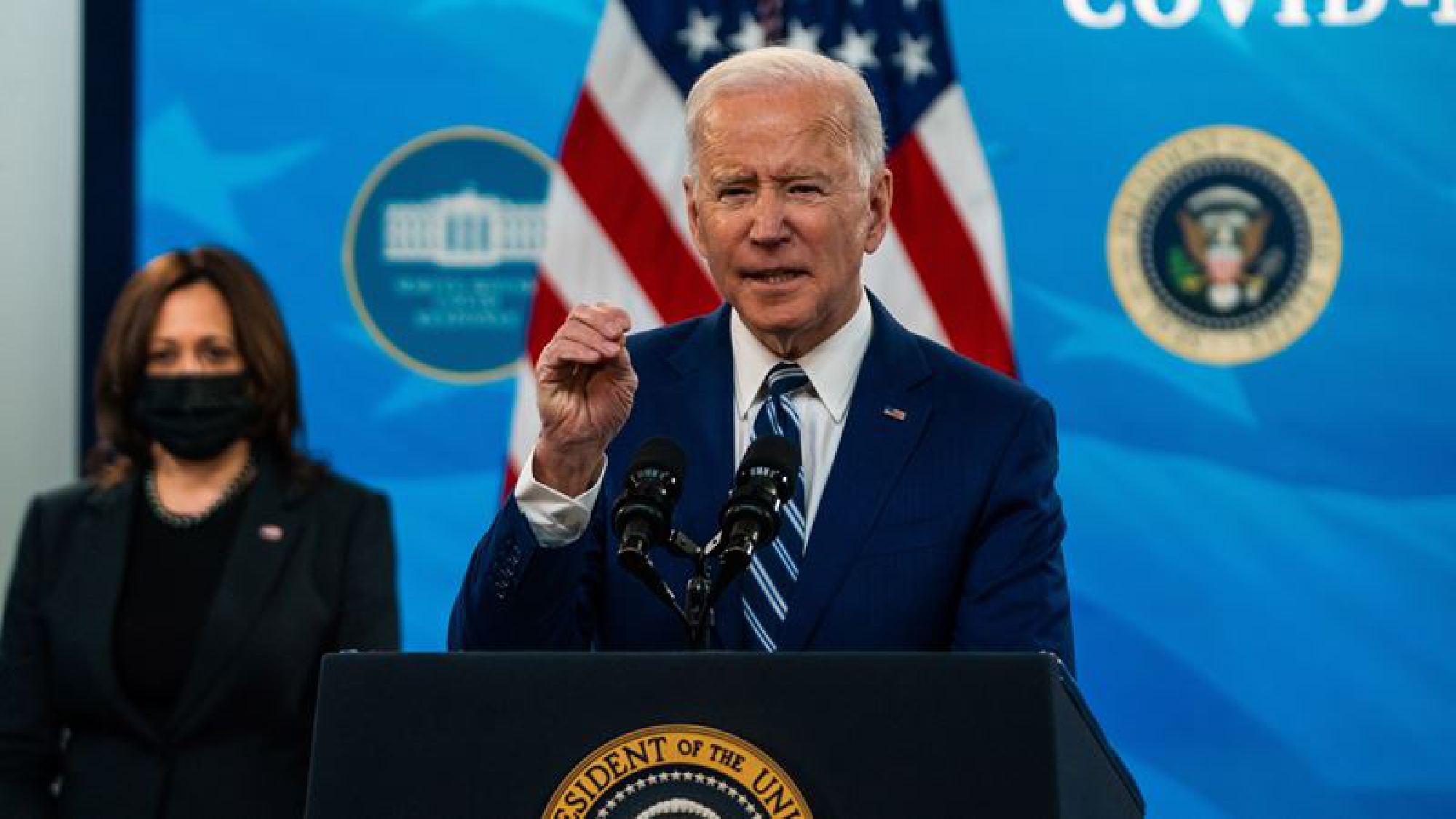
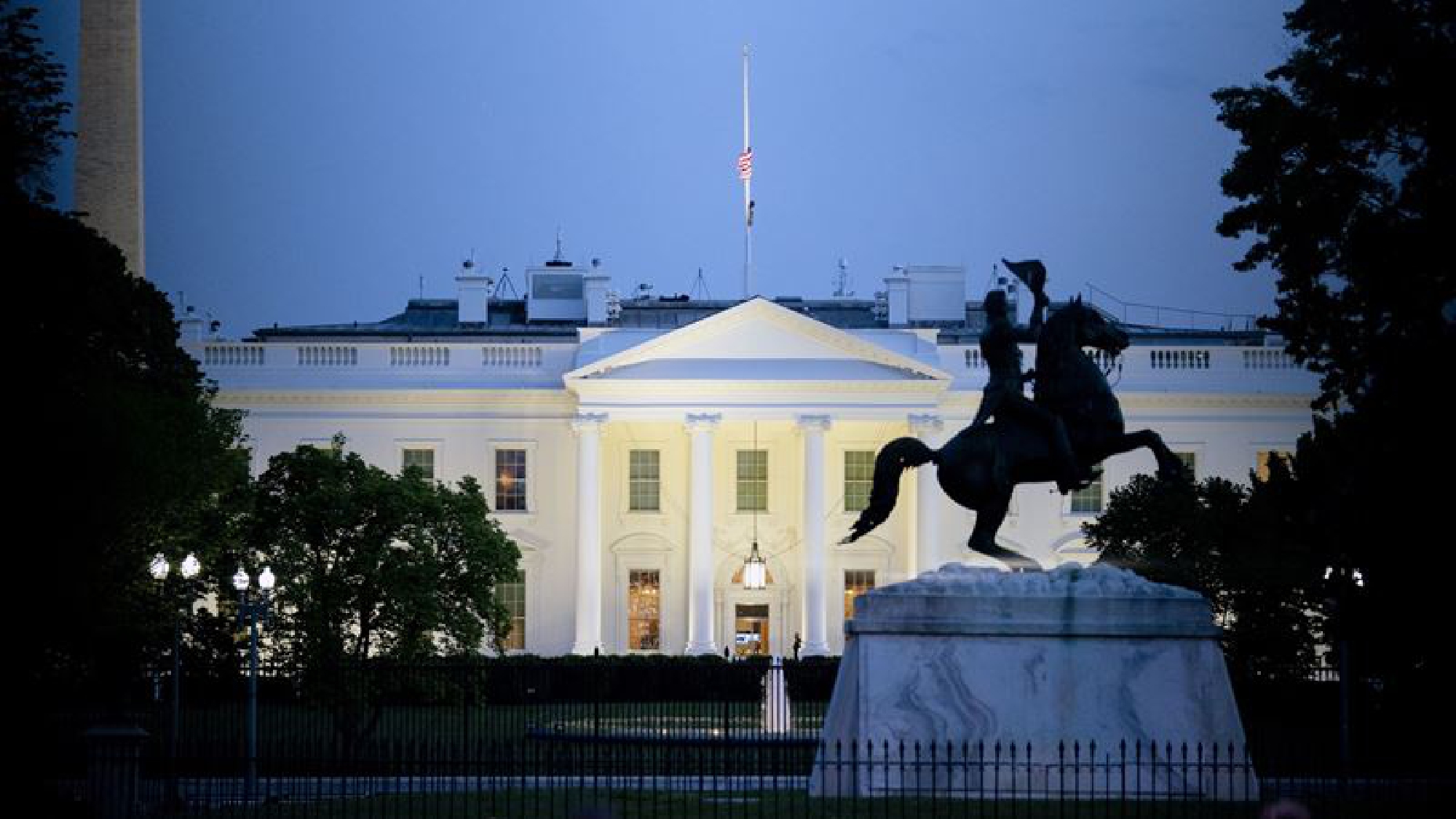
That decision, which came just before Joe Biden took office, widened the rift between the two U.S. military allies crucial to check China’s growing global clout and North Korea’s atomic ambitions. Once in the White House, Biden sent his top envoys on their debut trip abroad in their posts to Japan and South Korea to ease tensions in the two countries that host the bulk of the U.S. military presence in Asia.
Japan has said the lawsuits violated international law and should be dismissed. Tokyo also said all claims were “settled completely and finally” under a 1965 agreement, which accompanied the treaty establishing diplomatic ties between the two countries.
Japan’s top government spokesman Katsunobu Kato refrained from commenting on the Wednesday decision as Tokyo examines the ruling. He added in a news briefing, “the January ruling violated international law and the agreement between Japan and South Korea.”
South Korea’s Foreign Ministry said in a statement the government would like to refrain from making detailed comments on the court’s decision, adding Seoul will do all it can to “restore the honor and dignity” of the women. The government has previously said it believes the individual suffering of many victims was not covered by the treaty.
In 2015, Japan and South Korea announced a “final and irreversible” agreement that came with a personal apology to the women from former Japanese Prime Minister Shinzo Abe as well as about $9.3 million for a compensation fund.
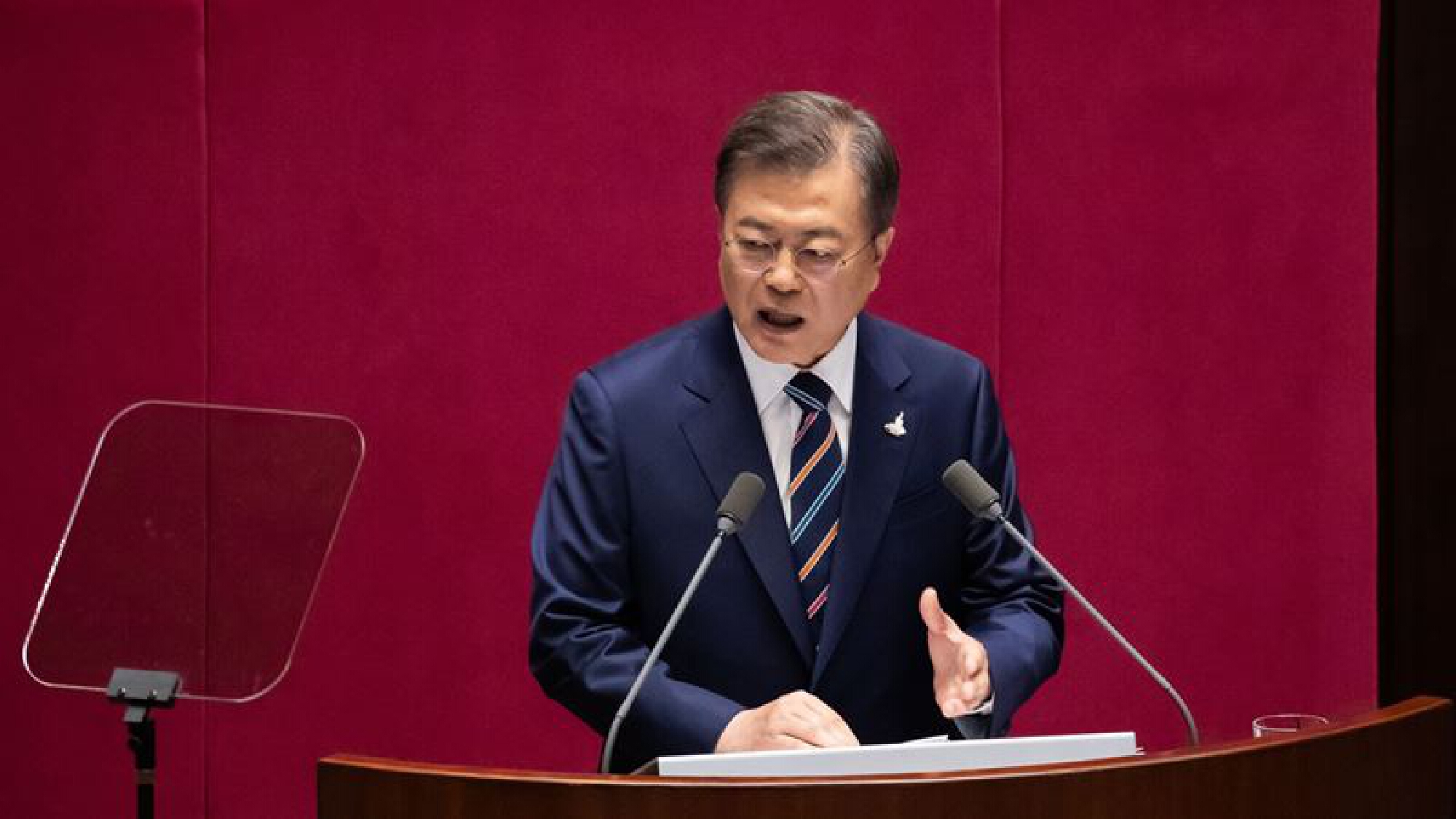
But some of the women protested, arguing the deal was made without consultations and violated their constitutional rights. South Korean President Moon Jae-in, who took office in 2017, has effectively shut down the fund, made by his predecessor.
Tensions further flared between the neighbors after a series of South Korean court decisions from late 2018 demanding Japan pay compensation to Koreans conscripted to work at Japanese factories and mines during the country’s 1910-1945 colonial rule over the Korean Peninsula.
The U.S. was forced to step in when South Korea threatened in 2019 to withdraw from a joint intelligence-sharing agreement, with Moon backing down at the last minute after facing pressure from Washington.|
Historians say anywhere from 50,000 to 200,000 women — many of them Korean — were forced into service in Japan’s military brothels.
Published : April 22, 2021
By : Syndication Washington Post, Bloomberg · Jeong-Ho Lee
Airlines see covid setbacks driving industry to $48 billion loss
The airline industrys chief lobby group widened its estimate for losses this year by about a quarter, saying new covid-19 flare-ups and mutations have pushed back the timeline for a restart of global air travel.
Carriers will lose about $48 billion in 2021, the International Air Transport Association said Wednesday in an online presentation. It had earlier forecast a $38 billion deficit.
“This crisis is longer and deeper than anyone could have expected,” said Willie Walsh, the former chief of British Airways owner IAG, who’s now IATA’s director general. “Losses will be reduced from 2020, but the pain of the crisis increases.”
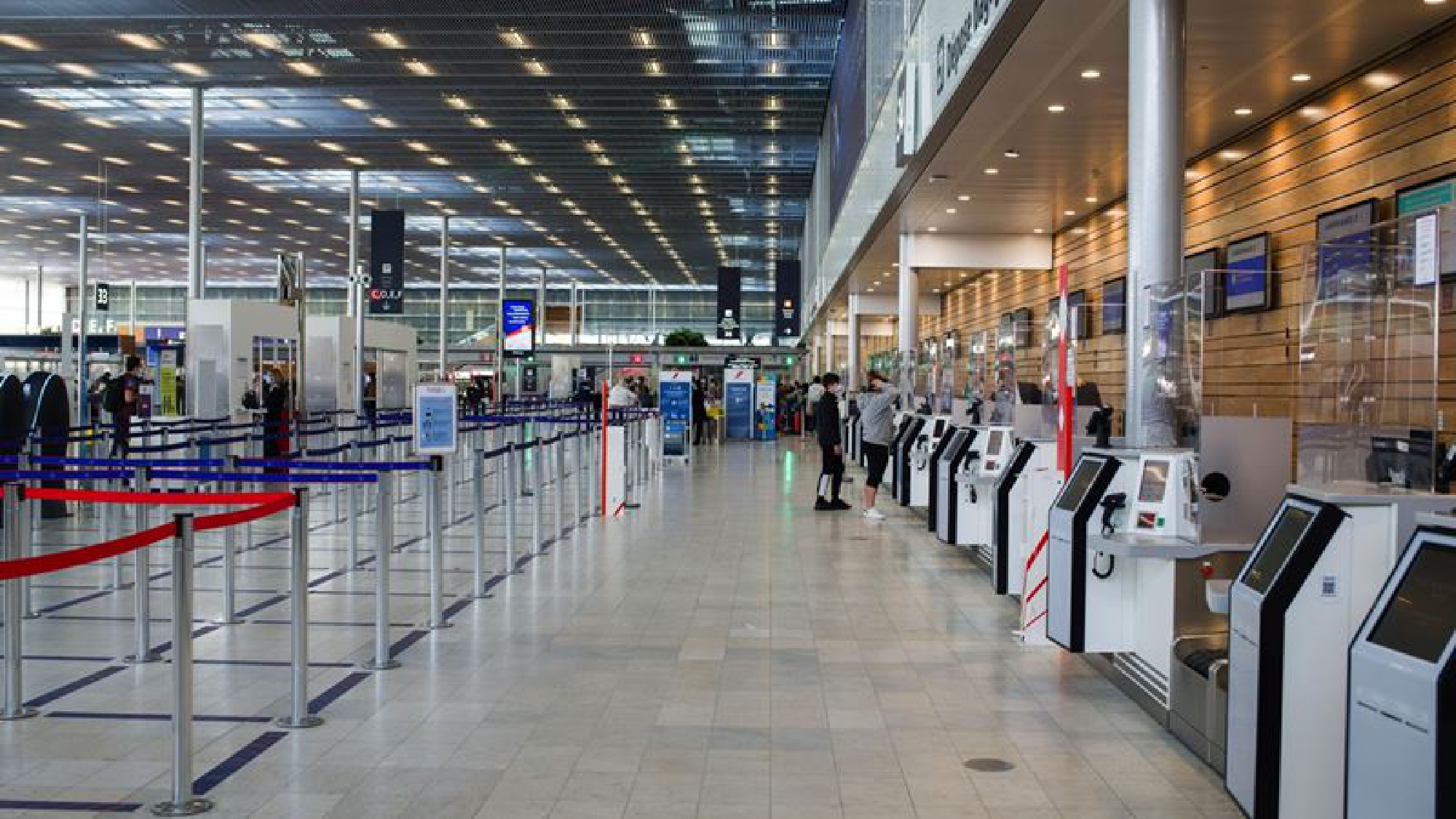
The downward pivot comes as airlines contend with new travel bans and restrictions arising from outbreaks in large aviation markets such as India and Brazil. Governments of countries that have ramped up vaccinations most quickly have become cautious about restarting travel to prevent the import of new variants that could prove resistant to jabs.
This week, the U.S. State Department said it would declare about 80% of the world’s nations no-go zones. In Europe, the U.K. has held off on confirming a plan to restart travel in mid-May, saying it will decide closer to the date. While some countries are starting to open up to vaccinated tourists, progress toward so-called vaccine passports has proven slow and complex.
After the industry lost about $126 billion in the teeth of the crisis during 2020, there were high hopes for a rebound in air travel during the first half of this year. IATA now says the crucial summer season is at risk.
Demand will reach 43% of 2019 levels during 2021 — a more optimistic outlook than issued in February, but less bullish than in December, when vaccines were first being rolled out. At that time IATA saw traffic this year recovering to about half of pre-pandemic levels.
In the U.S., investors have turned sour on the chance of a quick recovery in aviation, sending a Standard & Poor’s index of major airlines to 10 straight days of declines this month, the longest streak since at least 1989. In Europe, trans-Atlantic specialist Virgin Atlantic Airways Ltd. said Wednesday that it won’t get its fleet fully back in the air until October or November.
Regional highlights of the IATA forecast:
– North American carriers are best placed to take advantage of rapid vaccination programs because of the large domestic market in the U.S.
– Testing and increasing the pace of an unsteady vaccine roll-out is the key to recovery for the struggling market in Europe. The return to profit will take longest in this region
The new estimates assume a partial reopening of some markets in Europe in time for summer flying, and also of some trans-Atlantic services, IATA Chief Economist Brian Pearce said. These routes should be fully open in the fourth quarter, with more than 75% of relevant populations vaccinated, he said.
While optimism for the second half hinges mainly on the continuing rebound of large domestic markets like the U.S. and China, Walsh said he’s a little more upbeat about Europe than IATA’s official projections.
Testing of the group’s Travel Pass app is continuing with more than 50 airlines signed up.
Published : April 22, 2021
By : Syndication Washington Post, Bloomberg · Christopher Jasper, Siddharth Philip
Bidens mammoth education agenda would expand the federal role from cradle to college
WASHINGTON – The federal government has long been a bit player in education. Under an expansive vision being rolled out this spring by President Joe Biden, that would change.
Biden has proposed – or is expected to propose – a half dozen education programs that would constitute the largest federal investment in education in at least a half century. Any one of them would be significant on its own. Taken together, if approved by Congress, they form a cradle-to-college plan that aims to reduce inequities that course through American schools by infusing hundreds of billions of dollars into virtually every level of the system.
“These are truly unprecedented investments in education,” said Sarah Abernathy, executive director of the Committee for Education Funding.
Much of Biden’s strategy is focused on cold, hard cash, a show-me-the-money plan that would more than double federal support to high-poverty districts, rebuild crumbling schools and subsidize pre-K and community college alike. It’s excited educators up and down the system, but left some allies wondering if the administration is doing enough to use the money to drive policy changes by states and districts. For their part, Republicans oppose such sweeping new spending as well as the tax increases proposed to offset some of the cost.
Should Biden’s entire agenda become law, the U.S. educational system could morph from a 13-year guarantee – where children are entitled to free education from kindergarten through 12th grade – to a 17-year promise, where prekindergarten is available starting at age 3 and tuition is free through two years of community college.
“Think of it this way: Joe Biden is adding four years to a student’s education. It’s the largest increase in educational time since high school became universal,” said Rahm Emanuel, a longtime Biden ally who championed similar policies for early childhood and community college when he was Chicago’s mayor. Early-childhood education, he said, will prepare children to learn, while postsecondary programs prepare them for the workforce.
Already, Biden has signed into law the $1.9 trillion coronavirus relief package, which injects $125 billioninto the K-12 system and nearly $40 billion for higher education – more than doubling the Education Department’s annual budget. It also included a one-year expansion of the child tax credit, expected to reduce child poverty by half, that Democrats hope to make permanent.
Then Biden proposed a huge infrastructure package, which includes $100 billion to rebuild schools, plus $48 billion for the workforce development system and $12 billion for community colleges.
This month, Biden unveiled a discretionary budget proposal that seeks a 41% increase in the Education Department pre-pandemic budget, far more than any presidential request since the agency was created in 1979. It includes additional money for community schools, students with disabilities and school counselors. Biden also signaled that he would request a big increase in the Pell Grant, which subsidizes college tuition for low-income students, when he makes his full budget request.
A $200 billion pre-K plan, along with tuition-free community college and $225 billion for child care, is expected this month as part of a package the White House calls the American Families Plan.
Emanuel compared the Biden approach to the pandemic to postwar moments in American history – providing a moment to rethink the scope of what government can do. Administration officials say the shutdown of schools exposed inequities that were always present but now are impossible to ignore.
“It’s a commitment to address systemically some of the issues that have existed in our system for many, many years,” said Education Secretary Miguel Cardona. He called the pre-K and community college investments essential “bookends” to the existing K-12 system that are needed to set children on the right path and, later, prepare them for the world of work.
– – –
So far, the administration has included almost no new demands in exchange for the enormous amount of funding that would support state and local education programs. That stands in contrast to the Obama administration, which used far less money – a $4.3 billion grant program called Race to the Top – to push states to make enormous policy changes, such as adopting Common Core curriculum standards and evaluating teachers based in part on test scores.
Some Biden allies say the president should insist on equity-driven reforms by states and districts as a condition for receiving so much new money.
“If we want to close that spending gap, we really need states and districts to step up,” said former education secretary John King, who is now president of Education Trust, an advocacy and research group focused on equity issues.
For example, he said, the administration could require states to adopt more-equitable systems for distributing state funds to local school districts as a condition of receiving new federal money. King recently announced a run for Maryland governor.
A senior administration official responded that Biden has “made clear” that he plans to tie new money to ensuring that more equitable funding systems are in place, though the administration has yet to formally propose this.
Sen. Michael Bennet, D-Colo., a former superintendent of the Denver Public Schools, generally supports the new spending but said he would like to see some fundamental changes in the Title I formula to direct more money to high-poverty schools if the government is going to increase spending so dramatically. He’d also like to see the money used to drive policy. For instance, he said, he’d like to see schools incentivized to pay teachers at high-poverty schools more.
“It would be a shame if we spend all this money and we do it in ways that don’t transform outcomes for kids,” Bennet said. “We’ve got to change the system. I don’t believe the system works well for kids living in poverty.”
The Biden program could, in some cases, reach far into the middle class – such as with the pre-K and community college plans. Much of it is targeted, though, to those who need it most.
Because schools are funded primarily by local property taxes, there are large gaps between tax collections in wealthy, mostly White school districts and high-poverty districts, which are more likely to educate students of color. The big boost to Title I could close some of the gap because the funding would disproportionately aid school districts with large concentrations of poverty.
At the college level, Biden is asking for an increase of $600 million more for programs at minority-serving institutions, historically Black and tribal colleges, and community colleges. These schools have fewer resources than others, and most of their students have low incomes.
“This is a president saying I prioritize these institutions. I’m willing to put my money where my mouth is . . . and I can’t tell you the last time a president has put an investment in these schools in his budget,” said Lodriguez Murray, vice president for public policy and government affairs at the United Negro College Fund.
Proposing this agenda is, of course, different from passing it into law. Some of these ideas have been popular with Republicans, at least in the states. GOP governors in Tennessee and Maryland, for instance, have backed programs to make community college more accessible. But that’s a far cry from winning GOP votes for hundreds of billions of dollars in new spending.
After Biden put out his coronavirus rescue package in January, Rep. Virginia Foxx, R-N.C., said the plan “just throws around more taxpayer money with no regard for its efficacy and regurgitates left-wing policy priorities.” The plan got no Republican votes in the House or Senate.
Biden does enjoy support for his education agenda among liberals, who are pushing him to aggressively confront educational inequity, and centrist Democrats, who like several pieces of this package.
“He’s investing in things like apprenticeships and community colleges and pre-K and all kinds of things that moderate Democrats love,” said Lanae Erickson, who heads social policy at Third Way, a centrist Democratic think tank. “There’s something in there for everybody in the party and that’s how he’s keeping folks on board.”
– – –
It’s an obvious contrast to former president Donald Trump, who repeatedly, though unsuccessfully, asked Congress to slash education spending. It’s also a contrast to Democratic predecessors.
Former president Barack Obama favored many of the same ideas as Biden but spent much of his two terms negotiating with a GOP Congress over spending cuts, not spending increases.
Even when he had a Democratic Congress, Obama did not ask for this level of spending. After passing into law a recovery act meant to respond to the 2008 financial crisis, he telegraphed his interest in fiscal responsibility. At his first Cabinet meeting in April 2009, he announced that federal agencies would be hunting for cuts and efficiencies, saying he had challenged his secretaries to find $100 million in reductions.
Former president Bill Clinton proposed targeted programs, but famously declared that the “era of big government is over.”
“There was a big fight in the early days of the Clinton administration as to whether the first Clinton budget, which really set the tone for the entire administration, was going to be a traditional let ‘er rip public investment budget or reassuring the bond markets,” said William Galston, a senior fellow at the Brookings Institution, who served as a domestic policy adviser in the Clinton White House. Clinton chose to reassure the markets. “The Clinton administration was really focused on economic growth much more than on government growth.”
Since then, he said, there’s been a “sea change” in economic policy and an abandonment by both parties of the centrist coalition that worked to keep deficits in check.
The liberal wing of the Democratic Party has gained power, and public attitudes about the role of government have shifted. A Pew Research Center survey last summer found 59% of Americans think government should do more to solve problems, compared to 39% who said government is doing too many things best left to businesses and individuals.
The share saying government should do more has risen steadily since 2015, when it was 47%. Democrats are far more likely than Republicans to say government should do more, but the share has risen among people in both parties.
That instinct for more government involvement is manifesting itself in Biden’s focus on equity. Murray, of the United Negro College Fund, said the education proposals show Biden’s commitment to communities that helped usher him into the White House.
“It’s a recognition of who brought him to the dance,” he said. “This is the first time in a long time where African Americans aren’t served with words but served with policy rewards.”
Published : April 22, 2021
By : The Washington Post · Laura Meckler, Danielle Douglas-Gabriel
Bidens climate summit attracts 40 leaders, including Putin, Xi
President Joe Biden will bring together this week the leaders of dozens of nations in a two-day virtual summit meant to invigorate the global fight against climate change and restore U.S. credibility on the issue.
The heads of state of all 40 nations invited have agreed to attend the event, which begins on Thursday, as Biden seeks to prove the U.S. is committed to making the deep cuts to greenhouse gas emissions needed to avert the most catastrophic consequences of climate change.
The gathering is aimed at driving more aggressive climate action that can keep average temperatures from rising more than 1.5 degrees Celsius (2.7 degrees Fahrenheit), a key tipping point.
The leaders of some of the world’s top-emitting countries will appear alongside officials from smaller, island nations that are already dealing with the consequences of a warming planet. Chinese President Xi Jinping is slated to appear during the conference and Russian President Vladimir Putin is set to make live remarks.
About 18 top executives from the U.S. government, including Secretary of State Antony Blinken and Treasury Secretary Janet Yellen, will participate.
Biden administration officials said they are “upping the ante” on climate change and climate ambition and intend to utilize all the tools available, including finance. The agenda calls for a focus on nature-based solutions the first day, and investing in innovation on the second.
The administration officials, noting that the U.S. is responsible for 13% of global greenhouse gas emissions, anticipate that the participating nations will use the forum to make announcements about their own plans for combating climate change.
The officials also plan to point to sustained action by corporations and state and local governments to confront climate change as a sign of enduring U.S. progress, even amid the term of former President Donald Trump, who rolled back climate regulations.
Biden has made combating climate change a priority. He’s launched an interagency task force, deputized a White House climate czar to coordinate action and directed agencies to consider a suite of new rules meant to spur clean energy. This week’s summit marks his first big step to address climate on the global stage.
In the weeks leading up to the summit, Special Presidential Envoy for Climate John Kerry has been traveling the globe, working to coax stronger emissions-cutting pledges from U.S. allies. Some of those efforts have borne fruit, as Japan, Canada and other nations are expected to outline more aggressive targets for paring planet-warming greenhouse gases.
Even before it starts, the U.S. climate summit is helping galvanize greater ambition, said David Waskow, director of the World Resources Institute’s International Climate Initiative. Still, a key test will be how much funding the Biden administration dedicates to aiding developing nations in adapting to climate change and pursuing clean energy projects, Waskow said.
“Clearly the summit has propelled action in the early part of the year,” Waskow said. “There’s much more to be done, but this does give the traction that we need.”
Kerry’s push so far has not prompted India, the world’s third-biggest emitter, to declare a target for achieving net-zero emissions domestically. And other nations, such as Brazil, are seeking more financial support to curb deforestation in the Amazon rainforest.
Other challenges surround negotiations with China, as the U.S. seeks to compartmentalize talks on climate amid concerns around trade, intellectual property and human rights. Secretary of State Antony Blinken warned Monday that the U.S. won’t let other countries use climate progress as a chip “to excuse bad behavior in other areas.”
Xi, meanwhile, issued a veiled critique of his own on Tuesday, as he urged other nations to avoid “bossing others around,” and insisted that “the future destiny of the world should be decided by all countries.”
The U.S. pledge would require dramatic changes in the U.S. energy landscape, from the way electricity is generated to the cars traversing the nation’s highways. The U.S. would also need to curtail emissions from the industrial sector, with carbon-capture technology deployed at ethanol factories, cement makers and petrochemical plants.
Ahead of the summit Thursday and Friday, Biden is set to announce a U.S. vow to at least halve domestic greenhouse gas emissions from 2005 levels by the end of the decade, according to people familiar with the matter.
The Biden administration also is advancing a slate of policies meant to buttress that carbon-cutting pledge — including work to marshal U.S. government spending on electric vehicles and devote more money to helping other nations pursue clean energy.
The efforts are seen as critical to reassuring countries wary of the U.S. commitment, after former President Donald Trump withdrew from the Paris climate accord and dismantled domestic policies key to driving the country’s previously promised emissions cuts.
Published : April 22, 2021
By : Syndication Washington Post, Bloomberg · Jennifer A. Dlouhy, Jennifer Epstein
Demand in Japan for appliances at record high amid consumers staying home
More time at home has driven demand for home electrical appliances to record levels.
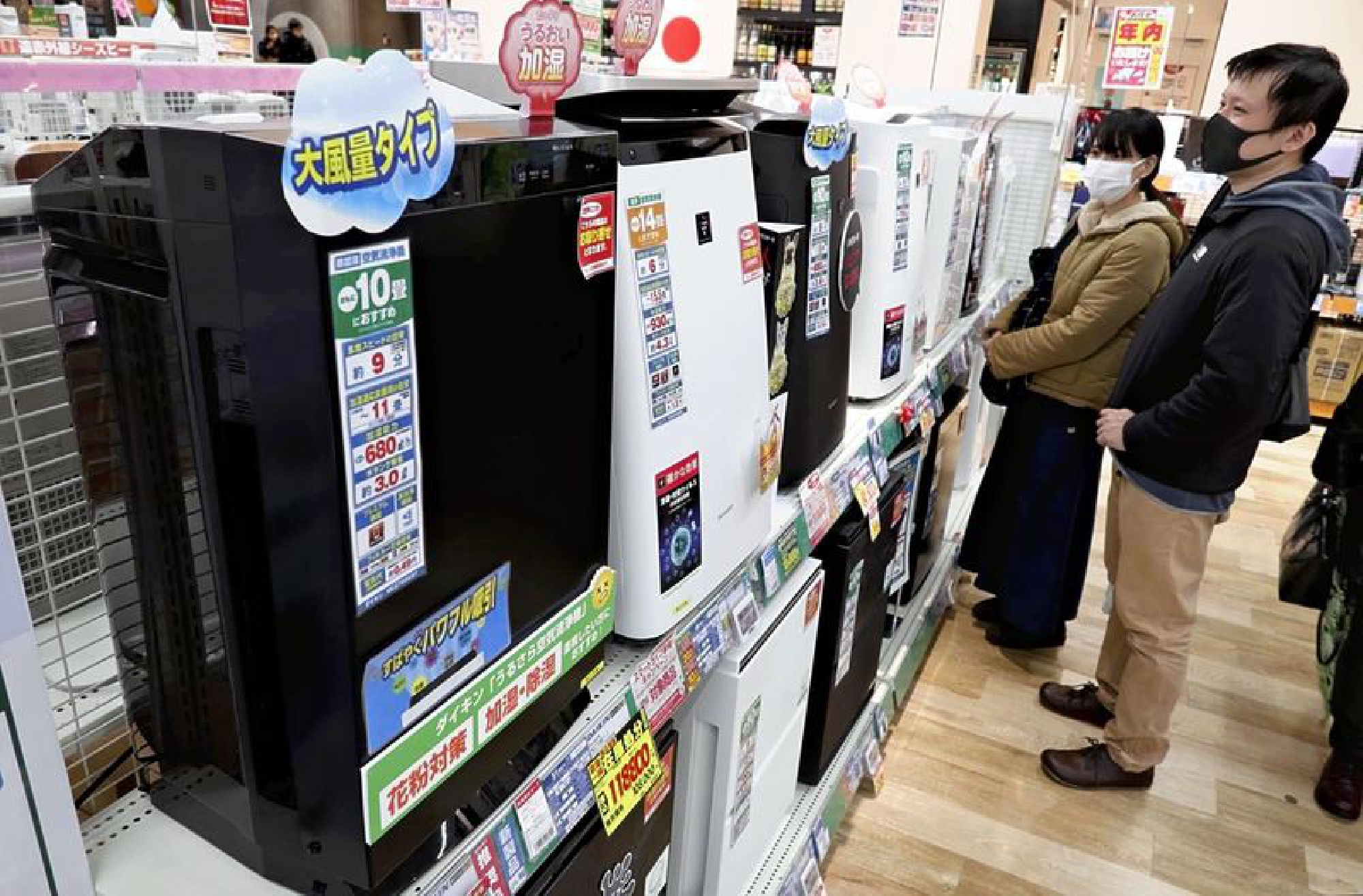
The value of domestic home electrical appliance shipments in fiscal 2020, which ended in March, increased 6.5% from the previous fiscal year to ¥2.61 trillion, the Japan Electrical Manufacturers’ Association said Tuesday. This was the highest figure since fiscal 1997, when the current statistical method was introduced.
The fiscal 2020 figure was also 5.9% higher than the previous record of ¥2.47 trillion in fiscal 2018, when there was last-minute demand ahead of the consumption tax rate hike from 8% to 10%.
By product category, the shipment value of air cleaners nearly doubled from the previous year to ¥109.4 billion, exceeding ¥100 billion for the first time. For room air conditioners, the shipment value increased 3.5% to ¥818.2 billion. The rising demand is believed to be due to increased awareness of health and cleanliness amid the novel coronavirus pandemic.
Online sales have been strong as electronics retailers have had to shorten business hours.
Consumption was also boosted by the central government’s special cash benefit of ¥100,000 per resident. There was increased demand especially to replace consumer goods and appliances with high sticker prices. The shipment value of washing machines increased 8.4% to ¥399.5 billion and that of vacuum cleaners by 7.6% to ¥99.5 billion.
Demand for kitchen devices also increased as some companies began introducing telecommuting. Sales of refrigerators rose 3.1% to ¥452.5 billion, while sales of microwave ovens increased 5.7% to ¥94.4 billion.
On a monthly basis, the overall shipment value of home electrical appliances in April and May was sluggish, in the range of ¥150 billion to ¥200 billion, because of the state of emergency issued during those months. After the emergency was lifted, shipment value surged to ¥308 billion in June, and remained above ¥200 billion from July through September.
A second state of emergency was declared for parts of the country in January and continued for about 2½ months, but the shipment value in January was the highest seen for that month in the past 10 years.
The strong demand from people staying at home continued in February and March. The shipment value in March increased 8.9% from the same month the year before to ¥238.9 billion, marking six consecutive months with a year-on-year increase.
Entry approvals for non-Sporeans, non-PRs travelling from India cut due to Covid-19
SINGAPORE – Entry approvals for non-Singapore citizens and non-permanent residents are being reduced with immediate effect, in response to the worsening Covid-19 situation in India and the emergence of new virus variants, the Ministry of Health announced on Tuesday (April 20).
From 11.59pm on Thursday, all travellers from India will also have to serve an additional seven-day stay-home notice (SHN) at their place of residence, following the usual 14-day SHN at a dedicated facility.
Those who have yet to complete their 14-day SHN by that time will also have to serve the extra seven days.
The travellers will be tested for Covid-19 at the end of the initial 14-day SHN and at the end of the additional seven-day SHN.
Migrant workers arriving from India who work in the construction, marine and process sectors will continue to be subjected to a 21-day SHN. These measures will minimise importation risks and protect public health, the MOH said.
Measures for travellers from Hong Kong, Britain and South Africa relaxed
Meanwhile, the SHN period for travellers from Hong Kong will be reduced from 14 days to seven days as the situation there has improved, and the SHN can be served at one’s place of residence if it is suitable.
This will apply to travellers who have remained in Hong Kong in the last 14 consecutive days and who enter Singapore from 11.59pm on Thursday.
They will be subjected to the Covid-19 polymerase chain reaction (PCR) test upon arrival and another PCR test before the end of their seven-day SHN.
Singapore will also allow entry and transit for all long-term pass holders and short-term visitors with recent travel history to Britain and South Africa from 11.59pm on Thursday.
They will be able to enter Singapore after obtaining the relevant entry approvals or transit through the airport on airlines approved to operate such transfers.
This group had earlier been subject to restricted entry due to concerns of a more contagious variant of the coronavirus circulating in these places.
Arriving travellers who were in Britain or South Africa in the last 14 days before their entry will continue to be subjected to a seven-day SHN period at their place of residence, following their 14-day SHN at dedicated facilities.
The MOH said Singapore’s existing border control and domestic measures have been able to contain the risks of community spread from imported cases with such variants, which is now present in many countries beyond Britain and South Africa.
It added that it will continue to evaluate the data on the various strains of the virus that cause Covid-19 as they emerge and review Singapore’s border measures accordingly.
Essential official travel overseas to be allowed
In spite of the Covid-19 pandemic, essential business and official travels still need to continue, the MOH noted.
It said: “While many meetings have been conducted over digital media, certain critical discussions need to be done face to face. Official interactions are also crucial to safeguarding and advancing Singapore’s national interests.”
In order to facilitate such travel, the MOH said it will allow fully vaccinated individuals who need to travel to higher-risk countries or regions as part of an official delegation to be subjected to a stringent testing and self-isolation regime from 11.59pm on Thursday.
They must adhere to a strict event-by-event controlled itinerary while overseas, and undergo Covid-19 PCR tests upon arrival, and on the third, seventh and 14th days of their return.
As an added precaution, these travellers will also be required to undergo a seven-day self-isolation period at home or in a hotel upon return.
They may leave their place of accommodation only to commute to the PCR test site or to the workplace for essential work that cannot be done remotely.
Travellers who are not fully vaccinated will continue to be subjected to prevailing border measures upon their return.
Some private banks re-run for some services, Yangon ATMs being crowded
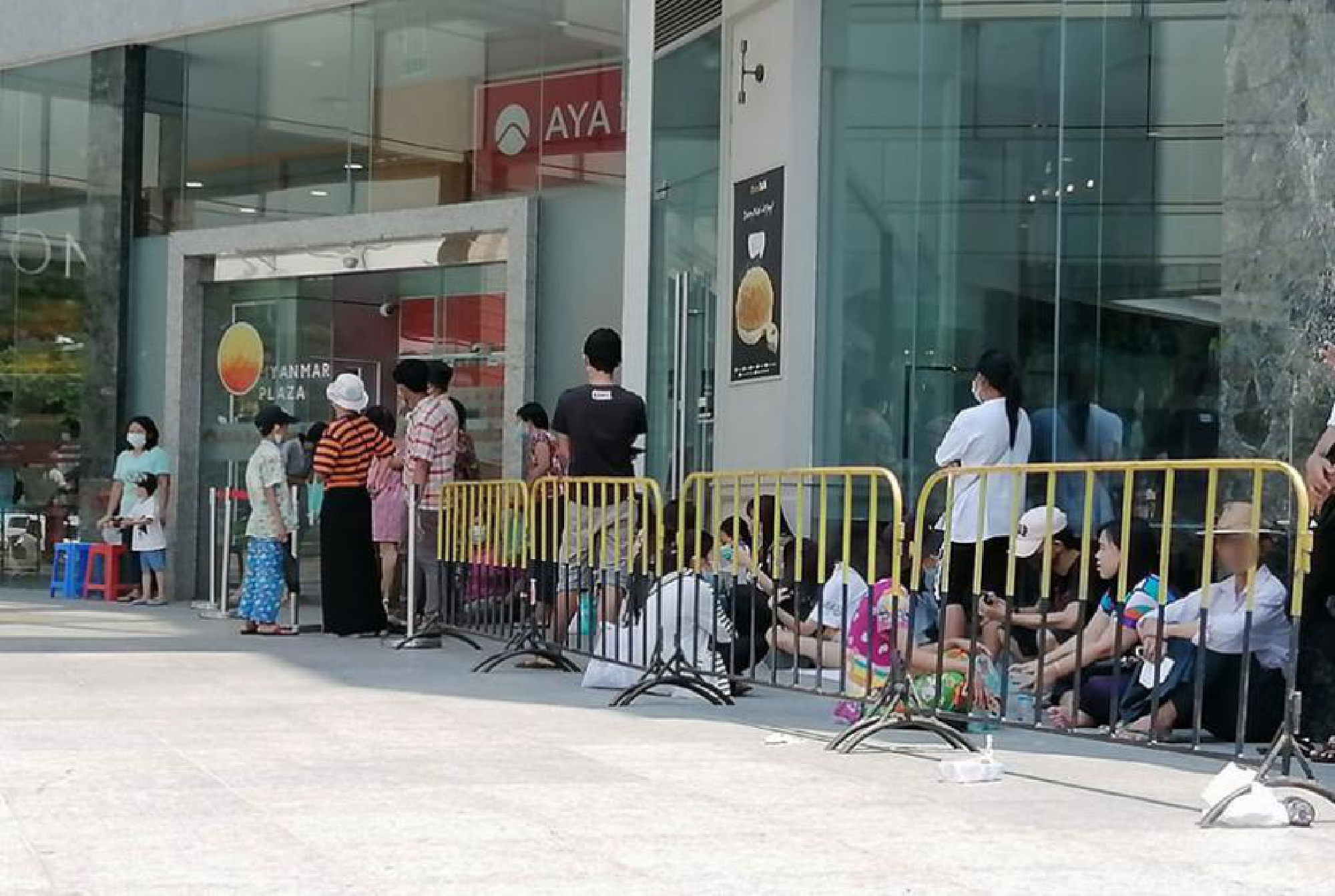
Some private banks are providing some banking services with a lot of people withdrawing cash from automated teller machines (ATMs) in Yangon city.
After announcing that customers need to register first for their cash withdrawal, private banks reopened some of their branches on April 20.
Yoma Bank opened some branches on April 20 announcing that customers will be informed daily about reopening of its branches, but they are requested to inform prior to their cash withdrawal.
CB Bank is also adopting a token system to prevent delays in cash withdrawal. The bank says token issuance time and number of tokens can be browsed on its Facebook page for respective branches.
Moreover, the ATMs of some private banks in Yangon city are crowded on April 20. Among them, those of KBZ Bank, AYA Bank, CB Bank and Yoma Bank are most crowded.
KBZ Bank announced on March 30 that a customer will be able to withdraw a maximum of Ks200,000 per day from its ATMs.
For customers of Yoma Bank, they will be allowed to withdraw a maximum of Ks300,000 per day. Only one ATM card can be used for withdrawing one time. On April 20, the bank also called for a systematic queue for ATM cash withdrawal.
CB Bank announced that it was trying to insert as much money as possible into its machines for the convenience of customers. Moreover, CRMs (cash recycling machines) are being arranged for its customers to make both deposits and withdrawals.
Seoul’s “strategic ambiguity” to be tested amid Washington’s ramped-up efforts to form a unified front on a more assertive China
Last week’s highly productive US-Japan summit has left few options for South Korean President Moon Jae-in, who is heading to Washington next month for a summit with the new US president, experts say.
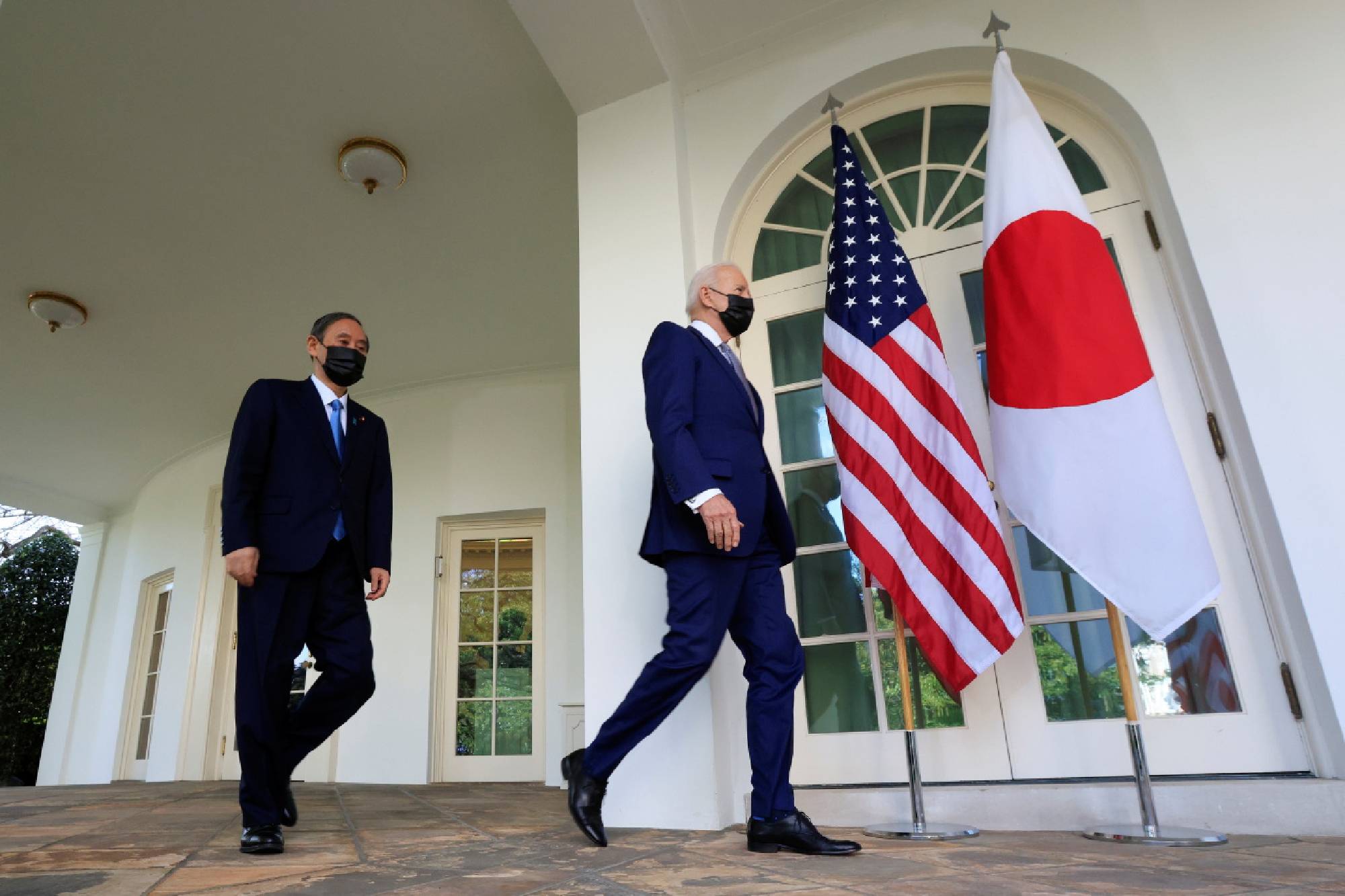
US President Joe Biden and Japanese Prime Minister Yoshihide Suga presented a united front on China in their first face-to-face meeting on Friday.
The leaders reaffirmed their commitments to countering China’s continuing assertiveness over Hong Kong, Taiwan and the South China Sea, while pledging a whopping $4.5 billion to develop ultrafast communications technologies to prevent Huawei, China’s state-backed telecom giant, from dominating the global market.
“It’s almost like the US and Japan have announced a set of new global orders,” said Park Won-gon, a professor of North Korean studies at Ewha Womans University. “Now the only option left for South Korea is whether to join the initiative or not.
“It had been widely expected that China issues would loom large in the summit. But discussions were much more direct and specific than expected,” he added.
Biden, three months into his term, has invested heavily in rebuilding ties with Japan and South Korea amid the growing influence of China in the Indo-Pacific region.
Tokyo and Seoul were the first destinations of his administration’s highest-level foreign travel in March. With Suga and Moon becoming the first foreign leaders to meet Biden in person, the summit talks are considered the culmination of a flurry of diplomacy over the past months.
But South Korea has walked a fine line to avoid being drawn into the escalating US-China rivalry, while Japan has explicitly backed the US policy of challenging a more assertive China.
For Seoul, Beijing is more than just its biggest trading partner. South Korea has used its ties with China as leverage to engage with a defiant North Korea and put an end to its nuclear ambitions — Moon’s signature policy goals.
With Washington’s new North Korea policy coming soon, Moon has expressed high hopes of reviving his mediating role in the collapsed diplomacy between the US and North Korea, whose relationship has reached a new low since the breakdown of the second summit talks between former President Donald Trump and North Korean leader Kim Jong-un in 2019.
“Moon may want to make a breakthrough in the stalled denuclearization talks through the upcoming summit with Biden. But the North Korea issue is not a top priority for the US president,” Park said. “Due to Korea’s strategic ambiguity, the Korea-US alliance could be reduced to a regional alliance tackling North Korea only.”
Hwang Jae-ho, a professor of international studies at Hankuk University of Foreign Studies, was also cautious about placing high expectations on the Moon-Biden summit, but made it clear “it’s not a competition with Japan either.”
Even for Suga, it was a tough decision to make a direct reference to Taiwan, China’s most sensitive territorial issue, during the joint press conference with Biden. China rebuked Japan immediately, warning of retaliatory action. Some critics in Japan criticized Suga for going too far, considering Japan’s dependence on trade with China.
“Suga, a diplomatic novice, seemed well-prepared. Upping the ante against China or North Korea is helpful for a Japanese prime minister to elevate approval ratings at home,” Hwang said, predicting a limited impact from China’s retaliatory threats due to Japan’s huge domestic market.
“But South Korea’s situation is much more complicated than that of Japan, which is a fact both the US and China are well aware of,” he added. “Rather than losing their crucial partner in the region at all, both countries will continue to gauge the situation, adjusting the pressure level.”
As for the “Quad,” an informal strategic alliance consisting of the US, Japan, India and Australia that aims to confront challenges from China, Park urged the South Korean government to join immediately in a clear sign of its alliance with the US. Meanwhile, Hwang said there is no need to rush when the US has not yet made an official request.
“There are not many things Moon can gain in the summit with Biden, especially at a time when inter-Korean relations have remained at a standstill,” Hwang said. “No serious confrontations between the two countries are expected at least under the two liberal presidents, except that time is running out for Moon, who is in his final year in office.”
Xi: China will never seek hegemony, sphere of influence
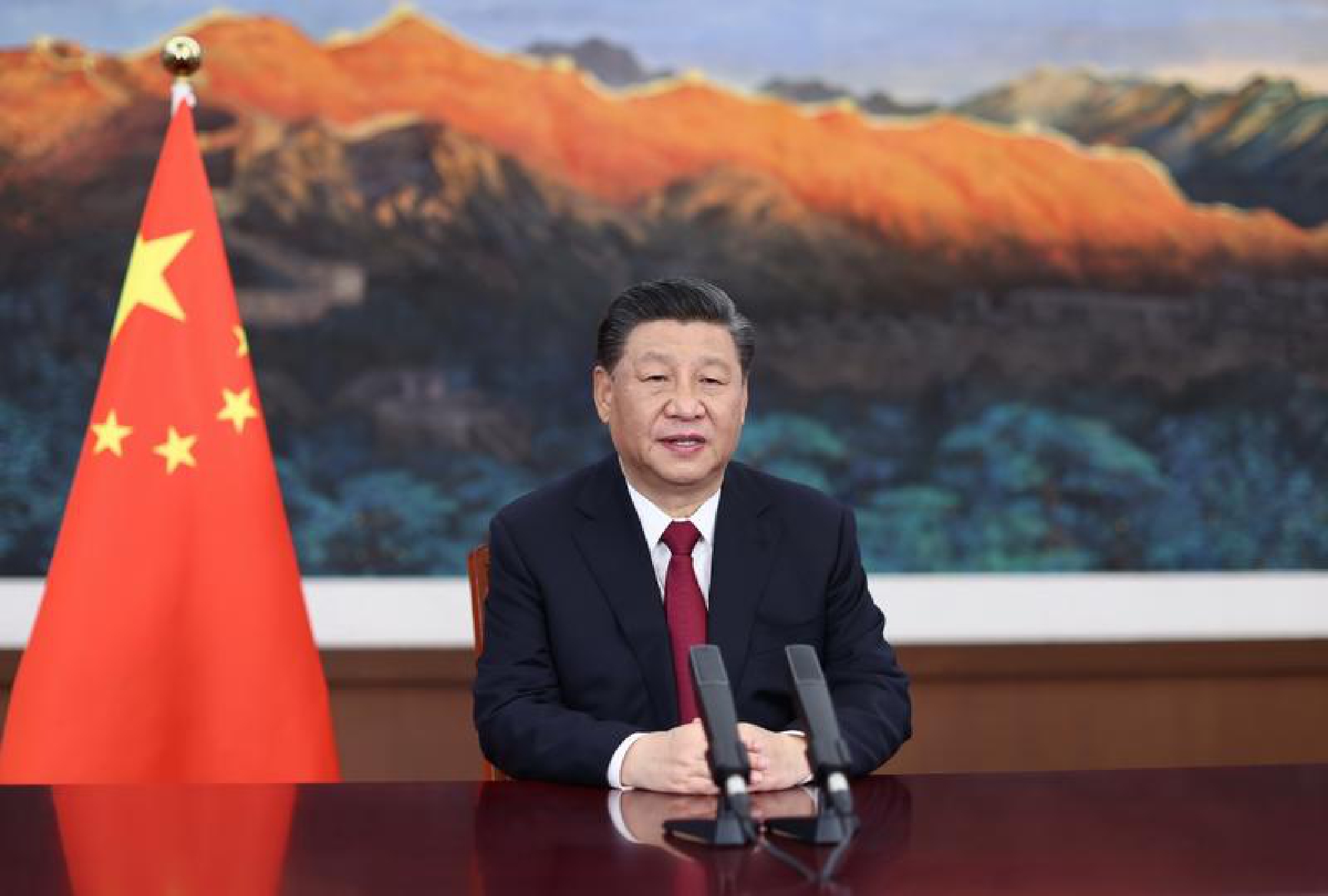
BEIJING – China will never seek hegemony, expansion, or a sphere of influence no matter how strong it may grow, President Xi Jinping said Tuesday.
Nor will China ever engage in an arms race, Xi added.
Xi made the remarks while delivering a keynote speech via video at the opening ceremony of the Boao Forum for Asia Annual Conference 2021.
China will develop friendship and cooperation with other countries on the basis of the Five Principles of Peaceful Coexistence, and promote a new type of international relations, Xi said.
Justice is needed in today’s world, not hegemony, he said.
“The COVID-19 pandemic has made it all the more clear to people around the world that we must reject the cold-war and zero-sum mentality and oppose a new ‘Cold War’ and ideological confrontation in whatever forms,” Xi said.
The principles of equality, mutual respect and mutual trust must be put front and center in state-to-state relations, Xi continued.
“Bossing others around or meddling in others’ internal affairs would not get one any support,” he said.
“World affairs should be handled through extensive consultation, and the future of the world should be decided by all countries working together,” Xi said.
“We must not let the rules set by one or a few countries be imposed on others, or allow unilateralism pursued by certain countries to set the pace for the whole world,” Xi stressed.
Big countries should behave in a manner befitting their status and with a greater sense of responsibility, he added.
Opening-up
The Chinese president said that 2021 marks the 20th anniversary of the Boao Forum for Asia (BFA).
The forum has borne witness to the extraordinary journey of China, of Asia and of the world, and has exerted a significant influence in boosting development in Asia and beyond, Xi said.
ALSO READ: Xi set to elaborate on growth in Boao speech
Xi underscored the significance of the theme of the forum, which he said was convened against “a very special background”.
The theme – A World in Change: Join Hands to Strengthen Global Governance and Advance Belt and Road Cooperation – is most opportune and relevant under the current circumstances, Xi said.
China has achieved progress and development in tandem with the rest of Asia and the world, the president said.
As an important member of the Asian family, China has kept deepening reform and opening-up while promoting regional cooperation, Xi said
As an important member of the Asian family, China has kept deepening reform and opening-up while promoting regional cooperation, Xi said.
All are welcome to share in the vast opportunities of the Chinese market, Xi said.
China will take an active part in multilateral cooperation on trade and investment, fully implement the Foreign Investment Law and its supporting rules and regulations, and cut further the negative list on foreign investment, said Xi.
China will continue to develop the Hainan Free Trade Port and develop new systems for a higher-standard open economy, he added.
Upholding true multilateralism
In his speech, Xi stressed following the principles of extensive consultation, joint contribution and shared benefits, and upholding true multilateralism.
Economic globalization is showing renewed resilience, and the call for upholding multilateralism and enhancing communication and coordination has grown stronger, Xi noted.
In the age of economic globalization, attempts to “erect walls” or “decouple” run counter to the law of economics and market principles, and would hurt others’ interests without benefiting oneself, Xi said.
Xi called for building an open world economy, saying that openness is essential for development and progress, and holds the key to post-COVID economic recovery
The Chinese president called for building an open world economy, saying that openness is essential for development and progress, and holds the key to post-COVID economic recovery.
“We need to promote trade and investment liberalization and facilitation, deepen regional economic integration, and enhance supply, industrial, data and human resources chains,” said Xi.
READ MORE: Report: Integration key to Asia’s sustained economic recovery
China will work with all sides to promote “hard connectivity” of infrastructure and “soft connectivity” of rules and standards in an effort to build a closer partnership for connectivity, Xi said.
He called for turning the fruits of scientific and technological innovation into greater benefits for people in all countries.
Efforts must be made to boost the digital economy, and step up exchanges and cooperation in areas including artificial intelligence, biomedicine and modern energy, Xi said.
Belt and Road Initiative
The Belt and Road Initiative (BRI) is a public road open to all, not a private path owned by one single party, the Chinese president said.
“All interested countries are welcome aboard to take part in the cooperation and share in its benefits,” he said.
Xi called for improving the BRI International Green Development Coalition, the Green Investment Principles for the Belt and Road Development and other multilateral cooperation platforms “to make green a defining feature of Belt and Road cooperation.”
Meanwhile, China will work with all willing participants to build the BRI into a pathway to poverty alleviation and growth.
By 2030, Belt and Road projects could help lift 7.6 million people from extreme poverty and 32 million people from moderate poverty across the world, Xi said, citing a World Bank report.
COVID-19
Xi said that the key role of the World Health Organization (WHO) must be given full play in the ongoing fight against COVID-19.
“We must put people and their lives above anything else, scale up information sharing and collective efforts, and enhance public health and medical cooperation,” he said.
Xi called for efforts to bolster international cooperation on the research and development, production and distribution of vaccines.
He stressed that efforts should be made to ensure that everyone in the world can access and afford the vaccines they need.
China will expand cooperation with various parties in infectious disease control, public health, traditional medicine and other areas, said Xi.
READ MORE: Full text of Xi’s speech at Boao forum opening ceremony
Climate change
Meanwhile, Xi stressed the importance of advancing international cooperation on climate change and doing more to implement the Paris Agreement.
“The principle of common but differentiated responsibilities must be upheld, and concerns of developing countries on capital, technology and capacity building must be addressed,” Xi said.
Conference on Dialogue of Asian Civilizations
China will host the second Conference on Dialogue of Asian Civilizations once the pandemic gets under control.
It will be part of China’s active efforts to promote inter-civilization dialogue in Asia and beyond, Xi noted.
Chauvin convicted of murder and manslaughter in death of George Floyd
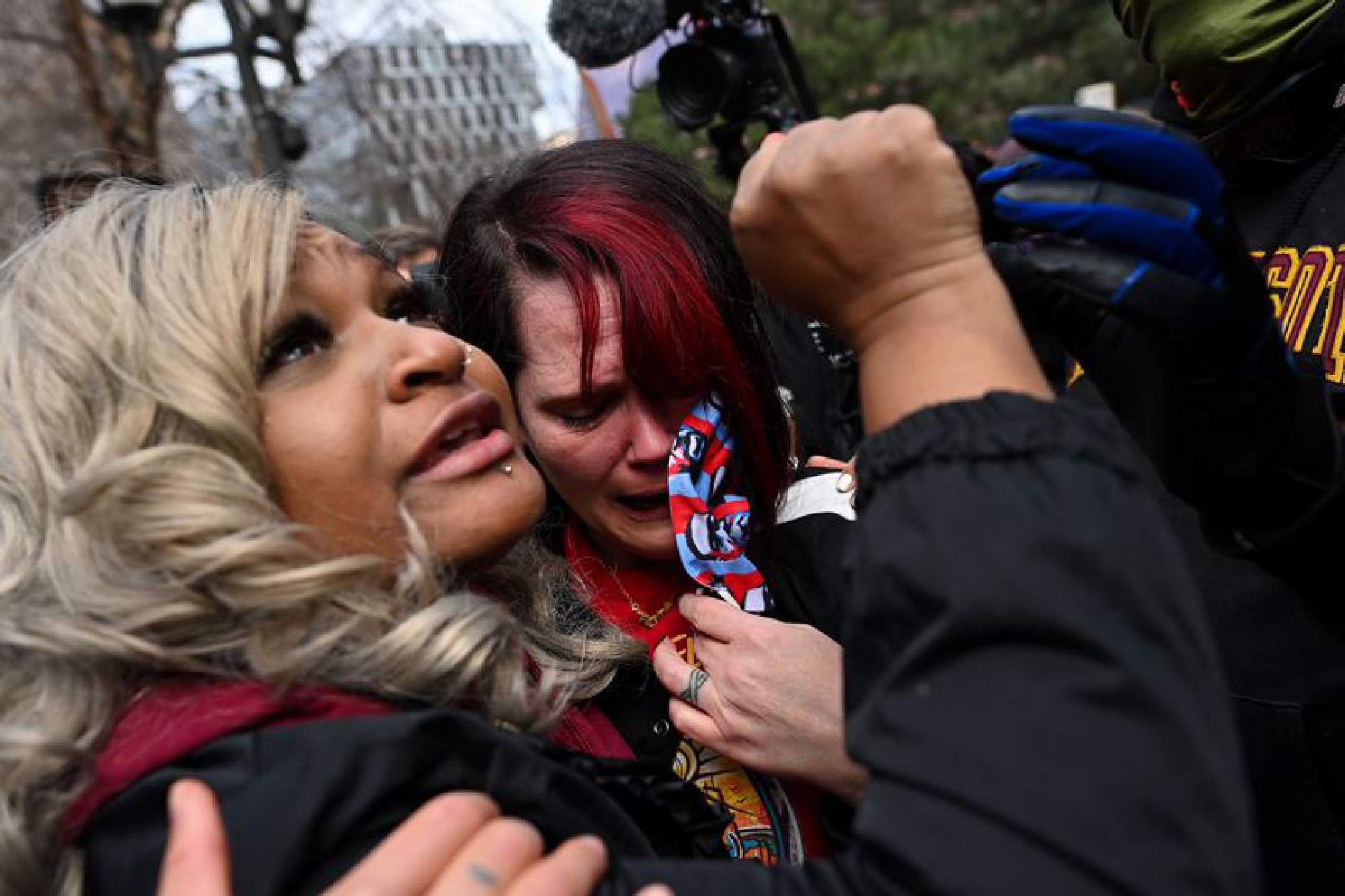
Former Minneapolis police officer Derek Chauvin has been convicted of second-degree unintentional murder, third-degree murder and second-degree manslaughter in the death of George Floyd on Memorial Day.
He was immediately taken into custody after the jury announced its verdicts Tuesday afternoon, and he will be sentenced in the coming weeks.
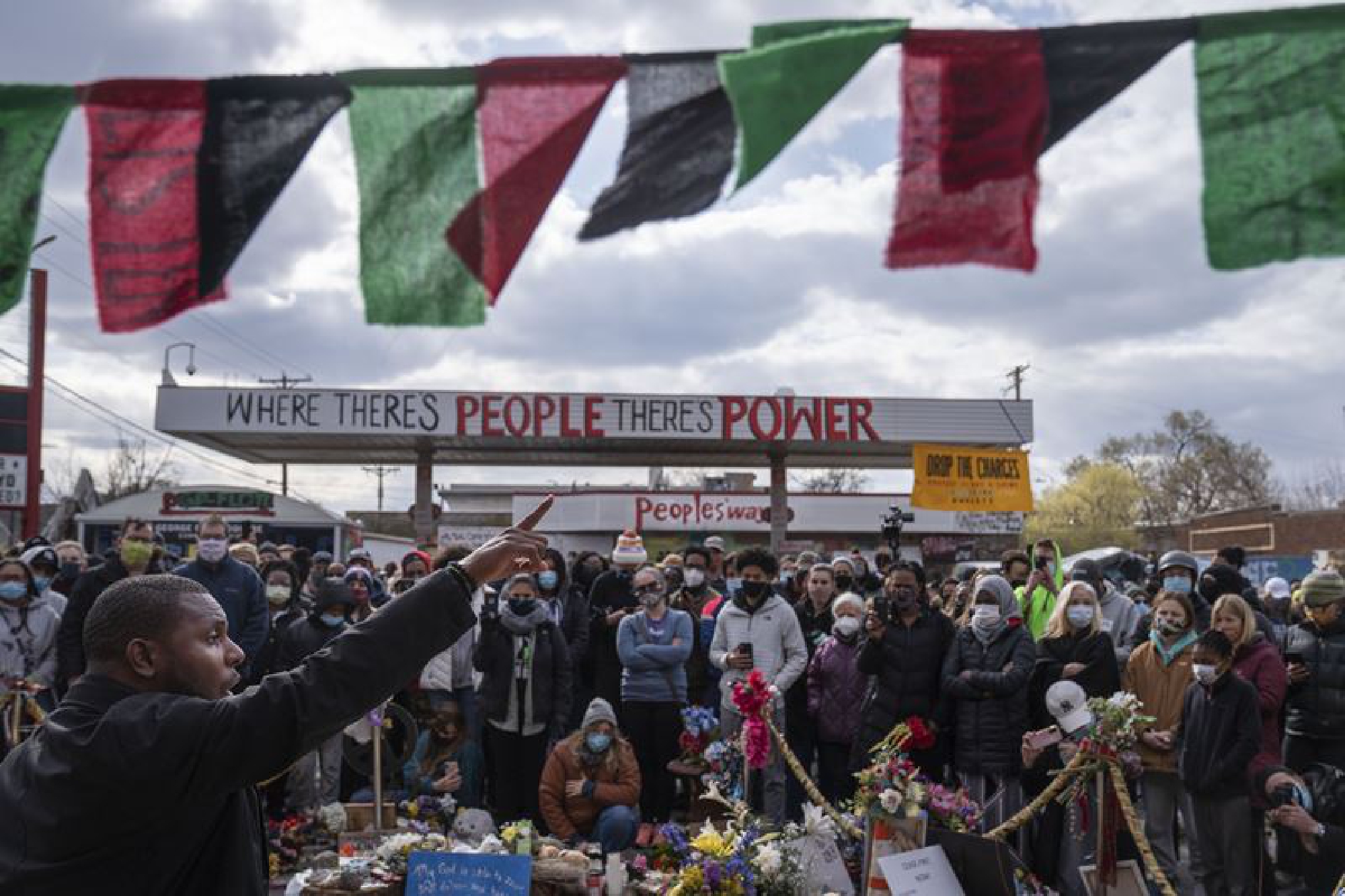
The verdicts came less than a full day after closing arguments in the three-week trial concluded. One local man called it “a new day in America.” Minnesota leaders hailed it as justice served. Former president Barack Obama and Michelle Obama called it “the right thing,” and President Biden called the Floyd family.
Following the reading of the jury’s unanimous verdict that found Derek Chauvin guilty on all three charges, Hennepin County District Judge Peter Cahill instructed Chauvin to be immediately remanded into custody of the Hennepin County sheriff after revoking the defendant’s bond.
Chauvin will now wait in jail until sentencing in eight weeks. Meanwhile, defense attorney Eric Nelson is expected to begin preparing an appeal based on several concepts.
One of the possible arguments Nelson could make is related to the improper influence of extensive media coverage of the case and the trial on the jury, and more particularly, based on what Nelson described as “threatening and intimidating” comments made by Rep. Maxine Waters, D-Calif., over the weekend. Waters told protesters they should be more “confrontational” if Chauvin was found not guilty.
A state court of appeals would then review the case and make the final decision, or it could send the case back to trial for additional proceedings. The defense could also request that the Minnesota Supreme Court review the case.
Less than an hour after jurors found Derek Chauvin guilty on all charges, prosecutors thanked the jury for making what they called the “right and decent” choice to convict the former Minneapolis police officer in the murder of George Floyd.
Standing outside the courtroom Tuesday afternoon, special prosecutor Steve Schleicher, who presented the closing arguments, said it was a privilege to get to know Floyd’s family. He added he was grateful that he and the rest of the prosecution were able to bring a conviction.
“I want to thank the jury for their service, for doing what was right and decent and correct and speaking truth and finding the right verdict in this case,” Schleicher said.
He was followed by colleague Jerry Blackwell, who borrowed a saying from the late Georgia congressman John Lewis. Blackwell thanked those who filmed Floyd’s death, saying they “had the willingness, the courage, the passion, the intestinal fortitude to get into good trouble.”
Published : April 21, 2021
By : The Washington Post · Timothy Bella, Keith McMillan, Abigail Hauslohner