Floyds death led to concern for race and racism, but its unclear what that means #SootinClaimon.Com

#SootinClaimon.Com : ขอบคุณแหล่งข้อมูล : หนังสือพิมพ์ The Nation.

https://www.nationthailand.com/international/40000041

Floyds death led to concern for race and racism, but its unclear what that means


MINNEAPOLIS – Every morning, Crystal Lescault stares at the app on her phone that has been counting the days since George Floyds death. On Tuesday, it read 330. And she wondered whether that number would be the one.
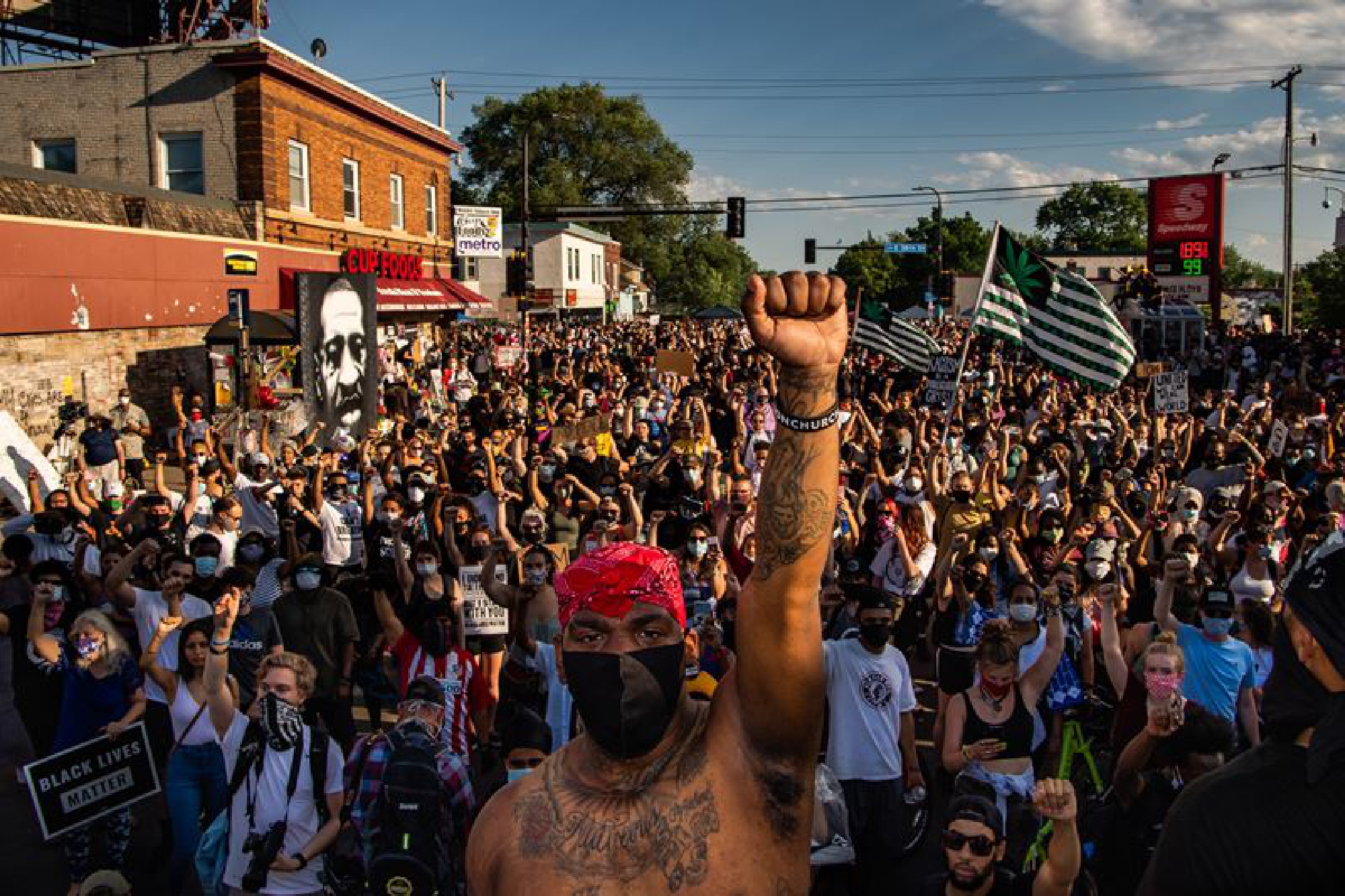
Floyds death led to concern for race and racism, but its unclear what that means

Lescault spent nearly a year praying for a guilty verdict in the case against former police officer Derek Chauvin, who is accused of killing Floyd by putting his knee on Floyd’s neck for more than nine minutes. In the past few weeks, she’s been unable to look away from the trial coverage, struggling to concentrate at work and experiencing escalating, debilitating anxiety as businesses boarded up their windows and police walked near her house, which is four blocks from where Floyd was killed.

“I could probably have tuned this out better in a different life, but not as a mother of a Black child. I have to pay attention. It’s important,” said Lescault, who is White, is married to a Black man and has biracial twins.

On Tuesday, Chauvin was convicted of second-degree murder, third-degree murder and second-degree manslaughter.

As Americans awaited the verdict, many found themselves grappling with the racial reckoning brought about by Floyd’s death May 25. Since then, huge numbers of Americans have shown up to Black Lives Matter rallies, bought books about racism, planted signs in their front yards and engaged in difficult conversations. Less visible are those who have remained silent and unchanged, making it unclear whether lasting systemic changes are on America’s horizon.

Each time a Black person is killed by police or racism-fueled violence occurs, there is a burst of awareness and discussion, calls for action and promises of change – which often fade as time passes. Floyd’s death, which was captured in a video viewed by millions, ignited a response that seemed to be longer lasting and has been resurgent as Chauvin stood trial.

Before the verdict, many residents of the Minneapolis area reflected on what the outcome could be and what it would mean.

For some, including Lescault, the verdict was be a symbolic measurement of where the United States is in its fight for racial equity. His conviction, they said before the announcement, is a sign that progress is being made. Anything less than that, they said, would have showed that nothing had changed.

Others struggle to see this trial as anything more than one police officer on trial for one crime, saying no deeper meaning should be gleaned from the outcome.

And others are not quite sure what to make of the trial, or how they fit in amid the Black Lives Matter protests and the pro-law-enforcement “thin blue line” flags.

Public concern for race and racism increased in June after Floyd’s death, fell slightly in August, then plateaued in recent months at a higher level than it was before, according to Gallup polling. Although Gallup has seen similar spikes in attitudes about race in years past, this shift appears to be longer lasting than those before it.

But it’s unclear how permanent this shift in opinion is. In the poll, issues of race and racism were considered one of the top four U.S. priorities but were overshadowed by concerns about the pandemic, the government, and the economy and unemployment. Levels of concern also split sharply along racial lines, with White Americans less concerned about racial issues than Black and Hispanic Americans.

After following the trial coverage for days, Justin Gelking said Chauvin should not have put his knee on Floyd’s neck for those nine-plus minutes. But the 33-year-old, who is a fan of the phrase “All Lives Matter,” does not think race was a factor in Floyd’s death.

“Seems like a one-time thing that hopefully won’t happen again,” he said as he left his shift Monday as a dishwasher at Billy’s Bar and Grill, a restaurant in the northwestern suburb of Anoka, Minn. He’d watched the concluding arguments of the trial that morning.

Gelking, who is White, said that police are “good at protecting people and doing what they’re supposed to be doing,” and that no matter what the jury decides about Chauvin’s actions, that would not change.

Some experts say systemic racism is too entrenched in American society for one incident to make a difference.

Helen Neville said she’s not convinced that Floyd’s death “caught on video will transform U.S. society and people’s opinions without deep, deep reflection and engagement.” Neville, a University of Illinois professor who specializes in the psychology of racism, said: “I do see there’s been conversations, but we’ll see if real change happens.”

– – –

In the weeks before Floyd died, reports were showing that Black and Latino Americans were becoming infected with the coronavirus and dying at higher rates than Whites.

On the morning of May 25, a Black birdwatcher in Central Park named Christian Cooper asked Amy Cooper, a White woman of no relation, to put her dog on a leash in a zone of the park where that’s required. When she refused, he recorded her as she called police and told them that “an African American man” was threatening her. It sparked national outrage.

Several hours later that same day, a nine-minute video circulated that showed Chauvin putting his knee on Floyd’s neck as Floyd pleaded for air, called out for his mother and died.

“It served as an awakening point,” said Neville. “It alerted people to the harsh realities of police brutality directed toward Black folks, which then served as a symbol for institutional racism.”

Samuel Sinyangwe, co-founder of Campaign Zero, an organization that tracks police violence and advocates for changes, said the video was unusual in the way it captured the “cold, emotionless expressions” on Chauvin’s face.

He also pointed out that the presence of three other police officers in the video may have disabused some viewers of the “bad apple” myth – that the officers portrayed in police brutality videos are bad people who slipped through the cracks of a reliable system, as opposed to the officers being a symptom of a larger, systemic problem in U.S. policing. Those three officers are charged with aiding and abetting murder and manslaughter.

Then there were Floyd’s last words, which included calling out for his mother.

The cries were a universal signifier, one that hit home for mothers across the racial spectrum. In Portland, Ore., a “wall of moms” formed during protests, with White women putting themselves between police and protesters of color. They grew to become such a symbol for White women’s involvement in the Black Lives Matter movement that the group became an official nonprofit.

As the White proportion of the U.S. population shrinks, White buy-in becomes less essential to these movements, said Tim Wise, author of “Dispatches from the Race War.” But for now, “in a society of white supremacy, Black moral authority” is not enough, Wise said.

In the Floyd video, the racism was overt, said David Campt, creator of the White Ally Toolkit. He said the video did not display “new racism,” which he described as the subtle, unconscious kind that is difficult to see without an education on race issues and a willingness to view the world through a racialized lens.

That lack of subtlety, Campt said, has helped expose the more subtle acts ever since.

With the coronavirus raging last summer, many people were working at home and more exposed to the media images and details of Floyd’s death, experts said. When protesters took to the streets in cities large and small across the country, it made the Black Lives Matter movement ubiquitous in the digital and physical realms, therefore unavoidable for many.

And Floyd’s death occurred while the country was being led by President Donald Trump, who stoked racial tensions during his campaign and presidency. Floyd died during Trump’s final year in office, as thousands of suburban voters were shifting left and preparing to vote for a different candidate in November.

It is for all these reasons that the video of Floyd stood apart from the others. And it’s why many see the trial as a test: If this video would not make a difference, what would?

For Eryn Frost, 33, watching the video was a profound experience that she said changed her and made her realize that she had done racist things in the past, such as shuffling the job applications of those with hard-to-pronounce names to the bottom of the stack. The White resident of Prior Lake – a southwestern suburb of Minneapolis – grew up conservative and was the president of her college’s Republican group. In 2016, she and her husband voted for minor-party candidate Gary Johnson.

But when Trump became president, a “crack” formed in the couple’s mind-set, she said, and they became increasingly dissatisfied with where the country was headed. Then Floyd died, and Frost said “the whole thing exploded.”

“You’re like, ‘What the hell is happening? What the hell is going on?’ And then you realize this has always been going on,” she said. “And once you hit that realization it’s like, oh my God.”

– – –

As the sun began to set over the George Floyd memorial site, Anna Ashcroft’s son ran up to her, chalk in hand.

“Mama, how do you spell justice?” the boy asked, before writing out “Justice for everyone” in green chalk, feet from where Floyd died.

“This felt like the right place for us to be,” said Ashcroft, who is White and was hoping for a guilty verdict. “In my mind, this is them processing,” she said of her children’s scrawls. It was Floyd’s death that moved Ashcroft to talk to them about racism and police violence.

As the jury began deliberations Monday night, a feeling of anxiety mounted across the city. Many were concerned about what the verdict could mean for their hometown – whether people will get hurt, whether small businesses could suffer blows, whether troops would march in their streets.

“If they don’t convict [Chauvin] of murder, I don’t even know,” said Zaynab Mohamed, a 23-year-old Somali American who awoke Tuesday morning after a sleepless night in her home blocks from where Floyd died. “I think we wonder, ‘Are we less than human?’ Because every one of us sees themselves in George Floyd.”

She said many in the Somali community were watching the Chauvin trial after the 2019 verdict against Mohamed Noor, a Black, Somali Minneapolis police officer who was convicted of manslaughter and murder for killing 40-year-old Justine Damond, a White woman.

Miles away at an intersection near a CVS Pharmacy that burned during protests last year, was rebuilt and has been newly boarded up following the Daunte Wright killing in nearby Brooklyn Center, Brandon Bollig, 30, was walking his dog and following the latest trial updates “1,000%.”

Wearing a Black Lives Matter wristband, Bollig spoke to the fact that Black and White people are not policed equally.

Tim Bohmer, 60, had not been following the trial closely and said he was not sure that Chauvin was guilty of murder – though he said what the officer did was wrong. Instead of framing it as a racism problem, Bohmer said police have “bad habits” that get passed on to their subordinates in a vicious cycle.

“I truly hope the city doesn’t destruct itself. My biggest fear is we’re going to go through what we went through last summer all over again,” Bohmer said.

Leslie Redmond, former president of the local NAACP, said she was nearly drained of emotion.

“We’re exhausted, and I cannot reiterate that enough. You can hear it in my voice,” she said, her voice scratchy and quiet. “There’s a lot of wear and tear on Black people.”

Published : April 21, 2021

By : The Washington Post · Silvia Foster-Frau, Emily Guskin, Kim Bellware, Jared Goyette
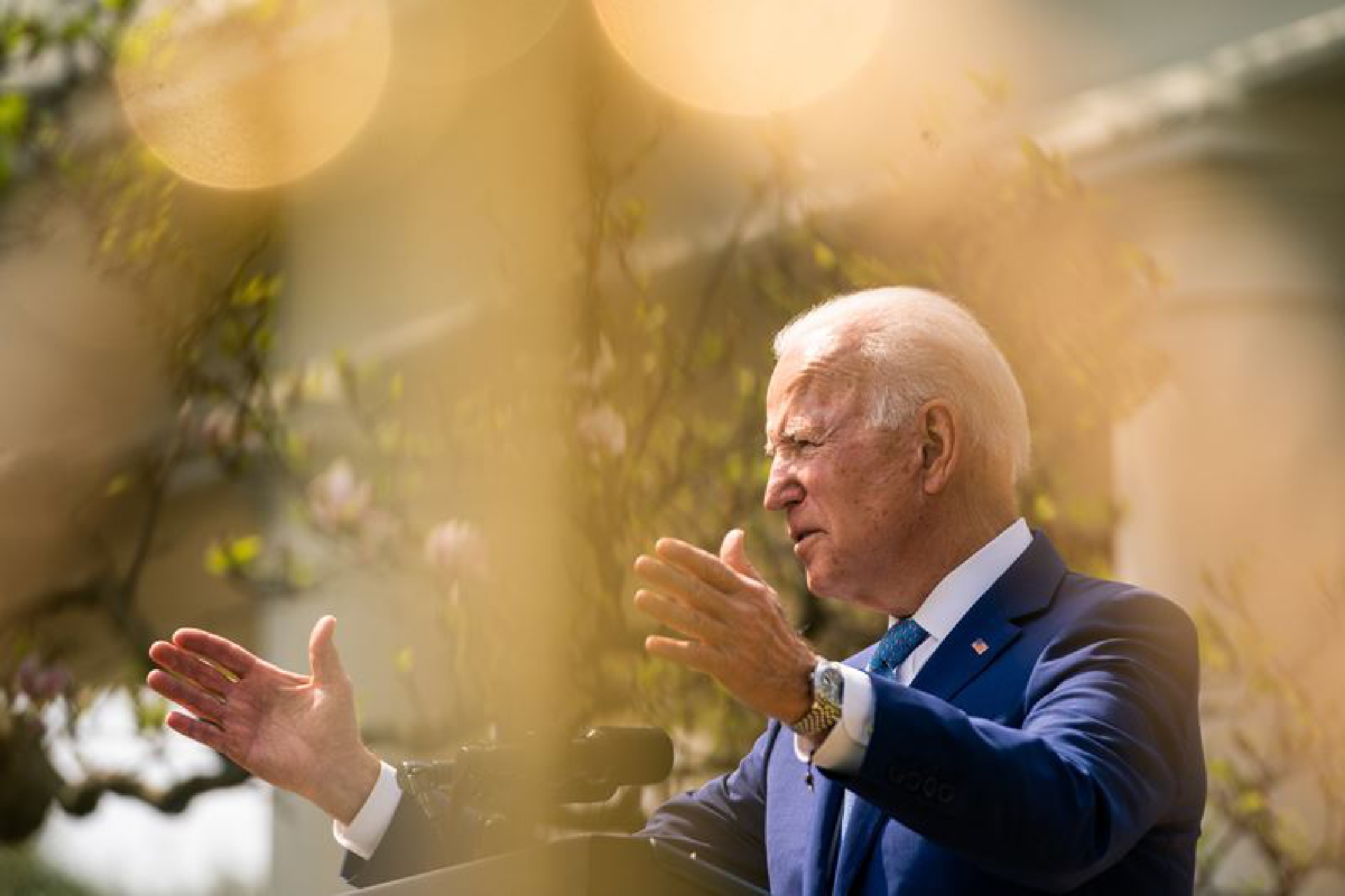
Biden to propose cutting emissions significantly by 2030 #SootinClaimon.Com

#SootinClaimon.Com : ขอบคุณแหล่งข้อมูล : หนังสือพิมพ์ The Nation.

https://www.nationthailand.com/international/40000039

Biden to propose cutting emissions significantly by 2030


WASHINGTON – President Joe Biden this week will pledge to slash U.S. greenhouse gas emissions at least in half by the end of the decade, according to two individuals briefed on the plan, as part of an aggressive push to combat climate change at home and persuade other major economies to follow suit.

Biden to propose cutting emissions significantly by 2030

The move comes as Biden convenes a virtual summit of more than three dozen world leaders on Thursday, aimed at ratcheting up international climate ambitions and reestablishing the United States as a leader in the effort to slow the planet’s warming.

The planned U.S. pledge represents a near-doubling of the target that the nation committed to under the 2015 Paris climate agreement, when President Barack Obama vowed to cut emissions between 26% and 28% compared with 2005 levels.

Asked for comment, a White House official said a final decision had not been made.

The Paris accord, which President Donald Trump exited but Biden promptly rejoined, was designed with the expectation that countries would embrace bigger, bolder targets over time.

“The Biden-Harris administration will do more than any in history to meet our climate crisis,” Secretary of State Antony Blinken said in a speech Monday. “This is already an all-hands-on-deck effort across our government and across our nation. Our future depends on the choices we make today.”

The administration probably will offer broad strokes rather than a detailed breakdown of how it will meet the more ambitious target, according to the individuals briefed on the matter, who spoke on the condition of anonymity because the plan had not been formally announced. Officials are considering a target range, they added, which could go above 50% at the higher end.

Still, the new pledge will offer the latest glimpse at the profound changes that Biden wants to set in motion, from decarbonizing the country’s energy sector to phasing out gas-powered vehicles. Administration officials have made clear that they see the effort not only as a climate pursuit but as a massive investment in a new generation of jobs nationwide.

“We’re going to do it in a way that’s very deliberate,” White House domestic climate adviser Gina McCarthy told reporters Monday in a call organized by the World Resources Institute. The administration wants to transition to a cleaner economy with well-paying occupations in communities that have been hardest hit by unemployment and underinvestment, she said. “It’s intended to meet the moment we are in.”

The forthcoming pledge also is meant to serve as a marker for the kind of scope – and urgency – that the Biden administration wants other countries to embrace ahead of a critical United Nations climate gathering this fall in Scotland.

Some nations, including those that are part of the European Union, have locked in more aggressive emissions-cutting targets. The United Kingdom on Tuesday announced a commitment to reducing its emissions by 78% by 2035, compared to 1990 levels – a goal that the government said would take the nation more than three-quarters of the way toward reaching net zero by 2050.

But other major emitters, including China, India and Russia, have yet to spell out how they intend to help put the world on a more sustainable trajectory.

China, the largest greenhouse gas polluter, has said it plans to effectively erase its carbon footprint by 2060, though the details remain unclear. Still, despite myriad diplomatic tensions between the two countries, the United States and China vowed Saturday to jointly combat climate change “with the seriousness and urgency that it demands.”

The world remains nowhere near meeting the central Paris aim of limiting Earth’s warming to “well below” 2 degrees Celsius (3.6 Fahrenheit) compared with preindustrial levels – or ideally, remaining closer to 1.5 Celsius. Failure to hit those targets, scientists have warned, will result in a cascade of costly and devastating effects.

“We are on the verge of the abyss,” U.N. Secretary General António Guterres said Monday, as a new World Meteorological Organization report detailed the intensification of extreme weather events and underscored that 2020 was one of the hottest years recorded.

“We are way off track,” Guterres said. “This must be the year for action – the make-it-or-break-it year.”

The International Energy Agency this week projected that global carbon dioxide emissions are set to rise by 1.5 billion tons in 2021 – the second-largest increase in history – as the world comes out of the pandemic-induced downturn. Coal demand in the electricity sector will drive the emissions rise, according to the agency.

“This is a dire warning that the economic recovery from the Covid crisis is currently anything but sustainable for our climate,” said IEA Executive Director Fatih Birol in a statement.

In the United States, the power sector represents one of the best opportunities to cut greenhouse gas emissions. On Friday, a collection of 13 utilities, including Exelon, National Grid and PSGE, urged Biden to pursue a range of policies “to enable deep decarbonization of the power sector, including a clean electricity standard that ensures the power sector, as a whole, reduces its carbon emissions by 80 percent below 2005 levels by 2030.”

The Interior Department and the Environmental Protection Agency are laying the groundwork to curb methane emissions from oil and natural gas drilling, in part by reviving Obama administration standards reversed under Trump. And the EPA is moving ahead to phase down the production and import of hydrofluorocarbons – which are widely used as refrigerants and in air conditioning – by 85% over the next 15 years, as mandated by Congress.

Passage of Biden’s new infrastructure plan, which includes generous federal support for climate priorities like electric vehicles, renewable projects and energy efficiency upgrades, could play a key role in helping the country meet its new climate pledge. But it remains unclear whether Congress will adopt the infrastructure proposal in its current form or scale it back.

For months, Biden has faced growing pressure to demonstrate that the United States not only is returning to the Paris agreement but that it intends to back up its words with action.

Environmental activists, Democratic lawmakers, foreign leaders and hundreds of private companies, including Apple and Walmart, have implored the White House to make the boldest climate pledge possible. Advocacy groups and academics have published detailed analyses, demonstrating ways they say the nation could cut at least half its emissions by the end of the decade.

To craft the new pledge in the administration’s first 100 days, White House officials scrambled staffers at agencies across the government to look for funding, programs and policies that could help curb emissions in the years ahead. Agency by agency, sector by sector, federal officials tallied up the math to make Biden’s pledge credible.

To reach the 50% target, the administration will have to make difficult-to-guarantee assumptions about the future. For instance, that new regulations aimed at curbing emissions will not be reversed by a future administration or the courts – even though Trump furiously dismantled key Obama-era climate policies.

While allies are likely to embrace Biden’s push to aggressively cut emissions, some Republicans have insisted that the far-reaching changes needed to cut greenhouse gas pollution so fast could harm an already struggling economy, particularly in communities that still depend on the fossil fuel industry.

Sen. Shelley Moore Capito, W.Va., the top Republican on the Senate Environment and Public Works Committee, has said Biden’s aggressive climate actions could kill thousands of jobs in her state. On the Senate floor last month, she called the notion that new policies could quickly replace lost jobs in coal and other fossil fuels with ones in renewable energy “a fantasy world that does not exist.”

Even as the White House manages that political balancing act at home, Biden’s new pledge is meant to serve as a tool to cajole other major economies that have yet to detail their updated plans. While the United States remains the world’s second-largest emitter, about 85% of emissions now come from other countries.

Persuading other key nations to bolster the promises they made in Paris remains critical if the world is to meet its collective goal of slowing Earth’s warming. The targets set by countries such as China, India, Russia and Brazil could affect whether the world can reach the goals set almost six years ago.

Few experts are expecting major new commitments from other countries at this week’s White House summit. But if the willingness of the United States and its European allies to go big eventually helps nudge them in the same direction over the coming months, the gathering will have served an important purpose.

“The international community will have the opportunity to see that Biden is good for his word,” said Rachel Kyte, dean of the Fletcher School of Law and Diplomacy at Tufts University. “A lot of diplomacy is about momentum and building momentum.”

Published : April 21, 2021

By : The Washington Post · Brady Dennis, Juliet Eilperin

Elon Musks SpaceX is about to fly astronauts for a third time, but there is nothing routine about it #SootinClaimon.Com

#SootinClaimon.Com : ขอบคุณแหล่งข้อมูล : หนังสือพิมพ์ The Nation.

https://www.nationthailand.com/international/40000037

Elon Musks SpaceX is about to fly astronauts for a third time, but there is nothing routine about it


When Megan McArthurs husband, Bob Behnken, flew to space almost a year ago, she watched from the ground with their 6-year-old son. As an astronaut herself, she was optimistic and proud, especially since it was the first flight of NASA astronauts from U.S. soil in nearly a decade.

Elon Musks SpaceX is about to fly astronauts for a third time, but there is nothing routine about it

But she was also fearful.

“One of the hardest things to do is watch the person that you love launch into space,” she said in an interview. “It’s much harder than actually doing it yourself when you’re in the rocket. You have the training. You’re prepared for the mission. When you’re watching, you’re just a spectator. And no matter what happens, there’s nothing you can do to contribute to the situation.”

Now, it’s McArthur’s turn to fly – and Behnken’s turn to spend that fretful time on the ground with their son, now 7.

If all goes well, McArthur will be strapped into SpaceX’s Dragon spacecraft along with the rest of the astronauts known as Crew-2 – NASA astronaut Shane Kimbrough, Thomas Pesquet of France and Akihiko Hoshide of Japan – for a launch to the International Space Station scheduled for 6:11 a.m. Thursday from the Kennedy Space Center in Florida.

The flight will be SpaceX’s third with astronauts aboard. Last May, it flew Behnken and NASA astronaut Doug Hurley in a short test flight to the station. Then, in November, it flew a regular crew of four for a full-duration mission of about six months, restoring regular transportation to the station from U.S. soil after the retirement of the space shuttle fleet in 2011.

That group of astronauts, known as Crew-1, is expected to overlap with Crew-2 on the space station for about a week before coming back to Earth in a return flight scheduled to splash down in the Atlantic Ocean or Gulf of Mexico on April 28.

That flight cadence stands in stark contrast with that of Boeing, the other company under contract with NASA to develop spacecraft capable of flying astronauts to and from the space station. Boeing has not flown for nearly a year and a half, after its Starliner spacecraft suffered a software malfunction that made the spacecraft think it was 11 hours later in a test mission without any astronauts aboard than it actually was. The company was able to bring the spacecraft down safely and said it would repeat the test before flying a mission with astronauts.

The company recently said it would be ready to fly as early as May. But because of traffic on the space station and the availability of the launchpad it uses, Boeing does not expect the launch to occur until August or September. Still, it said in a statement that it “will be mission-ready in May should another launch opportunity arise.”

It is not clear when Boeing’s first flight with astronauts aboard will be.

SpaceX, meanwhile, is moving ahead with its launch schedule, which includes another flight with a crew later this year. For the flight Thursday, it is incorporating a key difference: The rocket and the spacecraft that will fly the crew have been flown before, marking first time NASA has allowed SpaceX to reuse its hardware in a human spaceflight.

Instead of throwing away its rockets, as had been done in the space industry for years, SpaceX flies them back to Earth, where they land on ships at sea or on a landing pad near the launch site. SpaceX has been doing it for years now, perfecting a practice once thought impossible.

But it only recently convinced NASA that it should be allowed to use its boosters and spacecraft again with humans aboard.

SpaceX will use the same Falcon 9 rocket that flew the Crew-1 astronauts. It stands on Launchpad 39A not shiny white and new but bearing the sooty streaks from the previous launch. The Dragon spacecraft for the flight is the same one that Behnken and Hurley flew in their mission. McArthur will be sitting in the same seat Behnken occupied for his flight.

SpaceX’s goal is to get to something similar to airline-like efficiency, where rockets and spacecraft take off, land and fly again. But space presents all kinds of different challenges, particularly for the capsules, which come screaming back through Earth’s atmosphere, generating temperatures in the thousands of degrees. Then they splash into the ocean under parachutes, which poses its own problems.

“One of the things you have to worry about is water intrusion,” Benji Reed, SpaceX’s senior director of human spaceflight programs, said during a recent press briefing. “Saltwater is very corrosive. It’s not a great thing when you want to keep your physical materials sound and especially easy to refurbish and to reuse.”

After the spacecraft, dubbed Endeavour, came back last year, SpaceX inspected it to make sure it was safe to fly again. The company replaced some parts, Reed said, and the thermal protection system and the parachutes for this coming flight will be new as well. “But otherwise, it’s really the same vehicle,” he said. “That’s very carefully inspected, carefully prepared, refurbished as needed and ready to fly.”

He added that NASA signs off on the vehicle and ensures that it is safe to fly. In the days and weeks leading up to the launch, officials from NASA and SpaceX repeatedly said that while this will be the third mission with people, the flight is by no means routine and the serious risks inherent in all human spaceflight remain.

“We’ve completed thousands and thousands of tests to get to this day,” Reed said.

The company has pored over the data and performed intensive reviews alongside NASA, always looking for the worst-case scenario, trying to find it in a spreadsheet or an engine-test stand before a flight.

“We call them paranoia reviews. We want to be paranoid,” Reed said. “We want to make sure that we’re going to fly these people safely and be able to bring them home safely when it’s time. So we check. We check under every rock. And we double-check and we triple-check and we ask each other and we challenge each other all the time.”

He said that he feels responsible not only for the astronauts but their families as well, and that he and the engineers kept McArthur’s 7-year-old son, Theo, in their minds when preparing for the mission.

“In particular in my heart, there’s a little boy out there whose mom is flying,” Reed said. “This is something that we pay a lot of attention to. We ask ourselves all the time: Would we be willing to fly our families on these vehicles? That’s kind of a test for us.”

Before Behnken’s flight last year, he and McArthur took their son to Cape Canaveral for a launch so he could see the rocket take off and give him a sense of what his parents were about to do. He was excited for the flight and thrilled when Behnken returned home safely from the mission – in part because his parents had promised him a puppy once the flight was over.

Now he’s looking forward to another flight. But the splashdown will be better than the liftoff.

“I think he’ll mostly be thrilled when I come home again,” McArthur said. “That would be the best part for him.”

Published : April 21, 2021

By : The Washington Post · Christian Davenport

European regulator says J&J coronavirus vaccine needs rare blood clot warning but that benefits outweigh risks #SootinClaimon.Com

#SootinClaimon.Com : ขอบคุณแหล่งข้อมูล : หนังสือพิมพ์ The Nation.

https://www.nationthailand.com/international/40000036

European regulator says J&J coronavirus vaccine needs rare blood clot warning but that benefits outweigh risks


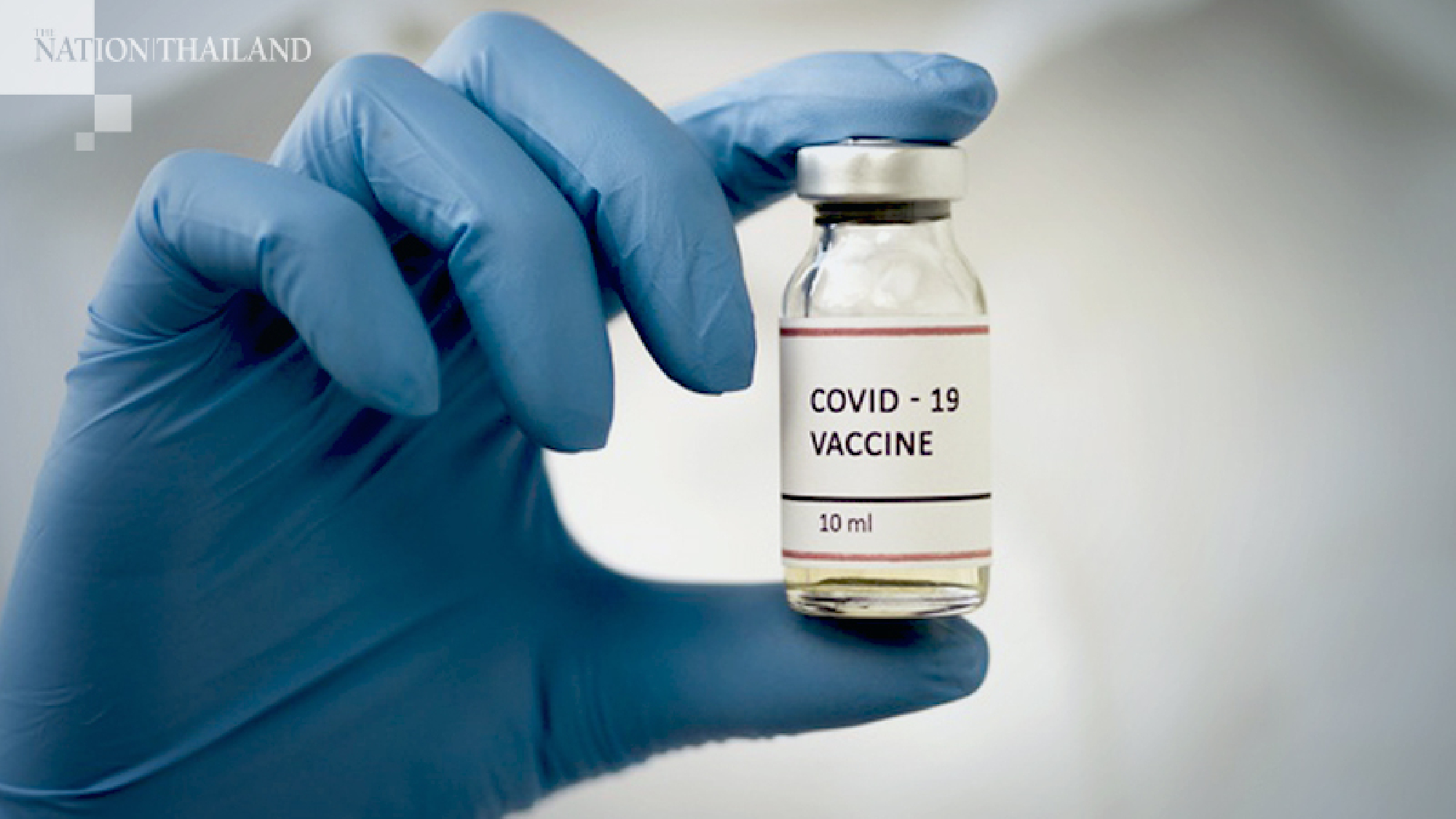
European regulators on Tuesday said the coronavirus vaccine made by Johnson & Johnson should carry a warning about rare blood clots, but they placed no restrictions on the use of the vaccine inside the European Union.

European regulator says J&J coronavirus vaccine needs rare blood clot warning but that benefits outweigh risks

The decision by the European Medicines Agency was based on the same U.S. data that led American regulators last week to pause the use of the vaccine inside the United States.

Johnson & Johnson said after Tuesday’s announcement that it would resume distribution in Europe. But the U.S. hold remains in place as American authorities make an independent evaluation. New guidance is expected as early as Friday, and top officials, including Anthony Fauci, say they expect the vaccine will also be given a green light.

The European regulators said Tuesday that unusual blood clots with low blood platelets should be listed on the packaging of the vaccine as “very rare side effects,” but they took no further action. The regulators assessed that, overall, the vaccine is safe and effective.

“The benefits of the vaccine continue to outweigh these risks, and we now have detailed information in the labeling that alerts to these risks,” said Emer Cooke, the head of the European Medicines Agency. “We’re confident that it can be rolled out appropriately.”

Six cases of unusual blood clots with possible ties to the vaccine had been reported in the United States last week. The European regulators said they had evaluated eight U.S. cases, without explaining the discrepancy.

Nearly 7 million shots of the Johnson & Johnson vaccine had been administered in the United States before the pause. Public health officials especially appreciated that the inoculation involves just a single dose, making it easier to give to vulnerable and underserved populations for whom a follow-up appointment for a second shot could be difficult.

The vaccine has been slower to roll out in Europe, with only two E.U. countries – Poland and Luxembourg – using it since it became available last week. In response to the U.S. Food and Drug Administration’s halt on April 13, Johnson & Johnson halted its European distributions, as well. There had been no formal European hold on the use of the vaccine, apart from the drugmaker’s own pause in deliveries.

“We appreciate the rigorous review,” said Johnson & Johnson’s chief scientific officer, Paul Stoffels, in a statement after the European announcement. We “share the goal of raising awareness of the signs and symptoms of this very rare event to ensure the correct diagnosis and appropriate treatment.”

The European regulators noted that the blood clots in the United States were similar to cases in Europe among people who had received the Oxford-AstraZeneca coronavirus vaccine, which also uses “viral vector” technology. The vaccines produced by Pfizer-BioNTech and Moderna are based on messenger RNA technology, instead, and are not suspected to cause any unusual clotting.

Many European countries have restricted the AstraZeneca vaccine to older age groups, after the majority of concerning clots were identified in younger people, most of them women – though regulators have said that may also reflect who was getting the vaccine.

The AstraZeneca vaccine is not currently authorized in the United States.

European regulators said it was not yet possible to determine whether there is more or less risk of blood clots associated with the Johnson & Johnson vaccine or with AstraZeneca’s. At least 287 cases of unusual blood clots have been reported worldwide following the AstraZeneca vaccine, the E.U. regulators said, but that vaccine has been in use longer – since December in some countries.

Concerns about blood-clotting complications were first triggered in Europe when a nurse in Austria died soon after her AstraZeneca vaccination in mid-February. More cases followed, and though rare, their severity spurred action from medical regulators across the continent.

Teams of scientists in Germany and Norway have said the clots are caused by an antibody response triggered by the vaccine.

Scientists are still trying to work out what might cause one person to be more affected than another and whether young people or women might be disproportionately at risk.

For the AstraZeneca vaccine, the EMA estimates the risk of someone developing rare blood clots alongside a low platelet count to be about 1 in every 100,000 inoculations. Concerns largely center on cerebral venous sinus thrombosis, a clot that prevents blood from being drained from the brain and can cause hemorrhaging. The condition can be serious.

But doctors and regulators say early intervention and treatment can help, making it essential that medical workers and the public are informed of side effects to look for. Those include headaches or blurred vision occurring more than four days after vaccination.

Published : April 21, 2021

By : The Washington Post · Michael Birnbaum, Loveday Morris

Africas vaccinations hampered by conspiracy theories, suspicion of China, fears of foreign plots #SootinClaimon.Com

#SootinClaimon.Com : ขอบคุณแหล่งข้อมูล : หนังสือพิมพ์ The Nation.

https://www.nationthailand.com/international/40000034

Africas vaccinations hampered by conspiracy theories, suspicion of China, fears of foreign plots


As if the struggle to secure its meager supplies of coronavirus vaccines wasnt bad enough, Africa is now having a hard time getting people to take them. Only 5.22 million people in sub-Saharan Africa have been vaccinated, a region with a population of about a billion.

Africas vaccinations hampered by conspiracy theories, suspicion of China, fears of foreign plots

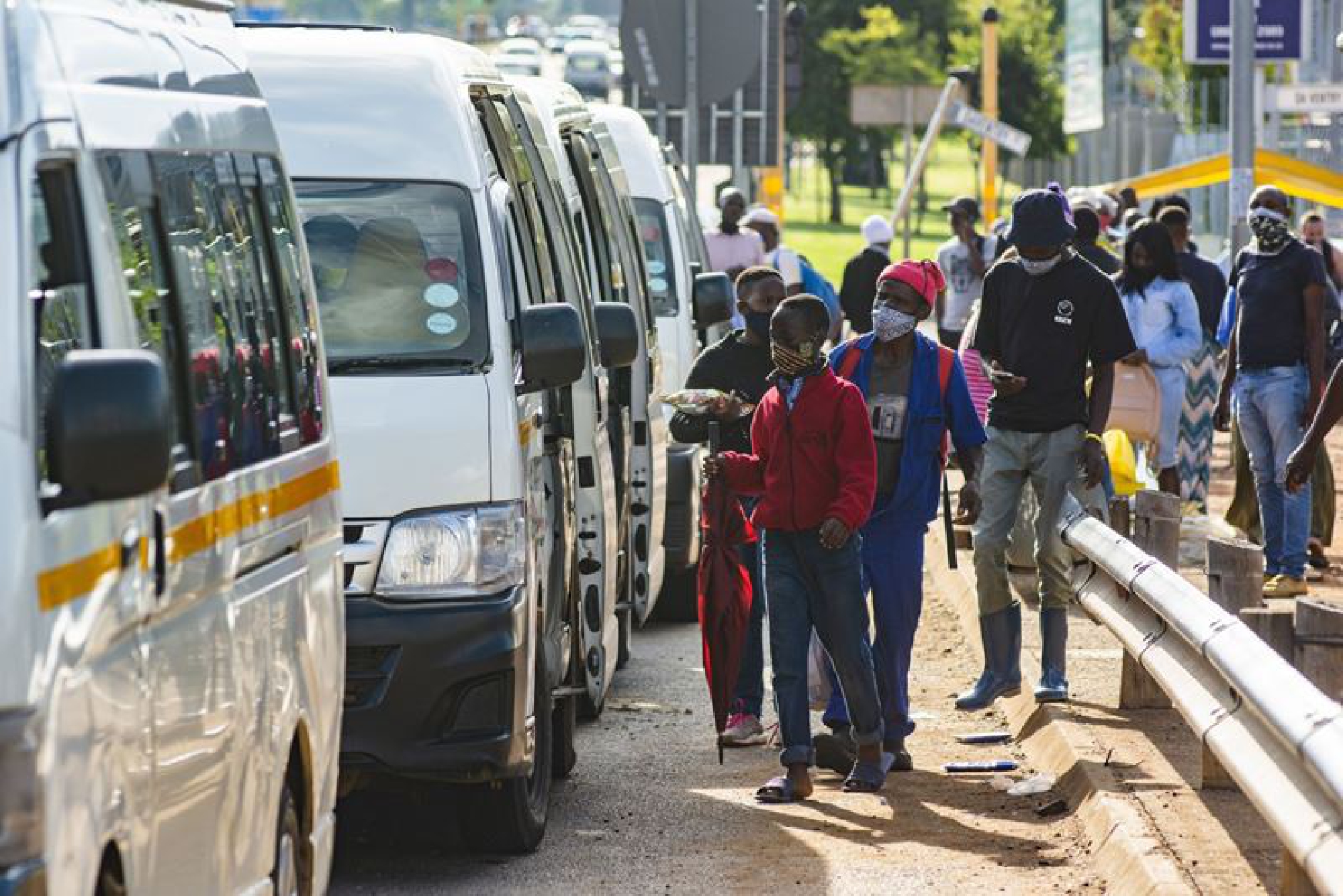
From suspicions about Chinese-made vaccines in Zimbabwe and conspiracy theories in Ivory Coast about covid-19 being “a planned event by foreign actors” to Somalia, where the Islamist militant al-Shabaab group is warning people they’re “guinea pigs” for AstraZeneca, large sections of Africans are steering clear of vaccines. Only about 17.5% of the doses available in Ivory Coast and 19% in Zimbabwe have found their way into arms. Already lagging behind the rest of the world in its inoculations, the wave of vaccine skepticism — made worse by a lack of trust in local governments and misinformation on social media — threatens to put the continent even further behind.

“There’s a lot of fear and suspicion surrounding the vaccines,” said Salomon Sadia Koui, a 32-year-old nurse who waited for people to turn up at a white vaccination tent at the Parc des Sports de Treichville in Abidjan, Ivory Coast. “Women ask if the shot will make them sterile. They believe it’s a way to control the population because Africans have too many children.”

Vaccine hesitancy is standing in the way of efforts by African governments to head off successive waves of the virus. A prolonged pandemic will delay the continent’s recovery, already forecast by the International Monetary Fund to be the slowest region to revive. It will also provide a fertile breeding ground for virus variants that are reducing the efficacy of some of the vaccines used across the rest of the world.

The reluctance to get inoculated comes as the relentless pace of deaths from the pandemic continues unabated. Having claimed more than 3 million lives across the globe since it emerged in 2019, the virus’s burden is increasingly being borne by some of the poorest places on the planet.

Africa is relying primarily on the AstraZeneca shots supplied by Covax — the initiative backed by the WHO, the vaccine alliance Gavi and the Coalition for Epidemic Preparedness Innovations to offer doses cheaply to developing countries. The program has delivered about 11.5 million doses to sub-Saharan Africa. In addition, Zimbabwe, Cameroon, Senegal and other countries have received doses donated by China, Russia and India.Even as vaccines start to trickle in, a deep distrust of government is becoming one of the biggest obstacles medical authorities face.

“A majority of Nigerians do not believe the disease is as serious as the federal government is trying to portray,” said Ifeoluwa Asekun-Olarinmoye, a public health lecturer and epidemiologist at Babcock University in Nigeria.

In Ivory Coast, a survey by the Africa Centers for Disease Control and Prevention showed that two out of three Ivorians feel the threat from covid-19 is exaggerated. More than two fifths believe the disease was planned by “foreign actors,” Africa CDC said in February. One of the world’s first countries to receive shots from the Covax initiative, Ivory Coast is barely using the doses, having inoculated only about 94,800 people, or 0.4% of its population.

Elsewhere, the disease is seen as a scheme by the elites to profit.

“When international organizations and donor countries started announcing their intention to pump in financial assistance, Cameroon announced its first case,” said Fidelis Mbawah, a post graduate student in Yaounde, the country’s capital. “This is a ploy to make money.”

It doesn’t help that the official numbers for Africa are relatively small, registering just 4.43 million cases and 117,890 deaths, a fifth of the number of people who have died in the U.S. alone.

Anecdotally, however, poorly-equipped hospitals across the continent have groaned under the strain of people infected with covid-19. Testing is sparse and accurate record keeping is rare. In South Africa, the continent’s most developed nation, the number of excess deaths is triple the official tally of almost 54,000, and scientists say they’re almost all due to covid-19.

That hasn’t helped the case for vaccination. In Zimbabwe, a country plagued by poor governance and economic collapse for two decades, the barrier that hesitancy presents is particularly stark. A March survey by the Zimbabwe Christian Alliance of 561 people showed 75% unwilling to be vaccinated.

The source of its supplies, China, inhibits many from taking the shots. The ruling party, in power for all 41 years since independence, has had a close relationship with Beijing since a liberation war in the 1970s. Anti-China sentiment has risen in tandem with antipathy toward the government.

Teachers are “concerned and suspicious, more so since the vaccine came from China,” said Takavafira Zhou, president of the 200,000-strong Progressive Teachers Union of Zimbabwe, whose members are eligible for the shots in the first inoculation phase. “Very few are willing to be vaccinated.”

Of the 1.635 million doses that have arrived in the country just over 311,900 have been administered, with the daily number inoculated falling to as low as 140 on March 10.

The low numbers are despite government efforts across Africa to encourage citizens to get vaccinated. Politicians in South Africa, Zimbabwe and Nigeria have been among the first to receive shots and both Christian and Muslim leaders in Nigeria, Africa’s most populous country, have publicly taken vaccines. In Ivory Coast, the government mounted social media campaigns including Facebook Live events and in Zimbabwe the health ministry has used animated videos on Twitter to urge citizens to visit inoculation sites.

The continent’s health leaders say they are confident the rollout will eventually succeed.

“There’s an element of fear, which leads to misinformation and can make the population reluctant to accept a vaccine,” John Nkengasong, director of the Africa CDC, said at a March Briefing. “As people receive their vaccines this will shift. When they see people they know receive the vaccines this will hopefully lead to an increase of people who are willing to get vaccinated.”

Many front-line health workers are less sanguine.

“We fear that people won’t accept the vaccine when it arrives here,” said Jean-Marie Kongoue, a nurse in the northern Ivory Coast town of Odienne. “Some people can’t read and don’t follow the news. They listen more to friends and family who tell them not to get the vaccine. Others don’t believe the virus exists.”

Published : April 21, 2021

By : Syndication Washington Post, Bloomberg · Antony Sguazzin, Katarina Hoije

New virus wave sparks fresh worker exodus from Indias cities #SootinClaimon.Com

#SootinClaimon.Com : ขอบคุณแหล่งข้อมูล : หนังสือพิมพ์ The Nation.

https://www.nationthailand.com/international/40000032

New virus wave sparks fresh worker exodus from Indias cities


Indias surging epidemic has forced both its financial and political capitals into lockdown, spurring a fresh exodus of migrant laborers fleeing the cities fearing vanishing jobs as panic rises over the ferocity of the countrys second covid-19 wave.

New virus wave sparks fresh worker exodus from Indias cities

The nation now has the world’s fastest-growing covid-19 caseload, adding 259,170 new infections and 1,761 deaths on Tuesday, leaving it behind only the U.S. in terms of total numbers. As virus numbers have soared more state governments have announced localized shutdowns to try to tamp down on the surge.

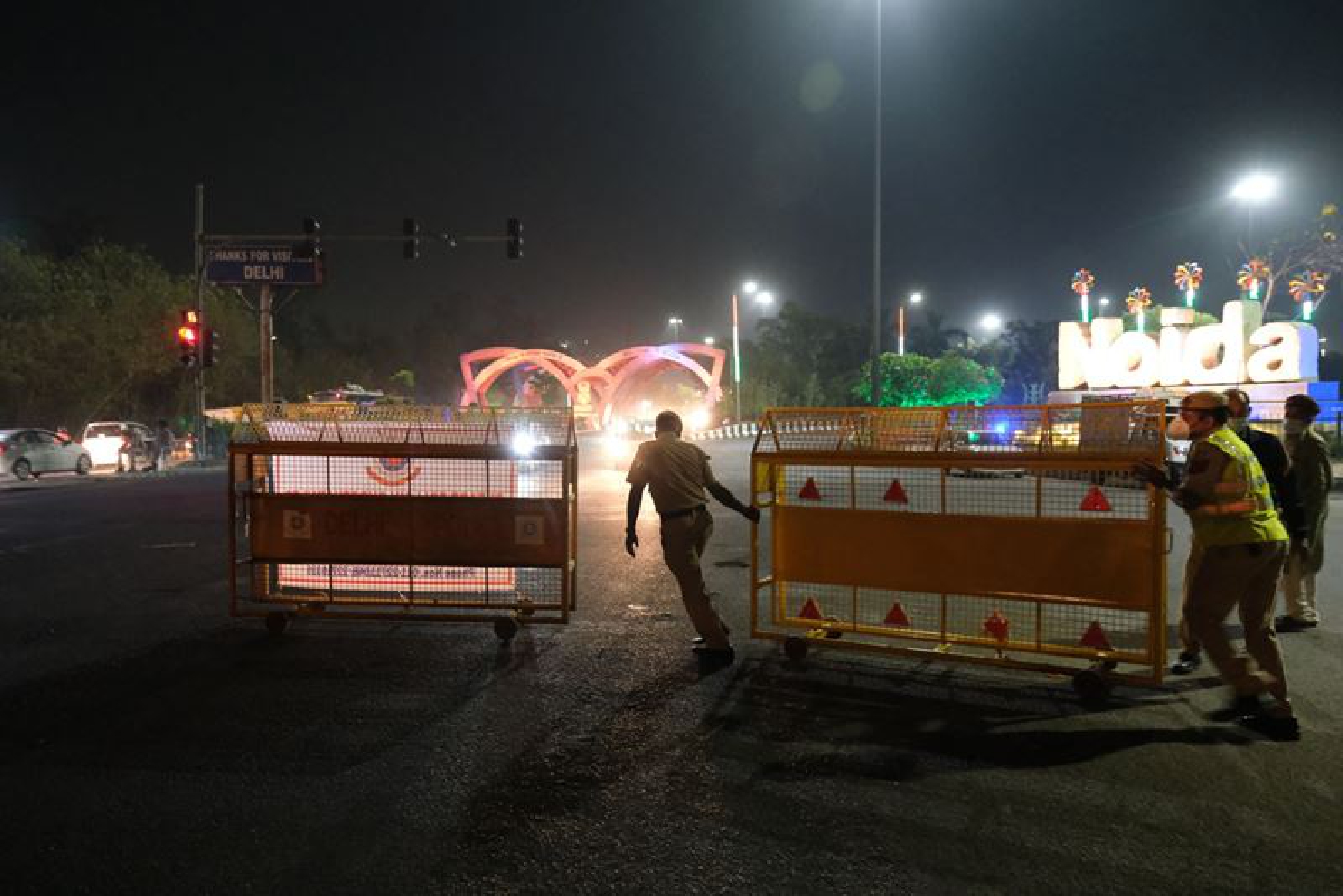
On Monday national capital New Delhi announced a six-day curfew after it reported more than 24,000 daily infections. The city is out of hospital beds, medical oxygen and drugs being used to treat the most critically ill patients. Hours after the announcement, reports began emerging of thousands of the city’s poorest workers converging at the main interstate bus terminals.

At Anand Vihar bus terminal in New Delhi, Sandeep Rai, a 30-year-old driver, was one of the thousands trying to leave the city on Tuesday. He was trying to make his way home to his village in the neighboring state of Uttar Pradesh. “I have just 100 rupees [$1.34] left with me, and I don’t know how long this lockdown is going to last,” Rai said. “The landlord wants rent, there are power bills to be paid, where is the money? It is true the government did ask us stay back, but can you trust the government? I can’t.”

The images were reminiscent of India’s first strict lockdown in late March last year where hundreds of thousands of workers fled cities as their daily wages dried up with just a few hours of notice. Many of these people have only just returned to the cities as the economy slowly began to pick up, only to be crushed again by this second wave.

The exodus from the cities comprises migrants from villages and small towns who keep urban India moving while making less than $2 a day — construction workers, handymen, food sellers, truck drivers and household help.

“Last year when there was a lockdown we saw migrant labor leaving the city,” Delhi’s Chief Minister Arvind Kejriwal. “I want to especially appeal to them with folded hands — this is a small lockdown. Only six days. Don’t leave Delhi. I want to reassure you the government will take care of you.”

Maharashtra, India’s wealthiest and most industrialized state, has seen migrant laborers leave the city since authorities issued work-from-home orders early this month. This despite the government saying it will spend 54 billion rupees ($716 million) to support its vulnerable citizens.

Mumbai alone has more than 8 million migrants from other areas of the country, according to the 2011 census, most of whom work in the informal sector as rickshaw drivers or food-cart vendors and an enforced lockdown risks robbing them of weeks of pay.

“I can’t protect your livelihoods right now but I will ensure you won’t be hungry,” Chief Minister Uddhav Thackeray said in a televised address. “We are focused on saving lives. That’s my most important goal.”

While the labor migration this time around may not be as bad as last year, when the entire country was under strict lockdown “the vulnerability in labor market still persists,” said N.R. Bhanumurthy, vice chancellor of Bangalore Dr. B.R. Ambedkar School of Economics University. “Because of lack of robust recovery from last year’s slowdown, ultimate effect is felt on labor market. Public policy needs to refocus on that.”

As more cities and states have issued stay-at-home order or other movement restrictions job losses in India have begun to tick up. Urban unemployment jumped to 10.72% for the week ending April 18 from 7.21% two weeks ago, according to data from the Centre for Monitoring Indian Economy Pvt. Ltd.

Prime Minister Narendra Modi, under fire for continuing to hold mass election rallies while the country’s hospitals were sounding the alarm over severe shortages of beds and oxygen, met with government officials Monday to discuss the growing health crisis. His administration later announced it would expand its vaccination campaign to all citizens above 18 years, and relax the rules for the procurement of inoculations.

“The government has been working hard from over a year to ensure that maximum numbers of Indians are able to get the vaccine in the shortest possible of time,” Modi said late Monday, noting manufacturers had been provided with incentives to further scale up production.

Meanwhile, at least six of India’s 30 chief ministers, two federal ministers and opposition leader Rahul Gandhi, have all tested positive for the virus in recent days.

Published : April 21, 2021

By : Syndication Washington Post, Bloomberg · Sudhi Ranjan Sen, Dhwani Pandya

[Bangladesh] Lockdown extends as deaths climb #SootinClaimon.Com

#SootinClaimon.Com : ขอบคุณแหล่งข้อมูล : หนังสือพิมพ์ The Nation.

https://www.nationthailand.com/international/40000012

[Bangladesh] Lockdown extends as deaths climb


The current travel and other restrictions will be extended for a week from April 22 as hospitals continue to struggle to cope with the number of Covid-19 patients.

[Bangladesh] Lockdown extends as deaths climb

The number of deaths reported in a day was the highest in the country yesterday while the major health facilities have recently been operating at capacity.

The cabinet division yesterday sent a proposal to extend the restrictions to the Prime Minister’s Office for approval following a meeting held virtually between secretaries of different ministries and business association leaders.

A gazette notification might be issued by today, said Surath Kumar Sarker, principal information officer at the Press Information Department.

“The lockdown will remain in force from April 22 to 28 with the same restrictions imposed the week before. It’ll be a stricter one,” State Minister for Public Administration Farhad Hossian said after the cabinet division meeting chaired by Cabinet Secretary Khandker Anwarul Islam, reports UNB.

Sources present in the meeting said the initial decision was to extend the restrictions until April 29, but the businessmen convinced others to limit the restrictions to an additional seven days.

The proposal sent to the PMO sought a ban on public transport on roads, waterways, railways, and air. There will be no restrictions on freight, emergency, and other services linked to production units.

Health officials yesterday reported 112 deaths from Covid-19, the highest in a day in Bangladesh.

The number of deaths has been over 100 for three days in a row.

Yesterday’s proposal for extending the restrictions followed the recommendations made by the National Technical Advisory Committee (NTAC) on Covid-19.

In its 31st meeting held virtually on Sunday night, the committee members suggested another week-long strict lockdown to contain the rapid spread of coronavirus, according to a press release from the committee.

An outcome cannot be expected in less than two weeks of lockdown, the committee said, adding, “Considering the infection rate, further decisions can be made.”

The press release said the experts expressed satisfaction over the current lockdown and recommended formulation of a plan to lift the restrictions in phases.

The NTAC earlier recommended what it said would be a “full-fledged lockdown”.

The Cabinet Division on April 4 issued an 11-point directive with a set of restrictions effective from 6:00am on April 5 to 12:00am on April 11. The directive allowed offices, mills and factories to operate.

The government later allowed resumption of bus services in the cities and lifted restrictions on shops and malls.

As experts doubted whether the “half-hearted restrictions” would be effective at all, the cabinet division on April 12 issued a circular regarding a “strict lockdown” from 6:00am on April 14 to April 21 midnight.

Yesterday was the sixth day of the current restrictions.

Although all public and private offices remained shuttered and public transport suspended, there were many rickshaws, auto-rickshaws and private vehicles on the  thoroughfares.

Emergency services, garments and other factories, and a few branches of banks continued their operations.

While shopping malls and larger stores in the capital remain closed, many shops that are not selling groceries and drugs have been open with half-closed shutters.

Meanwhile, Road Transport and Bridges Minister Obaidul Quader at a press conference yesterday said, “The government is planning to ease the lockdown so that people can live their lives, go shopping before Eid, and visit the hometowns. I’m requesting everyone to make mental preparations and be patient.”

NEW RECORD EVERYDAY

The deaths reported yesterday took the toll to 10,497, according to a handout from the Directorate General of Health Services.

The death rate now stands at 1.45 percent.

Among those reported dead yesterday, 75 were men and 37 women. Ten were aged between 31 and 40 years, 12 between 41 and 50, 26 between 51 and 60, and 64 above 60, said the release.

At least 4,271 new infections were recorded, taking the total number of people infected to 7,23,221.

The current positivity rate is 17.68 percent while the overall positivity rate is 13.92 percent.

The new cases were detected through testing 24,152 samples across the country in the 24 hours preceding 8:00am yesterday.

At least 6,364 patients recovered during the period taking the total number of recoveries to 6,21,300. The recovery rate was 85.91 percent as of yesterday.

Published : April 20, 2021

By : The Daily Star

Delhi government announces lockdown, exempts essential services #SootinClaimon.Com

#SootinClaimon.Com : ขอบคุณแหล่งข้อมูล : หนังสือพิมพ์ The Nation.

https://www.nationthailand.com/international/40000009

Delhi government announces lockdown, exempts essential services


In an attempt to curb the spread of Covid in the national capital, the Delhi Government has announced a weeklong lockdown starting from 10 pm on Monday night to 5 am next Monday.

Delhi government announces lockdown, exempts essential services

Chief Minister Arvind Kejriwal said that in the duration of lockdown all essential services with regard to food, medicine, etc would continue.

As per the Delhi Disaster Management Authority (DDMA) notice, employees working in essential service departments of the Delhi government like medical establishments, Police, Prisons, Home Guards, Civil Defence, Fire and emergency Services are exempt from the lockdown.

Officers of Union Government, its autonomous, subordinate offices and PSUs are also exempt after showing their official identity card.

Private health professionals comprising doctors, nurses, paramedics, medical equipment suppliers, paramedics, Pharma lab employees and and other hospital services are also exempted by the DDMA during the lockdown.

“All the Judicial officers and staff members in all Delhi courts, individual going for Covid test or or vaccination, pregnant women and patients going to avail medical services along with an attendant with a valid ID card as well as doctor’s prescription are also exempted,” the DDMA notice said.

People with valid ticket travelling from or to railway stations, Inter State Bus Terminal (ISBT) and airports are also exempted.

The DDMA notice also exempt students going to appear in exams and staffs on exam duty

The movement of employees of commercial and private establishments providing essential services also exempted by the DDMA.

The DDMA banned all political, social, religious, and academic gatherings during the lockdown.

All shops, malls, weekly markets, gyms, salons, public parks, shops, restaurants/bars, sports complex, shopping centres, coaching and educational institutes, beauty parlours, private establishments, and water parks shall remain shut during the curfew in the national capital.

The DDMA allowed movement of public transport with restrictions. Buses and Delhi Metro will be allowed to run at 50 per cent of there capacity. Auto rickshaws and cabs are permitted to operate with maximum two passengers. RTVs allowed to operate with a maximum of 11 passengers at one time.

No visitors are allowed at religious places or places of worship.

For weddings, a maximum of 50 guests will be allowed. The guests, however, will have to show wedding cards to attend and the hosts will have to get separate passes.

“This is also the wedding season. It is with great difficulty that people find a good match and we do not want to hamper this. Hence, only a total of 50 people would be allowed to attend the wedding for which separate passes would be issued,” Kejriwal said.

National and international sporting events are allowed without an audience.

The DDMA said that except those exempted or allowed movements and activities, all other private offices, establishments, shops. shopping centres, malls. weekly markets, manufacturing units, educational institutes, cinema and theatres, restaurant, bars , auditoriums/ assembly halls. entertainment/ amusement / water parks. public parks & gardens, sports complexes, gyms, spas. barber shops. saloons, beauty parlours, swimming pools (except being used for training of sports persons for participation in national and international events), construction activities (except where labourer are residing on-site) will remain closed during the curfew.

“There has been large-scale work in the field of health in the last five years, but if strict measures are not taken now, our system can collapse,” Kejriwal said while announcing the lockdown.

Published : April 20, 2021

By : The Statesman/ANN

Historic oil glut amassed during the pandemic has almost gone #SootinClaimon.Com

#SootinClaimon.Com : ขอบคุณแหล่งข้อมูล : หนังสือพิมพ์ The Nation.

https://www.nationthailand.com/international/40000004

Historic oil glut amassed during the pandemic has almost gone


The unprecedented oil inventory glut that amassed during the coronavirus pandemic is almost gone, underpinning a price recovery thats rescuing producers but vexing consumers.

Historic oil glut amassed during the pandemic has almost gone

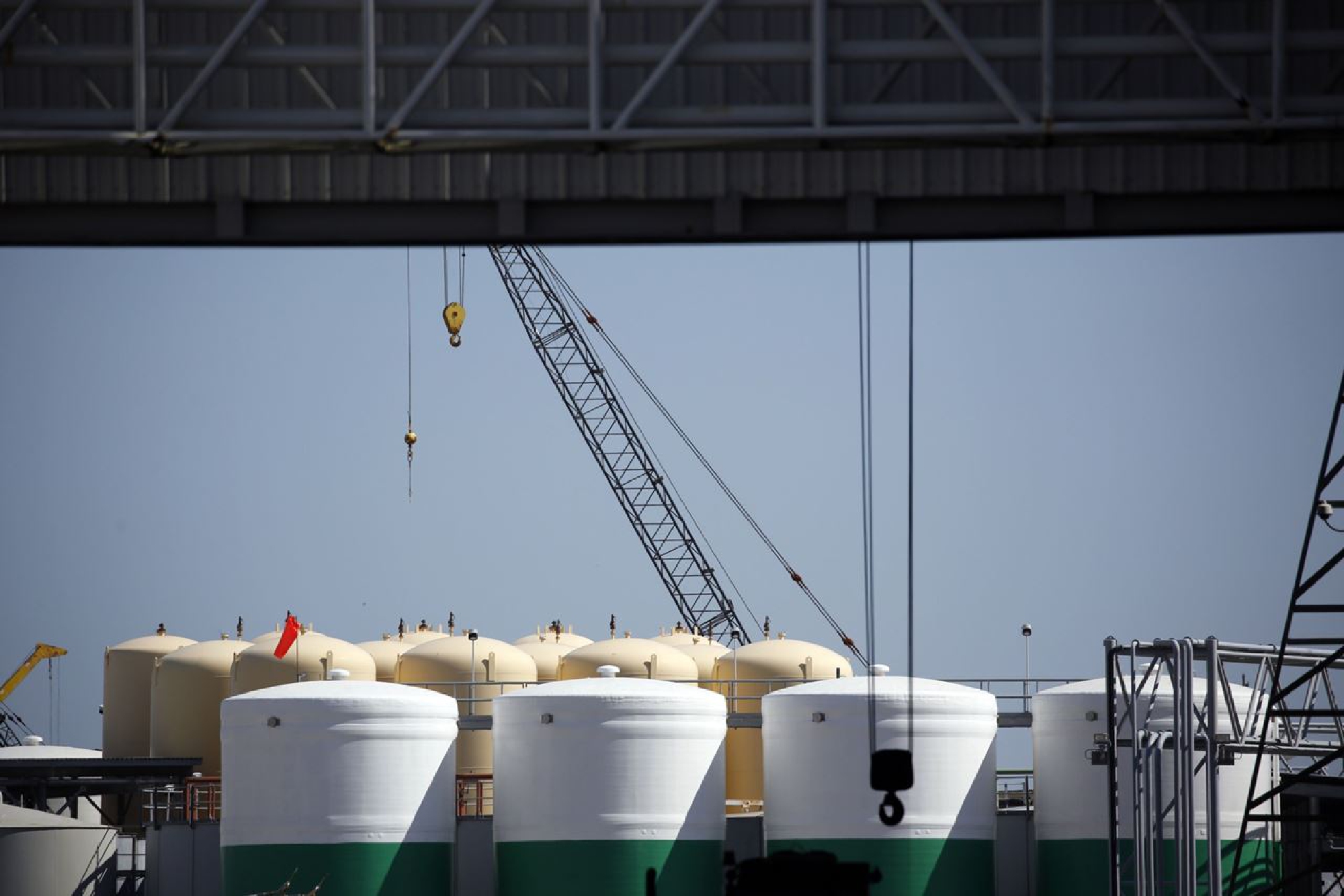
Barely a fifth of the surplus that flooded into the storage tanks of developed economies when oil demand crashed last year remained as of February, according to the International Energy Agency. Since then, the lingering remnants have been whittled away as supplies hoarded at sea plunge and a key depot in South Africa is depleted.

The re-balancing comes as OPEC and its allies keep vast swathes of production off-line and a tentative economic recovery rekindles global fuel demand. It’s propping international crude prices near $67 a barrel, a boon for producers yet an increasing concern for motorists and governments wary of inflation.

“Commercial oil inventories across the OECD are already back down to their five-year average,” said Ed Morse, head of commodities research at Citigroup. “What’s left of the surplus is almost entirely concentrated in China, which has been building a permanent petroleum reserve.”

The process isn’t quite complete. A considerable overhang appears to remain off the coast of China’s Shandong province, though this may have accumulated to feed new refineries, according to consultants IHS Markit Ltd.

Working off the remainder of the global excess may take some more time, as OPEC+ is reviving some halted supplies and new virus outbreaks in India and Brazil threaten demand.

Still, the end of the glut at least appears to be in sight.

Oil inventories in developed economies stood just 57 million barrels above their 2015-2019 average as of February, down from a peak of 249 million in July, the IEA estimates.

It’s a stark turnaround from a year ago, when lockdowns crushed world fuel demand by 20% and trading giant Gunvor Group Ltd. fretted that storage space for oil would soon run out.

In the U.S., the inventory pile-up has effectively cleared already.

Total stockpiles of crude and products subsided in late February to 1.28 billion barrels — a level seen before coronavirus erupted — and continue to hover there, according to the Energy Information Administration. Last week, stockpiles in the East Coast fell to their lowest in at least 30 years.”We’re starting to see refinery runs pick up in the U.S., which will be good for potential crude stock draws,” said Mercedes McKay, a senior analyst at consultants FGE.

There have also been declines inside the nation’s Strategic Petroleum Reserve, the warren of salt caverns used to store oil for emergency use. Traders and oil companies were allowed to temporarily park oversupply there by former President Trump, and in recent months have quietly removed about 21 million barrels from the location, according to people familiar with the matter.

The oil surplus that gathered on the world’s seas is also diminishing. Ships were turned into makeshift floating depots when onshore facilities grew scarce last year, but the volumes have plunged, according to IHS. They’ve tumbled about by 27% in the past two weeks to 50.7 million barrels, the lowest in a year, IHS analysts Yen Ling Song and Fotios Katsoulas estimate.

A particularly vivid symbol is the draining of crude storage tanks at the logistically critical Saldanha Bay hub on the west coast of South Africa. It’s a popular location for traders, allowing them the flexibility to quickly send cargoes to different geographical markets.

Inventories at the terminal are set to fall to 24.5 million barrels, the lowest in a year, according to ship tracking data monitored by Bloomberg.

For the 23-nation OPEC+ coalition led by Saudi Arabia and Russia, the decline is a vindication of the bold strategy they adopted a year ago. The alliance slashed output by 10 million barrels a day last April — roughly 10% of global supplies — and is now in the process of carefully restoring some of the halted barrels.

The Organization of Petroleum Exporting Countries has consistently said its key objective is to normalize swollen inventories, though it’s unclear whether the cartel will open the taps once that’s achieved. In the past, the lure of high prices has prompted the group to keep production tight even after reaching its stockpile target.

To consuming nations the great de-stocking is less of a blessing. Drivers in California are already reckoning with paying almost $4 for a gallon of gasoline, data from the AAA auto club shows. India, a major importer, has complained about the financial pain of resurgent prices.

For better or worse, the re-balancing should continue. As demand picks up further, global inventories will decline at a rate of 2.2 million barrels a day in the second half, propelling Brent crude to $74 a barrel or even higher, Citigroup predicts.

“Gasoline sales are ripping in the U.S.,” said Morse. “Demand across all products will hit record levels in the third quarter, pushed up by demand for transport fuels and petrochemical feed-stocks.”

Published : April 20, 2021

By : Syndication Washington Post, Bloomberg · Grant Smith, Julian Lee

Toyota unveils new EV, joins Volkswagens bet on electric future #SootinClaimon.Com

#SootinClaimon.Com : ขอบคุณแหล่งข้อมูล : หนังสือพิมพ์ The Nation.

https://www.nationthailand.com/international/40000003

Toyota unveils new EV, joins Volkswagens bet on electric future


Toyota is accelerating up its push into electric vehicles with the release of its first SUV built on a new EV platform, joining Volkswagens splashy bet on the future of electric cars.

Toyota unveils new EV, joins Volkswagens bet on electric future

The world’s largest carmaker previewed its “bZ4X,” an electric SUV sitting on its new “e-TNGA” platform at the 2021 Shanghai Auto Show on Monday. The vehicle is a compact SUV that resembles Toyota’s popular Rav-4, but is built on a entirely new platform and features a distinctive yoke instead of a traditional steering wheel, as well as a system that can recharge the car’s battery using solar power.

By 2025 Toyota plans to introduce 15 EVs, including seven “bZ” series models globally, said Toyota Chief Technology Officer Masahiko Maeda, speaking at a briefing Monday. The bZ4X is the first of the “bZ” series, which stands for “beyond zero,” or cars that exceed being “just zero-emission,” according to Toyota.

Toyota plans to produce the bZ4X in Japan and China and sell it worldwide by mid-2022.

The move from Toyota comes as major automakers pivot toward electrification, with countries from Japan to the U.K. pledging to phase out gasoline-only vehicles over the coming decades. Until now, hybrid heavyweight Toyota had taken a more cautious approach to EVs, but that’s starting to change with the latest debut. By comparison, Volkswagen, Toyota’s main global rival, announced last month a $29 billion bet on new battery technology to accelerate its shift to EVs.

“Toyota isn’t behind Volkswagen and others when it comes to EV development, it just hasn’t been as vocal as others,” said Bloomberg Intelligence analyst Tatsuo Yoshida. “The ambitious announcement for new models was a surprise, but it was just Toyota finally revealing what it’s been working on for some time.”

The Japanese automaker says the e-TNGA platform will speed up deployment of new EVs, reducing development time and allowing different models to be designed in parallel. The platform can be fitted to a broad range of vehicle sizes, and while certain key elements remain fixed, the battery and electric motor – the most expensive parts of an EV – can be adjusted based on the model.

The ability to produce cars of different prices and sizes based on its modular platform will give Toyota the ability to reach a wider swathe of consumers – younger consumers in China demanding smaller and cheaper models such as the $4,230 SAIC Motor Corp.-General Motors Hongguang Mini EV. The e-TNGA platform is a similar approach to that Volkswagen is taking with the MEB car platform, used by the German automaker and its subsidiaries for electric car development.

“In the years since we first introduced the Prius, we’ve not pushed forward with any single technology, instead preparing numerous options including fuel cell, hybrid, plug-in hybrid and electric vehicles,” Toyota’s Maeda said. The company will expand its number of electrified models, which includes hybrids, to around 70 by 2025.

Published : April 20, 2021

By : Syndication Washington Post, Bloomberg · Emma O’Brien, River Davis