Myoma no more

ศาสตร์เกษตรดินปุ๋ย : ขอบคุณแหล่งข้อมูล : หนังสือพิมพ์ The Nation

https://www.nationthailand.com/lifestyle/30377110

Myoma no more

Oct 05. 2019
By Parinyaporn Pajee
Special to the Nation

434 Viewed

A leading gynaecologist from Belgium drops into Bangkok to talk about the positive effects of a new medication for uterine fibroids

Non-cancerous growths of the uterus that mostly commonly occur during childbearing years, uterine fibroids are found in 25 to 40 per cent of Thai women. While not particularly painful, they do cause discomfort as well as heavy menstrual bleeding and, in some cases, lead to infertility.

“Treatment ranges from medication to surgery, though that is only recommended for between eight and nine per cent of patients. Surgery comes into play when the fibroids are larger than 12 cm,” says Dr Boonsaeng Wutthiphan, an obstetrician-gynecologist at Samitivej Sukhumvit Hospital.

Dr Jacques Donnez, a professor at the Catholic University of Louvain, Belgium and a highly respected gynaecologist, was in town recently to talk with Samitivej’s doctors and provide an update on the use of the new drug ulipristal acetate (UPA) for uterine fibroids.

Dr Boonsaeng Wutthiphan, left, an obstetrician-gynecologist at Samitivej Sukhumvit Hospital and  Dr Jacques Donnez, a professor at the Catholic University of Louvain, Belgium and a highly respected gynaecologist

Dr Boonsaeng Wutthiphan, left, an obstetrician-gynecologist at Samitivej Sukhumvit Hospital and Dr Jacques Donnez, a professor at the Catholic University of Louvain, Belgium and a highly respected gynaecologist

He began his presentation by reminding participants that the benign tumour is often found in women between the ages of 20 and 50, with age increasing the prevalence.  After menopause, the size of the myomas, as the fibroids are known in medical terms, decreases because they are hormone-dependent, with oestrogen and progesterone the major influencers of fibroid size.

The main symptom, the Belgian doctor noted, is heavy menstrual bleeding called menorrhagia which can affect quality of life.

“The second symptom, which is also important, is pressure on the bladder, which can lead to urine incontinence. And in younger women, the tumours might affect fertility,” Donnez said, adding that there are no significant differences between Europe and Asian women as the size and the localisation are more important than the symptoms. In fact, most women with uterine fibroids don’t experience any symptoms, particularly if the fibroids are small and are only detected by chance while the patient is undergoing an annual health checkup. Patients with large uterine fibroids, however, often have symptoms related to abnormal menstruation, such as heavy bleeding, irregular periods, pelvic pressure or pain, or chronic lower back pain. In some cases, fibroids growing and pressing on nearby organs can cause frequent urination or constipation. If the fibroid is particularly large and can be felt in the pelvic area, it may cause swelling of the abdomen, similar to pregnancy and, if left untreated, can make it harder for the woman to conceive or cause anaemia due to significant loss of blood. Additionally, if uterine fibroids occur during pregnancy, they may, in some cases, lead to premature birth or  miscarriage. They are not, however, life-threatening.

But while small and non-symptomatic fibroids do not require treatment, a new drug, Ulipristal Acetate, is an effective therapy for those with abnormally large myomas but do not want surgery or for whom surgery is not an option.

That’s a major step forward from even 10 years ago, when most gynaecologists would recommend a hysterectomy or, at the very least, a myomectomy to remove the tumours but not the womb. “The problem is that more and more women want to preserve the uterus

for a lot of reasons. It’s regarded as a very important part of the body because it’s responsible for pregnancy, and this has made many women reluctant to go under the knife,” he explained.

Uterine fibroids can range in size from as small as a mung bean to as large as a watermelon. You can have multiple fibroids or just one. They are fairly hard and dense in nature and can be found in almost every part of the uterus. Intramural fibroids are the most common and refer to uterine fibroids that grow within the muscular uterine wall.

They can distort the uterine cavity or uterine wall, leading to abnormalities. Subserosal fibroids are on the outside of the uterus and may project into the surrounding outer uterine tissue layer. This type of uterine fibroid is usually asymptomatic, other than perhaps

pressure on the bladder or rectum.

The last type is submucosal fibroids which are quite rare and are in such a position that, when they grow, they can push into the uterine cavity. They are usually found in the muscle beneath the inner lining of the wall and can result in the distortion of the uterine cavity, and often cause menstrual disorders.

The best option for diagnosing and monitoring the size of fibroids is high-frequency sound waves or ultrasound. This includes both lower abdominal ultrasound and transvaginal ultrasound, both of which provide accurate, precise results. There are also medications

available that provide effective treatment, allowing patients to avoid undergoing surgery.

Now, though, doctors have another weapon in their arsenal – Ulipristal Acetate, a drug in the Selective Progesterone Receptor Modulator (SPRM) class of medications with predominantly inhibitory effects on the progesterone receptor. It is currently available in 5-mg tablet form and has been approved for two main therapeutic indications: treatment of uterine fibroids prior to surgery and as a course of treatment for uterine fibroids in patients who are not eligible for surgery.

Donnez explained he prescribes two courses of UPA each lasting three months with a short break in between and that the results had been satisfactory.

“The heavy bleeding stopped, the pressure decreased and the tumour shrank. Of course, it is possible that some women will again experience heavy bleeding four or five years later, in which case we can start another course of treatment. We found that the tumour decreased around 30 per cent in volume after the first course and the second course can maximise the effect with 50 per cent decrease in volume. For the bleeding we found that it stops after six days medication,” Donnez said.

Treatment is carried out as a 12-week course. The first treatment course should start during the first week of menstruation. There should be a break of two menstrual cycles between the first course and the second retreatment course. Retreatment courses should start at the earliest time during the first week of the second menstruation following completion of the previous treatment course.

Patients who should not take the UPA medication include those who are allergic to major components or excipients in the medication, women who are pregnant or lactating, patients experiencing vaginal bleeding for unknown causes or due to causes other than uterine fibroids, patients with uterine, cervical, ovarian or breast cancers and patients with abnormal liver function or liver disease.

Whoo dazzles with royal art, costumes from ancient Korea

ศาสตร์เกษตรดินปุ๋ย : ขอบคุณแหล่งข้อมูล : หนังสือพิมพ์ The Nation

https://www.nationthailand.com/lifestyle/30377074

Whoo dazzles with royal art, costumes from ancient Korea

Oct 04. 2019
By The Nation

450 Viewed

South Korean skincare and makeup brand Whoo is hosting an exhibition of historic royal Korean art and accoutrements at Bangkok’s EmQuartier shopping mall today (October 4) through October 10.

It will also unveil Bichup Self-generating Anti-Ageing Essence and Bichup Jasaeng Essence Special Edition, inspired by the bedroom of a Korean empress at Changdokgung Palace in Seoul.

On view are royal art pieces and traditional costumes and ornaments of the royal court. These include a Jeokui worn by the empress at important rituals such as royal weddings and a Daesamjaknorigae that decorated a woman’s hanbok outfit with coral, white jade and amber.

A highlight of the show is “Holistic Heritage Sirivannavari x Whoo”, an art piece specially designed this year by Her Royal Highness Princess Sirivannavari Nariratana.

If you plan to attend, register before October 10 for a “Bichup gift set” at https://event.whoo.co.th.

‘Pink Bra’ campaign’s Bt1m covers free breast-cancer checks

ศาสตร์เกษตรดินปุ๋ย : ขอบคุณแหล่งข้อมูล : หนังสือพิมพ์ The Nation

https://www.nationthailand.com/lifestyle/30376990

‘Pink Bra’ campaign’s Bt1m covers free breast-cancer checks

Oct 02. 2019
By The Nation

481 Viewed

Representatives of the “Wacoal Pink Bra Fights Breast Cancer” project on Wednesday presented the Thai National Cancer Institute with Bt1 million it raised to cover the cost of “Check-up Gold” mammograms and ultrasound scans being offered for free this month.

October is Breast Cancer Prevention Month and 460 women are registered to undergo the free check-ups throughout the month at the institute’s Damrong Niradura Building, director Dr Weerawut Imsamran said on accepting the donation.

Wacoal, a maker of women’s undergarments, has said it wants to encourage women, especially those in at-risk groups, to have their health checked annually.

Regular check-ups have been shown to vastly reduce mortality and increase the chances of a successful cure.

World’s oldest barbershop promises pampering at Anantara hotel

ศาสตร์เกษตรดินปุ๋ย : ขอบคุณแหล่งข้อมูล : หนังสือพิมพ์ The Nation

https://www.nationthailand.com/lifestyle/30376927

World’s oldest barbershop promises pampering at Anantara hotel

Oct 01. 2019
By The Nation

1,053 Viewed

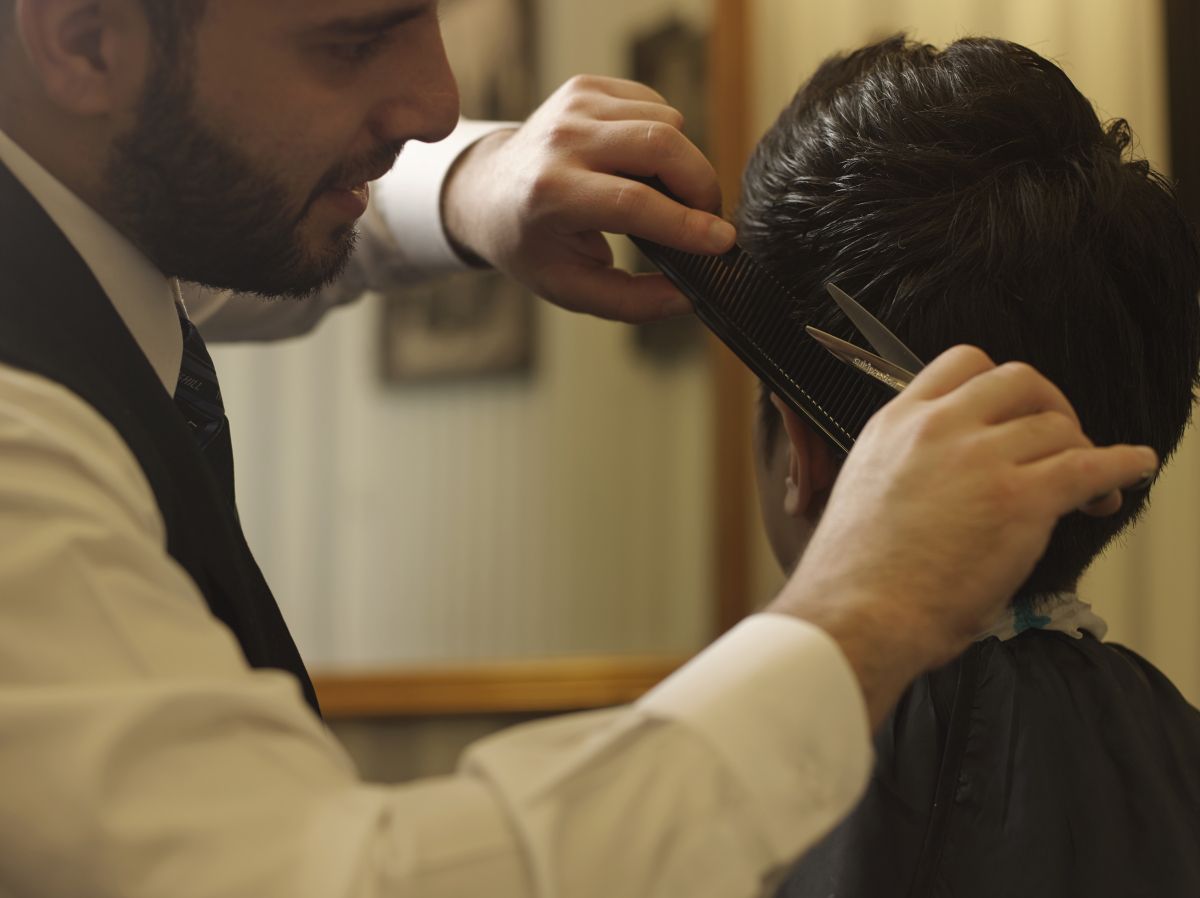
A Truefitt & Hill barbershop will offer high-end cuts and shaves at the Anantara Siam Bangkok Hotel, which enjoys an exclusive address on Rajadamri Road in the heart of Bangkok.

Established in 1805, Truefitt & Hill is the oldest surviving barbershop in the world, as certified by Guinness Book of World Records, and is recognised as the finest traditional gentlemen’s barber and perfumer in London. The company is famous for its close shaves, expert haircuts and attentive grooming, according to a Tuesday release.

At Anantara Siam Bangkok Hotel, Truefitt & Hill offers all its celebrated grooming services, including the 45-minute “royal” hair cut, 20-minute beard trim and 30-minute head shave which uses a badger hair bristle brush to lift the hair for the closest possible shave.

Bangkok’s socialite gentlemen can delight in expert personal grooming sessions that include facial hair grooming, a 20-minute waxing of the ears, nose, eyebrows and cheeks, and a ear-cleaning done in the traditional Chinese-Thai style.

For a close shave, the 30-minute traditional hot towel wet shave uses pre-shave oil applied with a luxurious hot towel wrap, followed by a rich shaving cream and finished with a comfortable shave.

The 45-minute ultimate shaving experience offers all the pleasures of the traditional hot towel wet shave, along with a deep relaxing face massage.

Commenting on the opening of Truefitt & Hill at Anantara Siam Bangkok Hotel, Daniel Simon, the hotel’s general manager, said that the values and service standards of the world’s oldest barbershop perfectly fit that of Anantara’s flagship Thai hotel to create intimate customer relationships. “We are delighted to welcome Truefitt & Hill to one of Bangkok’s most exclusive addresses and to offer our guests and patrons more world-class services”, Simon said.

Truefitt & Hill at Anantara Siam Bangkok Hotel is open every day, from 9am to 7pm.

Get healthy with exercise and self-motivation

ศาสตร์เกษตรดินปุ๋ย : ขอบคุณแหล่งข้อมูล : หนังสือพิมพ์ The Nation

https://www.nationthailand.com/lifestyle/30376840

Get healthy with exercise and self-motivation

Sep 30. 2019

Play Video

By The Nation969 Viewed

Drs Thanathip and Archan Surasak talk about physical exercise and its positive effects on every age group.

Dr Thanathip, how important is exercise in today’s internet age?

Exercise is essential for good health. Humans began as hunter-gatherers and still need a lot of physical movement on a daily basis. More people today live in air-conditioned buildings and we’re glued to our computers, maybe spending 10 hours a day in front of the screen. Our bodies have become stiff due to the long hours of sitting.

Basically, we need a lot of interval workouts to loosen stiff muscles in the neck, shoulders and other areas to stay healthy. We also need to do cardiovascular activities to keep the heart healthy, strengthen our muscles and maintain a good physical balance. We should be able to literally maintain our balance while standing on a log, but most of us lack this potential.

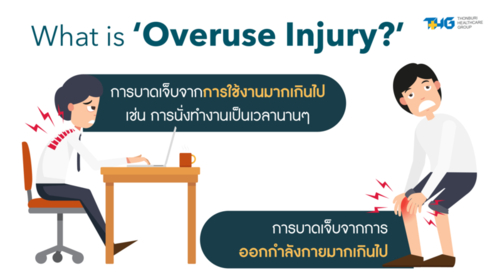
However, I have noticed something. When I was in medical school at Chulalongkorn University about 30 years ago, I would jog regularly in nearby Lumpini Park, and there were few other runners. Today, jogging and running are very popular, and we even see so-called “overuse injuries” resulting from excessive exercise.

On the other hand, there are more and more obese people due to improvements in oncome, the over-consumption of sugary foods and other factors. These are two extreme groups – obesity and over-exercising. There are fewer people on the middle path, so it’s like a pendulum swinging to the extreme left and right.

What do you mean by “overuse injuries”?

It means we are over-using our bodies. The people who love to exercise represent our main topic for today, those who over-excise and work out for too many hours. The other group don’t work out at all, and their overuse injuries come from working long hours in a chair, resulting in aching shoulders and upper arms. Some muscles are overused, some not at all. Overused muscles bring the risk of overuse injuries. If the injuries come from sports or too much working out, the muscle fibres will be damaged and you get aches and swelling.

Aching shoulders and upper arms are quite common and some people turn to traditional massage for relief. Is it a good solution?

In fact, we should look at the root cause. The aches could result from an inactive lifestyle. If you’re sedentary, you need more physical movement on a daily basis. That’s the real solution to the underlying problem. Professional massage might bring temporary relief, but it’s best to take frequent breaks from the computer to do brief sessions of simple exercise.

Thai traditional massage is regarded as a national treasure, but you need experts to do it properly. And massage only relieves the pain. To cure it, you need to get back to the basics – being physically active more.

Heat therapy has become popular in dealing with overuse injuries caused by improper exercise. What is your opinion?

In short, heat therapy is common among Thai people. Many people would just turn to medication and other heat methods to ease muscle and other pains. Heat therapy is common here, with many simply using balms or embrocation liquids, hot-water bags or heating pad to ease pain, but this is only superficial heat. My advice is to avoid heat therapy in the first day or two of feeling overuse injury because the heat increases blood flow to the affected area and worsens the injury. It’s better to use cold therapy initially, such as an ice bag, as long as the chill is not extreme.

On day three or four, you can use heat therapy to help the body repair damaged tissues by increasing blood circulation in the area. Some people think the more heat the better, but you have to be careful about inflammation, again by making sure the temperature is not extreme. People with chronic diseases such as diabetes must avoid extreme temperatures in coping with overuse injuries. Judge according to how you feel – If the heat becomes unbearable, just remove the source, then reapply, and so on.

Dr Thanathip, jogging and running have become quite popular in Thailand, with many running events and mini-marathons organised. Could we begin seeing more over-exercise?

Running is an aerobic exercise good for your heart, but regular runners should have a wearable gadget to measure heartbeat and other indicators to ensure a healthy session.

The rule of thumb is that maximum heart rate should be 220 minus your age. If you are 50, the max rate is 170, and you should achieve about 80 per cent of this rate during aerobic exercise. Anything higher is considered a hard-core endurance exercise while a lower range is mainly for fat burn, not for the cardio purpose.

Aerobic exercise is essential and you should do it on a regular basis, say, 3-4 times a week. If you stop, the effects will decrease in two weeks.

So we should consider our age and monitor heart rate through wearable gadgets or calculate the perfect rate by yourself. You have to pay a little for your health. Moreover, you have to work out regularly and monitor the heart rate as an indication for proper exercise level.

In terms of calories, you should burn at least 1,500 per week, or 400 calories per session if you exercise four times a week. You can burn around 400 if you run for nearly an hour.

I work on a running machine and lose 300 calories in around 30 minutes.

That means your body is fit.

However, it quite hard works out for me. If I do running outdoor, I have to adapt to the current condition. But the main subject is proper exercise.

What is your advice for avoiding overuse injuries?

Basically, you calculate the suitable duration and intensity of the exercise based on age and other factors. Sometimes you may want to achieve higher performance, but make sure you’re not going too fast or overdoing it. That’s a future topic – what to do if injured.

Dr Thanathip, can you say more about the sedentary lifestyle?

There are two major groups among the so-called Gen Y and Gen Z populations. The first are physically inactive and generally overweight or even obese. They prefer an easy-going lifestyle, eating and spending hours on digital devices. If they do exercise, it might be not enough. The others are quite strict in their diet, eating lots of veggies and low-fat foods.

Can you give advice on increasing motivation?

The first group might lack incentive to work out regularly. The most important factor is probably social. If you’re surrounded by friends who don’t exercise and enjoy eating, you’re not going to be motivated to do otherwise. Maybe you need a new environment.

Dr Surasak, what if someone isn’t motivated to exercise?

Some people need the inspiration to live longer for their loved ones, so this could be a powerful incentive for regular workouts. Some adults wish to stay healthy so they can take care of their parents in old age, while others want to exercise so that they live long enough to see their kids reach adulthood. Self-motivation is key to sustained regular exercise and helps people stick to it when they lose the will.

Many people can’t sustain their exercise habit even after they’ve spent money on equipment at home. After a brief period, the machine goes unused.

When I finished medical school at age 25, I weighed 82 kilograms. Twenty years later I was 93kg – 10kg overweight – even though I ran 2.5 kilometres every other day. It’s a challenge to keep the weight down.

Eight years ago, an in-law introduced me to biking and I spent Bt20,000 on a new bike. In the first month I did 2,000km every morning and evening and lost 7kg, the first time since med school my weight dropped. That was a big inspiration for me and I returned to running again. Today I weigh 84kg and can easily maintain it.

In short, inspiration and self-motivation are key to sustainable physical workouts.

Moves made to deal with rare diseases in Thailand

ศาสตร์เกษตรดินปุ๋ย : ขอบคุณแหล่งข้อมูล : หนังสือพิมพ์ The Nation

https://www.nationthailand.com/lifestyle/30376738

Moves made to deal with rare diseases in Thailand

Sep 26. 2019
 Wanitcha Kaewya, centre, and her parents. Wanitchaya is a patient of Gaucher Disease - the rare condition and affect one in 100,000 people.

Wanitcha Kaewya, centre, and her parents. Wanitchaya is a patient of Gaucher Disease – the rare condition and affect one in 100,000 people.
By The Nation

571 Viewed

When Wanitcha Kaewya was about a year old, her mum felt something was wrong – the little girl had an irregularly large abdomen, she cried often and rarely ate or even learned to speak.

When the child appeared to have aching bones and trouble breathing, her parents took her to the doctor, who found that Wanitcha’s spleen was unusually large and removed it. For nearly 20 years, doctors had been treating Wanitcha for symptoms, because they had no idea what she was suffering from. It was not until Wanitcha turned 20 that a doctor at Maharaj Nakorn Chiang Mai Hospital eventually found that she was suffering from Gaucher Disease.

Gaucher is a rare condition and affects one in 100,000 people. It is estimated that some 600 people are suffering from this condition in Thailand, but so far, only 30 have been diagnosed and only 20 are being treated under state-provided healthcare benefits.

These figures do not just portray the challenges faced by the public health system in Thailand, but also illustrate the need for research and awareness of the disease among both the medical community and the general public.

An inherited disease, Gaucher is created by the mutation of the gene that is responsible for creating the glucocerebrosidase enzyme that the body needs to break down a particular kind of fat called glucocerebroside.

The early signs of this disease can be very alarming as the body starts getting disfigured due to a deficiency of this enzyme, as the body becomes incapable of eliminating certain fatty substances in the cells, causing an accumulation of the fat, which then disfigures the organs.

The first organs to be enlarged are the liver and spleen, before the patient starts showing signs of blood abnormalities. Affected people can develop anaemia, get easily bruised or start bleeding due to a low level of platelets. Some patients may also develop bone abnormalities, like pain, thinning or fractures. The condition can also cause slow development in certain patients. Gaucher Disease Type 2 and Type 3 present neurological disorders such as a slowdown in intellectual development and seizures.

In 2013, LSD Thailand Foundation notified Wanitcha’s mum that the disease can be treated via enzyme replacement therapy, and that it was included in the National List of Essential Medicines. The mother was finally able to see her daughter get better and happier.

Nevertheless, the family is still concerned about the expenses, because they have to travel almost 100 kilometres every two weeks for the treatment. They wish the government would also provide financial aid to cover all expenses related to the treatment.

Wanitcha is now 30, living a normal life, and is offering to advise anyone else fighting this rare disease.

Assoc Professor Dr Adisak Tantiworawit.

Assoc Professor Dr Adisak Tantiworawit.

Assoc Professor Adisak Tantiworawit, MD, a haematologist at Maharaj Nakorn Chiang Mai Hospital, affiliated to the Faculty of Medicine, Chiang Mai University, said: “The most important characteristic of Gaucher disease and other rare diseases is that they are rarely found. This is why most people, including healthcare personnel, are not aware of rare diseases, as we rarely experience them and the chance of anyone developing these diseases is very slim. The public also lacks an understanding of rare diseases. Also, there are very few specialists in Thailand, making it hard to properly diagnose and treat them. Moreover, there are only about 15 haematologists and geneticists in Thailand who are capable of diagnosing and treating Gaucher disease.

“Every October 1 is International Gaucher Day, and I want to raise awareness of the disease as it is rare and very few physicians understand the symptoms well enough to make an accurate diagnosis. Reports from other countries indicate that on average patients with Gaucher disease spend 10 years seeing seven different doctors before they finally meet one who can correctly diagnose their disease. The symptoms of Gaucher disease may appear at any age, though symptoms in adults are not as outstanding as in children. Also, different patients do not necessarily have the same symptoms. Moreover, the symptoms are usually similar to those of other haematological disorders such as thalassemia, leukaemia and lymphoma, which are so much more common than Gaucher. Therefore, Gaucher disease can be easily misdiagnosed,” Dr Adisak added.

In Thailand, there are 30 confirmed Gaucher Disease patients, 90 per cent of whom are children with most of them affected by Gaucher Type 3, which is characterised by brain complications. The incidence in Thailand is worth studying as it is contrary to the occurrence in other countries where more adults are affected than children. In addition, 90 per cent of patients in other countries have Gaucher Type 1, which does not affect the brain.

Dr Adisak said Maharaj Nakorn Chiang Mai Hospital has established a specific guideline called High-Risk Screening Project to screen patients and to provide them with quick diagnosis when they come to see a haematologist. Under this scheme, when doctors find patients displaying physical signs of Gaucher disease or whose lab results suggest they have the condition, such as an abnormally enlarged spleen or low levels of either red or white-blood cells, or particularly low levels of platelets, they will be tested for Gaucher Disease.

“Initially, we will draw blood from the fingertip of suspected patients. If test results point to Gaucher disease, the patients will have to undergo a test for genetic mutation to determine if they are actually affected by the disease. Confirmed patients will then register for treatment to be funded by the National Health Security Office under the Public Health Ministry. The patient will have to undergo enzyme replacement therapy every two weeks for the rest of their life. The other option is bone-marrow transplant, but this method is costly and there are many limitations at present.”

The Public Health Ministry recently introduced guidelines for the care for patients suffering rare disease under the National Health Security System. A task force to develop a caring system for patients with rare diseases will also be established to ensure fair access to treatment.

“Rare diseases are difficult to manage. The number of affected people is small while specialists on those diseases and service centres are also limited. There is an issue of inaccessibility to treatment and medication. Due to these factors, a proposal for the development of a concrete system for rare diseases treatment has been prepared,” Dr Adisak added.

Alcohol, sedatives can depress body’s breathing mechanism, doctor warns

ศาสตร์เกษตรดินปุ๋ย : ขอบคุณแหล่งข้อมูล : หนังสือพิมพ์ The Nation

https://www.nationthailand.com/lifestyle/30376679

Alcohol, sedatives can depress body’s breathing mechanism, doctor warns

Sep 25. 2019
By The Nation

360 Viewed

Dr Krisda Sirampuj, director of an international anti-ageing medical centre, said a human body’s respiratory mechanism doesn’t start in the lungs, but actually in the brain, which instructs the human body to breathe. He said this brain-to-lungs connection is automatic and our bodies know not to hold the breath.

“However, my concern is that some activities can intentionally or unintentionally affect our breathing mechanism, like alcohol or sleeping agents. Some might say these things do not kill people, but they don’t realise that not everybody’s breathing mechanism is the same. Drinking too much or forcing someone to drink may lead to death. Some people commit suicide by overdosing with sleeping agents, or worst-case scenario, they wash down sedatives with alcohol,” Dr Krisda said.

The doctor has been studying cases of the overuse of sedatives and consumption of alcohol. He said the use of sedatives and alcohol depresses the body’s breathing mechanism. For instance, if morphine, a pain-relief medication, is teamed up with benzodiazepines, a sleep agent, the nervous system will not be able to control the breathing mechanism at all.

Signs of respiratory depression are confusion, disorientation, fatigue, shallow breathing, bluish or tinted skin, seizures, respiratory arrest, coma and eventual death.

The six chemicals that can stop respiration are:

1. Sleeping pills or anxiety suppressants such as benzodiazepines or barbiturates;

2. Drugs used in anaesthesiology;

3. Anti-epilepsy drugs like phenobarbital;

4. Ethanol or alcohol which can be catastrophic when combined with sleeping pills or other sleep-inducing agents such as barbiturates or chloral hydrate;

5. Opium-based painkillers such as morphine, tramadol, fentanyl and heroin;

6. Drugs such as amphetamines, cocaine and gamma hydroxy butyrate.

He said, these drugs are safe under the control of a medical expert or an anaesthesiologist, adding that people should always control the amount of alcohol they consume.

Depression and cyber-addiction disorders (Recommended)

ศาสตร์เกษตรดินปุ๋ย : ขอบคุณแหล่งข้อมูล : หนังสือพิมพ์ The Nation

https://www.nationthailand.com/lifestyle/30376494

Depression and cyber-addiction disorders (Recommended)

Sep 23. 2019
.

Play Video

524 Viewed

Today we will talk about depression as well as internet addiction and related disorders. First of all, major depression is a clinical illness. This doesn’t include sadness and other short-lived unhappy events. Depression is determined by a clinical diagnosis. So a depressed person is someone who has no apparent cause of illness, but is still suffering the effects on their way of life or work. It may stem from a genetic disorder.

Or it may happen to those with chronic illnesses such as prolonged diabetes or cancer. Also, drug abusers are a high-risk group for major depression.

Developed countries usually have more diagnosed cases of major depression than do developing countries. Statistics show that people in developed countries have a 15 per cent chance of having a major depression, so one in every 7 persons is a sufferer at least once in their lifetime.

In developing countries, a person has a 10 per cent chance of developing major depression, or one in every 10 persons.

However, the ratio of depression incidents among senior citizens and those with chronic diseases are much higher than in the general population.

Can you talk about depression and cyber addiction disorders, such as cyberbullying, which are increasingly common among younger people?

Yes, this is a new type of incident resulting from the widespread use of technology and internet devices.

While the internet has been around for more than 20 years over the past decade, it has become more widespread due to the use of mobile devices, which are convenient and handy. They’re everywhere, even while you are jogging. Most students also have mobile phones.

Now, authorities allow primary school students to bring their mobile phones to classes. However, there are both pros and cons of using mobile phones among young people.

In recent research, we worked with two Bangkok schools and found that students with mobile phones have better academic performance than those without the devices. However, there are also other factors at play, such as that higher-income households can afford the devices or have more money to pay for after-school tuition.

Those with mobile phones may have advantages in terms of using their devices to search for additional information on the internet, for instance.

What’s about the cons?

There are also many negative consequences, including cyberbullying and other internet addiction disorders.

What is your advice for parents with young children?

First of all, parents need to spend sufficient time with their kids. They need to pay close attention to the well-being of young persons. Love and care are crucial and there are no substitutions.

If parents do not take care of kids, mobile phones could literally take their place. Addiction is not uncommon among adolescents. Parents need to give quality time to their kids, especially from age 4 to 12, the time when their brain is most actively developing. According to research, 95 per cent of brain functions are in place before the age of 7, so this is the so-called golden period for parental care.

On cyberbullying, parents have a major supervisory role to play in prevention and risk mitigation. Unconditional love from parents is probably the most important safeguard. Kids have to cope with things in life mostly on a conditional basis, so unconditional love is very powerful.

Once you are trusted, kids are inclined to talk to you about everything, so please give unconditioned love to them.

On cyber identity, in the older days prior to the advent of the internet and cyber world, people were concerned with just their looks, their appearance in the physical world. There was no cyber appearance and identity as we find on today’s social media platforms. The so-called virtual society is now even more powerful. For example, if you are criticised by another person physically, it may still be okay. It’s just a one-on-one interaction.

However, if there are many other people online who are criticising you on social media platforms, that’s a big deal, especially if it goes viral and results in a bad cyber reputation. Hundreds or even thousands of people online would be aware of the dislikes or negative messages, which unfortunately are not erasable. That hurts, especially when people see their cyber-image as more valuable.

Unconditional love from parents is again the best safeguard for kids if we want to help them navigate the pros and cons of cyberspace. After all, adults and kids need technology to do many things, so it is not possible to be completely offline. Today, most people use Facebook, Line, Instagram etc to communicate. Many will take photos of their special meals and share online and so on.

Today, people have more social pressures due to the need to manage both online and offline images. This is a new phenomenon. Perhaps in another decade or two we will ask for a retreat, to be offline in certain places. I like to be on an aeroplane for 5 to 6 hours when I am offline. It’s peaceful and heavenly.

What is your opinion on how the cyber world effects relationships?

First, we appear to communicate more often using mobile devices and social media, but the increased frequency does not mean a better quality of relationship. For example, your wife or kid may want to see you on a video chat while you’re overseas. Access is easier but the quality is not clear. A small child may talk on a video call for 30 seconds and then get distracted by something else.

Overall, a link between cyberbullying and depression is quite clear among the young population. For senior citizens, the whether there is a link is not yet known, even though many now use social media platforms regularly. However, there are some obvious benefits for older people in terms of cognitive exercise and social interaction online.

One example is my father. He’s 87, and uses social media to interact with friends.

In short, there are both pros and cons as far as social media technology and mobile devices are concerned. The advice is to give unconditional love to kids to deal with the negative consequences of cyberspace. Make sure you give them enough time.


Video reveals grim situation in emergency rooms

ศาสตร์เกษตรดินปุ๋ย : ขอบคุณแหล่งข้อมูล : หนังสือพิมพ์ The Nation

https://www.nationthailand.com/lifestyle/30376537

Video reveals grim situation in emergency rooms

Sep 21. 2019
Credit:National Institute for Emergency Medicine

Credit:National Institute for Emergency Medicine
By The Nation

1,022 Viewed

A heart-wrenching two-minute video released by the National Institute for Emergency Medicine, designed to inform people about how to make the best use of hospital emergency facilities, is apparently in response to recurring complaints about inadequate service resulting in loss of life.

An institute official told The Nation that patients sometimes do indeed die partly because of limited resources and overcrowded emergency rooms.

Death could also occur, she said, because the doctor on duty misdiagnoses a condition or errs in deciding which patients are in most dire need of attention.

The dialogue in the video runs as follows:

Dad: My kid has a high fever and has fallen unconscious.

Nurse: Well, we’ll run tests in a minute, so please have a seat and wait.

Mom: Yes ma’am.

Narrator: Statistics shows 60 per cent of patients in emergency rooms are not people in urgent need. This means doctors and nurses have to work very hard. Moreover, limited medical equipment cannot meet the high demand.

Nurse: Please wait. The doctor is busy with an emergency patient.

First teenager: How long do we have to wait? My friend has a cut on the head and we’ve been waiting for an hour!

Second teenager: This hospital sucks!

Dad: What are you doing? Isn’t this the emergency department? My kid is severely ill, so why is there no doctor to look at him? Are you waiting until he dies?

Nurse: We have to take care of the emergency patients first. I’m really sorry but we have one patient who needs urgent treatment. Excuse me sir.

Dad: Hey, my kid is going to die! Isn’t that an emergency?

Dad: You’re too busy but you have time to play with your mobile phone! If you don’t want to cure people, then why did you become a doctor?

Nurse: The patient has low blood pressure and is not responding.

Narrator: People waiting in the emergency room must acknowledge that the doctors and all staff are spending every minute saving the life of another patient. People without emergency conditions shouldn’t use the emergency room because every minute lost there could be a matter of life or death for many others who are in more critical condition.

Get help for chronic body rash: dermatology professor

ศาสตร์เกษตรดินปุ๋ย : ขอบคุณแหล่งข้อมูล : หนังสือพิมพ์ The Nation

https://www.nationthailand.com/lifestyle/30376480

Get help for chronic body rash: dermatology professor

Sep 20. 2019
By The Nation

621 Viewed

Itching or a rash on the body is something everyone has experienced. Most people do not pay much attention to it, but in fact they can lead to a severe or even chronic condition. Atopic dermatitis can affect people’s personality, attention, and even mental health, leaving impacts on work and daily life.

Aiming to raise awareness among the public about the condition as World Atopic Dermatitis Day was celebrated on September 14, Professor Kanokvalai Kulthanan, MD noted that atopic dermatitis is a chronic inflammation of the skin that can go into remission then flare up again.

Professor Kanokvalai Kulthanan

Professor Kanokvalai Kulthanan

Symptoms of atopic dermatitis can be divided into three stages, said Kanokvalai, who is the chairwoman of the Department of Dermatology, Faculty of Medicine, Siriraj Hospital at Mahidol University. In the acute stage, patients develop red, swollen itchy rash accompanied by papules or bumps that leak pus. The subacute stage features a rash and papules, itching and scales. Some patients may develop suppurative bumps that do not leak pus.

During the chronic stage, the rash appears pale red or brown in colour. There may be hives, itching, scales and visible skin creases. Locations of the rash are different depending on the patient’s age. Infants usually develop inflammation on the face, neck and the outside of the limbs as these are the areas that the babies rub against the pillow or mattress to alleviate itchiness.

Caused by allergic reaction and the combination of other factors that make the skin dry, easily irritated and developing redness or a rash on different body parts, atopic dermatitis generally appears in children, but it can affect anyone at any age. In Thailand, it occurs in 10 to 20 per cent of children, whereas adults are less affected.

“Approximately 50 per cent of patients develop symptoms of atopic dermatitis in the first year of life, and 85 per cent are children age five or younger. The symptoms are normally chronic and flare periodically. As the patients get older, symptoms tend to improve. Roughly 40 to 50 per cent of patients are in remission when they reach age 10,” Kanokvalai said. “However, some children have to live with atopic dermatitis until adulthood. Some patients have atopic dermatitis when they are adults. Diagnosis is commonly based on clinical features. Skin tests, blood tests for allergens or food allergy tests are not useful for diagnosis. Doctors may consider these tests or other laboratory tests for certain patients to determine stimulants only when the symptoms do not improve or become more severe after having received appropriate treatment.

Atopic dermatitis in older children and adults often appears at the folds of the arms and legs, and the neck. Some people may develop rash over the entire body. Nasal allergies, eye allergies and asthma may coexist in certain patients. Other skin conditions that may develop include pityriasis alba, dark circles under the eyes, creases under the eyes, cheilitis, hyper-linear palms, ingrown hair, gooseflesh skin and dry scales on the shin.

It is not yet known what causes atopic dermatitis. Hereditary traits may be involved since the majority of patients have a history of allergy in the family, perhaps hay fever, coughing, sneezing, and asthma with or without atopic dermatitis.

Those without history of allergy in the family can also be affected due to undiagnosed genetic disorders. An important factor that often triggers atopic dermatitis is the sufferer’s environment, such as food, dust mites, irritants or allergens. The skin of affected people is sensitive to the environment, both in terms of the physical environment such as it being too hot or cold weather, chemical irritants, or living organisms such as insects and bacteria.

The objectives of treatment for atopic dermatitis are to control the symptoms, prevent flare-ups, and maintain remission for as long as possible until the condition disappears. Patients are recommended to avoid all irritants and triggers, moisturise the skin with emollient, such as using skin lotion or body cream immediately after a bath to prevent dryness, and to refrain from taking a bath or shower too often as the skin may become drier.

For treatment, medicated topical creams and ointments are applied to control skin inflammation. Once the condition is improved, patients may reduce the frequency of application or stop medication. If the rash is severe or covers a large area, oral medication may be necessary. Injection is another option currently available for treatment. However, doctors normally apply this option to patients whose symptoms are medium to severe and do not respond to other methods. It is not recommended without supervision of dermatologists.

“If you suspect you are having atopic dermatitis, please see a dermatologist for appropriate diagnosis and treatment. This chronic disease can have psychological impact and ruin the quality of life of patients and their family. It can have impacts on sleep, study, work, confidence and socialization,” said Kanokvalai. “Some patients choose clothing that covers large parts of the body out of embarrassment. This can affect daily life. If the patients come to see dermatologists and receive appropriate treatment, the condition can be controlled. As a result, the quality of life of relating persons is improved. They will be able to live a normal life.”