Thailand’s billion-dollar market driving video-game boom in Southeast Asia
TUESDAY, OCTOBER 25, 2022
The crosshairs of the global gaming industry targeted Bangkok last weekend as the world’s top developers unveiled their latest creations at the “Thailand Game Show 2022”.
Southeast Asia is now among the fastest-growing video game markets on the planet, according to Level Infinite, whose “PUBG Mobile” and “Tower of Fantasy” were stars of the expo at Queen Sirikit National Convention Centre.
Level Infinite spokesperson Oliver Ye said strong growth of the region’s gaming industry was being driven by improved digital infrastructure and rising disposable income.
“With over 250 million gamers, Southeast Asia’s video gaming is expected to hit a compound annual growth of 8.5 per cent for the period 2020-2025,” he said.
Thailand is at the centre of this boom, high-scoring among Southeast Asian video-game markets with revenue of US$1.24 billion (47.48 billion baht) last year. And that figure is forecast to reach $1.4 billion (53.53 billion baht) this year.
“This is spurred by the digital lifestyle that has become the norm, where youths today are using video and mobile games as a way to strengthen current relationships and meet new people who share the same passion,” Ye said.
E-sport is playing a big role in accelerating growth of the gaming industry as more people embrace the e-competition and its potentially lucrative rewards, he added.
“This has opened more opportunities for the gaming ecosystem to create new jobs and drive economic growth, from careers in sectors like infrastructure, such as network engineers and operators, events management, content creators and players.
Ye added that Thailand’s move to recognise e-sport as professional sport will motivate more gaming enthusiasts to pursue a career in the industry and stimulate growth in both the local and regional gaming market.
“We also look forward to bringing our global expertise and experience in game publishing and development to enable long-term growth for the region’s gaming industry, support local game studios as well as nurture young talents,” he said.
Council chief explains the 5 key issues up for discussion at Apec leaders’ summit
TUESDAY, OCTOBER 25, 2022
The Apec Business Advisory Council (Abac) chairman said the five points on the Asia-Pacific Economic Cooperation (Apec) Economic Leaders’ Meeting agenda would bring topics like inflation, food insecurity and climate change to the forefront.
Abac chairman Kriengkrai Thiennukul was speaking to The Nation on Tuesday. In the conversation, he said that Abac’s aim is to promote a global rules-based trading system and an Asia-Pacific free trade area as well as an ecosystem that supports economic growth.
“All these actions are fundamental to ensuring that our region is seamless, dynamic, resilient and sustainable for everyone, including the disadvantaged and under-served,” he said.
He added that Apec leadership and decisive action are necessary to speed up economic recovery in the fallout of Covid-19.
The five points put forward by Abac are: regional economic integration; digital infrastructure; sustainable practises of micro-, small and medium-sized enterprises (MSMEs); sustainability; and finance and economics.
The economic leaders’ meeting, scheduled for November 18-19, is part of the Apec Summit, which kicks off on November 14 at Bangkok’s Queen Sirikit National Convention Centre.
Kriengkrai, who also chairs the Federation of Thai Industry, said Abac is looking for opportunities to facilitate trade and investment, as well as for integration into a wider regional market. He added that the council was also focusing on carbon credit and future food, which will soon become new income sources for people.
“We also call on Apec to facilitate the reopening of borders to accelerate the regional recovery, particularly for MSMEs that were adversely affected by Covid-19 restrictions,” he said.
He added that Abac will continue focusing on the development and implementation of a regional framework to facilitate business operation and tourism in the post-Covid era.
Abac’s 5 points
Regional economic integration: Free-trade pacts and restoring regional travel
Digital infrastructure: Preparations to transition into a digital economy
MSMEs and inclusiveness: Restoring MSMEs in a post-Covid era as well as promoting participation by women, children and under-privileged persons
Sustainability: Focusing on net-zero emissions and promotion of sustainable food and energy
Finance and economics: Issuing effective economic stimulus measures and creating an ecosystem that supports digital finance
Despite gradual revival in tourism, small hotel operators still await light at the end of the tunnel
TUESDAY, OCTOBER 25, 2022
Thai small hotel operators are struggling in the post-Covid-19 era as discounts offered by large hotels and the reopening of many Asia-Pacific countries are affecting their business operations, a report in Thansettakij said on Tuesday.
Many hotel operators were forced to use pricing strategies to gain a competitive advantage, as many countries have reopened to foreign tourists.
Thai hotel operators still have to rely on domestic tourists. Though more than 10 million foreign tourists are expected to visit Thailand this year, the number is only one-fourth the 40 million people who visited before the Covid-19 crisis in 2019.
Thailand has welcomed more than 6 million foreign tourists after the country’s reopening on June 1.
Despite the impact of inflation on their income and expense, many Thais have decided to travel across the country, especially during long weekends, Thansettakij added.
“Even though hotel operators’ revenue continued to increase, their revenue is still low compared to before the Covid-19 crisis,” Thansettakij said.
Meanwhile, countries in the Asia-Pacific region such as Japan, South Korea and Taiwan, have eased travel restrictions to attract foreign tourists tempting Thai tourists to take overseas trips.
Many Thais have flocked to Japan since October 11, as Tokyo is issuing free visas and allowing people who have received at least three Covid-19 vaccine jabs to enter the country.
In addition, many countries have also organised tourism stimulus campaigns. For instance, Hong Kong planned to offer 500,000 flight tickets worth HK$2 billion or 8.01 billion baht.
“This is why the Tourism Council of Thailand has urged the government to allow small hotel operators to request for a business licence, so they will be able to access funds and continue their business while waiting for foreign tourist influx during the high season,” Thansettakij added.
The Tourism Authority of Thailand aims to increase the number of foreign tourists visiting Thailand next year by 50 per cent compared to 40 million people before the Covid-19 crisis.
Meanwhile, Thai Hotels Association expected Thailand’s tourism to benefit from direct flights during the high season in the last part of this year, the easing of Covid-19 restrictions, and the hosting of the Asia-Pacific Economic Cooperation Summit in Bangkok in November.
TCCT, OECD and KPC host Workshop on Advocacy Strategies for Competition Authorities in Asia-Pacific
TUESDAY, OCTOBER 25, 2022
THE NATION
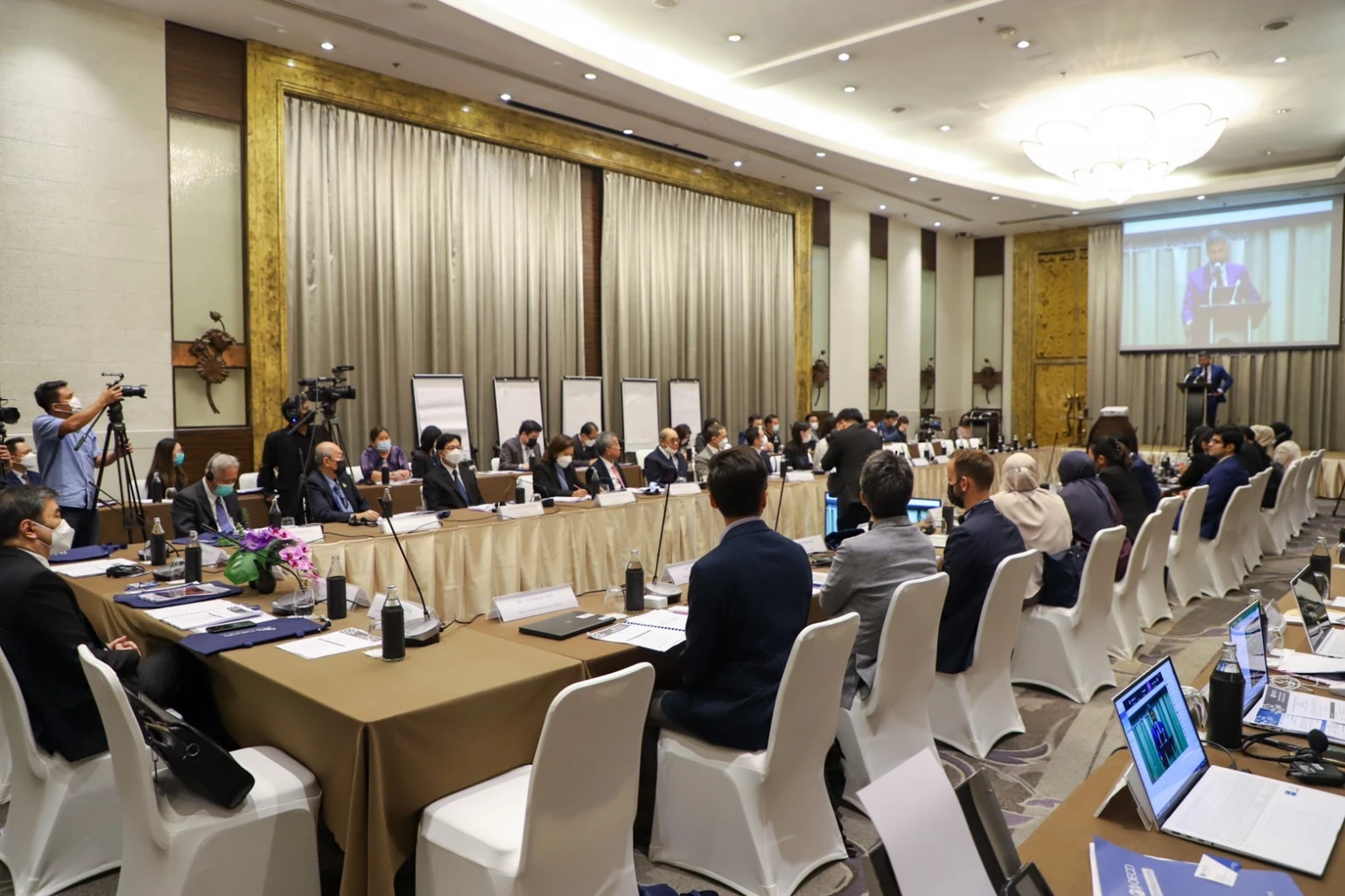
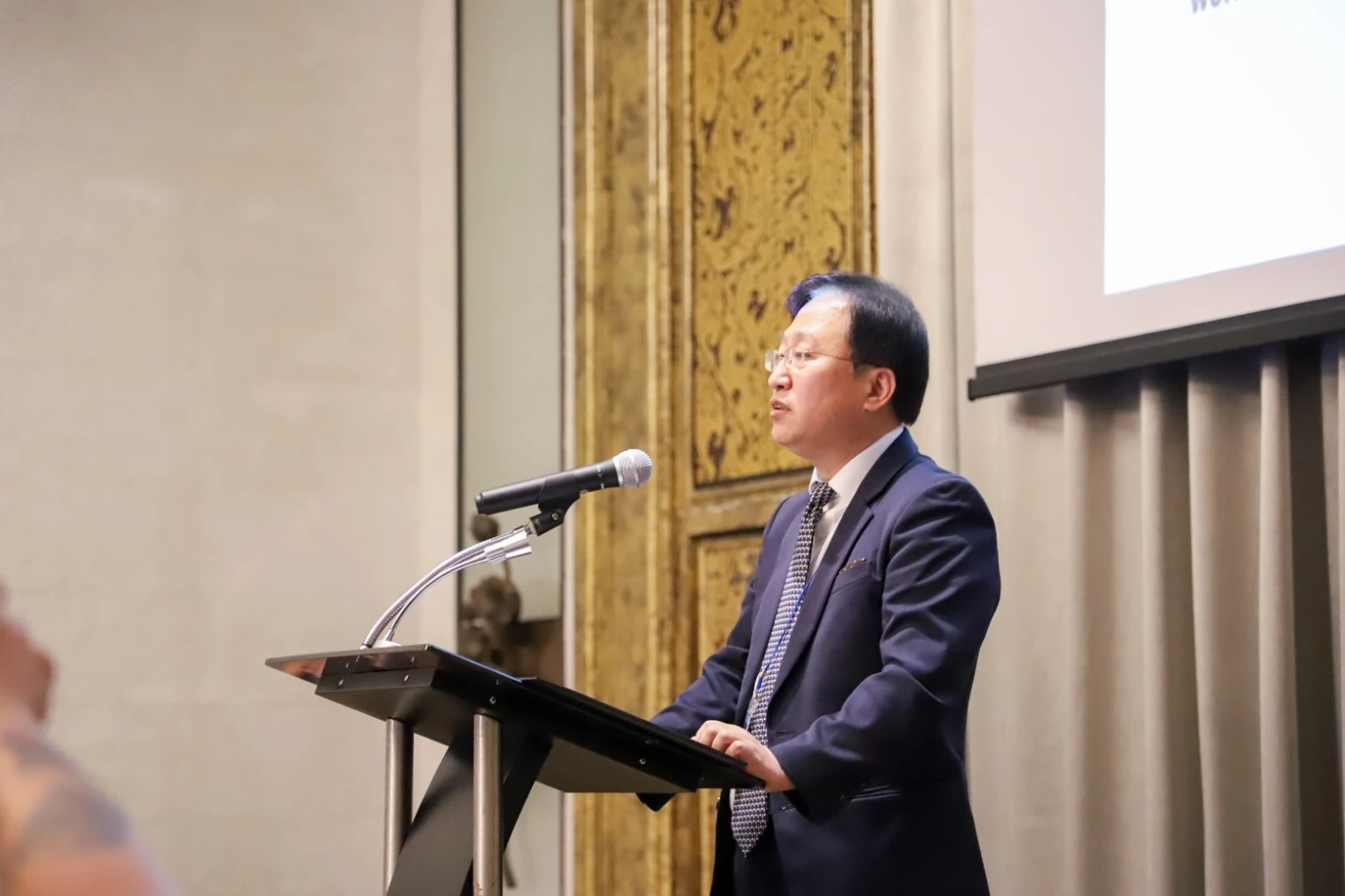
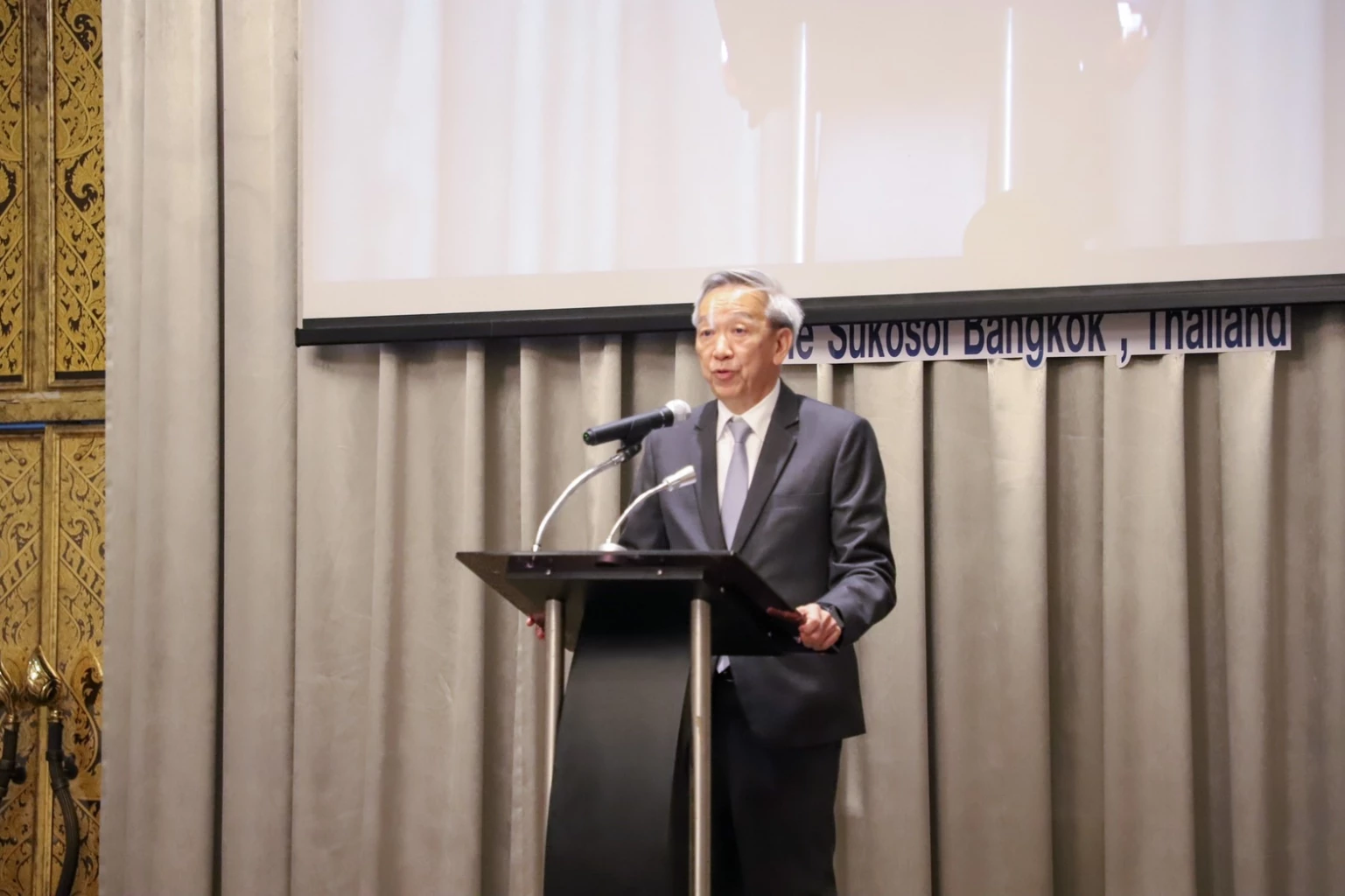
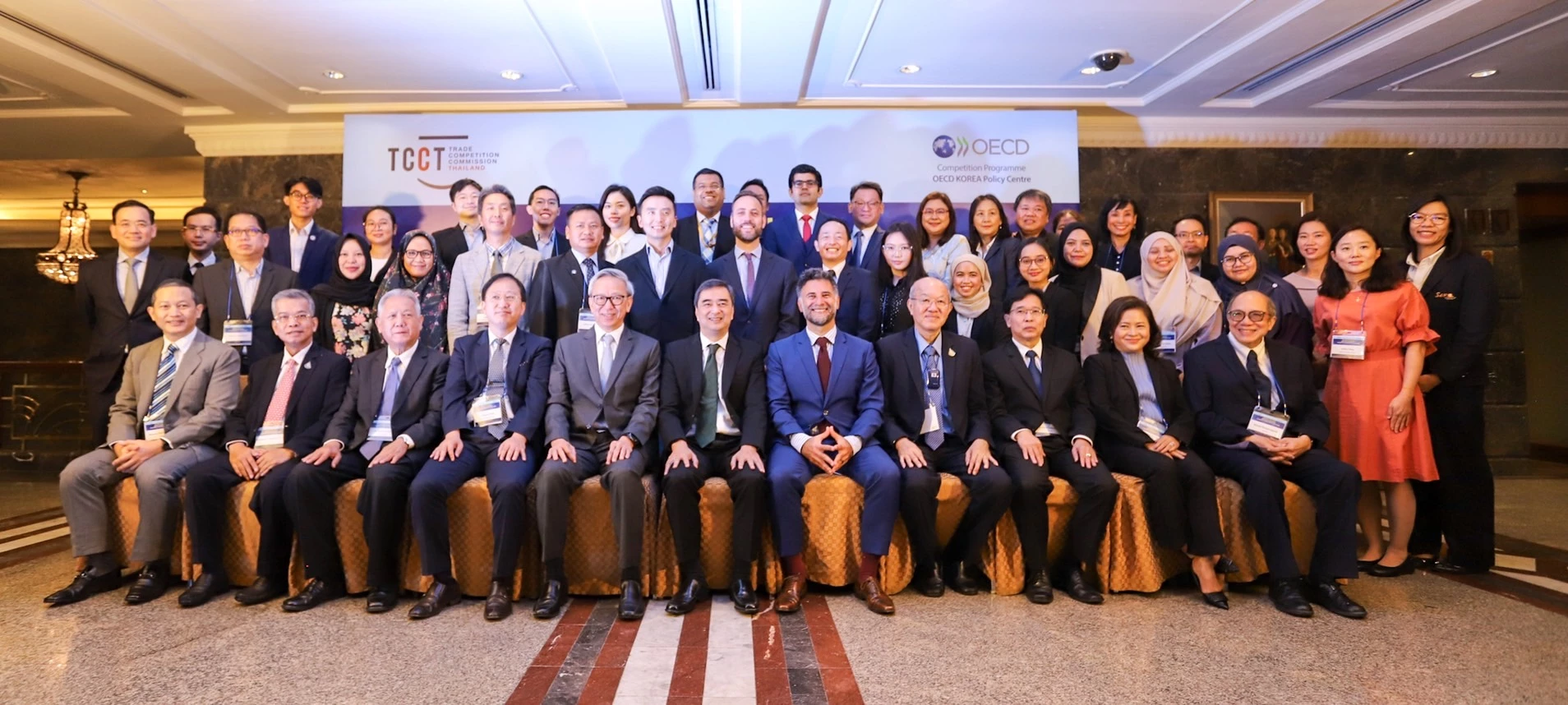
The Trade Competition Commission of Thailand (TCCT), in collaboration with the Organization for Economic Co-operation and Development (OECD) and OECD/Korea Policy Center (KPC), hosted an international meeting under the topic of “Workshop on Advocacy Strategies for Competition Authorities in Asia-Pacific.”
The event runs from October 25 to 27 at The Sukosol Hotel, Bangkok.
The meeting aims to provide a platform for the analysis and exchange of experiences in international trade competition promotion among agencies responsible for trade competition promotion in the Asia-Pacific region. It also aims to facilitate the adjustment of strategies in competition law enforcement to promote free trade in a fair and suitable manner for the post Covid-19 era.
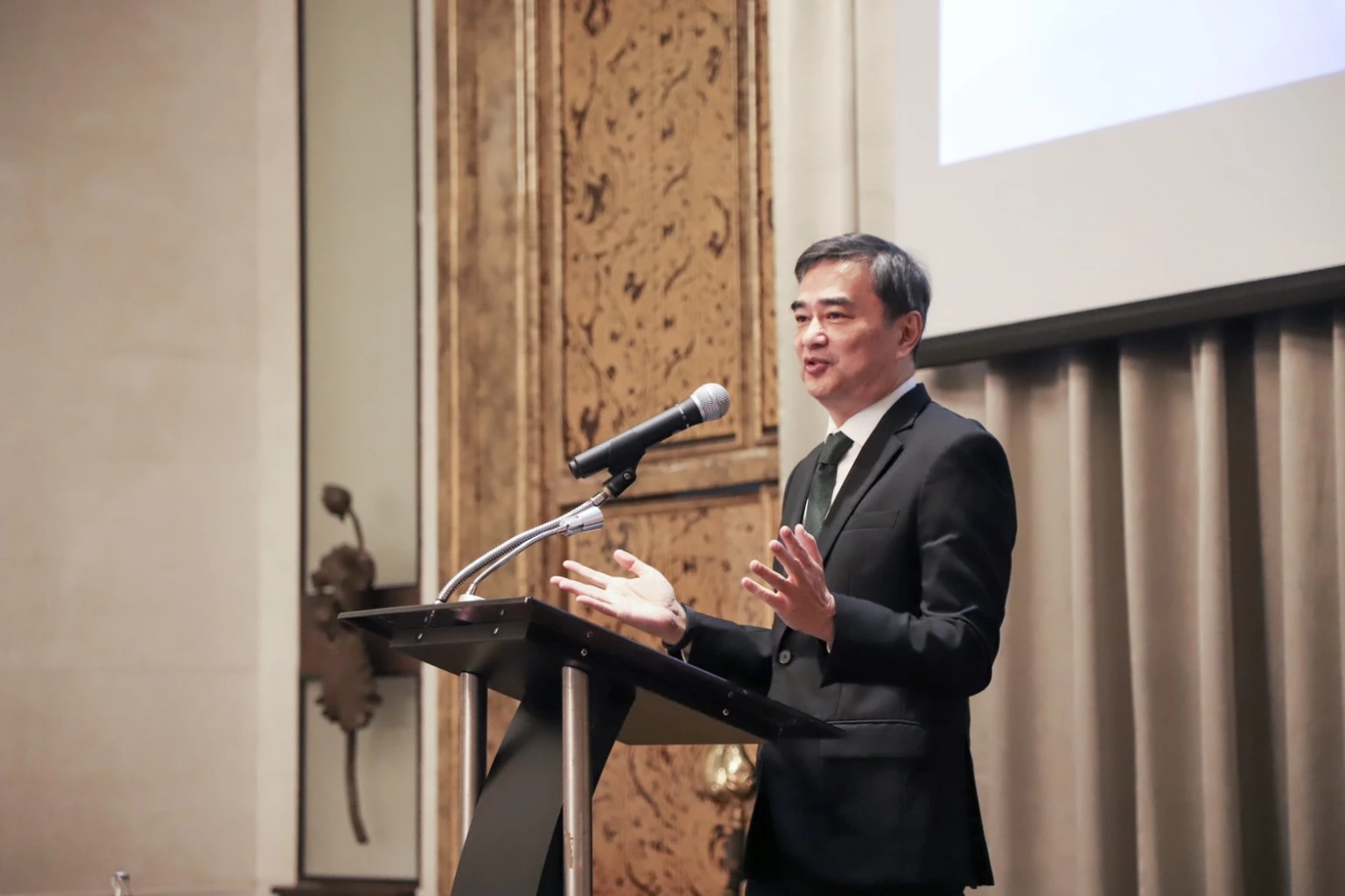
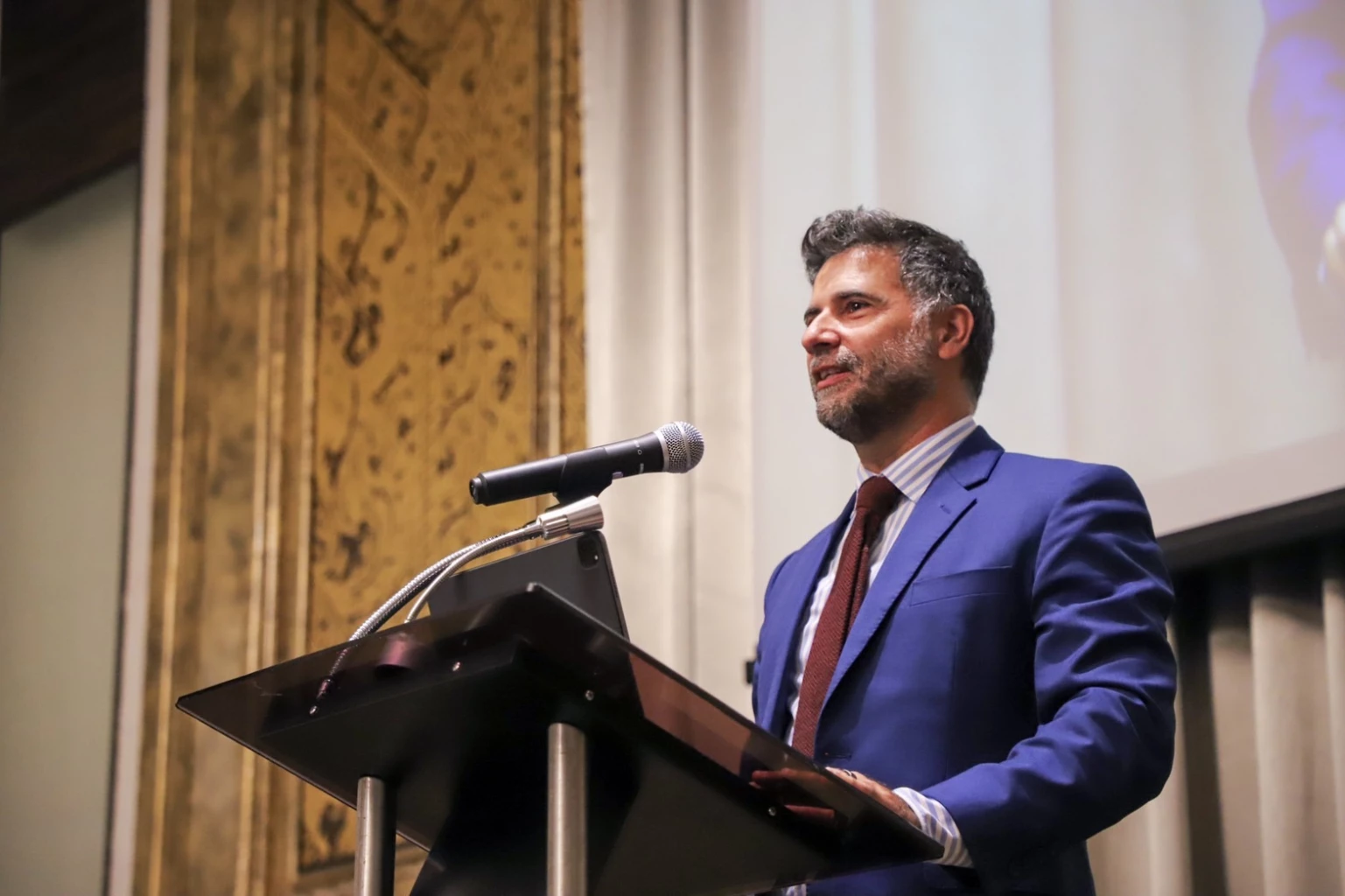
The event kicked off with former Prime Minister Abhisit Vejjajiva giving a special keynote on the topic of “Making Competition Policy a Policy Mainstay”. He highlighted the importance of competition policy on Thailand’s economic system amid the changing situations in the Asia-Pacific region fueled by the Covid-19 pandemic and digital transformation. Then, Mr Ruben Maximiano, Senior Competition Expert, OECD, gave a speech on the topic of “The Importance of Competition Advocacy for Our Economies”.
The meeting was held in a hybrid form with participation from both onsite and online attendants. Sessions comprised lectures, case study discussions, and exchange of experiences among participants, who are mainly representatives from competition authorities in the Asia-Pacific region, trade competition committees, officials of the Trade Competition Commission of Thailand, and Thailand’s representatives from agencies responsible for trade competition monitoring.
The three-day event was honoured by experts from international trade competition authorities, who provided knowledge and exchanged experiences with Thai representatives and officials of the TCCT on the following topics:
• Promotion and advocacy of trade competition for practical results • Building an efficient competition culture in Thailand’s context • Promotion and advocacy of equal trade competition • Evaluation of competitive status in the market • Study of market structure in setting up trade competition promotion plans • Promotion and advocacy of trade competition during Covid-19 situation
During the event, attendants participated in workshop sessions that feature hypothetical exercises and case study analyses on unfair trade competition of products and services under different roles. Participants exercised their skills in detecting unfair trade practices in different hypothetical markets and together designed an advocacy programme to promote a fair trade competition culture, before presenting the strategic plan for the said programme to the meeting.
The TCCT hoped that this international meeting would help Thai authorities build a knowledge base in the promotion and advocacy of trade competition, as well as promote cooperation with international competition authorities who have strong experience in their respective field, which could help raise Thailand’s efficiency in trade competition promotion and law enforcement to an international standard.
Thailand has highest income inequality in east Asia: World Bank rural poverty report
TUESDAY, OCTOBER 25, 2022
Thailand has the highest income inequality in east Asia, with rural households bearing the brunt of poverty challenges, according to a new report by the World Bank.
The report, titled “Thailand Rural Income Diagnostic”, said the national poverty rate has fallen from 58 per cent in 1990 to 6.8 per cent – but has been rising since 2016.
The situation is especially bad in rural areas, which account for 79 per cent of the poor, mainly in agricultural households.
The poverty rate in rural areas was 3 per cent higher than in urban zones in 2020.
The bank cited the slowing economy, stagnating farm and business incomes, and the Covid-19 crisis as reasons for Thailand’s rising poverty rate.
Worst affected by poverty are the South and Northeast, with rates almost double those of the national average, according to the report.
Meanwhile, the average monthly income for rural households was only around 68 per cent of urban households. The report said rural households are also suffering from low education levels, a high number of dependents, and difficult living conditions.
“Thailand has the potential to support faster and sustained income growth of rural households,” said Fabrizio Zarcone, World Bank country manager for Thailand.
“As Thailand’s economy adjusts to a new normal post-Covid-19, policy measures that increase agricultural productivity, support diversification to higher value crops, and improve access to markets through better rural connectivity and digital technology adoption can help overcome the constraints faced by the rural poor,” he added.
The report also forecast that the economic impacts of the Covid-19 crisis would linger longer in rural areas than in cities.
Thai-Lao business via Nong Khai almost back to normal: local trade office
TUESDAY, OCTOBER 25, 2022
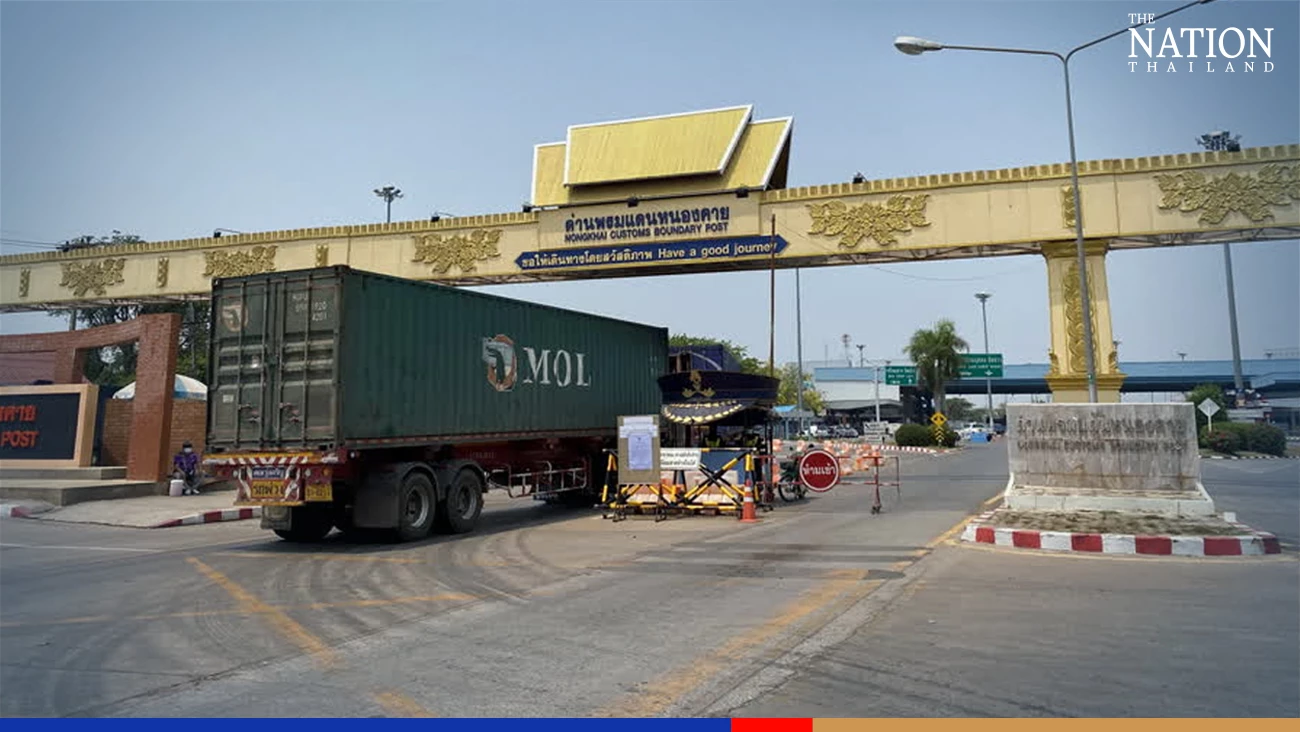
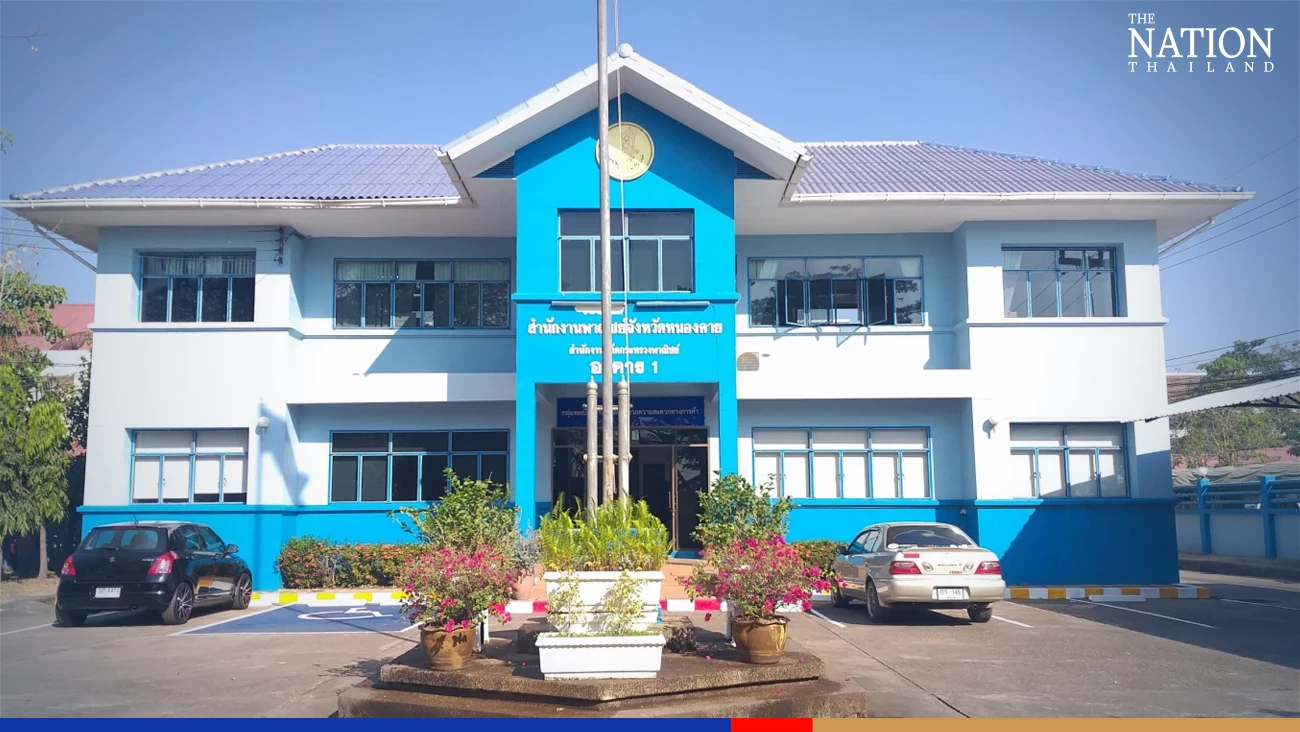
Trade across the Lao border in Nong Khai has almost returned to pre-pandemic levels, the provincial commercial office said on Tuesday.
Citing August figures, Nong Khai’s chief commercial officer Jiraporn Siriprasert said the increase signals economic recovery in the Northeast province.
She said trade in August accounted for 9.01 billion baht in revenue, up 18.90 per cent from July. Of the total, 6.15 billion came from exports, which marked a 10.95 per cent increase from the previous month. The value of imports via Nong Khai’s border checkpoints came in at 2.86 baht, up by 40.55 per cent from July.
Jiraporn said Thailand enjoyed a trade surplus of 3.29 billion baht in August but expects this figure to drop soon, especially since August recorded a 60.25 per cent or 218.94 million baht drop in the surplus compared to July.
The value of border trade in Nong Khai from January to August this year has risen by 20.41 billion baht or 41.99 per cent year on year. Of this, 10.63 billion baht accounted for exports and 9.79 billion baht for imports.
During the 10 months, exports via Nong Khai rose 25.65 per cent and imports by 2.44 per cent compared to the same period last year.
Apart from serving as a channel for bilateral trade, Nong Khai is also used by Laos to import goods from other countries. According to data, Laos’ imports via Nong Khai rose 118.95 per cent in August compared to the previous month.
Laos also used Nong Khai as a channel to export 5.5 billion baht worth of goods to other countries in August, though that was 13.61 per cent less than the previous month, Jiraporn added.
Meanwhile, Thai-Laos border trade via Bueng Kan checkpoint came in at 430.66 million baht in September, marking an increase of 4.87 million baht or 1.14 per cent compared to July. Of this, exports were worth 327.20 million baht, down by 4.06 million baht or 1.23 per cent, and imports worth 103.46 million baht, up by 8.93 million baht or 9.45 per cent, compared to July.
Law against enforced disappearance, torture published in Royal Gazette, takes effect after 120 days
WEDNESDAY, OCTOBER 26, 2022
Thailand’s first act to outlaw torture and enforced disappearance has been published in the Royal Gazette and will take effect after 120 days.
The Prevention and Suppression of Torture and Enforced Disappearance Act was published in the Royal Gazette on Tuesday, more than a year after the House of Representatives passed the first reading of the bill on September 16 last year.
The act was signed by His Majesty the King on Monday and was countersigned by Prime Minister Prayut Chan-o-cha.
It was stated in the principle of the act that it was enacted in accordance with Section 26 of the Constitution of the Kingdom of Thailand.
Section 26 of the charter reads: “The enactment of a law resulting in the restriction of rights or liberties of a person shall be in accordance with the conditions provided by the Constitution. In a case where the Constitution does not provide the conditions thereon, such law shall not be contrary to the rule of law, shall not unreasonably impose a burden on or restrict the rights or liberties of a person and shall not affect the human dignity of a person, and the justification and necessity for the restriction of the rights and liberties shall also be specified.”
Among other sections, Section 5 of the Prevention and Suppression of Torture and Enforced Disappearance Act states that if state officials carry out physical and mental torture, they will be deemed as committing a crime. Torture for the following purposes will be considered a crime:
– To obtain information or confessions from tortured persons or third-party persons
– To punish the tortured persons because of their own acts or third-party persons’s acts
– To intimidate the tortured persons or third-party persons
– To discriminate against tortured persons.
Section 6 of the act states that if state officials commit acts apart from what is stated in Section 5 and if the acts are cruel and inhumane and harm the human dignity, the offiicials will be deemed to be committing cruel and inhuman actions and abusing human dignity.
Section 7 states that if state officials kidnap anyone or carry out enforced disappearance, the officials will be regarded as committing the crime continually from the disappearance date until the fate of the victims are known.
The act states in Section 35 that violators of Section 5 will be subject to a fine between 100,000 to 300,000 baht and a jail term between 5 to 15 years if the victims are not severely injured or killed.
If the victims are severely injured, violators of Section 5 will be liable to a fine between 200,000 to 500,000 and a jail term from 10 to 25 years.
If the victims are killed, violators of Section 5 will be subject to 15 to 30 years imprisonment and a fine of 300,000 to one million baht.
Section 36 of the act states that violators of Section 6 will be subject to a maximum jail term of three years and or a fine of 60,000.
Section 37 of the act states that violators of Section 7 would be subject to 5 to 15 years imprisonment and a fine of between 100,000 to 300,000 baht.
If the victims are severely injured, the jail term would be increased to 10 to 15 years and fine to 200,000 to 500,000 baht.
But if the victims are killed, the jail term would be raised to 15 to 30 years and fine to 300,000 to one million baht.
Torture and enforced disappearance have long been problems in Thailand. Most of the reported cases have not been resolved, and hardly anyone has been punished, Human Rights Watch has said.
Since 1980, the UN Working Group on Enforced or Involuntary Disappearances has recorded 82 cases of enforced disappearance in Thailand, including the prominent Muslim lawyer Somchai Neelapaijit in March 2004. The actual number could be higher, as some families of victims and witnesses have remained silent, fearing reprisals if they speak, Human Rights Watch added.
Russia-Thailand: 125 years of friendship and cooperation
WEDNESDAY, OCTOBER 26, 2022
The year 2022 marks the 125th anniversary of the establishment of diplomatic relations between the Russian Federation and the Kingdom of Thailand.
The year 2022 marks the 125th anniversary of the establishment of diplomatic relations between the Russian Federation and the Kingdom of Thailand. The relationship, spanning more than a century between our two nations, can be traced back to as early as the 1860s when two Russian Imperial Navy Pacific Squadron ships anchored in Chao Phraya River. The Russian sailors were later granted an audience with then King Mongkut of Siam (King Rama IV). The King handed over his message with name cards for Russian Emperor Alexander II. It marked the beginning of formal communication between the monarchs of Russia and Siam.
For a century thereafter, Russian vessels were more frequent visitors to Siam. With the growing knowledge of each other and between our societies, contacts between the two nations grew closer and paved the way for the visit to Siam in 1891 of Crown Prince Nicholas during his Eastern Journey. He was graciously received by King Chulalongkorn (King Rama V).
Russia and Siam signed the Treaty of Friendship and Maritime Navigation, establishing diplomatic relations, during the visit of King Chulalongkorn to St. Petersburg in July 1897, when the Thai King again met his Russian counterpart, Emperor Nicholas II. Later, the first Russian diplomatic mission in Bangkok held its grand opening in May 1898.
There were other significant events that united Russia and Thailand. Prince Chula Chakrabongse, the son of King Chulalongkorn, studied and graduated from the Russian Imperial Military Academy and married Russian lady Ekaterina Desnitskaya. In 1888, the Siam Royal Anthem music, the Kingdom’s official national anthem until 1932, was composed by Russian composer Pyotr Shshurovsky. In 1911, the delegation of the Russian Imperial House of Romanov onboard the Aurora Russian Imperial Navy Cruiser took part in the coronation ceremony of the King Vajiravudh (King Rama VI).
Despite the long break in official contacts between the two countries after the 1917 October Revolution in Russia, it was a period when the systematic teaching of the language, culture and history of Thailand began in Russian higher educational institutions. In 1954, the first group of Thai language students commenced their studies at Moscow State Institute for International Relations under the direction of Lev Morev – author of the classic “Thai-Russian Dictionary”. Two years later, the Thai language was first taught at the Institute of Oriental Languages (now Institute of Asian and African Studies) of Lomonosov Moscow State University, and in 1961 at the Oriental Department of Leningrad (now St. Petersburg) University.
Over the years, members of the Thai Royal Family repeatedly visited Russia, including Her Majesty Queen Mother Sirikit in 2007. In 2003, Russian President Vladimir Putin paid an official visit to Thailand. The leaders of the two countries also have met many times during multilateral events at various summits.
Today, Russia and Thailand enjoy constructive and mutually beneficial interaction through various multilateral mechanisms. Thailand is a long-standing and reliable partner of Russia. There are no political disputes on our agenda that could potentially hinder the development of our cooperation. Both sides appreciate active interaction, openness and willingness to further develop bilateral ties.
With the easing of Covid-19-related restrictions, the two nations resumed exchange of delegations. On May 21-22, Russian Economic Development Minister Maxim Reshetnikov participated in the Asia-Pacific Economic Cooperation Ministerial Meeting on Trade in Bangkok. Contacts between our foreign ministers also remain consistent: Russian Foreign Minister Sergei Lavrov met his Thai counterpart, Don Pramudwinai, in Phnom Penh during ASEAN events on August 5 and in Moscow during a working visit on September 6.
Foreign Minister Sergey Lavrov had a meeting with Deputy Prime Minister and Minister of Foreign Affairs of the Kingdom of Thailand Don Pramudwinai on the sidelines of the ASEAN ministerial events in Phnom Penh on August 5. They paid special attention to holding cultural events in both countries to mark the 125th anniversary of Russia-Thailand diplomatic relations in 2022.
Bilateral trade and economic ties have now revived after suffering the negative effects of the pandemic. According to data from the Federal Customs Service of Russia, in 2021 Russia-Thailand trade volume reached US$2.3 billion (up 29 percent). Russian exports amounted to $494 million (up 40 percent) while imports from Thailand were worth $1.8 billion (up 26 percent). However, in the first half of 2022, trade dropped by 10 percent to $982 million, resulting from disruptions in the logistics chain and banking services.
There are good prospects for increasing cooperation in the energy and agro-industrial sectors. One is a multi-year project with Thailand’s leading holding company, CP Group. It is a successful example of bilateral cooperation in investment and agriculture. The company’s investment in the Russian agro-industrial complex is worth $1.8 billion totally. In November 2021, the chairman of CP Group, Soopakij Chearavanont, was appointed as honorary consul of the Russian Federation in Chiang Mai with a consular district that includes Chiang Mai, Chiang Rai and Mae Hong Son provinces. Russia now maintains Honorary Consulates in Pattaya and on Koh Samui as well as a General Consulate in Phuket.
Besides trade and economic cooperation in agriculture and food, other promising areas of cooperation are biology and space technologies, peaceful use of nuclear energy, shipbuilding, environmental protection, manufacture of construction materials and aviation as well as IT services and software solutions. Currently, Russian vaccines “Sputnik V” and “Sputnik Lite” are included in the list of vaccines granting the right for unimpeded entry to Thailand, which contributes to an increase in tourist flows.
Russia and Thailand maintain contacts on global international platforms and leading regional multilateral associations. Within the UN, our countries cooperate constructively on a wide range of issues on the global agenda. We coordinate approaches to various international and regional initiatives. We prioritize the central coordinating role of the UN and the promotion of its goals in full accordance with the UN Charter. We note the consonance of our positions on the current challenges to global stability. One of the recent manifestations of Thailand’s global clout as an influential representative of developing nations was the participation of Prime Minister General Prayut Chan-o-cha on June 23 in the High-Level Dialogue on Global Development in the “BRICS Plus” format.
In the context of Thailand’s chairmanship of the Asia-Pacific Economic Cooperation (APEC) forum, we support the agenda promoted by Bangkok, including the concept of a “bio-circular-green economy” (BCG).
Here in Thailand, Russian foreign policy has another dimension related to multilateral diplomacy. As you know, Bangkok hosts the headquarters of the largest regional economic commission of the UN-ESCAP (United Nations Economic and Social Commission for Asia and the Pacific). For the Russian Federation, which has 77 percent of its territory in Asia, working in this UN format is a strategic priority.
The Russian Federation is making a significant expert contribution to developing strategies within ESCAP to enhance the sustainability of socio-economic infrastructure in the Asia-Pacific region and to develop collective solutions to ensure the full implementation of the 2030 Agenda for Sustainable Development (Agenda 2030) approved by the United Nations. Our country assists interested states in the region in strengthening their capacities by implementing technical assistance projects in almost all sectoral areas of the Commission’s activities – transport and energy, economy and statistics, environment and climate change, natural disasters, etc., through Russia’s voluntary contribution to the ESCAP budget. Over the entire period of the project cooperation between the Russian Federation and ESCAP, 54 projects have been implemented with a total funding of about $12.5 million.
In the cultural and humanitarian spheres, cooperation between Russia and Thailand is steadily developing. Every year, at least 50 candidates from Thailand are selected to study at Russian universities on Russian government scholarships. At present, Russian language programs are provided at Chulalongkorn, Thammasat and Ramkhamhaeng universities while about 10 secondary schools in Thailand have optional Russian language courses.
In 2021, Russia and Thailand held the first Forum of Rectors of both countries’ universities. Later in the same year, the two sides held the third Russian-Thai round table on the education of gifted children titled “Education in the Covid-19 pandemic: From crisis to new opportunities” under the auspices of Her Royal Highness Princess Maha Chakri Sirindhorn.
H.E. Mr. Evgeny Tomikhin, Russian Ambassador to the Kingdom of Thailand presided over an exhibition of kid’s drawings on the occasion of the 125th Anniversary of the establishment of diplomatic relations between Russia and Thailand at Ratchadamnoen Contemporary Art Center on July 8, 2022
On the occasion of the 125th anniversary of diplomatic relations, a variety of events have been organized, starting with a contest for best logo for the anniversary year at the end of 2021.
In February 2022, the Moscow State Institute for International Relations of Russia’s Foreign Ministry and Thammasat University held a video conference on the history and current development of Russian-Thai relations.
Then in April a delegation of the Moscow Kremlin Museums, led by director-general Elena Gagarina, visited Thailand. They had meetings at the Ministry of Culture of Thailand as well as a number of museums and exhibition centres. The two sides agreed to hold the first-ever exhibition of art objects of Moscow Kremlin Museums in Bangkok.
One of the largest events to mark this special anniversary of diplomatic relations so far was the gala show “Russia-Thailand: 125 years of Friendship” held on June 5 at the National Theater in Bangkok. It featured performances of Russian and Thai dance groups, a presentation of Russian students on the history of Russian-Thai relations, an award ceremony for the winners of the contest for the best children’s drawing on the occasion of the 125th anniversary of bilateral relations.
A gala show “Russia-Thailand: 125 years of Friendship” was held at the National Theatre to mark a milestone in diplomatic relations between the two countries on June 5, 2022.
Thailand’s Deputy Prime Minister and Minister of Foreign Affairs H.E. Mr. Don Pramudwinai and H.E. Mr. Evgeny Tomikhin, the Ambassador of Russia to Thailand, are seen at a reception organized on July 4, 2022 by the Russian Embassy in Thailand on the occasion of the 125th anniversary of the establishment of diplomatic relations between the two countries.
Mr. Don Pramudwinai viewed an art exhibition on July 4, 2022 about the 125-year relationship between Russia and Thailand
Recently in August, the Annual Festival of Thai Culture took place in Moscow. In September, as part of the Bangkok International Festival of Music and Dance, dancers from Stanislavsky and Nemirovich-Danchenko Moscow Academic Musical Theatre as well as Alla Dukhova’s contemporary dance group “Todes”, performed at the Thailand Cultural Center. Artists from the Igor Butman Jazz Ensemble were invited to perform here later this year. On the first weekend of December Bangkok will also host the first ever Russian Movie weekend.
Given the long years of friendship and cooperation between Russia and Thailand, we are convinced that the economic and geopolitical challenges that our countries are facing today are temporary and can certainly be overcome. Based on mutual trust between the leaders and peoples of our countries, the relations between Russia and Thailand have been strong for several generations and we are confident that they will continue to remain robust and have a bright future.
Thailand eyes new stimulus schemes as New Year gifts for the public
TUESDAY, OCTOBER 25, 2022
Government agencies and state enterprises have been instructed to devise New Year gift ideas for the public that will not be seen as vote-buying tactics.
The agencies have until November 29 to come up with proposals, so the Cabinet can consider and approve them in time for the New Year, the order said.
The edict, dated October 21, cited an October 18 Cabinet resolution stipulating that the proposed gifts should provide practical benefits to the public and not go against the Election Commission rules and regulations.
The order also specified that the said “gifts” should help stimulate the country’s economy, like the “Let’s Go Halves” co-shopping subsidy scheme and the “We Travel Together” tourism promotion campaign. The schemes, launched in phases, aimed to stimulate the economy and offer a helping hand to people suffering from the fallout of the Covid-19 crisis.
Chadchart will ask MRTA to carry out two electric train projects
WEDNESDAY, OCTOBER 26, 2022
Bangkok Governor Chadchart Sittipunt said on Wednesday he would ask the Mass Rapid Transit Authority of Thailand (MRTA) to take over two electric train projects.
Chadchart said the Bangkok Metropolitan Administration (BMA) decided on Wednesday not to undertake the Silver Line and Grey Line projects on its own but would ask the MRTA to build the lines and operate services.
Chadchart was speaking to reporters at noon after a meeting with BMA executives at Din Daeng City Hall to discuss the BMA’s electric train projects.
He said the current team of BMA executives feel the city administration has no expertise to carry out the projects so it would be better to hand them over to the MRTA.
“We want to have new electric train lines but it would benefit the public more if the MRTA handles them. The BMA is yet to hold talks with the MRTA. It’s fine if the MRTA carries out these projects so people can benefit the most,” the governor said.
“The MRTA has more expertise in carrying out electric train projects while the BMA has no expertise at all. So far, the BMA has hired a private firm to run its electric train projects and the city administration has several other projects that need to be carried out, such as public health projects and early child development schools.”
He said the Silver Line would be extended to areas outside Bangkok while the Grey Line would interconnect several other MRTA lines, such as the Pink Line, Yellow Line, Orange Line and Airport Rail Link.
If the BMA handles the two new lines, there would be repetitive entry fees at interconnection points, but if the MRTA undertakes the projects, the state firm would be able to develop an integrated payment system, Chadchart pointed out.
The BMA owes the Bangkok Mass Transit System 37.14 billion baht as of March this year for operation, maintenance and electrical and mechanical installations of Green Line extensions.
The Grey Line project will run for a distance of 16.3 kilometres, linking Soi Watcharpol to Soi Thong Lor via 15 stations. The initial budget was estimated at 27.5 billion baht.
The Silver Line, from Bang Na Intersection to Suvarnabhumi airport, will run for 19.7km and have 14 stations.







 Apart from serving as a channel for bilateral trade, Nong Khai is also used by Laos to import goods from other countries. According to data, Laos’ imports via Nong Khai rose 118.95 per cent in August compared to the previous month.


 Foreign Minister Sergey Lavrov had a meeting with Deputy Prime Minister and Minister of Foreign Affairs of the Kingdom of Thailand Don Pramudwinai on the sidelines of the ASEAN ministerial events in Phnom Penh on August 5. They paid special attention to holding cultural events in both countries to mark the 125th anniversary of Russia-Thailand diplomatic relations in 2022.
 H.E. Mr. Evgeny Tomikhin, Russian Ambassador to the Kingdom of Thailand presided over an exhibition of kid’s drawings on the occasion of the 125th Anniversary of the establishment of diplomatic relations between Russia and Thailand at Ratchadamnoen Contemporary Art Center on July 8, 2022
 A gala show “Russia-Thailand: 125 years of Friendship” was held at the National Theatre to mark a milestone in diplomatic relations between the two countries on June 5, 2022.
 Thailand’s Deputy Prime Minister and Minister of Foreign Affairs H.E. Mr. Don Pramudwinai and H.E. Mr. Evgeny Tomikhin, the Ambassador of Russia to Thailand, are seen at a reception organized on July 4, 2022 by the Russian Embassy in Thailand on the occasion of the 125th anniversary of the establishment of diplomatic relations between the two countries.
 Mr. Don Pramudwinai viewed an art exhibition on July 4, 2022 about the 125-year relationship between Russia and Thailand


