Europe faces its second covid Christmas with lockdowns, cancellations and rising cases

#SootinClaimon.Com : ขอบคุณแหล่งข้อมูล : หนังสือพิมพ์ The Nation.

https://www.nationthailand.com/international/40010355


AMSTERDAM – The medieval castle outside Amsterdam had planned a cheeky holiday celebration, marking the end of a terrible year with “the worst tour youve ever had” and encouraging people to realize theres “stuff we can laugh about together.”

Europe faces its second covid Christmas with lockdowns, cancellations and rising cases

But with the Netherlands in a national lockdown once more, organizers at Muiderslot Castle didn’t find much to laugh about this week. They had to refund tickets, give away a dozen Christmas trees and melt a skating rink they don’t expect anyone to use anytime soon.

“This castle has seen pandemics before,” said Annemarie den Dekker, director of programming at the castle. “But my first reaction was disbelief because we were all expecting a Christmas this year.”

The mood in much of Europe reflects hopes briefly glimpsed – and then dashed. As in the United States, new cases of the omicron variant are quickly overtaking previously dominant delta variant. But many European governments have gone further than the United States in reimposing curfews, closures and travel restrictions. Ireland is shutting pubs at 8 p.m. Greece, Italy and Spain have reintroduced outdoor mask mandates. In Austria, people without proof of vaccination or covid-19 recovery can leave home only for essential reasons.

Europeans are being urged – in some places required – to keep holiday gatherings small.

There is some relief that early evidence out of Britain and South Africa suggests omicron doesn’t make as many people as seriously sick as delta. But based on how fast it has been spreading, health officials are still warning about overwhelmed hospitals and a breakdown of public services.

Britain’s National Health Service reported Thursday that staff absences due to covid were up 50% from the previous week. Transport for London announced it was closing a Tube line until the end of the year over a lack of drivers. And the education secretary is calling for former teachers to return to classrooms, in anticipation of omicron-related staff shortages in January.

Britain and other European nations that just a few months ago were celebrating their world-leading status in coronavirus vaccinations are now scrambling to get boosters to as many people as they can.

Covid health passes – documenting vaccination, recovery or a recent negative test – have become routine in much of Europe and helped boost vaccination rates. Some countries are now tightening the rules: adding a booster requirement, dropping testing as an alternative. Italy on Thursday said unvaccinated people would no longer be able to partake in the ritual of having an espresso at a cafe counter. Announcing that the French government intends to add more restrictions for the unvaccinated, Prime Minister Jean Castex lamented that hospital intensive care units “are filled for the most part with unvaccinated people.”

France has seen a problem with fake vaccination cards, too. Carole Ichai, a senior official at a hospital in Nice in southern France, said about 30% of patients in her hospital’s intensive care unit last week had counterfeit vaccination certificates.

“Honestly, I didn’t expect that we would [still] be in this situation,” she said, adding that the constant scramble to respond to spikes in case numbers has become “very destructive for our spirits.”

The Netherlands has the most all-encompassing restrictions at this point, with all but essential shops shut until at least Jan. 14. The sense that the worst of the pandemic is back may be most acute here.

“I can now hear the whole of the Netherlands sighing,” Prime Minister Mark Rutte said when announcing the lockdown. “Another Christmas that is completely different from what we would like.”

But he emphasized the move was necessary to avoid “an unmanageable situation in hospitals.”

In Amsterdam, the canal boats are docked. Dam Square is empty. Stores that were counting on strong Christmas sales are instead sending products back to their wholesalers, knowing they stand no chance of selling them now.

“We didn’t expect this lockdown,” said Oscar Karstens, manager of Catwalk Junkie, a women’s clothing store that relies on foot traffic.

Some tourists, stuck with nonrefundable tickets, arrived in the city anyway this week, but were disappointed they could no longer go to museums, restaurants or the famed Christmas markets.

“It sounded like a good idea to stop in the Netherlands and Europe before Christmas,” said Julz Shevko, 35, who months ago planned a layover in Amsterdam to see the Christmas markets on her way home to Ukraine from a vacation in South America. “It’s so bizarre.”

The restrictions across Europe have ruined yet another much-needed tourism season, said French travel agency operator Marie Vendroux-Deppe, who works with U.S. travelers. Most of her clients canceled their trips in the past few days, and now she doesn’t expect a return to normal until 2023.

“Every three or four months, I finally feel confident again,” Vendroux-Deppe said. “But then new bad news arrives and destroys everything.”

The posh Pulitzer Amsterdam hotel had planned to mark the holidays with parties in its courtyard. It commissioned a Danish fashion designer to decorate a 30-foot Christmas tree. Now, though, the courtyard is closed and guests can’t get near the Christmas tree and its pink oversized bows. The hotel set up tables in guests’ rooms so they can do room service instead.

There will be no midnight masses in the Netherlands. Dutch bishops said they worried about crowds and ventilation and the impact of having “multiple celebrations in one evening.”

In neighboring Britain, by contrast, the archbishop of Canterbury, Justin Welby, encouraged people to go to Christmas Mass. “The worship of God is a necessity,” Welby said, adding that “Anglican churches tend to be large, cold, and drafty; they’re not great places for spreading infections.” He also said getting vaccines and boosters should be considered a moral obligation.

Britain has been more tentative than many other European nations about reimposing coronavirus restrictions. Prime Minister Boris Johnson said his government was watching the data “hour by hour” but didn’t want to issue new guidance before Christmas. That has set up something of a real-world experiment, with people watching how omicron behaves in light-touch Britain vs. lockdown Netherlands.

Nearing the anniversary of its full break with the European Union, Britain now finds itself subject to an array of travel restrictions on the continent.

Malcolm Sullivan had already packed his bags, ready to travel from Berlin to visit family in England, when Germany announced a 14-day quarantine for people entering from Britain. Sullivan canceled his trip, with his partner and 3-year-old. The two-day quarantine on the British side was one thing. But he figured it would be too difficult to quarantine for two weeks with a toddler on their return.

“That was pretty much the most depressing thing I’ve done this year,” he said.

This frustrating Christmas makes it hard to know how to plan anything in the coming months, said Anna-Marie Venderburg. The Dutch 79-year-old had tickets to see the opera “La Traviata” over Christmas weekend in Amsterdam, but that got canceled. She’s still hopeful her ski trip to Austria in late January will go on. She keeps calling the resort, but they are also not sure what the new year will hold.

“They are very nervous too, it’s just not possible to know,” Venderburg said. “It’s a big disaster.”

Published : December 24, 2021

By : The Washington Post
Masks return to Australian cities as omicron sours Christmas

#SootinClaimon.Com : ขอบคุณแหล่งข้อมูล : หนังสือพิมพ์ The Nation.

https://www.nationthailand.com/international/40010353


Australias two most-populous states are bringing back mask mandates as a surge in covid-19 cases, led by the highly contagious omicron variant, threatens to roil Christmas plans for a second year.

Masks return to Australian cities as omicron sours Christmas

In New South Wales, where Sydney is the capital, limits will also return on the number of patrons in hospitality venues from Dec. 27, in an attempt to limit the potential impact on the state’s health care system. Numbers are climbing at a slower rate in Victoria, home to Melbourne, which hadn’t eased public restrictions as fast as its neighboring state in recent weeks.

Both states will require masks to be worn in all indoor settings apart from private homes from Friday. In a further development later in the day, Western Australia state – which has prided itself on its ability to keep covid-19 out of its community through strict border measures – said it was introducing mask mandates and would cancel some events over Christmas when a backpacker tested positive after 12 days in the community.

“Obviously there is concern in relation to our health workers,” NSW Premier Dominic Perrottet told reporters Thursday. “We believe the changes that we are making today will ensure that our health system is well manned over the holiday season as we go through this next stage.”

New South Wales reported a 52% jump in cases to a record 5,715 on Thursday. Perrottet reiterated the number of people needing serious treatment in hospital was still low and manageable, saying the health system was so far coping.

A total of 349 people in the state are in hospital – the most since the start of November. But the number of patients being treated in intensive care units is at 45, compared with 77 almost two months ago when delta was the dominant variant.

“We just ask everybody across our state to be cautious over Christmas,” said Perrottet.

Omicron is putting pressure on Australia’s push to fully reopen. New South Wales and Victoria states recently removed months-long lockdowns which Prime Minister Scott Morrison says are now unnecessary due to a relatively high vaccination rate. Many testing centers have become overwhelmed due to the dramatic rise in case numbers and as some states require visitors to show a negative result from a test taken within 72 hours prior to arrival.

Victoria recorded 2,005 new cases on Thursday, with 398 people hospitalized and 72 in ICU. The state will also require face masks to be worn at major outdoor events with over 30,000 people.

In Western Australia, an international backpacker who complied with entry rules had tested positive for a strain not expected to be omicron, Premier Mark McGowan told reporters in Perth. The traveler has has “hundreds” of potential contacts in venues including pubs, nightclubs and a museum in the 12 days since arrival.

Masks will be mandatory in all indoor settings in the state until at least Dec. 28, while music festivals will be canceled and nightclubs closed.

New cases in Queensland, the third-most populous state, doubled on Thursday from the day before to 369.

“Not only is the spread of this virus inevitable, it is necessary,” Queensland Chief Health Officer John Gerrard told reporters on Thursday. “In order for us to go from the pandemic phase to an endemic phase, the virus has to be widespread. We all have to have immunity.”

Published : December 24, 2021

By : Bloomberg

FDA authorizes Mercks anti-coronavirus pill, a second treatment option

#SootinClaimon.Com : ขอบคุณแหล่งข้อมูล : หนังสือพิมพ์ The Nation.

https://www.nationthailand.com/international/40010352


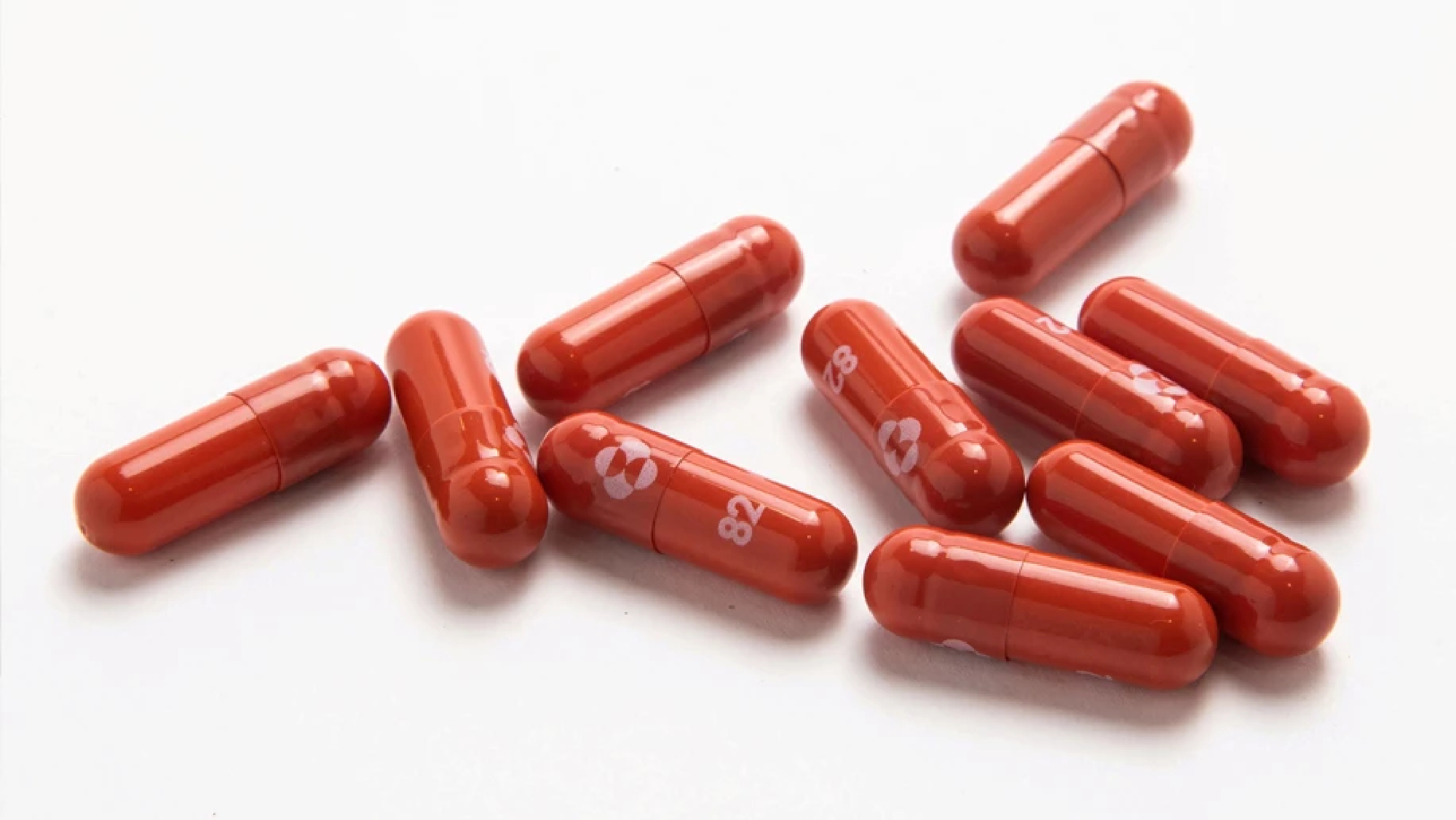
Federal regulators authorized a second pill to treat covid-19 Thursday, adding another at-home treatment option to help keep high-risk people out of the hospital.

FDA authorizes Mercks anti-coronavirus pill, a second treatment option

Doctors have clamored for easy-to-use medications throughout the pandemic, but the new drug, molnupiravir, has had an uneven reception because of its modest efficacy and potential safety risks. Some experts say another tool will be helpful as the omicron variant, which is resistant to other key treatments, surges. But others say they would be hesitant to use the drug.

The Food and Drug Administration authorized the five-day course of treatment in patients 18 and older who are at high risk of severe covid-19 and “for whom alternative COVID-19 treatment options authorized by the FDA are not accessible or clinically appropriate.”

That is a limitation that will leave physicians deciding how to prioritize an array of treatments among patients at risk of severe covid-19. But those treatment decisions are set against a backdrop of supply shortages.

One monoclonal antibody treatment remains effective against omicron but is in short supply and has to be given by an intravenous infusion. Doses of a Pfizer antiviral pill authorized this week are expected to be limited in the near-term and the drug isn’t appropriate for everyone. A study published Wednesday showed that a three-day course of intravenous remdesivir, currently approved for hospitalized patients, could be effective in keeping people with milder cases out of the hospital.

“This week’s actions are important steps in the fight against covid-19 and demonstrate the agency’s commitment to expanding the arsenal of treatment options available to help the public,” Patrizia Cavazzoni, director of the FDA’s Center for Drug Evaluation and Research, said at a news briefing.

Molnupiravir, developed by Merck and Ridgeback Biotherapeutics, cut the risk of hospitalization and death in high-risk patients by 30% when given within five days of symptom onset. In contrast, Pfizer’s antiviral drug, authorized a day earlier, reduced hospitalizations and death by 88% when given with five days.

Molnupiravir works by introducing mutations to the virus, a different mechanism than Pfizer’s pill, which interferes with a protease the virus needs to make copies of itself.

Dean Y. Li, president of Merck Research Laboratories, said the advantages of the drug include that clinicians will not have to worry about interactions with commonly prescribed medications or worry about patients’ liver and kidney function. Pfizer’s antiviral Paxlovid interacts with many commonly used drugs and is not recommended for people with severe liver and kidney problems.

“It’s an important part of the armamentarium, and we do think multiple mechanisms of action are going to be important,” Li said.

Because of the way the Merck drug works, some experts fear it will fuel the rise of new variants or could cause mutations in people who take it – despite various tests that gave FDA reviewers confidence those risks were low overall.

Molnupiravir is not recommended for use during pregnancy. Men and women of childbearing potential are recommended to use birth control, with men recommended to use birth control for three months after the last dose. It is authorized for people 18 and older because it can affect bone and cartilage growth.

“While 30 percent is definitely less than 88 percent [for Pfizer], this is still better than 0 percent,” said David Boulware, an infectious-diseases physician at the University of Minnesota Medical School. “Due to safety concerns, pregnant women as well as men or women who are trying to conceive should not receive molnupiravir.”

Other experts questioned the modest benefit and worried that it could lead to the emergence of future variants, despite the fact that FDA reviewers found those risks to be low. A committee of external advisers reviewed the drug in November, and were divided on whether to recommend authorization of the pill. Even some advisers who voted to recommend authorization said the drug would not be their first choice.

“Someone taking that drug is cheating themselves out of the opportunity to take a better, more effective drug,” said Michael Z. Lin, a biochemist at Stanford Medicine who has been working on a different type of antiviral drug. “Approval of Merck’s drug would be the worst decision in FDA history. . . . It’s almost certainly going to create viral variants that escape.”

John Farley, director of the Office of Infectious Diseases at FDA, called it a “challenging” risk-benefit consideration.

He said the virus also mutates in untreated people during the course of an infection. Mutations in the virus were “a bit more frequent” in people who were treated with molnupiravir, and the agency plans to continue to monitor the risk.

Farley said there were other factors that influenced the agency’s conclusion that benefits of the drug outweighed the theoretical risk it could generate a worrisome new variant. The drug causes the amount of virus in people’s body to plummet, and patients would be isolating until they recover.

Molnupiravir has been authorized in the United Kingdom, but France canceled its order for the drug this week.

Molnupiravir may be the most plentiful option as cases soar, driven by the omicron variant. The federal government dispatched 65,000 treatment courses of Pfizer’s antiviral Paxlovid in its first shipment this week. Merck will deliver “several hundred thousand” treatment courses in the next couple of days, and up to 1 million doses in the next two weeks, said John McGrath, Merck’s senior vice president of external manufacturing and strategy.

Jeffrey Zients, the White House coronavirus response coordinator, said that by the end of January, the government expects to ship 3 million treatment courses to the states. Pfizer’s production is expected to ramp up more slowly.

The federal government will allocate doses to states, which will then decide how the pills should be distributed and prioritized, said Tom Kraus, vice president of government relations at the American Society of Health-System Pharmacists.

Kraus noted that consumer and physician preference played a role in vaccine uptake, and he expected that patients would have a preference for one drug. But, as with the initial vaccine rollout, demand will likely outstrip supply, causing shortages and a lack of choices.

“At the end of the day, omicron is racing across the country. It seems like the federal government needs to be doing everything they can do to rapidly bring supply online,” Kraus said. “The existence of these drugs is unequivocally a reason to be positive. It is absolutely another substantial arrow in the quiver, to fight this pandemic.”

Published : December 24, 2021

By : The Washington Post
WHO chief says blanket vaccine booster programs may prolong COVID-19 pandemic

#SootinClaimon.Com : ขอบคุณแหล่งข้อมูล : หนังสือพิมพ์ The Nation.

https://www.nationthailand.com/international/40010326


WHO warns that “diverting supply to countries already having high levels of vaccination coverage” will give the virus “more opportunity to spread and mutate.”

WHO chief says blanket vaccine booster programs may prolong COVID-19 pandemic

Blanket vaccine booster programs are likely to prolong the COVID-19 pandemic rather than ending it, as a result of unequal distribution of vaccines between rich and poor countries, the head of the World Health Organization (WHO) warned on Wednesday.

WHO Director-General Tedros Adhanom Ghebreyesus told a news briefing that “diverting supply to countries already having high levels of vaccination coverage” will give the virus “more opportunity to spread and mutate.”

WHO has previously called on countries to reach a target of vaccinating 40 percent of their populations by the end of the year, but only half of WHO member states have been able to make it, which has largely been a result of the global inequity of vaccine distribution, according to Tedros.

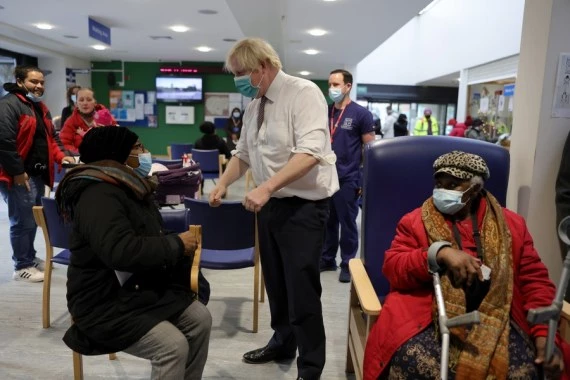
British Prime Minister Boris Johnson meets citizens having their booster shots at a COVID-19 vaccination site at Lordship Lane Primary Care Center in London, Britain, Nov. 30, 2021. (Andrew Parsons/No 10 Downing Street/Handout via Xinhua)British Prime Minister Boris Johnson meets citizens having their booster shots at a COVID-19 vaccination site at Lordship Lane Primary Care Center in London, Britain, Nov. 30, 2021. (Andrew Parsons/No 10 Downing Street/Handout via Xinhua)
Related Stories

While some countries are now rolling out blanket vaccine booster programs, three in four health workers in Africa still remain unvaccinated by the end of 2021, a year since the first vaccines were administered, he said.

If those vaccines had been distributed equitably, the 40 percent target could have been reached in every country by September, he added.

As vaccine supply continues to improve, WHO projections have shown that it should be sufficient to vaccinate the entire global adult population and to give boosters to high-risk populations by the first quarter of 2022, but only later in 2022 will supply be sufficient for extensive use of boosters in all adults.

Also on Wednesday, the WHO Strategic Advisory Group of Experts on Immunization (SAGE) issued an interim statement on booster doses. Although SAGE confirmed that vaccine effectiveness against severe COVID-19 decreased by about eight percent over a period of six months in all age groups, particularly in adults above 50 years, it still remained cautious on booster programs.

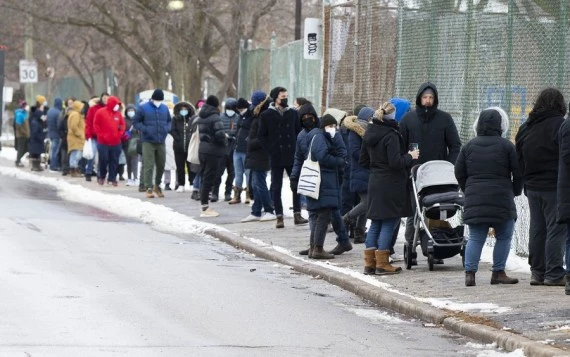
People line up to enter a COVID-19 vaccination clinic in Toronto, Canada, on Dec. 20, 2021. (Photo by Zou Zheng/Xinhua) People line up to enter a COVID-19 vaccination clinic in Toronto, Canada, on Dec. 20, 2021. (Photo by Zou Zheng/Xinhua)

SAGE warned that “in the context of ongoing global vaccine supply constraints and inequities, broad-based administration of booster doses risks exacerbating vaccine access by driving up demand in countries with substantial vaccine coverage and diverting supply, while priority populations in some countries, or in subnational settings, have not yet received a primary vaccination series.”

It thus called on booster programs to be evidence-driven and targeted to the population groups at highest risk of serious disease and those necessary to protect the health system.

Published : December 23, 2021

By : Xinhua

UK reports more than 100,000 daily coronavirus cases

#SootinClaimon.Com : ขอบคุณแหล่งข้อมูล : หนังสือพิมพ์ The Nation.

https://www.nationthailand.com/international/40010323


British Prime Minister Boris Johnson warned that the rapid spread of the Omicron variant meant curbs could be imposed after Christmas.

UK reports more than 100,000 daily coronavirus cases

Britain has recorded 106,122 coronavirus cases in the latest 24-hour period, exceeding 100,000 daily cases for the first time since the start of the pandemic and bringing the total number of cases in the country to 11,647,473, according to official figures released Wednesday.

Experts said there are likely to be hundreds of thousands of infections per day, with many being missed by the system.

The country also reported a further 140 coronavirus-related deaths, taking the national death toll to 147,573.
 

The latest figures came as British Prime Minister Boris Johnson confirmed Tuesday that he will not introduce any further COVID restrictions in England before Christmas, but warned that the rapid spread of the Omicron variant meant curbs could still be imposed after Christmas.

In a video posted on social media by Downing Street, the prime minister said: “People can go ahead with their Christmas plans.” However, he urged caution and suggested people should take a test before meeting elderly relatives.

British Prime Minister Boris Johnson records a video in London, Britain, Dec. 21, 2021.  (Andrew Parsons/No 10 Downing Street/Handout via Xinhua)British Prime Minister Boris Johnson records a video in London, Britain, Dec. 21, 2021. (Andrew Parsons/No 10 Downing Street/Handout via Xinhua)

Related  Stories

Health Secretary Sajid Javid announced Wednesday that people in England will now only have to isolate for seven days if they can produce negative lateral flow tests on both day six and seven. He said those leaving quarantine after day seven should “continue to remain cautious.”

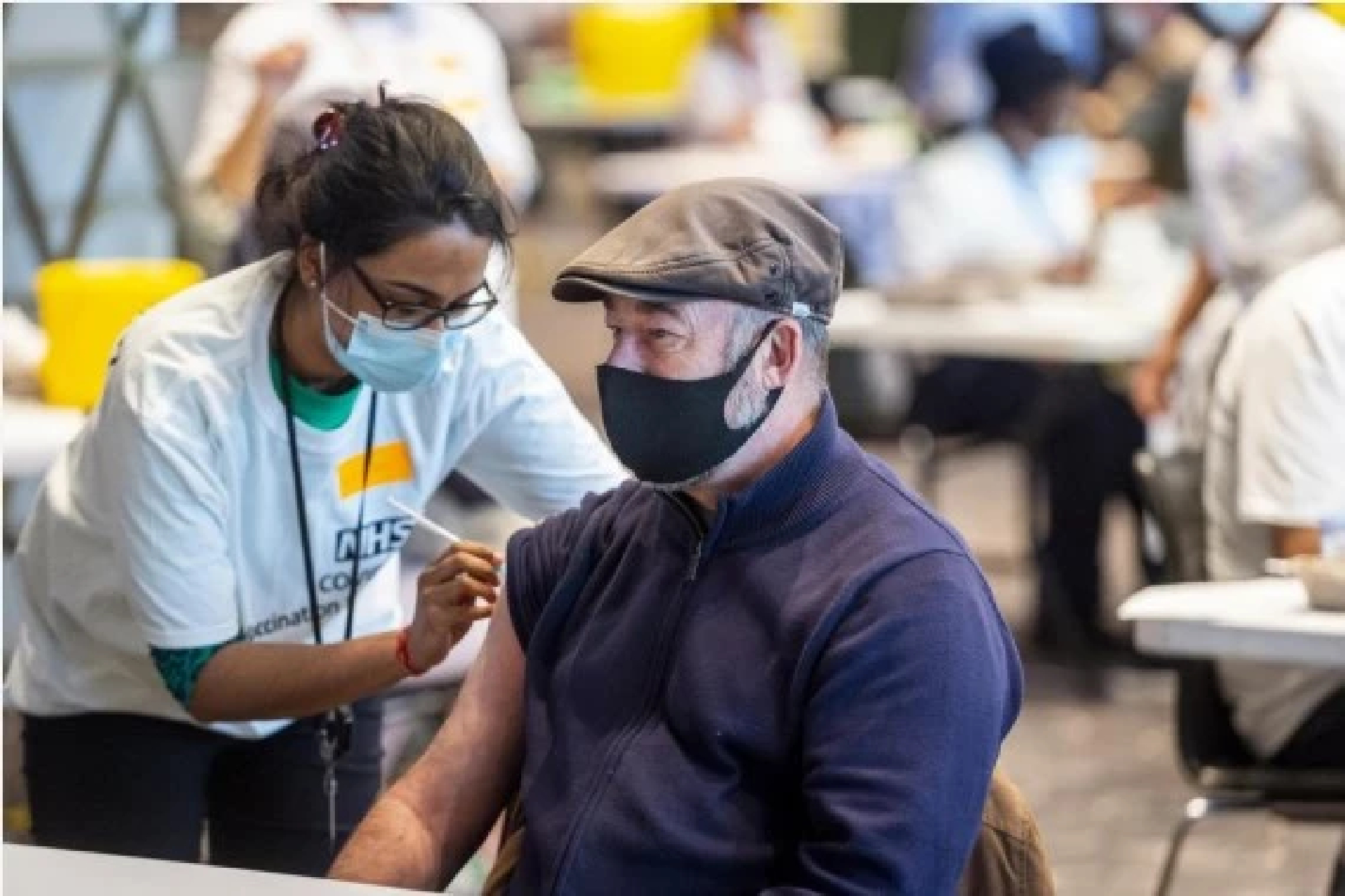
Photo taken on Dec. 19, 2021 shows a general view of NHS (National Health Service) COVID Vaccine Center at Wembley Stadium in London, Britain. (Photo by Ray Tang/Xinhua) Photo taken on Dec. 19, 2021 shows a general view of NHS (National Health Service) COVID Vaccine Center at Wembley Stadium in London, Britain. (Photo by Ray Tang/Xinhua)


Javid also said he has signed contracts for an extra 4.25 million courses of antivirals for the National Health Service (NHS) to help Britain “build our defenses” against the Omicron variant.

Meanwhile, Welsh First Minister Mark Drakeford urged people to work together to get through the COVID crisis. Drakeford said cases of the new variant have “risen sharply” in Wales and there has also been a “rapid rise” in the overall rates of the virus.

Speaking at a news briefing to announce more restrictions, he said he expects this trend will “continue and accelerate.”

“We are now entering a really serious phase of the pandemic,” Drakeford said.

More than 89 percent of people aged 12 and over in Britain have had their first vaccine dose and around 82 percent have received both doses, according to the latest figures. Some 53 percent have received a booster jab, or the third vaccine dose.

Published : December 23, 2021

By : Xinhua

Oil prices could go south in coming months with possible spike in mid-2022

#SootinClaimon.Com : ขอบคุณแหล่งข้อมูล : หนังสือพิมพ์ The Nation.

https://www.nationthailand.com/blogs/international/40010322


Analysts expected supply to catch up and even exceed demand growth in 2022, highlighted by an increase in exports of liquefied natural gas (LNG), higher output of shale oil, natural gas and natural gas liquid in the United States and the return of investment in non-OPEC production.

Oil prices could go south in coming months with possible spike in mid-2022

Crude oil prices could soften in the coming months as looming oversupply is turning oil producers’ fortunes around, according to industry institutions and analysts. Meanwhile, a possible failure to revive the Iran nuclear deal by the first quarter of 2022 together with expected return of oil demand in the summer of next year could result in a spike of oil prices.

While supply shortage in the second half of 2021 drove up the prices of oil, natural gas and coal in many parts of the world, supply is surpassing demand in the global oil market leading to a buildup of inventories.

Global oil production is poised to outpace demand from December of 2021, led by growth in the United States and the Organization of the Petroleum Exporting Countries (OPEC) and its partnering oil producing countries, said a monthly oil market report recently issued by the International Energy Agency (IEA).

A customer fuels a vehicle at a gas station in Berlin, capital of Germany, on Oct. 1, 2021. (Xinhua/Shan Yuqi)A customer fuels a vehicle at a gas station in Berlin, capital of Germany, on Oct. 1, 2021. (Xinhua/Shan Yuqi)

Related Stories

Global crude oil supply could increase by as much as 6.4 million barrels per day in 2022, up from a rise of 1.5 million barrels per day in 2021, while global oil demand is projected to expand 3.3 million barrels per day in 2022, in comparison with 5.4 million barrels per day of growth in 2021, according to the IEA.

Analysts with S&P Global Platts Analytics expected supply to catch up and even exceed demand growth in 2022, highlighted by an increase in exports of liquefied natural gas (LNG), higher output of shale oil, natural gas and natural gas liquid in the United States and the return of investment in non-OPEC production.

Oil prices would start to rebalance and normalize in the first quarter of 2022 as inventories recover, according to S&P Global Platts Analytics.

“For 2022 as a whole, we expect that growth in production from OPEC Plus, of U.S. tight oil, and from other non-OPEC countries will outpace slowing growth in global oil consumption, especially in light of renewed concerns about COVID-19 variants,” said a short-term energy outlook for December recently issued by the U.S. Energy Information Administration (EIA).

In reality, crude oil futures prices have witnessed substantial correction since early November due to the decision to release crude oil stocks in a few major oil consuming countries and warmer-than-expected winter in the Northern Hemisphere so far.

Brent crude oil futures prices will average 70 U.S. dollars per barrel in 2022, according to the forecast by the EIA.

The ceiling of oil prices depends on real demand and oil prices would continue to fluctuate at around 80 U.S. dollars per barrel in 2022, according to Ji Mo, chief China economist with Fidelity International.

Photo taken on Dec. 17, 2021 shows a meeting of the Joint Comprehensive Plan of Action (JCPOA) Joint Commission in Vienna, Austria. (EU Delegation in Vienna/Handout via Xinhua)Photo taken on Dec. 17, 2021 shows a meeting of the Joint Comprehensive Plan of Action (JCPOA) Joint Commission in Vienna, Austria. (EU Delegation in Vienna/Handout via Xinhua)


Oil prices will remain volatile in the near term as investors assess the latest news on the new COVID-19 variant Omicron, said analysts with UBS Global Wealth Management in a recent report.

UBS reiterated its positive outlook for oil banking on continuous growth of global oil demand in 2022 and the flexibility of OPEC Plus in unwinding its production cut deal.

Moreover, a low level of spare capacity in the global oil industry leaves the outcome of Iran nuclear talks consequential to the international oil market in 2022 as a deal between Iran and the United States on the nuclear issue would lead to Iran’s return to the international oil market.

“Iran will significantly influence oil balances in 2022, and by extension, oil prices,” said S&P Global Platts Analytics.

S&P Global Platts Analytics assumes a framework U.S.-Iran nuclear deal will be reached in the first quarter of 2022, with full sanctions relief by April, facilitating 1.4 million barrels per day of Iranian oil supply growth by the end of 2022.

However, the absence of an Iran nuclear deal could leave the market vulnerable to breaking 100 U.S. dollars per barrel if combined with any other disruptive event, according to S&P Global Platts Analytics. The key test will come in the third quarter of 2022 as summer demand challenges supply resilience.

A no-deal with Iran nuclear issue would mean less oil supply from Iran and a possible military engagement, with both cases supportive for oil prices, according to a recent report by JBC Energy.

“It is more likely to us that an agreement will eventually be found” considering Iran already has sufficient stocks of enriched material, said JBC Energy.

Published : December 23, 2021

By : Xinhua

Biden says to run for president in 2024 if in good health

#SootinClaimon.Com : ขอบคุณแหล่งข้อมูล : หนังสือพิมพ์ The Nation.

https://www.nationthailand.com/international/40010320


“If Im in the health Im in now, if Im in good health, then in fact, I would run again.”

Biden says to run for president in 2024 if in good health

 U.S. President Joe Biden said Wednesday that he will run for reelection in 2024 if he is in good health at the time.

“Yes,” he said when asked by host David Muir if he plans to run for reelection, in an interview aired Wednesday on ABC’s World News Tonight.

“But look, I’m a great respecter of fate. Fate has intervened in my life many, many times. If I’m in the health I’m in now, if I’m in good health, then in fact, I would run again,” he said.

Muir asked Biden whether he still wants to run if his opponent turns out to be former President Donald Trump again.

“You’re trying to tempt me now,” Biden answered with a laughter. “Sure. Why would I not run against Donald Trump for the nominee? That’ll increase the prospect of running.”

Published : December 23, 2021

By : Xinhua

Indian capital bans Christmas, New Year gatherings amid Omicron scare

#SootinClaimon.Com : ขอบคุณแหล่งข้อมูล : หนังสือพิมพ์ The Nation.

https://www.nationthailand.com/international/40010319


The local government in Indian capital region, Delhi, Wednesday banned all gatherings to celebrate Christmas and New Year in the wake of an increase in Omicron cases.

Indian capital bans Christmas, New Year gatherings amid Omicron scare

The order issued by Delhi Disaster Management Authority (DDMA) said all cultural events and other gatherings have been prohibited.

Banquet Halls, except for meetings, conferences, marriages and exhibitions as per conditions prescribed by the authority, will also not be allowed to function, the order said.

While cinemas, theaters and multiplexes are allowed with 100 percent seating capacity, auditoriums and assembly halls can seat only up to 50 percent, the order further said.

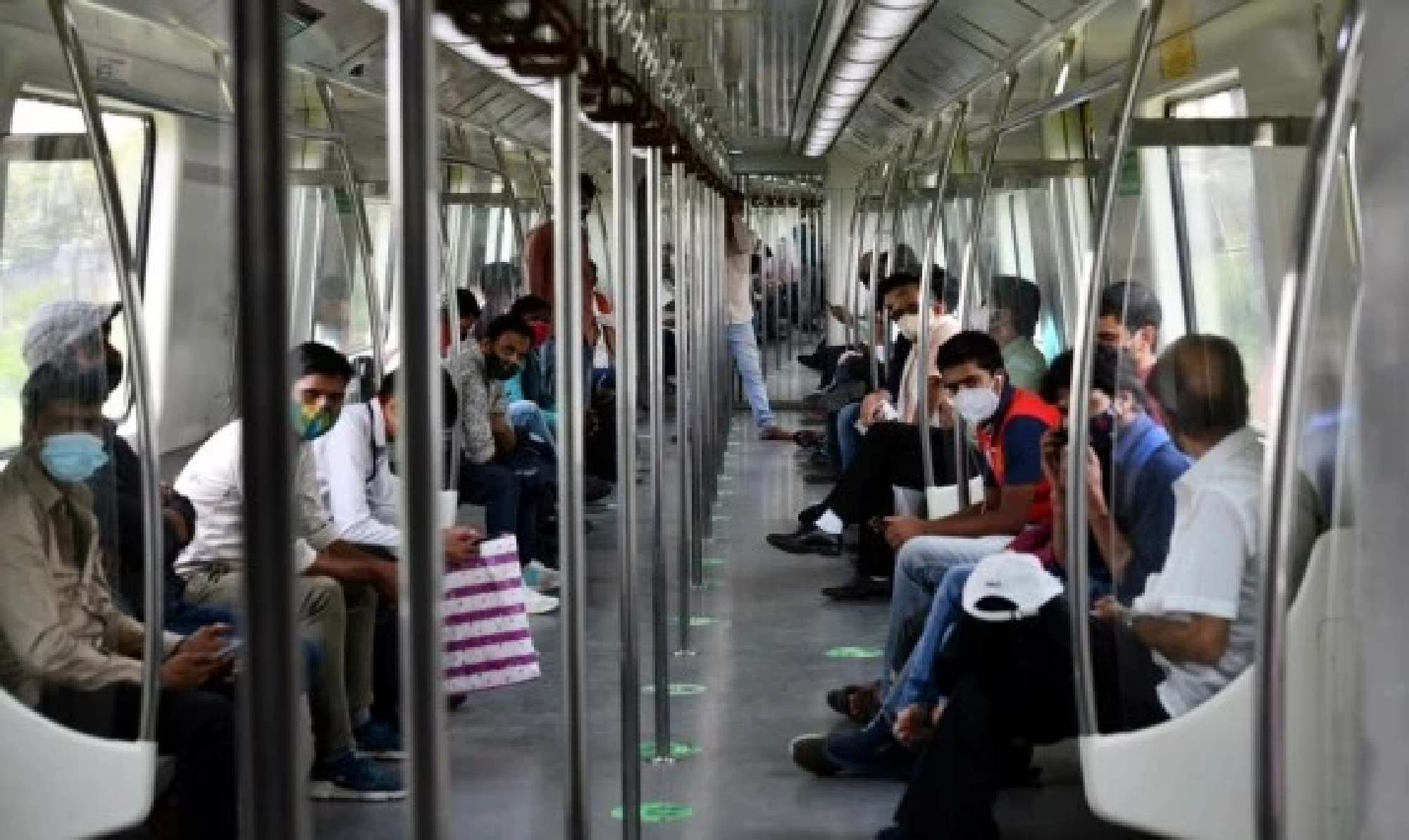
District administration officials and police have been directed to tighten the enforcement machinery to ensure that people follow social-distancing norms and wear masks.

A health worker administers a dose of COVID-19 vaccine to a woman during a drive-through vaccination campaign in New Delhi, India, May 27, 2021. (Str/Xinhua)A health worker administers a dose of COVID-19 vaccine to a woman during a drive-through vaccination campaign in New Delhi, India, May 27, 2021. (Str/Xinhua)

Related Stories

Market trade associations have also been directed to deny entry to customers without masks.

So far 214 COVID-19 cases of the Omicron variant have been reported in India. According to India’s federal health ministry, of these cases, 90 patients have recovered or migrated.

Delhi reported the highest number of cases of the new variant, 57.

The Omicron strain of COVID-19, known to be highly transmissible, has triggered alarm bells across the globe.

India’s federal health ministry officials said of the reported cases of Omicron in the country, none of the patients have reported severe symptoms.

Published : December 23, 2021

By : Xinhua

FDA authorizes Pfizers anti-covid pill as omicron surges

#SootinClaimon.Com : ขอบคุณแหล่งข้อมูล : หนังสือพิมพ์ The Nation.

https://www.nationthailand.com/international/40010312


Federal regulators Wednesday authorized the first easy-to-take pill to treat covid-19, a drug developed by Pfizer that will help refill the nations medicine cabinet even as the omicron variant, now dominant in much of the country, has thwarted most other options.

FDA authorizes Pfizers anti-covid pill as omicron surges

Tens of thousands of pill packs of Pfizer’s Paxlovid are sitting in a company warehouse in Memphis, ready to be loaded onto trucks and planes in anticipation of the green light from the Food and Drug Administration. But as omicron cases skyrocket nationwide, doctors are expected to quickly burn through that initial supply of the drug, which has shown to be 89% effective at keeping high-risk patients from developing severe illness when given within three days of symptoms starting.

Antiviral pills have been highly anticipated as a potential turning point in the pandemic – a new class of drugs that will help transform life-threatening covid-19 infections into a nuisance. But instead of reinforcing a growing arsenal of drugs, the pills are now urgently needed to help replace workhorse treatments that for more than a year helped keep sick people out of hospitals but are being knocked out by the omicron variant.

Coronavirus cases are spiking across much of the United States, which has seen a 27% rise in new cases in the past week, according to a Washington Post analysis. The seven-day average of cases is 168,981, surpassing the peak of the delta-variant surge in early September. Some states have seen cases soar as the omicron variant has taken hold, according to the Centers for Disease Control and Prevention.

Florida’s seven-day average of new daily cases has more than tripled during the past week. According to the CDC, the omicron variant accounted for more than 95% of new cases between Dec. 12 and 18 in the region that includes Florida.

Hospitalizations are also beginning to rise in some areas of the country as health-care systems brace for a winter surge. Indiana and Ohio have the most covid-19 inpatients per capita in the nation. D.C. has experienced the sharpest increase in hospitalizations per capita during the past week, followed by Maryland, New Jersey, New York and Connecticut.

Patrizia Cavazzoni, director of the FDA’s Center for Drug Evaluation and Research, said in a statement the new antiviral pill was “a major step forward.”

“This authorization provides a new tool to combat COVID-19 at a crucial time in the pandemic as new variants emerge and promises to make antiviral treatment more accessible to patients who are at high risk for progression to severe COVID-19,” Cavazzoni said.

The fast-spreading variant is resistant to two key drugs from a different class of medicines known as monoclonal antibodies that have been the backbone of treatments, leaving only a third antibody drug, sotrovimab, which is in severe shortage. Paxlovid – and another antiviral pill from Merck also expected to be authorized shortly – will be used to fill the gaps. A newly authorized monoclonal antibody from AstraZeneca, used to prevent infections in people who do not respond to vaccines, may also remain effective against the omicron variant.

“There’s no question that it appears we’re in a canoe that is about to go over a significant waterfall,” said Bruce Farber, chief of infectious diseases at Northwell Health, a New York health-care system that includes 22 hospitals. Farber said that in November and December, requests for monoclonal antibody treatments had reached 200 or more per day. He said Northwell will run out of doses by the end of the week.

The five-day Pfizer pill regimen could help meet some of that demand, but it is estimated there will be enough medication through the end of the year for only 180,000 patients, and it is unclear how many of those doses are destined for the United States. With coronavirus cases in the United States projected to potentially hit 1 million a day, those pills could be used up quickly, even though they are authorized only for people 12 and older who are at high risk of severe covid-19 because of age or underlying medical conditions.

“The very good news is that we have a product now that has about a 90% efficacy in preventing hospitalization,” Anthony Fauci, director of the National Institute of Allergy and Infectious Diseases, said Wednesday at a coronavirus task force briefing. “The sobering news is, unfortunately, it is really a quite complicated and complex synthetic process” to manufacture the drug. He added that “we will be working with the company to figure out how we can help alleviate the stress of the long duration that it takes to make it.”

Pfizer has been working to scale up to produce 120 million pill packs in 2022, but those doses will not be available all at once. Mike McDermott, Pfizer’s president of global supply, said that the current goal is to have about 30 million treatments available by the middle of next year but that the company is looking for ways to speed up and increase production.

The United States has made an advance purchase of 10 million packs of Paxlovid at a cost of about $5.3 billion, along with about 3.1 million treatment courses of the Merck drug, molnupiravir, at a cost of $2.2 billion.

McDermott said that thousands of people are working on Paxlovid but that the complex chemistry involved in creating the pill’s active pharmaceutical ingredient means a production run for a batch takes about six to eight months from start to finish. The company creates the active ingredient in giant 10,000- and 20,000-liter tanks, and the process takes a succession of steps, many of which require five to 10 days, with quality checks in between.

“We have experience at this scale – this is not unusual for us,” McDermott said. “The urgency is unusual, for sure.” He drew a parallel to auto racing, in which pit crews and materials are in place at pit stops to make sure no minutes are lost.

Six months ago, when Pfizer started making Paxlovid before knowing whether it would prove successful, the production goal was to churn out 20 million pill packs in 2022. When the first clinical results showed the drug drastically cut the risk of death or hospitalization, by close to 90%, the company bumped up production to 50 million pill packs. Two weeks later, McDermott said, production was increased to 80 million. When the emergency authorization was announced, Pfizer increased that to 120 million packs.

Each pill pack will contain 30 tablets to be taken over five days, so Pfizer is working to produce 3.6 billion tablets next year. The company is leveraging existing infrastructure in Ireland and Germany to make the key ingredient in the pill and to create the tablets, as well as working with contractors. Pfizer has entered into licensing agreements to allow other companies to produce the pills for lower-income countries.

Much of the excitement about the pills stems from their ease of use. The monoclonal antibodies that have been pillars of treatment require intravenous infusions or injections. Pills taken at home would be far simpler. Side effects included diarrhea, high blood pressure, muscle aches and an impaired sense of taste.

Paxlovid must be given shortly after symptoms develop, so the treatment will depend on people getting tested and receiving results quickly – a potential bottleneck as the omicron surge has created shortages of rapid tests. The clinical trial testing the medicine showed that if given within five days, the drug reduced the risk of hospitalization and death by 88% in people with a risk factor for severe disease, including age or underlying medical conditions.

Paxlovid is a combination of two drugs, one called nirmatrelvir that was designed to interfere with an enzyme the coronavirus uses to make copies of itself. The other drug, ritonavir, is an antiviral that slows down the body’s metabolism of the other medication. Ritonavir can react with other commonly taken medications, so the drug’s use will have to be managed by physicians and pharmacists. Paxlovid is not recommended for people with severe kidney or liver problems.

The drug was not tested in people who are pregnant, and the label advises people who are pregnant to discuss the possible benefits and risks with a health-care provider. The drug may interfere with birth control pills, and alternative forms of contraception are recommended while taking the medicine.

Ralph Madeb, co-chief medical officer at New York Community Hospital, said antiviral pills could be “revolutionary” but noted their limitations. Because they have to be given early in infection, they are just one part of the treatment tool kit. And they are arriving as hospitals are battling for more tools.

Madeb said that this week, he requested 900 doses of sotrovimab, the antibody that remains effective against the omicron variant. That would be enough, he said, for nine days.

“Demand right now is just infinite,” Madeb said. “It’s something I’ve never seen before.”

Published : December 23, 2021

By : The Washington Post

Asean reported nearly 25,000 new Covid-19 cases on Wednesday

#SootinClaimon.Com : ขอบคุณแหล่งข้อมูล : หนังสือพิมพ์ The Nation.

https://www.nationthailand.com/international/40010311


The number of Covid-19 cases crossed 14.65 million across Southeast Asia, with 24,932 new cases reported on Wednesday (December 22). New deaths are at 441, bringing accumulated Covid-19 deaths in Asean to 301,268.

Asean reported nearly 25,000 new Covid-19 cases on Wednesday

Malaysia and Singapore have agreed to suspend the sale of flight and bus tickets for the vaccinated travel lane (VTL) after a cluster of possible cases of the Omicron variant of COVID-19 was detected in Singapore. The suspension will run from December 23 to January 20 next year and cover travel via the bridge connecting Malaysia to Singapore as well as an air corridor. The bridge link, or causeway, was one of the busiest crossing points in the world with a daily flow of hundreds of thousands of people in both directions before the pandemic.

Meanwhile, Indonesia is expected to see more people going homewards for year-end holidays than last year due to the loosened regulations on public activity restrictions and the high vaccination rate, despite threats by the Omicron Covid-19 variant. As of Tuesday, the Indonesian government still sticks to its plan to impose a more relaxed restriction policy from December 24 to January 2, 2022.

Fully-vaccinated people can travel as long as they can show negative antigen test results, but those who have only received their first doses are required to show negative reverse transcription-polymerase chain reaction test results.
 

Published : December 23, 2021

By : THE NATION