
Nearly 20% of the U.S. population is fully vaccinated. Many countries may not hit that target this year. #SootinClaimon.Com

#SootinClaimon.Com : ขอบคุณแหล่งข้อมูล : หนังสือพิมพ์ The Nation.

https://www.nationthailand.com/news/30404686

Nearly 20% of the U.S. population is fully vaccinated. Many countries may not hit that target this year.

InternationalApr 09. 2021
By The Washington Post · Emily Rauhala

In the United States, the good vaccine news keeps coming. For much of the world, things look bleak.

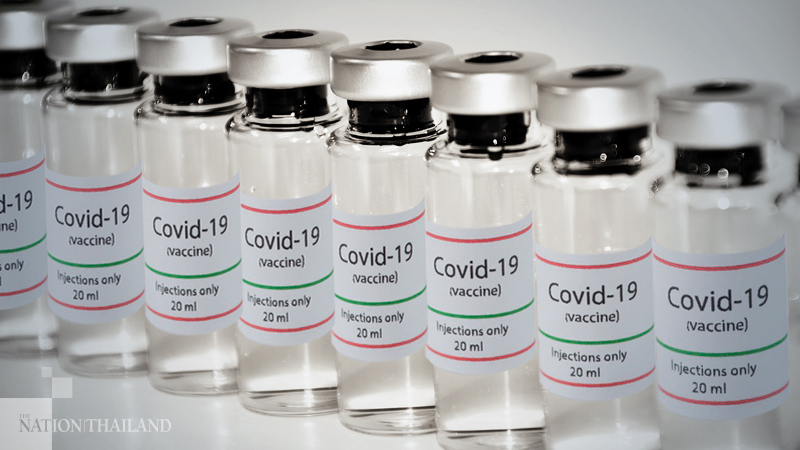
As of Thursday, just short of 20% of the U.S. population was fully vaccinated, giving some 66 million people a strong measure of protection against a disease that has already killed more than 500,000 Americans.

By contrast, Covax – a World Health Organization-backed push for equitable distribution – aims to secure enough doses to cover up to 20% of the people in participating countries by the end of 2021, but it may not meet that relatively modest goal, experts warn.

The gap between the vaccine “haves” and “have-nots” is widening, fueling frustration and potentially extending the pandemic.

“It’s unconscionable,” said Zain Rizvi, an expert on access to medicine at Public Citizen, a watchdog group. “Many countries will be lucky if by the end of the year they are close to where the U.S. is now.”

So far, the vaccine race has been dominated by a handful of relatively wealthy nations: most notably Israel, where nearly 57% the population was fully vaccinated as of April 7; Chile, at about 22%; and the United States. Britain has been vaccinating rapidly, as well, but it has delayed second doses as it tries to get a first to as many people as possible.

Meanwhile, Our World in Data estimates based on publicly reported data that at least 5% of the global population has had a dose, with the real number (incorporating China’s nonpublic tally) perhaps between 6 and 7%.

Priority-supply deals, export restrictions and other means of hoarding by rich nations have contributed to a severe global supply crunch and left many countries scrambling.

Covax has delivered 38 million doses, providing potentially lifesaving shots to places and people that might otherwise go without. Yet divided between 100 economies, those doses amount to only a thin layer of protection.

“It’s been heartening to see a small number of doses reaching countries around the world,” said Suerie Moon, co-director of the Global Health Center at the Graduate Institute of International and Development Studies in Geneva. “But the big picture is more troubling than reassuring, because we have a lot of things are not going well.”

While the U.S. administers millions of inoculations a day, some countries are still waiting for their first shots to arrive, or have just started vaccinating. A recent WHO estimate suggested that just 2% of the 690 million doses administered to date globally went to Africa.

A chorus of experts and officials have argued – for months – that rich countries have not only a moral obligation to close the gap, but an interest in doing so. With a fraction of the world’s population vaccinated, they argue, the global economy won’t recover and the virus will mutate and spread.

Treasury Secretary Janet Yellen on Monday called for speeding up distribution to poorer nations, warning that the pandemic may force 150 million people into poverty, hurting growth.

“Our first task must clearly be stopping the virus by ensuring that vaccinations, testing and therapeutics are available as widely as possible,” she said in remarks delivered to the Chicago Council on Global Affairs.

The same day, while introducing a new coordinator for global covid response and health security, Secretary of State Antony Blinken addressed the danger of variants.

“Even if we vaccinate all 332 million people in the United States tomorrow, we would still not be fully safe from the virus, not while it’s still replicating around the world and turning into new variants that could easily come here and spread across our communities again,” he said.

Still, Blinken defended the effort to vaccinate Americans first and suggested that further action would have to wait until the United States was more confident of its vaccine supply.

“I know that many countries are asking for the United States to do more, some with growing desperation because of the scope and scale of their covid emergencies,” he said. “We hear you. And I promise, we’re moving as fast as possible.”

The woman he introduced as the new global covid response coordinator, Gayle Smith, served as the chief executive of the ONE Campaign, a nonprofit organization that has called on wealthy countries to donate 5% of their surplus doses once they’ve vaccinated 20% of their population.

For its part, the Biden administration announced the “loan” of a combined 4 million doses of AstraZeneca’s coronavirus vaccine – not yet authorized by U.S. regulators – to Mexico and Canada. It is not clear, however, if or when the administration will offer up a more substantial portion of the hundreds of millions of surplus doses the country has secured.

A recent survey of 788 Americans by researchers at Virginia Commonwealth University found strong support for the idea of donating 10% or more of the U.S. supply to less prosperous countries, but views were divided on the timing. While 41% of respondents said donations should happen immediately, 28% wanted to wait until at-risk Americans had been vaccinated and 31% said donations should happen only after everyone in the United States who wanted to be vaccinated had been.

In Israel, Prime Minister Benjamin Netanyahu offered in February to donate doses to 20 foreign allies, but the plan was put on hold in the face of domestic pushback and lawsuits.

The Biden administration’s moves so far have focused on longer-term efforts to bolster the global rollout.

In February, the White House threw its support behind Covax, announcing up to $4 billion dollars, including an initial contribution of $2 billion that Congress appropriated in December.

And last month, the United States, India, Japan and Australia pledged to jointly manufacture and distribute up to 1 billion doses of coronavirus vaccine with a focus on Southeast Asia. But the timeline is long, with a goal of having things up and running before the end of next year.

The Biden administration has so far resisted pressure to waive patent protections in a way that would allow more countries to make coronavirus vaccines.

However, recent statements from Blinken suggest some new initiative could be on the way.

“The clock is ticking,” said Moon, “and the situation is not getting better.”
Russia demands vaccine shots back after Slovakia doubts quality #SootinClaimon.Com

#SootinClaimon.Com : ขอบคุณแหล่งข้อมูล : หนังสือพิมพ์ The Nation.

https://www.nationthailand.com/news/30404685

Russia demands vaccine shots back after Slovakia doubts quality

InternationalApr 09. 2021

By Syndication Washington Post, Bloomberg · Peter Laca, Jake Rudnitsky

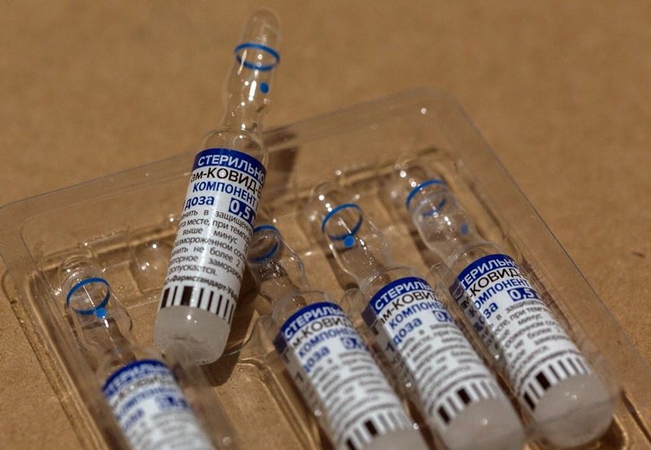
Slovakia and Russia clashed over the Sputnik V covid-19 vaccine after the European Union member accused Moscow of delivering shots that were different from those used in a peer-reviewed study.

Russia rejected the allegations and demanded Bratislava return the 200,000 doses it sent. The dispute may set back efforts to use Sputnik widely in Europe. Slovakia was one of a few members of the bloc pushing to use the Russia-developed vaccine to help speed the roll-out of inoculations. But political tensions over the push to use what one critic called “a tool in hybrid war” caused a crisis that cost Prime Minister Igor Matovic his job.

EU regulators are still reviewing Sputnik’s application and the process could take several months, leading some nations to undertake their own checks to accelerate approval.

But a day after saying it hasn’t received sufficient documentation from the Sputnik’s developers to declare it safe and effective, the Slovak regulator went further, charging that the doses it received have different properties than the ones described in an article in The Lancet medical journal earlier this year. That widely cited report found Sputnik to be 91.6% effective and gave a major boost to Russia’s efforts to distribute it abroad, allaying some concerns about the Kremlin’s rush to approve the vaccine at home.

“According to published reports, Sputnik should be used in about 40 countries, although these vaccines are associated only by the name,” Zuzana Batova, the head of Slovak State Institute for Drug Control, said in a report. “The comparability and consistency of various batches produced in different places hasn’t been confirmed. In several cases, it appears that the vaccines have different properties.”

The Slovak regulator said Wednesday it was still conducting tests, but added that it hasn’t been able to come to a conclusion about the risks and benefits of Sputnik because of the “lack of a large amount of data from the producer, the inconsistency of the drug forms and the inability to compare batches used in various studies and countries.”

Sputnik’s developers dismissed the claims as “disinformation” and said all batches of the inoculation are of the same quality and undergo vigorous quality control.

“In violation of existing contract and in an act of sabotage the State Institute of Drug Control ensured that Sputnik V tested in a laboratory which is not part of the EU’s Official Medicines Control Laboratory network,” the developers wrote on Twitter.

Slovakia and Hungary are the only two EU members to agree to use the Russian-developed vaccine. On Thursday, Germany said it plans to hold bilateral discussions with Russia on buying doses amid criticism of a slow start to its inoculation campaign.

The nation of 5.5 million agreed to buy 2 million Sputnik V shots. But when junior coalition parties said the deal had been agreed behind their backs, Matovic was forced to swap jobs with the finance minister. Foreign Minister Ivan Korcok has called Sputnik “a tool in a hybrid war” as the country’s right-of-center parties expressed concerns its purchase may undermine the European Union and NATO member’s foreign-policy direction.

The Russian Direct Investment Fund, which backed the vaccine’s development and handles its international roll-out, has set a target of increasing overseas output sufficiently to inoculate nearly one in ten people globally this year.

Hong Kong democracy activist Nathan Law given asylum in U.K. #SootinClaimon.Com

#SootinClaimon.Com : ขอบคุณแหล่งข้อมูล : หนังสือพิมพ์ The Nation.

https://www.nationthailand.com/news/30404684

Hong Kong democracy activist Nathan Law given asylum in U.K.

InternationalApr 09. 2021Nathan Law, standing committee member of the Demosisto political party, at a news conference in Hong Kong on June 19, 2020. MUST CREDIT: Bloomberg photo by Chan Long Hei.Nathan Law, standing committee member of the Demosisto political party, at a news conference in Hong Kong on June 19, 2020. MUST CREDIT: Bloomberg photo by Chan Long Hei.
By Syndication Washington Post, Bloomberg · Kitty Donaldson

The U.K. granted asylum to Hong Kong pro-democracy activist Nathan Law, a move likely to fuel tensions with China after it imposed sweeping security powers over the former British colony last year.

“The U.K. has a proud history of providing protection to those who need it,” Foreign Secretary Dominic Raab said on Twitter.

Law, a former elected politician in Hong Kong, fled to London last year after China introduced its National Security Law, which brought unprecedented restrictions to a city accustomed to regular protests and a free media. He faces arrest under the legislation if he returns.

“It means a lot to me because I can reside outside Hong Kong, free from direct political persecution and continue my advocacy work,” Law said in an interview. He urged the U.K. government to help more activists who have a lower profile and are in a “more difficult situation when applying for asylum.”

China on Thursday accused the U.K. of sheltering “wanted criminals” by giving asylum to Law. Beijing says its security law is designed to bring Hong Kong into line with mainland China and clamp down on sedition and terrorism.

“If the U.K. blatantly endorses Hong Kong separatists and provides wanted criminals so-called shelter, they are grossly interfering in Hong Kong’s judiciary, violating international law and basic norms of international relations as well as the rule of law principle,” foreign ministry spokesman Zhao Lijian said.

When the legislation was introduced, the U.K. responded by offering a path to British citizenship for eligible Hong Kongers — separate to the political asylum given to Law. That triggered a row with Beijing, which has repeatedly accused Prime Minister Boris Johnson’s government of interfering in its affairs.

The U.K. expects hundreds of thousands to take up the new British National (Overseas) visa. In the three months to March, 27,000 people had applied.

On Thursday, the government said it will spend 43 million pounds ($59 million) to help the settlement and assimilation of Hong Kongers arriving under the new system. The money will fund 12 welcome hubs to help people access housing, education and employment. Schools will also receive resources to teach pupils about the U.K.’s historic connections to Hong Kong.

The U.K. government has faced criticism that it has been too slow to set out help for people arriving from Hong Kong.

“This program will ensure British National (Overseas) status holders and their families have the very best start as soon as they arrive, and support to help them find a home, schools for their children, opportunity and prosperity,” Communities Secretary Robert Jenrick said in an emailed statement.  

EU fails to find united response to AstraZeneca vaccine risk #SootinClaimon.Com

#SootinClaimon.Com : ขอบคุณแหล่งข้อมูล : หนังสือพิมพ์ The Nation.

https://www.nationthailand.com/news/30404683

EU fails to find united response to AstraZeneca vaccine risk

InternationalApr 09. 2021

By Syndication Washington Post, Bloomberg · Joao Lima, Viktoria Dendrinou, Chiara Albanese

The European Union failed to form a united response to links between AstraZeneca Plc’s coronavirus vaccine and a rare type of blood clotting, missing an opportunity to inject momentum into the bloc’s sluggish inoculation program.

At a meeting that ran until late Wednesday, EU health ministers promised to continue discussions on vaccination planning and process. Health Commissioner Stella Kyriakides had called on the bloc’s governments to forge a coordinated strategy, saying it “will be key for us to speak with one voice.” The EU needs “an approach which does not confuse citizens and that does not fuel vaccine hesitancy,” she said.

In a statement afterward, the EU said ministers had shared “different interpretations” of a safety report on the AstraZeneca shot by the bloc’s drugs regulator, indicating what may be deep divisions on the way forward. Despite the risks, the EU regulator — and its British counterpart — on Wednesday insisted the product’s benefits outweigh its risks, that the clot occurrences are rare and that the shot should remain a vital tool in the pandemic fight.

In response to the safety concerns, Italy followed Germany and France by recommending it only for people over 60. Prime Minister Mario Draghi’s government urged other EU members to implement the same policy, according to people familiar with the matter who asked not to be identified.

This week Spain will also recommend limiting the Astra vaccine to those over 60, Health Minister Carolina Darias said late Wednesday.

The moves to limit the vaccine’s use came just hours after the European Medicines Agency announced finding a “strong association” with blood clots. The regulator didn’t issue any guidelines about usage, leaving the implementation up to member states.

Thomas Mertens, the head of Germany’s vaccine commission, said that while the EMA bases its decisions on what it believes is best for the whole EU, Germany can afford to be more careful as it is not so dependent on the AstraZeneca shot for its inoculation drive.

“We can therefore greatly reduce or even eradicate the risk of these serious side-effects in certain age groups,” Mertens said Thursday in an interview with ZDF television. “I think you can justify both approaches very well.”

The EU has been hit by a fresh wave of the coronavirus, which has caused more than 600,000 deaths in the region. Italy and France have gone back into lockdown. Germany is debating stricter curbs, while Chancellor Angela Merkel considers taking control from state leaders.

The continent’s immunization program has been bogged down by poor planning, supply delays and increasingly a lack of solidarity. Greek Health Minister Vasilis Kikilias expressed concern about the pluralism that confuses citizens on such an important issue.

With aggressive variants spreading, the region can ill afford further problems. The EU has administered doses for just 9.5% of its population — about a third of Britain’s pace, according to Bloomberg’s Coronavirus Tracker.

The U.K. conducted a similar safety review of the AstraZeneca vaccine and is now advising that people under 30 be offered an alternative if one is available, the country’s Medicines and Healthcare Products Regulatory Agency said Wednesday.

The warnings dealt another blow to the vaccine Astra developed with the University of Oxford and continued to cloud its global rollout. The drugmaker said it’s studying the individual cases to understand the “epidemiology and possible mechanisms that could explain these extremely rare events.” It’s also working with regulators on their request for new labels on its shots, AstraZeneca said in a statement.

Concerns about the vaccine center on an unusual type of blood clot in the brain called cerebral venous sinus thrombosis. There were also some cases of clots in the abdomen and in the arteries, which occurred together with low levels of blood platelets.

Italian officials said the change of policy wouldn’t hamper the country’s rollout as supplies increase and doses of other shots get redistributed.

AstraZeneca’s vaccine has been dogged by controversy. Before the health concerns, the drugmaker got embroiled in a battle with the EU after a production issue led to delivery delays.

Unity among member states has become a broader issue.

“We must not forget that individual decisions affect everybody,” Portuguese Health Minister Marta Temido said, appealing for a coordinated position. “This is a technical decision. It is not a political decision. We must continue to follow the best scientific information provided.”

Panasonic bets on Tesla ‘beer can’ battery to unlock $25,000 EVs #SootinClaimon.Com

#SootinClaimon.Com : ขอบคุณแหล่งข้อมูล : หนังสือพิมพ์ The Nation.

https://www.nationthailand.com/news/30404681

Panasonic bets on Tesla ‘beer can’ battery to unlock $25,000 EVs

InternationalApr 09. 2021The Gambit Energy Storage Park in Angleton, Texas, the utility-scale battery project owned by a Tesla subsidiary. MUST CREDIT: Bloomberg photo by Mark Felix.The Gambit Energy Storage Park in Angleton, Texas, the utility-scale battery project owned by a Tesla subsidiary. MUST CREDIT: Bloomberg photo by Mark Felix.

By Syndication Washington Post, Bloomberg · River Davis, Yuki Furukawa

Panasonic Corp. is betting that close to a century of experience making car batteries has prepared it to manufacture a difficult-to-produce next-generation battery championed by Tesla as the key to unlocking cheaper and more ubiquitous electric vehicles.

Elon Musk, Tesla’s chief executive officer, first unveiled the 4680 battery at Tesla’s Battery Day in September as a “massive breakthrough” in cell technology that will make it possible for his company to produce EVs that sell for $25,000, roughly a third less than Tesla’s most basic Model 3. While Tesla plans to make the cells in-house, it has also asked its oldest battery supplier, Panasonic, to begin producing them as well.

The catch: the thicker and more voluminous 4680 cells, named after their dimensions of a 46-millimeter diameter and 80-millimeter height, are still largely unproven. Industry experts even question whether the batteries, which resemble a downsized version of the aluminum cans used for sodas and beer, are possible to mass produce.

“There are significant technological issues to get past, issues that many in the industry have been trying to tackle for years,” said Ram Chandrasekaran, a transportation and mobility analyst at Wood Mackenzie. “If achievable, these battery cells would be groundbreaking. But the jury’s still out on whether they’re deliverable.”

Panasonic says it may be best-positioned to see the tricky new cells to market. Right now, the Japanese electronics maker is working to set up a prototype production line for tests.

“Producing these larger cells requires you raise your craftsmanship one or two full levels or there will be safety issues,” Yasuaki Takamoto, Panasonic’s EV battery head, said in an interview. The company’s time-tested safety-management systems “absolutely give us an upper hand here,” he said.

Much of the benefit of the new 4680 cells comes from the fact that they are more than five times the size of the smaller 1865 and 2170 cells Panasonic currently supplies to Tesla. This means that the typical 4,000 to 8,000 cells found in an EV today can be reduced to around 500, which, in turn, means fewer parts such as bonding pieces used to string individual cells together. New cell shapes such as the 4680 are “key to making more affordable EV models that are capable of meaningfully spreading,” said Akira Nagasaki, technical strategy head on Takamoto’s team.

The larger capacity, however, is also what makes the cells more difficult to produce. They are prone to overheating because it’s difficult to disperse heat from their center. They’re also more susceptible to particle contamination, a frequent cause of EV battery fires that occurs when minuscule metal pieces find their way into the center of a cell, causing it to short-circuit, according to Takamoto.

Compared with other EV battery heavyweights, Panasonic has been slow to build scale, instead touting the safety advantage of its batteries and expanding production only at a pace at which it can maintain safety standards, Takamoto said. The same know-how that lets Panasonic produce 2.5 billion cells a year without major safety issues also gives it an advantage in producing the 4680 cells, he said.

Tesla and Panasonic’s push to develop next-generation batteries comes as virtually all automakers jostle to secure their own supply of the core component. Batteries are crucial to differentiating automakers’ models as the industry as a whole shifts to EVs, said Wood Mackenzie’s Chandrasekaran. “It’s a pivotal moment,” he said.

Fearing future shortages, carmakers such as Volkswagen are demanding more batteries and even pushing to manufacture their own. This has led to notable tension between OEMs and their suppliers, as battery makers hesitate to invest in new capacity based solely on buzzy future sales projections, Chandrasekaran said.

That struggle is apparent in the development of the 4680 cells. Musk, who’s set an extremely ambitious goal for Tesla to produce 20 million EVs a year by 2030, plans to make the cells in-house and is also reported to be talking to battery makers other than Panasonic. Panasonic, in turn, says it will seek to sell the batteries to EV makers other than just Tesla.

But the next-generation technology also underscores the potential for mutual benefits if automakers and battery suppliers are able to develop specific technologies today that will let them ride the wave of growing EV sales together in the future.

Musk himself acknowledged the challenge of mass producing 4680 cells when speaking at a European battery conference in November. Tesla had produced the battery at a “bench-top level” and was aiming to have it at “pilot-plant level” soon, but “scaling up the production process is much harder than proving something out on a lab bench,” Musk said.

Panasonic has been mass producing lithium-ion batteries for cars since 2010 – around the same time its biggest battery-buyer was just launching its initial public offering.

“Working with a partner like Panasonic that has extensive experience in large-scale cell manufacturing will boost the likelihood of Tesla achieving the targets the company outlined at its Battery Day event,” BloombergNEF analyst James Frith wrote in a note published shortly after Panasonic’s chief financial officer announced the company was working on the new 4680 cell in October.

For Panasonic, the 4680 battery that Tesla asked it to produce is a potential source of growth as it looks to reduce its reliance on its once-core consumer electronics business. Taking into account the number of EVs Musk wants to see out on roads and demand from other automakers as well, if Panasonic decides to move forward with producing 4680 cells “we will do so on a large scale,” Takamoto said.

Inflation has gone k-shaped in the pandemic like everything else #SootinClaimon.Com

#SootinClaimon.Com : ขอบคุณแหล่งข้อมูล : หนังสือพิมพ์ The Nation.

https://www.nationthailand.com/news/30404679

Inflation has gone k-shaped in the pandemic like everything else

InternationalApr 09. 2021A person wearing a protective mask holds a fuel pump nozzle at a Chevron gas station in San Francisco on March 11, 2021. MUST CREDIT: Bloomberg photo by David Paul Morris.A person wearing a protective mask holds a fuel pump nozzle at a Chevron gas station in San Francisco on March 11, 2021. MUST CREDIT: Bloomberg photo by David Paul Morris.

By Syndication Washington Post, Bloomberg · Alex Tanzi

Low-income Americans bore the brunt of job losses when the pandemic arrived. Now they’re getting hit hardest by price increases as the economy recovers.

The headline consumer inflation rate in the U.S. remains subdued, at 1.7% — but it masks large differences in what people actually buy.Some of the biggest price hikes of recent months, for example, have come in gasoline. A gallon of regular is up 75 cents since late last year — adding more than $60 a month to the budget of someone who fills up with 20 gallons a week.

Food-price inflation is running at more than double the headline rate, and staples like household cleaning products have also climbed.

Price increases like these are causing trouble all over the world — and they tend to hurt low-income people most. That’s because groceries or gas take up a bigger share of their monthly shopping basket than is the case for wealthier households, and they’re items that can’t easily be deferred or substituted.

An analysis by Bloomberg Economics, which reweighted consumer-price baskets based on the spending habits of different income groups, found that the richest Americans are experiencing the lowest level of inflation.

Those same high-earners already posted windfall gains during what’s been labeled a K-shaped recovery from the pandemic. Their net worth surged, thanks to booming stock and real-estate markets — and they mostly kept their jobs and were able to work from home.

The richest 10% of households captured 70% of wealth created in 2020, according to the Federal Reserve, while the bottom half got just 4%. A January study by Opportunity Insights, a Harvard research project, found that the recession was essentially over for those making at least $60,000 a year, while employment among the lowest-paid — who earn less than half that amount — was still almost 30% below pre-pandemic levels.

The question of who exactly gets hurt by higher prices could become more urgent as inflation accelerates. Most economists expect a pickup in the next 12 months.

The Fed, which is in charge of keeping inflation under control, says any increase will likely prove temporary. The central bank isn’t planning to use its inflation-fighting tool of higher interest rates anytime soon.

The idea behind the Fed’s new thinking is that allowing the economy to run a bit hotter — and inflation to creep a bit higher — will actually help to reduce income inequalities, because it will encourage a strong jobs market that benefits low-paid Americans the most. There’s some evidence that this is already happening in the restaurant, hotel and other service industries.

Meanwhile, the Biden administration says it will push U.S. statisticians to produce more detailed data that breaks down economic outcomes for different racial or income groups.That initiative could have consequences for people whose incomes are tied to measures of inflation — like recipients of Social Security or food stamps. They can get squeezed when those gauges fail to accurately capture changes in the cost of living. There’s been talk in the past, for example, of pegging Social Security to an index that specifically measures the inflation experienced by older people.

The distributional questions raised by higher prices aren’t just a U.S. phenomenon.

A United Nations gauge of global food costs rose for a ninth straight month in February, the longest run of increases since 2008 when the world faced the first of two food crises within a few years.

“The food price story and inflation story are important to the issue of equality,” says Carmen Reinhart, the World Bank’s chief economist. “It’s a shock that has very uneven effects.”

The problem of K-shaped inflation predates the pandemic and may have deep-rooted causes, according to Xavier Jaravel, an assistant professor at the London School of Economics.His research has shown that a key reason why richer people experience lower rates of inflation is that there’s more competition among producers for their dollars — leading to higher levels of innovation in the kind of goods and services bought by the wealthy, which helps keep prices down.

“One can hope that statistical agencies around the world will soon adopt new data sources and price indices to better measure inflation inequality,” Jaravel wrote in a recent paper, “and that economists will pay more attention to the distributional effects of prices.”

นักวิทย์ผุดไอเดีย ‘นาฬิกาอัจฉริยะ’ ช่วยยับยั้งโควิด-19 #SootinClaimon.Com

#SootinClaimon.Com : ขอบคุณแหล่งข้อมูล : หนังสือพิมพ์โพสต์ทูเดย์

https://www.posttoday.com/world/649985

วันที่ 08 เม.ย. 2564 เวลา 19:00 น.นักวิทย์ผุดไอเดีย 'นาฬิกาอัจฉริยะ' ช่วยยับยั้งโควิด-19มาดูกันว่านาฬิกาเรือนนี้จะช่วยยับยั้งการแพร่ระบาดของโรคโควิด-19 ได้อย่างไร

ขณะนี้สถานการณ์การแพร่ระบาดของโรคโควิด-19 ทั่วโลกยังคงน่าเป็นห่วงโดยมียอดผู้ติดเชื้อรวมแล้ว 133 ล้านคน ขณะที่มีผู้เสียชีวิต 2.89 ล้านคน แม้ว่าจะมีการกระจายวัคซีนไปแล้วในหลายประเทศทั่วโลก แต่จำนวนผู้ติดเชื้อรายใหม่ก็ยังคงเพิ่มขึ้นอย่างต่อเนื่อง

นอกจากผู้เชี่ยวชาญด้านยาที่กำลังเดินหน้าพัฒนาวัคซีนต้านโรคโควิด-19 แล้วก็ยังมีอีกหลายฝ่ายที่พยายามคิดค้นและพัฒนาตัวช่วยต่างๆ เพื่อรับมือกับการแพร่ระบาดในครั้งนี้

หนึ่งในนั้นคือนักวิทยาศาสตร์ข้อมูล (Data Scientist) ชาวอินเดียในสหรัฐ Ravi Teja Yarlagadda และ Lakshmi Sri Surya ได้พัฒนานาฬิกาข้อมือที่ขับเคลื่อนด้วยเทคโนโลยี AI และภาษาโปรแกรมไพทอน (Python) เพื่อตรวจจับโรคระบาดโควิด-19 และแจ้งเตือนหากมีการเข้าใกล้บุคคลในระยะ 6 ฟุตตามมาตรการเว้นระยะห่างทางสังคมที่กำหนดโดยองค์การอนามัยโลก

2 ผู้เชี่ยวชาญด้านข้อมูลและระบบเทคโนโลยี AI ได้พัฒนาระบบอัตโนมัติที่สามารถทำงานแบบเรียลไทม์เพื่อคัดกรองโควิด-19 เบื้องต้น โดยจะแจ้งเตือนผู้ใช้ถึงความเป็นไปได้ว่าบุคคลรอบข้างของตนอาจมีอาการป่วยโควิด-19 พร้อมระบบแจ้งเตือนการเว้นระยะห่างทางสังคมอย่างน้อย 6 ฟุต

ผ่านการติดตั้งกล้องอินฟราเรดเพื่อสแกนฝูงชนจำนวนมากรอบทิศทางได้อย่างทันทีทันใด โดยมีความสามารถในการสแกนได้ถึง 200 คนต่อ 1 นาที และชี้ให้เห็นว่าบุคคลนั้นๆ มีอุณหภูมิร่างกายสูงผิดปกติหรือไม่ โดยจะแจ้งเตือนหากพบว่าคนรอบข้างของเรามีอุณหภูมิร่างกายที่สูงเกินกว่า 37 องศาเซลเซียส

นอกจากนี้ในทุกๆ ครั้งที่ผู้ใช้ละเมิดมาตรการเว้นระยะห่างทางสังคมระบบจะมีการบันทึกข้อมูลเหล่านั้น และข้อมูลทั้งหมดในช่วง 72 ชั่วโมงล่าสุดจะถูกจัดเก็บไว้

ผู้เชี่ยวชาญกล่าวว่างานวิจัยชิ้นนี้มีความสำคัญอย่างยิ่งในการยับยั้งจำนวนผู้ป่วยโควิด-19 ที่กำลังเพิ่มขึ้นอย่างต่อเนื่อง เนื่องจากอุปกรณ์นี้จะช่วยให้ผู้ใช้ปฏิบัติตามมาตรการควบคุมและป้องกันการแพร่ระบาดของโรคได้ ซึ่งแน่นอนว่าหากทุกคนมีอุปกรณ์อัจฉริยะเช่นนี้การแพร่ระบาดของโรคก็จะลดลงได้อย่างมีนัยสำคัญ

นอกจากนี้อุปกรณ์ดังกล่าวไม่เพียงแต่จะช่วยตรวจจับโควิด-19 ได้เท่านั้น แต่สามารถนำไปต่อยอดเพื่อใช้งานกับโรคระบาดอื่นๆ ในอนาคตที่มีอาการไข้ร่วมด้วย

Photo by Marco Bertorello / AFP

แฟนเจ้าหญิงมาโกะตัดสินใจเดินหน้าเสกสมรสหลังมรสุมข่าวลบ #SootinClaimon.Com

#SootinClaimon.Com : ขอบคุณแหล่งข้อมูล : หนังสือพิมพ์โพสต์ทูเดย์

https://www.posttoday.com/world/649956

วันที่ 08 เม.ย. 2564 เวลา 17:30 น.แฟนเจ้าหญิงมาโกะตัดสินใจเดินหน้าเสกสมรสหลังมรสุมข่าวลบแฟนเจ้าหญิงมาโกะตัดสินใจเดินหน้าเข้าพิธีเสกสมรสหลังเคลียร์กระแสข่าวลบเกี่ยวกับตัวเอง

สำนักข่าวเคียวโดรายงานว่า เคอิ โคมุโระ (Kei Komuro) พระคู่หมั้นของเจ้าหญิงมาโกะ พระราชนัดดาในสมเด็จพระจักรพรรดินารุฮิโตะ ออกแถลงการณ์แสดงความตั้งใจที่จะเข้าพิธีเสกสมรสกับเจ้าหญิงมาโกะ และให้คำมั่นว่าจะแก้ไขข้อมูลที่ผิดพลาดเกี่ยวกับข้อพิพาททางการเงินที่เกี่ยวข้องกับแม่ของตัวเอง นับเป็นการชี้แจงต่อสาธารณชนครั้งที่ 2 หลังเกิดข่าวด้านลบ

โคมุโระซึ่งขณะนี้กำลังศึกษาด้านกฎหมายที่มหาวิทยาลัย Fordham University ในนิวยอร์กเผยว่า เอกสารชี้แจงเกี่ยวกับข้อพิพาททางการเงินจำนวน 24 หน้ามีจุดประสงค์เพื่อสร้างความเข้าใจที่ถูกต้องที่สุดเกี่ยวกับกรณีดังกล่าว และกล่าวว่า “ผมเชื่อว่าบางคนอาจไม่เชื่อถือเนื่องจากการนิ่งเงียบของผม”

เอกสารของโคมุโระระบุว่า เขาเชื่อว่าการพูดคุยเจรจาข้อพิพาทระหว่างแม่ของเขาและอดีตคู่หมั้นของแม่เป็นทางเลือกที่ดีที่สุด แต่ความพยายามในการเจรจาของทั้งคู่ระหว่างเดือน พ.ค.2019-พ.ย.2020 กลับล้มเหลว

ด้าน ยะสุฮิโกะ นิชิมุระ หัวหน้าสำนักพระราชวังญี่ปุ่นเผยระหว่างแถลงข่าวว่า แถลงการณ์ของโคมุโระอธิบายเรื่องราวได้ดี แต่ก็ขึ้นอยู่กับการตัดสินใจของประชาชนว่าจะยอมรับหรือไม่

ทั้งนี้ พิธีเสกสมรสระหว่างโคมุโระและเจ้าหญิงมาโกะถูกเลื่อนออกไปกว่า 2 ปีหลังจากมีข่าวว่าแม่ของโคมุโระและอดีตคู่หมั้นมีข้อพิพาทด้านการเงิน รวมถึงเงินค่าใช้จ่ายด้านการศึกษาของโคมุโระที่อดีตคู่หมั้นของแม่จ่ายให้ด้วย

ปลายปีที่แล้ว มกุฎราชกุมารฟุมิฮิโตะพระบิดาของเจ้าหญิงมาโกะทรงอนุญาตให้ทั้งคู่เข้าพิธีเสกสมรส และเตือนให้โคมุโระแก้ปัญหาของครอบครัวก่อน โดยในช่วงเวลาเดียวกันเจ้าหญิงมาโกะก็ได้แสดงความตั้งใจจะเสกสมรส โดยระบุว่า เป็นการตัดสินใจที่สำคัญของทั้งคู่

AFP PHOTO / POOL / Shizuo Kambayashi

อังกฤษแนะอายุไม่ถึง 30 ปีควรเลี่ยงฉีดแอสตราฯ #SootinClaimon.Com

#SootinClaimon.Com : ขอบคุณแหล่งข้อมูล : หนังสือพิมพ์โพสต์ทูเดย์

https://www.posttoday.com/world/649949

วันที่ 08 เม.ย. 2564 เวลา 16:00 น.อังกฤษแนะอายุไม่ถึง 30 ปีควรเลี่ยงฉีดแอสตราฯหน่วยงานด้านยาของอังกฤษเผยอายุต่ำกว่า 30 ปีควรเลี่ยงแอสตราเซเนกา ขณะอียูยืนยันผลข้างเคียง

บลูมเบิร์กรายงานว่าสำนักงานกำกับดูแลยาและผลิตภัณฑ์เพื่อสุขภาพของสหราชอาณาจักร (MHRA) แถลงว่าผู้ที่มีอายุต่ำกว่า 30 ปีควรมีทางเลือกอื่นในการฉีดวัคซีนต้านโควิด-19 นอกเหนือจากวัคซีนของแอสตราเซเนกา (AstraZeneca) ที่ร่วมพัฒนากับมหาวิทยาลัยออกซ์ฟอร์ด หลังพบว่าอาจมีความเชื่อมโยงกับภาวะลิ่มเลือดอุดตัน

รวมถึงมีการประกาศระงับการทดสอบวัคซีนแอสตราเซเนกาที่เริ่มตั้งแต่เดือนกุมภาพันธ์ที่ผ่านมาสำหรับกลุ่มคนที่มีอายุระหว่าง 6-17 ปีเพื่อรอข้อมูลเพิ่มเติมและผลสรุปที่แน่ชัดก่อนจะเริ่มดำเนินการทดสอบอีกครั้ง

คำแนะนำดังกล่าวเกิดขึ้นหลังจากที่มีการฉีดวัคซีนของแอสตราเซเนกาในประเทศและพบว่าภายในสิ้นเดือนมีนาคมที่ผ่านมามีประชาชน 79 คนเกิดภาวะลิ่มเลือดอุดตันหลังได้รับวัคซีน โดย 19 คนเสียชีวิต

อย่างไรก็ตามอัตราความเสี่ยงที่เกิดขึ้นค่อนข้างน้อยโดยหน่วยงานกำกับดูแลของสหราชอาณาจักรกำหนดความเสี่ยงไว้ที่ประมาณ 4 ในล้านเท่านั้น พร้อมเสริมว่าผู้ที่มีอายุน้อยจะมีแนวโน้มเกิดภาวะลิ่มเลือดอุดตันมากกว่ากลุ่มผู้ที่มีอายุสูงขึ้นไป

ขณะที่องค์การยาแห่งสหภาพยุโรป (EMA) เผยว่าวัคซีนดังกล่าวเชื่อมโยงกับการเกิดลิ่มเลือดแต่ไม่ได้ระบุช่วงอายุ อย่างไรก็ตามย้ำว่าเป็นผลข้างเคียงที่เกิดขึ้นได้ยาก และวัคซีนยังคงมีความจำเป็นเพื่อยับยั้งการแพร่ระบาดของโรค กล่าวคือประโยชน์ของวัคซีนยังคงมีมากกว่าความเสี่ยง

ด้านองค์การอนามัยโลก (WHO) ระบุว่าความเชื่อมโยงระหว่างวัคซีนและภาวะลิ่มเลือดอุดตันนั้นมีความเป็นไปได้ แต่ยังไม่ได้รับการยืนยันอย่างเป็นทางการ พร้อมเสริมว่าเป็นภาวะที่เกิดขึ้นได้ยากมากในบรรดาประชาชนเกือบ 200 ล้านคนทั่วโลกซึ่งได้รับการฉีดวัคซีนแล้ว

Photo by LOIC VENANCE / AFP

หนุ่มฟิลิปปินส์ดับหลังถูกลงโทษลุก-นั่ง 300 ครั้งฐานฝ่าเคอร์ฟิว #SootinClaimon.Com

#SootinClaimon.Com : ขอบคุณแหล่งข้อมูล : หนังสือพิมพ์โพสต์ทูเดย์

https://www.posttoday.com/world/649944

วันที่ 08 เม.ย. 2564 เวลา 14:39 น.หนุ่มฟิลิปปินส์ดับหลังถูกลงโทษลุก-นั่ง 300 ครั้งฐานฝ่าเคอร์ฟิวชายฟิลิปปินส์เสียชีวิตหลังถูกลงโทษให้ทำท่าลุกนั่ง 300 ครั้ง ฐานฝ่าฝืนเคอร์ฟิวช่วงโควิด  

สำนักข่าว CNN รายงานว่า ดาร์เรน มานาอ็อก เปนญาเรดอนโด ชายชาวฟิลิปปินส์วัย 28 ปีเสียชีวิตหลังจากถูกตำรวจสั่งลงโทษที่ฝ่าฝืนกฎเคอร์ฟิวสกัดการแพร่ระบาดของ Covid-19 ด้วยการทำท่าสควอท หรือท่าคล้ายกับการลุกนั่ง 300 ครั้ง   

ญาติผู้เสียชีวิตเผยว่า เมื่อวันที่ 1 เม.ย. เปนญาเรดอนโดออกจากบ้านในจังหวัดคาบิเตซึ่งเป็นพื้นที่ล็อกดาวน์เพื่อซื้อน้ำ แต่ระหว่างทางเขาถูกตำรวจเรียกให้หยุดและสั่งลงโทษลุกนั่ง 100 ครั้ง เมื่อทำครบแล้วเจ้าหน้าที่ก็สั่งให้ทำอีก รวมแล้วเขาทำท่าลุกนั่งไปราว 300 ครั้ง  

2 วันต่อมาชายรายนี้มีอาการชักและมีการปั๊มหัวใจขึ้นมา ทว่าในครั้งที่ 2 ร่างกายเปนญาเรดอนโดไม่ตอบสนองแล้วและเสียชีวิตในเวลาต่อมา

ด้านกระทรวงมหาดไทยและทางการมืองเจเนอรัลทรีแอสสั่งให้สวบสวนการเสียชีวิตของชายรายนี้ และระบุว่า ตำรวจทุกนายที่เกี่ยวข้องจะต้องถูกลงโทษทั้งทางวินัยและทางอาญาหากพบว่าฝ่าฝืนกฎหมาย

นี่ไม่ใช่ครั้งแรกที่ตำรวจฟิลิปปินส์ลงโทษผู้ฝ่าฝืนคำสั่งเคอร์ฟิวอย่างรุนแรง เดือนที่แล้วฮิวแมนไรส์วอทช์ (HRW) เผยว่าเจ้าหน้าที่จับวัยรุ่น 5 คนที่ละเมิดเคอร์ฟิวใส่กรงขังสุนัข รวมทั้งลงโทษด้วยการสั่งให้ผู้ฝ่าฝืนเคอร์ฟิวนั่งกลางแดดร้อนจัดช่วงเที่ยงวัน

REUTERS/Eloisa Lopez