Taiwan approves same-sex marriage in first for Asia

ศาสตร์เกษตรดินปุ๋ย : ขอบคุณแหล่งข้อมูล : หนังสือพิมพ์ The Nation

http://www.nationmultimedia.com/detail/asean-plus/30369561

Supporters of same-sex marriage celebrate as they gather outside the parliament building as a bill for marriage equality is debated by parliamentarians in Taipei, Taiwan, 17 May 2019. // EPA-EFE PHOTO

Taiwan approves same-sex marriage in first for Asia

ASEAN+ May 17, 2019 17:23

By Agence France-Presse
Taipei

Taiwan’s parliament legalised same-sex marriage on Friday in a landmark first for Asia as the government survived a last-minute attempt by conservatives to pass watered-down legislation.

Supporters of same-sex marriage react as they gather outside the parliament building as a bill for marriage equality is debated by parliamentarians in Taipei, Taiwan, 17 May 2019. // EPA-EFE PHOTO

Lawmakers comfortably passed a bill allowing same-sex couples to form “exclusive permanent unions” and another clause that would let them apply for a “marriage registration” with government agencies.

The vote — which took place on the International Day Against Homophobia, Transphobia and Biphobia — is a major victory for the island’s LGBT community and it places the island at the vanguard of Asia’s burgeoning gay rights movement.

Thousands of gay rights supporters gathered outside parliament despite heavy downpours, waving rainbow flags, flashing victory signs and breaking into cheers as the news filtered out.

In recent months conservatives had mobilised to rid the law of any reference to marriage, instead putting forward rival bills that offered something closer to limited same-sex unions. But those bills struggled to receive enough votes.

 Supporters of same-sex marriage gather outside the parliament building as a bill for marriage equality is debated by parliamentarians in Taipei, Taiwan, 17 May 2019. // EPA-EFE PHOTO

Gay rights groups hailed the vote on Friday, saying the ability to apply for a “marriage registration” — known as Clause Four — put their community much closer to parity with heterosexual couples.

“The passage of Clause Four ensures that two persons of the same-sex can register their marriage on May 24th and ensure that Taiwan becomes the first country in Asia to legalise same-sex marriage and to successfully open a new page in history,” said the Taiwan Alliance to Promote Civil Partnership Rights.


– Court order –

Two years ago Taiwan’s top court ruled that not allowing same-sex couples to marry violates the constitution with judges giving the government until May 24 to make the changes or see marriage equality enacted automatically.

The law does not bring full equality with heterosexual couples — it only allows for biological adoption, for example, and marriages with foreigners are not recognised.

Supporters of same-sex marriage celebrate as they gather outside the parliament building as a bill for marriage equality is debated by parliamentarians in Taipei, Taiwan, 17 May 2019. // EPA-EFE PHOTO

But gay rights groups have said they were willing to accept compromises, as long as the new law recognised the concept of marriage, adding they could fight further legal battles over surrogacy and adoption down the line.

“For me the outcome today is not 100 percent perfect, but it’s still pretty good for the gay community as it provides legal definition,” Elias Tseng, a gay pastor who was among the crowds outside parliament, told AFP.

Victoria Hsu, a gay rights lawyer, said it was crucial that conservatives failed in their bid to delete the reference to marriage registration with lawmakers voting 66-27 in favour of the provision.

“In Taiwan a marriage will take effect when it’s registered, so allowing marriage registration is no doubt recognising the marriage itself,” she told AFP.

The first marriages are expected to be registered next Friday, the date the court set for their deadline.


 – Families divided –

In the last decade, Taiwan has been one of the most progressive societies in Asia when it comes to gay rights, staging the continent’s biggest annual gay pride parade.

A couple supporters of same-sex marriage hug as they celebrate as they gather outside the parliament building as a bill for marriage equality is debated by parliamentarians in Taipei, Taiwan, 17 May 2019. // EPA-EFE PHOTO

But the island remains a staunchly conservative place, especially outside urban areas.

Conservative and religious groups were buoyed by a series of referendum wins in November, in which voters comprehensively rejected defining marriage as anything other than a union between a man and a woman, illustrating the limited popular support for change.

President Tsai Ing-wen hailed the vote as a “big step towards true equality” that “made Taiwan a better country.”

Tsai had previously spoken in favour of gay marriage but was later accused of dragging her feet after the court judgement, fearful of a voter backlash.

Taiwan goes to the polls in January and the gay marriage issue could hamper Tsai’s chances of re-election.

Opponents were incensed by the vote, saying the inclusion of the “marriage registration” clause ignored the 70 percent of voters who had cast ballots in the referendum wanting to keep marriage limited to a man and a woman.

Tseng Hsien-ying, from the Coalition for the Happiness of Our Next Generation, told local media the vote “trampled on Taiwanese people’s expectations that a marriage and a family is formed by a man and a woman, a husband and a wife”.

Supporters of same-sex marriage celebrate as they gather outside the parliament building as a bill for marriage equality is debated by parliamentarians in Taipei, Taiwan, 17 May 2019. // EPA-EFE PHOTO

Australia and New Zealand are the only places in the wider Asia-Pacific region to have passed gay marriage laws.

Taiwan is the first place in Asia to do so.

Vietnam decriminalised gay marriage celebrations in 2015, but it stopped short of full legal recognition for same-sex unions.

“We hope this landmark vote will generate waves across Asia and offer a much-needed boost in the struggle for equality for LGBTI people in the region,” Annie Huang, from Amnesty International Taiwan, said in a statement.

Buddha with the beats

ศาสตร์เกษตรดินปุ๋ย : ขอบคุณแหล่งข้อมูล : หนังสือพิมพ์ The Nation

http://www.nationmultimedia.com/detail/national/30369571

The digital-art exhibition “Bodhi Theatre: Buddhist Prayer Retold” Photo courtesy of Bodhi Theatre

Buddha with the beats

national May 18, 2019 01:00

By Phatarawadee Phataranawik
The Nation Weekend

Monks chant to electronic music and Bangkok’s Wat Suthi Wararam comes alive with projection mapping – it’s Visakha Bucha Day like no other

Bangkok’s Wat Suthi Wararam will on Saturday – Visakha Bucha Day – unveil a bold effort to try and entice young people back to the faith from which so many have drifted.

The digital-art exhibition “Bodhi Theatre: Buddhist Prayer Retold” combines vivid animation and Buddhist chants set to electronic dance rhythms.

Modern tech magic meets traditional piety in transforming the vihara, the temple’s main chapel, into a lively mini-theatre.

The show will be presented every weekend through June 9 at Wat Suthi on Charoen Krung Road.

“The aim is to encourage more young people to study Buddhism at the temple,” says the abbot, Phra Suthee Rattanapandit.

“We teamed up with young artists and designers who used modern technology to create this contemporary digital art in the temple. The artwork is intended to help people more easily understand Buddhist teachings.”

Supported by the National Innovation Agency, “Bodhi Theatre” was conceived and executed by a network including the Why_Not Social Enterprise, Awakening Creative, Another day Another render, Art of Hongtae, Korky and What_If.

Thawatchai Saengthamchai, managing director at Why_Not and manager of this project, acknowledges that it’s not easy changing the “young generation’s habits”.

“But we decided to find a way to modernise the temple experience to attract a changing society,” he tells The Nation Weekend. “We selected hi-tech tools to get people back to the temple.”

Abbot Suthee says the 35-minute show illustrates “Jayamangala Gatha”, the venerable chant about the triumph of the Buddha over the “eight adversaries” – ignorance, madness, rage, indulgence, accusation, deception, menace and pride.

Most Thais will hear ‘Jayamangala Gatha’ at least once in their lives, but not a lot of people know the meaning,” Thawatchai says.

The idea is to remind people about the teachings of Buddhism, revitalising their interest through visual art and technological flair. “We use projection mapping, a visual-projection technology that creates spatial augmented reality, to transform the temple’s sacred vihara into an immersive art experience,” says Thawatchai.

Projecting moving images onto the walls of the temple will not harm murals or anything else, he promises.

“We proposed the project to Wat Suthi because it has often pioneered modern ways to understanding Buddhist teachings,” he says. “In the meditation hall you can associate your praying with your brainwaves. The bell-ringer boys are allowed to run its coffee shop. We’re glad the abbot has allowed us to introduce this latest idea.”

Every temple is like a learning centre about the Buddha and his teachings and about art as seen in the murals and statues and architecture, Thawatchai said.

“Before we got started,” explains Abbot Sutee, “we discussed the pros and cons and decided that presenting digital art in the temple would be a new way to educate young people about Buddhism and it doesn’t violate any Buddhist law.”

Thawatchai’s team did workshops with the monks, recording them chanting in Pali and mixing in techno music.

There’s a trailer online for the show that resembles the latest Hollywood sci-fi movies, portraying the spiritual yet modern interpretation of traditional Buddhist narratives. Vivid neon lights and other effects depict demons and form abstract images that dance across the chapel walls.

Thawatchai says the chant used is also known as “The Stanzas of Victory” and is believed to bring the faithful happiness as well as success in future ventures.

The team has not only re-visualised and simplified a complex message, but it also created fun activities for visitors to the temple. They can paint cloth bags and send themselves best wishes on a postcard stamped with the chant’s emblem.

All proceeds from the sale of coffee go to the temple. Admission to the event itself is free, but seats can be booked in advance at http://www.BodhiTheater.com.

The show runs every 35 minutes from 2 to 6pm.

Man adopted by Belgians hunts for his Thai parents

ศาสตร์เกษตรดินปุ๋ย : ขอบคุณแหล่งข้อมูล : หนังสือพิมพ์ The Nation

http://www.nationmultimedia.com/detail/national/30369572

Man adopted by Belgians hunts for his Thai parents

Breaking News May 18, 2019 01:00

A Thai-born man adopted by a Belgian couple 27 years ago has returned to Thailand in the hope of finding his biological parents.

Pisanu Damiem is looking for them in Phitsanulok, where he was found abandoned as a four-month-old by residents who gave him the abridged form of the province’s name.

Now a professional dancer in Belgium, Pisanu is quizzing people in Phitsanulok using a translation app because he cannot speak Thai.

He acknowledged that the chances of him locating his biological parents were slim.

But he’s had help from residents including monks at Wat Sutsawat where he was left outside a wall 27 years ago.

A staff member at the hotel where Pisanu is staying has also been helpful.

Pisanu’s adoptive parents knew about his birthplace and some other details and he decided to come to Thailand and search. He knew that, after being found outside the temple, he was taken to the Pakkret nursery shelter in Nonthaburi.

He arrived in Bangkok on May 14 and spoke to officials at the shelter, discovering that police from Phitsanulok had taken him there.

He sought help from the abbot of Wat Sutsawat, Phrakru Prapatsotitikun, who said he was not the abbot at that time but was willing to help.

“The temple has helped by asking around about Pisanu,” the abbot said.

Anyone who has information can contact Pisanu on his “Donnez Pisanu” Facebook page or via the shelter at (092) 269 4066.

EXCLUSIVE: MASS TRANSIT not keeping up

ศาสตร์เกษตรดินปุ๋ย : ขอบคุณแหล่งข้อมูล : หนังสือพิมพ์ The Nation

http://www.nationmultimedia.com/detail/national/30369594

  • Photos by the Nation Photo.

EXCLUSIVE: MASS TRANSIT not keeping up

national May 18, 2019 01:00

By PHUWIT LIMVIPHUWAT
THE NATION

FARE-PRICE CEILING, BUSES ‘FEEDING’ STATIONS AND WALKWAYS AMONG SUGGESTIONS TO ENSURE SUCCESS

USING BANGKOK’S extended mass rapid transit system could be too costly for low-income earners unless there are support services in place, including a wider bus network, experts caution.

“Citizens living far from the city centre might shun the BTS even when it’s expanded to the suburbs because the fares could be too high,” said Sumet Ongkittikul, research director for Transportation and Logistics Policy at the Thailand Development Research Institute (TDRI).

Four overhead railway lines are now in operation covering 120 kilometres, with seven more under construction covering 173 kilometres, according to Chayatan Phromsorn, deputy director general of the Transport Ministry’s Office of Transport and Traffic Policy and Planning.

The State Railways of Thailand Red Line under development will connect Bang Sue to Rangsit (Dark Red, 26 kilometres) and to Taling Chan (Light Red, 15km). The latter is now ready and the former is 79 per cent complete.

Scheduled to open in 2020, the Red Line is expected to carry 300,000 passengers a day.

The Mass Rapid Transit (MRT) underground Dark Blue Line connecting Hua Lamphong to Bang Khae and Bang Sue to Tha Phra is 95 per cent complete. Hua Lamphong-Bang Khae is expected to open this year, while Bang Sue-Tha Phra has a planned 2020 start.

The Dark Blue Line is projected to carry 490,000 travellers a day, according to Chayatan.

The Bangkok Metropolitan Administration (BMA) recently said it aims to ensure that a mass-transit ride costs no more than Bt65 until at least 2029.

The pledge came in response to speculation that it could cost as much as Bt158 per ride if the longer routes open without a defined price ceiling.

“Even if the price is capped at Bt65 per ride, it could still be too expensive for low-income earners, especially those who earn the minimum wage,” Sumet said in an interview with The Nation.

Even at Bt65 per ride, the Bt130 round trip would be close to half the daily minimum wage in Bangkok, which currently stands at Bt325.

“Even if the price was capped at Bt65, the cost for many citizens living outside the city centre could still be well above that, since they might also have to take other means of transportation before and after using the Skytrain or underground,” Sumet said.

These might include public buses or motorcycle taxis getting from home to the closest mass-transit station and again to reach one’s workplace.

Chayatan said the Transport Ministry hopes to add more “feeder” buses to move people from home to the mass-transit stations and from the stations to their workplaces or leisure destinations.

No concrete timeline has been set for this, Sumet pointed out.

“At this rate, it’s possible that the newly opened lines might not see as much traffic as expected due to the disconnect between the mass transit system and other public means of transport,” he said.

Use of the four current mass transit lines varies from 740,000 passengers per day on the BTS Green Line (Sukhumvit Line) to 50,000 on the Purple Line (Ratchadham Line).

To attract more passengers to the system, Sumet said, the government should provide sufficient transportation options in areas around the new stations. It could build walkways linking stations to nearby landmarks or add bus lines dedicated to transporting people from home to the stations at an affordable price.

Manoj Lohatepanont, director of Chulalongkorn University’s Transportation Institute, also called for an improvement to the bus network to support the new BTS lines.

“Bangkok covers around 1,600 square kilometres and the expanded BTS routes will only cover a fraction of that. So it’s clear that expanding the mass-transit routes alone is insufficient,” Manoj said.

“The role of feeders will become crucial in improving the quality of Bangkok’s public transportation system.”

SPECIAL REPORT: A work life anchored in Dhamma

ศาสตร์เกษตรดินปุ๋ย : ขอบคุณแหล่งข้อมูล : หนังสือพิมพ์ The Nation

http://www.nationmultimedia.com/detail/national/30369595

  • Ajarn Decha Siriphat at his foundation before the walk starts. Photos by Piyaporn Wong.
  • Ajarn Decha Siriphat at his foundation before the walk starts. Photos by Piyaporn Wong.

SPECIAL REPORT: A work life anchored in Dhamma

national May 18, 2019 01:00

By PIYAPORN WONGRUANG
THE NATION WEEKEND

DECHA SIRIPHAT HAS WORKED UNDER DHAMMA GUIDANCE TO EASE SUFFERING OF FARMERS AS WELL AS PATIENTS

DECHA Siriphat, now in his 70s, could have had a good time taking a rest from his work, climbing up to the treehouse at his Khao Khwan Foundation in Suphan Buri, listening to Mozart’s Godspell melodies or reading good books including Dhamma as he had always done.

Instead, the 71-year-old long-time sustainable agriculture advocate turned newly-endorsed traditional medicine practitioner, has taken on a new challenge to overcome: campaigning for a new round of legal amendments to the already newly amended Narcotics Law in order to free marijuana from any obstacles preventing its use for medical purposes.

So, instead of reading Dhamma and listening to Mozart in his treehouse, the advocate is busy discussing plans with his colleagues and supporters, who will in the next few days launch the country’s first long-distance Cannabis Walk Thailand to raise public awareness on marijuana and surrounding issues.

“If people looked at me from the lens of advocacy and were stuck at my image as a sustainable agriculture advocate, they would never understand why such an advocate has decided to campaign for a plant that has the stigma of narcotics. But if they looked at me as a Dhamma practitioner, they would understand why.

“Marijuana is a more critical issue to fight for than rice, because it’s a drug. Through a Dhamma lens, people can realise what I see in it – its value to help cure people – and wish to bring out to people. This is Dhamma’s way – giving or ‘hai than’ – as I always practice through my work,” said Decha, with his voice low but firm.

Decha’s work would not have been guided by Dhamma if he had not met the late revered monk, Buddhadasa Bhikkhu at Suan Mokkhaphalaram Temple in Surat Thani province, renowned for a modest middle path of Dhamma practice.

Born to and familiar with life in the rice fields as the son of a landlord in Suphan Buri, one of the country’s richest rice bowls, Decha could not know that he would one day return to his roots, working on sustainable rice production to save farmers.

Young Decha grew up playing in the rice fields of his father, which were leased to neighbouring farm families and well absorbed the lives of traditional Thai farmers. He learned about the indigenous rice varieties grown by the tenant farmers, long before he applied the knowledge to save them through his foundation’s work.

But the young Decha heavily inspired by the cowboy movies he watched, wished to ride like a cowboy and own a farmspread somewhere. He decided to pursue undergraduate study in livestock.

It took the young undergraduate from Khon Kaen University some four years to learn a cowboy’s way, working as a livestock official for the Agriculture Ministry.

Encountering injustice in bureaucratic life, Decha called it quits and moved back to his home to start his own farm. There, Decha practised a farming style similar to what is today known as sustainable farming, in which livestock are raised along with a variety of plant species to provide year-round income.

However, even as his farm was large, so were his livestock, raising concerns in mother that her son was committing bad karma, via raising and killing livestock.

Decha’s mother begged him to quit that farm and try something else, such as vegetable farming. She soon passed away and Decha decided to leave his livestock business to get ordained for her.

At Suan Mokkh, or the Garden of Liberation, Decha learned the Dhamma of Suan Mokkh’s way. And Buddhadasa Bhikkhu taught him that Dhamma could be practised anywhere when pursuing an ordinary life, and especially when working for other people.

“I didn’t know whether or not my mother could get ‘boon’ or ‘barmi’ from my monkhood, but it was good for my life. It was a turning point in my life,” recalled Decha as he reflected on his three month ordainment at the temple.


“Small is beautiful”

Upon returning to the layman’s life, he left the livestock farm business to his brothers and turned to a new life advocating for the Appropriate Technology Association (ATA) that was inspired by the world-renowned educator EF Schumacher.

Decha spent five years promoting the “small is beautiful” idea inspired by Schumacher’s book of the same name, through using “appropriate technology” to guide alternative economics in Isaan areas.

It was there that Decha said his life journey really began, both physically and spiritually.

Decha travelled a lot to help people. He also exposed himself to new knowledge, both modern and indigenous, gleaned from the people and places on his travels at home and overseas.

Decha met a number of so-called “local wisdom leaders” as well as learning local wisdom held by communities. He learned about sustainable agriculture, for example, from wise local leaders, including Mahayoo Sunthornthai of Surin province, Decha’s first “kuru” of the practice of sustainable agriculture.

Seed banks of indigenous plant varieties became another mission for Decha.

His work life having become serious, Decha decided to set up his own organisation to translate his own ideas into practice. He set up the Technology for Rural and Ecological Enrichment Centre (TREE) at his home to disseminate ideas about sustainable agriculture, a buzz word at that time as people had no idea what it actually was.

His centre, in the late 1980s, was turned into a foundation for sustainable rice production. Its name, Khao Khawn (the spirit and soul of the rice), was derived from the sacred ritual of morale boosting for farmers using rice as a vehicle.

It was during these years that the country’s so-called alternative sustainable agriculture network was set up, with Decha spearheading and disseminating the idea of sustainable agriculture nationwide and through a number of the country’s critical policies, including the national social and economic development plans.

But Dhamma led, and hard work does not always guarantee success. Despite successful demonstrations in several areas, not all farmers followed his example.

It was their biases as much as a lack of knowledge that blinded them from the helpful path, Decha concluded.

Over the years, and working with allies, Decha found he had to switch between the so-called “cool” work to its opposite “hot” ones in order to push for change.

While promoting sustainable agricultural knowledge, Decha and his network had to step out to fight farm chemical firms and past governments to influence their decision-making on several farm issues, including excessive use of farm chemicals.

At Khao Khawn, Decha also set up a farmers’ school as a vehicle to deliver a vision of sustainable rice farming so as to help clear their biases and empower them.


A quest for the cure

It was his family members’ cancers that drew Decha to the narcotic plant of marijuana.

His mother had died of cancer, as did his uncles. Decha later delved into the alleged curative power of marijuana in an attempt to find other medical treatment that would leave him a little more chance of surviving cancer.

Decha started to self-study medicines based on marijuana, searching the internet for knowledge and case studies. He learned how to extract marijuana oil from a Canadian man who said it had helped him cure the cancer.

But the same formula of medicine did not work when he tried it in Thailand, using it on an acquaintance who was sick with the disease.

Decha then turned to “knowledge of the East”, consulting with a monk who he believed to be self-trained in Dhamma until he possessed an intuition, the supreme knowledge to learn and know things from meditation.

Decha consulted him on using medicines made from marijuana until he obtained his own formula. Mixed with cool extracted coconut oil, some few drops of marijuana oil performed a miracle. It helped cure another patient of his after six months of use, Decha claimed.

But this came with two other rules. The patient had to cease all injurious food and items, and he or she had to hold the Five Precepts.

The injurious food and items were believed to reinforce cancers, while the Five Precepts was believed to relieve “karma” contributing to the person’s illness.

After that patient, Decha then tried using the oil himself. He started to cure his deteriorating sight and his shaking hands returned almost to normal, he claimed. Decha has since claimed the power of medicines made with marijuana and began to distribute them to others for free through temples he knew.

“From what happened, I realised that this would be the best for me, who was prone to getting cancer. And then it could cure other illnesses, so I realised that its power was unlimited in curing people. So, I started to give the medicine to others,” said Decha.

Since last year, Decha’s marijuana medicines have been distributed in a few temples in Phichit province and Suphan Buri, while he launched training classes at his foundation.

The activities were last month disrupted when he was threatened with arrest as a result of the newly amended narcotics law.

The law allows only certain groups of people to produce marijuana-based medicine, and strict conditions are imposed to ensure the safety of patients. Among those are that the healer must be a medical practitioner, using either modern or traditional knowledge.

The conditions caused several public health and consumer advocacy groups to help push for the registration of Decha as a traditional medical practitioner so he could continue producing his medicines.

However, several other hurdles – rules and procedures – must first be cleared, demonstrating how difficult it is for a single traditional medical practitioner to produce a remedy.

The groups, including the notable BioThai, decided to push for additional changes to the law, with the key message focusing on the need to ensure the right of patients to access marijuana for medical purposes without any obstacles.


Cannabis Walk

The long Cannabis Walk will start on Monday and run for 20 days from Phichit province to Suphan Buri, with Decha taking the lead.

The problem, said Decha, is the viewpoint that marijuana should remain a narcotic under the law. Instead, it should be treated as a “controlled substances” in which it good properties are allowed to be utilised while its negative properties are put under control as they are with tobacco.

Decha does not place much hope that change will come within a day. People, he said, must help push for the change they want.

“For me, I’m just practising Dhamma like I always do. And as I practice Dhamma through my work as always, I think we will win because ‘the angels’ are on our sides.

“The point is to achieve a peaceful society, so any rules or regulation must be written to serve Dhamma and not greed. If not, we need to correct it.

“As the angels and Dhamma are by my side, there is nothing to fear,” said Decha, who several times in the past has confronted major interest groups while presenting his modest and calm personality.

Dr Wijarn Phanich, the country’s leading specialist in knowledge management for society, once said of Decha in the preface of the book, The Soul in Rice Grains, the Work and Life of Decha Siriphat; “A life based on the learning of Dhamma and led by Dhamma can truly transform into a life that benefits society at large, as demonstrated by Decha.”

Read: SPECIAL REPORT: Medical marijuana’s LONG ROAD BACK

Keyboard predators: SE Asia’s kids targeted by online paedophiles

ศาสตร์เกษตรดินปุ๋ย : ขอบคุณแหล่งข้อมูล : หนังสือพิมพ์ The Nation

http://www.nationmultimedia.com/detail/national/30369563

File photo
File photo

Keyboard predators: SE Asia’s kids targeted by online paedophiles

national May 17, 2019 19:00

By Agence France-Presse
Bangkok

Southeast Asia is in the grip of a fresh surge of paedophile activity with predators orchestrating and watching abuse on live-streaming sites and via webcams, and paying for it with near-untraceable cryptocurrency, victims and children’s charities warn.

With widespread poverty, lax laws, and creaking judicial systems, Thailand, Cambodia, Vietnam, Laos, and the Philippines have long been seen as soft spots by foreign and local paedophiles seeking out underage sex in person.

Tougher policing and greater awareness has deterred some offenders, but technology has shifted the patterns of abuse in a region with growing access to broadband internet and encrypted technology.

Paedophiles can now use an array of mobile and online tools — including social networks, video-sharing sites, and the dark web — to direct and watch child rape and sexual abuse with anonymity, experts warn.

“Predators watch the rapes on large platforms that are not likely to close,” said Fran็ois Xavier Souchet, of Thai-based NGO Terre des Hommes.

“It’s live, nothing is recorded… everything is encrypted. They pay more and more in Bitcoins, encrypted money makes their transactions as secure as possible,” he added.

This week online giants including Apple, Google, Microsoft, and Facebook are giving evidence to the independent inquiry into child sexual abuse (IICSA), which is being held in London and will look at how to prevent online sex crimes as part of its remit.

– ‘I want to die’ –

Demand for child sexual abuse via webcam is an increasing cause of human trafficking, according to a UN report, with suggestions Thailand has become a hub in the trade, as well as the Philippines.

Cassie, a Filipina victim, said she was just 12 when she was forced to commit sexual acts — both with an adult man and alone — in front of a webcam.

She moved to Manila to work as a maid but was exploited by her mother’s employer. The torment went on for five years.

She said “I felt trapped, betrayed and alone. I was thinking, ‘I want to die, I want to die because of this pain, but I can’t’.”

Her abuser received a two year jail term in 2017.

Last month, advocacy and legal aid group International Justice Mission (IJM) warned Philippine children were at risk of being forced into live streamed sex abuse, where paedophiles pay to direct so-called “shows” online.

“Easy access to the web and money transfer services make the country a global hotspot for this problem,” said IJM, noting that it is often parents or family members that organise or even commit the abuse.

Terre des Hommes drew attention to the problem using a computer-generated girl nicknamed “Sweetie” that hung out in chatrooms and was approached by about 20,000 people — mostly men — in a matter of weeks.

Last year a report by the Internet Watch Foundation found online child abuse imagery had increased by a third in 2017.

– Death penalty –

In March, a teacher was arrested and charged in his native France with rape, abuse of minors and possession of child pornography.

The 51-year-old, who worked in schools in Asia, is alleged to have befriended kids in a working-class Bangkok neighbourhood before building a rapport on social networks, police sources told AFP.

The same month, prosecutors charged another Frenchman with ordering videos of rape and sexual assaults of Filipino children.

The suspect, a 55-year-old former police officer, was arrested after a seizure of computers and live-streaming equipment in the Philippines.

In late April, former British Army officer Andrew Whiddett, 70, was found guilty by a London court of spending thousands of pounds paying for live-streamed sexual abuse of children from the Philippines.

The National Crime Agency (NCA) estimates 80,000 people in the UK present some kind of sexual threat to children online.

The cyber-abuse phenomenon is reaching “Cambodia and Vietnam”, warned Damian Kean, of the Thai-based NGO ECPAT, which specialises in combating the sexual exploitation of children.

In hyperconnected Vietnam, foreign paedophiles are increasingly targeting young victims online, often on social media.

The communist state last year instated harsher penalties to combat the crime — anyone guilty of molesting a child under 16 faces 12 years in prison, while child rape comes with a maximum sentence of death.

But catching a paedophile requires help from the communities within which they operate – communities which are often marginalised, poor and mistrustful.

Souchet of Terre des Hommes explained: “Particularly ethnic minority communities across the region do not trust local authorities.”

Police doctor in trouble over US birth-right tip

ศาสตร์เกษตรดินปุ๋ย : ขอบคุณแหล่งข้อมูล : หนังสือพิมพ์ The Nation

http://www.nationmultimedia.com/detail/national/30369559

Pol Lt Colonel Dr Anchulee (Teerawongpaisan) Phetcharat

Police doctor in trouble over US birth-right tip

Breaking News May 17, 2019 13:39

By The Nation

3,895 Viewed

A former deputy police spokeswoman could come under scrutiny by both the Royal Thai Police and the Medical Council of Thailand after suggesting on social media that Thai women can give birth in the United States using a legal loophole to obtain US nationality.

Pol Lt-General Withoon Nitiwarangkul, director of Police General Hospital, where Pol Lt Colonel Dr Anchulee (Teerawongpaisan) Phetcharat – colloquially known as Dr Air – serves in the Department of  of Psychiatry and Drug Dependence, said on Friday he had instructed public relations officials at the hospital to look into the matter.

Their findings would determine whether Anchulee violating any rule, he said, and if so, would lead to an official probe.

Withoon stressed that there was no fact-finding or disciplinary probe underway as yet.

Medical Council secretary-general Dr Itthiporn Khanacharoen said his agency was checking whether Anchulee’s “personal post” online had breached medical professional ethics.

Anchulee, who gave birth to a son earlier this month, drew criticism after posting a photo of herself pregnant on May 14 with a message inscribed on her belly in Thai.

The caption invited interested mothers-to-be to give birth in the US to secure a better future and good opportunities for their child. It said they could get free counselling from a private-sector service.

Anchulee deleted the post in the wake of numerous negative comments, including some questioning whether abuse of the claimed legal loophole was fair to American taxpayers.

The US constitution deems anyone born in the country an American citizen. Thousands of foreigners go there every year to give birth and thus gain for their children US citizenship and the privileges it offers, including free primary and secondary education.

US citizens can also apply for permission for their parents, spouses and children under 21 who live abroad to relocate to the US.

The Centre for Migration Studies puts the figure at 36,000 foreign women giving birth in the US each year, with many coming from China, Taiwan, South Korea, Nigeria, Turkey, Russia, Brazil and Mexico.

The administrator of the US-based Facebook page “CSI LA” criticised Anchulee’s post.

“I don’t know if Dr Air knows she is breaking US law by posting such an invitation to pregnant women to give birth in the US,” it said.

“US Immigration Police have been suppressing gangs for such ‘birth tourism’. Many Chinese agents were arrested and jailed. How can Dr Air [do this, since she serves] as a police officer and a doctor? Is it for financial gain, a commission fee from the private sector?”

“หยวนวูปิง” ทุ่มกว่า 1 เดือนเตรียมการ ถ่ายฉากแอ็คชั่นสุดตระการตา

ศาสตร์เกษตรดินปุ๋ย : ขอบคุณแหล่งข้อมูล : หนังสือพิมพ์แนวหน้า

https://www.naewna.com/entertain/384050

“หยวนวูปิง” ทุ่มกว่า 1 เดือนเตรียมการ ถ่ายฉากแอ็คชั่นสุดตระการตา

“หยวนวูปิง” ทุ่มกว่า 1 เดือนเตรียมการ ถ่ายฉากแอ็คชั่นสุดตระการตา

วันพฤหัสบดี ที่ 20 ธันวาคม พ.ศ. 2561, 12.22 น.

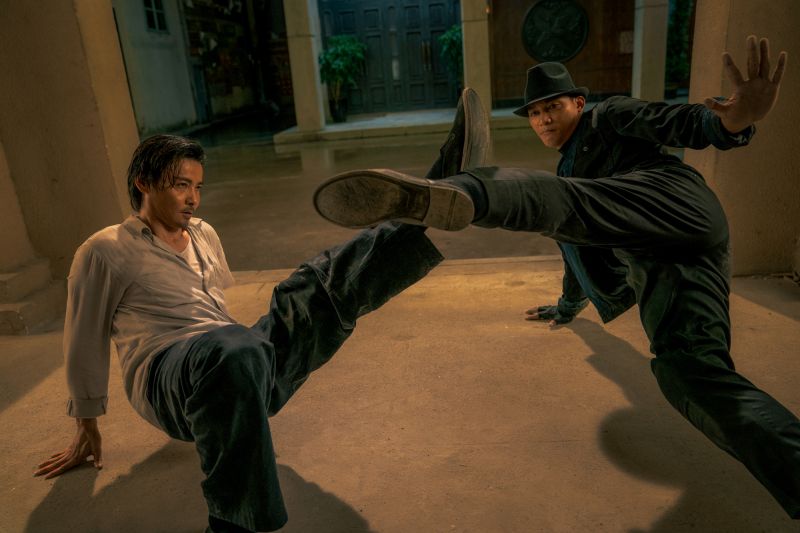
แฟนภาพยนตร์จีนหลายคนคงคุ้นเคยกับชื่อ “หยวนวูปิง” เพราะเขาคือผู้กำกับคิวบู๊ที่ฝากฝีมือมาแล้วกับภาพยนตร์ชื่อดังหลายเรื่อง ไม่ว่าจะเป็น เรื่อง เดอะ เมทริกซ์ (The Matrix), คิล บิล (Kill Bill), พยัคฆ์ระห่ำ มังกรผยองโลก (Crouching Tiger and Hidden Dragon), ยอดปรมาจารย์ยิปมัน (The Grandmaster) และ ยิปมัน ทั้ง 3 ภาค และครั้งนี้เขากลับมาผงาดในฐานะผู้กำกับเต็มตัวกับภาพยนตร์เปิดจักรวาลตำนานยิปมันเรื่อง “ยิปมัน: ตำนานมาสเตอร์ซี (Z)” (Master Z: The Ip Man Legacy) โดยได้ “จางจิ้น” มารับบทเป็น “จงเทียนฉี” พร้อมด้วยนักแสดงนำที่ตบเท้าร่วมมอบความมัน อาทิ มิเชล โหย่ว, เดฟ เบาทิสต้า และ โทนี่ จา

โดยภาพยนตร์เปิดจักรวาลตำนานยิปมันเรื่องนี้ เล่าเรื่องหลังจากที่ จงเทียนฉี พ่ายแพ้ ยิปมัน เขาได้หันหลังให้กับมวยหย่งชุน แต่ทว่ากลับมีเหตุพลิกผันให้เขาต้องหันกลับมารื้อฟื้นเพลงหมัดมวยหย่งชุนอีกครั้งเพื่อเรียกร้องความเป็นธรรม ความสนุกของภาพยนตร์ที่ไม่พูดถึงไม่ได้นั่นคือฉากบู๊แอ็คชั่นซึ่งโคตรมาสเตอร์อย่าง “หยวนวูปิง”เล่าถึงการทำงานว่า

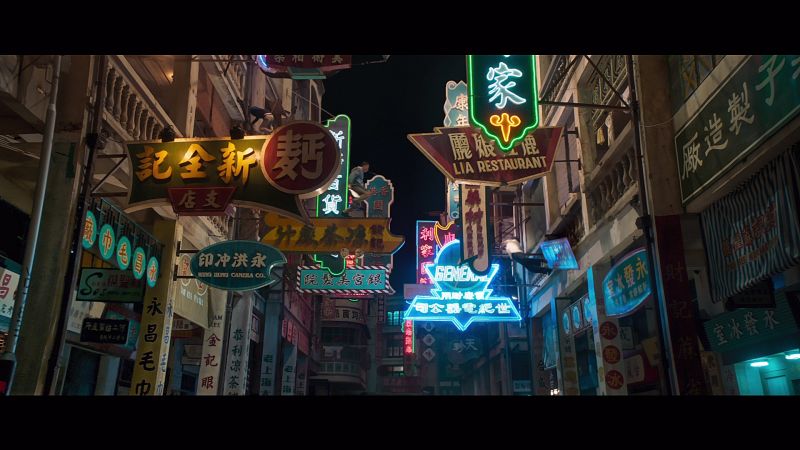
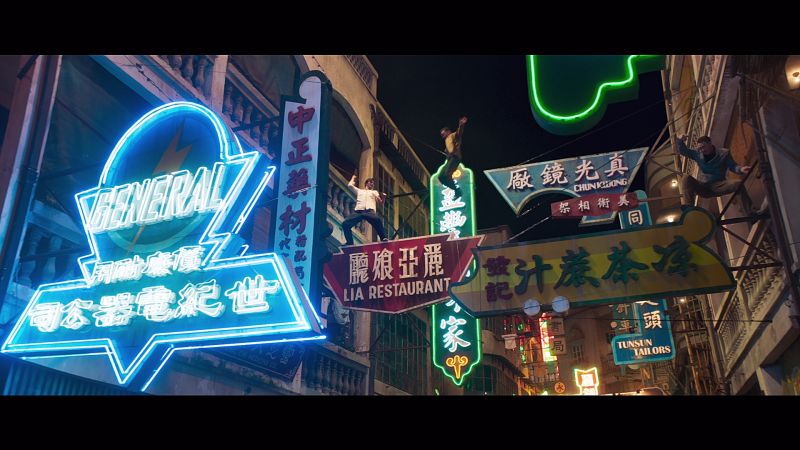
“ในเรื่องนี้ผมออกแบบทุกฉากการต่อสู้ และหนึ่งในฉากต่างๆ ที่ผมอยากให้ดูกันคือฉากต่อสู้บนป้ายไฟที่ผมรู้สึกว่ามันดูน่าสนใจ น่าตื่นเต้น ตื่นตาตื่นใจไปพร้อมกัน มันเป็นอะไรที่แตกต่างจากการต่อสู้บนพื้นดิน เพราะเราต้องใช้คนตั้งแต่ 4-12 คน เพื่อร่วมกันดึงสลิง และเมื่อไหร่ก็ตามที่มีการใช้สลิงนั่นก็เท่ากับเป็นการเพิ่มความยากในการถ่ายทำเข้าไปอีก แต่ผมก็อยากให้มันปลอดภัยไว้ก่อน เฉพาะฉากนี้เราใช้เวลา 15 วัน เพื่อถ่ายทำ แต่ก่อนหน้านั้นเราใช้เวลาเตรียมการถึง 1 เดือนเต็ม เพื่อให้การถ่ายทำเป็นไปอย่างราบรื่น เราถ่ายทั้งการไล่ล่า การต่อสู้บนอากาศ ซึ่งจุดนี้นี่เองที่ทำให้หนังเราแตกต่างจากเรื่องอื่นๆ และผมก็พอใจกับฉากแอ็คชั่นที่พวกเราทุ่มเทกันมาก อยากให้ทุกคนได้ชมกันเร็วๆ”

เตรียมลุ้นไปกับฉากแอ็คชั่นมันกว่าใครในภาพยนตร์เปิดจักรวาลตำนานยิปมัน เรื่อง “ยิปมัน: ตำนานมาสเตอร์ซี (Z)” (Master Z: The Ip Man Legacy) ส่งท้ายปีจอ  27 ธันวาคมนี้ในโรงภาพยนตร์

“หมูมิ้นท์” รับบท “เจ๊เนย” เจ้าของร้านกาแฟบ้าเรื่องดวง

ศาสตร์เกษตรดินปุ๋ย : ขอบคุณแหล่งข้อมูล : หนังสือพิมพ์แนวหน้า

https://www.naewna.com/entertain/384049

“หมูมิ้นท์” รับบท “เจ๊เนย” เจ้าของร้านกาแฟบ้าเรื่องดวง

“หมูมิ้นท์” รับบท “เจ๊เนย” เจ้าของร้านกาแฟบ้าเรื่องดวง

วันพฤหัสบดี ที่ 20 ธันวาคม พ.ศ. 2561, 12.21 น.

เสิร์ฟความหวานต่อเนื่องแบบครบทุกรสชาติความสนุกกันมาสักพักหนึ่งแล้ว ภาพยนตร์เรื่อง Sugar Café เปิดตำรับรักนายหน้าหวาน” ทาง “MONOMAX” (โมโนแมกซ์) ผู้นำดูหนังออนไลน์แบบถูกลิขสิทธิ์ ในเครือ โมโนกรุ๊ป ภายใต้การผลิตของ โมโนออริจินอล ในเครือโมโนกรุ๊ป ซึ่งอีกหนึ่งนักแสดงที่ถูกจับตามองอย่างมากตอนนี้เห็นจะหนีไม่พ้น “หมูมิ้นท์-รุจิเรศ บุญผ่องศรี” กับบทบาท “เจ๊เนย” เจ้าของร้านกาแฟ “อีฟนิ่ง คาเฟ่” ที่เรียกเสียงฮาให้กับผู้ชมไม่น้อย โดยงานนี้ หมูมิ้นท์ ได้เปิดเผยถึงบทบาทในภาพยนตร์ว่า

“เรื่องนี้มิ้นท์รับบทเจ๊เนยค่ะ เป็นเจ้าของร้านกาแฟและเป็นพี่สาวของชูการ์ ซึ่งเจ๊เนยจะเป็นผู้หญิงที่ค่อนข้างมีความเยอะพอสมควร เยอะในที่นี้หมายถึงเรื่องการแต่งตัวตั้งแต่หัวจรดเท้า เพราะจะเป็นคนที่เชื่อเรื่องดวง โหงวเฮ้งหนักมาก เพราะฉะนั้นการแต่งตัวของเจ๊เนยก็จะต้องเปลี่ยนไปตามวัน มิ้นท์ว่าชีวิตปกติมิ้นท์แต่งเยอะแล้วนะ แต่เจ๊เนยเยอะกว่าอีก นอกจากเรื่องการแต่งตัวแล้วก็ยังมีเรื่องของความโหดเพราะว่าเราต้องเป็นเจ๊ เป็นเจ้าของร้าน คุมเด็กๆ ก็จะต้องดูจริงจัง ขึงขัง ดุๆ เยอะๆ เว่อร์ๆ หน่อย ซึ่งมิ้นท์ว่าต่างจากมิ้นท์นะ แต่น้องๆ บอกว่าเหมือนมิ้นท์เลย (หัวเราะ) ซึ่งเป็นการแสดงที่ค่อนข้างใช้พลังพอสมควรค่ะ เพราะความเยอะและเว่อร์ของตัวละคร เล่นไปก็สนุกดี ถือเป็นการท้าทายเรื่องการแสดงเราด้วย รับรองว่าคนดูได้บันเทิงไปกับความเยอะและเว่อร์ของเจ๊เนยแน่นอนค่ะ” มิ้นท์กล่าว

ติดตามบทบาท “เจ๊เนย” กับความเยอะเว่อร์วังของ หมูมิ้นท์ ได้ในภาพยนตร์ Sugar Café เปิดตำรับรักนายหน้าหวาน” ได้แล้วตั้งแต่วันนี้เป็นต้นไปทาง“MONOMAX” (โมโนแมกซ์) ผู้นำดูหนังออนไลน์แบบถูกลิขสิทธิ์ ในเครือ โมโนกรุ๊ป สำหรับสมาชิกใหม่ได้รับสิทธิ์ดูฟรี 1 เดือน หรือสอบถามรายละเอียดเพิ่มเติมที่ www.monomax.me

“ขนมจีน”คัมแบคหวนจับไมค์กับค่าย“โมโน มิวสิค” ประเดิมซิงเกิ้ลแรก“กระแสน้ำตา”

ศาสตร์เกษตรดินปุ๋ย : ขอบคุณแหล่งข้อมูล : หนังสือพิมพ์แนวหน้า

https://www.naewna.com/entertain/384047

“ขนมจีน”คัมแบคหวนจับไมค์กับค่าย“โมโน มิวสิค” ประเดิมซิงเกิ้ลแรก“กระแสน้ำตา”

“ขนมจีน”คัมแบคหวนจับไมค์กับค่าย“โมโน มิวสิค” ประเดิมซิงเกิ้ลแรก“กระแสน้ำตา”

วันพฤหัสบดี ที่ 20 ธันวาคม พ.ศ. 2561, 12.18 น.

ถือเป็นนักร้องสาวสวยเสียงทรงพลังอีกหนึ่งคนก็ว่าได้ สำหรับ “ขนมจีน-กุลมาศ ลิมปวุฒิวรานนท์” ที่ล่าสุดเปิดตัวด้วยลุคใหม่สวยปัง! ฐานะศิลปินสังกัด “พีชส์ มิวสิค โปรเจ็กต์” (Pitchs Music Project) ในโปรเจ็ค Special Day Special Pro (สเปเชียล เดย์ สเปเชียล โปร) ซึ่งเป็นโปรเจ็คพิเศษที่จะปล่อยเพลงในวันเทศกาลต่างๆ ของ “ค่ายโมโนมิวสิค” ในเครือ โมโน กรุ๊ป  โดยประเดิมเพลงแรกกับซิงเกิ้ลเพลงรักอกหักช้ำๆ “กระแสน้ำตา” แนวป็อบ-ร็อค ผสม R&B ตามแนวถนัดของ ขนมจีน อยู่แล้วนั่นเอง

โดย ขนมจีน ได้เปิดเผยความรู้สึกว่า “ดีใจมากๆ ค่ะ เป็นการกลับมาร้องเพลงของตัวเองอย่างจริงจัง ที่ผ่านเราได้แต่ร้องเพลงประกอบละคร, ซีรีย์ และไปทางงานแสดงซะมากกว่า ก็เลยรู้สึกไม่อยากให้คนจำภาพเราเป็นนักแสดง เพราะตัวตนจริงๆ ของเรา เกิดมาจากการเป็นนักร้อง ตอนนี้ได้มาอยู่บ้านหลังใหม่อย่าง ค่าย Mono Music ซึ่งพี่พีธ พีระ ดูแลเป็นอย่างดี รวมถึงทีมงานค่อนข้างให้อิสระและเปิดไอเดียให้เราว่าอยากทำอะไร ให้งานออกมาในทิศทางไหน ทำให้เราตั้งใจกับการทำงานเพลงครั้งนี้มากๆ ส่วนเรื่องราวของเพลง คงไม่พ้นเรื่องความรัก ที่หยิบเรื่องราวความรักแบบอกหักเพราะต้องการสื่อสารกับคนที่อกหัก แต่ยังสตรองได้อยู่ ถึงยังไงก็ไม่อยากให้แคร์ถ้าเค้าไม่รักเราก็ปล่อยเขาไป หลายคนอาจสงสัยว่าแต่งงานแล้วทำไมยังร้องเพลงเศร้า บอกไว้ตรงนี้เลยว่าชีวิตรักแฮปปี้ดีค่ะ แต่แค่ชอบถ่ายทอดอารมณ์เพลงรักเศร้าๆ แค่นั้นเอง ยังไงขอฝากผลงานซิงเกิ้ลเพลง กระแสน้ำตาด้วยนะคะ”

สามารถติดตามฟังซิงเกิ้ลเพลง กระแสน้ำตา และ MV ของ  ขนมจีน-กุลมาศ ได้แล้ววันนี้ และติดตามความเคลื่อนไหวศิลปินอื่นๆ ในสังกัน โมโน มิวสิค ได้ที่ FACEBOOK : MONO MUSIC