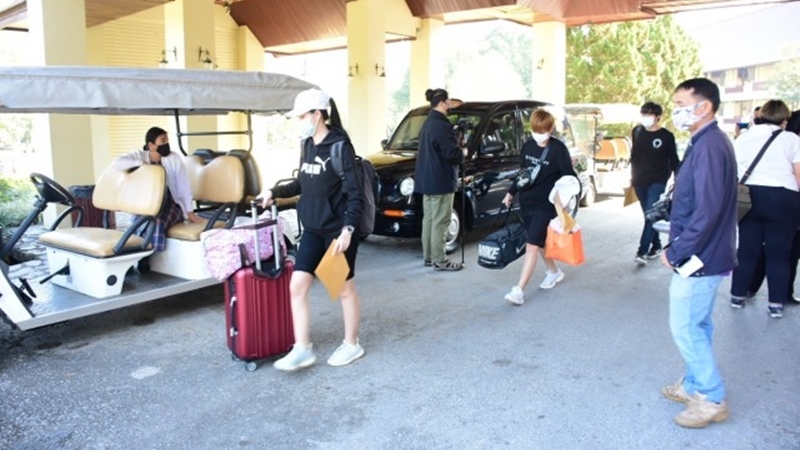
Twenty-eight Thais who returned from Myanmar completed their 14-day quarantine on Thursday and were released in a ceremony at Chiang Rai’s Wiang Indra Riverside Resort.
Provincial governor Prajon Prachsakul was also present at the celebration.
The 13 men, including Buddhist monks, and 15 women returned to Thailand on December 2 and underwent Covid-19 screen three times. They all tested negative.
Prajon said more people are asking to return to Thailand and are waiting for the process of local quarantine.
An image of pro-democracy demonstrators gathered at Bangkok’s Kaset intersection near Kasetsart University in October has been chosen as one of Time magazine’s top 100 photos of 2020.
The photo was taken by Sakchai Lalit of the Associated Press on October 19.
It shows a crowd of thousands flashing three-finger salutes of defiance against the Prayut government at the Kaset intersection in Bang Khen district.
Time chose the image among 100 photos that defined the year 2020. Others included shots of a Covid-19 victim hugging a doctor, bush fires raging in the US and Australia, the Black Lives Matter protest, and the deadly chemical explosion in Beirut.
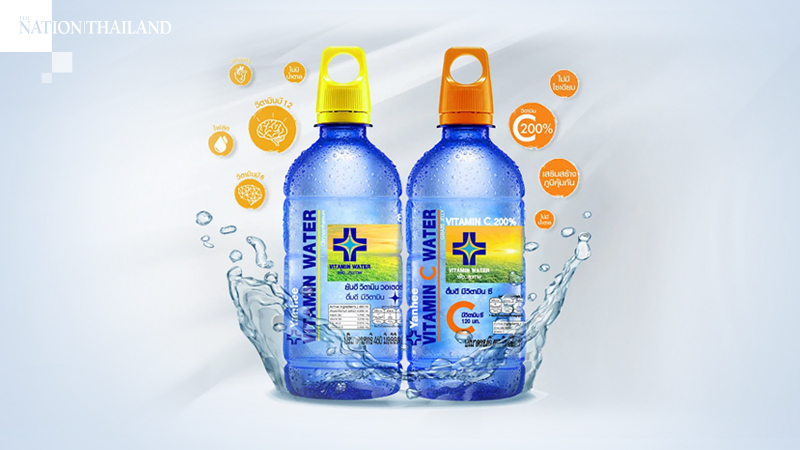
Despite failing a test conducted by the Foundation for Consumers (FFC), Yanhee Vitamin Water issued a statement on Wednesday insisting its bottled water really carries Vitamin C.
Last week, FFC published the results of a test it conducted on 47 brands of so-called vitamin-laced water, and found no Vitamin C in eight brands, including the Yanhee Vitamin C Water.
The company, however, insists there is Vitamin C in its product, adding that vitamins tend to vanish in reaction to oxygen, as well as heat, light and humidity.
It also said that it plans to provide training to vendors on how best to store vitamin-laced water, so it doesn’t lose its goodness.
“DOW” partners with Japanese expert “Toyokoh” to launch the first eco-friendly sprayed insulation for roof in Thailand
Dec 17. 2020
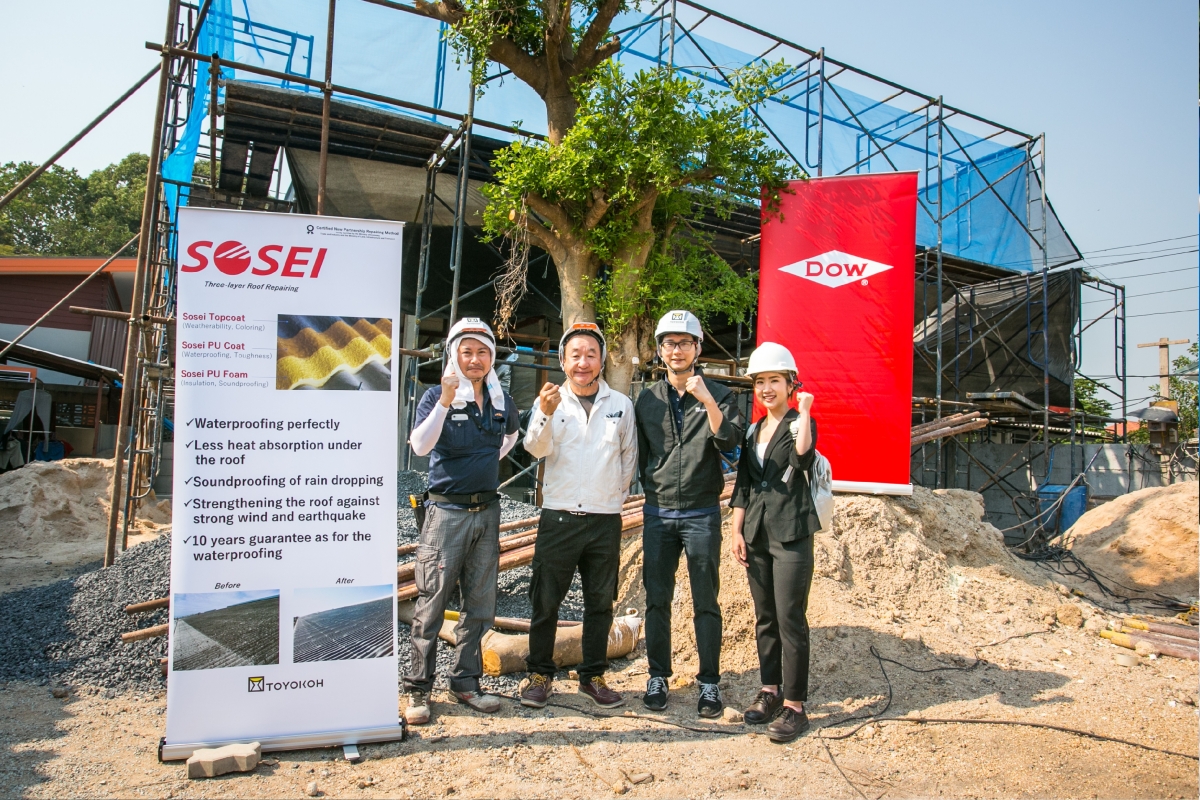
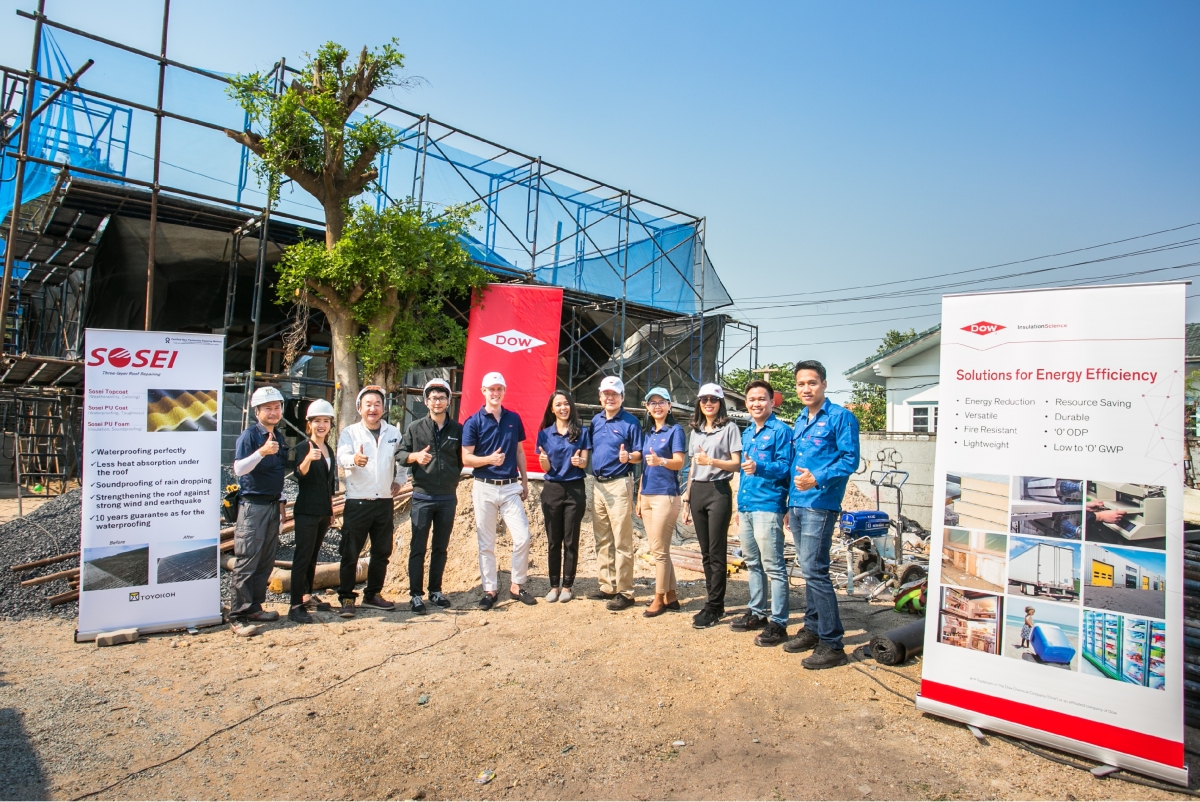
Bangkok – 14 December 2020 – Dow Thailand Group (Dow), a global leader in materials science, partners with Japanese roofing expert company, “Toyokoh”, to launch “Sosei”, an innovative environmental-friendly roof insulation system that is designed to withstand the humid climate in Thailand and ASEAN region. The product is catered towards factories, hospitals, and schools that aim to preserve energy in their buildings without harming the environment.
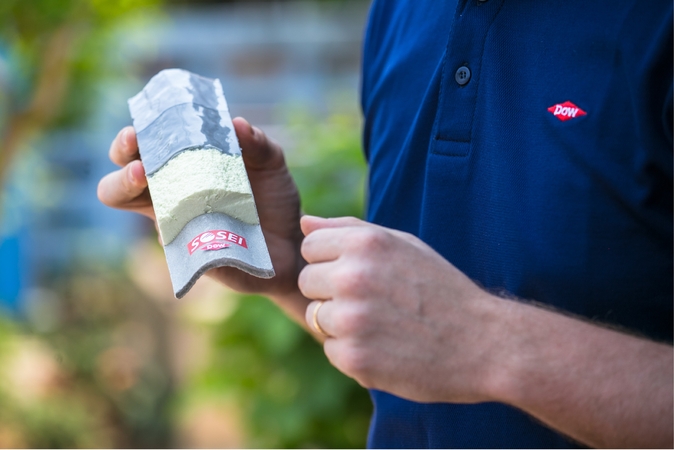
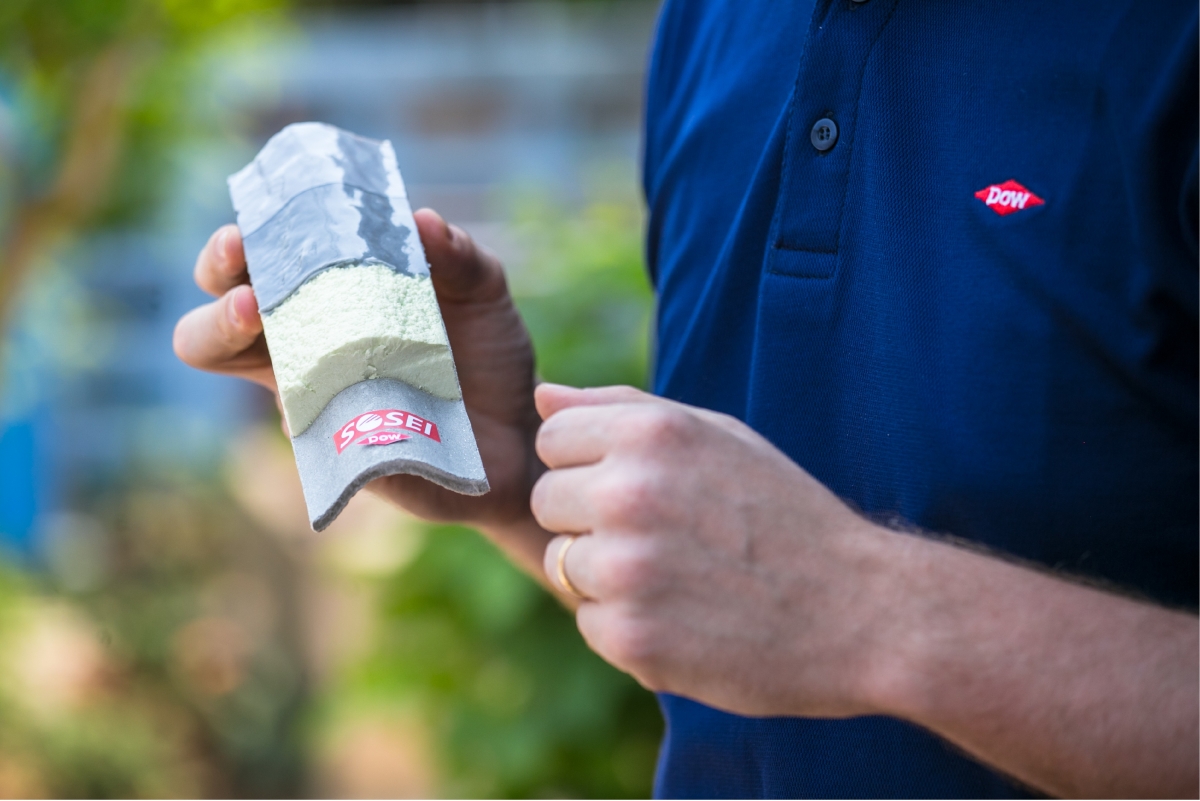
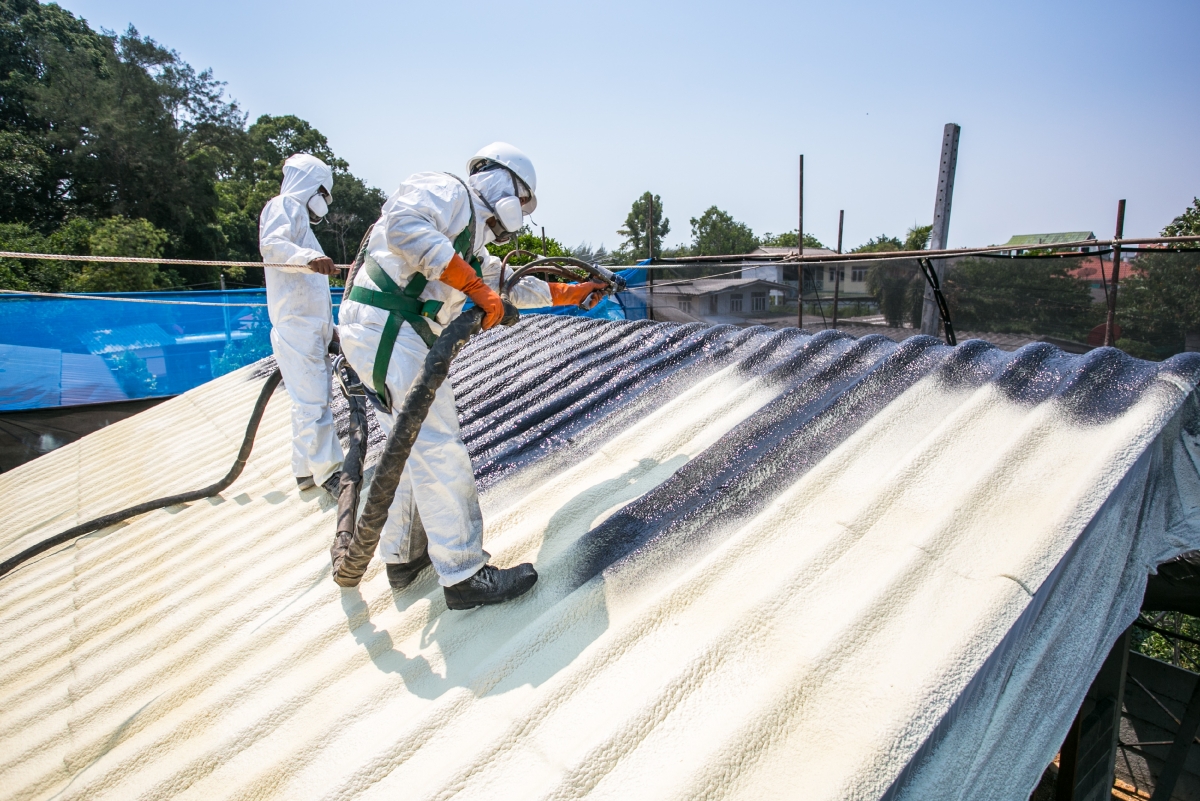
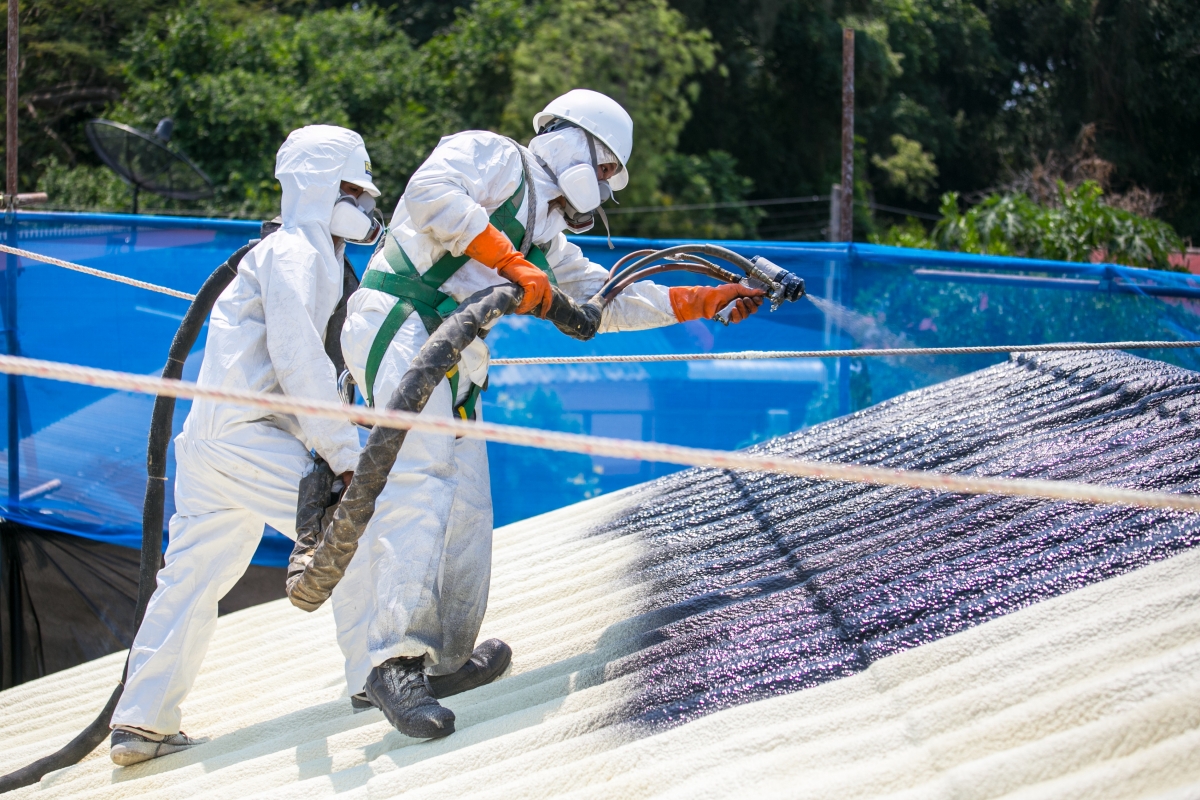
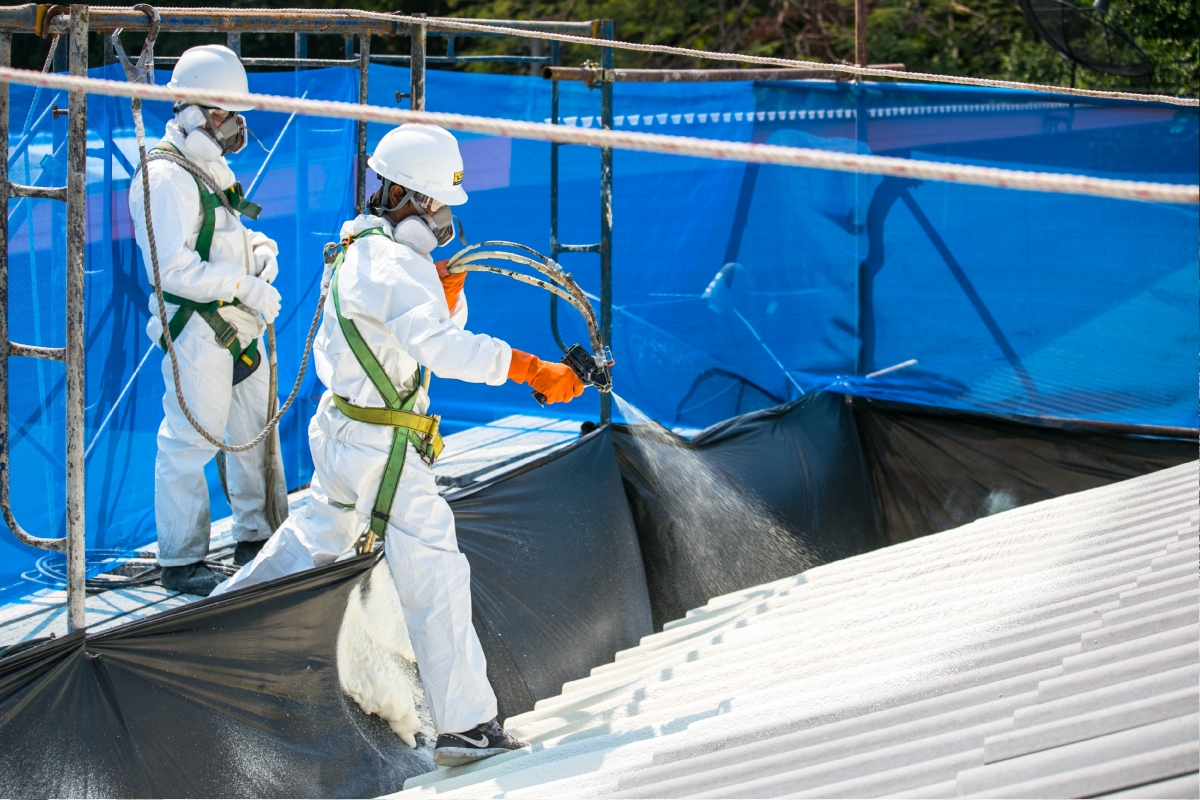
The innovative “Sosei” roof is a three-layer sprayed insulation form created from Dow’s VORACOR™ Polyurethane foam and Dow’s HYPERLAST™ elastomer, followed by a coating from Nippon Paint. They are directly sprayed on the roof tiles to create a seamless insulation which can effectively protect from the heat, save energy used to cool buildings, and prevent water leakage from the roof. It also lowers unwanted noise and strengthens the roof, thanks to Japan’s experience of facing violent storms frequently. Another unique advantage is that it can be sprayed from the outside without affecting indoor activities. Therefore, the solution is very suitable for roof maintenance of buildings with continuous activities such as factories, hospitals, and warehouses. Unlike other foaming methods, it does not cause Ozone depletion.
Three layers of insulation are sprayed on top of the roof tiles.
Japanese workers are spraying Toyokoh’s environmental-friendly roof insulation.
“Dow places high importance on the environment, and one of our sustainability goals is to protect the climate. We strive to develop innovations in response to the demands of green buildings that save energy and prevent heat by designing a durable material to fit Thailand’s climate with the least Greenhouse gases emission during construction. The innovation also saves transportation resources and can be installed quickly and seamlessly in a spraying format. We are solving building’s heat and global warming at the same time,” said Mr. Chatchai Luanpolcharoenchai, President of Dow Thailand.
In Thailand and South East Asia, the commonly-used blowing agents for Polyurethane foam are Hydrochlorofluorocarbons–HCFC and Hydrofluorocarbon –HFC, known to cause global warming by damaging the ozone in the atmosphere. The innovative “Sosei” roof insulation is different as it utilizes “Hydrofluoro-Olefin” or HFO to create the foam structure in an environmentally-safe way. The HFO has an Ozone Depleting Potential of zero and a Global Warming Potential of less than 1, which is 99% less than using the typical HCFC or HFC as blowing agents.
“The “Sosei” roof insulation, which uses Dow’s cutting-edge technology, is eco-friendly and very effective in protecting against heat. Comparing to a normal roof, the temperature under the Sosei roof is approximately 10 degrees Celsius lower. Designed to withstand the humidity climate and being shock-proof and water-proof, it can also lower the impact of natural disasters towards the roof structure, including damages caused by storms and earthquakes, with a 10-year water-proof guarantee. We are proud that Toyokoh is Dow’s first authorized partner to implement this innovation in South East Asia, and we are ready to provide services in Thailand,” said Mr. Kazuaki Toyosawa of Toyokoh.
More information about the Sosei eco-friendly insulation roofing system could be found at www.toyokoh.co.th
MEA returns over Bt6 billion of electricity deposits
Dec 17. 2020
By THE NATION
More than Bt6 billion of electricity deposits have been returned to over 2 million users in Bangkok, Nonthaburi and Samut Prakan by the Metropolitan Electricity Authority (MEA).
The MEA announced on Wednesday that as of December 8, Bt6.067 billion had been transferred to more than 226,700 electricity users in metropolitan areas who have registered to receive their deposits back.
The campaign, which has been running since March 25, is part of the MEA’s effort to follow government policy in alleviating people’s financial burden in this Covid-19 situation.
“Users can track the progress of their deposit returns on the website https://measy.mea.or.th by inputting your ID card number and your 10-digit registration code,” it said. “Those who still have not received their deposit can please contact MEA call centre 1130.
For further information, you can also visit the Facebook page @Metropolitan.Electricity.Authority, or Twitter @MEA_news, or Line: MEA Connect.”




 SootinClaimon.Com