“สุรพล นิติไกรพจน์” ถาม ครม.ไปไหนบริหารประเทศแบบ WFH #SootinClaimon.Com

#SootinClaimon.Com : ขอบคุณแหล่งข้อมูล : หนังสือพิมพ์คมชัดลึก

https://www.komchadluek.net/news/politic/476885

“สุรพล นิติไกรพจน์” ถาม ครม.ไปไหนบริหารประเทศแบบ WFH
1 สิงหาคม 2564 – 20:06 น.

“สุรพล นิติไกรพจน์” ถาม “ครม.”ไปไหนบริหารประเทศกันโดย” WfH” และ “วิดีโอคอนเฟอเรนซ์”กันทุกวันอังคารบ่ายเหมือนที่เป็นมาทุก ๆ สัปดาห์อย่างนั้นหรือ อยากจะให้นายกฯตั้ง’วอร์รูม’เรียกประชุมทุกเช้ากับรัฐมนตรีและปลัดกระทรวง

สุรพล นิติไกรพจน์ อดีตอธิการบดีมหาวิทยาลัย ธรรมศาสตร์   เขียนบทความว่า

วันเสาร์ที่ 31 ก.ค. วันที่ 112 ของโรงพยาบาลสนามธรรมศาสตร์ และวันที่51 ของศูนย์รับวัคซีนธรรมศาสตร์รังสิต

ผู้ป่วยใหม่รายวันและผู้เสียชีวิตจาก”โควิด”ทำสถิติใหม่ที่ 18,912 รายและ 178 คนตามลำดับ เราไม่เคยมาที่ตัวเลขระดับนี้มาก่อนเลย แต่ก็คงต้องเตรียมตกใจมากขึ้นกับตัวเลขใหม่วันพรุ่งนี้และวันต่อๆไปอีกด้วยนะ

คนล้มตายเป็นใบไม้ร่วง ริมถนน ในบ้าน หรือทุก ๆ ที่โดยไม่ได้รับการดูแลช่วยเหลือ ทุกคนหวั่นเกรงการระบาดและกลัวติดเชื้อ ระบบสายด่วนขอความช่วยเหลือทุกเลขหมายทำอะไรให้ผู้ป่วยไม่ได้ เพราะเตียงในโรงพยาบาลก็ล้นเต็ม ห้องฉุกเฉิน(ER)ทุกแห่งมีเตียงผู้ป่วยและถังออกซิเจนระเกะระกะล้นมาอยู่บนทางเท้าหรือที่จอดรถ

อย่างนี้ไม่ใช่สถานการณ์สงครามหรอกหรือ

เราประกาศสถานการณ์ฉุกเฉินมาเกือบสองปีแล้ว สถานการณ์วันนี้คือฉุกเฉินที่สุดแล้วนะ

ครม.ไปไหนบริหารประเทศกันโดย WfH และ วิดีโอคอนเฟอเรนซ์กันทุกวันอังคารบ่ายเหมือนที่เป็นมาทุก ๆ สัปดาห์อย่างนั้นหรือ

มีใครบ้างไหมที่มีส่วนรับผิดชอบในการกำหนดนโยบายที่ลงไปดูหน้างานในโรงพยาบาลที่อยู่แค่ปลายจมูกใน กทม. ว่าแพทย์และพยาบาลในห้องฉุกเฉินของโรงพยาบาลทุกแห่งเขาขาดอะไร เขาต้องการอะไรเพิ่ม

ช่วยแก้ปัญหาวันนี้พรุ่งนี้ให้เขาได้ไหม หรือต้องให้เขียนรายงานเสนอมาตามขั้นตอนในสัปดาห์หน้า เพื่อฝ่ายนโยบายจะได้ทราบในเดือนหน้า แล้วจะได้แก้ปัญหาให้ในปีงบประมาณต่อไป

ความจริงมันไม่ได้เป็นปัญหาของแพทย์ พยาบาลหรอก เพราะพวกเขาทำกันจนเต็มที่ ทำกันจนหมดหนทางที่จะทำต่อแล้ว ทำได้แค่นั้นก็คือแค่นั้น ปาดเหงื่อ นั่งพัก แล้วก็หยุดทำ พราะทำอะไรต่ออีกไม่ได้แล้ว

แต่ที่จะสูญเสียทับถมลงไปเรื่อย ๆ ก็คือชีวิตของผู้คน ผู้คนธรรมดาสามัญที่ไม่มีอะไรสลักสำคัญ แต่เป็นพ่อ เป็นแม่ เป็นญาติสนิทอันเป็นที่รักและมีความหมายต่อครอบครัวของเขา

เราจะเพิกเฉย ละเลยต่อการสูญเสียชีวิตของผู้คนมากมายในแต่ละวันอย่างนี้ไปอีกนานเท่าไหร่นะ ?

เราจะร้องขอมากไปหรือเปล่า ที่อยากจะให้นายกรัฐมนตรีตั้ง’วอร์รูม’เรียกประชุมทุกเช้ากับรัฐมนตรีและปลัดกระทรวงที่เกี่ยวข้องฟังบรรยายสรุปสถานการณ์ รับฟังปัญหาที่เกิดขึ้นใน 24 ชม.ที่ผ่านมา และสั่งการแก้ปัญหาอย่างเป็นรูปธรรม ชัดเจนในแต่ละเรื่อง ต่ละปัญหาที่เกิดขึ้น

ไม่ใช่สั่งลอย ๆ ให้ทุกฝ่ายไปคิดหาวิธีแก้ปัญหามาให้ อย่างที่เคยทำ

เรามีนายกรัฐมนตรีไว้เพื่อสั่งการ เพื่อตัดสินใจ และเพื่อแก้ปัญหาวิกฤติของชาติมิใช่หรือ

ช่างเถอะ ที่เราทำได้ก็เพียงรำพึงรำพันด้วยความทุกข์และคับแค้นใจ แต่อย่างไรพวกเราก็คงต้องทำหน้าที่ของเรา และทำงานหนักเพื่อดูแลผู้คนที่ต้องการความช่วยเหลือจากเราต่อไปตามที่เคยเป็นมา และที่จะเป็นต่อไปทุก ๆ วันไม่มีวันหยุด

จากวันนี้ไปจนถึงวันใดวันหนึ่งในอีกไม่นานนัก เมื่อผู้ป่วยถึง 18,000 แตะ 20,000 หรือมากกว่านั้น ภาระและความกดดันมหาศาลจะตกอยู่กับแพทย์พยาบาลด่านหน้าในทุก ๆ โรงพยาบาล ที่จะต้องรับภาระในการช่วยชีวิตผู้ป่วยที่หลั่งไหลเข้ามาจนเต็มล้น

และต้องรับความกดดันจากความคาดหวังจากผู้ป่วยและญาติ ในเงื่อนไขการทำงานที่ยากลำบากที่สุด โดยได้รับการสนับสนุนช่วยเหลือน้อยมากจากระบบสาธารณสุขที่แทบไม่เหลือพลังจะไปประคับประคองหน่วยใดได้อีก

.. มีแต่ใจและความรักในเพื่อนมนุษย์เท่านั้นที่ทำให้ระบบโรงพยาบาลของเรายังยืนอยู่ต่อไปได้

ถ้ามาให้กำลังใจพวกเราไม่ได้ ก็ช่วยสวดมนต์ให้พวกเราเข้มแข็งต่อไปด้วยนะ

รักเธอ ประเทศไทย

ที่มา : สำนักข่าวอิศรา
“ยังพอมีเกียรติบ้าง” 3 ขั้น ประยุทธ์ลงจากตำแหน่ง บรรยงเรียนมาเพื่อพิจารณา #SootinClaimon.Com

#SootinClaimon.Com : ขอบคุณแหล่งข้อมูล : หนังสือพิมพ์คมชัดลึก

https://www.komchadluek.net/news/politic/476883

“ยังพอมีเกียรติบ้าง” 3 ขั้น ประยุทธ์ลงจากตำแหน่ง บรรยงเรียนมาเพื่อพิจารณา

1 สิงหาคม 2564 – 19:33 น.

เพื่อไม่ให้เกิดความเสียหายใหญ่หลวงต่อประเทศชาติ บรรยงแนะประยุทธ์ลงจากตำแหน่งอย่าง “ยังพอมีเกียรติบ้าง”

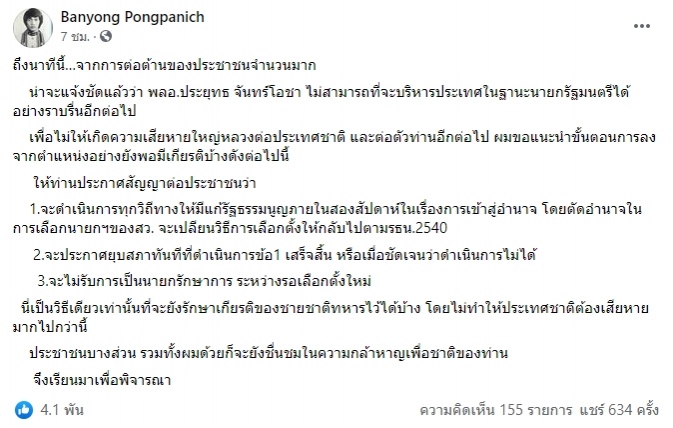
“บรรยง พงษ์พานิช” ประธานกรรมการบริหาร กลุ่มธุรกิจการเงินเกียรตินาคินภัทร เสนอขั้นตอนการลงจากตำแหน่งอย่างยังพอมีเกียรติบ้างสำหรับ “พล.อ.ประยุทธ์ จันทร์โอชา” นายกรัฐมนตรี ท่ามกลางสถานการณ์วิกฤติการแพร่ระบาดของโรคติดเชื้อไวรัสโคโรนา 2019 หรือ โรคโควิด-19 (COVID-19) ผ่านเฟซบุ๊กส่วนตัว Banyong Pongpanich โดยระบุ ถึงนาทีนี้ จากการต่อต้านของประชาชนจำนวนมาก น่าจะแจ้งชัดแล้วว่า พล.อ.ประยุทธ์ จันทร์โอชา ไม่สามารถที่จะบริหารประเทศในฐานะนายกรัฐมนตรีได้อย่างราบรื่นอีกต่อไป

เพื่อไม่ให้เกิดความเสียหายใหญ่หลวงต่อประเทศชาติ และต่อตัวท่านอีกต่อไป ผมขอแนะนำขั้นตอนการลงจากตำแหน่ง อย่างยังพอมีเกียรติบ้าง ดังต่อไปนี้

ให้ท่านประกาศ สัญญาต่อประชาชน ว่า

  1. จะดำเนินการทุกวิถีทางให้มีแก้รัฐธรรมนูญภายในสองสัปดาห์ในเรื่องการเข้าสู่อำนาจ โดยตัดอำนาจในการเลือกนายกฯ ของ ส.ว. จะเปลี่ยนวิธีการเลือกตั้งให้กลับไปตามรัฐธรรมนูญ 2540
  2. จะประกาศยุบสภาทันทีที่ดำเนินการ ข้อ 1 เสร็จสิ้น หรือเมื่อชัดเจนว่าดำเนินการไม่ได้
  3. จะไม่รับการเป็นนายกฯ รักษาการ ระหว่างรอเลือกตั้งใหม่

นี่เป็นวิธีเดียวเท่านั้นที่จะยังรักษาเกียรติของชายชาติทหารไว้ได้บ้าง โดยไม่ทำให้ประเทศชาติต้องเสียหายมากไปกว่านี้

ประชาชนบางส่วน รวมทั้งผมด้วยก็จะยังชื่นชมในความกล้าหาญเพื่อชาติของท่าน

จึงเรียนมาเพื่อพิจารณา

ทั้งนี้ บรรยง พงษ์พานิช เคยทำงานกับรัฐบาล พล.อ.ประยุทธ์ ในหลายบทบาท ทั้งในฐานะกรรมการนโยบายและกำกับดูแลรัฐวิสาหกิจ กรรมการต่อต้านการทุจริต และที่ปรึกษานายกรัฐมนตรี ระหว่างปี 2557 – 2559

บรรยง พงษ์พานิช, Banyong Pongpanich, พล.อ.ประยุทธ์ จันทร์โอชา, ประยุทธ์ จันทร์โอชา, นายกรัฐมนตรี, โรคโควิด-19, โควิด19

China mulls booster shots to step up herd immunity #SootinClaimon.Com

#SootinClaimon.Com : ขอบคุณแหล่งข้อมูล : หนังสือพิมพ์ The Nation.

https://www.nationthailand.com/international/40004065

China mulls booster shots to step up herd immunity


Although there isnt enough evidence now to support delivering COVID-19 booster shots to the general public, China is studying whether it is necessary to give additional doses to vulnerable groups and high-risk workers in order to boost immunity, health experts said.

Shao Yiming, a researcher at the Chinese Center for Disease Control and Prevention, said that based on initial observation, people with weak immune systems, such as the elderly and those suffering chronic illnesses, as well as workers at higher risk of contracting the virus or people planning to travel to high-risk areas, might need a booster dose six to 12 months after initial immunization.

“Whether this is necessary and when a booster shot should be rolled out are being researched,” he said during a news briefing on Saturday.

Shao said immunity triggered by any COVID-19 vaccines in use appears to decline to some extent as time goes by, but immunological memory is locked in, preparing bodies to swiftly generate strong antibodies when encountering the virus.

“For the general population who have been vaccinated within a year, there is no need to obtain a booster shot for now,” he said.

China’s mass immunization program is progressing smoothly, with over 1.65 billion doses administered as of Saturday, according to the National Health Commission.

The program had covered 150 million people age 60 and above and 12.48 million youths age 12 to 17 as of Wednesday, said He Qinghua, an official at the commission’s Bureau of Disease Prevention and Control.

However, questions on vaccines’ effectiveness and the necessity of a booster shot have been raised as the Delta variant, a highly contagious strain, has caused a local outbreak that was first detected in Nanjing, Jiangsu province, on July 20 and has spread to at least 14 provincial-level regions in the country.

Mi Feng, a spokesman for the commission, said on Saturday that China had reported 328 confirmed domestic infections in July, roughly equivalent to the total number of local cases from February to June.

“The main strain in circulation is the Delta variant, which poses a greater challenge to virus prevention and control work,” he said.

Feng Zijian, a researcher at the China CDC, said the transmissibility of the Delta variant is estimated to be nearly double that of the original strain, and it spreads much faster and likely increases the risk of developing severe symptoms.

“Available findings suggest that the Delta variant might diminish protection from COVID-19 vaccines, but current shots can still have good preventive and protective effects against the strain,” he said.

Shao added that breakthrough infections-people who contract the virus at least 14 days after being fully vaccinated-are relatively rare.

“No vaccine can provide 100 percent protection against viral infections. But on the whole, various COVID-19 variants can be controlled with existing vaccines,” he said, adding that studies also show that domestic COVID-19 vaccines can effectively reduce rates of hospitalization, severe cases and deaths.

Shao noted that many developed countries, despite their high vaccination coverage rates, are grappling with a resurgence of outbreaks due to a rush to relax anti-virus policies, such as wearing masks and maintaining social distancing.

“This shows that inoculation must be used in conjunction with strict disease control measures,” he said, calling on the public to continue practicing personal protective protocols.

Wang Huaqing, chief expert on immunization planning at the China CDC, said that it is not recommended at the moment to mix vaccines. He also urged the public to finish full immunization with multiple-dose vaccines on time.

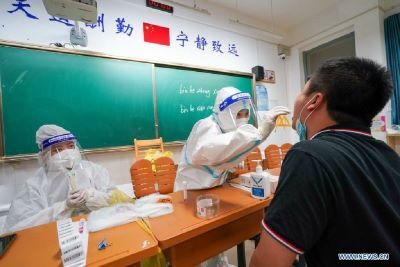
Although the Delta variant is considered more transmissible and dangerous, He, from the commission, said the tried-and-tested virus control approach, including targeted lockdowns, rapid mass testing and isolation, is still effective at containing the virus.

However, he emphasized that implementation should be faster and more rigorous, and cooperation across different government departments and localities should be stepped up.

Published : August 02, 2021

By : WANG XIAOYU/China Daily/ANN

July exports best-ever in Korea’s history #SootinClaimon.Com
#SootinClaimon.Com : ขอบคุณแหล่งข้อมูล : หนังสือพิมพ์ The Nation.

https://www.nationthailand.com/international/40004063

July exports best-ever in Korea’s history

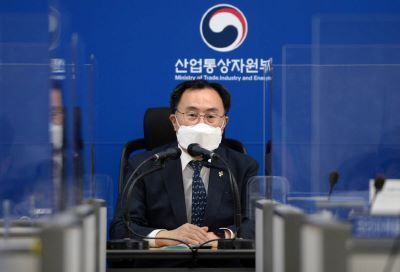
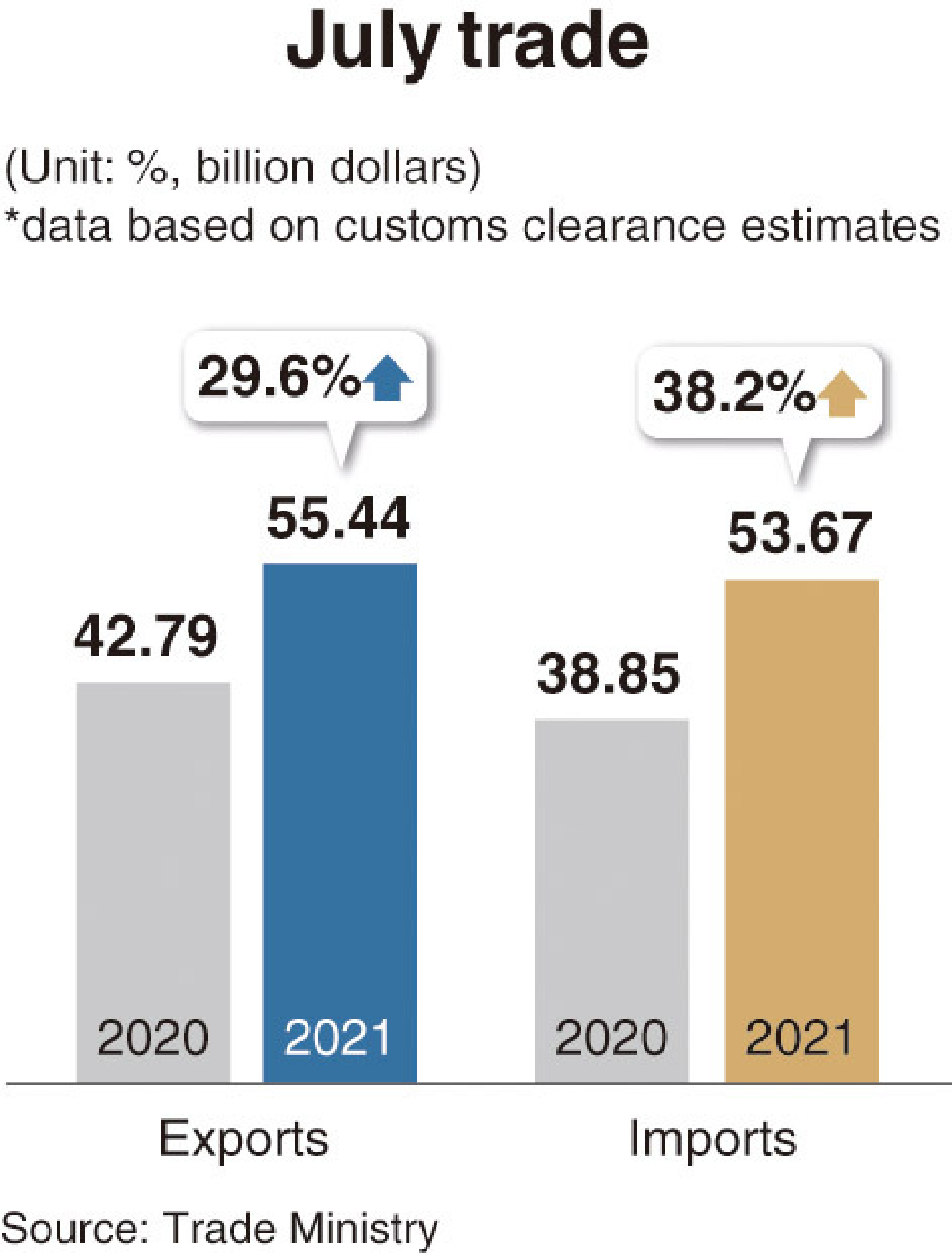
South Korea’s exports in July surged 29.6 percent to $55.4 billion on-year, a record monthly figure since the nation began compiling the data in 1956, according to the Trade Ministry Sunday.

In the first seven months of this year, Korea’s accumulated exports were worth $358.7 billion, setting another record. Also, this is the first time in 10 years that the country saw double digit growths for four consecutive months in 10 years — 41.2 percent in April, 45.6 percent in May, 39.8 percent in 29.8 percent and 29.6 percent in July. 

July exports best-ever in Korea’s historyJuly exports best-ever in Korea’s history
“For two straight months from June to July, exports of the nation’s 15 core products all increased, 13 of them witnessing double-digit growths. Also, for four consecutive months, Korea’s exports grew in all nine major markets,” a Trade Ministry official said.

Private and public experts, including those at the Korea Institute for Industrial Economics and Trade and the Bank of Korea, estimate the nation’s exports this year at between $601.7 billion and $610.5 billion, while its trade volume is projected at $1.15 trillion to $1.19 trillion.

The record performance was propelled by robust exports in both conventional and new sectors.

Overseas sales of chips, fueled by global server demands, spiked 39.6 percent to reach $11 billion in July on-year, surpassing $10.4 billion in July 2018 when the world was enjoying a chip “super cycle.”

In January, RAMeXchange, a research division of market tracker TrendForce, set the average contract price of an 8-gigabyte DRAM at $3.25, $3.50 and $3.75 in the second, third and fourth quarters this year, respectively. In June, RAMeXchange raised the figures to $3.80, $4.09 and $4.23. The price hike is expected to give a further boost to Korea’s chip industry.

Thanks to surging demand in packaging and quarantine products, exports of petrochemical products jumped 59.5 percent to $4.7 billion, while those of automobiles surged 12.3 percent to $4.1 billion buoyed by the global demand for eco-friendly vehicles.

Among emerging industries, exports of rechargeable batteries enjoyed a stellar 31.3 percent growth to $790 million.

Published : August 02, 2021

By : Kim Byung-wook/The Korea Herald/ANN

Semiconductor shortage buffets Japanese companies #SootinClaimon.Com

#SootinClaimon.Com : ขอบคุณแหล่งข้อมูล : หนังสือพิมพ์ The Nation.

https://www.nationthailand.com/international/40004062

Semiconductor shortage buffets Japanese companies


Amid the increasingly serious global shortage of semiconductors, automakers have been forced to reduce their output or postpone the release of new models. The repercussions are being felt amid a wide range of products, including home appliances, computers and telecommunication devices.

As if preying on companies’ fears, counterfeit semiconductors have been appearing more and more on the market.

■ Counterfeit chips

Oki Engineering Co., based in Nerima Ward, Tokyo, launched a service in early June to check whether semiconductors are genuine. It now receives inquiries every month about whether client companies can trust certain products.

Semiconductors have been brought to the firm, mainly by electronic machinery makers, sometimes numbering in the thousands in just one batch.

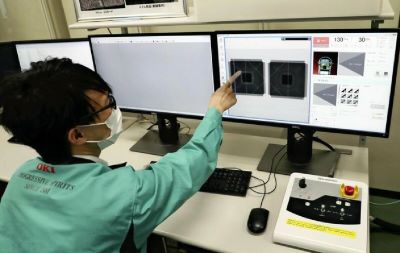
Oki Engineering staff pick up the semiconductors, which measure one to three millimeters on each side, using sucker-like devices designed exclusively for this purpose, and closely examine them under a microscope.

They confirm whether there are suspicious elements in the corporate logos and serial numbers on the surface, and also check circuit patterns inside them with X-ray machines, comparing them with legitimate semiconductors.

About 30% of the semiconductors they have checked have proved to be of poor quality. They included old models deemed to have been produced more than 10 years ago, and secondhand ones that were likely removed from discarded home appliances.

According to Oki Engineering, a sizable number of the faulty products were counterfeit. For example, some had proper casings but were empty inside, while others used major manufacturers’ logos without permission.

Counterfeit or poor-quality semiconductor chips are not a new phenomenon, but the problem rapidly became pronounced as the semiconductor shortage intensified.

The semiconductors in question are believed to mainly come from China, South Korea and Southeast Asia, and they are mainly traded on the internet. In many cases, they are bought and delivered by trading companies that received orders for semiconductors from client manufacturers but were unable to procure proper ones.

Problematic semiconductors are directly installed in such consumer products as drive recorders in cars, facial massagers and electronic cigarettes. After being sold, some of these products have failed to work from the outset.

There are also rare situations in which problematic chips could cause products to catch fire.

■ Race to obtain goods

Large electronics stores in Tokyo feature many signs these days telling customers that they will have to wait for the delivery of such products as telephones, cameras and printers. Unable to procure semiconductors, makers have reduced their output of such products, hence the delays.

In early August, Honda Motor Co. suspended the production of fully assembled cars at its Suzuka Factory in Mie Prefecture for five days. Nissan Motor Co. postponed the release of its new electric vehicle Ariya from the middle of this year to winter 2021.

In China, where consumer spending recovered early among major economies, cars fresh off production lines are in short supply because of the shortage of semiconductors. As a result, the number of cars sold there in June fell 12.4% from a year ago.

Reduced output of cars and home appliances also affects material manufacturing industries, such as steelmakers and nonferrous metal makers.

In a composite index (CI) of business conditions in May, which the Cabinet Office announced on July 7, the coinciding index indicating the current economic situation fell 2.6 points to 92.7, the first decline in three months. The CI is calculated with a base of 100 in 2015.

Demand for semiconductors has grown rapidly and in tandem with the spread of teleworking amid the novel coronavirus crisis. Since autumn last year, new car sales in North America and other major markets have rapidly recovered.

As a result, companies in a wide range of business sectors are waging a fierce battle to obtain semiconductors.

In March this year, Renesas Electronics Corp., a major semiconductor manufacturer, had a fire break out at its Naka Factory in Ibaraki Prefecture, and it took about four months for factory operations to fully resume. This further exacerbated the shortage of semiconductor products at home and abroad.

Even if a manufacturer aims to increase its output, it takes about a year from when the construction of a new factory is green-lit to when it starts production. There are several hundred manufacturing processes involved in making semiconductors, and it takes several months from receiving an order to delivering it.

Kazuhiro Sugiyama, a consultant with Omdia Japan, said: “Some major semiconductor manufacturers are fully booked with orders through 2022, and they have little room to increase output. It seems the shortage will be resolved only in or after autumn 2022.”

■ Domestic production

Semiconductors have been called “industry’s rice,” likening them to the staple food of Japan, because they are the core parts of a wide range of products. Many countries, especially the United States and China, have been strengthening their efforts to secure semiconductor-related companies and technologies for their own needs.

In December 2020, China enacted a law to control imports and introduced restrictions on the products related to cyber-security. Similarly in 2010, when tensions rose between Japan and China over the Senkaku Islands, Beijing started restricting exports of rare earths to Japan.

There are fears that China will heighten diplomatic pressure by using the supply of semiconductors for political leverage.

To cope with this possibility, the U.S. government shifted to a policy of increasing domestic production of semiconductors. In June this year, it announced a plan to provide at least $50 billion (about ¥5.5 trillion) in aid for production and research into such products.

Intel Corp. of the United States and Taiwan Semiconductor Manufacturing Co. (TSMC), among other companies, will invest the equivalent of trillions of yen for this purpose in Arizona.

European countries, Taiwan and South Korea have announced aid measures for companies that produce or develop technologies inside their bloc or nation, seeking to avoid excessive reliance on imports of semiconductors.

Published : August 02, 2021

By : Chihiro Nakajima and Yo Nakanishi/The Japan News/ANN

Border controls in Metro Manila meant to stop exodus to provinces – Año #SootinClaimon.Com

#SootinClaimon.Com : ขอบคุณแหล่งข้อมูล : หนังสือพิมพ์ The Nation.

https://www.nationthailand.com/international/40004061

Border controls in Metro Manila meant to stop exodus to provinces – Año


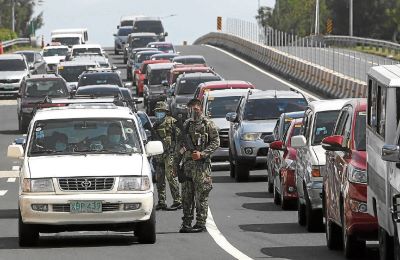
MANILA, Philippines — Checkpoints were activated at 12 a.m. on Sunday at the borders of the National Capital Region (NCR) and the neighboring provinces of Bulacan, Rizal, Laguna, and Cavite — collectively called the NCR Plus — to stop the exodus of people in the capital region to other nearby provinces, Interior Secretary Eduardo Año said.

Anew lockdown or enhanced community quarantine (ECQ) will take effect in NCR from Aug. 6 to 20. The OCTA Research Group had been urging this restriction to help contain the spread of the more transmissible Delta variant of the novel coronavirus.

Meanwhile, Marikina Rep. Stella Quimbo called for the establishment of business and transportation “bubbles” to keep the economy running, as she warned that the country could lose as much as P18 billion a day because of the lockdown.

Año said in a statement that the checkpoints, or quarantine control points (QCPs), were set up at the borders of Bulacan with Pampanga and Nueva Ecija, Rizal with Quezon, Laguna with Batangas and Quezon, and Cavite with Batangas.

“At the moment, the QCPs are at the borders of Bulacan, Rizal, Laguna, and Cavite with adjoining provinces, but once we move to ECQ starting Aug. 6, checkpoints will be located inside Metro Manila,” he said.

‘Hard lockdown’

In a radio interview, Año noted that people in NCR will likely take advantage of the period before the lockdown, which takes effect on Aug. 6, to move out of that area.

“If we don’t do this, people will leave the NCR, even those with the Delta variant who will go to different places and spread it,” he told dzBB.

“First we have to shut down the mobility of people to break the chain of transmission. So the virus would die naturally wherever it is incubating,” Año said.

“No country in the Southeast Asian region has stopped the Delta variant without resorting to a hard lockdown on major cities. Delta variant is really scary,” he added.

But Año said persons who need to travel may present at the QCPs identification cards issued last year by the Inter-Agency Task Force for the Management of Emerging Infectious Diseases or any valid ID or document proving that their travel is essential.

ADVERTISEMENTx

Public transportation

In an interview also with dzBB on Sunday, National Task Force Against COVID-19 spokesperson Restituto Padilla Jr. said public transportation will be allowed during ECQ to complement the government’s vaccination drive but will be limited for that purpose and other essential needs.

The government aims to ramp up vaccination during the lockdown.

PNP chief Gen. Guillermo Eleazar said he had placed a medical reserve force “on standby in case they will be tapped in the vaccination process during the two-week ECQ.”

The Lawyers for Commuters Safety and Protection, a group of commuter advocates, said public transportation was still vital during the lockdown.

ADVERTISEMENT

“Land public transport is very needed for the mobility of Filipinos who are permitted to go out [under ECQ], especially for doctors going to hospitals, those buying essential goods, or are in emergency situations,” the group said in its statement.

“Total suspension of public transport is not needed. Public transport must be allowed depending on the reduced capacity and health protocols agreed upon by national government agencies,” it added.

‘Bubbles’

Quimbo proposed that the government allow “business bubbles” to operate even under ECQ now that millions of Filipinos have been fully vaccinated and testing has become routinary in many places.

“By creating these bubbles to promote micro-herd immunity and safe spaces, it is entirely possible that we will not incur the same devastating economic losses we suffered during the previous ECQs,” she said in her statement.

ADVERTISEMENT

“Through being vaccinated and implementing these business bubbles, people will then have increased mobility,” she added.

An economist, Quimbo said the ECQ this month could lead to a loss of P18 billion a day using national income data—higher than the P12.9 billion a day during the ECQ enforced in March amid a new surge in COVID-19 cases at that time, she said.

“As we have repeatedly argued before, health and economic concerns are not mutually exclusive. We can work for the recovery of both fronts simultaneously,” Quimbo said.

She renewed her call for the Duterte administration to pass the Bayanihan 3 stimulus package to fast-track the procurement and rollout of vaccines.

In his statement, Bayan Muna Rep. Carlos Isagani Zarate said Bayanihan 3 “should not be included in the 2022 budget proposal because our affected people need the ‘ayuda’ (aid) now.”

He said funds could be tapped from a variety of sources, including the government’s savings and the allotments for intelligence.

—REPORTS FROM JEANNETTE I. ANDRADE, NESTOR A. CORRALES, MEG ADONIS AND JANE BAUTISTA

Published : August 02, 2021

By : Philippine Daily Inquirer/ANN

Myanmar junta chief names himself prime minister, says will cooperate with Asean #SootinClaimon.Com

#SootinClaimon.Com : ขอบคุณแหล่งข้อมูล : หนังสือพิมพ์ The Nation.

https://www.nationthailand.com/international/40004060

Myanmar junta chief names himself prime minister, says will cooperate with Asean


BANGKOK – Myanmars military junta on Sunday (Aug 1) declared itself caretaker government of the embattled country, with chief Min Aung Hlaing named as prime minister.

Myanmar junta chief names himself prime minister, says will cooperate with Asean

The announcement will likely raise the stakes as Asean foreign ministers hold a virtual meeting on Monday to find the way forward in Myanmar’s six-month-old political and humanitarian crisis.

Although Asean has not officially recognised the junta, its representatives have been taking part in official Asean meetings. Similar access has not been given to leaders of the rival National Unity Government which includes elected lawmakers ousted by the Feb 1 military coup.

In a 50-minute speech broadcast over state media on Sunday, Senior General Min Aung Hlaing – dressed in a traditional jacket instead of a military uniform – promised to hold a “free and fair” election and lift the current state of emergency by August 2023. He claims the November 2020 election that re-elected the National League for Democracy (NLD) government was fraudulent.

The military chief also said: “Myanmar is ready to work on Asean cooperation within the Asean framework, including the dialogue with the special Asean envoy of Myanmar.”

Earlier, he appeared to have dismissed a five-point consensus on the Myanmar crisis hammered out by Asean leaders in April. The junta said it would cooperate with Asean only if the steps proposed complemented its road map.

ADVERTISEMENTx

Since April, Asean has struggled to pick a special envoy to facilitate a dialogue among Myanmar’s political stakeholders.

Gen Min Aung Hlaing said on Sunday that his administration had chosen former Thai deputy foreign minister Virasakdi Futrakul, one of the nominees for the role, “but for various reasons the new proposals were released and we could not keep moving onward”.

Other nominees were reportedly former Indonesian foreign minister Hassan Wirajuda, Brunei’s second foreign affairs minister Erywan Yusof and veteran Malaysian diplomat Razali Ismail.

Myanmar’s healthcare system, already debilitated by medical workers’ strikes and military reprisals on dissidents, has been overwhelmed by the Covid-19 pandemic. Officially, the country logged 4,725 new cases on Saturday. But its death toll reached 392 – triple that of neighbouring Thailand, which is logging four times as many new infections.

Given the severe constraints on the testing capacities within Myanmar, medical experts said the country’s real Covid-19 caseload is far higher. Many patients are being treated at home by volunteer doctors and charity workers, who told The Straits Times they have to work discreetly to evade arrest.

Meanwhile, violent military crackdowns on people opposing the coup have spawned “people’s defence forces” which are waging localised insurgencies against the junta. According to the Assistance Association for Political Prisoners, at least 940 people have been killed by the junta since the coup.

The numbers are disputed by Gen Min Aung Hlaing, who blamed “NLD extremists” on Sunday for inciting healthcare workers to turn against the state. He alleged that people were committing “bioterrorism” by spreading fake news about Covid-19.

The Special Advisory Council for Myanmar, comprising a group of international experts working on human rights in the country, has called for international humanitarian intervention in Myanmar.

“The makeshift efforts to ease the plight of people crossing into Thailand and India are far from being able to roll back the epicentre of the pandemic within the country, which needs to be the primary strategic objective of massive regional and international action,” said council member Marzuki Darusman in a statement released on July 22.

Published : August 02, 2021

By : Tan Hui Yee/The Straits Times/ANN

WHOs plan on second-phase COVID-19 origin tracing politicized: Chinese embassy #SootinClaimon.Com

#SootinClaimon.Com : ขอบคุณแหล่งข้อมูล : หนังสือพิมพ์ The Nation.

https://www.nationthailand.com/international/40004078

WHOs plan on second-phase COVID-19 origin tracing politicized: Chinese embassy


“This work plan still listed the hypothesis that a Chinese violation of laboratory protocols had caused the virus to leak as a research priority,” despite the fact that the WHO-China joint mission report clearly concluded that “lab leak is extremely unlikely” and there is broad consensus in the international scientific community on this, said a spokesperson for the Chinese Embassy in Britain.

The work plan of the World Health Organization (WHO) on the second phase of investigation into the origins of COVID-19 is politicized and lacks a spirit of cooperation, a spokesperson for the Chinese Embassy in Britain said Sunday.

ADVERTISEMENTx

Responding to the question of why China rejected the WHO’s work plan, the spokesperson said the plan “was heavily disrupted by politicization and was a document that lost scientific principles and lacked a spirit of cooperation.”

“This work plan still listed the hypothesis that ‘a Chinese violation of laboratory protocols had caused the virus to leak’ as a research priority,” despite the fact that the WHO-China joint mission report clearly concluded that “lab leak is extremely unlikely” and there is broad consensus in the international scientific community on this, the spokesperson said.

“One cannot help but think that this work plan is made to echo the ‘lab leak theory’ advocated by certain countries such as the United States. And the lack of transparency in the drafting process also added to the suspicion that the work plan is the product of political manipulation,” the spokesperson said.

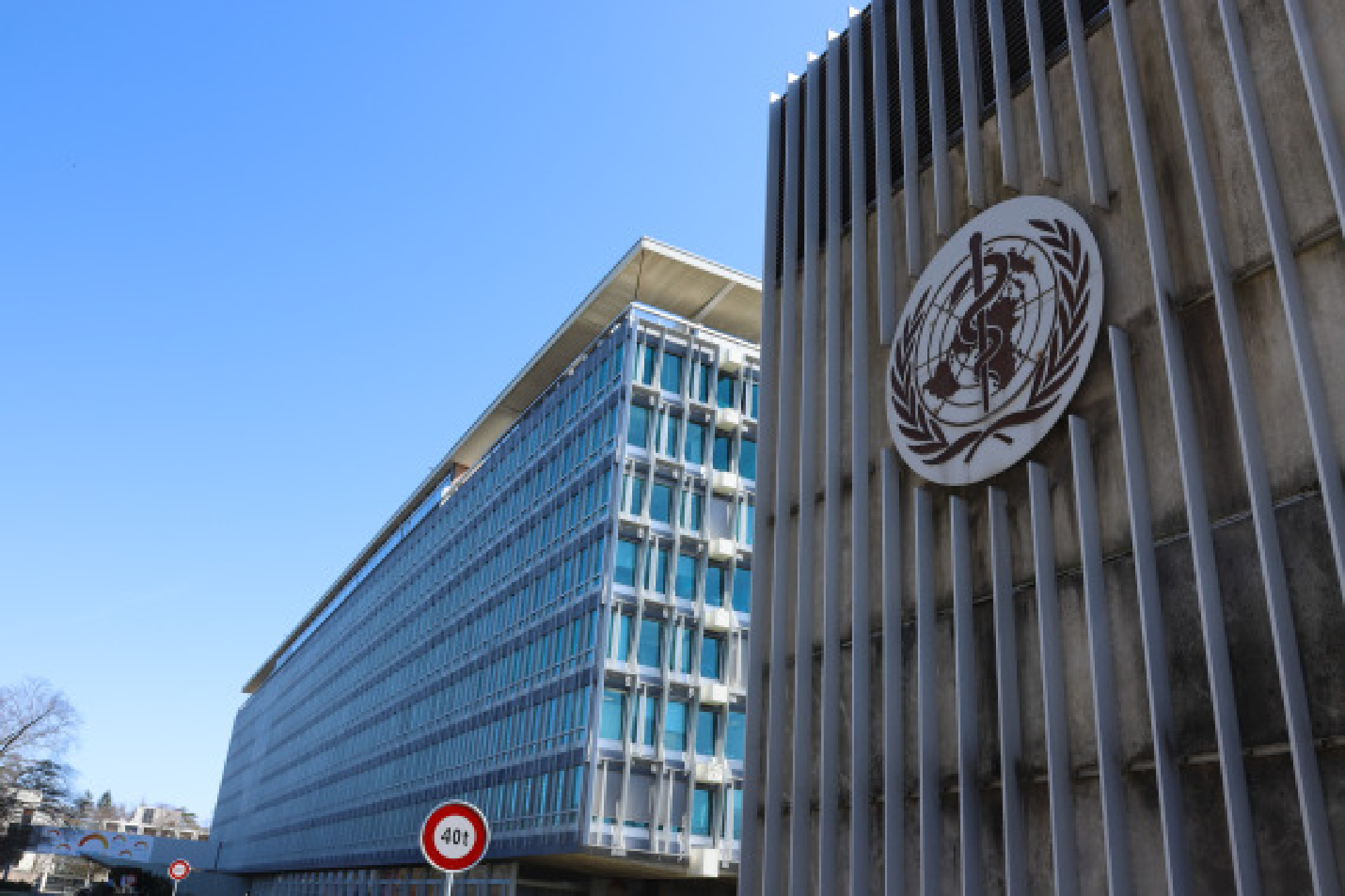
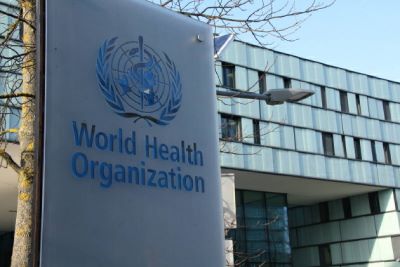
Photo taken on March 30, 2021 shows an exterior view of the World Health Organization (WHO) headquarters in Geneva, Switzerland.Photo taken on March 30, 2021 shows an exterior view of the World Health Organization (WHO) headquarters in Geneva, Switzerland.
This work plan, put forward unilaterally by the WHO Secretariat, is inconsistent with the requirements of the resolution of the 73rd World Health Assembly, which clearly stipulates that the WHO secretary-general will continue to work closely with member states to identify the zoonotic source of the virus and the route of introduction to the human population, according to the spokesperson.

This means that the formulation of the next-phase origin tracing work plan needs to be led by WHO member states, and the WHO has to reach consensus with its member states after full consultation, said the spokesperson.

The origins study is a serious scientific issue that requires the cooperation of global scientists, the spokesperson added.

“We hope the WHO can adhere to the spirit of science, professionalism and objectivity and work with the international community to jointly uphold the scientific integrity of origins study, resist politicization and safeguard the sound atmosphere of global anti-epidemic cooperation,” the spokesperson noted.    

Published : August 02, 2021

By : xinhua

Displaced Afghan families suffer in makeshift camps, hoping to live in peace #SootinClaimon.Com

#SootinClaimon.Com : ขอบคุณแหล่งข้อมูล : หนังสือพิมพ์ The Nation.

https://www.nationthailand.com/international/40004073

Displaced Afghan families suffer in makeshift camps, hoping to live in peace


“My utmost desire in my life is to see peace and to live in peace. This is my dream and what I am praying for,” said an Afghan displaced woman whose house has been destroyed by the ongoing war in the country.

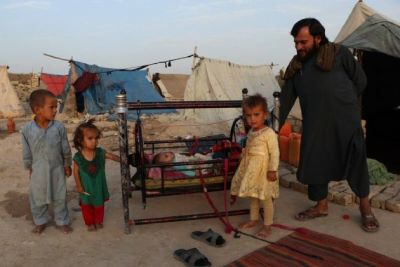
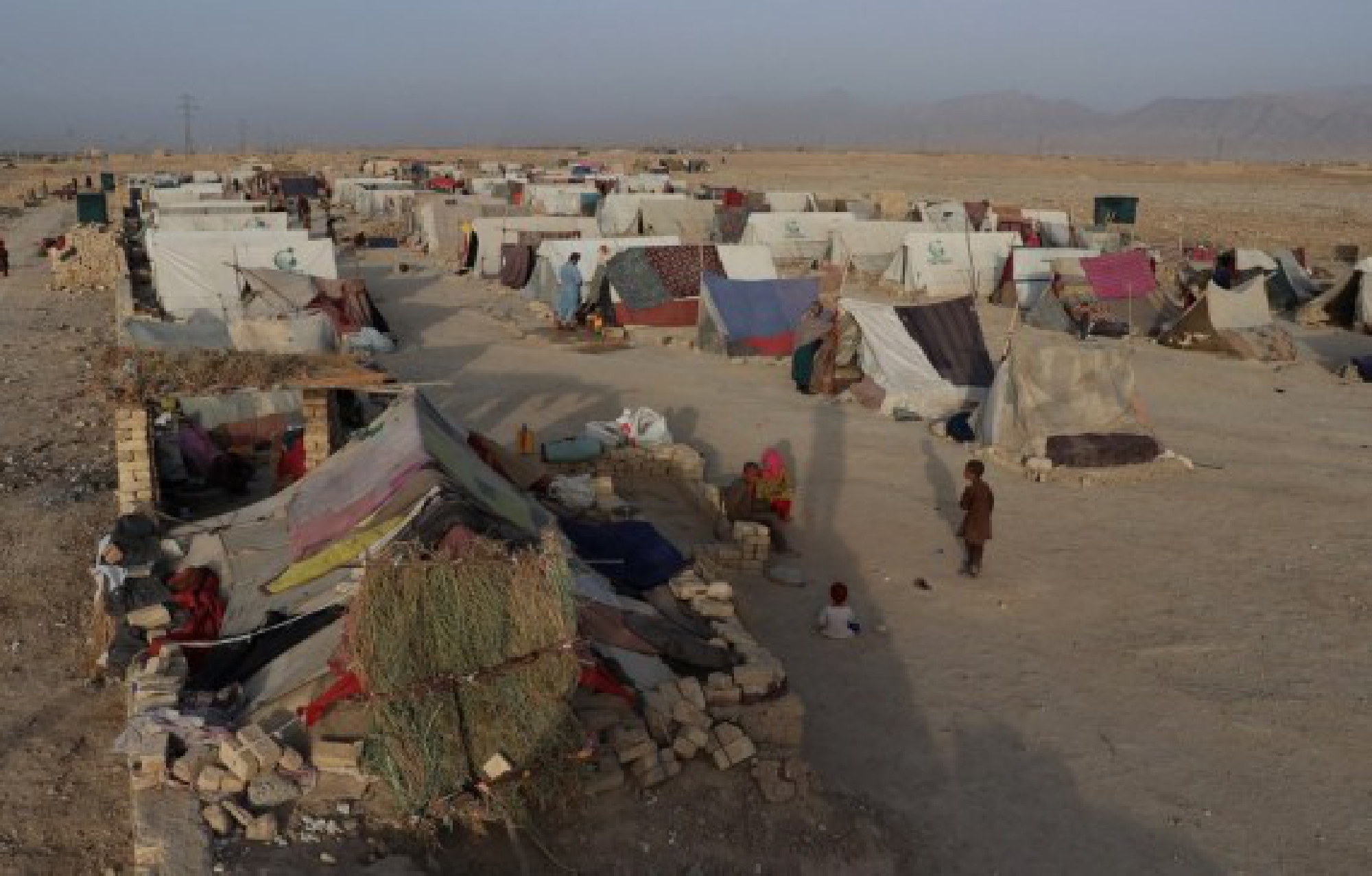
Bibi Maryam, a displaced woman in Mazar-i-Sharif city, the capital of Afghanistan’s northern Balkh province, sits in front of her tent in a makeshift camp with two kids. Her house has been destroyed by the ongoing war in the country.

The 37-year-old woman, who seems much older than her real age, said there had been gunfire almost every day, and she had witnessed the killing of innocent people and destruction of houses.

ADVERTISEMENTx

“My utmost desire in my life is to see peace and to live in peace. This is my dream and what I am praying for. If peace returns I would return to my village and resume my normal life,” Maryam told Xinhua.

Maryam denounced the ongoing war in Afghanistan as the source of all sufferings of the ordinary Afghans and lamented that the war has destroyed their houses, rendered many homeless and left countless children orphaned.

“The war has turned to ash our house, and I am living along with my nephews whose father has gone missing,” Maryam murmured.

Living in a tent in the makeshift camp outside Mazar-i-Sharif where the temperature is usually above 45 degrees Celsius in summer, she had no cooler or fan available.

“We are living on charity and sometimes begging and asking for alms to find food and water. Begging is a shameful act but we have no choice,” she said.

ADVERTISEMENT

Maryam said there are casualties from both the Afghan security forces and the Taliban in the ongoing fighting every day.

“I am praying for returning peace. I am searching for peace and looking forward to seeing the return of lasting peace in Chamtal district and across Afghanistan to resume peaceful life free of fear.”

Afghanistan has been the scene of escalating fighting since the start of the U.S.-led forces pullout from the country in early May. Since May, the Taliban outfit has intensified activities and reportedly has captured some 200 districts including four in the northern Balkh province.

The escalating fighting has left many families homeless, with majority of them having settled in the makeshift camps in and outside Balkh provincial capital Mazar-i-Sharif over the past months.

“Living is very difficult in both the villages and inside the makeshift camps. In the villages people are caught in crossfire and in the makeshift camps we don’t have even the basic necessities of living, and we Afghans have been suffering since our childhood,” elder of the camp Hajji Faiz Mohammad lamented in talks with Xinhua.

ADVERTISEMENT

“We are being killed. We are deprived of our rights. Our children can’t go to school. Nobody seems to pay attention to our sufferings,” Mohammad complained.

Sayed Masoud Qadiri, chief of the Refugees and Repatriation Department in Mazar-i-Sharif, said surveys are being made on the problems of the people living in the makeshifts.

Photo taken on July 31, 2021 shows a makeshift camp site in Mazar-i-Sharif, capital of Balkh province, Afghanistan. Photo taken on July 31, 2021 shows a makeshift camp site in Mazar-i-Sharif, capital of Balkh province, Afghanistan.
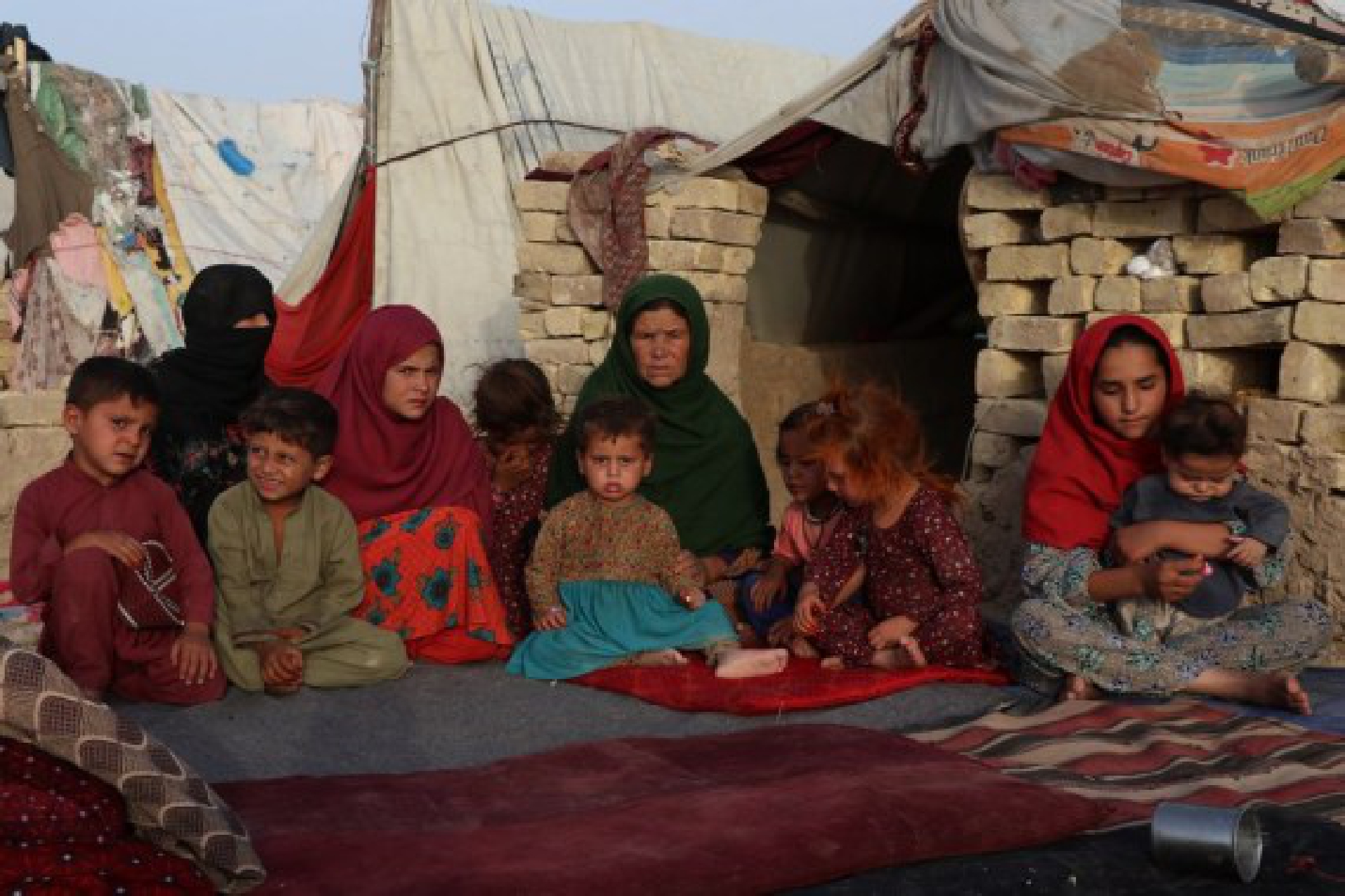
Photo taken on July 31, 2021 shows a makeshift camp site in Mazar-i-Sharif, capital of Balkh province, Afghanistan. 

Photo taken on July 31, 2021 shows displaced people at a makeshift camp site in Mazar-i-Sharif, capital of Balkh province, Afghanistan.Photo taken on July 31, 2021 shows displaced people at a makeshift camp site in Mazar-i-Sharif, capital of Balkh province, Afghanistan.
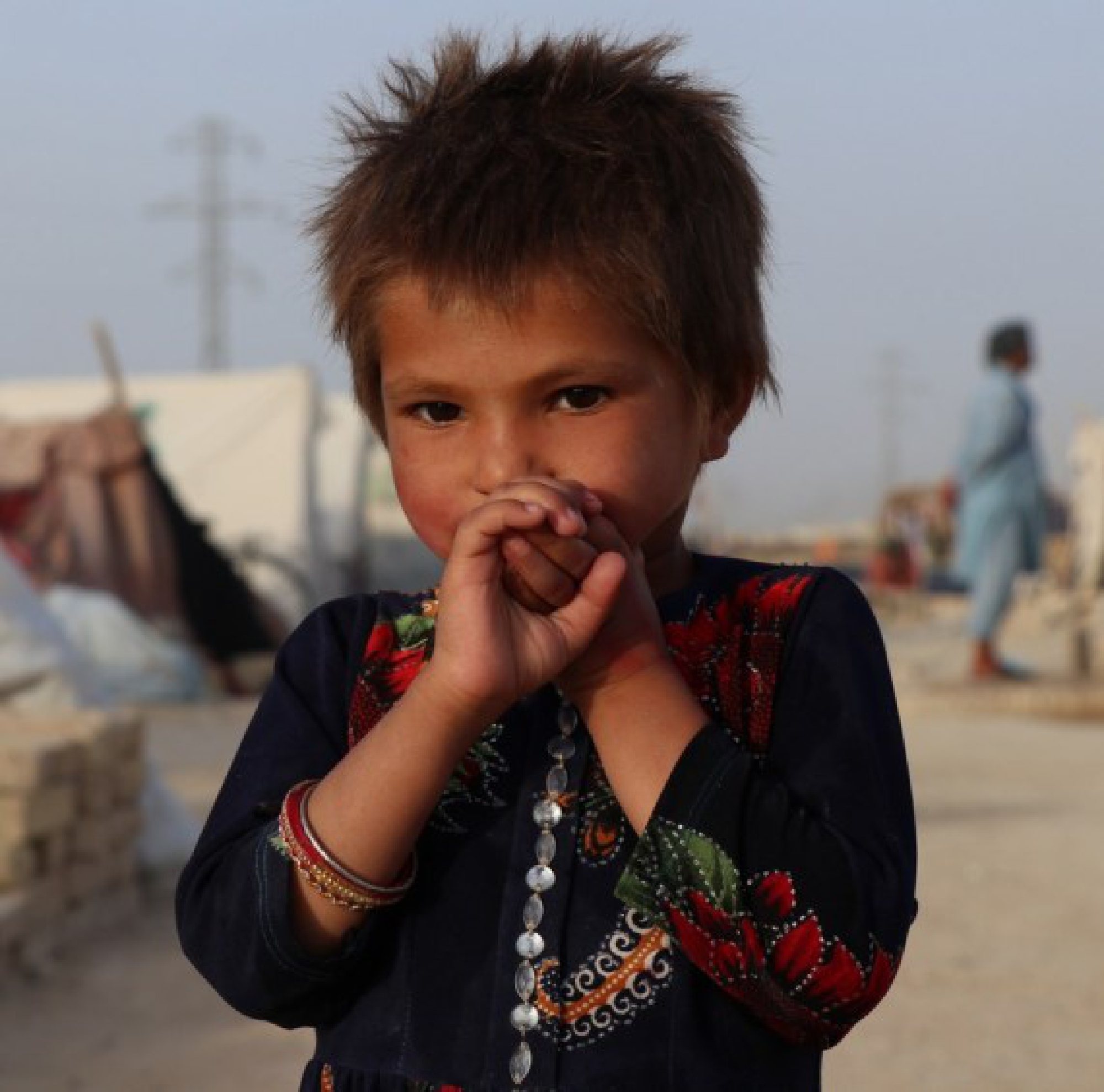
Photo taken on July 31, 2021 shows displaced people at a makeshift camp site in Mazar-i-Sharif, capital of Balkh province, Afghanistan.

A displaced Afghan child is seen at a makeshift camp site in Mazar-i-Sharif, capital of Balkh province, Afghanistan, July 31, 2021. A displaced Afghan child is seen at a makeshift camp site in Mazar-i-Sharif, capital of Balkh province, Afghanistan, July 31, 2021.

A displaced Afghan child is seen at a makeshift camp site in Mazar-i-Sharif, capital of Balkh province, Afghanistan, July 31, 2021. 

Published : August 02, 2021

By : xinhua

Zimbabwe reopens Victoria Falls border to vaccinated #SootinClaimon.Com

#SootinClaimon.Com : ขอบคุณแหล่งข้อมูล : หนังสือพิมพ์ The Nation.

https://www.nationthailand.com/international/40004071

Zimbabwe reopens Victoria Falls border to vaccinated


Zimbabwe has reopened the Victoria Falls land border with Zambia for fully vaccinated tourists to allow the smooth flow of tourists between the two neighboring countries.

Zimbabwe has reopened the Victoria Falls land border with Zambia for fully vaccinated tourists to allow the smooth flow of tourists between the two neighboring countries.

The development follows the successful rollout of a vaccination program that has seen more than 60 percent of residents in the border town of Victoria Falls being vaccinated.

ADVERTISEMENTx

Victoria Falls town is home to the mighty Victoria Falls, Zimbabwe’s prime tourist destination, and one of the world’s seven natural wonders.

The adjacent Kazungula border post with neighboring Botswana has also been opened, with the majority of visitors being vaccinated.

Despite the reopening of tourist activities in Victoria Falls, Zimbabwe remains under Level 4 lockdown and other land borders remain closed.

Earlier this week, following requests from players in the tourism sector, the cabinet resolved to reopen the two border posts to allow tourist activities to resume between the countries.

Before the pandemic, more than 350,000 people each year visited the Zimbabwean side of Victoria Falls which is shared with Zambia to witness the natural wonder.

With global travel restrictions and national lockdowns, however, tourist activities were halted for the most part of 2020.

Due to its heavy reliance on international tourists, Zimbabwe has been the hardest hit with hospitality industry, and the sector is estimated to have lost at least 1 billion U.S. dollars in potential revenue in 2020.

Following the successful rollout of vaccines in the resort town, players in the tourism sector are optimistic that the tourism and hospitality industries will return to normalcy.

Victoria Falls’s vaccination drive was launched in March with Sinovac vaccines purchased from China, and the tourist destination has become the first city in the region to archive herd immunity.

Nick Mangwana, Permanent Secretary for Information Publicity and Broadcasting Services, said Friday night that since Victoria Falls has since achieved herd immunity, President Emmerson Mnangagwa had directed that restaurants in the resort city allow sit-in customers.

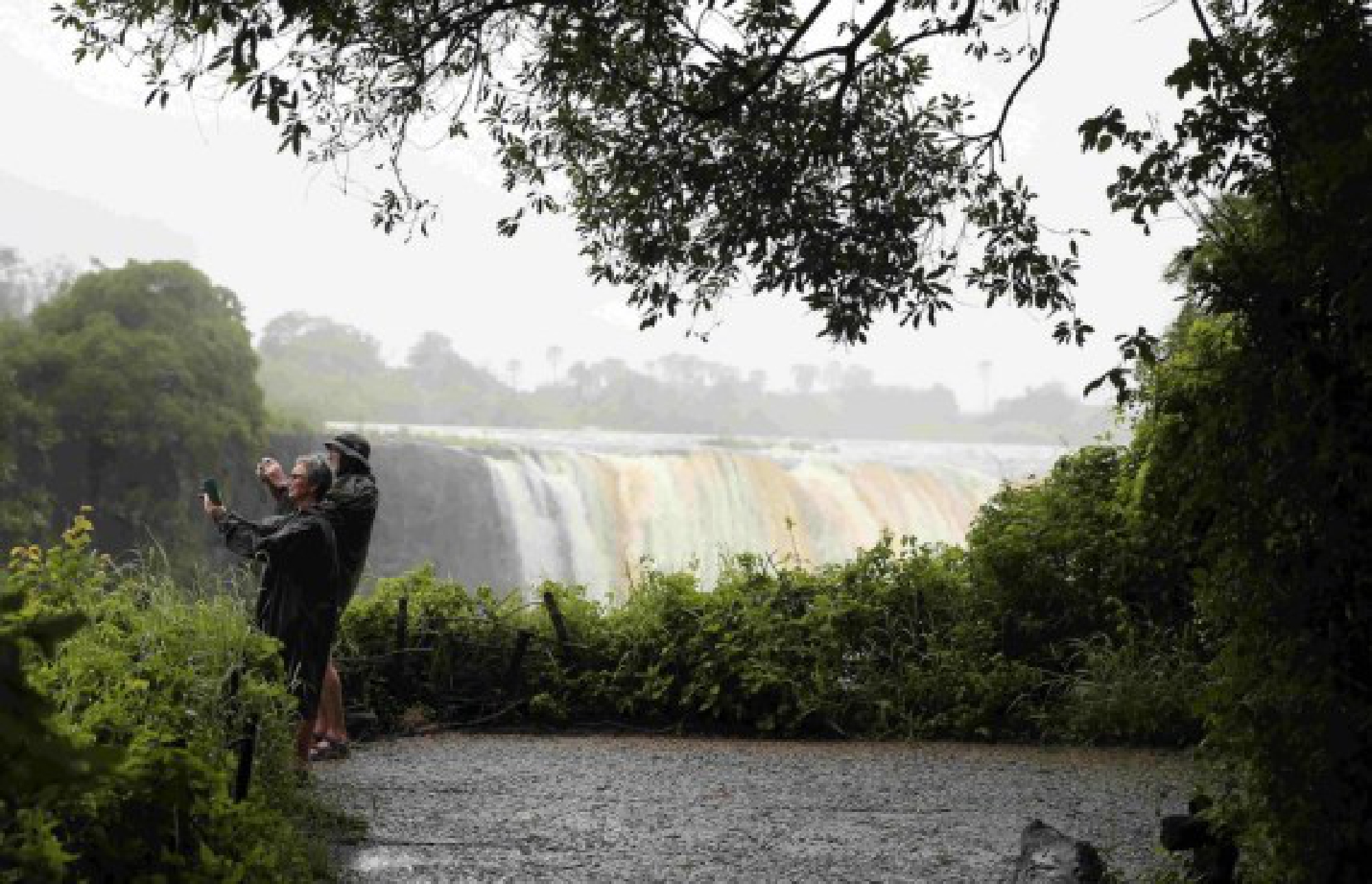
Tourists take photos in Victoria Falls National Park, Hwange District, north western Zimbabwe, Feb. 26, 2020.Tourists take photos in Victoria Falls National Park, Hwange District, north western Zimbabwe, Feb. 26, 2020.

Tourists take photos in Victoria Falls National Park, Hwange District, north western Zimbabwe, Feb. 26, 2020.

Published : August 02, 2021

By : xinhua