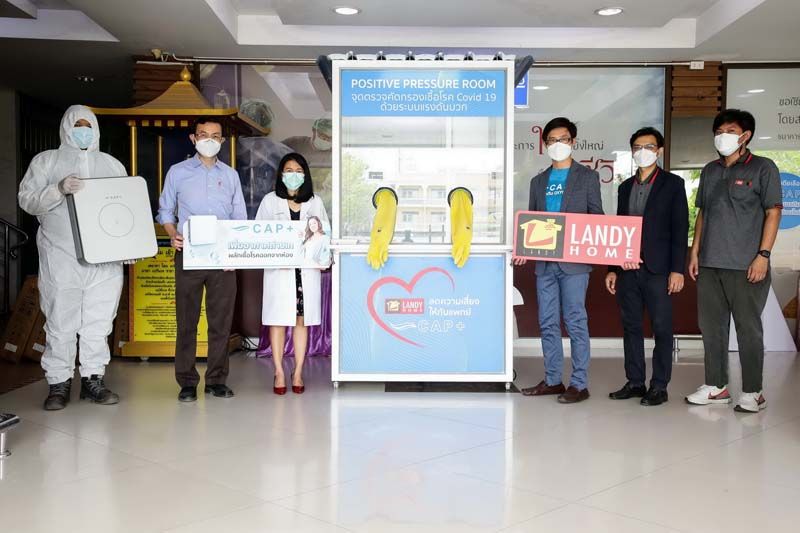
นอกจากนั้นเพื่อส่งต่อความรักและความห่วงใยให้กับนักรบชุดขาวทางบริษัทร่วมกับพันธมิตรทางธุรกิจเตรียมส่งมอบพร้อมติดตั้ง CAP PLUSรุ่น CAP200 และ ตู้แรงดันอากาศบวกให้กับโรงพยาบาลอื่นๆ ต่อไป สำหรับโรงพยาบาลใดที่ต้องการเครื่อง CAP PLUS รุ่น CAP200 หรือตู้แรงดันบวกสามารถติดต่อได้ที่ Line id @landyhomeหรือ @capplus
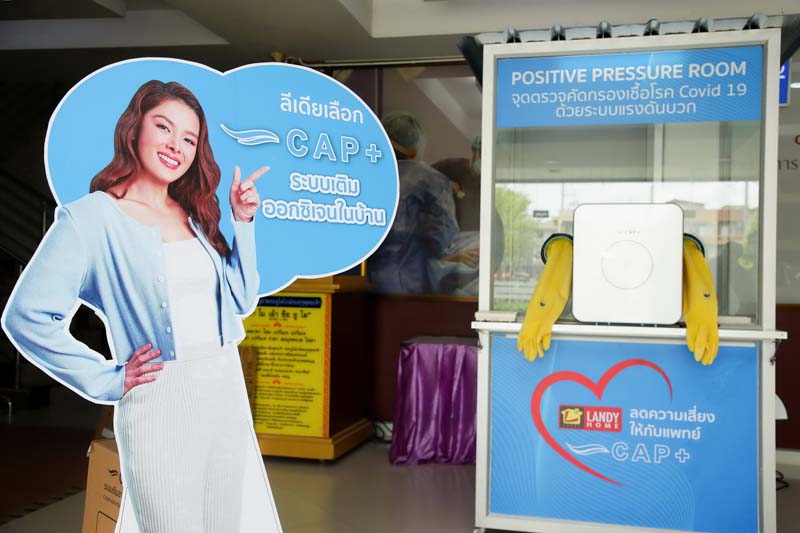
ตู้แรงดันอากาศบวก และ เครื่อง CAP PLUS รุ่น CAP200
นพ.พรเทพ พงศ์ทวิกร ผู้อำนวยการโรงพยาบาลบ้านแพ้วกล่าวว่า ขณะนี้ทางรพ.บ้านแพ้วดูแลเคสผู้ป่วยโควิด-19 รวมกว่า 2,400 ราย แบ่งเป็น 1.ผู้ป่วยกลุ่มสีแดงและสีส้มที่รักษาตัวอยู่ในรพ. 2.กลุ่ม HI (Home Isolation) รักษาตัวที่บ้าน 3.ผู้ป่วยกลุ่ม CI (Community Isolation)รักษาตัวในศูนย์พักคอย และ 4.ผู้ป่วยที่รักษาตัวในรพ.สนาม นอกจากนี้รพ.บ้านแพ้วยังคงเปิดรักษาผู้ป่วยตามปกติ เนื่องจากความเจ็บป่วยในคนไข้บางเคสไม่สามารถรอการรักษาได้ เช่น โรคเบาหวาน โรคหัวใจ รวมถึงในส่วนของทันตกรรม ดังนั้นทางรพ.จึงได้มีการจัดการระบบเพื่อให้สอดคล้องกับชีวิตวิถีใหม่ (New Normal) อย่างไรก็ตามขณะนี้แพทย์และบุคลากรทางการแพทย์เริ่มถึงขีดจำกัด เพราะจำนวนผู้ป่วยโควิดยังเพิ่มสูงขึ้นเรื่อยๆ ดังนั้นสิ่งหนึ่งที่ช่วยลดความเสี่ยงในการติดเชื้อและช่วยเพิ่มประสิทธิภาพการทำงานของบุคลากรทางการแพทย์นั่นคือ เทคโนโลยีต่างๆ อาทิ ตู้แรงดันอากาศบวก, ชุด PAPR (Powered Air Purifying Respirator), เครื่องวัดความดันแบบสอดแขน และเครื่องช่วยหายใจ เป็นต้น ติดตั้งเครื่อง CAP PLUS ให้กับ รพ.บ้านแพ้ว
Singapore can seize opportunities in increasingly digital, green and borderless world: Gan Kim Yong
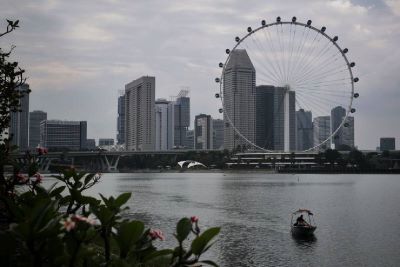
SINGAPORE – The Republic stands to gain from the new opportunities offered by the worldwide shifts caused or accelerated by the coronavirus pandemic, said Minister for Trade and Industry Gan Kim Yong on Friday (Aug 27).
The opportunities lie in global trends such as the increased focus on digitalisation, connectivity and innovation; the fast-growing green economy; and the race to transform local companies into global champions, he said.
At the same time, Mr Gan said, the global economic landscape is becoming more challenging amid increasing fragmentation on multiple fronts. These include technology and trade, accelerating industry consolidation and churn, and increasing consumer preference for e-commerce and virtual experiences.
“These shifts will cause a great impact on the trajectory of the global economy. Singapore can leverage opportunities that come our way, and emerge stronger from the pandemic,” Mr Gan said at the Ministry of Trade and Industry (MTI) Economic Dialogue 2021 held virtually on Friday.
He said that to take advantage of these global trends, Singapore needs to turn itself into a “virtually unlimited” marketplace of goods and services that allows businesses to participate in new markets and reach customers from all over the world.
This can also encourage and support more virtual training, career development, and collaboration tools for the local workforce.
“We need to create new virtual frontiers to transcend the constraints of our physical size and physical boundaries,” the minister said.
To seize new growth opportunities in sustainability and the green economy, Singapore can grab first-mover advantage in areas such as carbon trading and services, low-carbon technologies, green financing and sustainable infrastructure.
“We will help our existing industries transition to a low-carbon economy, and enable our companies to create new sustainable products and solutions.”
ADVERTISEMENTx
Mr Gan said large enterprises make disproportionate contributions to Singapore’s economy, whether it is in terms of gross domestic product, employment or productivity.
Many promising home-grown unicorns – privately-held start-ups valued at more than US$1 billion ($1.35 billion) – have emerged over the years, including Grab Holdings, PatSnap, SEA Group and Razer. They have the potential to expand further and compete successfully in the global market.
“The challenge ahead of us is to groom the next generation of future champions and soon-to-be unicorns, or ‘soonicorns’ for short. This is important in order to provide our people with new and exciting opportunities for many years to come.”
Mr Gan said Singapore must adapt to the ongoing shifts in global supply chains that challenge its position as a global financial and trading hub.
“Many companies around the world have started to localise their business operations in favour of national and regional supply chains. This can be problematic for a small and open economy like ours, as we rely on global trade to survive.
“Our challenges are exacerbated by nationalistic sentiments and growing geopolitical and economic tensions, which have turned countries inwards and created an increasingly fragmented world.”
He said as the world transitions from pandemic to endemic, it is even more important to strengthen global trade and investment linkages to support economic recovery.
The issue of supply chain resilience was also discussed with US Vice-President Kamala Harris during her visit to Singapore this week, he added.
Singapore has adopted a multi-pronged strategy that builds resilience at the national, industry and firm levels, and will continue to work with partners in the region to keep trade flowing and safeguard the open, rules-based multilateral trading system, he said.
Despite the disruptions to lives, jobs and the economy due to the pandemic, there are also bright spots and new opportunities to look forward to. “As long as we maintain our can-do spirit, remain nimble and adaptable, and embrace new ideas and innovation, I am confident that Singapore will continue to thrive.”
After Mr Gan’s speech, this year’s recipients of the Economist Service scholarship, MTI Best Thesis and MTI Book Prize were announced.
S. Korea struggling to curb surges in coronavirus infections among foreign workers
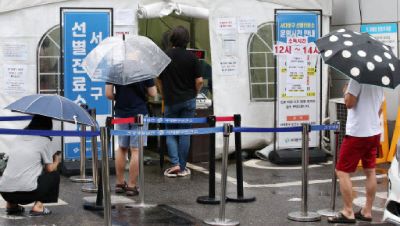
South Korea is grappling with a growing number of coronavirus cases among migrant workers, many of whom are living and working in conditions highly vulnerable to cluster infections.
New COVID-19 cases among foreign nationals last week reached 1,665, a 20.7 percent increase from the previous week, according to health authorities.
They accounted for 13.6 percent of all new cases during the period, up 2.5 percentage points from 11.1 percent a week earlier and much higher than the proportion of the foreign population in the country, which comes to 3.8 percent.
“Among foreign workers, one or two Infections tend to develop easily into mass outbreaks due to their group living and accommodation in cramped places,” Park Dong-joo, director of health, welfare and gender affairs in the northeastern province of Gangwon.
Among the 731 new cases reported in the province in August, 123, or 16.8 percent, were among foreigners.
In the city of Donghae, Gangwon, 59 foreigners were infected with the coronavirus this month, making up 57.8 percent of new cases in the city during the same period. Among them, 29 cases were linked to a steel company in the city, and 26 cases were traced to a meeting of foreign residents.
ADVERTISEMENTx
In the southeastern province of South Gyeongsang, 10 workers from Myanmar tested positive last week at a road construction site in Uiryeong County.
The counties of Haman and Changnyeong in the province reported workplace cluster infections, involving eight and 16 cases among foreign laborers, respectively, in mid-August.
In the Gwangsan district in the southwestern city of Gwangju, which has a large non-Korean population, 40 foreigners were confirmed to have contracted the virus from Aug 11-23, making up 29 percent of new cases in the district during the same period.
In port cities and counties in the southwestern province of South Jeolla, infections are growing among foreign laborers and sailors.
Health officials attribute the fast viral spread among foreign workers to their dense and cramped conditions.
In many virus clusters, two or three people lived together in one room in temporary homes with multiple workers sharing a dining room, toilet and shower room.
Health authorities also experience difficulty in tracing infection routes among foreign workers as a significant number of them are unregistered.
Foreigners illegally staying in the country totaled 392,200 at the end of last year, accounting for 19.3 percent of the foreign population, according to the justice ministry.
Local governments are coming up with various measures to curb spikes among them.
Gangwon Province is considering administering Johnson & Johnson’s single-dose vaccine to undocumented foreigners, while ensuring they will not be reported to law enforcement.
The speaker of North Jeolla Province council proposed the same measure for temporary or illegal migrant workers.
South Jeolla Province included foreign workers among the groups of people that the local government can vaccinate at its discretion.
The province also mandated diagnostic testing for Korean and foreign nationals in all businesses hiring migrant workers and offshore fishing ships. (Yonhap)
Duterte, Xi reaffirm PH-China ties, friendship in phone call
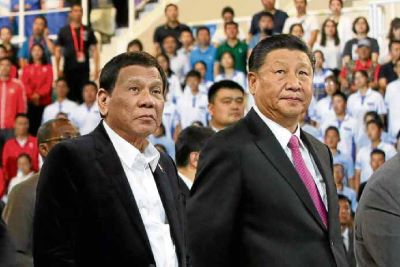
MANILA, Philippines — President Rodrigo Duterte and Chinese President Xi Jinping on Friday reaffirmed the cooperation and friendship between Philippines and China in areas like the COVID-19 pandemic and infrastructure development.
The two leaders had a “warm, open and productive” telephone conversation, initiated by China, for 45 minutes, Malacañang said in a statement.
During the phone call, Duterte congratulated Xi and the people of China on the Centennial Founding Anniversary of the Communist Party of China.
The President also reiterated the Philippines’ commitment to further strengthen bilateral ties particularly in trade, investment, and infrastructure development to boost post-pandemic recovery.
Duterte also expressed gratitude to China for its assistance in the COVID-19 response, while also “calling for greater collaboration in the public health sector, particularly on vaccine development and production.”
Recently, China donated 1 million doses of the Sinopharm COVID-19 vaccine to the country. This is on top of the 1 million doses of Sinovac it donated earlier this year.
“Asia’s dynamic future depends on how hard we all work together, how we respect each other and how we ensure that we as nations are mindful not just of our rights but of our responsibilities,” Duterte said, as quoted in the statement.
While he thanked China for its support in his administration’s Build, Build, Build program, Duterte also encouraged “increased Chinese investments in key sectors such as agriculture, fisheries, information and communications technology and science and technology.”
Xi, for his part, thanked Duterte whom he considers a “good friend and dialogue” for his “vital role in putting China-Philippines relations back on track.”
ADVERTISEMENTx
China will continue to foster a “principled friendship” with the Philippines, Xi assured.
The Chinese president also said that the Philippines can expect more rice donations to keep their commitment in 2018 to donate a total of 10,000 metric tons of rice, 5,275 metric tons of which have already been delivered.
Terrorist attack brings more uncertainty to Afghan situation
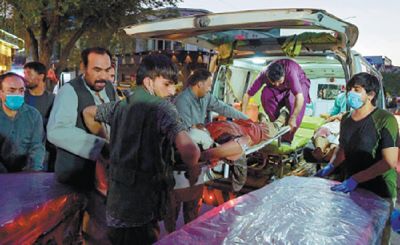
The daily chaotic scenes of evacuation at Afghanistans Kabul airport turned into scenes of death and maimed survivors on Thursday as a suicide bomber killed at least 79 Afghans and 13 US troops, bringing more uncertainty and risks to the war-torn land.
The United States said on Friday that a deadly attack at the gate to the airport on Thursday was carried out by one suicide bomber, not two.
“I can confirm for you that we do not believe that there was a second explosion at or near the Baron Hotel, that it was one suicide bomber,” Army Major General William Taylor told Reuters.
The Islamic State terrorist group claimed responsibility for the attack, injecting further panic into the final days of an already frenzied US-led airlift.
Taliban spokesman Suhail Shaheen said in a message: “We strongly condemn this gruesome incident and will take every step to bring the culprits to justice.”
China on Friday condemned the attack at Kabul airport, saying it is ready to work with the international community to address the threat of terrorism and prevent Afghanistan from becoming a source of terrorism again.
Foreign Ministry spokesman Zhao Lijian said at a daily news conference that the attack showed the security situation in Afghanistan remains complicated and severe. Relevant sides should take effective measures to ensure a smooth transition of the situation there and the safety of the Afghan people and foreign nationals in Afghanistan.
Zhao noted that no Chinese people were killed or injured in the attack.
He also reiterated China’s concerns over the East Turkestan Islamic Movement, an international terrorist organization listed by the United Nations Security Council that constitutes a direct threat to the security of China.
ADVERTISEMENTx
US President Joe Biden and General Frank McKenzie, the US general overseeing the evacuation of Afghans, US citizens and others, said that the attack wouldn’t halt the US-led airlift.
“We are continuing to bring people onto the airport,” McKenzie said at the Pentagon a few hours after the explosion. “The plan is designed to operate under stress.”
He also noted that there were still around 1,000 US citizens in Afghanistan.
US Defense Secretary Lloyd Austin said that “we will not be dissuaded from the task at hand”, a reference to evacuations from Kabul airport before the Aug 31 deadline set by Biden to leave the Taliban-controlled country.
On Friday morning, some evacuation flights resumed with queues of people seen lining up on the tarmac, but there were no more crowds near the sites of the blast.
The United Kingdom and Spain announced their evacuation operations would end on Friday, after Canada and Australia had already stopped their flights.
The overall organization of the US withdrawal is “very chaotic and hasty”, giving terrorists an opportunity to take advantage of the situation to create more chaos, said Dong Chunling, a research fellow at the China Institutes of Contemporary International Relations.
“In the past two decades, Afghanistan has not solved the fundamental problems of domestic power fragmentation, people’s livelihoods and well-being that easily lead to the breeding of terrorism,” he said. “After the withdrawal, the situation in Afghanistan is more like a pile of dry firewood, which can be ignited by terrorists.”
US President Joe Biden said that he had instructed the US military to develop plans to strike IS.
However, Dong said if the breeding ground for terrorism cannot be eliminated fundamentally, the war on terrorism can only be counterproductive.
“In the past two decades, the US has played a leading role in the anti-terrorism war. But the current chaos shows that the country has made mistakes at the strategic level,” he said. “If the US does not change its behavior, including pursuing hegemonism and creating clashes of civilizations, the future anti-terrorism situation will not improve.”
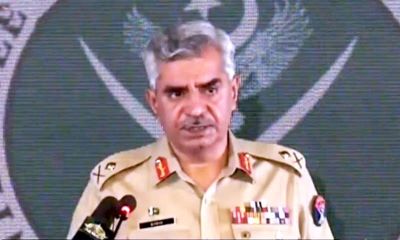
Inter-Services Public Relations (ISPR) Director General Maj Gen Babar Iftikhar on Friday emphasised that the situation on the Pakistan-Afghanistan border was “normal and under control” while Pakistans side was “secure”.
At the outset of his press conference in Rawalpindi, he said he would talk about the evolving situation in Afghanistan and the implied national security problems that Pakistan could face, along with the measures the armed forces had taken and would continue to take to “ward off any spillover of insecurity and instability into Pakistan”.
Prior to the Taliban’s takeover of Kabul, the military situation in the war-torn country “unfolded rapidly”, he said, adding that Pakistan had already started taking the measures it needed to guard the Pakistan-Afghanistan border and to ensure security.
Pakistan had apprehensions that the situation would unfold in the way that it did and there could be a “spillover”, which is why it took the steps it did, he elaborated.
He recalled that Pakistan had started “beefing up” its security since 2014, including Operation Zarb-i-Azb and Operation Radd-ul-Fasaad.
“The political and military leadership in Pakistan had foresight that something like this (Taliban takeover in Afghanistan) could happen. So, despite whatever has happened on that side (Afghanistan), the situation on the Pak-Afghan border is normal and under control.”
“This does not mean nothing can happen but we are prepared and won’t be caught unaware,” he added.
Giving the timeline of events as they unfolded in the neighbouring country, the DG ISPR said prior to August 15 — when the Taliban entered Kabul — several soldiers belonging to the Afghan National Army entered Pakistan on more than two occasions, seeking safe passage because they feared their posts might come under attack by the Taliban.
ADVERTISEMENTx
“They were accepted and given safe passage back under military norms,” he added.
Pakistan’s armed forces “anticipated the way the situation was going to unfold and the chance of instability” spilling over and moved troops to important border crossings to ensure control, he said.
“Seventeen out of 78 border crossings were notified [for enhanced deployment] and all illegal crossings were closed. After August 15, the terminals and border crossings have been kept open. Convoys are also continuously moving on both sides.”
Evacuation efforts
The DG ISPR said the second-biggest site for evacuation of foreigners from Afghanistan, besides the ones in the neighbouring country, was in Pakistan.
So far, 113 flights — both military and commercial — have landed in Pakistan from Afghanistan, he added.
“The situation at the Pak-Afghan border is normal and there is no untoward incident,” he said.
‘Pakistan second-biggest victim of Afghan conflict’
Talking about the impact of the decades-long war in the neighbouring country, Gen Iftikhar noted the “biggest victims” of the conflict, besides Afghans, had been Pakistanis.
“We have faced a massive brunt since the Soviets invaded [Afghanistan] followed by the civil war. [More than] 86,000 lives have been lost [along with] Rs152 billion in economic losses and counting.
“While we were involved in this war on terror during the last two decades, we have had three major escalations on the eastern border. At the peak of this period, there were more than 90 terrorist incidents taking place in a year in Pakistan.”



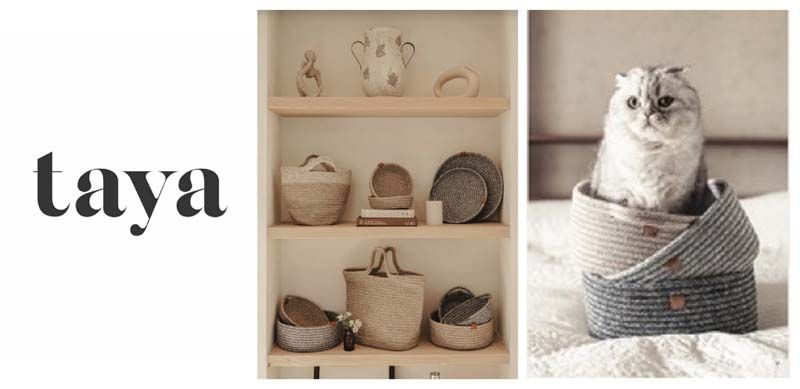
.jpg) Apercu แบรนด์นี้เน้นการผลิตและใช้วัสดุที่เป็นมิตรกับสิ่งแวดล้อม โดยนำเทคโนโลยี AR (Augmented Reality) มาเพิ่มประสบการณ์ใหม่ๆ ให้กับลูกค้าได้มีปฏิสัมพันธ์กับผลิตภัณฑ์ สร้างสรรค์ผลงานที่เน้นลวดลายมาประยุกต์กับสิ่งต่างๆ ในชีวิตประจำวัน มีผลิตภัณฑ์ของตกแต่งบ้านตั้งแต่วอลล์เปเปอร์ ปลอกหมอน ที่รองจาน และอื่นๆ แนะนำสำหรับคนที่มองหาความสนุกในการนำลวดลายมาตกแต่งให้มีสีสันมากขึ้น เรียนรู้เรื่องราวเพิ่มเติมได้ที่ FB: apercubrand หรือIG: apercubrand
Apercu แบรนด์นี้เน้นการผลิตและใช้วัสดุที่เป็นมิตรกับสิ่งแวดล้อม โดยนำเทคโนโลยี AR (Augmented Reality) มาเพิ่มประสบการณ์ใหม่ๆ ให้กับลูกค้าได้มีปฏิสัมพันธ์กับผลิตภัณฑ์ สร้างสรรค์ผลงานที่เน้นลวดลายมาประยุกต์กับสิ่งต่างๆ ในชีวิตประจำวัน มีผลิตภัณฑ์ของตกแต่งบ้านตั้งแต่วอลล์เปเปอร์ ปลอกหมอน ที่รองจาน และอื่นๆ แนะนำสำหรับคนที่มองหาความสนุกในการนำลวดลายมาตกแต่งให้มีสีสันมากขึ้น เรียนรู้เรื่องราวเพิ่มเติมได้ที่ FB: apercubrand หรือIG: apercubrand .jpg)
.jpg)
.jpg)
.jpg)
.jpg)
.jpg)
.jpg)
.jpg)
.jpg)
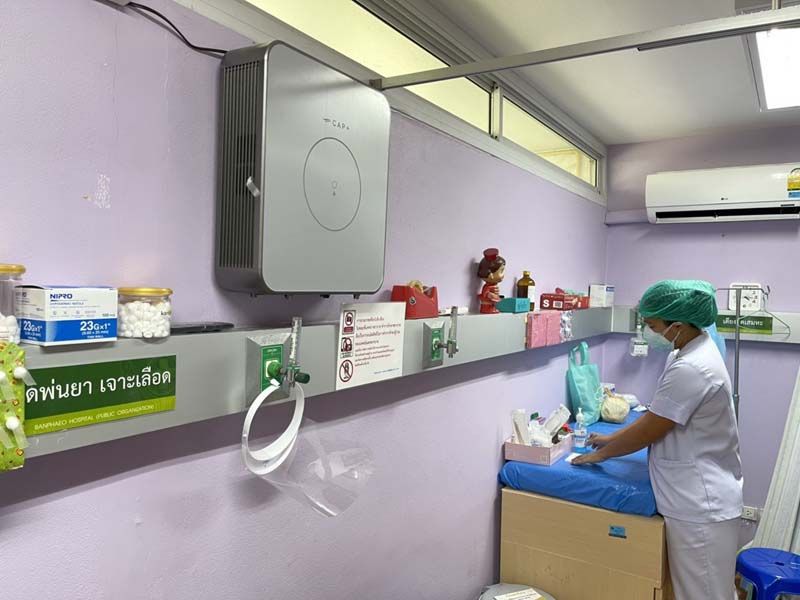 ติดตั้งเครื่อง CAP PLUS ให้กับ รพ.บ้านแพ้ว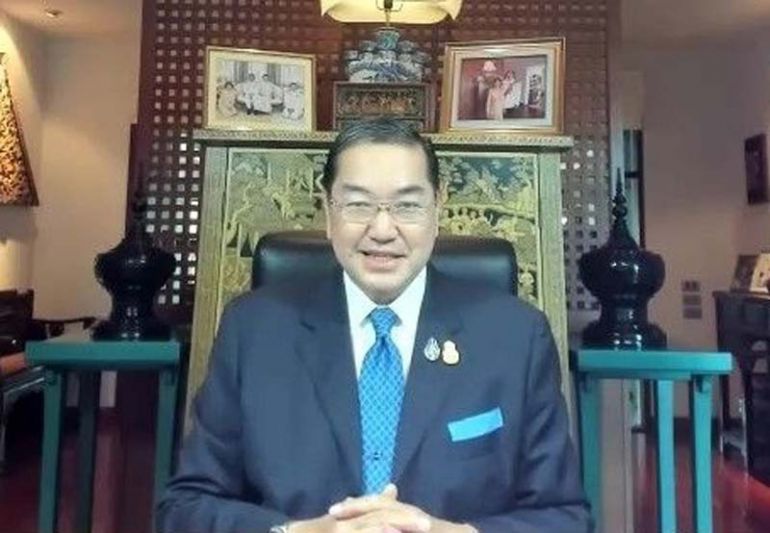
.jpg)
 รศ.ดร.โฆษิต ศรีภูธร รักษาราชการแทนอธิการบดี มทร.อีสาน
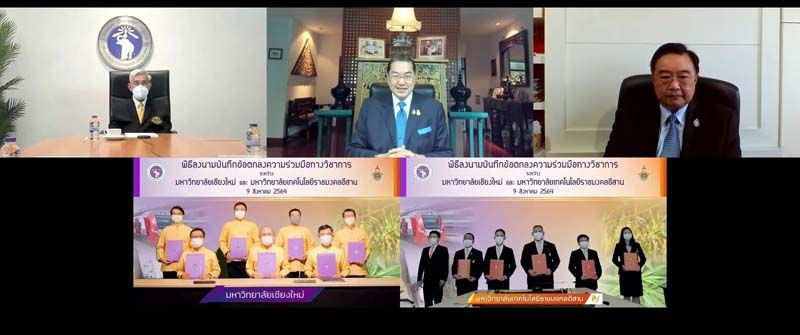 พิธีลงนามบันทึกข้อตกลงความร่วมมือทางวิชาการ ระหว่าง มช. และ มทร.อีสาน ผ่านระบบออนไลน์ (Zoom Meeting)
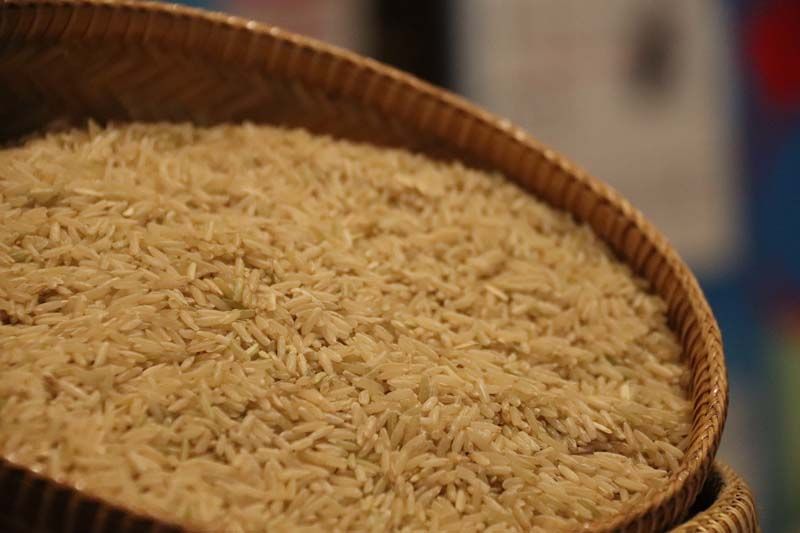 ผสานความร่วมมือในการพัฒนาข้าวสายพันธุ์ต่างๆ
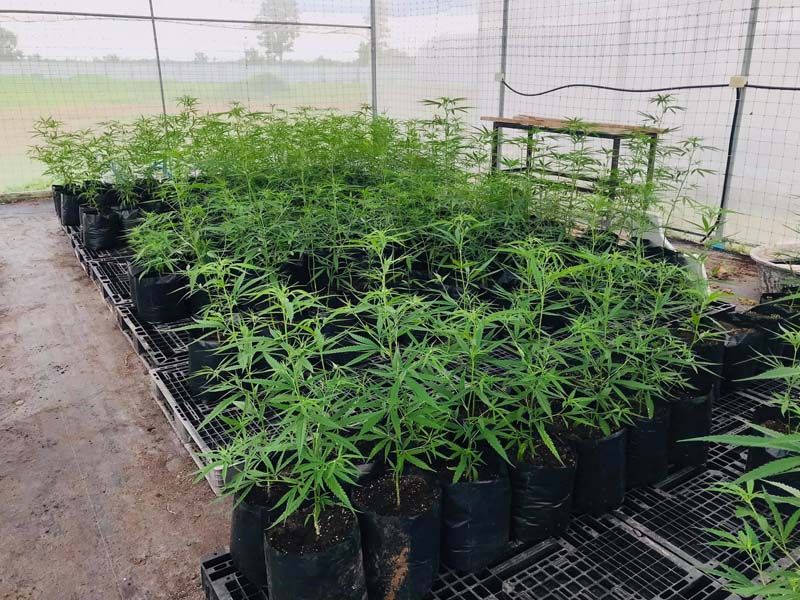 พัฒนาพืชสมุนไพรพื้นถิ่น ทั้งกัญชง กัญชา เพื่อประโยชน์ทางการแพทย์แผนไทย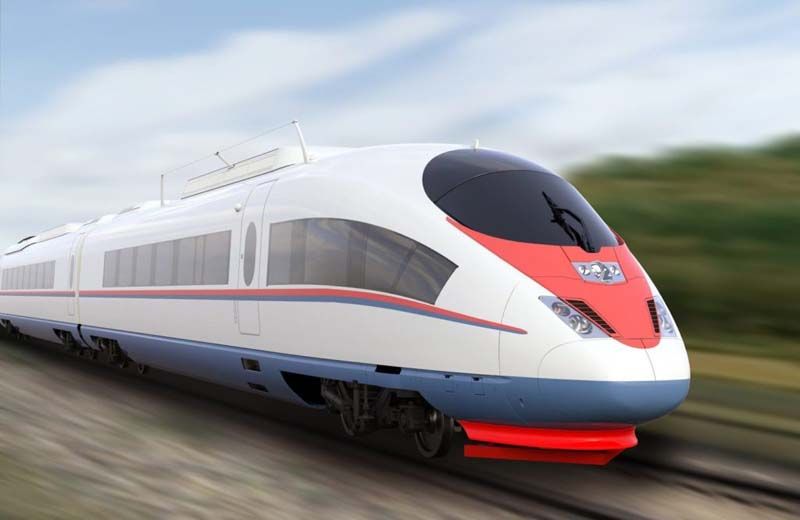
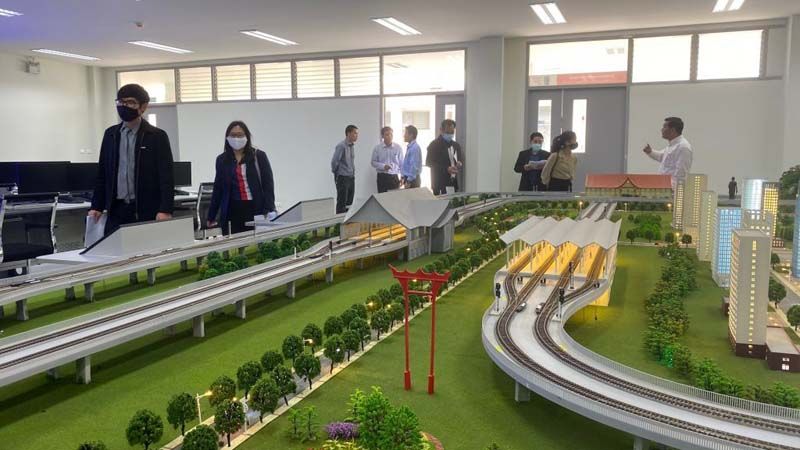
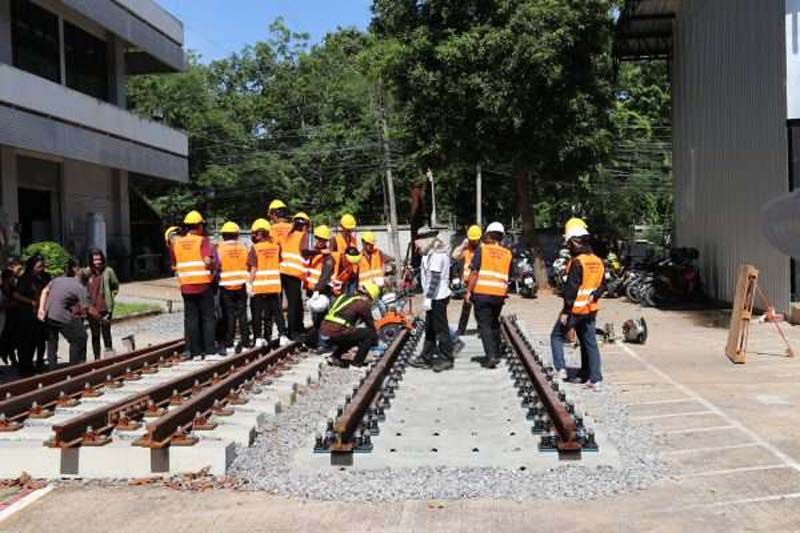 ร่วมมือทางด้านระบบราง เพื่อให้เกิดประสิทธิภาพในระบบขนส่งทางรางและความปลอดภัยในการบริการเดินรถไฟ
 SootinClaimon.Com