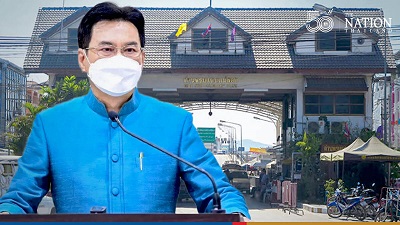
Cross-border trade rose more than 29 per cent in May, increasing for the fifth consecutive month, the Commerce Ministry reported on Tuesday.
Total trade of 677.078 billion baht represented a rise of 29.15 per cent, with exports up 33.6 per cent to 408.3 billion baht and imports up 22.93 per cent to 268.777 million baht. Thailand registered a trade balance of 139.524 billion baht spurred by recovery in neighbouring economies.
Efforts to boost trade and exports would be boosted by the opening of 11 more checkpoints as early as possible, said the ministry. Currently, more than half (51) of Thailand’s 97 border checkpoints remain closed under Covid-19 restrictions.
Thailand’s direct border trade with its four neighbours – Malaysia, Myanmar, Laos and Cambodia – rose 19.85 per cent to 371.04 billion baht in May.
Meanwhile cross-border trade via neighbouring countries to important markets such as China, Singapore and Vietnam grew 42.57 per cent to 306.038 billion baht. China remained the biggest trading partner, followed by Singapore, Vietnam, the United States, Taiwan, Japan and South Korea.
The Commerce Ministry said border and cross-border trade is on course to exceed the target of 1.4 trillion baht.
The Stock Exchange of Thailand (SET) Index closed at 1,591.43 on Tuesday, up 12.26 points or 0.78 per cent. Transactions totalled THB79 billion with an index high of 1,596.08 and a low of 1,579.44.
In the morning session, Krungsri Securities forecast Tuesday’s index would fall to between 1,565 and 1,570 points due to uncertainty over the Covid-19 outbreak, especially in Asia and Britain.
It added that negative sentiment over the virus crisis had led to a drop in the oil price.
“In addition, volatile fund flows and the Thailand Futures Exchange’s move to roll over its futures contracts would pressure the index,” Krungsri Securities said.
The 10 stocks with the highest trade value today were KBANK, RCL, BANPU, SCGP, GUNKUL, SCB, HANA, PTT, PTTEP and SCC.
Other Asian indices were on the fall except in Taiwan:
Japan’s Nikkei Index closed at 28,812.61, down 235.41 points or 0.81 per cent.
China’s Shanghai SE Composite Index closed at 3,573.18, down 33.19 points or 0.92 per cent, while the Shenzhen SE Component Index closed at 14,999.80, down 150.37 points or 0.99 per cent.
Hong Kong’s Hang Seng Index closed at 28,994.10, down 274.20 points or 0.94 per cent.
South Korea’s KOSPI closed at 3,286.68, down 15.21 points or 0.46 per cent.
Taiwan’s TAIEX closed at 17,598.19, up 7.22 points or 0.041 per cent.
Thailand sows seeds for plant-based food revolution
Thailand’s plant-based food industry is tapping climate trends in a bid to become a global leader in ethical and environmentally friendly food.
Plant-based food or “fake meat” is hailed by the United Nations as one solution to climate change that is being driven by the global meat and dairy industries.
These two industries pump out 30-40 per cent of all global carbon emissions and cause biodiversity loss as small-scale farms are converted to industrial agriculture.
Krungthai Compass Research Centre estimates that profits from Thailand’s plant-based food industry could rise from the current 2-10 per cent per year to 10-35 per cent by 2024, with an estimated total market value of THB45 billion. It said the forecast is driven by strong domestic demand for plant-based meat, meal and egg products. The research house cited over $3 billion (THB95.9 billion) invested by bioengineered food start-ups in Thailand in 2019.
Thailand sows seeds for plant-based food revolution
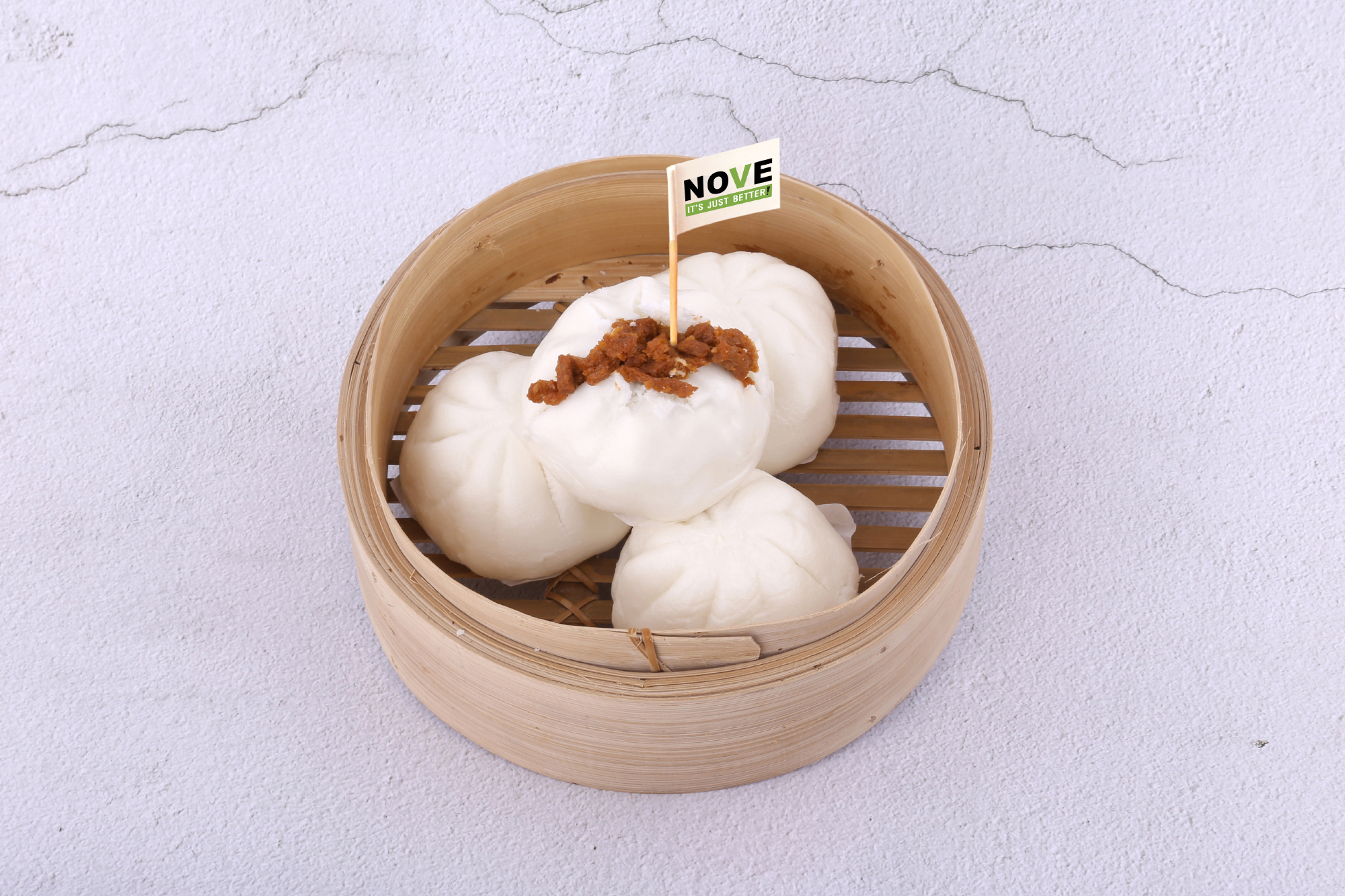
Helping drive Thailand’s global ambition for plant-based food is NR Instant Produce Plc (NRF). Under its motto “Food For Future”, NRF is a leading producer of plant-based food, seasoning, instant food and vegan dishes sold with eco-friendly packaging and the “V” logo.
Dan Pathomvanich, the company’s CEO, says NRF is fighting global warming with food that promotes sustainability thanks to a low-carbon manufacturing process.
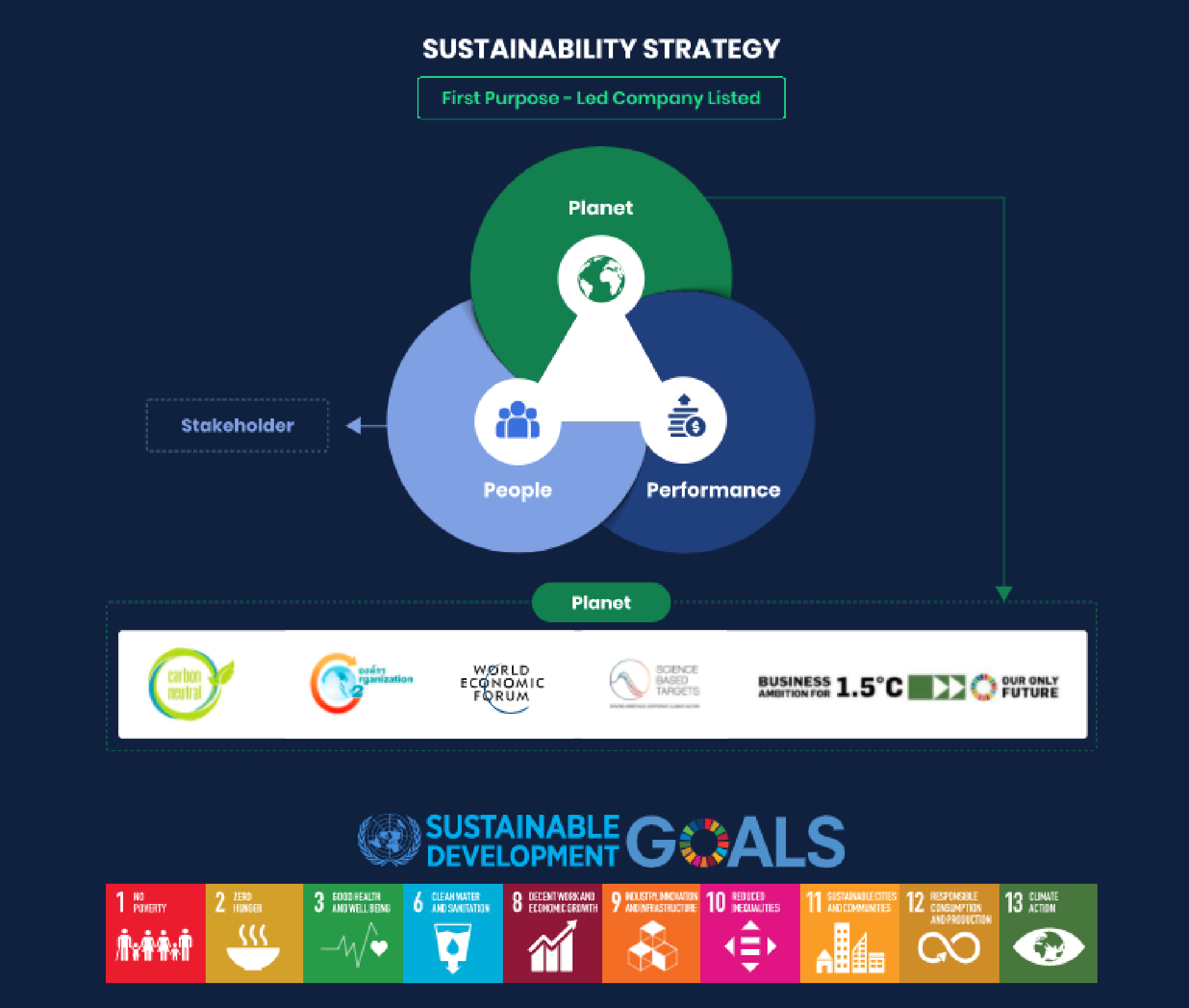
“The company has invested in technology to create the next evolution of food,” he said. “We aim to increase food processing efficiency, productivity as well as quality of raw materials and ingredients to create food products that are not only delicious but also promote consumers’ quality of life under the UN’s Sustainable Development Goals.
NRF is Thailand’s first food company to be awarded Carbon Neutral Certification for two consecutive years, said Dan. Other company initiatives to reduce carbon emissions include working with partners to install solar panels on their factories and urging farmers to cut their use of chemicals to minimise the environmental impact, he added.
NRF has also been working with the Agriculture and Cooperatives Ministry to plant 26 million rai of forest by donating 3 per cent of its dividend to the project, said Dan.
The company has a 10-year plan to build plant-based food factories in Thailand, the United States, Europe, South America and India in the next 10 years with a budget of THB5-7 billion.
“We hope that in the next three years we will be able to increase our plant-based food output by 100,000 tonnes,” said Dan.
Consuming 100,000 tonnes of plant-based meat instead of real meat would reduce carbon emissions by 330,000 tonnes, he added.
In its mission to make Thailand a manufacturing hub of alternative protein, NRF has joined the World Economic Forum and established a non-profit affiliate called “Root the Future” to persuade people to switch from meat to plant-based food. A year after launching, Root the Future now has more than 30,000 followers and content seen by 4.4 million viewers per week. NRF has also joined the Global Compact Network Thailand (GCNT), a sustainability network under the UN United Nations with more than 13,331 member organisations from 165 countries working to achieve the Sustainable Development Goals.
“The biggest challenge when introducing a change is to create awareness among stakeholders, such as chemical manufacturers and distributors,” said Dan. “After all, it is human nature to start seeking solutions only after a problem occurs.”
“Modern investors can no longer consider only the profits, they have to think about the environmental impact as well,” he added. “NRF is proud to be an agent focusing people’s minds on environmental concerns. We also hope that NRF will one day become the first carbon negative company in Thailand.”
Thailand sows seeds for plant-based food revolutionPlant-based food industry in Thailand
– Profit projected to rise from 2-10% to 10-35% by 2024
– Estimated market value in 2024 of THB45 billion
– Average annual growth forecast at 10%
Products with potential in Thai market
– Plant-based meat
– Plant-based meal
– Plant-based egg
*** Start-up companies in bio-engineered food invested more than $3 billion in Thailand in 2019.
Autobacs gunning to become Thailand’s No 1 car-servicing brand
Japan’s Autobacs is aiming to be the top car-service brand in Thailand, has been known to Thais for around 20 years since its first branch was established in Thailand.
Japan’s Autobacs is aiming to be the top car-service brand in Thailand, by increasing its branches and adding more services for customers.
Autobacs has been known to Thais for around 20 years since its first branch was established in Thailand. However, initially boasting only 10-12 branches, its fame did not spread across the whole country.
The turning point for the brand came in 2014, when PTG Energy (PTG) bought a stake in the parent company, Siam Autobacs. PTG currently owns 76.52 per cent of Siam Autobacs shares.
PTG executive vice-president Rangsun Puangprang said the car-service business has a long future, while Autobacs is a market leader in Japan and is also well received in Thailand.
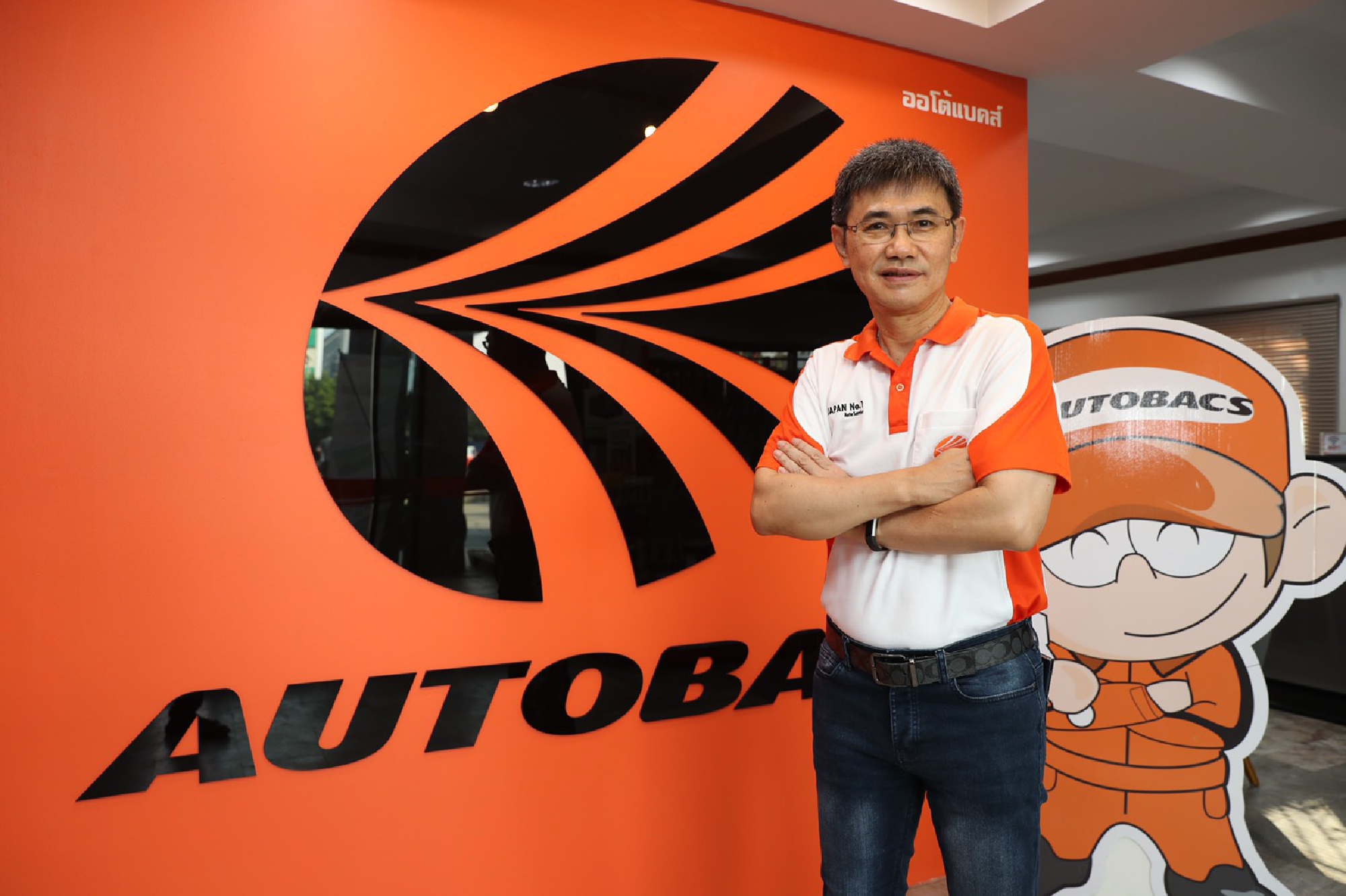
Mr. Rangsun Puangprang Autobacs – Present Director // PTG – Executive Vice President
Rangsun added that PTG is able to improve Autobacs thanks to its strength as a big fuel retailer in Thailand. PTG also has a network of filling stations across the country, as well as reliable alliances, especially in the auto sector.
“We have a huge customer base, considering the 18 million holders of PT Max Cards [the PT filling station card]. It is advantageous for us to stage campaigns or point-collection activities” he said.
The executive vice-president also said that Autobacs’ network of branches must be extended to promote growth of the brand among competitors.
Autobacs currently has 16 branches, with another four about to open. By the end of this year, there will be 30 branches, if the Covid-19 situation in Thailand improves, Rangsun added.
Turning to the virus situation, he mentioned that the market was normalising at the end of 2020 but is now frozen by the current outbreak in 2021. “However, PTG believes in this market in the long term. The total number of Autobacs branches will reach 250 to 300 within 4 or 5 years,” he added.
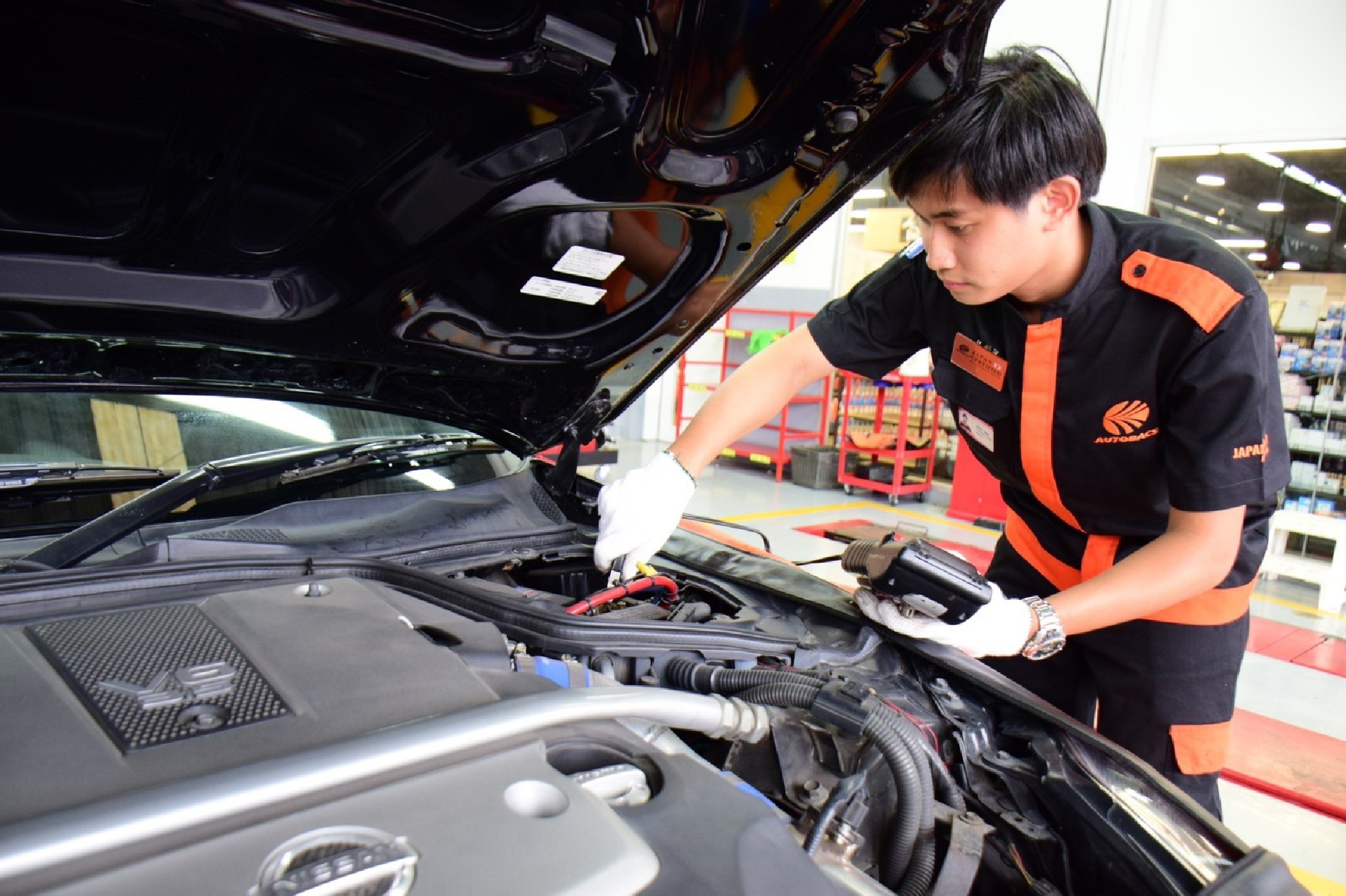
Autobacs gunning to become Thailand’s No 1 car-servicing brandRangsun said promotion of the Autobacs brand will get a boost, while service quality and variety will also be improved.
“We plan to adapt Autobacs for the changing situation. For example, people are now avoiding leaving home due to Covid-19, so we will provide mobile servicing at their home,” he explained. “Also, we plan to tap several target groups, including women, people who don’t have enough time to take care of their cars, and those who need to control their expenditure.”
Another service PTG will offer under the Autobacs brand is pre-ordering of decoration parts from Japan.
Rangsun concluded that work on expanding Autobacs will run continually, with the aim of making the brand well-known among customers and a top brand in Thailand within the next 3 or 4 years.
Scoot’s First A321neo Aircraft Takes Flight to Bangkok
Scoot’s brand new A321neo aircraft offers additional capacity and range, unlocking new network growth possibilities for Scoot while enabling us to elevate the passenger experience for Thai customers
Scoot, the low-cost arm of Singapore Airlines, today welcomed the entry into service of its new single-aisle Airbus A321neo aircraft, as it made its inaugural flight from Singapore to Bangkok Suvarnabhumi as TR610.
TR610 departed Singapore at 1524hrs on 28 June 2021 and arrived in Bangkok at 1639hrs the same day, all times local. The return flight TR611 departed Bangkok at 1733hrs on 28 June 2021 and arrive in Singapore at 2129hrs the same day, all times local.
Subsequently in August, Scoot will deploy the A321neo on its Singapore-Cebu and Singapore-Ho Chi Minh City routes. Scoot’s A321neo aircraft feature 236 seats in a single-class, 3-3 configuration.
Benefits of the A321neo
Scoot’s A321neo aircraft has a range of up to 2,620 nautical miles (nm), or 4,852 km, approximately 270nm farther than the A320neo. This allows Scoot to deploy the A321neo aircraft on short to medium-haul routes with up to six hours of flight time compared to the older-generation A320 aircraft’s four-to-five hours, thereby opening up more options for new destinations.
With a larger passenger capacity of 236 seats, 50 more than the A320neo, and more fuel-efficient engines, the single-class A321neo will allow Scoot to improve its operating economics and unit costs. It will also enable Scoot to optimise its fleet utilisation to better match capacity to demand.
For instance, it can be deployed in place of the A320 during popular seasons, days of week or flight tranches, or substitute Scoot’s larger Boeing 787 aircraft in pockets of softer demand. It can also be deployed to complement some Boeing 787 routes to enable higher and more customer-convenient frequency.
The new A321neo aircraft also underscore Scoot’s commitment to offering customers a more comfortable and improved travel experience, through features such as premium black leather seats, amply-sized overhead compartment bins, ambient lighting technologies that reduce jetlag, improved air quality, and reduced noise emissions.
In the long term, the A321neo will enable Scoot to achieve more sustainable operations and reduce carbon emissions with its enhanced sharklets and fuel-efficient Pratt & Whitney PW1100G-JM engines. Based on pre-COVID levels of operations, there is an estimated 50% reduction in noise footprint and nitrogen oxide emissions, as well as a reduction of 5,000 tonnes less carbon dioxide per year per aircraft.
Campbell Wilson, Scoot’s CEO, said, “Scoot’s brand new A321neo aircraft offers additional capacity and range, unlocking new network growth possibilities for Scoot while enabling us to elevate the passenger experience for Thai customers in a commercially viable manner. Investing in new-generation aircraft and operating a young, fuel-efficient fleet is a cornerstone of Scoot’s strategy to achieve net zero carbon emissions by 2050. Combined with our recent achievement as the world’s first and only low-cost carrier to attain the highest Diamond status in the APEX Health Safety powered by SimpliFlying global audit of airlines, Scoot is on a firm footing to recover and re-establish ourselves as the low-cost carrier of choice in the region for post-pandemic travel.”
Anand Stanley, President Airbus Asia-Pacific said, “The arrival of the A321neo at Scoot marks another milestone in the close relationship we share with the Singapore Airlines Group. With the A321neo, Scoot will be able to increase capacity and open new routes across the Asian region. The aircraft will bring new levels of efficiency with significantly reduced fuel consumption, as well as lower emissions. We are confident that the A321neo will position Scoot well for the recovery in air travel. See you onboard soon!”
Scoot fleet
ADVERTISEMENT
To date, Scoot has taken delivery of three A321neo aircraft, leased from BOC Aviation, out of a firm order of 16. Of the 16, six are an upsize from Scoot’s original A320neo orders and ten are leased. Since the start of the previous financial year 2020/2021, five A320ceo aircraft had left Scoot’s operating fleet as part of an ongoing fleet renewal plan.
Scoot now has 29 single-aisle aircraft in its operating fleet – 21 A320ceo, five A320neo, and three A321neo, with 28 A320neo and 13 A321neo remaining on order. These are in addition to 20 widebody Boeing 787 aircraft in its fleet, with seven remaining on order. The average age of Scoot’s fleet is now five years and 10 months.
Scoot’s Thailand services
Currently, Scoot is operating 11-times-weekly services between Singapore and Bangkok (Suvarnabhumi). Due to the pandemic, Scoot is resuming its services in a safe and calibrated manner. Scoot plans to resume its other Thailand services – Singapore-Chiang Mai; Singapore-Hat Yai; Singapore-Krabi; and Singapore-Bangkok-Tokyo – in due time when the time and conditions are right.
Almost 9M cryptominers prevented in SEA SMBs in 2020
more than phishing, ransomware combined, Unusually high office electricity bill despite remote work? Maybe there’s a miner
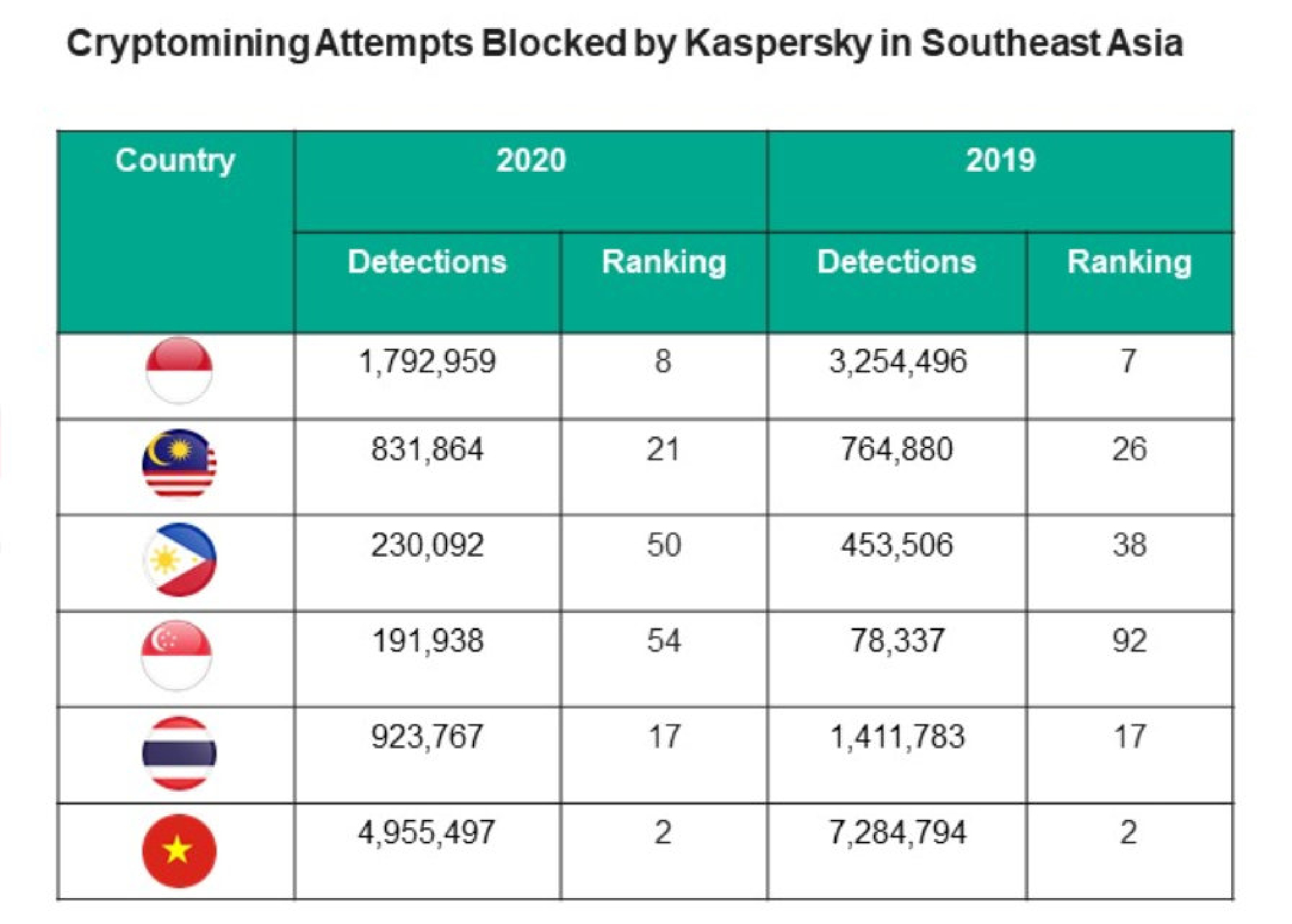
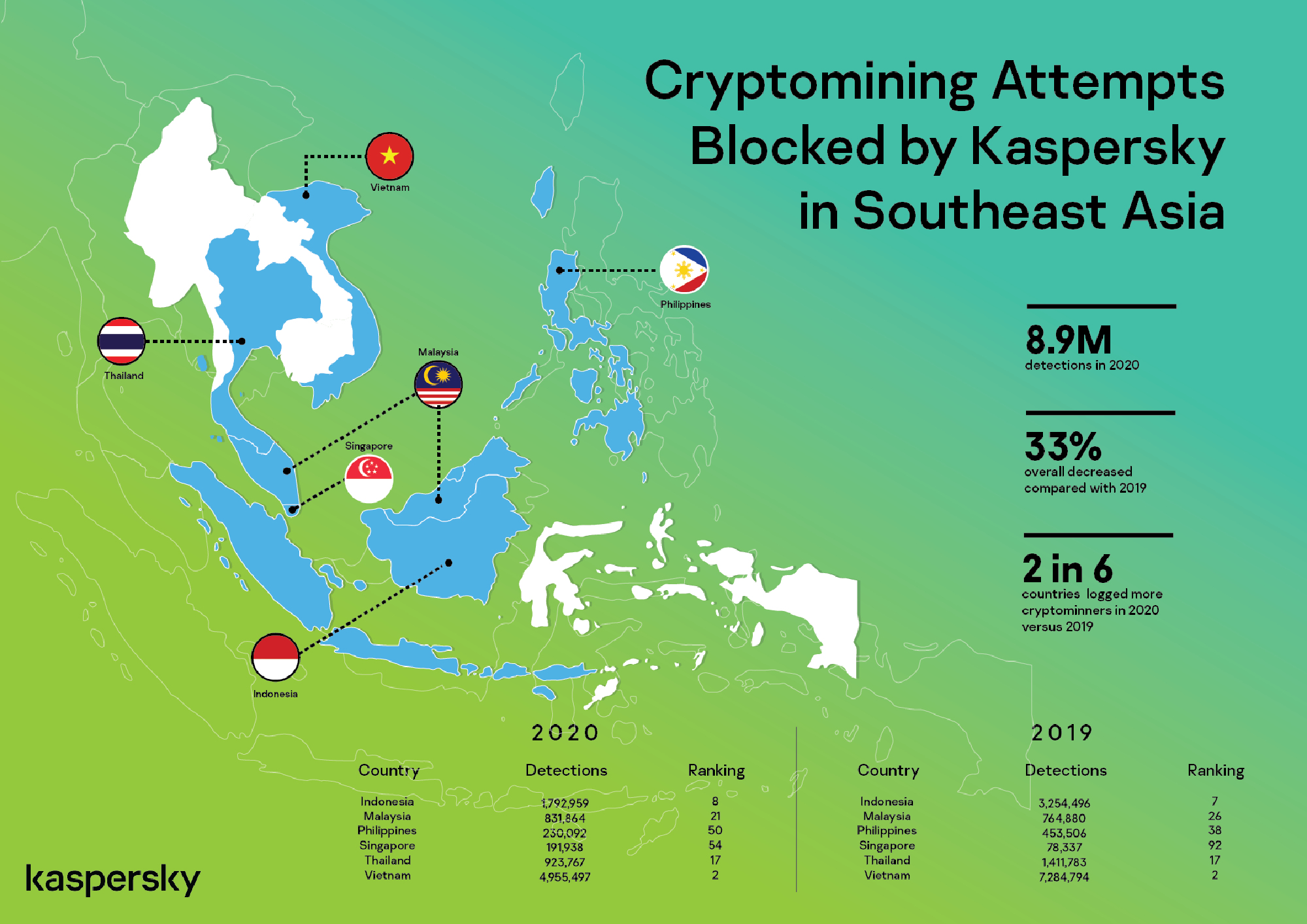
In Southeast Asia, cryptomining is the highest in terms of attempted attacks blocked by Kaspersky at 8,926,117 in 2020. Detected phishing attempts were at 2,890,825 while ransomware attempts were at 804,513 last year.
Malicious cryptocurrency malware used in cryptomining is being used by cybercriminals to use hardware they don’t own such as smartphones, computers, tablets, and servers. They then harness the processing power of these devices to mine for cryptocurrencies such as Bitcoin, the prices of which have been skyrocketing.
So if you’re a business owner and your staff are working remotely because of the pandemic yet you find your office power bill unusually high, check your IT backend. There may be cryptominers using your business resources, at your expense.
In Kaspersky’s recent 2020 SMB Threat Report, cryptomining attempts were monitored to have been reduced to 8,926,117 in 2020 from a massive 13, 247,796 detections in 2019.
“We have seen a decrease in miner attacks around the world and the same trend applies to SEA, too. The main factor behind the decreasing number of attacks is the cost of cryptocurrencies which has been declining over the past three years and only recently began to rise sharply in price again,” says Evgeny Lopatin, Malware Analyst Team Lead at Kaspersky.
Kaspersky is advising business owners not to keep their guards down.
“SMBs normally have a relaxed attitude towards information security and so the main damage from cryptomining is expected to be felt by this sector. Cryptocurrencies continue to attract investor and user attention due to the continued spike in its prices so we really caution SMBs not to underestimate the possibility that cryptomining will remain to be a serious cyberthreat. After all, cybercriminals have long realized that infecting servers is more profitable than mining on home users’ computers so SMBs should take this silent threat seriously,” says Yeo Siang Tiong, General Manager for Southeast Asia at Kaspersky.
In the region, most of the monitored cryptomining attempts prevented by Kaspersky were observed in Indonesia and Vietnam for two consecutive years, accounting for almost 71% in 2020 and 80% in 2019 of all attempted incidents in SEA.
Almost 9M cryptominers prevented in SEA SMBs in 2020
Unlike ransomware attacks which tend to be more frightening and require to be dealt with quickly, cryptominers flourish the longer they are hidden and use this stealth in the long-term to profit from the exploit.
Some tell-tale signs that personal devices are being used illegally by cryptominers include system response slowing down due to the workload strain, increase in power consumption that result in batteries depleting at a faster pace or electricity bills skyrocketing, and a more significant data usage.
Almost 9M cryptominers prevented in SEA SMBs in 2020
ADVERTISEMENT
If businesses suspect their systems being accessed by cryptominers, Kaspersky has a few tips to ensure the safety of their assets and devices:
● Keep operating systems and software fresh and regularly updated.
● Avoid clicking email links and attachments from unverified and untrusted sources.
● Practice caution when installing software from the web since cryptominers are known to embed malware in them.
● Take advantage of a strong security solution that businesses with limited cybersecurity expertise and resources could use like Kaspersky Endpoint Detection and Response Optimum (KEDRO). KEDRO is actually an efficient way for SMEs to reduce costs while saving on protection as it complements protection for endpoints such as mobile phones, tablets, and laptops connected to the company network.
● Carry out regular security audits of your corporate network. And you should not forget about less-obvious targets, such as queue-management systems, POS terminals, and vending machines. Once infected, an army of those devices can bring much profit to criminals.
Twitter Reveals 4 Key Conversation Themes in Thailand
Twitter research found four unique cultural themes on Twitter in Thailand and uncovered 10 conversational topics that shape them
Twitter is where people connect and converse. It’s where communities are formed and people engage in conversations. Thais come to Twitter to find out #WhatsHappening, connect with others, and join in conversations on a diverse range of topics. From entertainment to sports, TV to movies, beauty to current affairs; people are finding out and sharing the latest updates about these topics, and much more, on Twitter.
Conversations are at the heart of Twitter and a single Tweet can have a wide-ranging impact. Twitter took a deep dive into over 64,000 Tweets in Thailand to find out more about the power of Tweets and how Thais shape their own unique culture through conversations and communities.
Speaking of this recent research, Martyn U’ren, Head of Research APAC & Global Export – Twitter, said, “From the outset, our aim was to get an accurate view of conversations on Thai Twitter. While some conversations are louder than others, what we found was that Thai conversations are diverse and vibrant. The research has shown an interesting layering of conversational topics that form four key cultural themes. What does this mean? Our findings will help Thais to better understand the diverse communities on Twitter while providing Thai and international brands with unique insights into conversational themes and topics on Twitter in Thailand.”
This research found four unique cultural themes on Twitter in Thailand and uncovered 10 clear conversational topics that shape them. It uncovered that Thais on Twitter are a manifestation of Thai culture and that people showed a huge span of affinities in conversations, and that diversity is the norm.
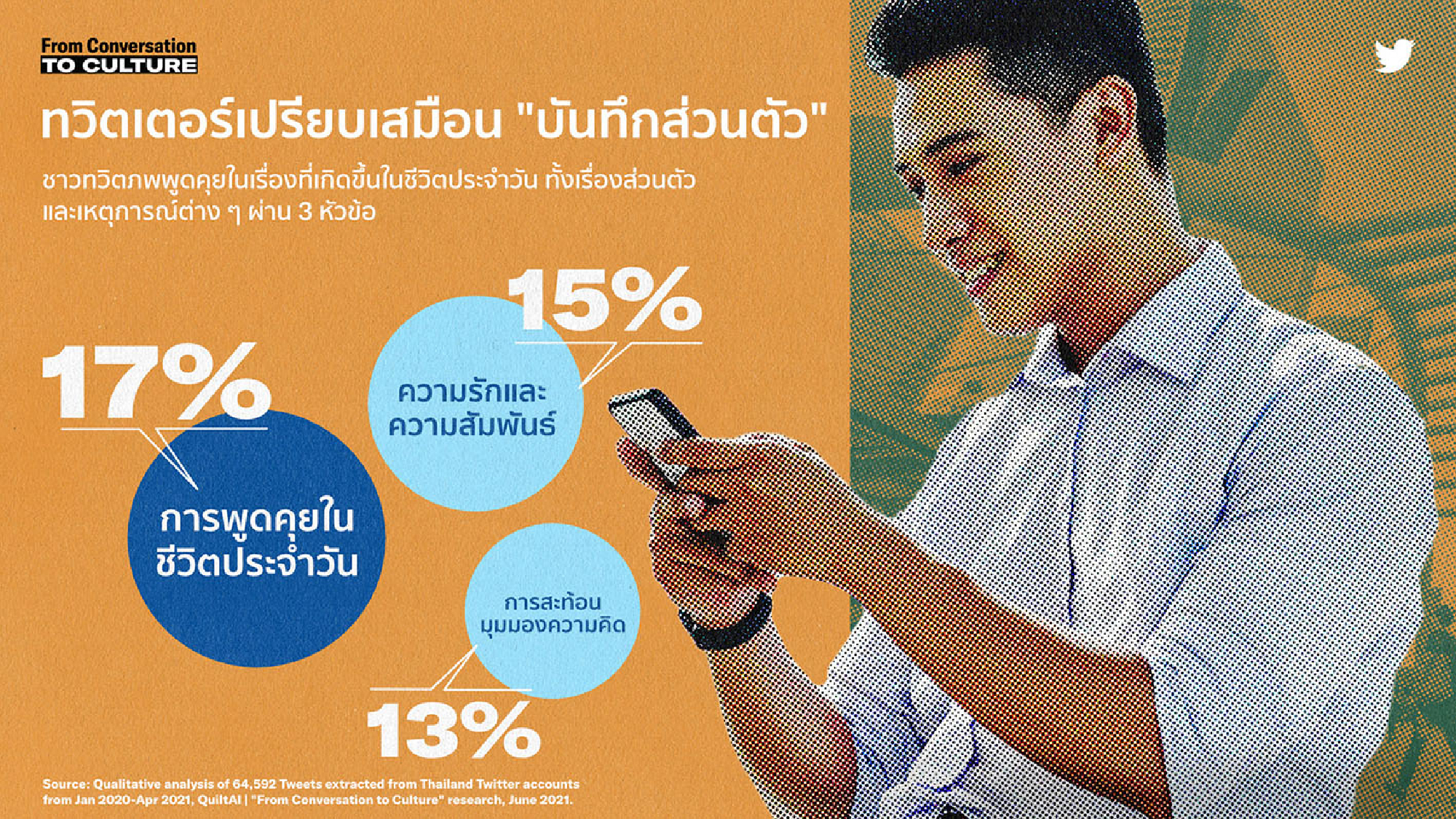
1. Personal Musings – Everyday Chatter, Love and Relationships, Self-Reflection
This is the largest space comprising 45% of the total conversation volume on Twitter in Thailand and it’s where people engage in everyday chatter – sharing their daily routine, commute and the mundane in their lives. It’s also a safe space for people to pour out their hearts and Tweet about love and relationships – their lack of, desire for, and moments with their significant others.
Thais tend to also share their daily pain points in moments of self-reflection. This might literally be small physical aches and pains like a minor headache or fatigue, though Thais also like to comment on the weather – the unbearable heat during the hot season and their desire for the rainy season to arrive.
Twitter Reveals 4 Key Conversation Themes in Thailand
2. Community and Connection – Current Affairs, Passions, Local Marketplace
Twitter is an essential part of Thais’ lives and research found that the community and connection space accounted for 35% of total conversational volume. Actively using Twitter to stay connected with their communities as well as keep themselves updated with #WhatsHappening around them, Thais Tweet regularly about current affairs; from COVID updates to cryptocurrency to local or regional politics.
Whether it’s music, sports, food or shopping; Thais also like to share their passions on Twitter. From beauty to food to restaurants and the latest fashion, Thais actively review products they’ve bought and places they’ve been. For entrepreneurs, Twitter is the place to sell their wares. From home cooked food and confectionery to clothing, fan merchandise and crafts; Thais have made Twitter their local marketplace where they showcase their creativity and products they’ve made for sale.
Twitter Reveals 4 Key Conversation Themes in Thailand
ADVERTISEMENT
3. Beauty and Wonder – Curated Aesthetics, Celebrity and Fandom, Hopes and Dreams
Accounting for 16% of conversational volume, this space sees Thais on Twitter sharing Tweets about common interests that people can marvel at. Using curated aesthetics like a photo album or digital scrapbook, people like to share places or items of beauty. Visual Tweets of everyday scenes such as cafes, beautiful homes, nature, beaches and more are common. Celebrity and fandom is another popular conversation in this space and comes alive on Twitter. From K-Pop, in particular Thai stars such as BamBam (@BamBam1A) from GOT7 (@GOT7Official) and #Lisa from BLACKPINKOFFICIAL (@BLACKPINK), to local artists such as Peck Palit (@peckpalit) and 4EVE (@4eveOfficial), and celebrities, Thais are avid fans of everything celebrity.
While the pandemic brought struggles for some, Twitter also saw hopes and dreams emerge as a key theme with people Tweeting their travel nostalgia and engaging with others by asking “Where would you travel after COVID?”
Twitter Reveals 4 Key Conversation Themes in Thailand
4. Betterment and Aspiration – Podium for Celebration, Inspirational and Uplifting
With 4% of the total conversational volume; conversations here are centered around motivations and inspiration, with people expressing their best selves. As a podium for celebration, Thais on Twitter proudly share their joy and celebrations – from graduation, good grades, birthdays, to anniversaries and more.
Thais are also generous with uplifting each other and Tweets in this space are inspirational and uplifting. Twitter is like a support network where people encourage each other through tough times – Tweets are often general, not aimed at any specific person, but for the community at large, in the event somebody needs the support.
Twitter Reveals 4 Key Conversation Themes in Thailand
Keep up-to-date with the latest happenings on Thai Twitter by following @TwitterThailand.
Facebook wins dismissal of U.S., states monopoly lawsuits
Facebook Inc. won the dismissal of two antitrust cases filed by the federal government and a coalition of states when a judge threw out the lawsuits. The social media platform shares rose.
U.S. District Judge James Boasberg in Washington on Monday granted Facebook’s request to dismiss the complaints, filed last year by the U.S. Federal Trade Commission and state attorneys general led by New York’s Letitia James.
The judge said in the opinion that the FTC failed to meet the burden for establishing that Facebook has a monopoly in social networking. He said the agency could refile the complaint within 30 days.
“Although the court does not agree with all of Facebook’s contentions here, it ultimately concurs that the agency’s complaint is legally insufficient and must therefore be dismissed,” Boasberg wrote.
With the ruling, Facebook has escaped — at least for now — the most significant regulatory threat to its business to emerge out of the wider crackdown on U.S. technology giants.
The decision delivers a blow to the FTC and the states, which claimed Facebook violated antitrust laws by buying photo-sharing app Instagram and messaging service WhatsApp to cut off emerging competitive threats and protect its monopoly.
It puts new emphasis on antitrust legislation advanced by the Judiciary Committee last week that would make it easier for enforcers to challenge anticompetitive conduct by the biggest tech platforms.
Boasberg’s decision to toss the Facebook complaints shows the hurdles U.S. antitrust enforcers face in trying to take on the internet giants. Officials on their own can’t break up companies or impose other remedies, but instead must persuade judges to take action. The process can take years.
The Facebook lawsuits were filed in December as part of a widening crackdown on America’s tech giants. The cases followed a Justice Department complaint against Alphabet Inc. for allegedly monopolizing internet search, and the findings of a House investigation that accused tech companies of abusing their dominance. Lawmakers have since proposed a pile of bills that would cast a broad regulatory net over the companies.
The Facebook lawsuits centered on the 2012 acquisition of Instagram and the 2014 takeover of WhatsApp. Officials say Facebook made the deals because it saw both companies as threats to its business. Rather than compete with its own products, Facebook followed Chief Executive Officer Mark Zuckerberg’s mantra: “it is better to buy than compete,” according to the FTC complaint.
Facebook offered $1 billion for Instagram when it had only 25 million users and no revenue, but had already started to capture the market for mobile photo-sharing. Zuckerberg said the threat from Instagram was “really scary,” according to the FTC complaint. The company paid $19 billion for WhatsApp because it saw messaging apps as another danger to its business. A Facebook executive said the apps “might be the biggest threat we’ve ever faced as a company,” the FTC complaint said.
Facebook attacked the complaints on several grounds. One of its key arguments was that the FTC investigated both acquisitions when they were announced and allowed both deals to proceed. While antitrust enforcers can challenge completed mergers, Facebook argued the FTC’s case was unprecedented and the agency never explained why its prior decisions approving the purchases were mistaken. The government simply wants a “do-over,” Facebook said.
The company also had argued that a U.S. Supreme Court ruling in April that curtailed the FTC’s authority to recover money for defrauded consumers required that the complaint be dismissed.
Published : June 29, 2021
By : Syndication Washington Post, Bloomberg · David McLaughlin
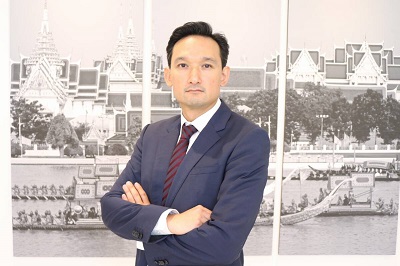
Nu To Van Partner, Tax & Legal – Global Trade Advisory Deloitte Thailand Tom Cachet Manager, Tax & Legal – Global Trade Advisory Deloitte Thailand
After a year completely disrupted by the Covid 19 pandemic, there were some indications by the beginning of 2021 that Thai Customs had picked up their audit activities on importers, most likely to make up for the limited controls on imports that preceded and in search of foregone duty and tax revenue.
Companies, which are audited by Customs, are at risk of having to pay back duties and VAT together with fines, penalties surcharges in case of non-compliance issues.
However, by April of 2021, a third Covid-wave hit Thailand and Customs decided to scale back their enforcement activities in an effort not to place an undue burden on companies already suffering from the pandemic.
To disclose or not to disclose?
Temporary incentives for self-disclosure of non-compliance to Customs
Instead, incentives are being made available to companies to self-disclose non-compliance issues with duty and tax exposures. The One-Stop-Service for Additional Duty Payment (One-Stop-Service Program) already allows importers to disclose self-identified import duty/VAT shortfalls centrally to Customs Headquarter. As long as the importer can prove that there was no intention to evade duties, Customs would waive the customs fines. This program still runs until 30 September 2021.
In addition, a new Ministerial Regulation was released on 28 May 2021 to reduce monthly duty surcharges to 0.25% of any outstanding duty payable for those companies making a self-disclosure to Customs. Duty surcharges are calculated monthly on top of the duty shortfall amount, which is either detected by Customs or self-disclosed by the importer, from the date of import/export until the date of payment (but capped at the total amount of duty shortfall). Normally, duty surcharges range from 0.25% to 1%, depending on when payment is made. However, under the new Ministerial Regulation the percentage is fixed at 0.25% regardless how far back the import/export is dated.
The duty surcharge reduction is a temporary relief measure in response to the lingering Covid situation in Thailand, and applies from 1 June until 30 September 2021.
By promoting both a waiver on customs fines and a reduction of duty surcharges in case of a self-disclosure, Customs is making an attempt to convince companies to independently come forward with any self-assessed non-compliance findings. This will still allow them to secure some duty revenue despite not being able to conduct their usual audit activities. Now may be the time for companies to seriously consider taking them up on their offer. After the relief measures expire on 30 September 2021, and if the situation allows it, Customs is expected to increase their audits once again.
What to look out for?
ADVERTISEMENT
Some of the typical non-compliance issues that Customs assessed companies for before restricting their audit activities were related to the use of Free Trade Agreements (FTAs), payments of royalties and declaration of tariff code (HS codes).
Importers who make use of FTAs to obtain import duty privileges must present to Customs a Certificate of Origin (CO) issued in the exporting country. Thai Customs is known to rigorously verify whether COs have been completed in accordance with FTA guidelines and are consistent with other submitted customs documentation such as the import declaration, invoice and bill of lading. If any errors or inconsistencies are detected, the duty privileges are usually denied. One area that has caught Customs’ recent attention was related to FTA imports that involved multiple party sales transactions and “breakbulk” transactions in an intermediary country where a regional distribution center is located.
Currently, these kind of transactions are only allowed under the ASEAN FTA. Using the same kind of transactions under different FTAs are currently not allowed in Thailand and can lead to claw back of duties and taxes together with fines and penalties for historic shipments.
Another area is related to the declared value of imported goods. During audits, Customs normally reviews whether any additional payments (e.g. for royalties or license fees) were made on top of the price of the imported goods. In case Customs views that these payments should be dutiable, Customs will reassess the original declared value and claw back duties with fines and penalties.
Finally, tariff codes (HS codes) have traditionally been a hot target area for Customs challenges given the ambiguity of the classification system and the possibility for Customs to opt for codes which would normally attract higher duty rates. Companies must review whether they have been declaring tariff codes that can be defended in accordance with the customs classification rules and if not, consider whether to make a change and disclose past mistakes.
What’s next?
Given that Customs has temporarily decided to scale back their enforcement activities, companies are encouraged to conduct an internal review of their company’s import/export activities to determine whether they have complied with customs rules and regulations or not and identify potential risks and exposures. If any significant non-compliance is identified, it may be worthwhile to make the self-disclosure to Customs before 30 September 2021 to mitigate the potential financial exposure in the future and close the issue.
On the other hand, companies must keep in mind the possibility that following a self-disclosure Customs could expand investigations into other customs issues. Therefore, companies must have a clear picture of their customs risk areas and exposures before deciding to proceed with the self-disclosure.
With only limited time before the self-disclosure incentive programs close, now may be a good time for companies in Thailand to start reviewing their import and export activities.
SET expected to shed points amid Covid uncertainty, volatile funds flow
The Stock Exchange of Thailand (SET) Index rose by 6.30 points, or 0.40 per cent, to 1,585.47 on Tuesday morning.
The SET Index closed at 1,579.17 on Monday, down 3.50 points or 0.22 per cent. Transactions totalled THB68.83 billion with an index high of 1,581.34 and a low of 1,565.31.
Krungsri Securities predicted the SET Index would fall to 1,565 and 1,570 points due to uncertainty over the Covid-19 outbreak, especially in Asia and Britain.
It added that this negative sentiment had led to a fall in oil price.
“In addition, volatility in funds flow and Thailand Futures Exchange’s move to roll over its future contracts would pressure the index,” Krungsri Securities said.
It recommended that investors buy:
▪︎ HANA, KCE, TU, CPF, ASIAN and EPG, which benefit from the weakening baht.
▪︎ BCH, CHG, BDMS, HMPRO, BEM and CKP, whose second-quarter business turnover is expected to improve.
▪︎ KCE, IRPC, STA and STGT, which will be listed on the SET50 Index on Wednesday.
▪︎ AAV, ICHI, NRF, PSL, PTL, SINGER, STGT, SYNEX and TKN, which will be listed on the SET100 Index on Wednesday.


 Thailand sows seeds for plant-based food revolution
 Thailand sows seeds for plant-based food revolutionPlant-based food industry in Thailand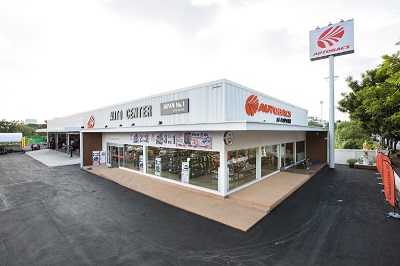
 Mr. Rangsun Puangprang Autobacs – Present Director // PTG – Executive Vice President
 Autobacs gunning to become Thailand’s No 1 car-servicing brandRangsun said promotion of the Autobacs brand will get a boost, while service quality and variety will also be improved.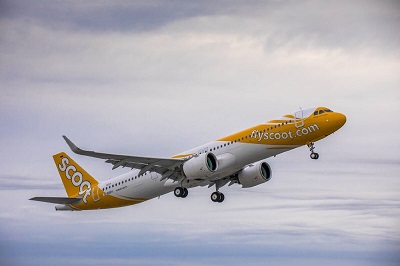

 Almost 9M cryptominers prevented in SEA SMBs in 2020
 Almost 9M cryptominers prevented in SEA SMBs in 2020
 Twitter Reveals 4 Key Conversation Themes in Thailand
 Twitter Reveals 4 Key Conversation Themes in Thailand
 Twitter Reveals 4 Key Conversation Themes in Thailand
 Twitter Reveals 4 Key Conversation Themes in Thailand
 To disclose or not to disclose?