Startups chase $55 billion boom fueled by California privacy law #ศาสตร์เกษตรดินปุ๋ย

#ศาสตร์เกษตรดินปุ๋ย : ขอบคุณแหล่งข้อมูล : หนังสือพิมพ์ The Nation

https://www.nationthailand.com/edandtech/30380111?utm_source=category&utm_medium=internal_referral

Startups chase $55 billion boom fueled by California privacy law

Jan 04. 2020
File Photo

File Photo
By Syndication Washington Post, Bloomberg · Eric Newcomer 

Businesses operating in California are required to be in compliance with a sweeping new privacy law, the California Consumer Privacy Act, starting this month.

They’ll have a few months to figure out the specifics, because the state’s attorney general is still working out the final rules and isn’t expected to start enforcement until July. But the new requirements are already causing widespread anxiety among many businesses that handle consumer data.

A wave of startups, law firms and consultants are looking to take advantage of that anxiety-and to capture some of the $55 billion that companies are expected to spend on initial compliance with the law. Bart Willemsen, an analyst at Gartner who advises clients on compliance, has identified over 200 companies pitching products to help companies adhere to privacy rules. None of them actually offer a comprehensive solution. “There’s no single silver bullet,” he said.

The CCPA mandates that businesses are able to tell customers what data they have gathered about them, and to stop selling that data upon request. That requires companies to be more conscious of what data they keep and where they keep it. Building those tools from scratch can be complicated and expensive.

One startup, TerraTrue Inc., aims to help other businesses keep track of sensitive user data. “What we’re doing is building a complete privacy platform that lets companies automate the ways in which they comply all these privacy laws,” said Chris Handman, the startup’s chief operating officer.

TerraTrue grew out of work the startup’s founders, who were previously executives at Snap Inc., did to build that company’s internal privacy systems. The company has raised $4.5 million from investors so far. It joins a host of other startups helping companies prepare for the CCPA, including Austin-based Osano Inc., which has raised over $8 million, and Securiti Inc., which announced a $31 million round of investment in August.

Other companies like DataFleets Ltd. are pitching sophisticated machine learning tools designed to minimize the risk of exposing customers’ private information. “The data never leaves their phone, they retain complete control with it, it remains compliant with data regulations,” said David Gilmore, the company’s chief executive officer.

Some companies have already been adapting to stricter privacy rules elsewhere, such as the European Union’s General Data Protection Regulation, or GDPR. Those that have done so are better prepared to comply with California’s law, according to Peter Reinhardt, CEO of Segment.io Inc., a San Francisco-based startup that is helping customers navigate the new data laws. The laws aren’t identical, but some of the preparation is transferrable. “CCPA hits hard the companies that aren’t operating globally and this is the first time they need to deal with it,” said Reinhardt.

The CCPA only applies to companies that generate more than $25 million in annual revenue, handle personal information of more than 50,000 people or devices, or earn more than half their revenue from selling personal information. Many companies are experiencing significant privacy rules for the first time, and some seem prepared to test the limits. Alphabet Inc.’s Google and Facebook Inc. contend that they’re exempt from rules governing companies that sell data, since they say they don’t share consumer data with ad buyers.

Other companies will likely ignore some of the bill’s provisions until they see how it’s enforced. The California Attorney General’s Office has said it has limited resources for enforcement. Handman of TerraTrue says many businesses are unsure about what they need to do, which “creates a greater interest in products that clarify that confusion.”

Even companies who could handle the law independently may be tempted to pay for outside help. Marco Zappacosta, the CEO of the California-based local services company Thumbtack Inc., said he has assigned staff on his engineering, product, marketplace, policy and legal teams to prepare the company for the new rules. But he hopes to have them back to their regular jobs soon. “Look, you talk to any tech company and I bet they will tell you they are engineering or product constrained,” said Zappacosta. “Any effort that takes away from that has an opportunity cost.”

The CCPA likely won’t be the last new privacy rule that companies have to figure out. India is considering sweeping legislation, and the United Kingdom could formulate its own approach once when it leaves the European Union. U.S. states like New York and Washington are considering their own legislation, as is Congress.

Technology industry groups worry that a regulatory patchwork could make compliance more burdensome. That could be bad news for businesses trying not to run afoul of any new laws. But it could be a welcome development for those companies who want to help them do so.

ขุมทรัพย์ 4 แสนล้านดอลล์ เศรษฐกิจอวกาศยุคใหม่ #ศาสตร์เกษตรดินปุ๋ย

#ศาสตร์เกษตรดินปุ๋ย : ขอบคุณแหล่งข้อมูล : หนังสือพิมพ์คมชัดลึก

https://www.komchadluek.net/news/lifestyle/406683?utm_source=category&utm_medium=internal_referral&utm_campaign=lifestyle

ขุมทรัพย์ 4 แสนล้านดอลล์ เศรษฐกิจอวกาศยุคใหม่

30 ธันวาคม 2562 – 00:00 น.
อวกาศ,ศรษฐกิจอวกาศยุคใหม่,ดาวเทียม
เปิดอ่าน 203 ครั้ง

ขุมทรัพย์ 4 แสนล้านดอลล์ เศรษฐกิจอวกาศยุคใหม่ คอลัมน์…  อินโนสเปซ   โดย…  บัซซี่บล็อก

ปัจจุบันในห้วงอวกาศเหนือโลกใบนี้มีดาวเทียมทั้งที่เป็นวงโคจรค้างฟ้าและกลุ่มดาวเทียมวงโคจรต่ำ ล่องลอยอยู่รวมๆ กันแล้วไม่ต่ำกว่า 40,000 ดวง ขณะที่กระแสความแรงของ “เศรษฐกิจอวกาศยุคใหม่” หรือ Space Economy ก็กำลังปลุกความสนใจของยักษ์ใหญ่มากรายพาเหรดเข้าสู่ตลาดเพิ่ม จนมีตัวเลขคาดการณ์ว่าจะสร้างมูลค่าทางธุรกิจใหม่ๆ ที่เกี่ยวข้องไม่ต่ำกว่า 4 แสนล้านดอลลาร์สหรัฐ และอาจแตกตัวเพิ่มได้ถึง 1 ล้านล้านดอลลาร์สหรัฐ ได้อย่างไม่ยาก

เมื่อเร็วๆ นี้ มีการจัดงานสัมมนา “Open Sky 2020 : Opportunities and Challenges โอกาสและความท้าทายในกิจการดาวเทียมของไทย” โดยความร่วมมือระหว่าง สำนักงานคณะกรรมการกิจการกระจายเสียง กิจการโทรทัศน์และกิจการโทรคมนาคมแห่งชาติ (กสทช.) และนิตยสารเอสเอ็ม (SM Magazine) เป็นเวทีรวม “ตัวจริง” วงการดาวเทียมของประเทศไทย ทั้งภาคเอกชนและผู้กำกับนโยบายมาแลกเปลี่ยนมุมมองเกี่ยวกับ “โอกาส” ที่ประเทศไทยจะได้จากนโยบายเปิดเสรีดาวเทียมที่ประกาศออกมาแล้วในปีนี้ ซึ่งในอีกด้านหนึ่งจะช่วยให้ประเทศไทยเก็บเกี่ยวประโยชน์จากดาวเทียมบรอดแบนด์ซึ่งเป็นแนวโน้มที่เกิดขึ้นจริงแล้ว และกำลังมาแรงบนห้วงอวกาศยุคศตวรรษที่ 21

เพราะอนาคตของดาวเทียมยุคจากนี้ไปก็คือจะเป็นดาวเทียมวงโคจรต่ำ ยิงทีละจำนวนหลายดวง ให้บริการอินเทอร์เน็ตความเร็วสูงถึงบ้าน ที่สำคัญสถานีรับสัญญาณจะเปลี่ยนแปลงจากแบบประจำที่ไปสู่ Earth Station in Motion: ESIM) หรือสถานีภาคพื้นโลกที่เคลื่อนที่ไม่ต้องประจำที่ แต่สามารถติดตั้งอุปกรณ์รับสัญญาณไว้ได้กับทุกสิ่งที่เคลื่อนที่ได้ เช่น เครื่องบิน เรือที่กำลังแล่นในท้องทะเล ทำให้มือถือทุกเครื่องเข้าถึงบริการอินเทอร์เน็ตความเร็วสูงผ่านสัญญาณดาวเทียมได้อย่างง่ายดาย

ดร.เจษฎา ศิวรักษ์ หัวหน้างานฝ่ายรัฐกิจและธุรกิจสัมพันธ์ บริษัท อิริคสัน (ประเทศไทย) จำกัด และที่ปรึกษาสำนักงานพัฒนาเทคโนโลยีอวกาศและภูมิสารสนเทศ (GISDA) กล่าวว่า ปัจจุบันในวงการอวกาศและเทคโนโลยีกำลังมีการพูดกันถึงหัวข้อของอวกาศยุคใหม่ (New Space) ซึ่งหมายถึงกิจการอวกาศที่ถูกเปิดเข้าสู่ระบบธุรกิจ (Commercial Space) จากเดิมเคยถูกมองว่าเป็นกิจการของรัฐและถูกผูกขาดไว้ เมื่อเปิดให้กิจการด้านนี้สามารถระดมทุนได้ก็จะทำให้กิจการอวกาศถูกพัฒนาได้เร็วกว่าเดิม ดียิ่งขึ้น และสามารถเข้าสู่ตลาดด้วยต้นทุนที่ถูกลงทั้งในส่วนของผู้ให้บริการและผู้บริโภค

“ดาวเทียมเป็นหนึ่งใน new space บางประเทศ เริ่มมีการศึกษาและพูดถึงเศรษฐกิจบนกิจการอวกาศยุคใหม่ (Space Economy) ซึ่งปัจจุบันมีประมาณการตัวเลขไว้ที่ 4 แสนล้านดอลลาร์สหรัฐ เป็นธุรกิจที่สร้างเศรษฐกิจใหม่ที่มีขนาดใหญ่เอาเรื่อง”

แนวโน้มของการแข่งขันในกิจการดาวเทียมและอวกาศในยุคศตวรรษที่ 21 จะมีความเกี่ยวข้องทั้งในด้านเศรษฐกิจและความมั่นคงประเทศ จะเห็นการเกิดขึ้นของกิจการใหม่ๆ 4 ด้านเด่นๆ ได้แก่ การทำเหมืองแร่ในอวกาศ (Space Mining) ปัจจุบันแร่ธาตุต่างๆ หาบนโลกไม่เพียงพอแล้ว การทำเหมืองบนโลกยากขึ้น ดังนั้น ทำไมมนุษย์จึงไม่หาประโยชน์จากอุกกาบาตที่ลอยอยู่ในอวกาศ ขณะที่เทคโนโลยีอวกาศมีการส่งจรวดขึ้นไปบนอวกาศอยู่ตลอดเวลา หุ่นยนต์ก็มีการพัฒนามากขึ้น ถ้าต่อไปจะส่งหุ่นยนต์ไปกับยานอวกาศไปเกาะที่อุกกาบาต แล้วขุดแร่ธาตุที่สำคัญกลับมายังพื้นโลก ถือว่าเป็นรายได้ของบริษัท

การจัดส่งดาวเทียม ดาวเทียมทุกวันนี้มีการพัฒนามากขึ้น ไม่จำเป็นต้องใช้ดาวเทียมขนาดใหญ่เทอะทะ ราคาสูง แต่ในวันนี้มีดาวเทียมเล็กๆ ที่เรียกกันว่า คิวบ์แซท (Cube Sat), ดาวเทียมเล็ก (Small Satellite) ต้นทุนไม่ถึงล้านบาท น้ำหนักไม่มาก ยิงไม่ต้องให้ไปวงโคจรค้างฟ้า ยิงแค่ระดับวงโคจรต่ำได้ ต้นทุนจัดส่งถูกลง ดังนั้นจึงมีกิจการใหม่ๆ ที่รับจ้างยิงดาวเทียม เพราะดาวเทียมยุคใหม่จัดส่งกันพร้อมกันได้ครั้งละหลักร้อยดวง จนถึงหมื่นดวง

การท่องเที่ยวอวกาศ เมื่อยานอวกาศมีการพัฒนามากขึ้น เมื่อยิงขึ้นออกไปนอกโลกแล้วสามารถกลับเข้ามาได้ เช่น สเปซเอ็กซ์ของอีลอน มัสก์ แนวคิดของการท่องเที่ยวรูปแบบนี้อาจเริ่มต้นด้วยการทัวร์อวกาศส่วนที่ติดขอบโลกก่อนแล้วต่อไปที่ดวงจันทร์ ดาวอังคาร เป็นต้น

และ ดาวเทียม จากนี้ไปดาวเทียมจะไม่จำกัดการใช้ประโยชน์เฉพาะการเป็นดาวเทียมสื่อสารแต่สามารถถูกใช้ประโยชน์ได้อีกหลายรูปแบบ และปัจจุบันดาวเทียมสื่อสารเริ่มขยับจากบทบาทการใช้งานบรอดคาสต์หรือถ่ายทอดโทรทัศน์มาเป็นดาวเทียมบรอดแบนด์ ส่งสัญญาณอินเทอร์เน็ตความเร็วสูงครอบคลุมผู้ใช้งานปลายทางได้

“อีกส่วนหนึ่งที่ใช้กันอยู่ทุกวันนี้ก็คือการใช้ดาวเทียมในการนำทาง ซึ่งนอกจากเทคโนโลยีระบบจีพีเอสของสหรัฐแล้ว ปัจจุบันหลายประเทศเริ่มพัฒนาระบบของตัวเอง เช่น รัสเซีย จีน และสหภาพยุโรป และยังมีระดับภูมิภาค เช่น ระบบดาวเทียมนำทางของอินเดีย และญี่ปุ่น สร้างให้เกิดธุรกิจที่เกี่ยวข้องตามมาอีกมากมาย”

นอกจากนี้ยังเริ่มเห็นกิจการเกิดใหม่ที่เป็นบริษัทลงทุนด้านอวกาศโดยเฉพาะ บางแห่งมีการระดมทุนในตลาดหลักทรัพย์ในอเมริกาแล้วด้วย อีกทั้งเห็นแนวโน้มบริษัทใหญ่ๆ ที่เกี่ยวกับริการดิจิทัล เจ้าของเริ่มมาลงทุนในกิจการอวกาศยุคใหม่ ได้แก่ อีลอน มัสก์ ของสเปซเอ็กซ์, เจฟฟ์ เบซอส แห่งอเมซอน และเจ้าของกลุ่มบริษัท เวอร์จิ้น ที่มีเครือข่ายกิจการหลากหลายตั้งแต่เครื่องบินไปถึงสื่อบันเทิงและฟิตเนส

หันกลับที่ประเทศไทยจากผลการศึกษาของ GISDA พบว่าเศรษฐกิจอวกาศของไทยสัดส่วนหลักราว 90% อยู่ที่ดาวเทียม โดย 2 ระบบที่น่าสนใจ คือ ดาวเทียมสื่อสารและดาวเทียมนำทาง ดังนั้นเป็นสัญญาณชี้ว่าประเทศไทยควรเริ่มต้นด้วยแนวโน้มนี้

นายวราวุธ เย็นบำรุง ประธานเจ้าหน้าที่บริหารและกรรมการ บริษัท มิว สเปซ แอนด์ แอดวานซ์ เทคโนโลยี จำกัด บริษัทสตาร์ทอัพด้านดาวเทียมที่จัดตั้งมาได้ราว 2 ปีครึ่ง เริ่มด้วยการมุ่งเน้นเทคโนโลยีดาวเทียมบรอดแบนด์ และมองไกลถึงการพาคนออกไปท่องอวกาศ ตั้งเป้าว่าในปี 2565 จะจัดส่งดาวเทียมบรอดแบนด์ของบริษัทเองขึ้นสู่อวกาศ และเปิดให้บริการปีถัดไป

หนึ่งในประเด็นน่าสนใจจากประสบการณ์ของผู้เล่นหน้าใหม่แต่เก๋าด้วยประสบการณ์ด้านดาวเทียมรายนี้ ก็คือ เขาบอกว่า หลายเทคโนโลยีในโทรศัพท์มือถือได้ถูกนำมาใช้ในดาวเทียม เช่น อุปกรณ์เซ็นเซอร์และชิ้นส่วนบางตัว ด้วยข้อดีของการ economy of scale ของชิ้นส่วนมือถือ ทำให้ต้นทุนอุปกรณ์ในการพัฒนานวัตกรรมด้านดาวเทียมลดลง ช่วยให้ทั้งบริษัทหน้าใหม่และผู้เล่นรายเดิม สามารถพัฒนานวัตกรรมได้มากขึ้น สร้างอีโคซิสเต็มใหม่ๆ เกิดบริการใหม่ๆ มากขี้นได้อีก

“สิ่งที่จะทำให้ธุรกิจอวกาศเกิดได้ต้องมีการสนับสนุนจากภาครัฐ จากที่ศึกษาจากประวัติศาสตร์มา ความต้องการจะเกิดจากภาครัฐก่อน ถ้าภาครัฐขยับ คิดล่วงหน้าไป ก็จะทำให้เกิดการจ้างงาน มีนวัตกรรมไปตอบโจทย์เศรษฐกิจ 4.0 ของประเทศไทย แต่ก็ต้องใช้เวลาและกล้าเสี่ยง กล้าทำอะไรใหม่ๆ และลองผิด ลองถูก ซึ่งบริษัทก็ทำอยู่”

U.S. CyberCom contemplates information warfare to counter Russian interference in the 2020 election #ศาสตร์เกษตรดินปุ๋ย

#ศาสตร์เกษตรดินปุ๋ย : ขอบคุณแหล่งข้อมูล : หนังสือพิมพ์ The Nation

https://www.nationthailand.com/edandtech/30379905?utm_source=category&utm_medium=internal_referral

U.S. CyberCom contemplates information warfare to counter Russian interference in the 2020 election

Dec 27. 2019
By The Washington Post · Ellen Nakashima 

WASHINGTON – Military cyber officials are developing information warfare tactics that could be deployed against senior Russian officials and oligarchs if Moscow tries to interfere in the 2020 U.S. elections through hacking election systems or sowing widespread discord, according to current and former U.S. officials.

One option being explored by U.S. Cyber Command would target senior leadership and Russian elites, though likely not President Vladimir Putin, which would be considered too provocative, said the current and former officials who spoke on the condition of anonymity because of the issue’s sensitivity. The idea would be to show that the target’s sensitive, personal data could be hit if the interference did not stop, though officials declined to be more specific.

“When the Russians put implants into an electric grid, it means they’re making a credible showing that they have the ability to hurt you if things escalate,” said Bobby Chesney, a law professor at the University of Texas at Austin. “What may be contemplated here is an individualized version of that, not unlike individually targeted economic sanctions. It’s sending credible signals to key decision-makers that they are vulnerable if they take certain adversarial actions.”

Cyber Command and officials at the Pentagon declined to comment.

The military has long used psychological operations – dropping hundreds of thousands of leaflets in Iraq, for instance, to persuade Iraqi soldiers to surrender to the U.S.-led coalition during the Gulf War. But the Internet, social media and smartphones have vastly extended the reach and precision of such tactics.

The development comes as numerous agencies within the Trump administration seek to ensure the United States is shielded against foreign efforts to disrupt the 2020 elections, even as President Donald Trump himself has cast doubt on or belittled his own intelligence community’s finding of Russian interference in 2016.

The intelligence community last month issued a classified update – a “national intelligence estimate” – assessing that Russia’s main goal in the 2020 campaign continues to be to sow discord. “It’s always been about exacerbating fault lines in our society,” said one senior U.S. official.

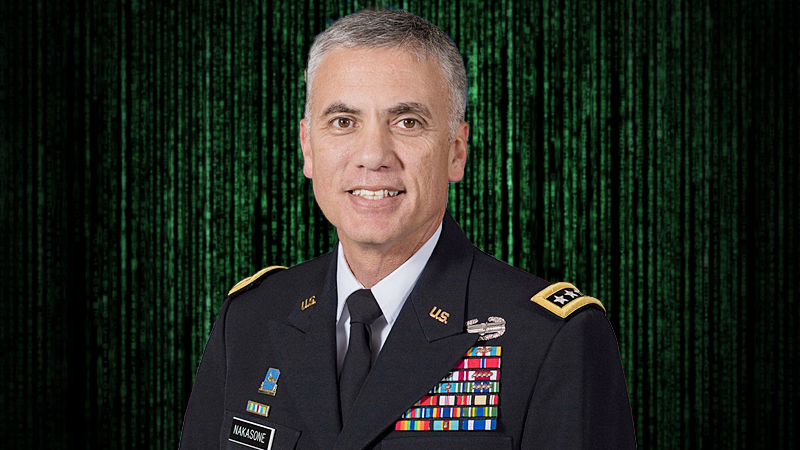
In the past year, Congress and the Trump administration have eased restraints on the military’s use of cyber-operations to thwart foreign adversaries. The push is part of a move by military officials such as Gen. Paul Nakasone, who heads both CyberCom and the National Security Agency, the government’s powerful electronic surveillance arm, to weave cyber-offensive capabilities into military operations.

The 10-year-old command’s foray into influence operations reflects an evolution in thinking. “It’s a really big deal because we have not done a good job in the past of integrating traditional information warfare with cyber-operations,” Chesney said. “But as Russia has demonstrated, these two are increasingly inseparable in practice.”

While other military organizations, such as Joint Special Operations Command, also have cyber and information warfare capabilities, CyberCom is the first to turn such powers toward combating election interference.

“In 332 days, our nation is going to elect a president,” Nakasone told a defense forum earlier this month. “We can’t let up. This is something we cannot be episodic about. The defense of our nation, the defense of our elections, is something that will be every single day for as long as I can see into the future.”

The options being considered build on an operation CyberCom undertook last fall in the run-up to the midterm elections. Beginning in October 2018, CyberCom used emails, pop-ups and texts to target Russian Internet “trolls” who were seeding disinformation on U.S. social media platforms. The trolls worked for the Internet Research Agency, a private entity controlled by a Russian oligarch close to Putin. CyberCom also messaged hackers working for Russian military intelligence, indicating their identities were known and could be publicized. Although the command did not sign its messages, the Americans knew there would be no mistaking who had sent them, officials said at the time.

When the trolls persisted, CyberCom, beginning on Election Day and for at least two days afterward, knocked their servers offline, The Washington Post previously reported. The Americans also sent messages aimed at spreading confusion and discord among IRA operatives, including computer system administrators. Some personnel were so perturbed that they launched an internal investigation to root out what they thought were insiders leaking personnel information, according to U.S. officials.

The new options contemplate targeting key leaders in the security services and the military and potentially some oligarchs. The messaging would be accompanied by a limited cyber-operation that demonstrates the Americans’ access to a particular system or account and the capability to inflict a cost, said individuals familiar with the matter. The message would implicitly warn the target that if the election interference did not cease, there would be consequences.

The options do not envision any attempt to influence Russian society at large, which officials saw as having limited success given Putin’s control of the country, including much of the media.

Some see the new options as potentially effective at altering a key official’s decision-making calculus without being hugely escalatory because they do not seek to foment a popular uprising, which is Putin’s big fear, analysts note.

Another possibility involves disinformation aimed at exploiting rivalries within the Russian government and power elites. In 2016, National Security Council aides in the Obama administration developed cyber options against Russia similar to those being contemplated by CyberCom now, but “no one had an appetite for it,” a former senior official said.

“There is a night-and-day difference between 2016 and this,” said a second former U.S. official, who said that CyberCom’s thinking several years ago was much more limited and conventional.

Any operation would be reviewed by other agencies, including the State Department and CIA, and require the defense secretary’s approval. It would be aligned with other potential U.S. efforts, such as sanctions or indictments, officials said.

Cyber-operations alone are usually not sufficient to transform an adversary’s behavior. “It can serve a useful message of ‘We’re watching and be careful not to go further,’ ” said Michael Carpenter, a former senior defense policy official in the Obama administration. But generally, he said, it is likely to be more effective when used with other tools such as sanctions – especially those also backed by allies.

Cyber Command got a boost in August 2018 when Congress clarified that cyber actions that fall below the use of force – what practitioners call “the gray zone” – can be conducted as “traditional military activities” as distinct from covert action. That was a key change that meant that clandestine operations such as the IRA takedown last fall, for instance, would not get delayed by disputes about whether they were covert operations.

Also enhancing CyberCom’s flexibility was Trump’s signing the following month of a national security presidential memorandum that revised the process by which cyber-operations are vetted and approved, leaving the final decision with the defense secretary even if other agencies object.

No single office within the Defense Department oversees cyber, electronic warfare and psychological operations. So this month, Congress created a Senate-confirmed position of principal information operations adviser to coordinate strategy and policy in this area across the Pentagon and with other agencies.

Other former U.S. officials are wary of CyberCom’s move into information operations. “I’m not a big fan of the Department of Defense doing messaging operations,” said Richard Stengel, a former undersecretary of state for public diplomacy in the Obama administration. “I’m even skeptical of the State Department doing messaging operations. . . . I just don’t think that’s something we’re good at.”

Meanwhile the Marine Corps has created a position of deputy commandant for information to build information warfare capability. Army Cyber Command has integrated cyber, electronic warfare and information operations into its mission. The 16th Air Force cyber unit is doing the same.

Among the things that cyber officials are discussing are operations that expose adversaries’ malign behavior.

The United States already has experimented with such disclosures, in 2014 releasing satellite images and other sensitive intelligence that showed Moscow had trained and equipped pro-Russian rebels in Ukraine responsible for shooting down a Malaysian airliner, killing 298 civilians. Such efforts could be expanded, officials say, to educate a broader audience about the actions of adversaries.

“Basically, it’s a war of strategic narrative,” said Sean McFate, a foreign policy expert and author of “The New Rules of War.” “We need to get into that domain.”

We picked the 10 most-influential technologies of the decade. It isn’t all bad. #ศาสตร์เกษตรดินปุ๋ย

#ศาสตร์เกษตรดินปุ๋ย : ขอบคุณแหล่งข้อมูล : หนังสือพิมพ์ The Nation

https://www.nationthailand.com/edandtech/30379902?utm_source=category&utm_medium=internal_referral

We picked the 10 most-influential technologies of the decade. It isn’t all bad.

Dec 27. 2019
The driver app on the windshield of an UberX in 2014. MUST CREDIT: photo for The Washington Post by Evelyn Hockstein.

The driver app on the windshield of an UberX in 2014. MUST CREDIT: photo for The Washington Post by Evelyn Hockstein.
By The Washington Post · Geoffrey A. Fowler

A decade ago, we typed on computers. Now we talk with them. We used to take taxis. Now an app picks a stranger’s car to ride. We used to meet people in bars. Now we swipe on photos of their faces.

As we round the corner to 2020, I’ve been tallying the ways we use technology that would have made zero sense in 2010. Which had the biggest impact? There was no iconic new product of the 2010s – no iPod or Walkman. Yet so much changed, bringing us new powers, new peril and a dash of dystopia.

This decade made life something that happens on a screen. The smartphone is where we communicate with family, do work, record memories and find entertainment. It was invented in 2007 so disqualified from my list, but in the past decade the smartphone certainly reinvented us – it powers half of the technologies on this list.

This is also the decade that computers became the boss of you. In the case of Uber drivers and other gig-economy workers, software literally tells them what work to do. Algorithms now make decisions that shape the daily life of any person with a phone. Computers decide what we read and watch. Apps hijack our attention for the promise of more “likes.” Just by searching Google, using a map or talking to Alexa, we feed computers personal data that trains artificial intelligence – and fuels businesses that have made us into a product.

With such a central role in our lives, Silicon Valley and Seattle firms this decade became the world’s most valuable companies. Their leap to trillion-dollar valuations was staggering: In January 2010, Apple was worth about $194 billion. Now it’s worth more than six times that. Over that same period, Facebook’s value multiplied about 41 times.

How will we remember the 2010s? At the beginning, we were pretty optimistic about tech. “Sharing economy” companies such as Airbnb actually seemed to be about sharing. Lots of people really believed Facebook would bring the world together. Lately, though, the view has darkened: We’re more aware of the ways tech companies are spying on us and shirking their responsibilities.

Today, most of the technologies on this list can be seen both as a tool and tyrant. One thing we know better going into the 2020s: With great power comes great responsibility.


– – –

– Instragram’s likes. Facebook’s Instagram helped make photography everyone’s hobby not just by giving us filters, but by making photos easy to share. Since it launched in 2010, Instagram evolved new forms of self-expression – and new ways for tech to hijack our brains.

The app made us voyeurs. It turned living into a performance. It commodified our faces, bodies, travels and aesthetic into “brands” that some influencers have even developed into businesses. The hunt for Gram-worthy vacation shots has damaged once-tranquil destinations and led to deaths by selfie.

How did it hook a billion-plus people? Instagram’s most powerful tool is the heart-shaped like, an expression of somebody’s admiration for a post. The app doles them out like a slot machine, keeping us coming back and creating new posts. (Psychologists call these dopamine hits intermittent variable rewards.) “Do it for the Gram!” is really, “Do it for the likes.”

It’s no wonder that some people report using the app contributes to depression and unhealthy body image. Instagram recently began testing not displaying Like tallies in the hopes of creating a “less pressurized” experience.

– Alexa’s ears. Apple’s talking Siri AI on the iPhone beat Amazon’s Alexa to market by three years. But it is Alexa – built into an Echo smart speaker that plays music, answers questions and cracks jokes on demand – that has come closer to the robot butler of our dreams. That idea came naturally to young people, a generation of whom now think you can access the power of the Internet just by talking to the lady in the box. (Why it’s usually a lady is a question we’ll be unpacking for years.)

Alexa also shifted our relationship with tech in other ways. Every time we speak to it, Amazon keeps a recording of our voices to improve its AI systems. We’re working for it, even as it works for us.

The voice assistants Alexa, Siri and rival Google Assistant also helped make us comfortable with the idea there is just one answer to a question. Remember when searching for information required sorting through Google links? Now a tech giant gets to decide.

(Amazon founder and CEO Jeff Bezos owns The Washington Post, but I review all tech with the same critical eye.)

– Uber’s X workers. The most-popular ride-hailing app has, of course, changed how we get to the airport and come home after a night out. It has all but wiped out the traditional taxi industry in many places.

But when Uber’s now-ubiquitous “UberX” service started allowing nonprofessional drivers to provide rides in 2013, it symbolized a whole new way of thinking about work. A smartphone app became a kind of supervisor, with software deciding what job you get and where you go. It gamified employment, incentivizing drivers to take rides they don’t want and punishing them for saying no. It took advantage of people not having better options for work.

Uber defined these workers not as employees because they were just doing a “gig,” and the company was just running a “software platform.” Under these rules, workers didn’t get benefits or protections. This model became a mainstay of Silicon Valley in the 2010s, from DoorDash to Instacart.

Even without the overhead of “employees,” Uber struggles to turn a profit. It enters the next decade with the open question of whether a software platform can ultimately make for a more-efficient company. Its success may hinge on its ability to make good on a so-far unfilled tech promise: self-driving vehicles.

– Netflix and binge. Remember a time when we owned music and movies stored in hard drives and DVDs? I bet you don’t even know where those are any more. Now we rent entertainment, through subscriptions from Netflix, Spotify, Apple TV Plus and an ever-growing list of services.

The good of this is we can watch whatever we want, whenever we want, giving us a feeling of incredible abundance. Starting around the time Netflix began streaming its first original show “House of Cards” in 2013, we stopped watching shows and started binging them. Who needs to leave the house any more? Creators changed the way they developed projects and the kinds of stories they tried to tell. There’s space for more risks: This year, for example, Netflix added a comedy called “Special” about a gay man with cerebral palsy.

The downside to the streaming revolution is we’ve handed even more power over to technology companies, to whom we have to continue paying rent for content . . . forever.

– The sexy Model S. Tesla CEO Elon Musk is one of the most divisive personalities in tech, but at the end of the decade, his influence on automobiles in undeniable.

The Model S sedan, which debuted in 2012, is expensive and has long been in short supply. Still, it established that an all-electric car is a viable and even sexy mode of transportation. It shifted perceptions of electric vehicles from awkward contraptions with golf-cart like acceleration to the halo car of this generation. When you think of a hybrid, you might think Prius. In the same way, electric is synonymous with Tesla.

The Model S also established that a car is a kind of consumer electronics. It was one of the first vehicles that got better with regular over-the-air software upgrades, making the car more like a smartphone.

– Feeds and filter bubbles. The Facebook News Feed launched way back in 2006, but it wasn’t until this decade that we came to understand it shapes even our offline world. The idea of a “feed,” now used by many apps and websites, is an answer to the abundance of information online. Instead of presenting it all or asking us to sort, it lets an algorithm organize the information based on what we’ve looked at before. You might see news about vaccines while I see news about climate change.

But when social media feeds become a major source of information, we risk losing important common ground. In 2011, author Eli Pariser gave this phenomenon a name: the “filter bubble.” The danger is people inhabit different realities. Our bubbles entertain us, outrage us, distract us, upset us – and harden our politics.

During the 2016 U.S. presidential election, we learned bubbles – and ads that can be micro-targeted to them – can also be weaponized. Foreign agents spread disinformation on Facebook, Twitter and other sites through targeted posts and paid ads. It’s hard to measure exactly how much they shaped the election’s outcome, but battles are raging about what responsibility sites have to reject such content – and pop our bubbles – in the 2020 race and beyond.

– The Apple Watch prescription. Serious athletes have long used tech to track performance. Then in 2011, Nike produced one of the first wrist-wearable trackers for the rest of us, the $150 FuelBand. Nike eventually killed the product, but it helped create an idea today we take for granted: that a gadget could make you healthier by collecting even more data about your body. It was called the “quantified self.”

After the Apple Watch debuted in 2015, wearables went mainstream with fitness as their No. 1 selling point. Now tens of millions don’t think twice about sending heart rate, activity and other intimate data to a technology company and taking advice from it on how to improve wellness and even avoid life-threatening disease.

Earlier this year, Google purchased Apple Watch rival Fitbit, which also makes watches that collect body data. That sets up what’s likely to be one of the biggest tech titan battles of the next decade over health care.

– The Ring’s connected eye. When the Ring doorbell debuted from a start-up in 2013, connecting security cameras and household appliances to the Internet seemed to hold so much promise. Ring, which puts a webcam inside a doorbell, would let you know when someone was at your door, even if you weren’t at home.

Seven years later, Ring is owned by Amazon, and we’re waking up to the downsides of having our homes online. The device’s popularity has made it a target for hackers, who take advantage of weak defenses to spy on people’s homes. Through partnerships with police, Ring is also increasingly looking like a neighborhood surveillance system that we installed ourselves.

– The iPad digital babysitter. The last major product from Apple co-founder Steve Jobs before he died in 2011 changed the definition of a computer. Today, the iPad far outsells Apple’s Mac laptops.

The iPad’s biggest fans are perhaps all under the age of 10. For this generation, which seems to intuitively grasp its finger-first interface, the iPad and other tablets are digital babysitters. It’s the device parents hand over to keep the kids happy on a long flight, or as a reward for doing chores. iPads hooked millions of kids on YouTube – and made “Baby Shark” an icon.

So there’s great irony in reports that Jobs himself didn’t like exposing his kids to the iPad. Now many people are reckoning with what they fear is an addiction to “screen time,” both for their kids and themselves. Apple has responded with some parental controls and time limits, but getting the balance right remains a struggle.

– Finger and face tech. A decade ago, fingerprint-reading and facial-identification technology, also known as biometrics, was the stuff of “Mission Impossible” movies. Then, in 2013, Apple added Touch ID, a fingerprint reader built into the home button, as a way to unlock the $200 iPhone 5S. Four years later, it switched to Face ID, which reads faces. Now it feels impossible that we ever had to type in passcodes to unlock a phone.

Biometrics are generally a good way to secure devices. The problem is not all uses of our fingers and faces are created equal. Businesses increasingly pitch it as a convenience; Facebook runs facial recognition on our photos to power name-tagging. Now governments and airports want to use it to pick out suspected criminals and speed up processing.

But doing so brings surveillance to parts of life that used to be comfortably anonymous. These systems still have many problems accurately identifying people of color. And they put our faces at risk of being stolen by hackers. Figuring out the balance of usefulness and protection will be one of the biggest privacy battles of the 2020s.

5จี เทคโนโลยีเปลี่ยน(สังคม)โลก #ศาสตร์เกษตรดินปุ๋ย

#ศาสตร์เกษตรดินปุ๋ย : ขอบคุณแหล่งข้อมูล : หนังสือพิมพ์คมชัดลึก

https://www.komchadluek.net/news/lifestyle/405916?utm_source=category&utm_medium=internal_referral&utm_campaign=lifestyle

5จี เทคโนโลยีเปลี่ยน(สังคม)โลก

23 ธันวาคม 2562 – 00:00 น.
5จี,เทคโนโลยี
เปิดอ่าน 255 ครั้ง

5จี เทคโนโลยีเปลี่ยน(สังคม)โลก คอลัมน์… อินโนสเปซ โดย…  บัซซี่บล็อก

วันนี้เทคโนโลยี 5จี กลายเป็นคำที่เริ่มคุ้นหูประชาชนชาวไทยเกือบทั้งประเทศแล้ว ดังนั้นไม่น่าแปลกใจว่าในเวที งาน “5G The New Beginning พลิกโฉมเศรษฐกิจ” ซึ่งจัดโดยเครือเนชั่น จึงมีผู้บริหารที่ร่วมแชร์วิสัยทัศน์หลายรายกล่าวในทิศทางเดียวกันว่า การปฏิวัติของ 5จี จะสร้างความเปลี่ยนแปลงให้สังคมและโลกใบนี้ จากจุดเด่นในด้านความรวดเร็วที่ทำให้เข้าถึงข้อมูลได้ในแบบเรียบไทม์ และการเชื่อมต่อของอุปกรณ์มากมายมหาศาลที่สื่อสารกันได้โดยอัตโนมัติและรวดเร็วในแทบเสี้ยววินาที กลายเป็นแหล่งสร้างข้อมูลมหาศาลป้อนให้ทุกวงการ นำมาพัฒนาต่อยอดสู่นวัตกรรมใหม่ๆ เสิร์ฟทุกความต้องการของผู้บริโภคและผู้คนบนโลก

น.ส.นาดีน อัลเลน ประธานบริษัท อีริคสัน (ประเทศไทย) ได้กล่าวถึงวิวัฒนาการ 5จี ในมุมมองของบริษัทเจ้าของเทคโนโลยีระดับโลกว่า “5จี ไม่ใช่แค่อีกหนึ่ง จี แต่คือตัวเปลี่ยนเกม” และไม่มีข้อสงสัยเลยว่า สำหรับประเทศไทยแล้ว 5จี คือตัวขับเคลื่อนให้ 4.0 เกิดขึ้นได้จริง และมองว่าประเทศไทยน่าจะมอง 5จี ว่ามีความสำคัญในแง่ของการเป็นโครงสร้างพื้นฐานระดับชาติ (National Infrastructure) อย่างเช่น สนามบิน เป็นต้น

เมื่อมองถึงเสถียรภาพทางเทคโนโลยีของ 5จี ปัจจุบันมีการใช้งานโทรศัพท์มือถือกว่า 8 พันล้านเครื่องทั่วโลก แต่ภายในอีก 6 ปีข้างหน้า จำนวนมือถือที่มีการใช้งานอยู่ทั้งโลกจะมีถึง 2.6 พันล้านเครื่องที่เป็นมือถือ 5จี

ที่น่าสนใจคือคนไทยเป็นชาติที่ไม่เคยตกเทรนด์เทคโนโลยี โดยจากผลสำรวจของ Ericsson Mobility Report ฉบับเมื่อกลางปี 2562 พบว่า ครึ่งหนึ่งของผู้บริโภคไทยจะเปลี่ยนผู้ให้บริการภายใน 6 เดือน หากผู้ให้บริการเดิมที่ใช้อยู่ไม่เปิดบริการ 5จี อีกทั้งผู้บริโภคในประเทศไทยยินดีที่จะจ่ายเงินเพิ่ม 30% เพื่อใช้บริการ 5จี ที่ตอบโจทย์ความต้องการ ซึ่งในมุมมองผู้ผลิตเทคโนโลยีนี่เป็นสัญญาณบ่งชี้ว่า เทคโนโลยี 5จี สามารถนำมาใช้เพื่อสร้างจุดแข็งในการนำเสนอบริการสำหรับผู้บริโภคได้

ขณะที่รายงานอีกฉบับของอีริคสันเมื่อไม่นานนี้ “The 5G Business Potential” ระบุว่า อานิสงส์ของ 5จี ที่ช่วยให้อุตสาหกรรมต่างๆ ใช้ประโยชน์จากดิจิทัลจะมีส่วนช่วยขับเคลื่อนมูลค่าทางธุรกิจสำหรับผู้ให้บริการ (เซอร์วิส โพรไวเดอร์) เติบโตถึงเกือบ 7 แสนล้านดอลลาร์สหรัฐ ภายในอีก 10 ปีข้างหน้า

นายวัตสัน ถริภัทรพงศ์ กรรมการผู้จัดการประเทศไทยและอินโดจีน บริษัท ซิสโก้ ซีสเต็มส์ (ประเทศไทย) จำกัด กล่าวว่า แนวโน้มทั่วโลกจะมีบริษัทผู้ให้บริการทั้งหน้าใหม่และรายเก่าเข้าสู่ 5จี มากขึ้นเรื่อยๆ และปัจจุบันมีหลายประเทศเริ่มนำไปใช้ประโยชน์ในสาขาต่างๆ สำหรับซิสโก้ 5จี คือการพูดถึงประสบการณ์ใหม่ๆ องค์กรเองจะได้ประโยชน์จากการทำ 5จี มาใช้ หนึ่งในเทรนด์ที่เริ่มเห็นการใช้งานคือ เข้ามายกระดับประสบการณ์ของผู้บริโภค โดยเฉพาะเทคโนโลยีที่สร้างความกลมกลืนระหว่างโลกความจริงกับโลกดิจิทัล อย่างเช่น AR (Augmented Reality)

พร้อมยกตัวอย่างกรณีศึกษา (Use Case) ในหลายประเทศที่ซิสโก้ได้เข้าไปมีส่วนร่วม ได้แก่ เกาหลีใต้ มีการใช้เออาร์ ในกิจการท่าเรือ โดยเป็นเครื่องมือการสอนและให้คำแนะนำแก่พนักงานใหม่เพื่อซ่อมอุปกรณ์ในเรือและมีการใช้งานด้านการรักษาความปลอดภัย (Public Safety) หรือใช้เป็นสื่อการเรียนการสอนนักเรียนในญี่ปุ่นให้รู้วิธีปฏิบัติตัวเมื่อเผชิญกับภัยธรรมชาติ อย่าง สึนามิ เป็นต้น

นางอเล็กซานดรา ไรซ์ ประธานเจ้าหน้าที่บริหาร บมจ. โทเทิ่ล แอ็คเซ็ส คอมนูนิเคชั่น (ดีแทค) กล่าวว่า เชื่อว่าประเทศไทยจะได้ประโยชน์จาก 5จี แต่สิ่งหนึ่งที่อยากแชร์ก็คือ 5จี ไม่ใช่แค่การวางเครือข่าย แต่จำเป็นที่ต้องมีภาคธุรกิจในไทยช่วยสร้างให้มีการใช้งาน (ยูสเคส) ควบคู่ไปด้วย เพราะ “5จี ไม่ใช่แค่เทคโนโลยี หรือแค่โครงสร้างพื้นฐาน แต่เป็นเรื่องของวิธีการทำงานที่จะมีการปรับเปลี่ยนโดยใช้ประโยชน์จากการมีเทคโนโลยีนี้ในประเทศไทย ดังนั้นธุรกิจต้องไม่หยุดการพัฒนา

หนึ่งในตัวอย่างของโอกาสมหาศาลจาก 5จี สำหรับประเทศไทยก็คือการยกระดับประสิทธิภาพด้านการรักษาทางไกล หรืองานบริการสาธารณสุขทางไกล (e-Health) ซึ่งตอบโจทย์คประเทศไทย ซึ่งปัจจุบันสัดส่วน 20% ของประชากรมีอายุมากกว่า 60 ปี งานบริการทางการแพทย์ที่รวดเร็ว การวินิจฉัยมีความแม่นยำ/รวดเร็ว และลดความเหลื่อมล้ำในการเข้าถึงบริการจึงเป็นสิ่งสำคัญ อีกทั้งยังสนับสนุนบทบาทของประเทศในการเป็นฮับด้านการแพทย์อีกด้วย

นายจักรกฤษณ์ อุไรรัตน์ รองผู้อำนวยการด้านรัฐกิจสัมพันธ์ บมจ.ทรู คอร์ปอเรชั่น กล่าวว่า ความแตกต่างของ 5จี เมื่อเทียบกับการพัฒนาเทคโนโลยีไร้สายตั้งแต่ 1จี-4จี ก็คือเทคโนโลยีก่อนหน้านี้สร้างให้เกิดการเปลี่ยนแปลงพฤติกรรมผู้บริโภค แต่ 5จี จะเป็นการเปลี่ยนแปลงสังคม โดยเฉพาะจากจุดเด่นด้านความเร็ว และความหน่วงต่ำที่ทำให้อุปกรณ์จำนวนมากสามารถสื่อสารกันได้ในความเร็วระดับเสี้ยววินาที เกิดโอกาสในการสร้างอุตสาหกรรมอีกมากมาย เปลี่ยนแปลงโลกได้

“ทรูเองจะมีส่วนที่ทำให้พฤติกรรมและสังคมต่างๆ อยู่กันได้อย่างเป็นสุขด้วย 5จี เราโชคดีเพราะมีบริษัท ไชน่า โมบาย (ผู้ให้บริการมือถือรายใหญ่ของจีน) เป็นพันธมิตร เขาเริ่มเปิดบริการ 5จี ไปแล้ว ช่วยลดเหลื่อมล้ำและผลักดันเศรษฐกิจ เปิดโอกาสสร้างอุตสาหกรรมใหม่ๆ อีกมากมาย เพราะแม้ในบางส่วนมีการลดคน ใช้หุ่นยนต์ไปทดแทน แต่คนก็สามารถเปลี่ยนไปเป็นคนสร้างหุ่นยนต์ได้ คนต้องหันไปสร้างทักษะใหม่ๆ (รีสกิล) ก็จะเกิดเป็นอีโคซิสเต็มใหม่ๆ”

AIS takes care of customers throughout the New Year Festival 2020 #ศาสตร์เกษตรดินปุ๋ย

#ศาสตร์เกษตรดินปุ๋ย : ขอบคุณแหล่งข้อมูล : หนังสือพิมพ์ The Nation

https://www.nationthailand.com/recommended/810?utm_source=category&utm_medium=internal_referral

AIS takes care of customers throughout the New Year Festival 2020

Dec 17. 2019
1,371 Viewed

giving insurance coverage to both people and home for free!

AIS shares happiness with the upcoming New Year festival, to take care of customers with campaign “Aunjai Than Ever”, joining with leading insurance partners, Muang Thai Life Assurance Public Company Limited, and Muang Thai Insurance Public Company Limited, set up a new year insurance campaign by AIS, giving insurance coverage for free to AIS mobile and AIS Fibre Home Broadband Internet customers, campaign details;

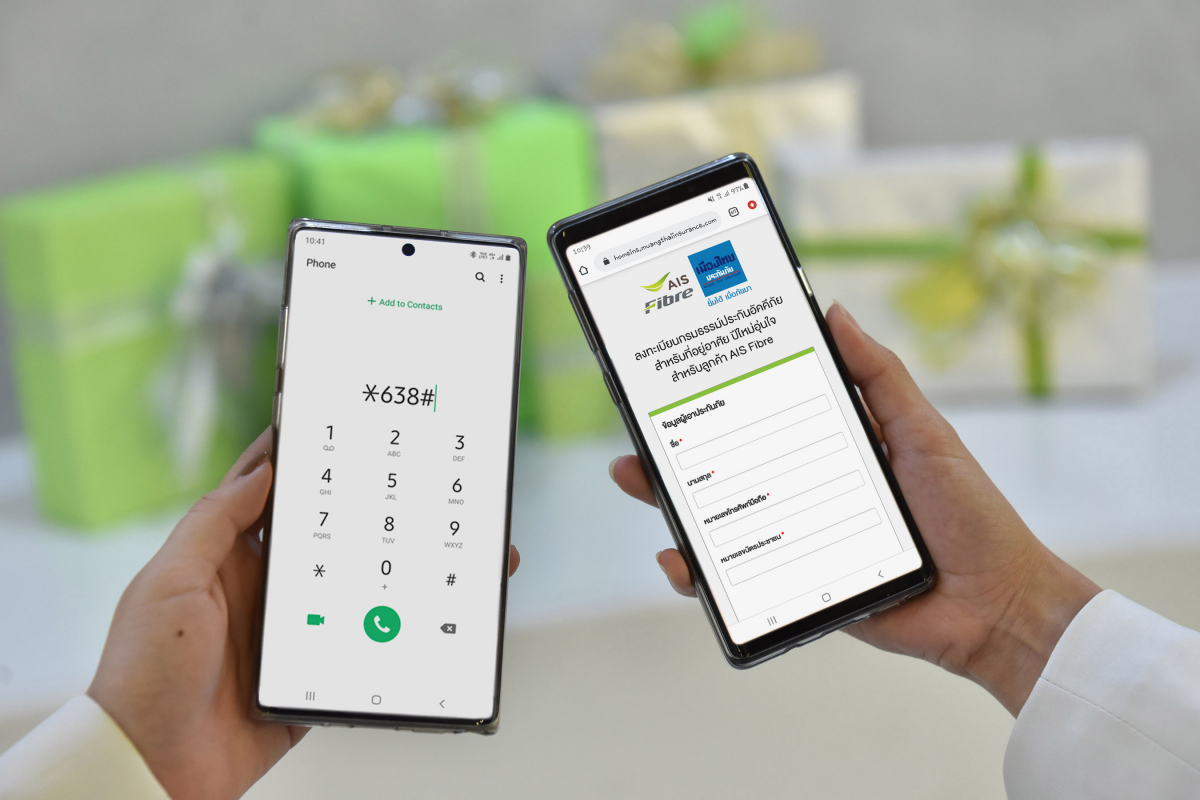
  • AIS mobile customers get free personal accident insurance plan, Aunjai New Year Plus (Group Insurance) (Micro Insurance), provides personal accident insurance coverage of up to 100,000 baht for 30 days, covering death, loss of hands, feet, eyesight, or total permanent disability from the accident, or if undergoing treatment and being an in-patient in a hospital due to an accident will still receive an income compensation of 150 baht per day for a maximum of 30 days. Customers can get the privilege by simply pressing *638 # and call, free and without Transmission costs. Customers will receive an SMS with a link to the registration page of Muang Thai Life Assurance, click to register and fill out the information, then press to receive the privilege, and wait for the confirmation SMS. Customers can redeem from 16-30 December 2019 with a limit of 300,000 privileges throughout the project, for customers who have already received privileges, the insurance plan will start to cover after midnight onwards.
  • AIS Fibre Home Broadband Internet customers get free fire insurance for their home, give customers feel peach of mind (Aunjai) when leaving home giving coverage up to 300,000 baht, limited to 10,000 privileges during the campaign period. Customers receive SMS or scan QR Code on http://m.ais .co.th/freefire, and register to receive SMS confirmation for the privileges, starting from 16-25 December 2019. The insurance will start to cover their home from 26 December 2019 – 14 January 2020, The coverage period is 20 days. For more details http://www.ais.co.th/fibre/insurance/.

“New Year Festival is a time of happiness and celebration, and also the time for Thais to have the opportunity to take an extended vacation to go back to visit their hometown, or to travel with their family and loved ones. AIS cares about the life and property of customers, so, we provide comprehensive customers care for both people and home, in collaboration with Muang Thai Life Assurance and Muang Thai Insurance, which are our great allies to join and deliver our customers’ care with personal accident insurance plan for free to AIS mobile customers and fire insurance plan for a home toward AIS Fibre Home Broadband Internet customers for free. All of this is the intention of AIS to be with customers at every moment of life so that every customer can be confident that with us, you will feel more at ease (Aunjai) throughout your trip during the New Year festival and in every important moment of life.” Mr. Somchai Lertsutiwong, Chief Executive Officer of AIS, said.

Architects and local governments alter designs of glass-covered buildings to protect birds #ศาสตร์เกษตรดินปุ๋ย

#ศาสตร์เกษตรดินปุ๋ย : ขอบคุณแหล่งข้อมูล : หนังสือพิมพ์ The Nation

https://www.nationthailand.com/edandtech/30379714?utm_source=category&utm_medium=internal_referral

Architects and local governments alter designs of glass-covered buildings to protect birds

Dec 22. 2019
Photo Credit: collisions.abcbirds.org

Photo Credit: collisions.abcbirds.org
By Special To The Washington Post · Erin Blakemore

Birds vs. glass

collisions.abcbirds.org

604 Viewed

Birds are winging their way somewhere unexpected: building codes.

Turns out that glass-covered buildings in modern cities can become graveyards for migrating birds, leading to hundreds of millions of bird deaths each year. Under pressure from conservation groups, architects and local governments are increasingly tweaking building codes to protect birds from hitting buildings.

This month, the New York City Council passed legislation that puts birds into its building code. It requires new construction and newly altered buildings to incorporate specially treated glass on the lowest 75 feet in an attempt to reduce the number of bird strikes.

As more and more buildings incorporate glass, the number of bird crashes has grown. According to a 2014 study, up to 599 million birds die every year when they hit buildings.

Most of the species at risk are migratory – and they crash because they cannot see glass. As they cruise toward reflections of trees, resting places or even themselves, birds court disaster. (Steady lights attract and confuse them at night, too.)

One notoriously bird-unfriendly building, New York’s Jacob K. Javits Convention Center, reduced bird deaths 90% when it incorporated glass with patterns during a 2015 renovation, according to the Audubon Society. A statewide bill to establish a building council to promote similar guidelines was recently vetoed by Democratic Gov. Andrew Cuomo.

New York isn’t the first city to adopt bird-friendly building rules: San Francisco has had similar standards since 2011, and the American Bird Conservancy says bird-friendly design is becoming recognized as part of sustainable design.

Even if you don’t live in a skyscraper, you can help protect birds from your windows. According to the American Bird Conservancy, 46% of bird crashes per year happen at homes, even ones with small amounts of glass.

To help, you can apply tempera paint to your windows, apply patterns of opaque tape or special translucent bird-smart tape, hang external screens or opt for vertical blinds indoors. Decals can help, too, with a caveat: You need a lot to deter birds. They should be spaced no more than two to four inches apart.

Want information on bird-friendly building? Visit Collisions.abcbirds.org.

Boeing capsule won’t reach space station in NASA setback #ศาสตร์เกษตรดินปุ๋ย

#ศาสตร์เกษตรดินปุ๋ย : ขอบคุณแหล่งข้อมูล : หนังสือพิมพ์ The Nation

https://www.nationthailand.com/edandtech/30379689?utm_source=category&utm_medium=internal_referral

Boeing capsule won’t reach space station in NASA setback

Dec 21. 2019
By Syndication Washington Post, Bloomberg · Justin Bachman 446 Viewed

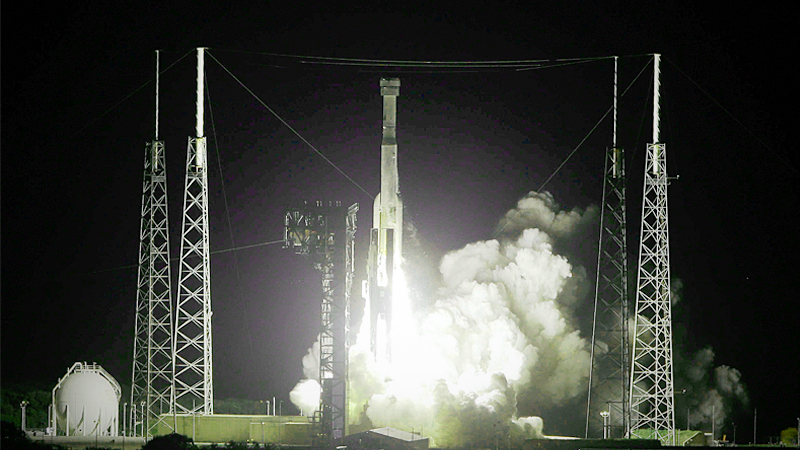
Boeing Co.’s unmanned CST-100 Starliner spacecraft failed to reach the International Space Station on its debut flight, dealing a new blow to the crisis-ridden aerospace giant and adding uncertainty to NASA’s plan to ferry U.S. astronauts on American spacecraft.

About 50 minutes after liftoff Friday, the Starliner was out of position to begin its orbital insertion burn, the last boost into an orbit so it could dock at the space station.

Because of that anomaly, “the spacecraft burned more fuel than anticipated to maintain precise control. This precluded @Space_Station rendezvous,” Jim Bridenstine, head of the National Aeronautics and Space Administration, said in a tweet.

The mishap jeopardizes U.S. plans for human flights as soon as next year by Boeing, which was hired to ferry astronauts to the ISS as part of NASA’s commercial crew program along with Elon Musk’s Space Exploration Technologies Corp. Boeing’s failure also deepened a sense of crisis around the company, which is already reeling from a nine-month grounding of the 737 Max after two deadly crashes.

Boeing’s stock fell less than 1% to $331.43 at 9:57 a.m. in New York. The stock rose 3.4% this year through Thursday while the S&P 500 advanced 28%.

The Starliner is expected to return to Earth for a landing at White Sands, New Mexico, on Sunday morning, NASA and Boeing officials said at a news conference. The anomaly was the result of an incorrect timer prompting the capsule to make adjustments as though it was on the correct course, burning too much fuel. Had astronauts been on board, they would have been able to correct the problem, authorities said.

The capsule took off aboard a United Launch Alliance Atlas V rocket at 6:36 a.m. Friday near Cape Canaveral, Florida, Boeing said. The capsule, with no crew on board, separated and began flight on its own about 15 minutes later.

Starliner had been scheduled to rendezvous with the ISS early Saturday.

The Starliner test flight is the second mission to the space station for NASA’s commercial crew program, which is designed to end U.S. reliance on purchasing seats aboard Russia’s Soyuz spacecraft, which have been the sole crew transport since the Space Shuttle was retired in 2011.

SpaceX conducted a demonstration flight of its Crew Dragon capsule to the ISS in March, also with no one aboard. Musk’s company and Boeing expect to fly astronauts for the first time next year.

NASA in 2014 awarded SpaceX and Boeing combined contracts valued at as much as $6.8 billion to fly U.S. astronauts to the ISS. The agency chose two companies to assure safe, reliable and cost-effective access to space while avoiding the risks giving one provider a monopoly.

The space agency has declined to set dates on manned missions, pending the outcome of the Boeing test flight. The agency and SpaceX plan to perform an in-flight abort test of SpaceX’s Crew Dragon on Jan. 11 from Florida.

Two celestial objects named Chao Phraya and Maeping #ศาสตร์เกษตรดินปุ๋ย

#ศาสตร์เกษตรดินปุ๋ย : ขอบคุณแหล่งข้อมูล : หนังสือพิมพ์ The Nation

https://www.nationthailand.com/edandtech/30379640?utm_source=category&utm_medium=internal_referral

Two celestial objects named Chao Phraya and Maeping

Dec 19. 2019
Photo credit: IAU Project

Photo credit: IAU Project
By The Nation

1,033 Viewed

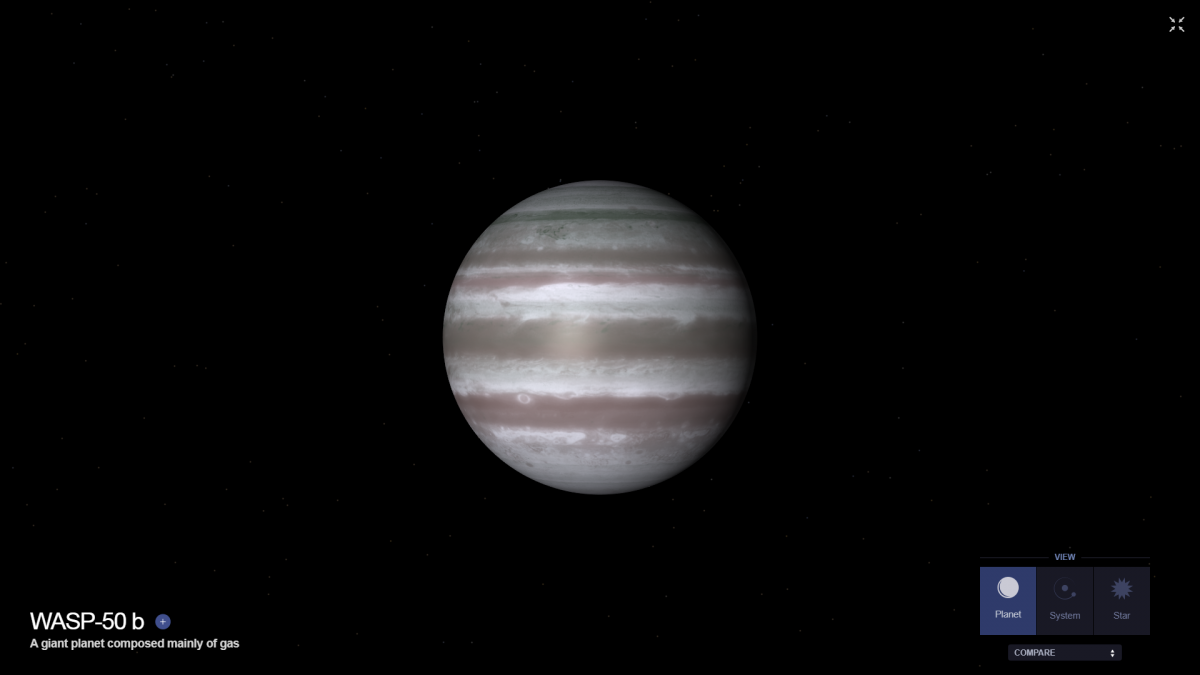
Chao Phraya and Maeping were among more than 100 names given to exoplanets and host stars by the International Astronomical Union on Tuesday (December 17).

Members of the public, more than 780,000 people in all, proposed and selected the names as part of the IAU’s NameExoWorlds project. This is only the second time that the public has helped pick proper names for exoplanets, a process governed by the IAU. To celebrate the IAU’s 100th anniversary, every country was given the chance to name one planetary system, comprising an exoplanet and its host star. Each nation’s designated star for naming is visible from that country and is sufficiently bright to be observed through a small telescope.

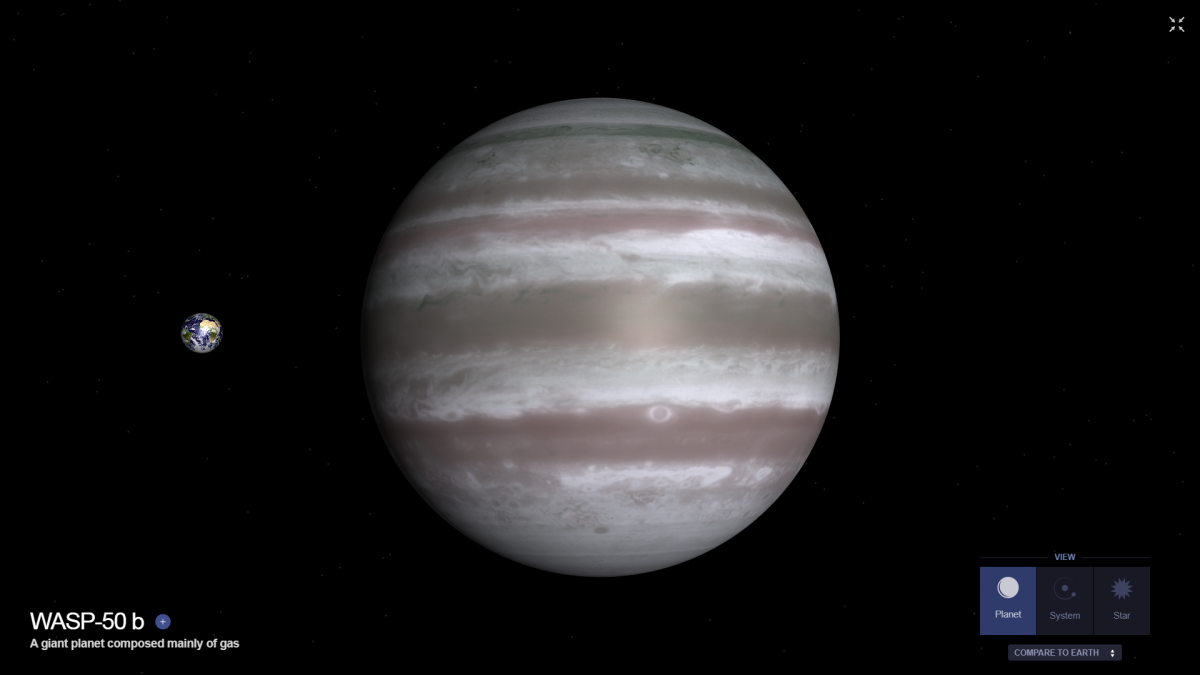
WASP-50 b comparing to Earth

WASP-50 b comparing to Earth

In recognition of the UN 2019 International Year of Indigenous Languages, speakers of indigenous languages were encouraged to propose names from those languages, and a few dozen of the selected names are of indigenous etymology.

The names from Thailand come from major rivers. A star was given the name Chao Phraya while Maeping, a tributary of Chao Phraya, was the name chosen for an exoplanet. The discovery of the star and planet were announced in 2011.

Apple, Google, Amazon want one language for smart home devices

#ศาสตร์เกษตรดินปุ๋ย : ขอบคุณแหล่งข้อมูล : หนังสือพิมพ์ The Nation

https://www.nationthailand.com/edandtech/30379607?utm_source=category&utm_medium=internal_referral

Apple, Google, Amazon want one language for smart home devices

Dec 19. 2019
By Syndication Washington Post, Bloomberg · Mark Gurman, Gerrit De Vynck

347 Viewed

Apple, Alphabet’s Google and Amazon.com — three of the biggest smart-home and voice-assistant providers — are joining forces to make internet-connected homes easier to set up and safer to use.

The rivals announced Wednesday that they’re working with the Zigbee Alliance, a foundation that promotes standards for the Internet of Things, and its members including Samsung Electronics Co., Somfy SA, and IKEA, on a new standard that will ensure their products work with each other.

While an increasing portion of the home can now be controlled by a voice-activated speaker or remote app, from thermostats to lights and even refrigerators, “the lack of an industry-wide connectivity standard leaves people confused and frustrated when trying to understand what devices work with each smart home ecosystem,” Nik Sathe and Grant Erickson, engineers at Google’s Nest unit, wrote in a statement. “It also places a heavy burden on manufacturers to make sure all devices are compatible with each other.”

Amazon and Google have relatively open systems already, which have allowed tens of thousands of third-party devices to link up with their smart speakers. Apple only supports a few hundred via its HomeKit standard. The global smart home market is projected to grow to $174.2 billion by 2025, according to MarketWatch, up from $55.7 billion in 2016.

Apple said the project is built around “a shared belief that smart home devices should be secure, reliable, and seamless to use.”

But the move could also raise privacy and security questions. For years, Amazon and Google collected data every time someone used a smart speaker to turn on a light or lock a door and asked gadget makers like Logitech Co. to send a stream of information whenever someone turned on a light or locked a door. Bringing more devices together in a home raises the prospect of personal data being shared with a higher number of companies, some of which may have more lax security or privacy standards. Google pared back the number of companies its Nest devices connect to earlier this year due to privacy concerns.

After lagging behind Amazon and Google, Apple is rebooting its smart home efforts, developing new software and devices from a new team, Bloomberg reported earlier this year.

The alliance is aiming to have its new joint protocol ready by the end of 2020.