‘คุณวุฒิวิชาชีพ’ การพัฒนากำลังคน ‘โลจิสติกส์’ #SootinClaimon.Com

#SootinClaimon.Com : ขอบคุณแหล่งข้อมูล : หนังสือพิมพ์แนวหน้า

https://www.naewna.com/local/594008

‘คุณวุฒิวิชาชีพ’ การพัฒนากำลังคน‘โลจิสติกส์’

‘คุณวุฒิวิชาชีพ’ การพัฒนากำลังคน‘โลจิสติกส์’

วันพุธ ที่ 11 สิงหาคม พ.ศ. 2564, 06.00 น.

เมื่อช่วงปลายเดือนก.ค. 2564 ที่ผ่านมา คณะกรรมการที่ปรึกษาเพื่อการพัฒนากำลังคนด้านโลจิสติกส์ได้ร่วมประชุมกับทาง “สคช.” สถาบันคุณวุฒิวิชาชีพ (องค์การมหาชน) โดยได้นำเสนอ “รายงานวิเคราะห์แนวหน้าอุตสาหกรรมและการพัฒนากำลังคนด้านโลจิสติกส์” ซึ่งสามารถสรุปตามประเภทของงานได้ดังนี้ 1.การขนส่งสินค้าภายในประเทศ และให้บริการพัสดุด่วน (เฉพาะการให้บริการขนส่งสินค้าทางถนน) ซึ่งมีทักษะสำคัญคือ ทักษะด้านการบริการ การขาย จิตบริการ มารยาท ทัศนคติที่ดี คุณภาพการให้บริการ ทักษะการแก้ไขปัญหา

ทั้งนี้ ผู้ปฏิบัติงานสามารถปรับตัวได้ดีในการใช้เทคโนโลยีด้านการขนส่ง และบริษัทเองก็มีการวางแผนพัฒนาพนักงานให้ใช้เทคโนโลยี อย่างไรก็ตาม ผู้บริหารงานขนส่งสินค้าทางถนนเป็นตำแหน่งที่ขาดแคลน เช่นเดียวกับจำนวนผู้ขับขี่พาหนะหลายประเภทยังไม่เพียงพอต่อปริมาณงาน เช่น รถบรรทุกขนาดเล็ก รถบรรทุกขนาดใหญ่ รถบรรทุกลากจูง และรถบรรทุกวัตถุอันตราย ส่วนอาชีพผู้ให้บริการจัดส่งเอกสารและพัสดุด่วนภายในประเทศ จะพบปัญหาขาดแคลนในองค์กรขนาดเล็ก

2.ด้านการบริหารและการจัดเก็บสินค้า ดูแลและบริการคลังสินค้า สำหรับความต้องการกำลังคนมีแนวโน้มลดลงโดยเฉพาะองค์กรขนาดใหญ่ เนื่องจากการนำเทคโนโลยี เช่น หุ่นยนต์ มาใช้แทน ขณะที่งานวิเคราะห์ข้อมูล (Data Analysis) เป็นอาชีพที่มีความต้องการมากขึ้นเพราะต้องการแรงงานมีฝีมือมาช่วยจัดการเทคโนโลยีต่างๆ อนึ่งผู้ปฏิบัติงานคลังสินค้า ผู้ควบคุมคลังสินค้าอันตราย ผู้ควบคุมคลังสินค้าไซโล และผู้ควบคุมคลังสินค้าห้องเย็น อาจเป็นอาชีพที่ความต้องการไม่ลดลงหรือแม้แต่เพิ่มขึ้นก็ได้ หากการพัฒนาอุตสาหกรรม เช่น เขตเศรษฐกิจพิเศษภาคตะวันออก (EEC) เป็นไปตามแผน

3.ด้านการบริการด้านพิธีการส่งออกและนำเข้าสินค้า ด้วยความที่งานด้านนี้ต้องประสานงานกับกรมศุลกากรเป็นหลัก การพัฒนาเทคโนโลยีนั้นขึ้นอยู่กับว่าทางกรมศุลกากรมีการพัฒนาไปมากน้อยเพียงใด สำหรับตำแหน่งงานที่น่าจะลดความต้องการลงคือ ผู้ปฏิบัติงานถ่ายลำและผ่านแดนระดับ ผู้ปฏิบัติพิธีการและตรวจปล่อยสินค้า เพราะกรมศุลกากรพัฒนาระบบ E-PaperlessE-payment และ E-tracking ในขณะที่งานดังกล่าวเป็นงานเอกสาร

อย่างไรก็ตาม ผู้ปฏิบัติงานสินค้าควบคุมการส่งออกและนำเข้าผู้ผ่านพิธีการศุลกากร และผู้ชำนาญการศุลกากร เป็นงานมีแนวโน้มความต้องการสูงขึ้น อนึ่ง เขตเศรษฐกิจพิเศษตามแนวชายแดน 10 จังหวัด ต้องคำนึงถึงขีดจำกัดในการเชื่อมต่อของประเทศเพื่อนบ้านในภูมิภาคอาเซียนด้วย โดยหากต้องการให้ประสบความสำเร็จก็จะต้องผลักดันผ่านแผนแม่บทว่าด้วยความเชื่อมโยงระหว่างกันในอาเซียน (Master Plan on ASEAN Connectivity 2021- MPAC (2025) ฉบับสมบูรณ์ (ค.ศ.2016-2025)

และ 4.ด้านการขนส่งสินค้าและให้บริการศูนย์กระจายสินค้าระหว่างประเทศ ด้วยความที่เน้นการปฏิบัติงานที่พื้นที่ขนส่งสินค้าเป็นหลัก ทำให้เทคโนโลยีที่เข้ามาไม่มี
ผลกระทบต่อกำลังคนในอาชีพ จากสภาพเศรษฐกิจในปัจจุบันผู้ประกอบการใช้วิธีการจ้างพนักงานผ่านผู้ให้บริการ (Outsource) แทนการจ้างงานประจำ ซึ่งช่วยลดค่าใช้จ่ายได้ กรณีนี้ไม่มีผลกระทบต่อจำนวนแรงงานในธุรกิจ

การพัฒนาโครงสร้างพื้นฐานของประเทศอาจไม่ส่งผลกระทบต่อความต้องการกำลังคน เนื่องจากเมื่อเกิดการขยายโครงสร้างพื้นฐาน เช่น การเพิ่มศูนย์กระจายสินค้า วิธีการเคลื่อนย้ายกำลังคน คือย้ายแรงงานจากส่วนงานปัจจุบัน ไปยังส่วนที่เพิ่มเติมใหม่ทดแทนการจ้างงาน ผู้รับจัดการขนส่งสินค้าระหว่างประเทศผู้ปฏิบัติงานการกระจายสินค้าระหว่างประเทศทางทะเล ทางอากาศ และทางบก มีความต้องการแรงงานเพิ่มขึ้นจากการเติบโตของภาคธุรกิจ E-Commerce และธุรกิจนำเข้า-ส่งออกสินค้า ส่วนผู้ปฏิบัติการพิธีการศุลกากรสินค้าเร่งด่วน ผู้ปฏิบัติการพิธีศุลกากรสินค้าเร่งด่วนระหว่างประเทศ เป็นอาชีพที่ขาดแคลนแรงงานสูง

สำหรับผลการกำหนดแนวทางขับเคลื่อนการพัฒนากำลังคนของอุตสาหกรรมโลจิสติกส์ มี 4 ข้อ ประกอบด้วย 1.การเทียบเคียงหลักสูตรฝึกอบรมกับมาตรฐานอาชีพ โดยนำหน่วยสมรรถนะเทียบกับรายวิชาของหลักสูตรฝึกอบรม หากเห็นว่าสอดคล้องกับมาตรฐานอาชีพ สคช. จะดำเนินการขึ้นทะเบียนหลักสูตรดังกล่าว และเมื่อผู้ผ่านการฝึกอบรมเข้าสู่กระบวนการรับรองคุณวุฒิวิชาชีพ จะได้รับประกาศนียบัตรคุณวุฒิวิชาชีพเพื่อแสดงว่าได้ผ่านการฝึกอบรมและการประเมินสมรรถนะของบุคคลตามมาตรฐานอาชีพต่อไป

2.การขับเคลื่อนการประเมินสมรรถนะของบุคคลตามมาตรฐานอาชีพเพื่อให้การรับรองคุณวุฒิวิชาชีพ การขับเคลื่อนการประเมินสมรรถนะของบุคคลตามมาตรฐานอาชีพโดยวิธีการเทียบโอนประสบการณ์ทำงานเพื่อการรับรองคุณวุฒิวิชาชีพ เพื่อสร้างโอกาสให้กับผู้ที่มีประสบการณ์การทำงาน โดยนำหลักฐานความสามารถที่ได้จากการทำงาน เข้าสู่การประเมินสมรรถนะ

3.การขับเคลื่อนการผลิตและพัฒนากำลังคนให้สอดคล้องตามกรอบคุณวุฒิแห่งชาติ มุ่งเน้นการพัฒนากำลังคนในอุตสาหกรรมโลจิสติกส์ ได้แก่ 3.1 กลุ่มสาขาอาชีพด้านโลจิสติกส์โครงสร้างพื้นฐาน(Logistic Infrastructure) กับ 3.2 กลุ่มสาขาอาชีพโลจิสติกส์และซัพพลายเชน(Logistics and Supply Chain) และ 4.การนำมาตรฐานอาชีพและคุณวุฒิวิชาชีพไปใช้ในการพัฒนาหลักสูตรฐานสมรรถนะและหลักสูตรระยะสั้น การจัดการเรียนรู้
ฐานสมรรถนะในสถานศึกษา พร้อมส่งเสริมให้เข้าสู่กระบวนการประเมินสมรรถนะตามมาตรฐานอาชีพ

เพื่อให้ได้รับการรับรองคุณวุฒิวิชาชีพควบคู่ไปกับการได้รับวุฒิการศึกษา!!!
สิ้นศิลปินแห่งชาติ ‘ดร.ชำเรือง วิเชียรเขตต์’ ประติมากรนามธรรมของไทย #SootinClaimon.Com

#SootinClaimon.Com : ขอบคุณแหล่งข้อมูล : หนังสือพิมพ์แนวหน้า

https://www.naewna.com/local/594120

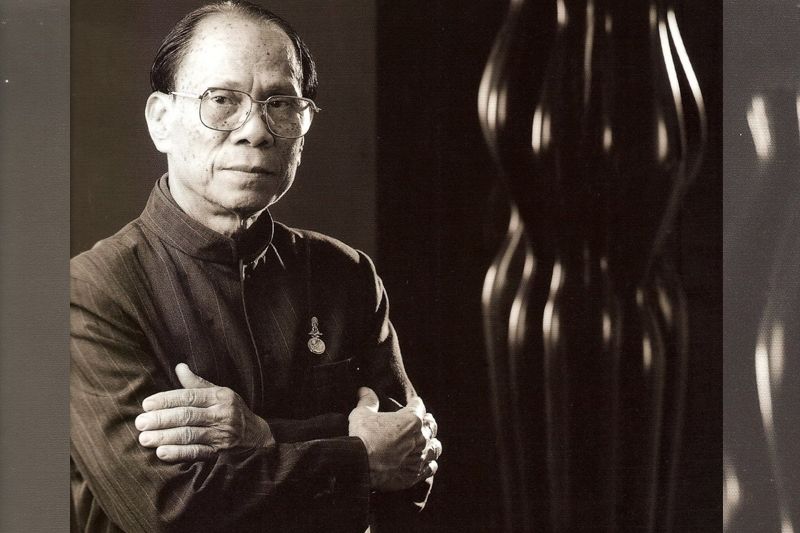
สิ้นศิลปินแห่งชาติ 'ดร.ชำเรือง วิเชียรเขตต์' ประติมากรนามธรรมของไทย

สิ้นศิลปินแห่งชาติ ‘ดร.ชำเรือง วิเชียรเขตต์’ ประติมากรนามธรรมของไทย

วันอังคาร ที่ 10 สิงหาคม พ.ศ. 2564, 18.52 น.

วันที่ 10 สิงหาคม 2564 นายชาย นครชัย อธิบดีกรมส่งเสริมวัฒนธรรม (สวธ.) เปิดเผยว่า ดร.ชำเรือง วิเชียรเขตต์ ศิลปินแห่งชาติ ถึงแก่กรรม วันจันทร์ที่ 9 สิงหาคม 2564 เวลา 05.45 น. ที่บ้านเลขที่ 34/15 ตำบลท่าทราย อำเภอเมืองนนทบุรี จังหวัดนนทบุรี เนื่องจากโรคชรา สิริรวมอายุ 90 ปี โดยทางญาติแจ้งว่า ได้กำหนดสวดพระอภิธรรมศพ ในวันอังคารที่ 10 สิงหาคม 2564 เวลา 18.30 น. ณ วัดเวฬุวัน ตำบลนิคม อำเภอสหัสขันธ์ จังหวัดกาฬสินธุ์ และได้กำหนดพิธีประชุมเพลิงศพ ในวันพุธที่ 11 สิงหาคม 2564 เวลา 13.30 น. ณ ฌาปนสถานวัดเวฬุวัน

อธิบดี สวธ.เปิดเผยอีกว่า นอกจากกรมส่งเสริมวัฒนธรรม (สวธ.) ในฐานะหน่วยงานที่ดำเนินการยกย่องเชิดชูเกียรติศิลปินแห่งชาติ เผยแพร่และถ่ายทอดผลงานให้เป็นที่ประจักษ์ต่อสาธารณชน แล้ว ยังให้การช่วยเหลือด้านต่าง ๆ ด้วยการมอบเงินช่วยเหลือเมื่อเสียชีวิตเพื่อร่วมการบำเพ็ญกุศลศพ จำนวน 20,000 บาท และเงินช่วยเหลือค่าจัดทำหนังสือเพื่อเผยแพร่ผลงานเมื่อเสียชีวิตเท่าที่จ่ายจริงไม่เกิน 150,000 บาท ตามระเบียบสวัสดิการของศิลปินแห่งชาติ

สำหรับประวัติของ ดร.ชําเรือง วิเชียรเขตต์ เกิดเมื่อวันที่ 2 มีนาคม พุทธศักราช 2474 ที่จังหวัดกาฬสินธุ เป็นศิลป์นอาวุโสคนสําคัญด้านประติมากรรม ซึ่งมีผลงานดีเด่นเป็นที่ยอมรับในวงการศิลปะและศิลปศึกษาโดยทั่วไป ได้สร้างสรรค์ผลงานประติมากรรมจํานวนมาก และอย่างต่อเนื่องมาเป็นเวลายาวนาน มีผลงานแสดงในนิทรรศการศิลปะและสถาบันศิลปะทั้งในและนอกประเทศ และมีผลงานติดตั้งในสาธารณสถานหลายแห่ง ได้รับรางวัลเกียรตินิยมอันดับ 1 เหรียญทอง ประเภทประติมากรรมจากการแสดงศิลปกรรมแห่งชาติ และได้รับเลือกเป็นผู้แทนไทยในการประชุมปฏิบัติการประติมากรรมอาเซียน 

ดร.ชําเรือง วิเชียรเขตต์เป็นผู้บุกเบิกและยืนหยัดการสร้างสรรค์ประติมากรรม เป็นเวลามากกว่า 40 ปี ผลงานจากประติมากรรมแบบจริงไปสู่แบบนามธรรม เป็นประติมากรนามธรรมคนแรก ๆของไทย ผลงานประติมากรรมของ ดร.ชําเรือง วิเชียรเขตต์ อยู่ในแนวสร้างสรรค์และสุนทรีย์ ซึ่งมีคุณประโยชน์ต่อมนุษย์และสังคมเป็นอย่างยิ่ง  นอกจากงานสร้างสรรค์ศิลปะแล้ว ได้ทําหน้าที่เป็นผู้ถ่ายทอดความรู้และประสบการณ์ โดยเป็น อาจารย์สอนวิชาศิลปะที่วิทยาลัยช่างศิลป์และมหาวิทยาลัยศิลปากร และสถาบันอื่นอีกหลายแห่ง ในด้านการให้บริการแก่ชุมชนนั้น ดร.ชําเรือง วิเชียรเขตต์ได้เข้าร่วมกิจกรรมทางศิลปะเพื่อสังคม และให้บริการทางวิชาการเมื่อได้รับการขอความร่วมมือโดยตลอดมา 

อาจจะกล่าวได้ว่า ดร.ชําเรือง วิเชียรเขตต์ เป็นหลักสําคัญในด้านประติมากรรมของวงการศิลปะและศิลปศึกษาของไทยเรา ท่านยังดํารงชีวิตและสร้างสรรค์ศิลปะอย่างเรียบง่ายด้วยคุณธรรมและจริยธรรม อุทิศตนให้กับศิลปะและสังคมมาเป็นเวลาอันยาวนาน เป็นตัวอย่างแก่คนรุ่นหลังเป็นอย่างดียิ่ง ดร.ชําเรือง  วิเชียรเขตต์จึงได้รับการยกย่องเชิดชูเกียรติเป็นศิลปินแห่งชาติ สาขาทัศนศิลป์ (ประติมากรรม) พุทธศักราช 2539

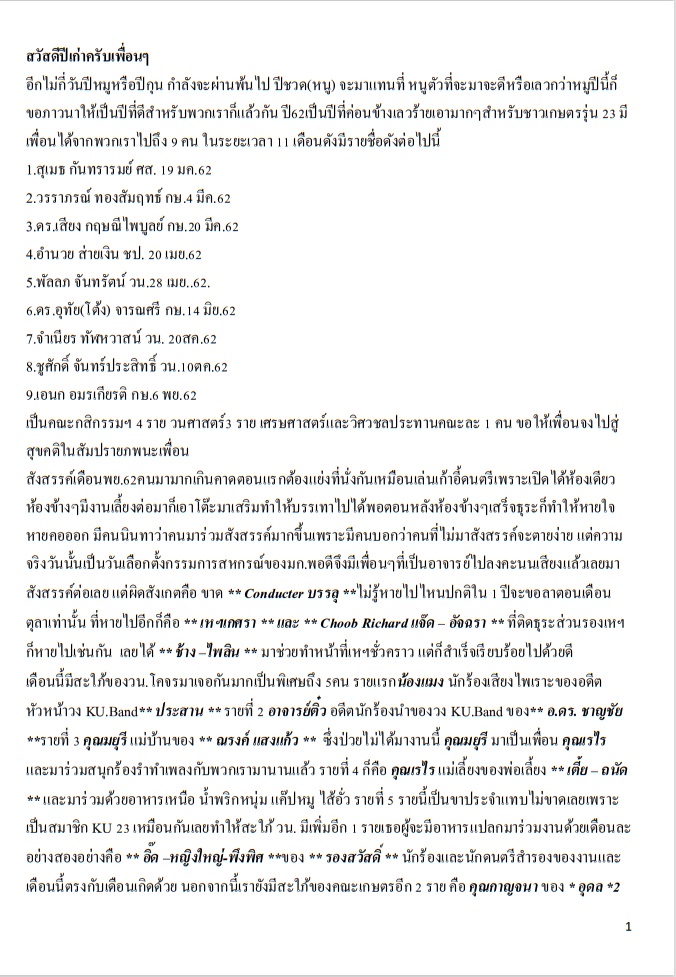
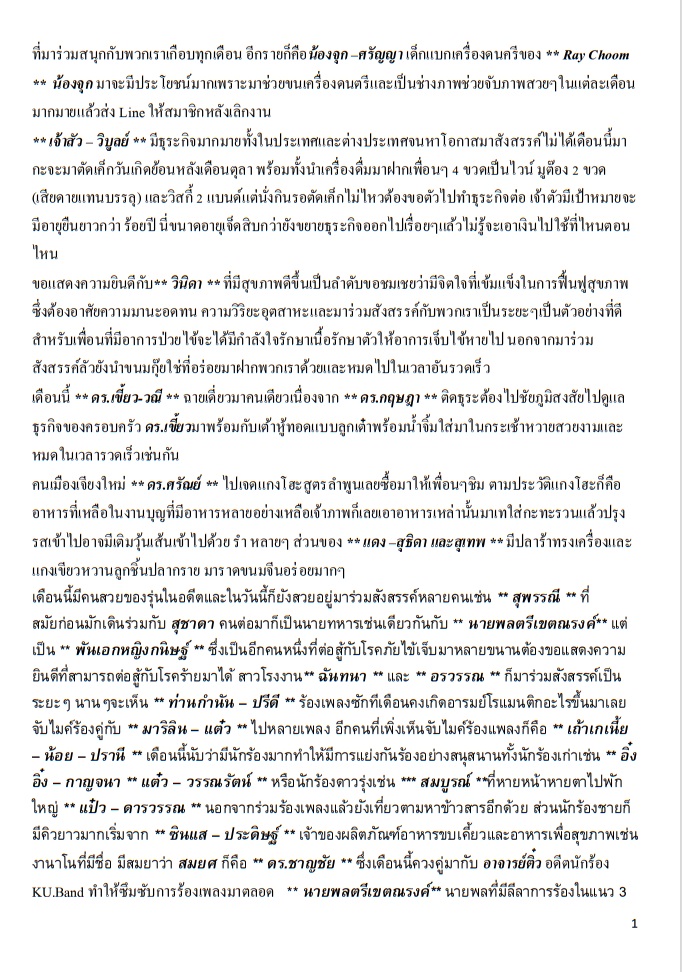
ข่าวเกษตรรุ่น 23 เดือนธันวาคม 2562 #SootinClaimon.Com

#SootinClaimon.Com : ขอบคุณแหล่งข้อมูล : ข่าวเกษตรรุ่น 23

คลิก อ่านข่าว KU23-2506 ทั้งหมด

Emmeral KU23  57 Anniversary 2506-2562

๕๗ ปีที่พบกันความสัมพันธ์ไม่เสื่อมคลาย

ฉบับเดือน ธันวาคม 2562 ฉบับ วันเอดส์โลก/ วันดำรงราชานุภาพ(1 ธค.) วันคนพิการสากล (3 ธค.) วันสิ่งแวดล้อมโลก(4 ธค.) วันพ่อแห่งชาติ/วันดินโลก(5 ธค.) วันรัฐธรรมนูญ/วันสิทธิมนุษย์สากล (10ธค.) วันกีฬาแห่งชาติ(16ธค.) วันX-Mas(25ธค.) วันคุ้มครองสัตว์ป่าแห่งชาติ(26ธค.) วันพระเจ้าตากสินหาราช(26ธค.) วันหยุดพิเศษปีใหม่(30ธค.) วันสิ้นปี (31ธค.)

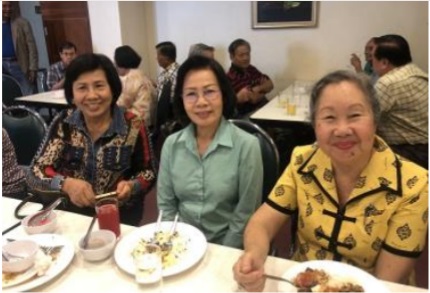
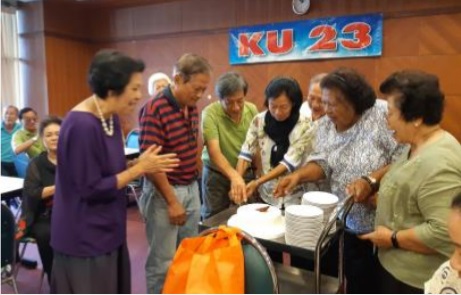
สะใภ้วน.(ณรงค์-เตี้ย-ชาญชัย)
อ.ติ๋ว อ.ปิ๋วแป๋ว และอ.ชาญชัย
วินิดา และ ฉันทนา
สุพรรณี โม่ง และกนิษฐ์
คนตัวเล็กมาเจอกัน อ.เปี๊ยก+อรวรรณ
คนเกิดเดือนพฤศจิกายน
เตี้ย-ดร.ศรัณย์-เจ้าสัววิบูลย์
รายการชุมนุมคุณแม่บ้าน
ลูกศิษย์ อ.ตุ๊กมาลาเพื่อนอาจารย์

วันชัย  จันทร์ฉาย  รายงาน

คลิก อ่านข่าว KU23-2506 ทั้งหมด

Myanmar’s rapidly declining manufacturing industry amid Covid-19 case surges #SootinClaimon.Com

#SootinClaimon.Com : ขอบคุณแหล่งข้อมูล : หนังสือพิมพ์ The Nation.

https://www.nationthailand.com/international/40004506

Myanmar’s rapidly declining manufacturing industry amid Covid-19 case surges


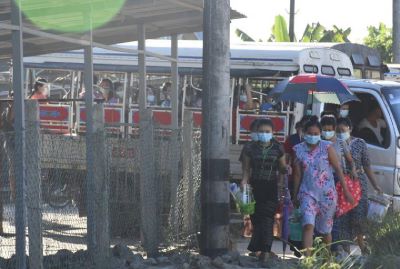
A lot of manufacturing businesses and factories in Myanmar have closed and are closing with their workers having no chance but to return home, following surges in Covid-19 cases in the third wave. Output, new orders, purchases, employment, and postproduction inventories all fell at quicker rates, with declines that were amongst the quickest in the series history, according to Manufacturing Purchasing Manager’s Index released for July 2021.

Manufacturing companies are still confident that their production capacity will improve in next 12 months, but the degree of optimism remained much lower than the long-run series average.

Turning to prices, raw material shortages and unfavorable exchange rate movements against the dollar contributed to a solid rate of input price inflation, standing higher than the long-run average.

The IHS Markit Myanmar Manufacturing PMI sank to 33.5 in July 2021 from 41.5 in June, pointing to the 11th straight month of contraction. The decline has reached record level over the three months, the steepest since December 2015.

“These days, inflation and pressures have decreased significantly up from the highest in May and June. Yet, great burden such as costs still remain in July. Kyat-dollar exchange rate fluctuation and cash shortages are biggest dangers,” said Shreeya Patel, economic expert from HIS Markit. 

Those who answered the questions in the survey said factory closures had stemmed from surging Covid-19 cases, adding that production capacity has started to decline speedily since March. 

“Myanmar’s production sector has declined rapidly since the second half of 2021. The Covid-19 case surges in the third wave and the political situation had plunged the industry into a steep decline just as it regained some footholds. Factory closures and return of workers to their homes are these factors. So, the companies are hesitant about increasing their balance accounts,” she added.

Local demand remained weak at the start of the quarter and new orders have declined significantly. Most of those participating in the poll mainly described a combination of business and factory closures and cash shortages. 

Purchases have also seen a steep decline due to decreasing output, orders and prices and factory closures.

Studying prices, raw material shortages and unfavorable exchange rate movements against the dollar contributed to a solid rate of input price inflation.

Despite a significant decrease in inflation when compared to May and June, it stands higher than the long-run average.

Anyhow, Covid-19 spread has further shaken Myanmar’s economy. As infection rate gains speed, the crisis has been hardest hit, Shreeya Patel commented.

But, a greater vaccination effort could help prevent future diseases and create a shield for the healthcare system, she added.  

The Covid-19 pandemic has plunged global economy into a biggest downturn after the recession in the 1930s. 

Millions of people from across the world are out of work, government budgets in limbo, financial market almost collapsed and trade flow and investment greatly impacted. 

The pandemic will cause consequences, a threat to global development and wealth.

Under such circumstances, Myanmar already facing economic challenges has seen other new challenges.

Myanmar’s economy is set to shrink by 18 percent this fiscal year (October 2020 to September 2021) amid the ongoing situations including poverty and a rapid surge in the third wave of COVID-19 in the country, the World Bank said in its latest report on July 26.

The political crisis and Covid-19 case surges in the third wave have significantly impacted the country’s weakening economy.

“Around 1 million jobs could be lost, and many other workers will experience a decline in their incomes due to reduced hours or wages,” the bank said. The share of Myanmar’s population living in poverty is likely to more than double by the beginning of 2022, compared to levels before COVID-19 hit, the bank said.

“The loss of jobs and income and heightened health and food security risks are compounding the welfare challenges faced by the poorest and most vulnerable, including those that were already hit hardest by the pandemic last year,” said Mariam Sherman, World Bank country director for Myanmar, Cambodia and Laos.

The current third wave of COVID-19 is posing an immediate threat to lives, livelihoods and the economy, especially given the lack of capacity in the public health system to adequately respond, the World Bank warned.

While testing rates remain limited, extremely high positivity rates among those who have been tested indicate widespread community transmission. Combined with the impact of containment measures and precautionary behavior, this will amplify Myanmar’s economic challenges, the bank said.

Significant impacts on investment, human capital accumulation and the environment for doing business are likely to impair prospects for economic growth over the longer term,” it said.

“While there were initial signs of stabilization in some areas in May and June, with mobility improving and logistics disruptions easing, overall economic activity remained very weak and a further contraction is likely from July onwards due to the recent surge in COVID-19 cases,” said Kim Alan Edwards, World Bank Senior Economist for Myanmar.

Over the longer term, recent events have the potential to jeopardize much of the development progress that has been made over the past decade. Significant impacts on investment, human capital accumulation, and the environment for doing business are likely to impair prospects for economic growth over the longer term, the bank pointed out.

“It’s been long since we had to struggle with our businesses. The mechanism is still operating but very slowly. With the Covid outbreak, some businesses have stopped operation. Some are still running. As a businessman said, it was OK with everything when sitting idle, but we made losses only when we started a business. It’s better if we’d rather sit,” said a local entrepreneur.

An industrialist said the majority of entrepreneurs had expressed doubts if they could overcome the ongoing social, health, education and service impacts, especially economic ones, caused by the year-long Covid-19 crisis. 

“The situation is worsening. Myanmar has already been hard hit by the second wave. We are considering how long we can survive. When it comes to a health issue, we have to close factories and businesses that harm our economy. Like in other countries, our government can work with polices, we can reduce our impact,” said an industrialist. 

It is high time policy makers in Myanmar adopted suitable and correct policies to remedy the economy.

There are still many challenges to the effort to revive the affected private businesses, the backbone of the country’s economy. 

Published : August 11, 2021

By : Eleven Media/ANN

[South Korea] No sign of letup in COVID-19 spread while vaccine plans are disrupted #SootinClaimon.Com

#SootinClaimon.Com : ขอบคุณแหล่งข้อมูล : หนังสือพิมพ์ The Nation.

https://www.nationthailand.com/international/40004505

[South Korea] No sign of letup in COVID-19 spread while vaccine plans are disrupted


Daily new cases could exceed 2,000 in coming days, expert says.

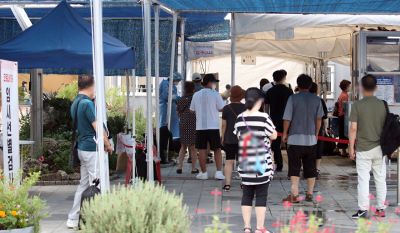
The latest wave of COVID-19 infections is showing no signs of slowing down, with 1,540 new cases announced Tuesday — 1,476 locally transmitted and 64 imported from overseas.

The figure, which covers the 24 hours ending Monday at midnight, pushes the total number of cases to date to 213,987, according to the Korea Disease Control and Prevention Agency. South Korea added nine more deaths, raising the death toll to 2,134.

The virus seemed to have slowed down a little in the capital region — Seoul, Incheon and Gyeonggi Province — thanks to strict social distancing rules, but the situation has become more severe in other parts of the country.

Seoul, Incheon and Gyeonggi Province accounted for 55.4 percent of newly reported locally transmitted cases. Gyeonggi Province reported 398 new cases, followed by Seoul with 356 cases and Incheon with 64.

At the same time, Busan reported 105 new cases and neighboring South Gyeongsang Province added 110 new cases, showing that the virus situation is serious in other regions as well.

Korea is enforcing Level 4 social distancing rules in the Greater Seoul area until Aug. 22, and most of the other regions within the country are under Level 3 rules. Authorities have additionally banned gatherings of three or more people after 6 p.m. and maintained 10 p.m. curfews for most businesses.

While the restrictions are to remain in place for less than two weeks, experts have said the worst is yet to come, as variants of COVID-19 will continue to spread, especially when combined with increased travel in the summer vacation season.

Dr. Chun Eun-mi, a respiratory disease specialist at Ewha Womans University Medical Center, warned that the number of daily cases could exceed 2,000 in the coming days, as the delta variant is expected to have spread quickly among vacationers.

“If the number doesn’t reach 2,000, I would say that’s because the number of tests was low,” Chun said in a radio interview Tuesday. “Once we go past that 2,000 mark, the number could rise at an even faster rate, and now that the holiday season is over, those who return home will now undergo testing.”

Authorities on Tuesday strongly encouraged people returning from vacation to take COVID-19 tests as needed, adding that they would install more testing centers at highway rest stops.

Older adults are likely to be at risk of infection with the delta variant, Chun added, because time has passed since they received their vaccinations in February and March and their immunity may have waned.

Korea is carrying out a national vaccination program, and people aged between 18 and 49 could begin booking appointments Monday night.

Around 21.37 million people, or 41.6 percent of Korea’s 51.3 million people, have received their first COVID-19 shots, and close to 7.9 million people have been fully vaccinated since the country started the nationwide program in late February.

But the country faces a vaccine supply shortage after Moderna failed to provide the planned doses of COVID-19 vaccines for this month.

Moderna will be sending less than half of the roughly 9 million doses of the vaccine it promised to ship this month, and in response Korea has lengthened the interval between the first and second doses of two messenger RNA COVID-19 vaccines to six weeks instead of the recommended three to four weeks.

The country also approved plans Tuesday for the first-ever Phase 3 clinical trial for a locally developed COVID-19 vaccine. SK Bioscience plans to run a comparative clinical study on its COVID-19 vaccine candidate and that made by AstraZeneca, and intends to start recruiting participants in the coming weeks.
 

Published : August 11, 2021

By : Ko Jun-tae/The Korea Herald/ANN

Singapore raises 2021 growth forecast to 6-7% amid rising Covid-19 vaccination rates #SootinClaimon.Com

#SootinClaimon.Com : ขอบคุณแหล่งข้อมูล : หนังสือพิมพ์ The Nation.

https://www.nationthailand.com/international/40004504

Singapore raises 2021 growth forecast to 6-7% amid rising Covid-19 vaccination rates


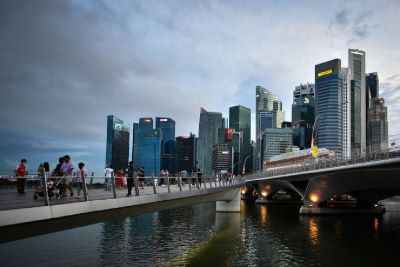
SINGAPORE – Singapore upgraded its economic growth forecast range for 2021 to 6 per cent to 7 per cent, in view of the better-than-expected performance of its economy in the first half of the year and as Covid-19 vaccination rates gain pace in key advanced economies and at home.

The new prediction compares with the previous official growth forecast of 4 per cent to 6 per cent, made first in November last year and maintained in May.

The Ministry of Trade and Industry (MTI), which announced the forecast, said that while Covid-19 cases continue to be on the rise globally due to the spread of the highly transmissible Delta variant, vaccination rates have also picked up in key advanced economies such as the United States and the eurozone, which have in turn allowed them to press on with their reopening plans.

In contrast, regional economies, which have been slow to vaccinate their populations, have had to reimpose restriction measures to curb a resurgence in infections. This has in turn dampened their growth outlook, MTI said.

“On balance, the recovery in external demand for Singapore for the rest of the year remains largely on track,” the ministry noted.

Enterprise Singapore, meanwhile, hiked its 2021 trade forecasts amid the Republic’s better-than-expected  second-quarter growth – particularly in electronics, specialised machinery and petrochemicals – and higher expected oil prices that support the oil trade.

Non-oil domestic exports (Nodx) are now tipped to grow 7 per cent to 8 per cent, up from the 1 per cent to 3 per cent previously forecast. Total merchandise trade is predicted to increase by 13 per cent to 14 per cent, much higher than the  previous forecast of 5 per cent to 7 per cent growth.

This comes after Nodx grew by 10.1 per cent in the second quarter, following the 9.7 per cent rise in the first quarter, driven by increases in both electronics and non-electronics shipments. 

At home, Singapore began easing some of its Covid-19-related curbs this week, allowing dining in to resume and raising group sizes to five for those who have been fully vaccinated. Work-from-home rules are expected to ease next week.

The easing of restrictions come as Singapore announced that 70 per cent of its population has been fully vaccinated, and 79 per cent have received at least one dose.

Mr Gabriel Lim, Permanent Secretary for Trade and Industry, said the progressive easing of domestic and border restrictions amid rising vaccination rates in Singapore will also help to support the recovery of consumer-facing sectors and alleviate labour shortages in sectors that are reliant on migrant workers, such as construction and marine engineering.

However, the recovery will remain uneven, with tourism- and aviation-related sectors projected to recover more slowly than previously expected.

“Even though domestic border restrictions may be eased towards the later part of the year, demand is not expected to return quickly as travel restrictions globally are likely to be lifted cautiously,” said Mr Lim.

The bulk of growth will still come from outward-oriented sectors such as manufacturing and wholesale trade, he said.

“In particular, the manufacturing sector is projected to see robust growth due to strong semiconductor and semiconductor equipment demand.”

Some help will be forthcoming from consumer-facing sectors such as retail, and food and beverage service, as the restrictions are eased over the course of the year, and as consumer sentiments improve in tandem with better labour market conditions.

Mr Kenny Tan, director at the Ministry of Manpower, said unemployment rates are likely to improve through the rest of the year, although employment recovery may remain uneven across sectors with mismatches in the labour market.

Mr Edward Robinson, the Monetary Authority of Singapore’s (MAS) deputy managing director and chief economist, said the central bank’s current policy stance of zero appreciation of the trade-weighted Singapore dollar remains appropriate.

However, MAS will continue to watch global developments, he added.

MAS will review the policy stance in October.

According to MTI, the Singapore economy expanded by 14.7 per cent on a year-on-year basis in the second quarter of this year, faster than the 1.5 per cent growth in the previous quarter.

For the first half of the year, growth came at a better-than-expected 7.7 per cent.

The strong second-quarter growth was largely due to the low base in the same period last year when gross domestic product (GDP) fell by 13.3 per cent as a result of the circuit breaker measures implemented from April 7 to June 1, 2020, as well as the sharp fall in external demand amid the Covid-19 pandemic.

In absolute terms, GDP remained 0.6 per cent below its pre-pandemic level in the second quarter of 2019, MTI said.

On a quarter-on-quarter seasonally adjusted basis, the Singapore economy contracted by 1.8 per cent in the second quarter of this year a reversal from the 3.3 per cent expansion in the first quarter.

Growth in the quarter was led by the manufacturing sector, which expanded by 17.7 per cent year on year, extending the 11.4 per cent growth recorded in the previous quarter.

The construction sector grew by 106.2 per cent year on year, a sharp turnaround from the 23.2 per cent contraction in the previous quarter, as both public and private sector construction works expanded.

ADVERTISEMENTx

The wholesale trade sector expanded by 2.9 per cent year on year, easing from the 3.5 per cent growth in the previous quarter.

The retail trade sector expanded by 50.7 per cent year on year, accelerating from the 1.6 per cent growth in the previous quarter. The transportation & storage sector grew by 20.9 per cent year on year, a turnaround from the 15.8 per cent contraction in the preceding quarter.

The information and communications sector expanded by 9.6 per cent year on year, a step up from the 6.8 per cent growth in the previous quarter.

The real estate sector grew 25.8 per cent year on year, a turnaround from the 3.1 per cent contraction in the previous quarter. The accommodation sector expanded by 13.2 per cent year on year, easing from the 16.3 per cent growth in the preceding quarter.

The food and beverage service sector expanded by 36.7 per cent year on year, a turnaround from the 9.2 per cent contraction in the previous quarter.

Published : August 11, 2021

By : Ovais Subhani/The Straits Times/ANN

China boosts efforts to hit green targets #SootinClaimon.Com

#SootinClaimon.Com : ขอบคุณแหล่งข้อมูล : หนังสือพิมพ์ The Nation.

https://www.nationthailand.com/international/40004503

China boosts efforts to hit green targets


Political Bureau urges faster rollout of action plan as climate change worsens.

China is bolstering efforts to tackle climate change by proactively promoting low-carbon projects as drivers of economic growth and reining in sectors with high energy consumption and emissions, experts said.

In late July, a meeting of the Political Bureau of the Communist Party of China Central Committee had carbon emissions high on the agenda amid the worsening climate crisis that has seen extreme weather conditions across the globe.

The world’s leading scientists warned in the Intergovernmental Panel on Climate Change report on Monday that climate change is “widespread, rapid, and intensifying”.

The human-caused climate crisis is “unequivocal” and temperatures are likely to rise by more than 1.5 C over the next 20 years, triggering more extreme weather events worldwide, the report said. Many of the climate changes observed are unprecedented in thousands, if not hundreds of thousands of years, the report added.

The Political Bureau meeting urged a faster rollout of a national action plan to fulfill the country’s target of reaching a carbon dioxide emissions peak before 2030, according to a statement released after the meeting.

Presided over by President Xi Jinping, who is also general secretary of the CPC Central Committee, the meeting set out key economic policy directions for the second half of this year.

Aside from adhering to coordinated national action, the meeting stressed the need to correct “movement-style” carbon reduction measures, as the country forges ahead to fulfill its climate targets, which also include achieving carbon neutrality before 2060.

Fu Sha, program director of Energy Foundation China’s Low Carbon Economic Growth Program, said many regions have included the development of hydrogen energy in their 14th Five-Year Plan (2021-25).

An example of a “movement-style” measure is undertaking a hydrogen energy program without a proper assessment of local conditions. However, for the country to achieve its carbon neutrality target doesn’t necessarily mean that each region needs to go carbon neutral, she said.

Some regions may not only be able to achieve negative emissions but can help make up the gap in other areas. Other regions may not have the suitable conditions to develop new energy industries.

“Each region should proceed with carbon reduction in light of local conditions,” she stressed, adding that different measures should be rolled out in a coordinated way.

The meeting called for the county’s climate targets to proceed in a “build first, destroy later” manner. “The development of projects with high energy consumption and emissions will be rigorously curbed,” the release said.

Fu said China will prioritize low-carbon, clean industries in new projects to promote the construction of infrastructure for renewable energies.

As low-carbon projects start to dominate new developments, the country will target its “historical stockpile” of high-emission projects for further carbon reduction, she said.

In addition to infrastructure, policy and institutional mechanisms need to be put in place to create a favorable situation for the development of new energy and low-carbon industries.

Lin Boqiang, head of the China Institute for Studies in Energy Pol-icy at Xiamen University, said only after the country builds the infrastructure for new energy, can it undertake large-scale reduction of the consumption of coal and other fossil fuels, which make up about 85 percent of China’s energy mix.

The “build first, destroy later “strategy will help ensure energy security and a stable power supply to sustain economic growth, he said.

Steel, cement and the nonferrous metal industries are the main sectors with high energy consumption and emissions, and consume 21.5 percent of the country’s power.

Efforts to contain these industries will reduce China’s dependence on energy for economic development, and set the country on the path of high-quality development.

New projects with high energy consumption and emissions have been major targets of environmental inspections.

The inspection teams are usually headed by retired ministry-level officials, and these teams report to a central leading group headed by Vice-Premier Han Zheng.

Published : August 11, 2021

By : HOU LIQIANG/China Daily/ANN

Survey: Residents more upbeat about HKs economic prospects #SootinClaimon.Com

#SootinClaimon.Com : ขอบคุณแหล่งข้อมูล : หนังสือพิมพ์ The Nation.

https://www.nationthailand.com/international/40004502

Survey: Residents more upbeat about HKs economic prospects


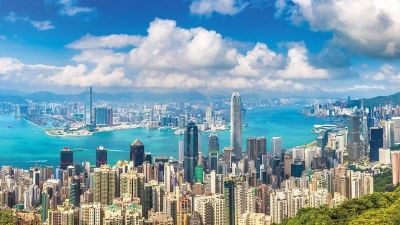
HONG KONG – Hong Kong residents are becoming more optimistic about the city’s economic development prospects, a survey conducted by the Democratic Alliance for the Betterment and Progress of Hong Kong showed.

Telephone interviews with 1,158 Hong Kong residents aged over 18 in June revealed that 28 percent of the respondents expressed optimism, up 8 percentage points from the survey conducted at the end of last year. Around 35 percent of respondents are pessimistic about the city’s economic future, down 19 percentage points from the last survey.

“The survey result shows that Hong Kong residents are still prudent and conservative toward future economic forecasts for Hong Kong,” said Holden Chow Ho-ding, vice-chairman of the DAB. “We urge the government to formulate medium- and long-term strategies for fostering Hong Kong’s long-term economic development.”

The government needs to design measures to diversify the city’s economic structure by promoting the innovation and technology industry and attracting more Chinese mainland and overseas technology talent expatriates to come to Hong Kong, Chow added.

Published : August 11, 2021

By : Oswald Chan/China Daily/ANN

Pakistans tourism industry makes headway amid COVID-19 challenges #SootinClaimon.Com

#SootinClaimon.Com : ขอบคุณแหล่งข้อมูล : หนังสือพิมพ์ The Nation.

https://www.nationthailand.com/international/40004517

Pakistans tourism industry makes headway amid COVID-19 challenges


Despite the limited inflow of tourists from abroad to Pakistan under the pandemic, the local tourism industry remains robust. The improvement of road infrastructure under the China-Pakistan Economic Corridor (CPEC) has also played a vital role.

Pakistan is endowed with a myriad of natural wonders as well as historical and religious tourist sites that attract a large number of both local and foreign tourists every year.

However, the outbreak of the COVID-19 pandemic direly affected Pakistan’s tourism sector in 2020. Despite the limited inflow of tourists from abroad owing to pandemic-related travel restrictions, local tourists have boosted the local tourism industry this year.

ADVERTISEMENTx

Pakistani experts and government officials believe that as Pakistan has a huge potential for tourism, all-out efforts should be made to further ramp up the thriving tourism sector and attract not only local tourists but also people from all over the world once the pandemic subsides.

Pakistani Prime Minister Imran Khan said that the promotion of tourism in the country is one of his government’s top priorities to generate revenue and job opportunities.

“The promotion of tourism will not only create economic activity in the local areas, but will also have a positive impact on the national economy,” the prime minister said recently.

In 2019, the total contribution of travel and tourism to Pakistan’s gross domestic product (GDP) was 5.7 percent, Managing Director of the Pakistan Tourism Development Corporation (PTDC) Aftab-ur-Rehman Rana told Xinhua, adding that in 2020 when the pandemic hit the world, the total contribution to the country’s GDP decreased to 4.4 percent, cutting down a large number of employments.

In a conversation with Xinhua, Latif-ur-Rehman, spokesperson for Culture, Sports, Tourism, Archaeology and Youth Affairs Department of Pakistan’s northwest Khyber Pakhtunkhwa (KP) province said that last year, the tourism industry of Pakistan suffered as most of the tourist places were closed due to coronavirus-induced fears and restrictions.

ADVERTISEMENT

He said in 2020, COVID-19 caused losses of more than 10 billion rupees on the tourism industry of KP when a number of businesses associated with tourism were left paralyzed.

“With some relaxation in restrictions recently, a huge influx of tourists is being witnessed in the country’s northern areas and KP province,” he said, adding that both of the regions are center-point of domestic tourism from May to October and are immensely popular among the nature-lovers and adventure seekers thanks to the world’s highest peaks, glaciers and scenic views in the regions.

Rehman said that the number of tourists has overwhelmingly increased since the onset of summer which led to the shortage of accommodation, forcing many to stay in makeshift shelters, tents and houses of local people.

More than 65 billion rupees of business activities were generated by the tourists in the province from May to July, he said, adding that the activities also generated job opportunities for locals in these areas.

A horse dances on the beats of drums during the Islamabad Tourism Festival in Islamabad, capital of Pakistan, March 5, 2021. A horse dances on the beats of drums during the Islamabad Tourism Festival in Islamabad, capital of Pakistan, March 5, 2021.

ADVERTISEMENT

During the recent Eid al-Adha holidays in Pakistan, more than 3 million tourists flocked to tourist destinations in KP including Naran, Kaghan, Kalam, Swat and Chitral, he said.

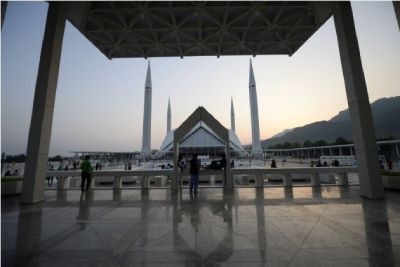
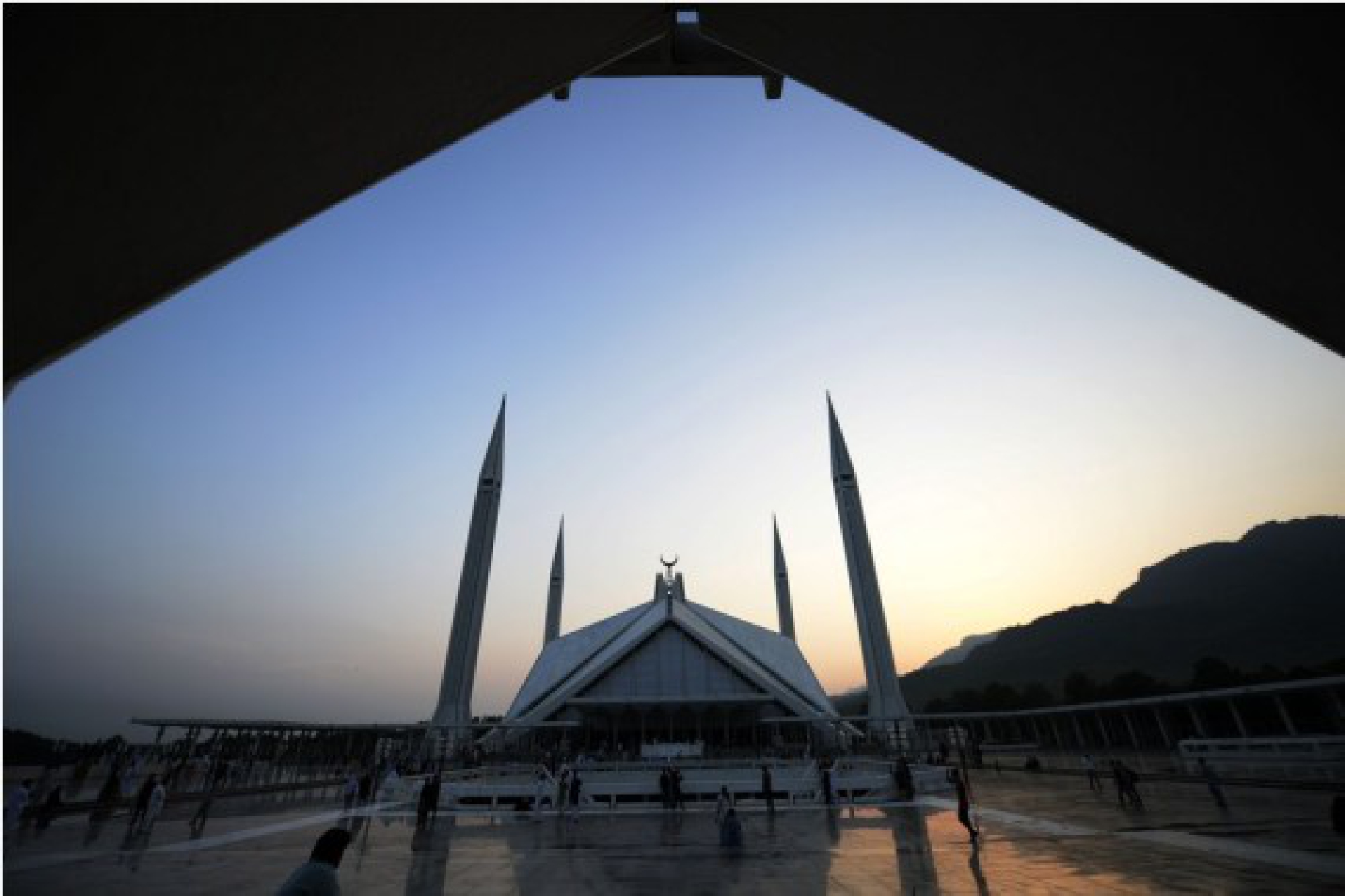
People visit the Faisal Mosque after the mosque was recently reopened to tourists in Islamabad, capital of Pakistan, Aug. 10, 2020.People visit the Faisal Mosque after the mosque was recently reopened to tourists in Islamabad, capital of Pakistan, Aug. 10, 2020.
Saleem Rehman, a member of Pakistan’s National Assembly or the lower house of the parliament, said that the improvement of road infrastructure under the China-Pakistan Economic Corridor (CPEC) has also played a vital role in unlocking the enormous potential of tourism in Pakistan.

The Karakoram Highway (KKH) Phase Two project from Havelian to Thakot under the CPEC greatly improved the access to the most sought-after tourism spots of KP and northern areas of the country, the lawmaker told Xinhua.

“The traveling to these areas was not easy before the completion of these new avenues. Tourists influx was not according to the potential the areas have… However, this summer the inflow of local visitors was quite high,” he said.

Rana, managing director of the PTDC, said that the notable surge in domestic tourists is due to the government’s prudent tourist-friendly policies.

Rana said that the government has been taking a keen interest in promoting the culture of tourism in the country and adopting measures to revamp the infrastructure and ensure all the required facilities for the tourists.

“More destinations are being identified and developed, historic and religious places are being refurbished and preserved, roads and motorways leading to tourist destinations are being built, and new hotels and accommodations are being set up,” he said, adding that the country is also providing online visa services to foreign tourists.

“Once the COVID-19 situation normalizes, Pakistan is expected to receive more foreign visitors too,” Rana told Xinhua.

Both federal and provincial governments must take extraordinary measures and make comprehensive strategies to further improve the tourism sector and make it more attractive, especially for foreign tourists to earn valuable foreign exchange while rebranding Pakistan on the world stage, Rana said. (100 Pakistan Rupees equals 0.61 U.S. dollars)

Photo taken on Aug. 10, 2020 shows the reopened Faisal Mosque in Islamabad, capital of Pakistan. Photo taken on Aug. 10, 2020 shows the reopened Faisal Mosque in Islamabad, capital of Pakistan.
Published : August 11, 2021

By : xinhua

Asia Album: Singapore light show marks 56th anniversary of independence #SootinClaimon.Com

#SootinClaimon.Com : ขอบคุณแหล่งข้อมูล : หนังสือพิมพ์ The Nation.

https://www.nationthailand.com/international/40004515

Asia Album: Singapore light show marks 56th anniversary of independence


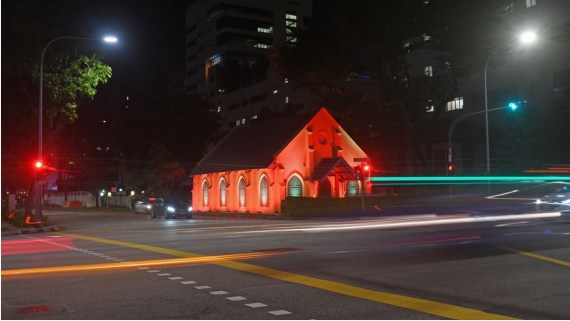
Singapore saw light projections on buildings to celebrate the countrys 56th anniversary of independence.

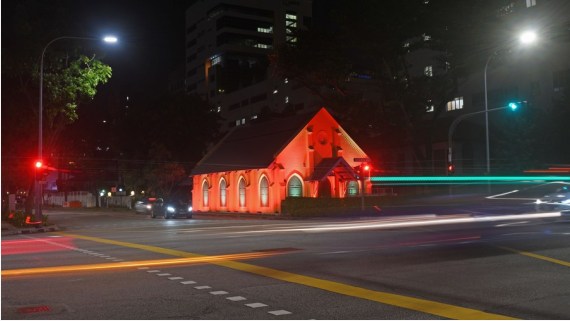
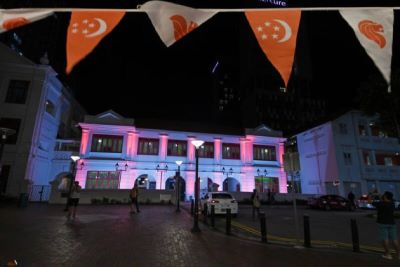
shows light projections on the facade of the Stamford Arts Center in Singapore in celebration of the country’s 56th anniversary of independence. 

ADVERTISEMENTx

Photo taken on Aug. 10, 2021 shows light projections on the facade of Objectifs, a center for photography and film arts in Singapore, in celebration of the country's 56th anniversary of independence.

Photo taken on Aug. 10, 2021 shows light projections on the facade of Objectifs, a center for photography and film arts in Singapore, in celebration of the country’s 56th anniversary of independence. 

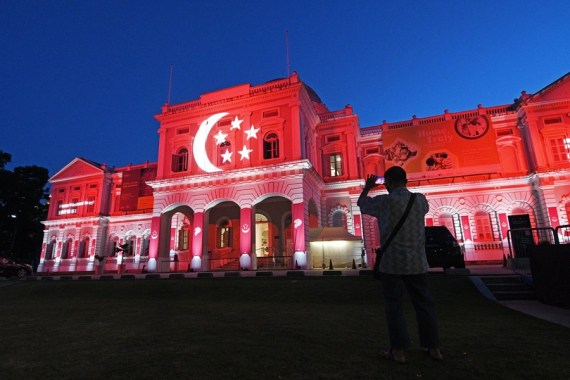
Photo taken on Aug. 10, 2021 shows light projections on the facade of the National Museum of Singapore in celebration of the country's 56th anniversary of independence.

Photo taken on Aug. 10, 2021 shows light projections on the facade of the National Museum of Singapore in celebration of the country’s 56th anniversary of independence. 

Photo taken on Aug. 10, 2021 shows light projections on the facade of the Stamford Arts Center in celebration of the country's 56th anniversary of independence.

Photo taken on Aug. 10, 2021 shows light projections on the facade of the Stamford Arts Center in celebration of the country’s 56th anniversary of independence.

Published : August 11, 2021

By : xinhua