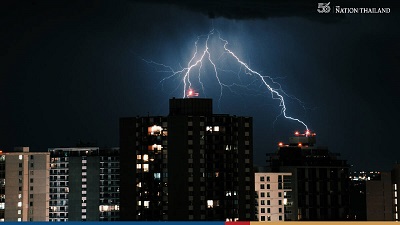
The Thailand Meteorological Department said on Tuesday that a monsoon trough lies across the Central, the East and the lower Northeast, while a rather strong southwest monsoon prevails over the Andaman Sea, the South and the Gulf of Thailand.
More rains will be likely over the country with isolated heavy rains in some areas.
Isolated very heavy rains are expected in the Central region, including Bangkok and its vicinity, and the East.
People in risky areas should beware of overflows and flash floods.
Waves 1-2 metres high and over two metres high during thundershowers are expected in the Andaman Sea and the Gulf of Thailand.
All ships should proceed with caution and keep off thundershowers.
The weather forecast for the next 24 hours:
North: Thundershowers in 80 per cent of the areas with isolated heavy rains; temperature lows of 23-25 degrees Celsius, highs of 30-34°C.
Northeast: Thundershowers in 70 per cent of the areas with isolated heavy rains; temperature lows of 23-24°C, highs of 29-33°C.
Central: Thundershowers in 80 per cent of the areas with isolated heavy to very heavy rains; temperature lows of 24-25°C, highs of 30-32°C.
East: Thundershowers in 80 per cent of the areas with isolated heavy to very heavy rains; temperature lows of 23-25°C, highs of 29-31°C; waves two metres high and over two metres during thundershowers.
South (east coast): Thundershowers in 60 per cent of the areas; temperature lows of 23-25°C, highs of 30-33°C; waves 1-2 metres high and two metres during thundershowers.
South (west coast): Thundershowers in 80 per cent of the areas with isolated heavy rains; temperature lows of 20-23°C, highs of 28-31°C; waves 1-2 metres high and over two metres during thundershowers.
Bangkok and surrounding areas: Thundershowers in 80 per cent of the areas with isolated heavy to very heavy rains; temperature lows of 24-25°C, highs of 30-31°C.
The Public Health Ministry will propose the reopening of some more businesses across the country during its September 27 meeting with the Centre for Covid-19 Situation Administration (CCSA).
Dr Apisamai Srirangsan, CCSA’s deputy spokesperson, said on Monday that the ministry hopes more venues like cinemas and entertainment spots can be opened gradually nationwide. However, she said, these venues will only be allowed to reopen if the operators have all safety measures in place and can ensure no infection clusters will be sparked.
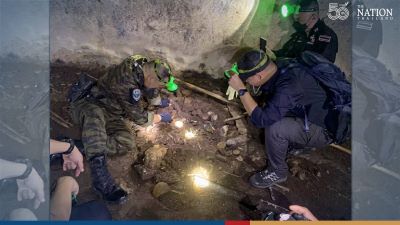
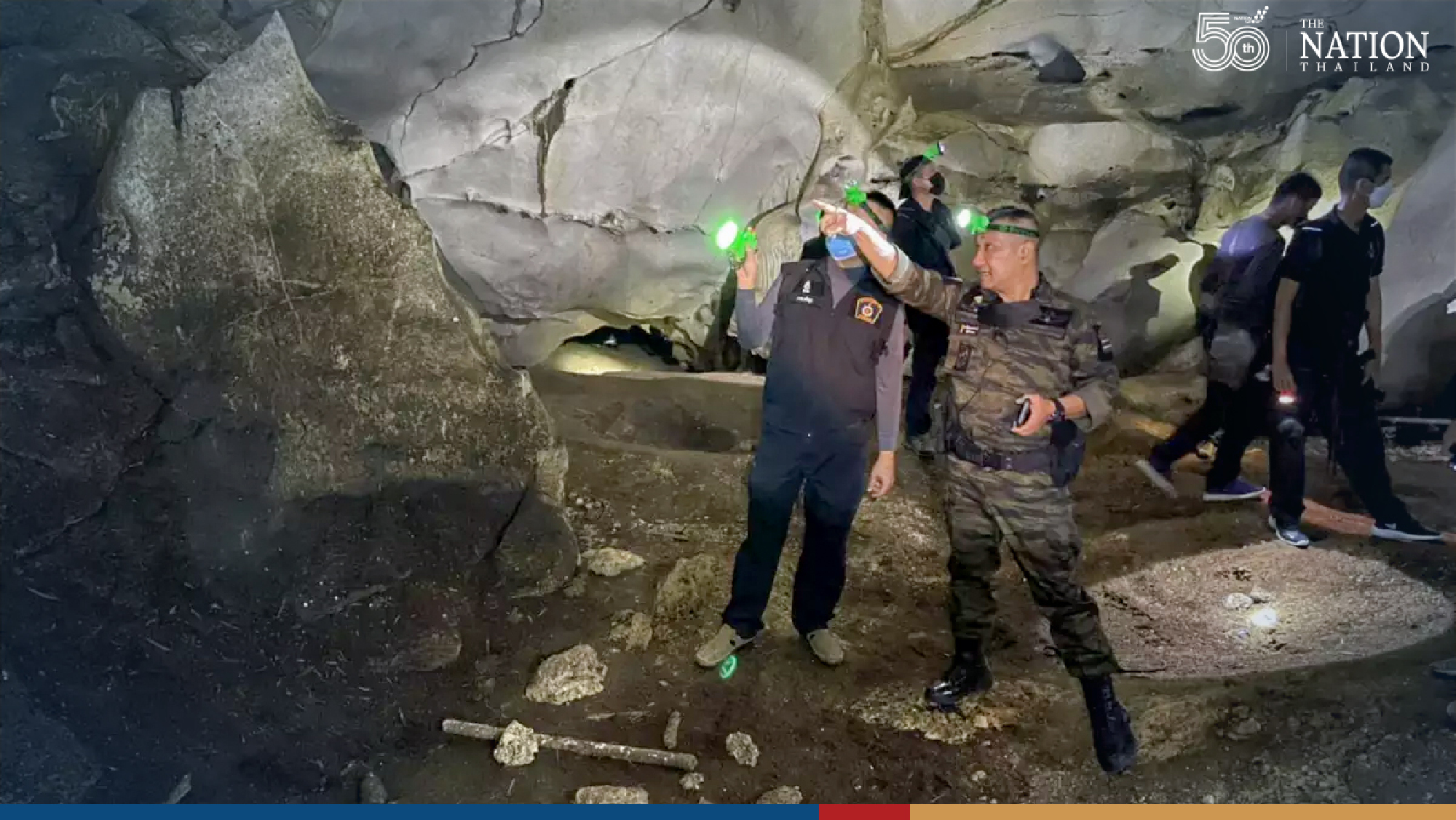
A Royal Thai Police (RTP) team visited Phatthalung province on Monday to investigate the case of missing birds’ nests and the mass killing of swiftlets.
Siamnest company, which has the concession for collecting bird’s nests from the 107 caves in Phatthalung’s seven islands, sent its teams off to collect nests from September 9 to 17.
However, when the collectors arrived at the last cave, they found no nests but instead, the carcasses of more than a million birds, the remains of a fire and trash including plastic bottles and shoes.
The damage from this bird massacre has been estimated at about 5 billion baht.
Phatthalung authorities, meanwhile, have contacted the Department of Special Investigation to see if they will consider taking on the case.
Horrifying Phatthalung bird massacre costs Siamnest THB5-bn in lost revenueHorrifying Phatthalung bird massacre costs Siamnest THB5-bn in lost revenue
The Department of Rural Roads is speeding up construction of a 99-million-baht road and bridge over the Kwai Noi River, in a bid to boost tourism in Kanchanaburi.
The reinforced concrete bridge will link the famous Erawan National Park with its lesser-known neighbour to the east, Sai Yok National Park.
The project has a budget of 99.140 million baht and is scheduled for completion around September 2023.
It includes a reinforced concrete bridge, 325 metres long and 8 metres wide, with metre-wide walkways on each side. The total length of the route is 2,250 metres.
The bridge will span the Kwai Noi River from Chong Khae village to Khao Chang village in Sai Yok district. The project aims to promote local tourism and boost convenience of travel and transportation of crops.
Bangkok officials will seek advice from the Phuket “sandbox” on Wednesday, in a bid to clear confusion over when the capital will reopen to foreign tourists.
The Bangkok Metropolitan Administration (BMA) has not yet decided when to open the capital as a quarantine-free entry point to the country, Centre for COVID-19 Situation Administration spokesperson Apisamai Srirangsan confirmed on Monday.
Bangkok was initially slated to reopen on October 1, but Tourism and Sports Minister Phiphat Ratchakitprakarn said the deadline should be moved back to October 15 as only 37 per cent of residents had been vaccinated.
Last week, concern was raised that opening Bangkok could cause a spike in Covid-19 infections among unvaccinated people.
On Wednesday, BMA officials will hold an online meeting with the Phuket sandbox team to exchange experiences and draft tourism plans for the capital.
To open as a pilot tourism area under the sandbox scheme, a destination must have 70-80 per cent of its residents fully vaccinated. It must also draft an emergency plan for outbreaks, approved by the Public Health Ministry or provincial disease control committee.
The Land Traffic Management Commission has given the green light for an electric public bus project to link with Bangkok’s newest rail route. The buses will connect with the Red Line’s Rangsit station in Pathum Thani, cutting travel time from the northern suburbs to central Bangkok.
The electric bus system is part of the interprovincial Motorways-Rail Map (MR-Map) project, which the commission approved on Monday.
The electric buses will ply the following three routes in Pathum Thani:
1. Rangsit BTS station-Thanyaburi Klong 7, running for 19.3 kilometres along Rangsit-Nakhon Nayok Road.
2. Rangsit BTS station-Thammasat University (Rangsit Campus), running 19.1km along Khlong Prem Prachanda Road and Khlong Luang Road. The route may be adjusted once the Thammasat University station officially opens.
3. Rangsit BTS Station-Yaek Kor Por Aor, running 10.6km along Phaholyothin Road.
The Department of Land Transport has been commissioned to find operators with EV standards to operate feed systems, as well as buses that are disabled-friendly.
The nationwide MR-Map project features 10 routes with a total distance of 6,530km, comprising 4,470km of intercity highways and rail lines, 1,710km of intercity highways and 350km of rail-only routes.
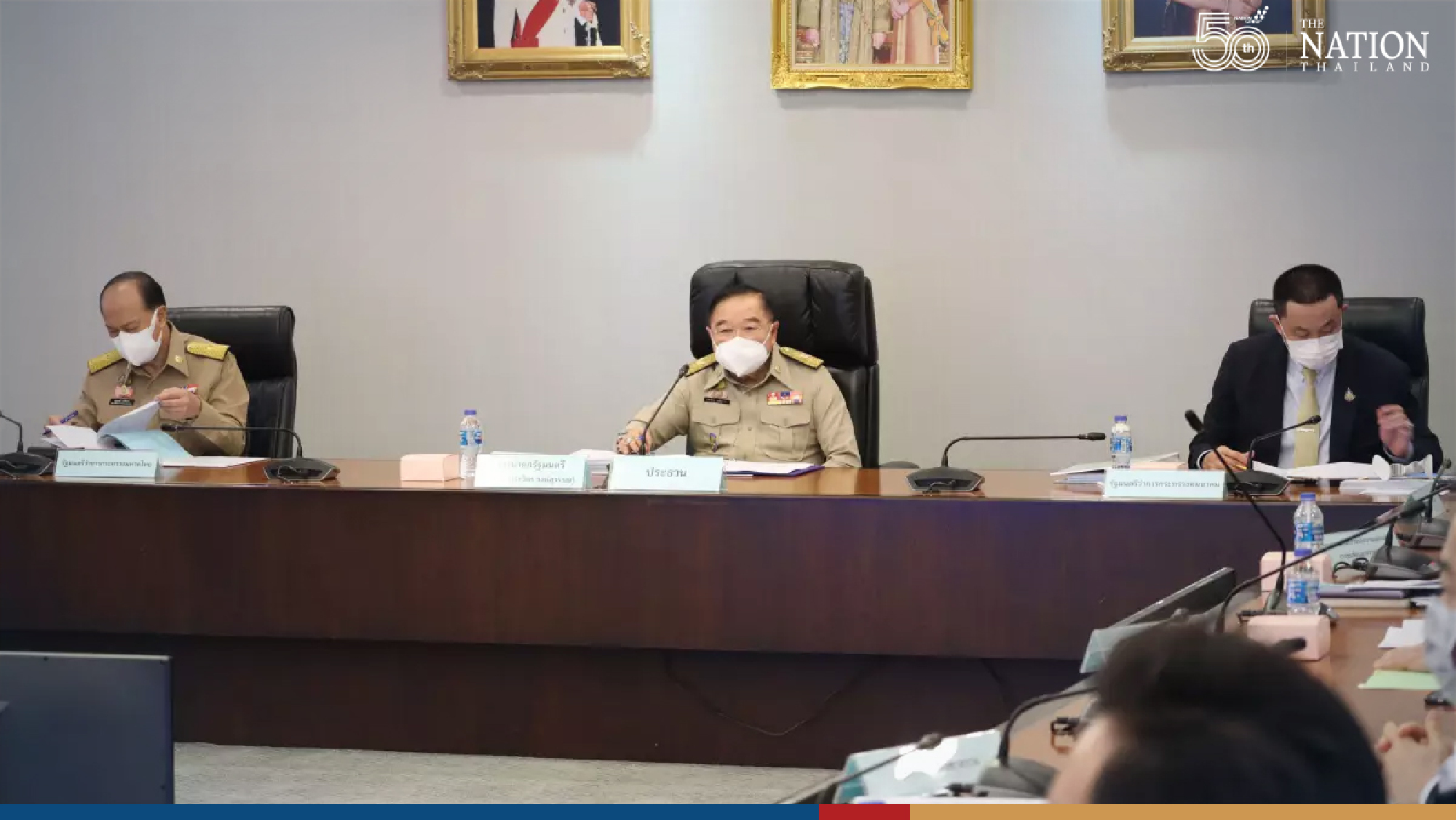
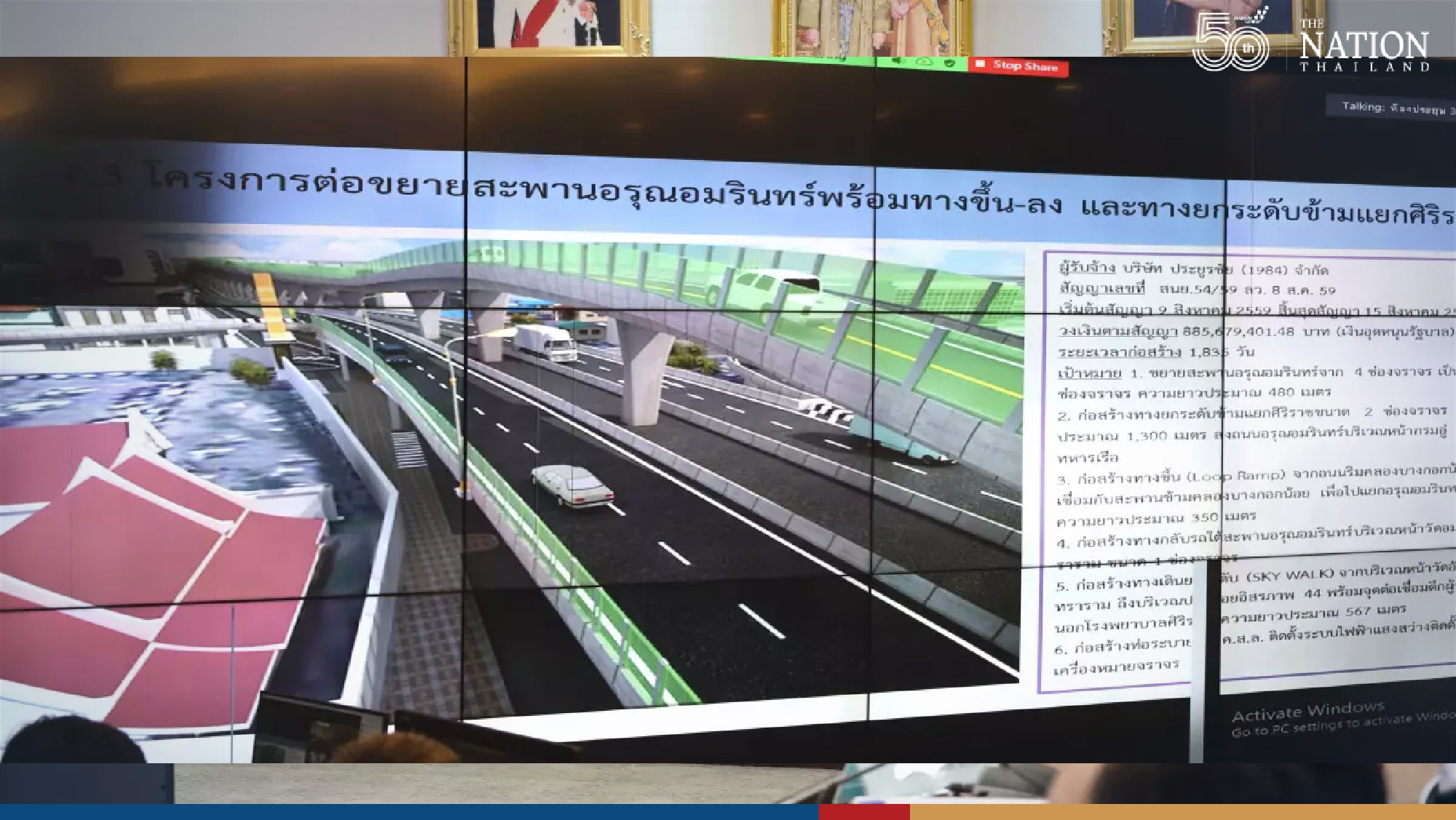
Thailand’s new barrier-free toll system will be trialled at Thap Chang 1-2 and Thanyaburi 1-2 toll plazas from October, the Land Traffic Management Commission said on Monday.
The “M-Flow” system recognises vehicle registration plates and bills drivers at the end of the month.
The system is being rolled out nationwide in a bid to reduce congestion at toll gates.
The M-Flow system was among three “Asean hub” transport projects given the green light on Monday by the commission, which is chaired by Deputy PM Prawit Wongsuwan.
The committee also approved the Eastern Economic Corridor (EEC) public transport plan. The plan is aimed at solving traffic issues in Chachoengsao, Chonburi and Rayong provinces.
Meanwhile, the commission approved the national Motorways-Railways Masterplan (MR-Map) study. The MR-Map includes 10 routes with a combined length of 6,540 kilometres.
The masterplan covers four main routes: Kanchanaburi (Three Pagodas Pass)-Ubon Ratchathani (6th Thai–Lao Friendship Bridge); Chumphon-Ranong; Nong Khai-Laem Chabang; and the 3rd Bangkok Outer Ring Road.
The routes will connect Thailand with neighbouring countries to support the Kingdom’s plan to become a transport hub for Asean.
Monday’s meeting also approved the public transport system project to connect with SRT Red Line’s Rangsit station in Pathum Thani.
New barrier-free toll system trialled from OctoberNew barrier-free toll system trialled from October
Prawit ordered the ministries of transport, interior and related agencies to work together to speed up the plan.
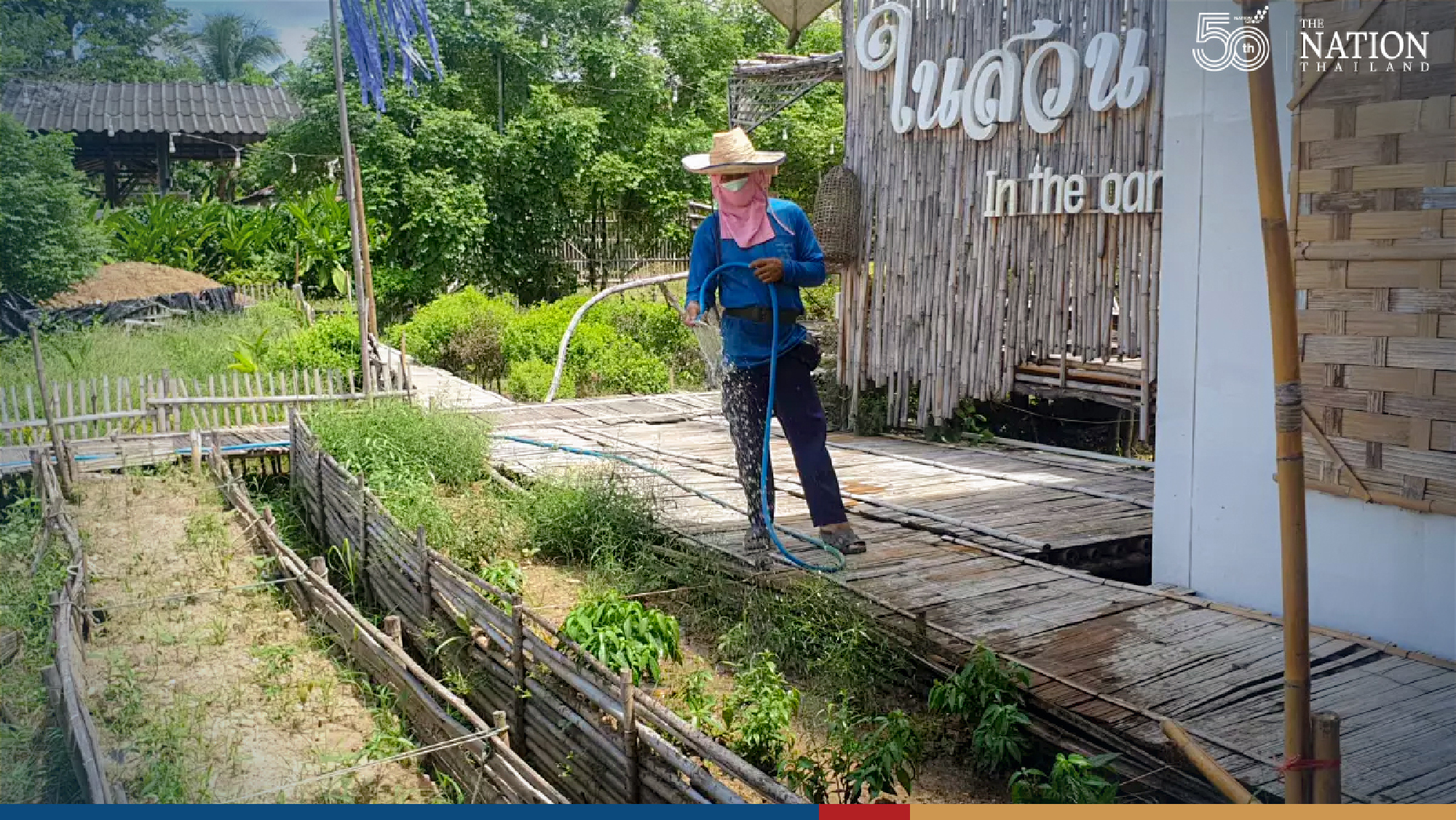
Chiang Mai farmers have been handed 100,000 green chiretta (Fah Talai Jone) seedlings under a government project to boost production of the anti-Covid herb.
The seedlings will be raised in three districts of the northern province in a pilot project subsidised by the Agriculture and Cooperatives Ministry.
Meanwhile, the ministry expects 1 tonne of green chiretta to be harvested by the end of September – enough to produce 200-300 kilograms of capsules.
On Monday, the 100,000 green chiretta plants were distributed to private and government agencies for planting in Chiang Mai’s Mae Rim, San Sai and Mae Wang districts. The project also aims to boost incomes for locals. The private sector will support cultivation of the herb, from planting through to harvest
The harvested green chiretta will be handed to local public health agencies and the Union of Thai Traditional Medicine Society, who will process the herb into medicine and distribute it to Chiang Mai residents.
The ministry is also asking for donations of green chiretta seedlings. Those interested in making a donation can call the ministry at 094 3615 628.

 Horrifying Phatthalung bird massacre costs Siamnest THB5-bn in lost revenue
 Horrifying Phatthalung bird massacre costs Siamnest THB5-bn in lost revenue


 New barrier-free toll system trialled from October
 New barrier-free toll system trialled from October
 Chiang Mai reaping 1-tonne harvest of anti-Covid herb Fah Talai Jone
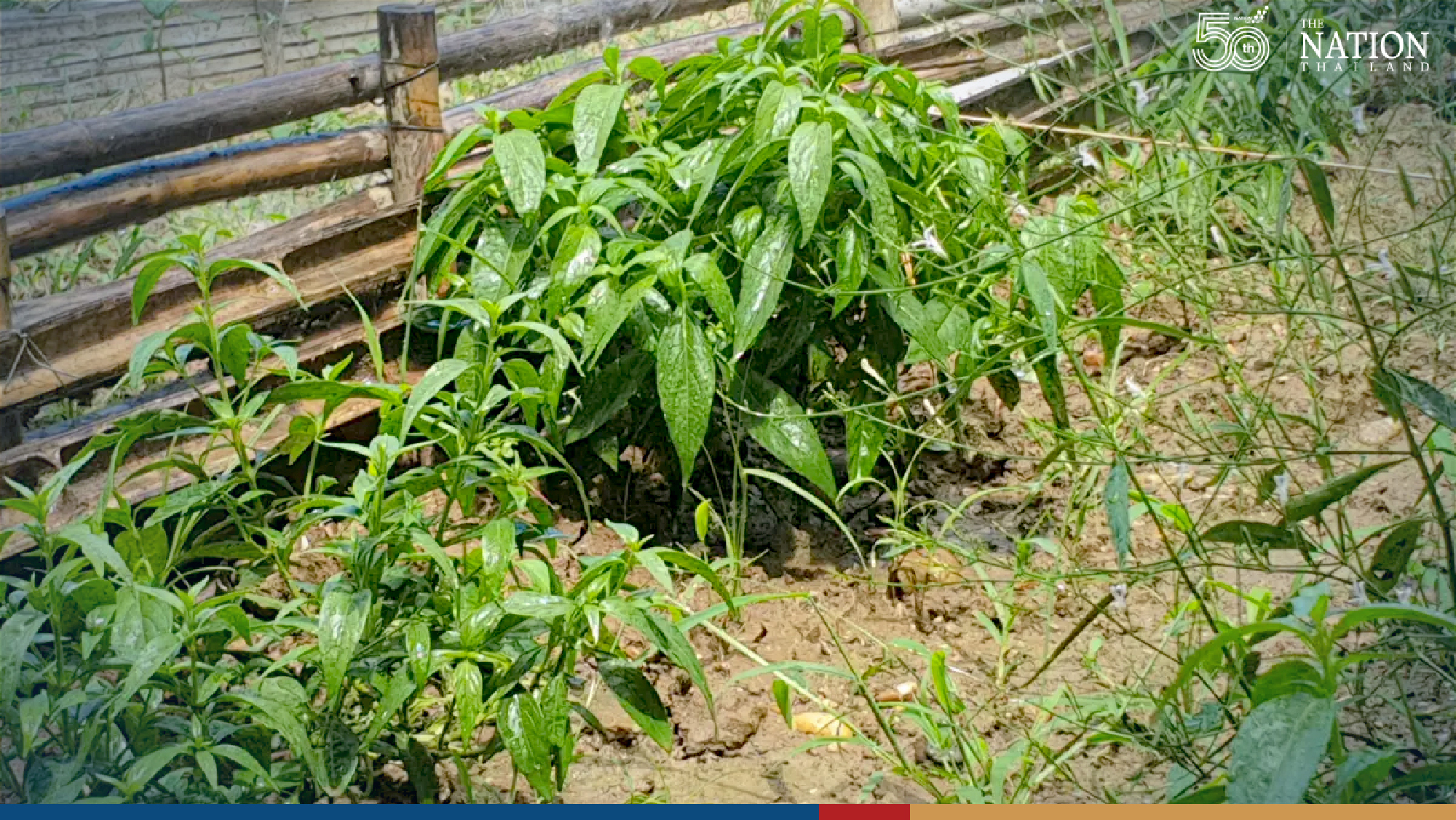 Chiang Mai reaping 1-tonne harvest of anti-Covid herb Fah Talai Jone
 สมเด็จพระสังฆราช ประทานพระคติธรรมเนื่องในวันเยาวชนแห่งชาติ 20 ก.ย. 64 ทรงแนะให้เยาวชนอาศัยหลักธรรม “อัตตัญญุตา” ความเป็นผู้รู้จักตนอย่างรอบคอบและรอบด้าน
 Collaboration อย่างไร ให้เกิดสินค้าใหม่เพื่อชีวิตและธุรกิจที่ยั่งยืนกว่า


 SootinClaimon.Com