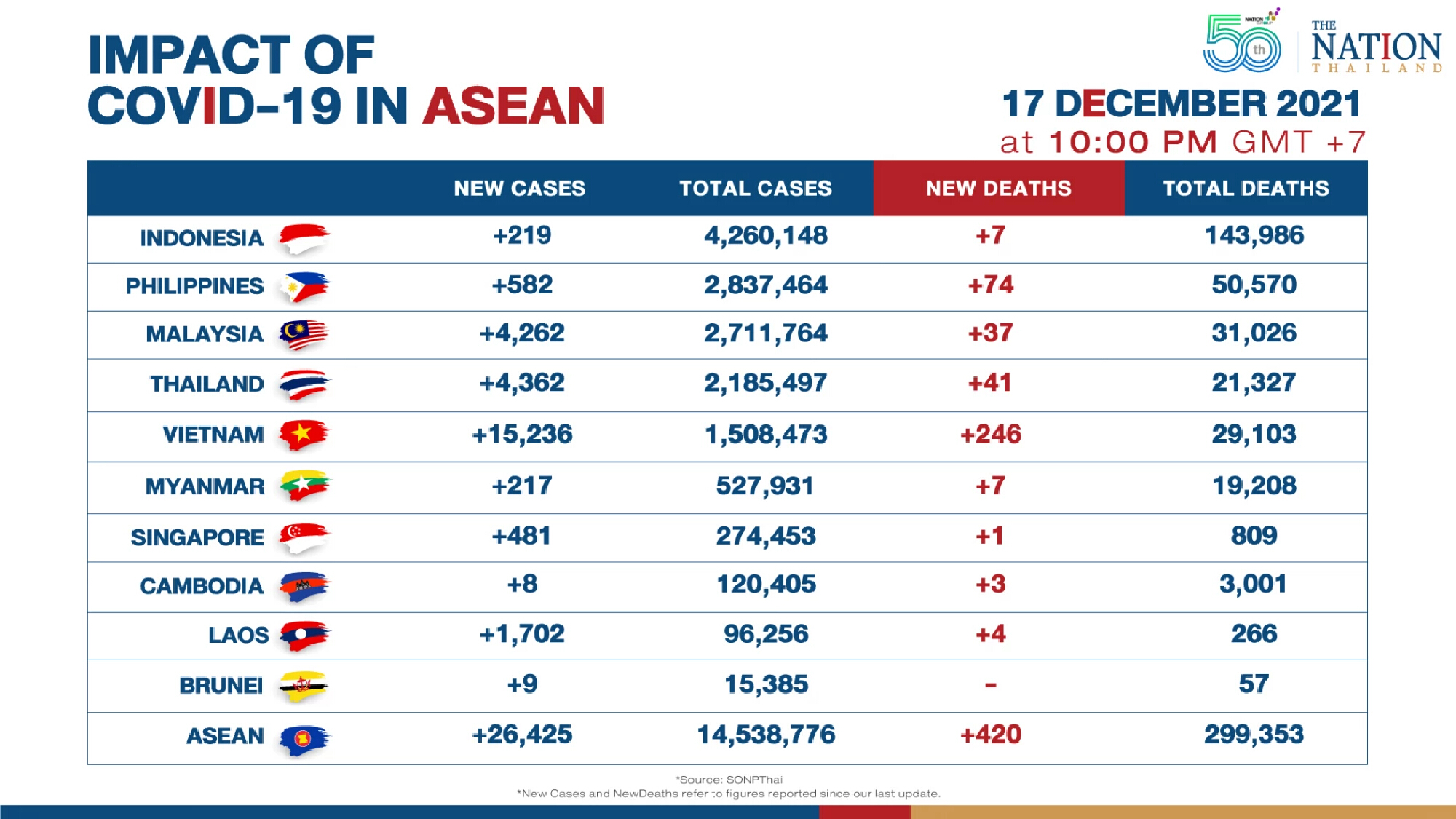
The number of Covid-19 cases crossed 14.53 million across Southeast Asia, with 26,425 new cases reported on Friday (December 17). New deaths are at 420, bringing accumulated Covid-19 deaths in Asean to 299,353.
Cambodia’s Siem Reap International Airport on Friday welcomed its first international passenger flight in 20 months, with an inaugural flight from Singapore. Cambodia has reopened its borders to fully vaccinated travelers since November after most of its population have been inoculated against the Covid-19, mostly using China’s Sinovac and Sinopharm.
Meanwhile, HCM City People’s Committee has asked Vietnam’s Ministry of Health to send more medical personnel to the city amid a surge in hospitalisations of Covid-19 patients. In its proposal, the city asked for 1,000 doctors and 2,000 nurses, including ICU 300 doctors and 600 nurses, to fill the shortage at Covid-19 treatment hospitals which need to expand the number of beds.
There were 1,175 cases recorded in the city on Thursday (December 16). More than 1,000 patients with severe complications were hospitalised on Thursday and 65 deaths were recorded.
By Ron Beck, Senior Director Industry Marketing and Lawrence Ng, Vice President of Sales, Asia Pacific, and Japan, Aspen Technology Inc.
At the World Economic Forum’s Davos Agenda in January 2021, Bill Gates talked about the need to create a trusted global carbon market, which will spur the need to shift very large capital investments into low-carbon areas. He talked specifically about the hydrogen economy, carbon capture and energy storage, as well as “green premiums” and the need to drive the economics of new technologies through scaling and investment.
The energy transition continues to impact the economy across the energy value chain. However, renewable energy, such as wind and solar generation, are of unequal potential geographically (see figure 1). For example, many parts of Asia are challenged by limited access to locations that can generate enough solar or wind power to meet their energy requirements. Hydrogen can fill a significant fraction of the world’s need for energy and can be generated carbon-free. Despite challenges, the hydrogen economy is seeing strong momentum and possibly, as a significant zero-carbon alternative in several regions.
Many parts of Asia are challenged by limited access to locations that can generate substantial solar or wind power. (Source: Peter Zeihan https://zeihan.com/disunited-nations-maps/)
Hydrogen in the spotlight
AspenTech surveyed about 340 global companies in June 2021 – 65% of respondents said they were planning to invest in hydrogen in the next five years, as a solution to greenhouse gas emissions. Two-thirds of companies intend to move into hydrogen, however there is a startling divergence of approaches in this move.
Leading carbon mitigation expert Robert Socolow, Princeton University, calls this phenomenal the “colour wars” in the move towards this new hydrogen economy.
For example, 56% of companies are planning a move into Green Hydrogen, while 49% are into Blue Hydrogen, and 25% are in the established approach of Gray Hydrogen. (Note: some companies are planning multiple initiatives, which is why the percentages across Green, Blue, and Gray Hydrogen participants do not tally to a 100%).
The sustainable investment community is pushing for the Green approach, which is largely hydrogen synthesis with electrolysis fuelled exclusively by renewable energy.
However, how fast, and far can the Green approach scale? Speaking at ADIPEC in November 2021, energy guru Daniel Yergin cautioned that Green Hydrogen may be “limited by availability of green molecules”. In other words, the availability of renewable power. China has announced the country’s intention to vigorously invest in Green Hydrogen. Many energy pragmatists, including regulators in Europe, are pushing a Blue approach, which is hydrogen from known reforming processes, with retrofitted carbon capture of flue gases, which is being pursued in locations, such as Australia and Korea today. Organizations, such as PETRONAS and Reliance in Asia, are pursuing Green and Blue Hydrogen initiatives.
Overall, hydrogen should be viewed as a scalable economic innovation game with time-to-market, as a driving component. From a low-cost and non-friction scaling point of view, the most astute players see a market that is available to win.
Maximise hydrogen investments with digital technology
Software is a strategic asset.
With capital and funding to fuel the hydrogen economy, smart players are seeing the combined impact of innovation brainpower, project execution capability and industrial AI-fuelled digital technology can lead to growth and market share. Yet, there are challenges to overcome, and a silver bullet resides in digital technologies, which are mission-critical in nature.
First, it is necessary to de-risk the hydrogen economy as a system. To do so, an end-to-end systems view is crucial, which includes producing Green or Blue Hydrogen powering hydrogen production through renewables; carbon capture; hydrogen storage and transport; as well as hydrogen end use. Each component needs to be scaled, in order to succeed as a system. Beyond strong alliances and joint ventures – a quantitative approach to solving the weak points in the system is required. In fact, bulk of the available intellectual and financial capital should be applied to building a system-wide, end-to-end risk modelling. (AspenTech is working on such an end-to-end hydrogen template model approach).
Second, digital technologies can improve the economics of renewable power to hydrogen electrolysis system. While electrolysis technology works, and projects have been initiated, the associated economics do not yet provide parity with conventional energy sources. Rigorous and AI-assisted models combined with economic models – can accelerate and multiply the efforts of technology innovators to reach new levels in economic and technical breakthrough. This requires viewing renewables, power storage and hydrogen synthesis as one system that can be optimized, subject to the stochastic variabilities of wind and solar. Speaking at ADIPEC in November 2021, Thyssen Krupp’s CEO, Sami Pelkonen predicts that Green Hydrogen will reach economic parity with Blue hydrogen by 2030. Is that reasonable, and can that be accelerated?
Third, the efficiency and economics of reforming processes needs to be improved, combined with carbon capture. Technology needs to capture and remove a higher percentage of carbon dioxide produced, with better energy efficiency. Predictive rigorous models and optimization technology are key digital elements to accelerate progress and Blue Hydrogen outcomes, which involves further integration of known hydrogen synthesis processes with the less mature carbon capture processes.
Fourth, it is necessary to advance the safe handling and transport of hydrogen. Simpler and safer approaches to cryogenic hydrogen and streamlining the use of ammonia as a carrier is required. It is also mission-critical to accelerate and scale in the deployment of hybrid models combining AI with engineering domain expertise. Digital technology is helping the drive towards understanding and eliminating safety risks and controlling operations to stay within safe operating parameters.
Fifth, digital technology can help improve economics around fuel cells. Bringing advanced data analytics and hybrid models online allows manufacturers to learn from generations of fuel cell design and accelerate economic progress.
Hydrogen economy and energy transition
To achieve energy transition leadership in with industrial scale hydrogen production and carbon capture technologies, industry players will require unmatched levels of innovation, creativity, agility, and execution.
Digital technology can value-add in areas, such as time-to-market, cost of production, risk mitigation, as well as customer satisfaction. In time-to-market, it is necessary to accelerate innovation; optioneering; concept selection; and capital investment decision-making by up to 50% (or 6 – 12 months). Companies can also improve the cost of production by reducing capital cost through visual estimating; reducing operating costs by saving energy and water through optimized designs; as well as incorporate new technology to effectively integrate new and existing facilities.
Employing AI and analytics to reduce risk, while improving uptime; safety and reliability is necessary. Finally, customer satisfaction in maximizing agility and resilience in the supply chain is critical to operational excellence. Due to the complexity in energy transition, it is necessary to balance myriad objectives across a company’s assets, while taking a data-based and quantitative approach. Digitalization and Industrial AI will be critical to this balancing act.
Blackpink’s only Thai member, Lalisa “Lisa” Manoban, was found to be the 17th most admired person in the world in 2021 in a survey conducted by YouGov, a UK-based agency that collects public opinion.
Lisa, a rapper, singer and dancer based in South Korea, is part of the K-pop girl group Blackpink which is managed by YG Entertainment.
The 24-year-old’s latest music video for the song “Lalisa” became a sensational hit in Thailand, especially since it showcased the country’s heritage.
The list is topped by former US first lady Michelle Obama, followed by Hollywood superstar Angelina Jolie, UK’s Queen Elizabeth, talk show host Oprah Winfrey and actor Scarlett Johannson. Lisa is the only K-pop star on this list.
Thailand’s expert virologist Dr Yong Poovorawan explained the administration of vaccine combos in a Facebook post on Saturday.
He said there is scientific evidence proving the effectiveness of combined vaccines and it will soon be published in international medical journals.
He said he was worried that Thais were wasting their time arguing while researchers in the rest of the world are working on setting a standard.
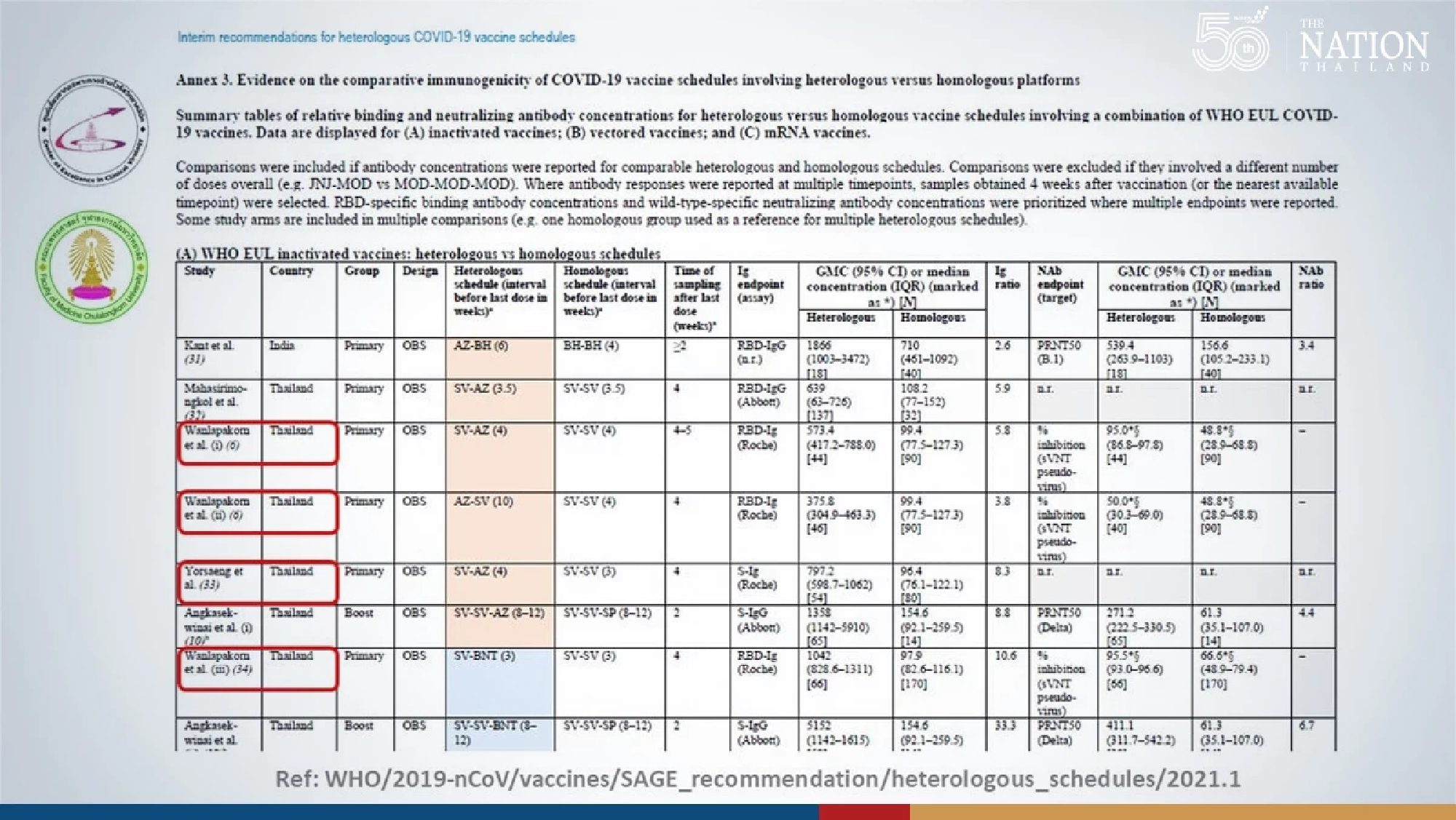
He cited the World Health Organisation (WHO)’s paper “Interim recommendations for heterologous COVID-19 vaccine schedules” published as an “Interim guidance” on Thursday.
In the paper, WHO recommends the administration of combined vaccines and cites the inactivated-viral vector or inactivated-mRNA vaccine combinations used in Thailand.
WHO has recommended that countries adjust their vaccine rollout based on the availability of vaccines.
Yong said the Public Health Ministry has studied the efficacy of the Sinovac-AstraZeneca combination and has learned that this mixture offers as much protection against Covid-19 as two doses of AstraZeneca.
Consuming turmeric, ginger, leafy vegetables and grains can help ease the side-effects of Covid-19 vaccines, the Department of Health suggested on Thursday.
Dr Suwanchai Wattana Yingcharoenchai, the department’s director-general, said the most common side effects include soreness at the vaccination site, headache, fever, body ache or fatigue.
He said the symptoms can last for up to three days and suggested that consumption of the following herbs and plants can help ease symptoms. They are:
Turmeric: Contains anti-inflammatory properties and can help ease the pain.
Ginger: Helps reduce inflammation.
Leafy vegetables and fruit: Contain vitamins that can boost immunity, dietary fibre to help flush toxins and high water content, which helps refresh the body.
The English Premier League on Thursday postponed five matches scheduled for the weekend due to Covid-19 infections.
The fixtures affected are:
Saturday: Southampton – Brentford Watford – Crystal Palace West Ham United – Norwich City Manchester United – Brighton & Hove Albion
Sunday: Everton – Leicester City
Other matches will proceed as scheduled.
The matches were postponed because: Brentford: The club had to close its training grounds due to cases and could not train for the match. Watford: Several team members have been infected and the training grounds have had to be closed. Norwich City: The team is short on members due to infections and injuries. Leicester City: Many team members are down with Covid-19 and the training ground has had to be closed. Manchester United: Many team members are isolated due to Covid-19 and its Carrington Training Complex is closed temporarily to prevent transmissions.
The recent surge in Covid-19 cases across the UK has forced the Premier League to reintroduce stringent measures such as frequent testing, wearing face masks while indoors, observing social distancing and limiting treatment time on the field.
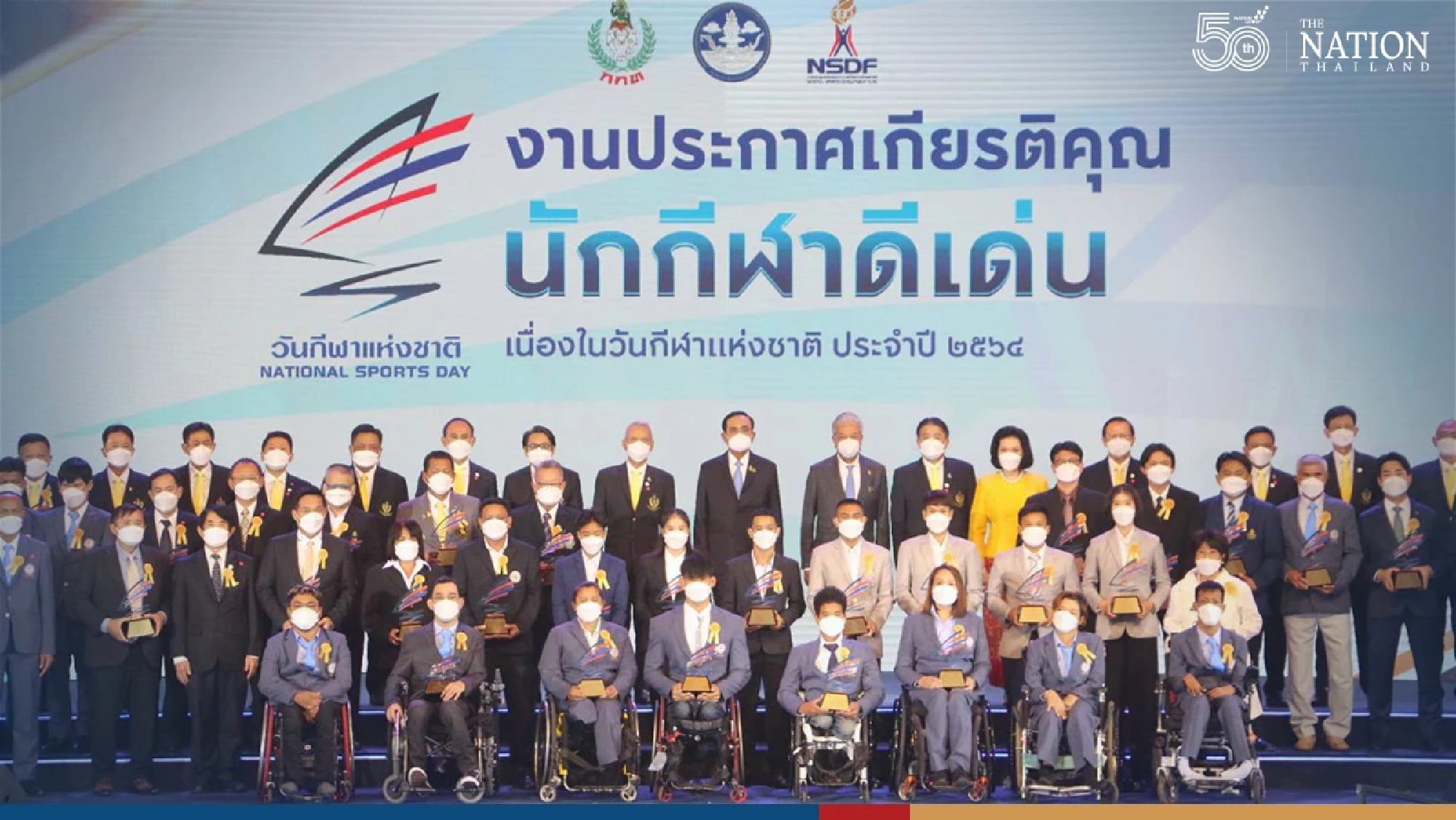
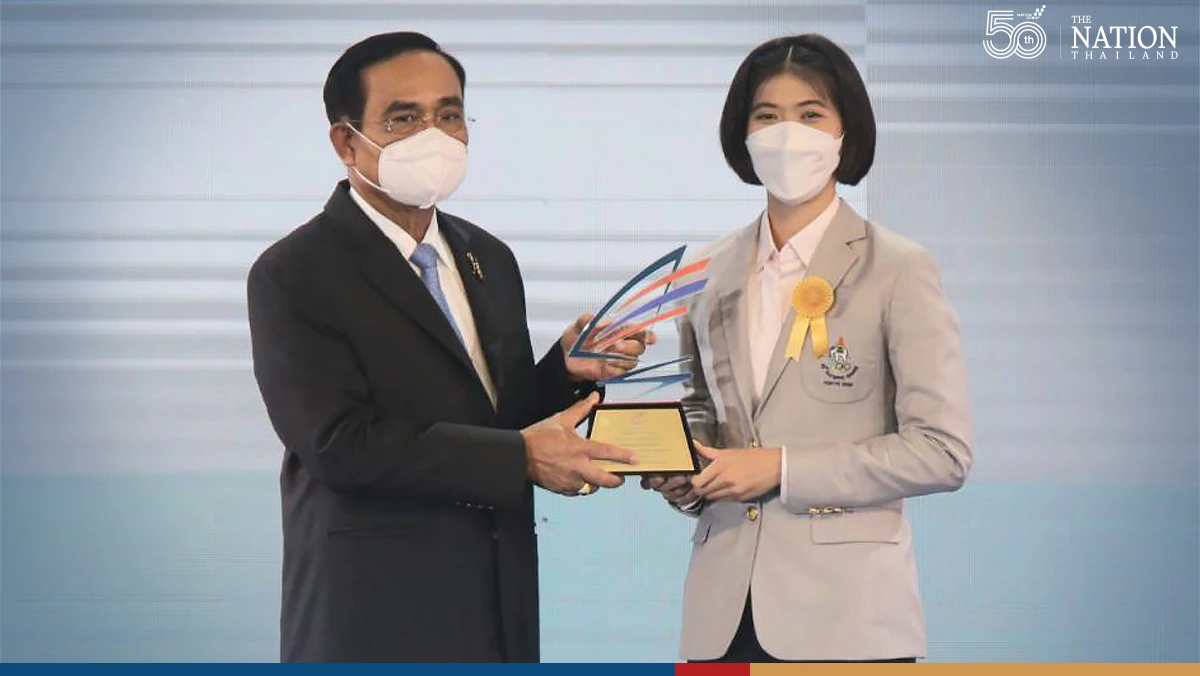
Thailand’s taekwondo star Panipak “Tennis” Wongpattanakit was handed the “best female amateur athlete of the year” award by Prime Minister Prayut Chan-o-cha on Thursday. She was being honoured for bringing home a gold medal from the Tokyo 2020 Summer Olympics.
Her head coach Choi Young-Seok also won the “most valuable person” award.
Paphangkorn “Patty” Tavatanakit, 22, won the “pro-athlete of the year” award for winning her first LPGA Major championship at the ANA Inspiration 2021 in California earlier this year.
Meanwhile, Nattapol Saenkla received the best Muay Thai fighter award.
Applauding the fact that Muay Thai has been fully recognised as a sport by the International Olympic Committee (IOC), Prayut said his government will work on making the sport more widely recognised on both domestic and international fronts. He also said the government will try to get Muay Thai included in the 2028 Olympics to be held in Los Angeles.
A ceremony celebrating Thai athletes and sports personnel is held every year on National Sports Day on December 16, with 39 awards in 13 categories being handed out.
His Majesty King Rama IX won a gold medal for sailing at the Southeast Asian Peninsular (SEAP) Games (now the SEA Games) on December 16, 1967, and the date has been marked as National Sports Day since 1986.
This year’s event was held at the Bangkok Indoor Stadium in Hua Mak. Also attending was Tourism and Sports Minister Phiphat Ratchakitprakarn.
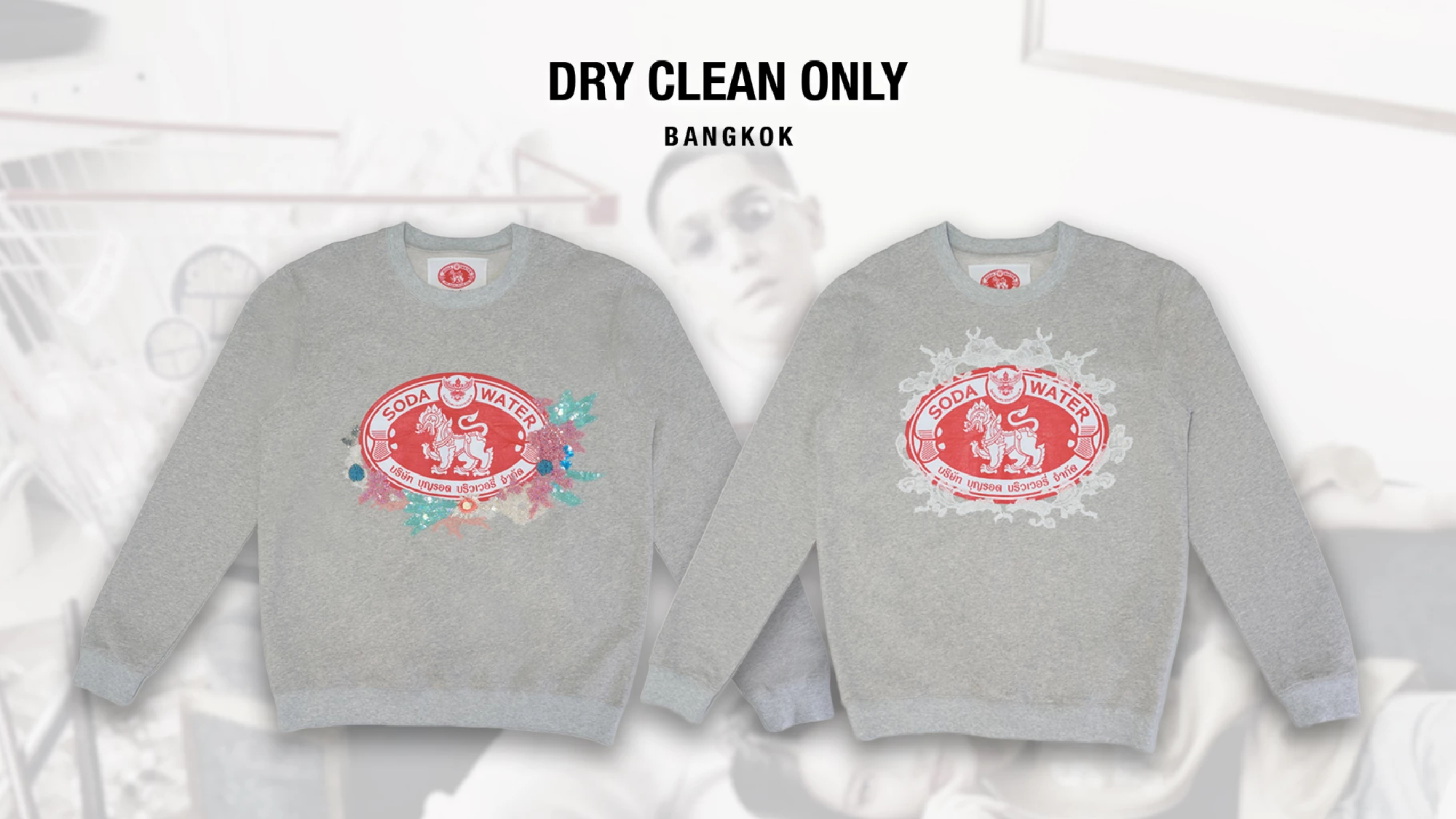
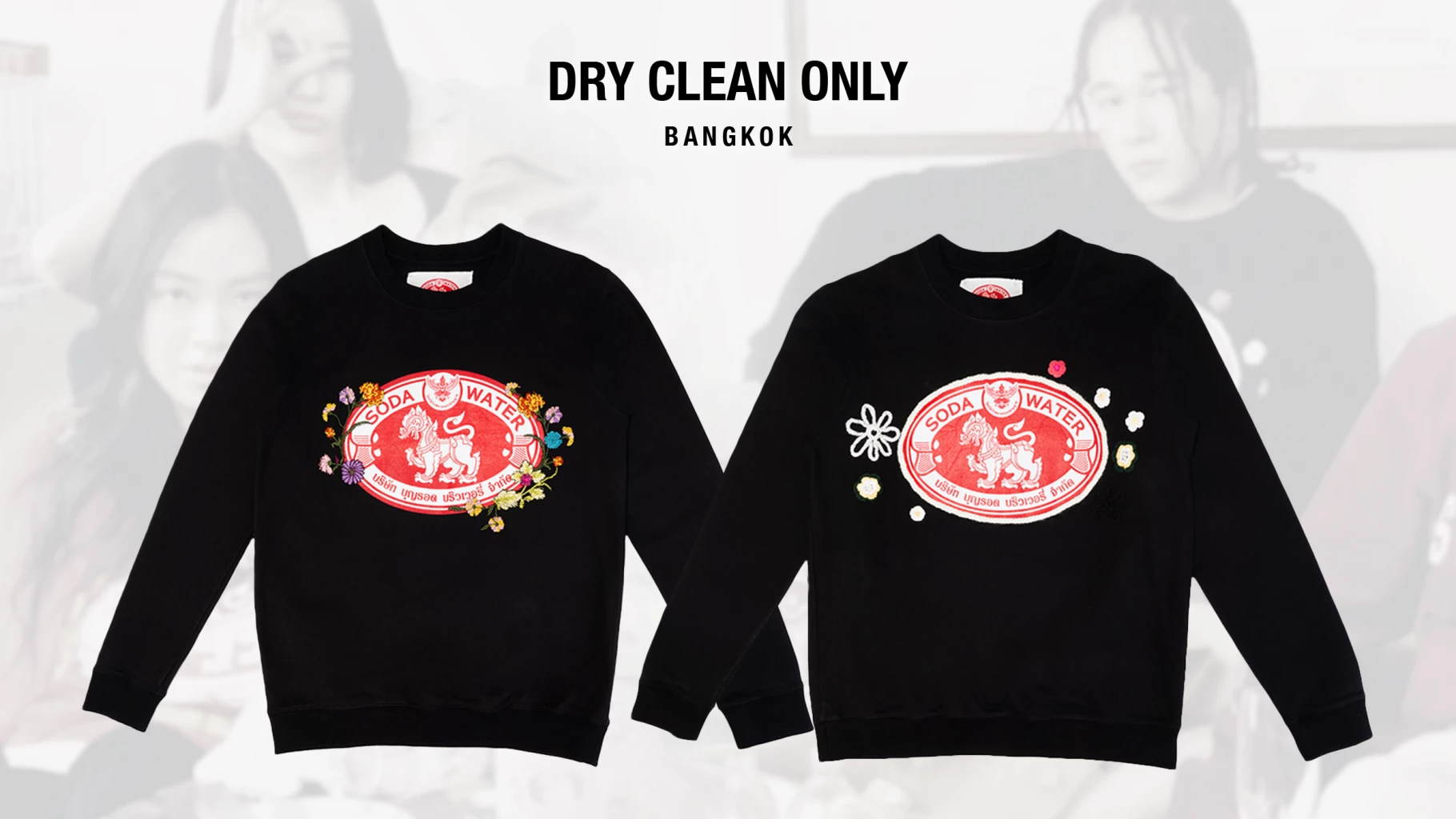
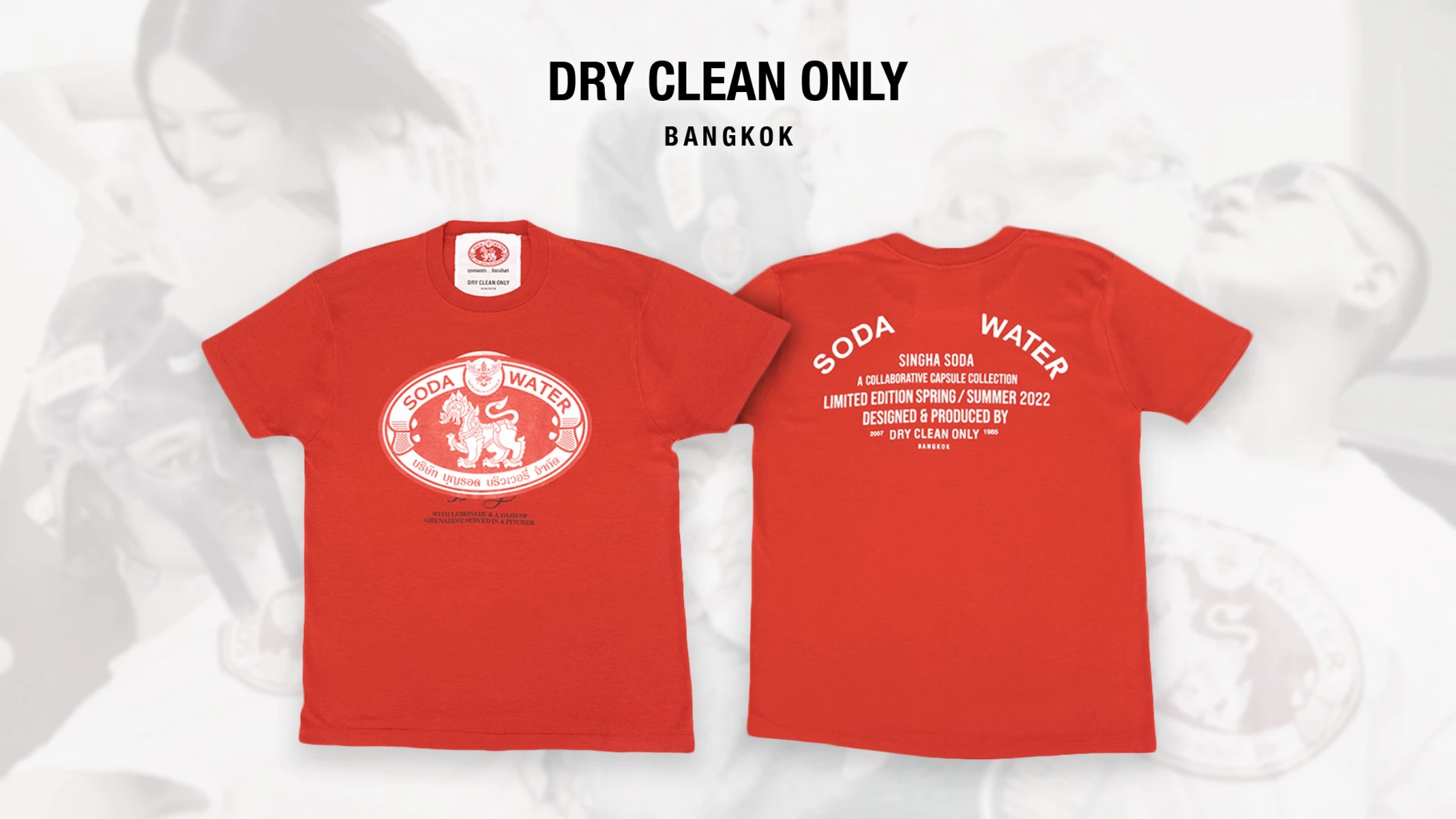
Singha Sodas collaboration with Dry Clean Only, a Thai fashion house recognized worldwide, wants to extend our role as “the best mixer” in our consumers lives by integrating Singha Sodas brand logo with Dry Clean Onlys vintage style.
“Singha Soda” joins hands with Thai fashion powerhouse Dry Clean Only, unveiling a new limited-edition fashion collection for the “SINGHA SODA X DRY CLEAN ONLY THE INFINITE MIX COLLECTION” campaign. Jackets, sweaters, and t-shirts launched are uniquely designed and are one kind that is Dry Clean Only’s signature. The collection will be available worldwide this 20th December via https://singhasodacollection.com, marking the brand’s another iconic movement to remember.
Mr. Titiporn Thammapimookkul, Chief Marketing Officer – Brand of the Boonrawd Trading Co., Ltd., unveils that “Singha Soda is a brand with a long history with the Thai public. We believe in the power of creativity and inspiration and aim to constantly improve our brand with new activities that have never been done before.
Singha Soda’s collaboration with Dry Clean Only, a Thai fashion house recognized worldwide, wants to extend our role as “the best mixer” in our consumers’ lives by integrating Singha Soda’s brand logo with Dry Clean Only’s vintage style. The result is a unique and limited collection consisting of t-shirts, jackets, and sweaters, each with its unique design in terms of patterns, colors, and sizes. Everyone who purchased this Dry Clean Only collection is guaranteed a sole owner of that item.”
Mr. Patipat Chaipukdee, founder of Dry Clean Only, says, “My love for the fashion industry has driven me to make the Dry Clean Only brand recognized everywhere. We have moved from a Thai brand doing business in international markets into a worldwide fashion force known and loved worldwide. Our collaboration with Singha Soda for this collection is an honor, merging different ideas from the two brands and creating an entirely new collection. This project will shake the fashion industry and get everyone excited about owning a fashion piece to wear or keep.”
Singha Soda aims to create exciting experiences between the brand and our consumers with our motto “be different anywhere.” The brand’s past projects have driven the soda market and has created a positive wave for the society, such as “From Home With Love,” a special song during the lockdown restrictions, bringing artists and DJs to create the Mix Infinity Playlist with ASMR to induce relaxation and productivity, collaborating with a world-class artist, Mister Cartoon, in a limited edition label design to break into the international market. The collaboration with Dry Clean Only, a Thai brand worn by worldwide artists and celebrities such as Beyoncé and Rihanna, resonates with the brand’s mission to create new and exciting initiatives. Consumers can purchase this special collection through https://singhasodacollection.com, available worldwide from 20th December onwards.
Rehabilitate stroke patients according to PNKG Recovery Center’s way
Stroke is one of the silent threats that is closer to us than everyone previously believed. Many think that stroke has a low chance of occurring and will never happen to themselves one day. When a stroke happens, it has its important time period called “Golden Period” where if the patient receives treatment and rehabilitation promptly, the chance of fast recovery will be high, and the chance of complications will be low.
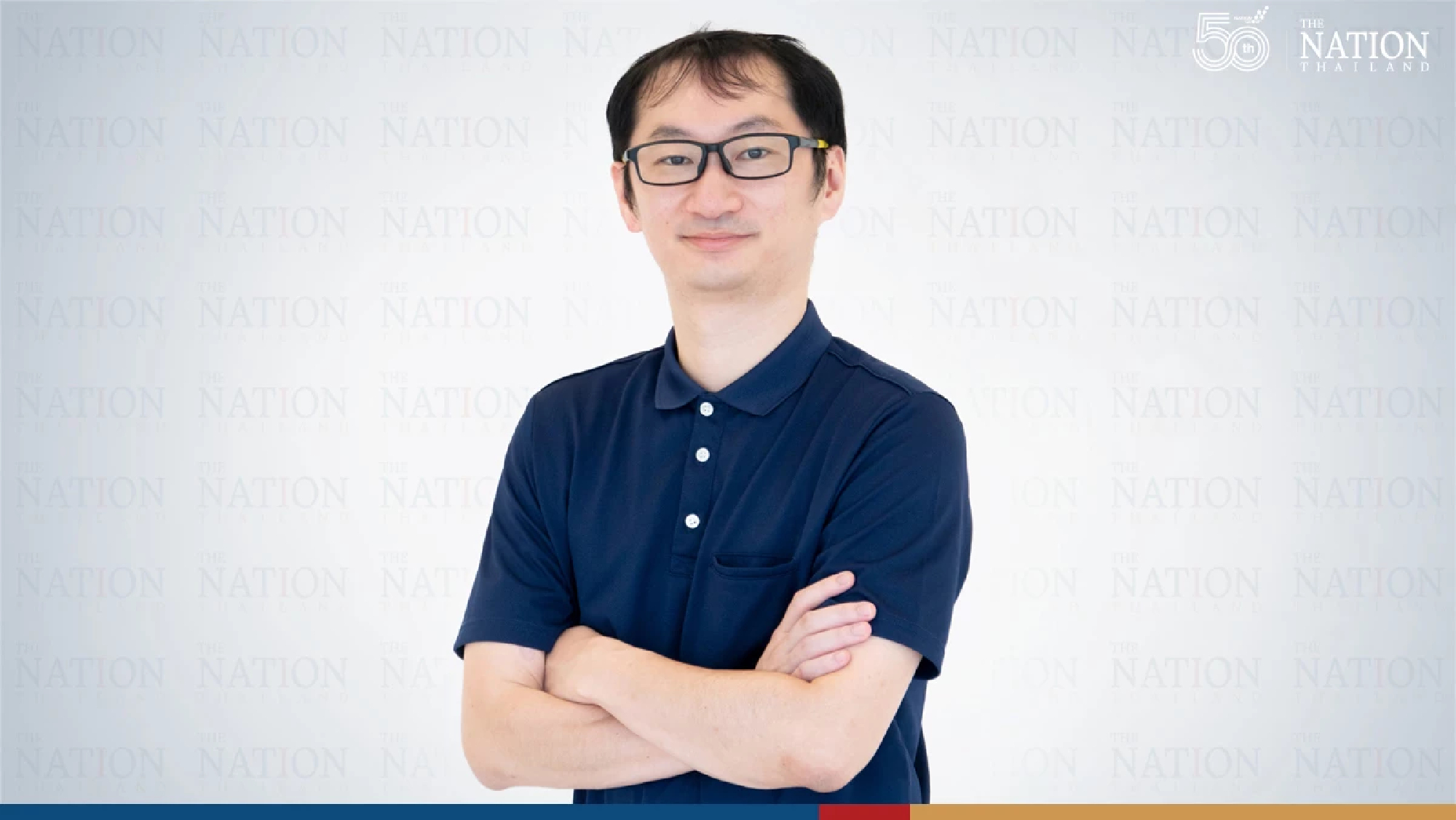
Mr. Yuki Furuya, the director of PNKG Recovery Center in Principal Healthcare Company Group or PRINC Health, explains about the rehabilitation in patients with stroke, using Kaigo-Do style or the Japanese way of recovery, that has been modified to be used in rehabilitation patients especially in group of stroke patients in Thailand
About Kaigo-do style of treatment, it is a method to recover the mind and the body of the patient based on the Japanese way, that is to allow the patient to learn to help themselves under a close supervision of a trained caregiver as much as possible, and only render assistance to the patients only in activities that they cannot do, until they are ready to re-learn or improve enough to do it themselves eventually.
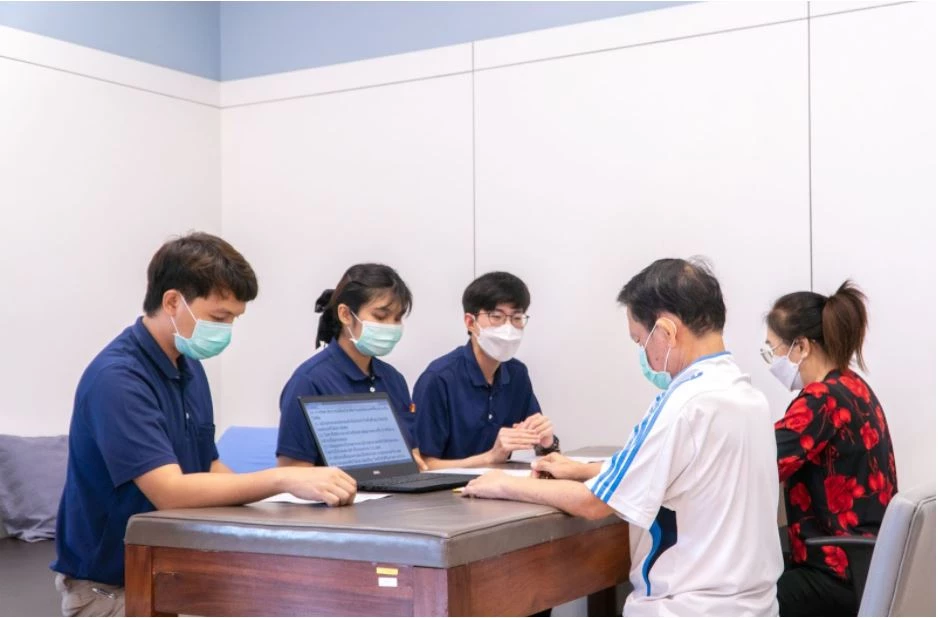
Mr. Furuya explains further that, the PNKG Recovery Center gives importance to the foundation of the patient-family relationship along with the rehabilitation and treating individual patients. The treatment begins with assessment of patient-family relationship and readiness, designs the rehabilitation program with the healthcare professionals from various specialties, including but not limited to physiotherapist, occupational therapist, nutritionist, doctor, nurse, psychologist among others. A patient typically receives the treatment from the center between 3 weeks to 3 months or longer, even up to 6 months to 1 year, depending on the rate of recovery, the baseline patient’s condition and the expected goal.
Our personalized care plan focuses on the key 5 factors:
1. Hydration Maintaining the TDS level of water for a day
2. Exercise Practicing at least 2 km walking everyday
3. Nutrition Providing 5 main food groups recommended by nutritionist
4. Defecation Helping induce a bowel movement
5. Medication Reduction Practicing the way of Kaikodo by our Japanese specialists (Intensive Personalized Care Plan)
Mr. Furuya adds that the “Personalized Care Plan” is the key to success. With collaboration of experts including a specialized doctor, physical therapist, nutritionist and also the family of the patient, we try putting the big smile on your face once again.
Home Evaluation is another service which we inspect and redecorate the house to be aligned with our rehabilitation plan. Equipment and the installment are also included.
A stroke is a serious life-threatening medical condition that happens when the blood supply to part of the brain is cut off. Strokes are a medical emergency and urgent treatment is essential. The sooner a person receives treatment for a stroke, the less damage is likely to happen.
For more information on stroke, please join the seminar under the topic “Soul Mind and Soul Body for Stroke Patients” by PNKG Recovery center on Saturday 18th December, 2021 from 09.45-11.30 am.
For registration, please follow the link here: https://booking.princhealth.com/PSUV-strokeweek narrated by Wuttikorn Punprasit, M.D., Neurology Specialist and Experts from PNKG Recovery Center under Principal Healthcare
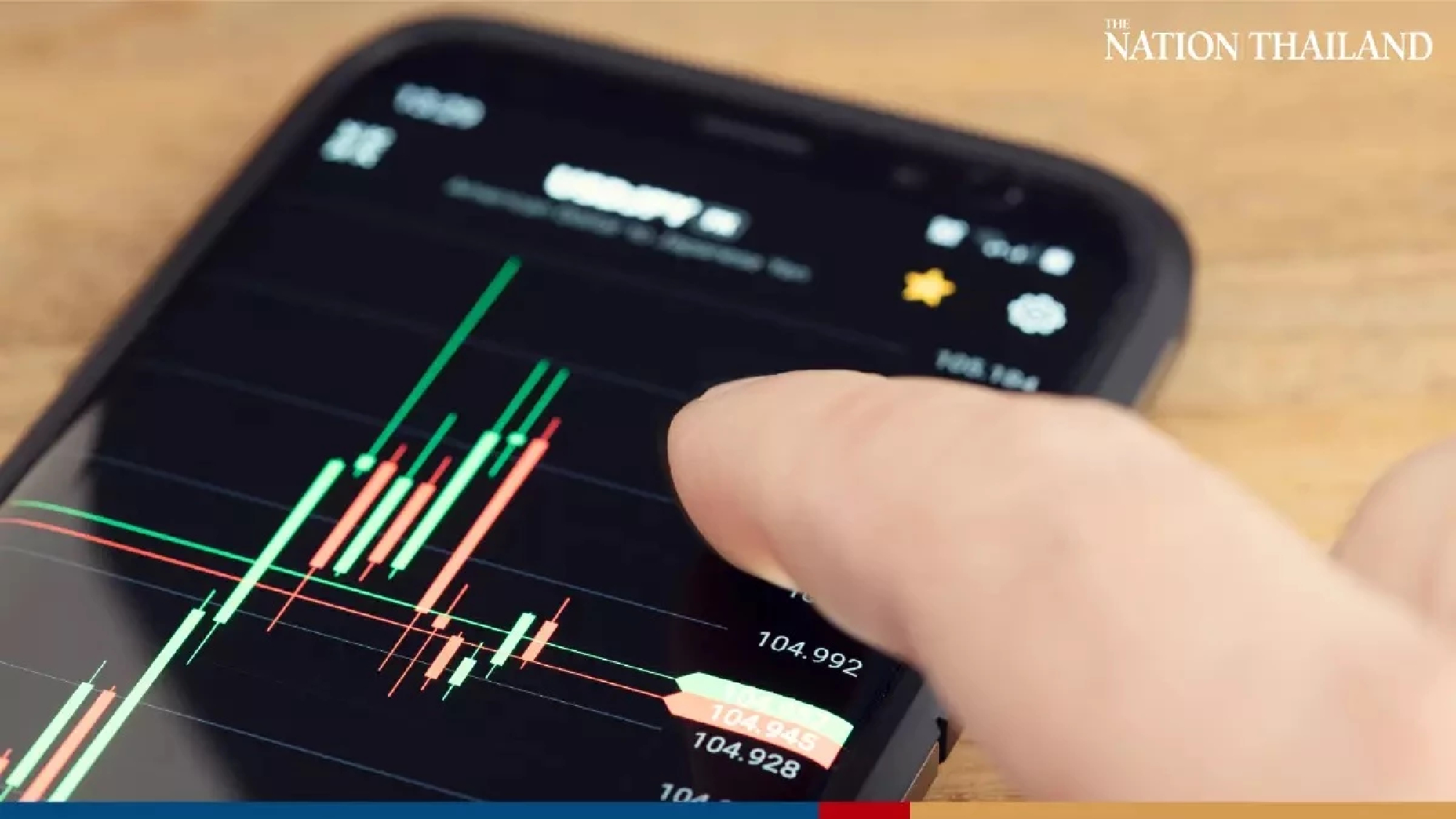
The Stock Exchange of Thailand (SET) Index closed at 1,641.73 on Friday, down 3.59 points or 0.22 per cent. Transactions totalled 96.45 billion baht with an index high of 1,646.85 and a low of 1,637.09.
The index fell after rising by 21.66 points or 1.33 per cent on Thursday.
The 10 stocks with the highest trade value today were EA, SCGP, KBANK, GPSC, AOT, SCB, CPALL, PTT, JAS and CPF.
Other Asian indices were mixed:
Japan’s Nikkei Index closed at 28,545.68, down 520.64 points or 1.79 per cent.
China’s Shanghai SE Composite closed at 3,632.36, down 42.65 points or 1.16 per cent, while the Shenzhen SE Component closed at 14,867.55, down 245.25 points or 1.62 per cent.
Hong Kong’s Hang Seng Index closed at 23,192.63, down 282.87 points or 1.20 per cent.
South Korea’s KOSPI Index closed at 3,017.73, up 11.32 points or 0.38 per cent.
Taiwan’s TAIEX Index closed at 17,812.59, up 26.85 points or 0.15 per cent.

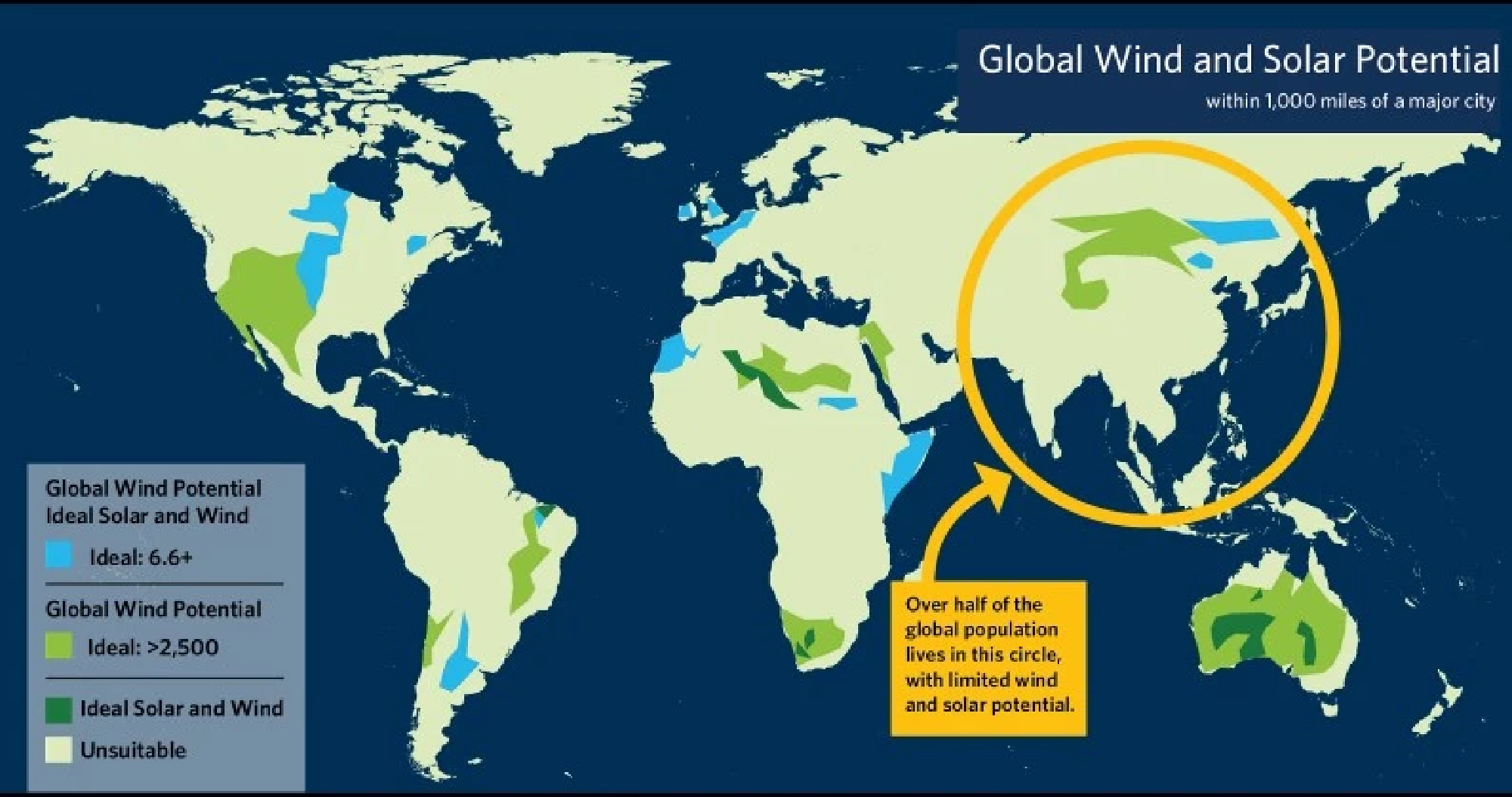
 Many parts of Asia are challenged by limited access to locations that can generate substantial solar or wind power. (Source: Peter Zeihan








 SootinClaimon.Com