How Thailand’s poorest region is tapping BCG innovations for riches
MONDAY, DECEMBER 12, 2022
Stephanie Adair
Thailand’s much-publicised Bio-Circular Green (BCG) plan to boost the grassroots economy faces its biggest test in the rice-basket Northeast, the country’s poorest region.
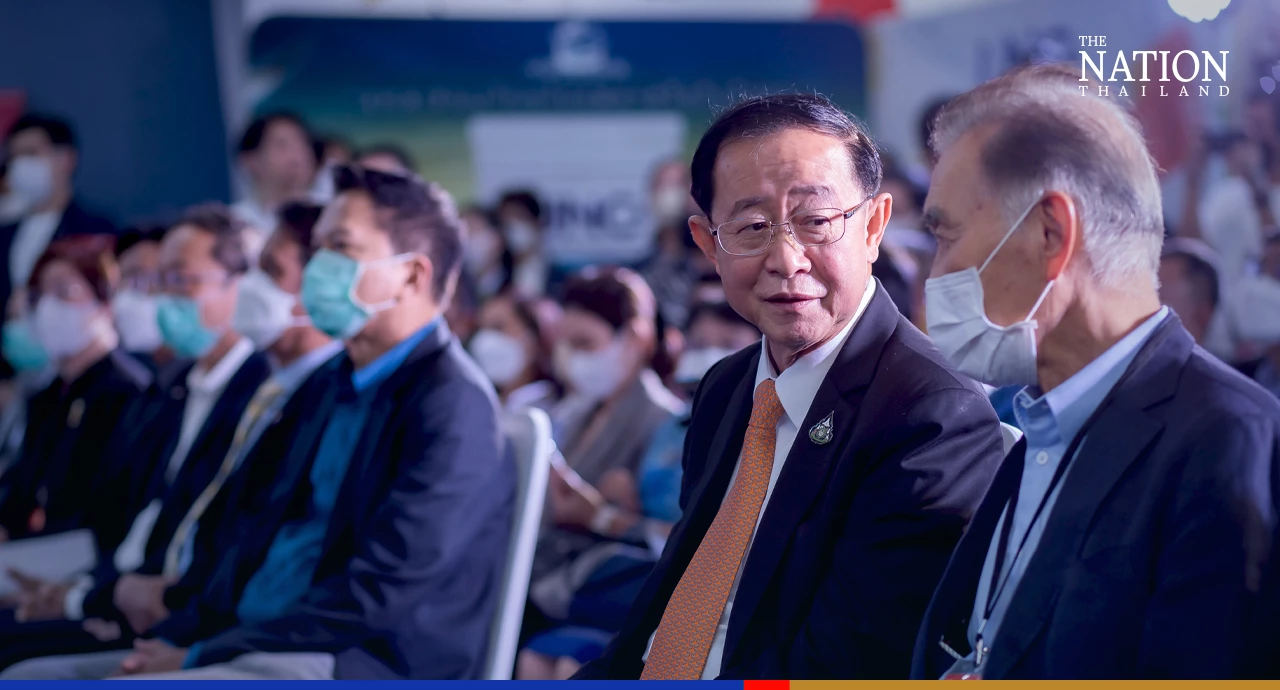
However, visitors to the “Isan BCG Expo 2022” in Khon Kaen are now seeing how BCG is being put into action under the region’s strategy to become an Asean trade and economic hub.
The Northeast’s largest exhibition of sustainable innovations is being hosted by the Khon Kaen Innovation Centre (KKIC) and sugar/bio-energy giant Mitr Phol Group together with 50 companies.
Under the spotlight are biotechnology innovations and investment opportunities for local and CLMV (Cambodia, Laos, Myanmar and Vietnam) businesses seeking to expand in the Northeast.
The showcase is divided into three forums. The Isan BCG Forum 2022 features more than 40 sessions led by 80 experts from various fields to build BCG knowledge and understanding. Elsewhere, in-depth lessons are offered at the Essence of BCG talks while the Green Stage is showcasing sustainable agriculture practices designed to boost business growth.
Northeast culture is also being promoted in activities including Isan Serng & Sound (music), an Isaan gastronomy chef’s table, and a walking-street exhibition divided into Creative, Innovative and Green zones filled with booths from all over Isaan.
The four-day “Isan BCG Expo 2022” runs until today (December 12) at Khon Kaen Innovation Centre.
Thailand testing electric trucks to replace fleet of 400,000 diesel vehicles
MONDAY, DECEMBER 12, 2022
Thailand’s trucking industry will decide whether to switch its fleet of 400,000 diesel trucks to electric vehicles in April next year after EV tests, according to the Land Transport Association of Thailand.
Association president Apichart Prairungruang said the plan to switch from diesel to electric trucks came after the government released support measures for EVs.
He said that the association would test the EV trucks for safety to address concerns over possible battery explosions. It would also compare the capacity of electric and diesel trucks since the new EVs will be used for long-distance trips of 300-500 kilometres, he said.
The tests will focus on maintenance, after-sales service and whether routes have enough charging stations to keep the EV trucks on the road. It should take no longer than one hour and 30 minutes to fully charge an EV truck, Apichart added.
However, he is concerned about EV trucks’ shorter battery life of around six years compared with 7-10 years for diesel vehicles.
He said batteries also made electric trucks more expensive, at around 5-6 million baht per unit versus only 2.8 million for a diesel truck. He noted, though, that electric trucks cost less to run in the long term.
Apichart said the association would decide whether to switch to EV trucks after tests that are due to finish in April.
The association, which covers firms that operate around 400,000 trucks, is interested in EVs as a way of saving transport costs and protecting the environment, he said.
Revenue Dept exceeds collection target in first 2 months of fiscal 2023
MONDAY, DECEMBER 12, 2022
The Revenue Department is on course to meet its revenue collection target of 2.2 trillion baht in fiscal 2023, up 3.75% from last year, its director-general Lavaron Sangsnit said.
Revenue in October, the first month of the fiscal year, rose 19.5% year on year to 232 billion baht. November’s revenue also exceeded the target after the full reopening of the country spurred business activity, especially in retail and logistics, Lavaron said.
However, he warned of tougher times to come as a global economic slowdown looms in the next calendar year.
He also expects revenue from fuel tax in fiscal 2023 to fall given crude oil prices are forecast to drop from around US$100 to $90 per barrel.
KResearch forecasts 24 million-plus arrivals in Thailand next year
SUNDAY, DECEMBER 11, 2022
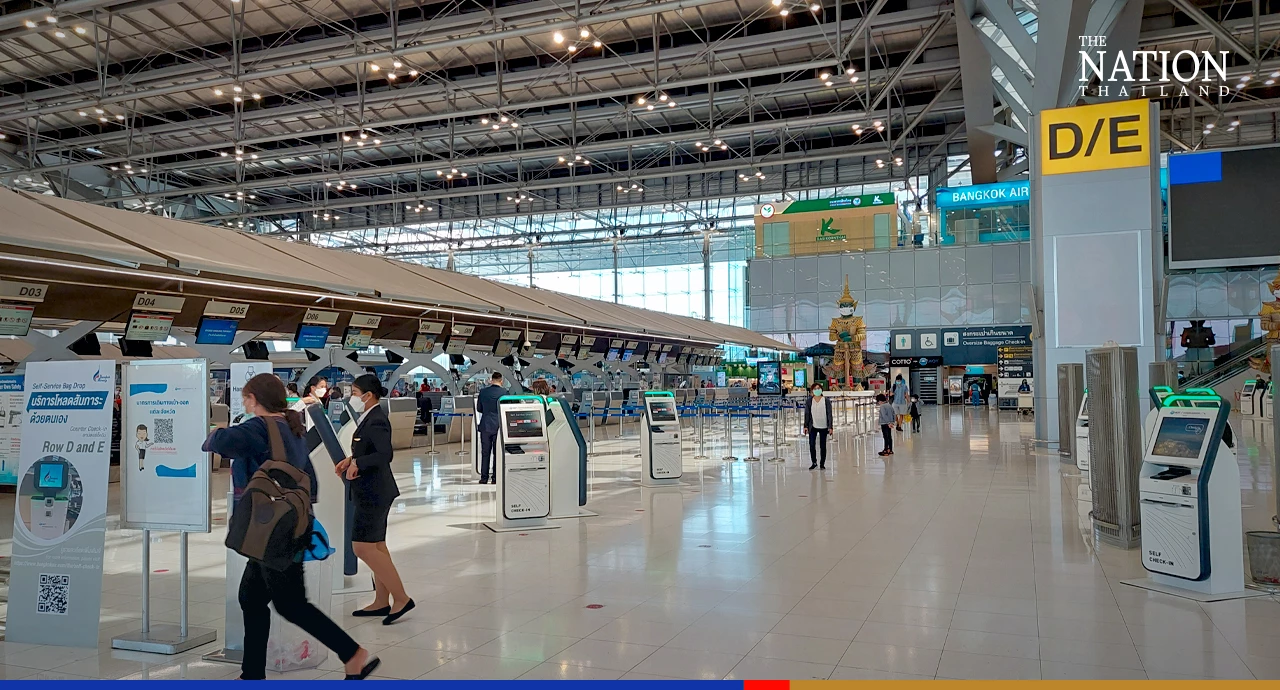
Thailand can expect to welcome as many as 24 million foreign tourists next year and earn up to 1.01 trillion baht in revenue, a top research house forecast shows.
Kasikorn Research Centre (KResearch) said on Sunday that the Thai tourism sector can expect a 60% recovery to pre-pandemic times now that people are less afraid of new Covid-19 waves being sparked.
“If there are new waves, we don’t expect them to result in lockdowns,” KResearch said, adding that more people will start travelling.
The centre added that Thailand can also expect to see more tourists from Middle Eastern countries rather than China.
“We don’t expect Chinese tourists to return in hordes yet because the Chinese government is still imposing stringent measures to curb infections,” KResearch said.
The centre added that the tourism industry can be expected to generate between 840 billion and 1.01 trillion baht in revenue next year.
“Each foreign traveller should spend about 42,000 baht next year, compared to about 40,000 baht per person this year,” KResearch said.
However, this is still lower than the 47,895 baht per person in 2019 due to changes in travel demand and the global economic slowdown.
The research house also said that the recovery of Thailand’s tourism industry still needs to tackle challenges like global economic slowdown, geopolitical tensions and the rising cost of living.